
15 Classic Cocktails Every Home Bartender Should Know
Learn the 15 classic cocktails every home bartender should know first, plus the smartest order to master them, the bottles to buy, and the mistakes to avoid. Classic cocktails are.
Classic cocktails are not just old drinks that survived long enough to feel respectable. They are the drinks that taught generations of bartenders how balance works. Learn a proper Old Fashioned and you understand how sweetness and bitters frame a spirit. Learn a Daiquiri and you understand how sour cocktails live or die on tension between acid, sugar, and dilution. Learn a Martini and you learn that simplicity is ruthless: when there are only two or three ingredients, every small decision matters.
That is why a focused classic cocktail guide is more useful than a giant undifferentiated list. A home bartender does not need fifty names on day one. They need a tighter short list of cocktails that actually build skill, cover the main styles, and remain worth drinking long after the learning phase is over. The goal is not to memorize trivia. The goal is to build a practical repertoire that makes you comfortable with shaken drinks, stirred drinks, tall refreshing drinks, sour templates, and spirit-forward serves.
This guide narrows the field to 15 classic cocktails that are genuinely worth mastering first. Some are centuries old. A few are newer but have already earned permanent status because of their influence and staying power. Together, they cover the backbone of home bartending. They also reflect a key insight that many broad roundups miss: the best classics are not always the most famous. The best classics are the ones that still teach you something every time you make them.
What makes a cocktail truly classic?
A cocktail becomes classic when it does at least three things well. First, it has a clear identity. Nobody confuses a Negroni with a Daiquiri or a Manhattan with a Mojito. Second, it travels well across bars, homes, and eras. Even with minor riffs, the structure stays recognizable. Third, it influences other drinks. The Sour, Collins, Martini, Old Fashioned, and Manhattan families have all produced countless descendants.
I also used a fourth filter for this article: practicality. A drink might be historically important, but if it requires unusual bottles or a style that most home drinkers will rarely reach for, it should not be high on a beginner priority list. That is why this list favors classics that are still relevant, widely ordered, and achievable with a realistic home bar.
1. Old Fashioned
The Old Fashioned belongs near the top because it teaches restraint. At its best, it is not a sugary fruit salad floating in whiskey. It is spirit, sugar, bitters, and dilution in a clean, controlled frame. If you want to understand why stirred whiskey cocktails remain timeless, start here.
What it teaches: how sweetness softens alcohol without burying it, how bitters add structure, and why ice quality matters. A big cube and a measured stir change everything. Once you understand this drink, you start tasting the difference between a rushed cocktail and a deliberate one. For a deeper breakdown, see our Old Fashioned guide.
2. Martini
No cocktail rewards precision more harshly than the Martini. It is one of the shortest recipes in the canon and one of the easiest to make badly. That is exactly why it matters. A Martini teaches temperature, dilution, garnish choice, vermouth freshness, and the difference between clean technique and casual guesswork.
What it teaches: less is not easier. Stirring long enough to chill without over-diluting, choosing a garnish that suits the gin or vodka, and respecting vermouth as an ingredient rather than a prop are all foundational lessons. Even if you do not become a dedicated Martini drinker, learning how to make one will sharpen every other stirred cocktail you touch.
3. Daiquiri
If the Old Fashioned is the best teacher for spirit-forward drinks, the Daiquiri is the best teacher for sours. It looks almost too simple to be profound: rum, lime, and sugar. But because there is nowhere to hide, it becomes one of the purest expressions of balance in the cocktail world.
What it teaches: fresh lime is non-negotiable, sugar has to be measured, and rum choice changes the entire drink. A good Daiquiri feels dry, bright, and alive rather than candy-sweet. Learn it once and the logic carries directly into Margaritas, Gimlets, Whiskey Sours, and Sidecars.
4. Negroni
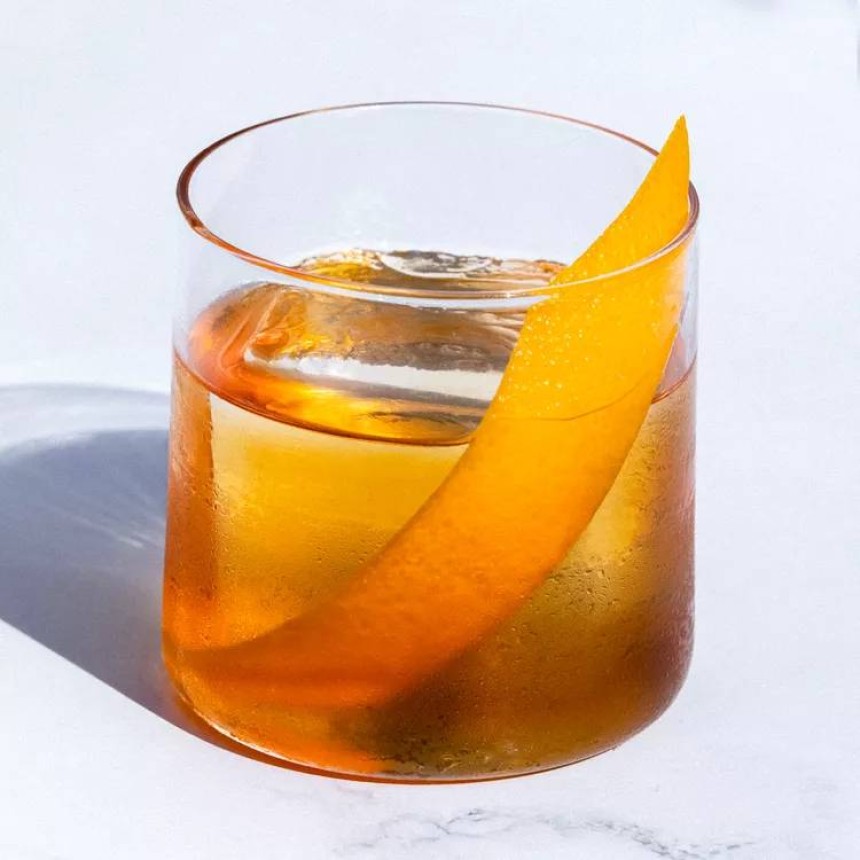
The Negroni deserves a place in every serious classic cocktail conversation because it teaches bitterness, equal-parts logic, and appetite. A good Negroni is not merely strong. It is structured. The sweetness of vermouth, the bitter lift of Campari, and the backbone of gin create a drink that feels both blunt and exact.
What it teaches: not every classic needs citrus to feel balanced. The Negroni is also one of the easiest drinks to remember, which makes it useful for home bartenders building confidence. Once you understand why the equal-parts ratio works, you will start noticing that many modern riffs are really conversations with this one drink. We cover that evolution in our Negroni guide.
5. Manhattan
The Manhattan is the drink that convinces many people whiskey cocktails can be elegant rather than heavy. Whether you prefer rye for spice or bourbon for roundness, the real lesson is how vermouth and bitters can widen the shape of a spirit without muting it.
What it teaches: stirred cocktails can be layered, aromatic, and food-friendly. It also shows why vermouth storage matters. Fresh vermouth produces a bright, herbal Manhattan; old vermouth drags it into dullness. A home bartender who keeps vermouth chilled and measured is already ahead of the crowd.
6. Margarita
The Margarita is often mistreated by bad sour mix, oversized glasses, and too much sugar, which is exactly why mastering a proper one matters. In its classic form, it is one of the cleanest and most satisfying tequila cocktails ever built: tequila, orange liqueur, and lime in real tension with one another.
What it teaches: citrus-forward cocktails do not need to be sweet to feel complete. It also introduces the question of salt as a deliberate flavor tool rather than decoration. A well-made Margarita tastes sharp, savory, and deeply refreshing. If tequila is part of your home bar, our Margarita guide and summer tequila cocktails roundup make good follow-up reading.
7. Whiskey Sour
The Whiskey Sour is one of the friendliest bridges into whiskey. It keeps bourbon or rye recognizable but wraps it in lemon and sweetness so the drink feels welcoming rather than stern. That is why it has stayed relevant for so long.
What it teaches: shaking technique, fresh citrus handling, and texture management. If you use egg white, you also learn why foam changes aroma and mouthfeel. It is one of the clearest examples of why seemingly small technical decisions can turn a familiar drink from flat to memorable.
8. Gimlet
The Gimlet is often reduced to vodka and bottled cordial, but at its best it is a precise, bracing citrus cocktail that rewards simplicity. Whether you build it with gin and fresh lime or a more historical cordial approach, the important thing is clarity.
What it teaches: the line between austere and refreshing is extremely thin. Too much sweetness and the drink becomes dull. Too much lime and it goes sharp in the wrong way. The Gimlet is the kind of drink that trains your palate quickly because every imbalance announces itself. If you want a focused reference point, our Gimlet article is worth keeping nearby.
9. Sidecar
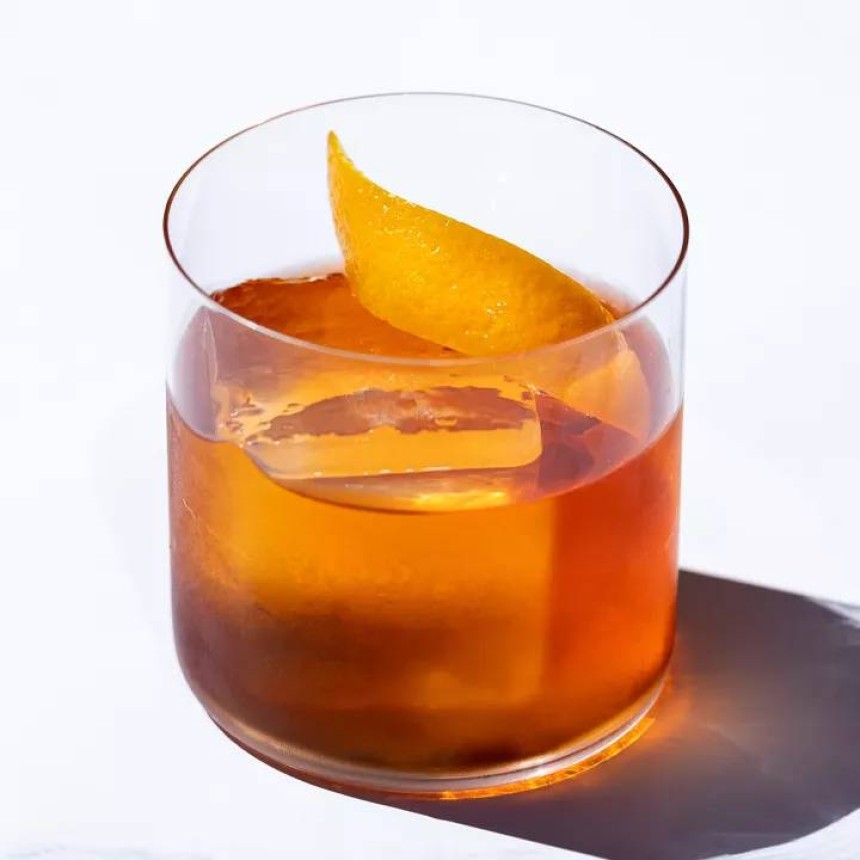
The Sidecar is one of the great reminders that brandy cocktails deserve more attention than they get. Brandy or Cognac, orange liqueur, and lemon create a drink that is simultaneously rich and sharp. When it lands well, it tastes almost architectural.
What it teaches: richness does not have to mean heaviness. The Sidecar also shows how a sugared rim can be used thoughtfully instead of mechanically. It is not mandatory, but when the citrus is especially firm, that extra edge of sweetness can complete the drink.
10. Tom Collins
The Tom Collins earns its place because it is the easiest way to understand the long-drink branch of the sour family. Gin, lemon, sugar, and soda produce a drink that feels casual and deeply useful. It is not flashy. It is dependable, bright, and highly drinkable.
What it teaches: length and fizz are not afterthoughts. Soda changes the pace of a drink and the way it carries aroma. The Collins family also teaches why glassware, ice volume, and carbonation timing matter. Build it right and it tastes crisp and effortless. Build it lazily and it tastes washed out.
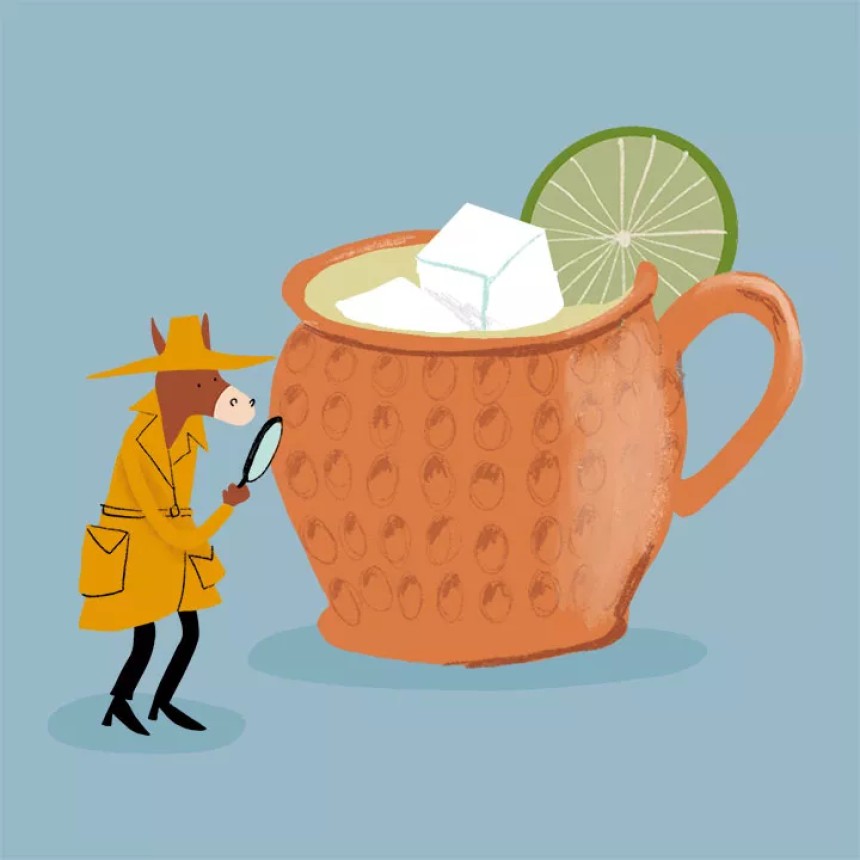
11. Moscow Mule
The Moscow Mule may be younger than many classics on this list, but it has more than earned its place. Vodka, lime, and ginger beer form one of the most approachable templates in modern cocktails. It is fast, easy to scale, and welcoming to drinkers who do not yet love spirit-forward drinks.
What it teaches: spice is a structural ingredient. Good ginger beer gives the Mule bite, aroma, and lift. It also proves that not every classic has to be built in a mixing glass or shaker to be taken seriously. For the backstory and ways to improve it, read our feature on the Moscow Mule.
12. Mojito
The Mojito is one of the few drinks here that feels almost impossible to make without engaging physically with the ingredients. Mint, lime, sugar, rum, and soda demand touch, aroma, and restraint. Over-muddle the mint and the drink turns bitter. Under-build it and it tastes vague.
What it teaches: herbs are fragile. The Mojito is a lesson in handling fresh ingredients with intent. It is also one of the clearest demonstrations that refreshing cocktails still need backbone. The rum has to remain present or the drink collapses into flavored soda.
13. French 75
The French 75 belongs on this list because it shows how sparkling wine can function as a structural cocktail ingredient rather than a celebratory topper. Gin, lemon, and sugar already form a familiar sour skeleton, but the sparkling wine changes the tone from everyday to occasion-worthy.
What it teaches: bubbles amplify aroma and sharpen the perception of dryness. The drink also teaches timing. Sparkling cocktails demand service discipline. You build the base first, chill the glass, and add the wine at the end so the drink stays alive when it reaches the guest.
14. Mai Tai
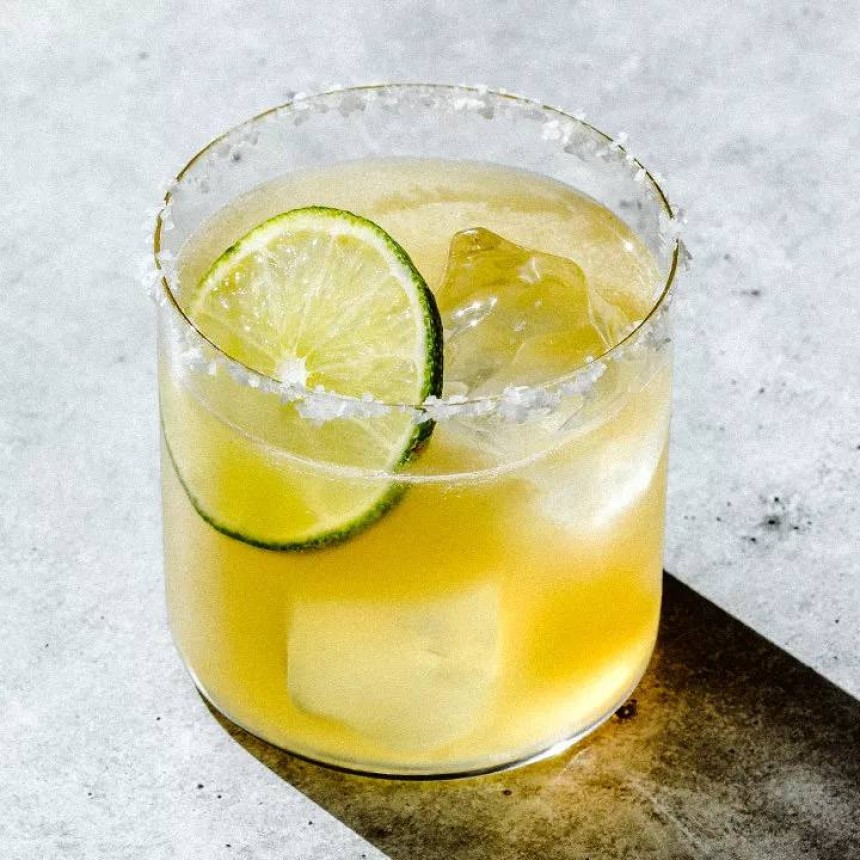
The Mai Tai is important because it corrects a common misunderstanding: tropical does not mean simplistic. A real Mai Tai is one of the great demonstrations of layered rum flavor, citrus precision, and textural generosity. The fake, overly sweet versions did damage to its reputation, but the true drink remains a landmark.
What it teaches: complexity can still be balanced. The Mai Tai is also a reminder that classic cocktails are not all minimalist. Some are lush, aromatic, and built for depth. Once you understand a proper Mai Tai, you start respecting Tiki and tropical cocktails in an entirely different way.
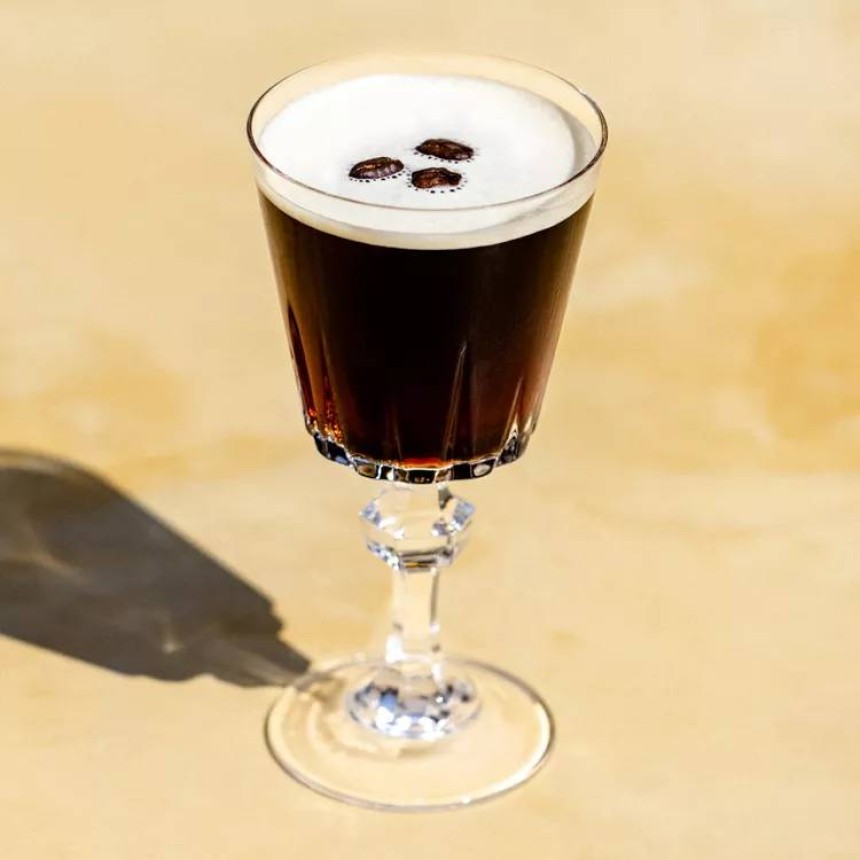
15. Espresso Martini
Some purists still debate whether the Espresso Martini belongs beside older classics, but in practical terms the answer is obvious: it is no longer a trend piece. It has become a permanent fixture. A drink that remains globally relevant across decades, menus, and drinker types has already crossed the line into classic status.
What it teaches: texture, temperature, and coffee freshness. It also introduces the modern idea that a classic can be relatively new if it proves durable enough. The drink is now part of the real home bartender toolkit, and our Espresso Martini guide is useful if you want to refine your shake and foam.
The best order to learn these cocktails at home
If you are starting from scratch, do not learn these in historical order. Learn them in skill order. Start with the Daiquiri, Whiskey Sour, and Tom Collins to understand citrus balance. Move next to the Old Fashioned and Manhattan to understand stirring and dilution. Then learn the Negroni and Martini to sharpen your palate for bitterness, temperature, and minimalism. After that, expand into the Margarita, Gimlet, and Sidecar, then tackle sparkling and high-maintenance drinks like the French 75, Mojito, Mai Tai, and Espresso Martini.
This sequence matters because every drink teaches a transferable lesson. Once you can consistently make a Daiquiri and an Old Fashioned, the rest of the classic world starts feeling far less mysterious.
The bottles that unlock most classic cocktails
You do not need a giant back bar to make the classics well. A smart starter setup looks like this:
- Bourbon or rye whiskey
- London dry gin
- White rum
- Tequila blanco
- Brandy or Cognac
- Sweet vermouth
- Dry vermouth
- Orange liqueur
- Campari
- Angostura bitters
Add fresh lemons, limes, sugar, soda water, ginger beer, mint, and a decent bag of ice, and you can cover an enormous amount of territory. That is another reason the classics are so useful: they teach you how to buy bottles with intent rather than collecting random spirits that never connect to one another.
Common mistakes people make with classic cocktails
- Using bottled citrus instead of fresh juice
- Keeping vermouth warm and open for too long
- Guessing measurements instead of using a jigger
- Using weak or stale ice
- Over-sweetening drinks that are meant to finish dry
- Shaking stirred cocktails and under-shaking sour cocktails
- Treating garnish like decoration instead of aroma
Most bad classics fail for ordinary reasons, not exotic ones. The recipe is usually fine. The execution is what slips. Better citrus, colder glassware, fresher bottles, and tighter measuring solve more problems than expensive equipment ever will.
How classic cocktails become modern templates
One of the biggest reasons to learn classic cocktails is that they are not dead ends. Each one opens into a family tree. The Old Fashioned leads you into spirit-forward variations built with tequila, rum, mezcal, and amaro. The Manhattan points toward Brooklyn riffs, Boulevardiers, and countless vermouth-led whiskey drinks. The Daiquiri unlocks an entire world of rum sours, while the Margarita and Gimlet show how one small ratio shift can create a new house style.
That matters because modern cocktail culture is built on literacy. Bartenders are constantly borrowing structure from the classics and then changing one thing: the base spirit, the sweetener, the bittering agent, the length, or the garnish. If you already understand the original template, you can read a menu much faster and mix at home with a lot more confidence.
Five more classics to explore next
- Sazerac if you want to sharpen your stirred-whiskey technique even further
- Mint Julep if you want to work more deliberately with crushed ice and fresh herbs
- Irish Coffee if you want to understand hot cocktail service and layered texture
- Pisco Sour if you want a deeper dive into egg white texture and aromatic bitters
- Bloody Mary if you want to explore savory structure instead of sweet-sour balance
If you want to keep going, our guides to the Mint Julep and Irish Coffee are natural next stops once you have the core 15 under control.
Final pour
The best classic cocktail guide is not the one with the biggest number. It is the one that helps you understand why certain drinks have lasted, what each one teaches, and which ones are actually worth learning first. These 15 classics cover the most important families, the most useful techniques, and the drinks that still matter when trends burn out.
If you master this set, you do not just gain 15 recipes. You gain a working map of the cocktail world. And once you have that map, every new riff, regional variation, and modern menu starts making a lot more sense.
Ask AI about this article
Pick a prompt, copy it, or open ChatGPT with this article preloaded.
Comments 0
Login to Post comments