
Best Vodka Brands for Mixing Cocktails: A Use-Case Buying Guide
Choose the cocktail first and set the budget second. For citrus-heavy drinks, ginger-beer highballs, and party batches, look for an affordable vodka that…
- The named bottles below are candidates, not a claim that one brand wins every cocktail or market.
- No dated, claim-level retail-price evidence was supplied for this assignment, so this guide does not publish price figures or pretend that US and UK shelf prices are interchangeable.
- Use the budget bands as relative shopping categories at your retailer: economy , mid-shelf , and premium .
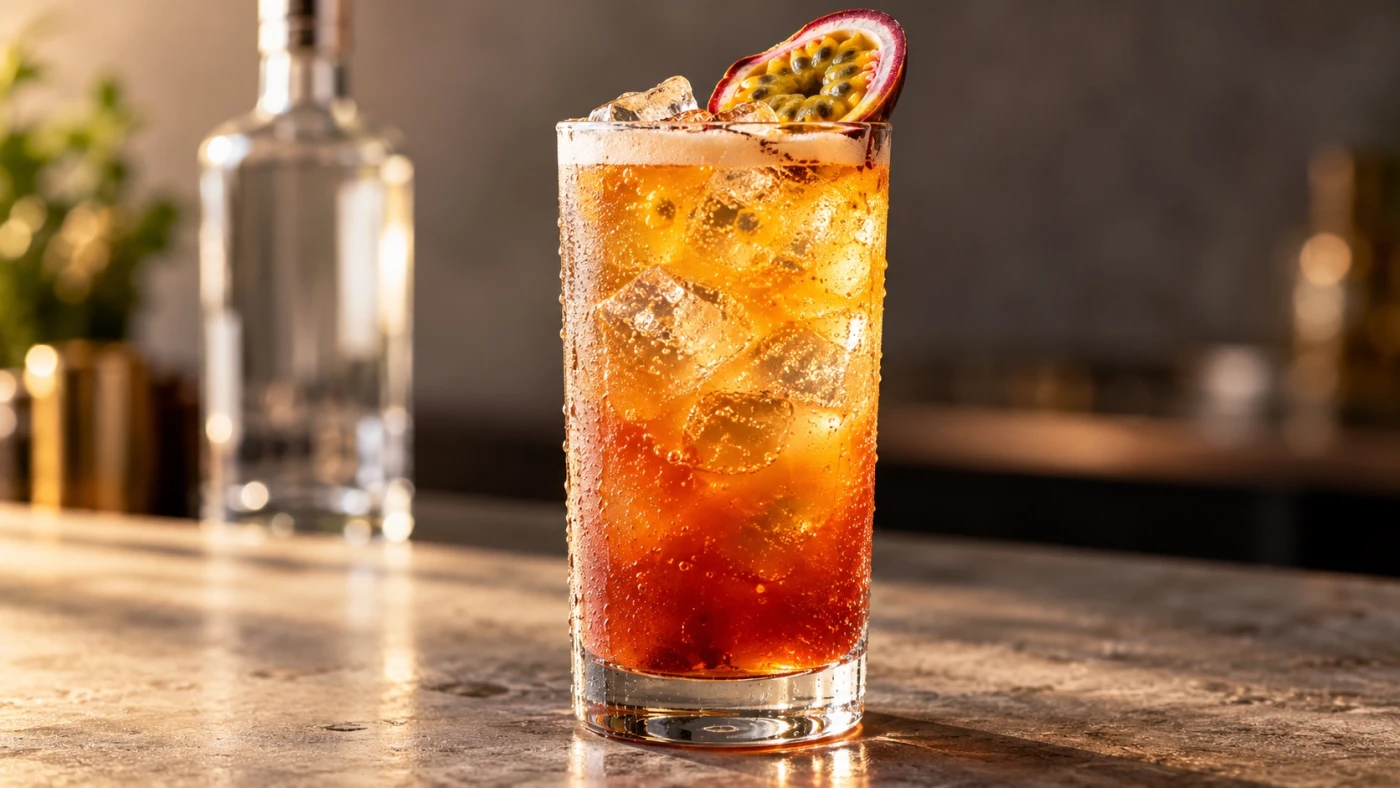
- Cocktail visibility: Tomato juice, coffee liqueur, passion fruit, ginger beer, and assertive citrus can cover fine differences between vodkas.
- Clean integration: In a mixed drink, vodka should support the other ingredients rather than create an unpleasant finish.
Choose the cocktail first and set the budget second. For citrus-heavy drinks, ginger-beer highballs, and party batches, look for an affordable vodka that does not introduce a distracting aroma or harsh finish. For a Vodka Martini, Vodka Soda, or another sparse drink, allocate more of the budget to a bottle whose texture and finish you actually enjoy.
The selection logic in this guide is simple: consider how visible the vodka will be, compare local prices for equivalent bottle sizes, and avoid paying for distinctions that the finished drink will conceal. The named bottles below are candidates, not a claim that one brand wins every cocktail or market.
No dated, claim-level retail-price evidence was supplied for this assignment, so this guide does not publish price figures or pretend that US and UK shelf prices are interchangeable. Use the budget bands as relative shopping categories at your retailer: economy, mid-shelf, and premium.
The criteria that matter in a mixing vodka
Cocktail visibility: Tomato juice, coffee liqueur, passion fruit, ginger beer, and assertive citrus can cover fine differences between vodkas. Chilled dilution, soda water, or a small measure of vermouth leaves much more of the spirit exposed.
Clean integration: In a mixed drink, vodka should support the other ingredients rather than create an unpleasant finish. A bottle that seems neutral at first can still become conspicuous when lengthened with soda, so evaluate unfamiliar options in the kind of drink you intend to make.
Texture: Body matters most in short, spirit-forward serves. If you want a Martini with a rounded or substantial impression, compare bottles side by side in very simple drinks before committing to a larger format.
Replacement cost: A frequent-use bottle should be easy for you to replace without distorting the cocktail budget. Local availability is therefore part of quality in practical terms: a theoretically ideal vodka is not a useful house pour if it is scarce or unpredictably priced.
Label check: Confirm the alcohol content on the bottle you are buying rather than relying on a figure from another country or product format. Market-specific labels and expressions can differ. This article omits numerical strength claims because no matching label evidence was provided.
Candidate comparison by use case
| Candidate | Budget position to check locally | Start with this use case | Main tradeoff |
|---|---|---|---|
| Smirnoff No. 21 | Economy to mid-shelf | Juice drinks, ginger-beer highballs, party mixing | Choose for utility rather than for a deliberately expressive Martini |
| Absolut Original | Mid-shelf | One-bottle cocktail setup and mixed-drink variety | May cost more locally than an economy bottle without adding equal value in strongly flavored drinks |
| Finlandia | Mid-shelf | Citrus drinks, Collins-style drinks, and soda highballs | Availability and relative price can vary by market |
| Ketel One | Upper mid-shelf to premium | Vodka Martinis and short cocktails | Harder to justify when mixers dominate the drink |
| Belvedere | Premium | Minimalist, spirit-forward cocktails | Premium pricing may offer little practical return in large batches |
| Grey Goose | Premium | Simple highballs or Martinis when the buyer already prefers it | Brand familiarity alone does not guarantee better cocktail value |
| Tito's Handmade Vodka | Check locally | General mixed drinks where it is competitively priced | US and UK value positions may differ substantially |
These placements are editorial starting points, not verified product specifications or tasting-panel results. Actual price tier, availability, bottle format, and label details must be checked in the reader's market.
Which bottle should you buy?
For Moscow Mules, Screwdrivers, and fruit-led drinks
Begin with Smirnoff No. 21, Absolut Original, or Finlandia, then choose whichever occupies the better local price tier and tastes unobtrusive to you. These drinks derive much of their character from ginger beer, juice, citrus, syrups, or liqueurs, so spending heavily on the base spirit usually has a lower payoff.
If the cheapest bottle leaves a coarse finish in a simple sample drink, move up one local tier. There is no need to jump directly from the least expensive option to a prestige bottle.

For Vodka Martinis and other short drinks
Shortlist Ketel One, Belvedere, and Grey Goose, but do not buy on reputation alone. A Martini exposes the base spirit, dilution, garnish, and vermouth choices, so personal preference matters more than a universal ranking.
Buy a smaller bottle first when possible. Compare candidates in the same preparation, with the same vermouth and garnish. That is a purchasing check, not a claim that this article conducted a controlled tasting.
For Vodka Soda and other lean highballs
A lean highball sits between the two extremes: soda does not hide the vodka, but the drink may not reward the cost of the most expensive bottle. Start in the local mid-shelf with Absolut Original, Finlandia, or Tito's Handmade Vodka. Move upward only if a simpler serve reveals a preference worth paying for.

For parties and large-format mixing
Select an economy or mid-shelf candidate with dependable local availability. Smirnoff No. 21 is an obvious bottle to compare, while Absolut Original may be worth considering if the price gap is modest at your retailer.
Compare like with like: identical bottle volumes, current shelf prices, and the quantity your planned drinks require. Large formats can reduce the cost per drink, but only when the remaining vodka will be used rather than left as surplus.
A transparent budget decision
Economy: Choose this band for strongly flavored cocktails, casual parties, or a strict total-drink budget. Reject a bottle only when its contribution remains unpleasant after mixing.
Mid-shelf: This is the practical starting point for a single bottle expected to cover citrus drinks, highballs, and occasional short cocktails. It balances versatility against replacement cost.
Premium: Reserve this band for sparse drinks, a known preference, or an occasion where the specific bottle matters to the buyer. Premium should describe the spending decision, not imply an objectively superior result in every cocktail.
To compare value, divide the local bottle price by its volume, then compare equivalent amounts across candidates. If two bottles occupy different sizes, shelf price alone is misleading. Also check whether a discount requires buying more vodka than you realistically need.
The short answer
For bold mixed drinks and parties, start by comparing Smirnoff No. 21, Absolut Original, and Finlandia at current local prices. For a flexible one-bottle setup, choose the mid-shelf candidate that is easiest to replace and works in both citrus drinks and soda highballs. For Vodka Martinis, consider Ketel One, Belvedere, or Grey Goose, but pay the premium only after confirming that you prefer the result in a simple drink.
That approach completes the buying decision without pretending there is one universally best vodka: match expenditure to how clearly the cocktail reveals the bottle.
Ask AI about this article
Pick a prompt, copy it, or open ChatGPT with this article preloaded.
Comments 0
Login to Post comments