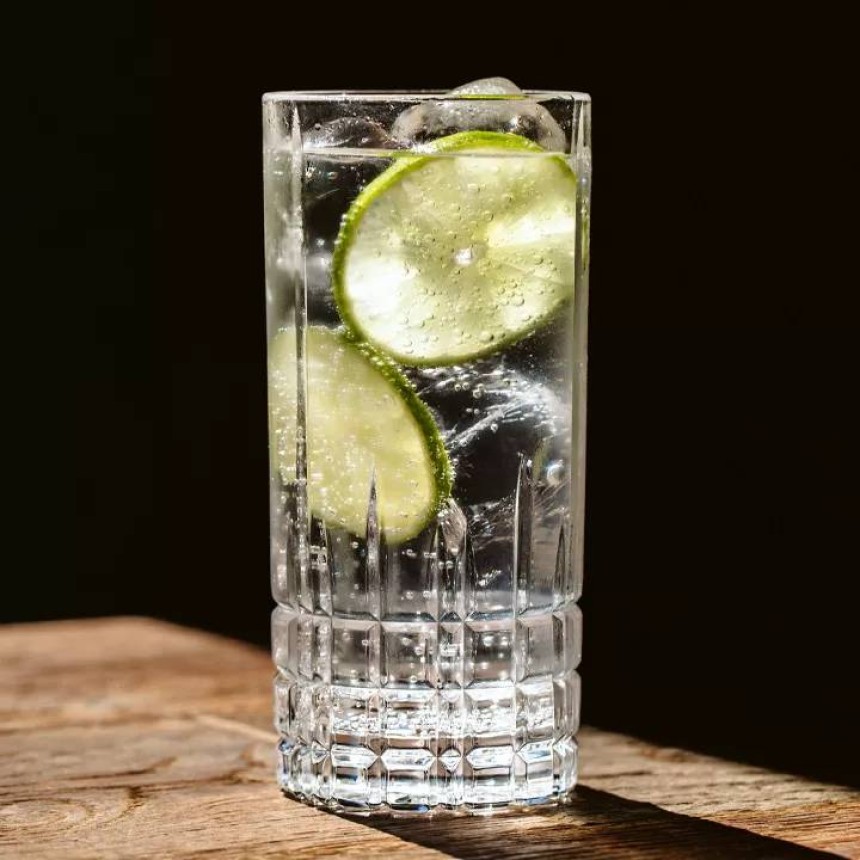

Gin & Tonic Variations Guide
Gin & Tonic. If you can say it, you can make it. Right? Right. But also, not exactly. The two-ingredient cocktail requires your undivided attention. From glassware to garnish to st.
A Gin & Tonic made with a potent base—45% ABV and above, if you mean business—and configured with two parts tonic to one part gin is a highball of balance and beauty. Too much gin, and the botanical spirit will overshadow the unique qualities of the tonic. Too much tonic, and it will drown the gin.
There is endless room for experimentation within those two ingredients. With hundreds of gins on the market and dozens of tonics, a good G&T is a mix-and-match exercise to find the combination that best suits your tastes. London dry gins are characterized by their juniper-forward flavor profile; modern-style gins often dial down the juniper and ramp up the citrus and florals. Some tonics are dry and straightforward, with prominent notes of bitter quinine. Others are sweet and syrupy. And in between, you’ll find tonics featuring everything from citrus and aromatics to herbs and spice. Then, of course, there’s the garnish. Many people swear by a lime. Others choose a lemon, and still others prefer a grapefruit slice or rosemary sprig, or a seasonal garnish such as blood orange and thyme.
All those permutations results in a bevy of Gin & Tonics, so naturally, the drink lends itself to creativity. Muddled cucumbers or fruit provide an extra dose of refreshment, and a measure of dry vermouth softens the cocktail. Liqueurs, fresh herbs and even barrel-aged gin are all fair game when you’re making G&Ts. It’s an impressive résumé for a drink that traces its roots to quinine powder, which was used in the 1840s as an antimalarial for British soldiers and citizens in India.
Originally, the bitter quinine powder was mixed with soda and sugar to make it more palatable. It wasn’t long before enterprising sorts bottled the elixir for commercial use. And soon after that, tonic made its way into gin.
Today, tonic features less quinine than past products, and it has a sweeter taste. But its ability to complement gin is unparalleled among mixers. Put the two together in a glass, and you can taste one of the cocktail canon’s best pairings and raise your glass to the knowledge that Gin & Tonics are, essentially, medicine.
Ingredients
- 2 ounces gin
- 4 ounces tonic water
- Garnish: 2 lime wheels or other seasonal garnishes you may prefer
Steps
- Fill a highball glass with ice, then add the gin.
- Top with the tonic water and gently stir.
- Garnish with lime wheels or seasonal garnishes
What Gin & Tonic Variations Guide actually teaches you
A useful guide turns confusion into a repeatable process. Gin & Tonic should leave you with measurements, shopping rules, and a short practice plan — not vague inspiration.
Core concepts to lock in
- Balance: spirit, sugar, acid, dilution.
- Temperature: cold glassware and solid ice.
- Freshness: citrus, herbs, and vermouth age in real time.
- Seasoning: salt, bitters, and peels change aroma dramatically.
Practice plan for the next seven days
- Day 1–2: master one base recipe for Gin & Tonic Variations Guide.
- Day 3–4: change only one variable at a time.
- Day 5: batch a small pitcher for guests.
- Day 6–7: write your house ratio on a card and stick it inside the bar cabinet.
Gear that matters (and gear that does not)
You need a jigger, shaker or mixing glass, strainer, and peeler. You do not need twelve obscure tinctures on day one. Spend on ice trays and fresh produce before collectible glassware.
Troubleshooting Gin & Tonic
Too hot? Dilute longer or lower the proof. Too flat? Add citrus oils or a pinch of salt. Too sweet? Cut syrup and extend stir time. These micro-fixes keep Gin & Tonic Variations Guide consistent across nights.
Keep learning with AtoZ Vodka
Revisit this guide after a dozen serves. Your palate will change, and so will your preferred ratio. That loop — taste, note, adjust — is the real skill behind every confident pour.
What makes Gin & Tonic Variations Guide worth ordering
Exact ratios and measurements (US & UK)
Ingredient quality checklist
Step-by-step serve method
Common mistakes and easy fixes
When to serve it and what to pair
Ask AI about this article
Pick a prompt, copy it, or open ChatGPT with this article preloaded.
Frequently Asked Questions
What is the best way to make Gin & Tonic at home?
Chill your glass, measure each component for Gin & Tonic, use fresh modifiers, and taste before serving. Small half-barspoon adjustments beat rebuilding the drink.
Which ingredients matter most in Gin & Tonic Variations Guide?
A clean base spirit, fresh citrus or quality vermouth/liqueur, solid ice, and an aromatic garnish. Weak ice and stale modifiers cause most failures.
What measurements should US and UK readers use?
Use a jigger marked in ounces and millilitres. A typical starting point is 60 ml (2 oz) base spirit with 30 ml (1 oz) modifier, then tune to taste.
How do I store bottles used for Gin & Tonic?
Keep spirits upright and away from heat or sunlight. Refrigerate vermouth and other low-ABV modifiers after opening and finish them within a few weeks for best flavour.
Comments 0
Login to Post comments