
Man o’ War
The Man o' War cocktail is named after one of the all-time great racehorses, a horse that won 20 of the 21 races he participated in. Despite not competing in the Kentucky Derby, th.
Introduction to the Man o’ War Cocktail
The Man o’ War cocktail is a delightful bourbon-based drink believed to have emerged in the mid-20th century. Named after the legendary racehorse, this cocktail pays homage to the vibrant world of horse racing and embodies the spirit of celebration often found in this sport. While the exact origin of the drink remains unclear, its delicious combination of ingredients makes it a favorite among bourbon enthusiasts and cocktail lovers alike.
Ingredients: The Perfect Balance of Flavors
To craft a classic Man o’ War cocktail, you’ll need the following ingredients:
- 2 ounces bourbon: This is the heart of the cocktail, lending depth and richness. Opt for a high-quality bourbon to enhance the overall flavor.
- 1 ounce orange curaçao or triple sec: This orange liqueur adds a sweet and citrusy note that complements the bourbon beautifully. Both options are excellent, but orange curaçao tends to provide a more complex flavor profile.
- 1/2 ounce sweet vermouth: Sweet vermouth introduces a touch of herbal sweetness, balancing the cocktail's flavors.
- 1/2 ounce lemon juice, freshly squeezed: Fresh lemon juice is crucial for brightening the drink and providing a tart counterpoint to the sweetness of the liqueur and vermouth.
Garnishes
- Lemon peel: This adds a refreshing citrus aroma to the drink.
- Brandied cherry: A classic garnish that provides a touch of sweetness and elegance.
Step-by-Step Instructions for Making the Man o’ War Cocktail
1. Combine Ingredients
Begin by adding the bourbon, orange curaçao (or triple sec), sweet vermouth, and freshly squeezed lemon juice into a cocktail shaker filled with ice.
2. Shake Well
Shake the mixture vigorously until well-chilled. This process not only chills the cocktail but also allows the ingredients to meld together harmoniously.
3. Strain into Glass
Strain the mixture into a chilled cocktail glass, ensuring a smooth pour without any ice shards.
4. Garnish and Serve
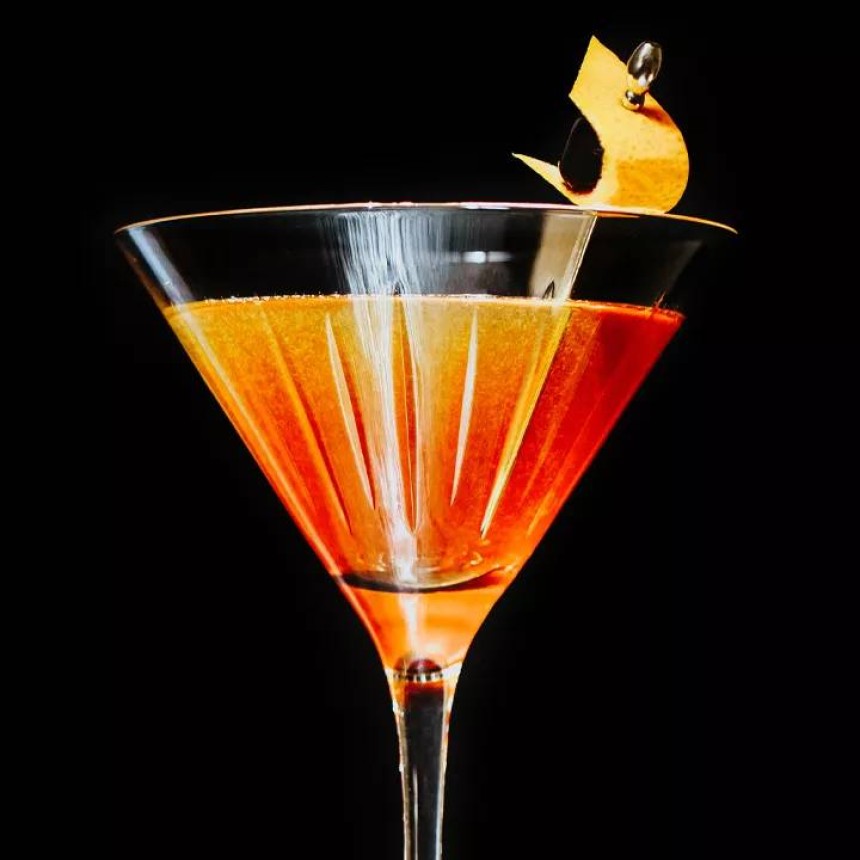
Garnish your Man o’ War cocktail with a skewered lemon peel and brandied cherry. This adds a touch of flair while enhancing the drink's aroma and visual appeal.
Conclusion: Toasting to a Classic
The Man o’ War cocktail is more than just a drink; it’s a celebration of bourbon and a nod to the excitement of horse racing. Whether you’re enjoying it during a race or savoring it on a quiet evening, this cocktail is sure to impress with its well-balanced flavors and elegant presentation. So raise a glass, toast to the legendary racehorse, and enjoy this classic bourbon cocktail!
4o mini
Ask AI about this article
Pick a prompt, copy it, or open ChatGPT with this article preloaded.
Comments 0
Login to Post comments