
What Is Amaro? Types, Bottles, and How to Drink It
Published Apr 26, 2026 · Updated Sep 13, 2026 · 12 min read
A practical amaro guide covering the main styles, the easiest starter bottles, how to serve them, and where they fit in a real home bar. The easiest way to understand amaro is to s.
The easiest way to understand amaro is to stop treating it like one flavor. It is not one flavor. It is a category built around bitterness, herbs, roots, peel, spice, sugar, and the producer’s house logic. That is why one bottle can taste like orange peel and cola while another feels alpine, minty, mentholated, floral, or almost medicinal in the best possible way.
Liquor.com leans on this family constantly because it solves a lot of editorial problems at once. Amaro connects cocktail recipes, bottle guides, low-proof aperitif drinking, and the broader education layer that home bartenders eventually need. The high-volume opportunity inside that pattern is not just one branded bottle keyword. It is the bigger evergreen question: what is amaro, how do the styles differ, and which bottle should a normal person buy first?
That is the question this guide answers. In my experience, people struggle with amaro because they buy too randomly and taste too abstractly. A better path is to map the category by function: what tastes bright, what tastes dark, what works neat, what works in spritzes, and what improves cocktails you already know. Once you do that, the shelf starts making sense.
What Amaro Is and What It Is Not
Amaro is an Italian-led family of bittersweet herbal liqueurs, but that definition still needs translation to be useful. The category is not unified by one base spirit or one master recipe. Instead, producers infuse or distill combinations of botanicals such as gentian, wormwood, rhubarb root, quinine, citrus peel, mint, sage, chamomile, alpine herbs, cacao, cinnamon, and dozens of other ingredients. Sugar brings the flavors together and softens the bitterness enough to make the bottle pleasurable instead of punishing.
What amaro is not is a guarantee that every bottle will taste “dark and bitter.” Some absolutely do. Others are vivid, orange-led, floral, or gently minty. Campari and Aperol live at the bright, aperitivo end of the family. Bottles such as Averna, Ramazzotti, and Braulio feel more after-dinner and more contemplative. Cynar adds a savory, earthy dimension that makes more sense after a few sips than the artichoke headline suggests.
That variety is why the category rewards structure. If you already understand why a Negroni or an Aperol Spritz works, you are halfway to understanding amaro. You are learning how bitterness can frame sweetness instead of simply fighting it.
- Aperitivo-style amari are brighter, lighter, and often better before dinner.
- Digestivo-style amari are usually darker, deeper, and more reflective after dinner.
- Some bottles behave like bridge spirits and work in both roles depending on serve and temperature.
Why Bottles Taste So Different
The big variables are botanical mix, sweetness, alcohol, and texture. A bottle with orange peel, gentian, cinnamon, and caramelized sugar will read very differently from a bottle driven by alpine herbs or mint. A producer can also change how the category feels simply by adjusting sugar level and proof. A sweeter, softer bottle feels friendlier on first sip. A drier or more bitter bottle feels more “serious,” even if the ingredient list overlaps.
Texture matters more than beginners expect. Some amari feel syrupy and plush, which can be wonderful in cold weather or after food. Others feel brisk and bright enough for soda, tonic, or sparkling wine. After testing these bottles at home, I would argue that viscosity is one of the fastest ways to decide whether you want a bottle neat or mixed. If it feels heavy, it usually needs either cold service or structural contrast. If it feels lean and aromatic, it often shines with simple lengthening.
This is also why price is not a reliable shortcut. A more expensive bottle is not automatically the better first bottle. Utility beats prestige in a working home bar.
The Main Amaro Families to Know
The easiest map is five broad lanes. First, citrus-and-aperitivo bottles such as Aperol and Campari: brighter, more sparkling-friendly, and often easier to mix before dinner. Second, cola-and-caramel bottles such as Averna and Ramazzotti: rounder, warmer, and more obvious after dinner. Third, alpine and mentholated bottles such as Braulio: cooler, herbier, and excellent for drinkers who like mountain-herb intensity. Fourth, savory or vegetal bottles such as Cynar: earthy, surprisingly versatile, and brilliant in stirred cocktails. Fifth, floral and all-purpose bottles such as Montenegro and Meletti: the most beginner-friendly way into the category for many drinkers.
These lanes overlap. That is normal. Categories help you shop; they do not eliminate nuance. But once you recognize those patterns, the bottle wall becomes much less random. You can say, ‘I want a softer floral bottle for guests,’ or, ‘I want a darker amaro that can replace part of the sweet vermouth in a Manhattan riff.’ That is a far better buying method than chasing hype.
If you already enjoy the bittersweet mood of Cardamaro or the winter warmth in Meletti, you already know which side of the family may fit you best.
QuestionFast answerBright aperitivoCampari, Aperol, Cappelletti. Best for spritzes and pre-dinner drinking.Soft floralMontenegro and Meletti. Strong beginner lane.Dark cola-spiceAverna and Ramazzotti. Great after food or in darker stirred drinks.Savory vegetalCynar and related bottles. Excellent in cocktails with structure.Alpine mentholatedBraulio-style lane. Best for drinkers who enjoy cooler herbal intensity.The Best First Bottles to Buy
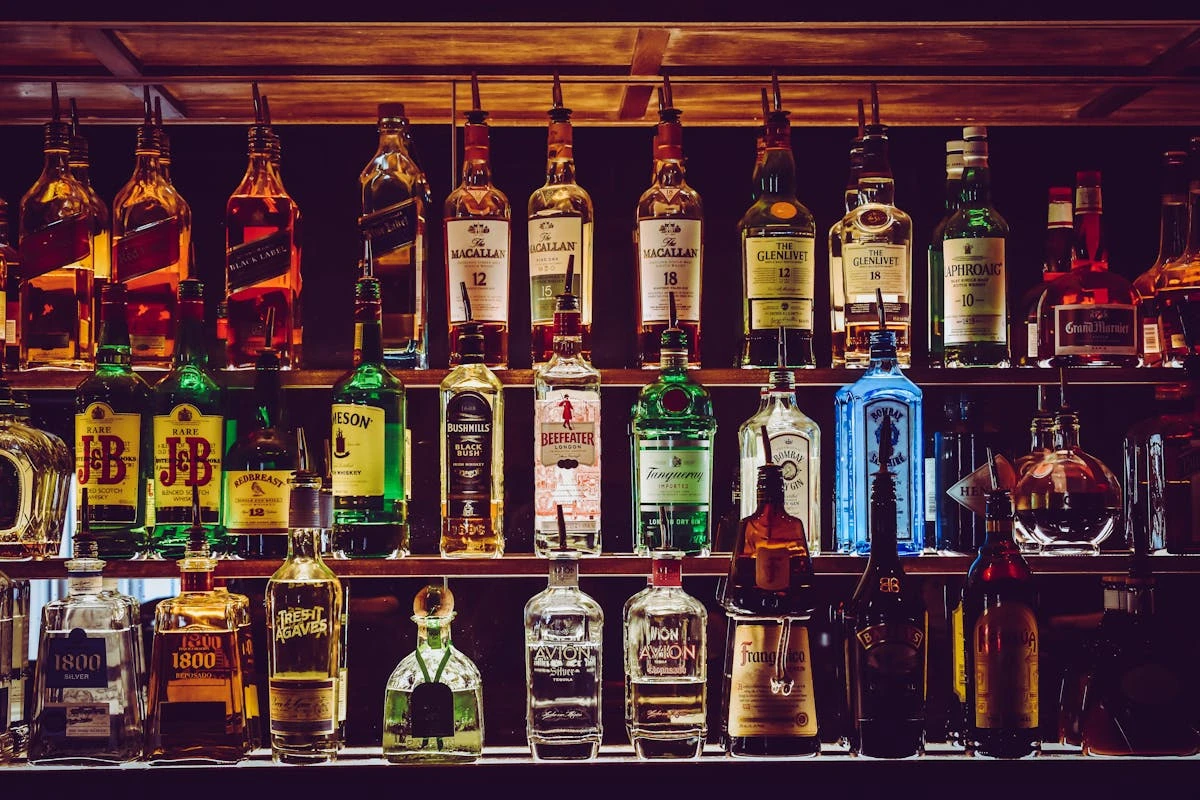
If you want the shortest useful shopping list, start with one friendly bottle and one more opinionated bottle. Montenegro or Meletti is the friendly bottle. It teaches the category without punishing you. Cynar or Averna is the opinionated bottle. It shows you how much range the family really has. That two-bottle strategy gives you far more learning than buying three similar aperitivo bottles that all play the same role.
I would skip buying an ultra-obscure amaro as your first bottle unless you already know why it suits your palate. The home-bar goal is not to own the strangest thing. The goal is to own something you will actually pour. That is one reason Liquor.com repeatedly returns to starter-style keywords and familiar classic templates. Broad traffic tends to sit where a bottle can be both educational and usable.
For cocktail use, think in substitution logic. A darker amaro can replace part of the sweet vermouth in a Manhattan-style build. A brighter amaro can lift a spritz or reinforce the bitter-orange spine of a Negroni. Some bottles even make sense in a split-base Old Fashioned next to brandy, rye, or aged rum.
- Buy first for utility, not obscurity.
- One friendly bottle plus one more challenging bottle teaches the category fastest.
- Taste neat, with ice, and lengthened with soda before deciding a bottle is “not for you.”
How to Drink Amaro at Home
There is no single correct amaro serve, but there are smart defaults. Floral and moderate bottles often work best lightly chilled or over one large cube. Darker bottles become more coherent with an orange peel and a little time in the glass. Aperitivo-style bottles usually open up with soda or sparkling wine. A tiny amount of dilution can turn a bottle from sticky to articulate, which is why cold service matters so much.
In my experience, the easiest home mistake is overcomplicating the first pour. You do not need six modifiers and a secret rinse. Start with three tests: neat but cool, over one big cube, and half amaro plus sparkling water. Those three serves reveal far more than trying to build an ambitious cocktail before you even know the bottle.
Once the bottle makes sense on its own, mixed-drink use becomes obvious. A bittersweet bottle that still tastes vivid with soda will likely work in spritzes. A deeper bottle that gains dimension over one cube may make more sense in stirred drinks or in simple after-dinner pours next to dark chocolate, nuts, or cheese.
- Taste 20 to 30 ml neat at cool room temperature.
- Taste the same pour over one large cube.
- Lengthen 30 ml with chilled soda and note what changes.
- Only then decide whether the bottle belongs in spritzes, stirred drinks, or neat pours.
Where Amaro Fits in Cocktails
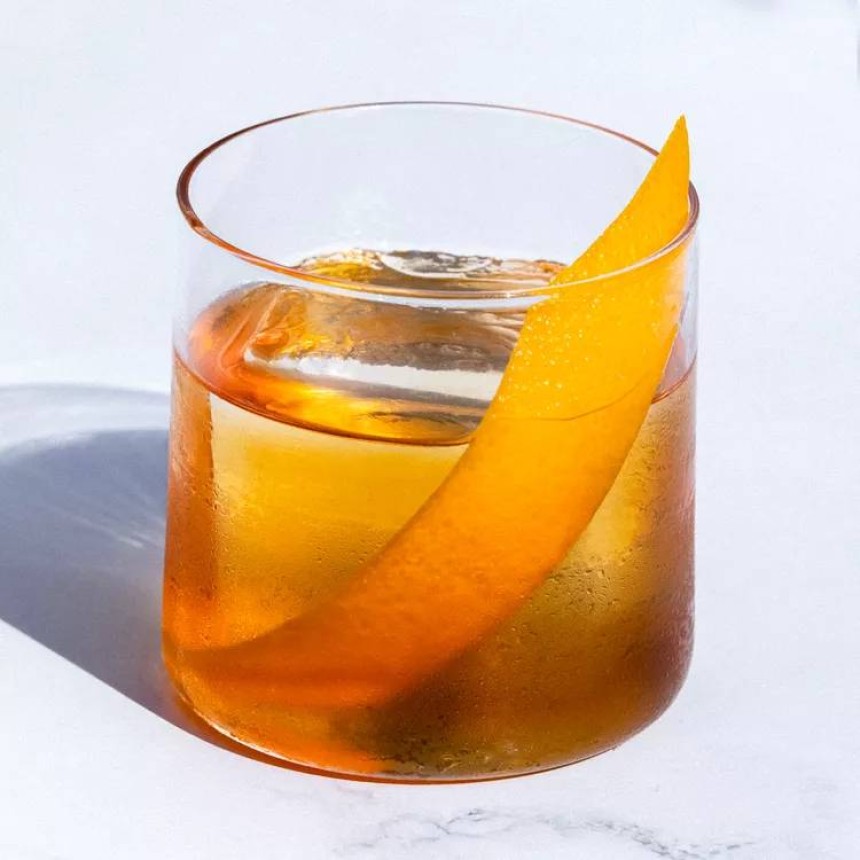
Amaro is one of the most useful bridge ingredients in cocktails because it can add bitterness, sweetness, aroma, and color at the same time. That makes it more efficient than many single-purpose bottles. A touch of Cynar can make a stirred whiskey drink feel deeper. A softer amaro can round out a sparkling aperitif. A darker cola-spice bottle can make a split-base riff feel finished without adding another syrup or liqueur.
This is why readers who start in recipe keywords eventually move into bottle education keywords. Once you like drinks such as the Old Fashioned, Classic Manhattan, or Sidecar, the next question becomes: what can I swap without wrecking the drink? Amaro is often the answer, because it changes multiple dimensions at once while still feeling anchored in classic bar logic.
Use restraint. Many amari are louder than they look. Start with quarter-ounce or half-ounce substitutions, taste, and build slowly. The category rewards curiosity, but it punishes over-pouring faster than people expect.
Mistakes That Make Amaro Harder Than It Needs to Be
The first mistake is buying blind for novelty. The second is assuming bitterness equals quality. The third is giving up after one wrong serve. Amaro is a category where context changes perception dramatically. A bottle that feels too sweet neat may become perfect with sparkling water. A bottle that feels too bitter before dinner may be exactly right after a rich meal.
Another mistake is storing bright aperitivo-style bottles carelessly once they are open. They can lose lift faster than darker, richer bottles. Keep them sealed, cool, and out of direct light. If you are serious about flavor retention, date the cap with painter’s tape the day you open it. That tiny habit tells you much more than memory ever will.
Finally, do not confuse trendiness with usefulness. Some bottles are wonderful but limited. Others are less glamorous and wildly practical. A smart shelf usually needs both.
- Do not buy your first amaro only because a bartender called it “funky.”
- Do not judge a bottle from one rushed, warm, or overly sweet first pour.
- Do not treat every amaro as a one-for-one substitute for every other one.
Amaro Cheat Sheet
If you only remember one thing, remember this: amaro is best approached by function, not mystique. Decide whether you want a bottle for spritzes, sipping, or cocktail modification, and the category becomes far easier to navigate.
How to Build a Two-Bottle Amaro Shelf
A two-bottle amaro shelf is usually smarter than a six-bottle beginner shelf because it forces contrast. One bottle should be welcoming and all-purpose. The other should be more opinionated. That is the pairing that actually teaches you something. Montenegro plus Cynar is a smart example. Meletti plus Averna is another. A bright red aperitivo plus a dark after-dinner amaro also works if you know you host both spritz drinkers and nightcap drinkers.
This approach mirrors how serious home bars get built in other categories. You do not need five nearly identical bottles of the same mood. You need a spread that answers different problems. One bottle for soda or a spritz. One bottle for after-dinner sipping. One bottle that can slide into a stirred riff beside whiskey, brandy, or vermouth once you are ready for that step.
The reason this matters for SEO and for actual buying behavior is the same: readers want permission to buy one smart bottle instead of ten random ones. Clear bottle strategy builds trust faster than encyclopedic bottle dumping.
- Bottle one: friendly, floral, and versatile.
- Bottle two: darker, more savory, or more obviously bitter.
- Only add a third bottle after you know which lane you reach for most often.
How Food Changes the Way Amaro Tastes
One reason people misjudge amaro is that they taste it without the context it was designed for. A bottle that feels sticky or too bitter on an empty palate can suddenly become precise after salty cheese, roast nuts, dark chocolate, citrusy desserts, or rich braised food. That is not a trick. It is the category doing what it was built to do. The contrast between sweetness, bitterness, and food weight is the whole point.
A bright aperitivo-style amaro makes the most sense before or during lighter savory snacks. A darker caramel-and-cola amaro becomes more convincing after dinner, especially once the palate has already moved through richer flavors. The food pairing logic matters because it tells you when to stop blaming the bottle. Sometimes the bottle is fine and the moment is wrong.
If you want an easy home test, pour 20 milliliters of the same amaro with three bites: one salty, one sweet, one creamy. The differences will teach you more about the bottle than reading another tasting-note paragraph.
Seasonality, Temperature, and Service Decisions
Amaro is also one of the categories most affected by season and serving temperature. The same bottle can feel almost too heavy in hot weather and perfectly complete in winter. Warm rooms make sweeter and more viscous bottles feel even broader. Deep chilling can tighten them back up. With brighter aperitivo bottles, cold service preserves freshness and makes carbonation work harder in your favor.
This is why simple service adjustments beat recipe complexity so often. In summer, lengthen the drink. Use soda, tonic, or sparkling wine. In winter, serve smaller pours, slightly less cold, or next to dessert. These are not advanced moves. They are just smart contextual moves.
Once you learn to modulate temperature and length instead of buying a new bottle for every season, the category becomes much more practical and much less intimidating.
Why Amaro Belongs in a Small Home Bar
A lot of people assume amaro is a luxury side quest for people who already own everything else. In reality, one useful amaro can make a small bar feel bigger because it covers multiple functions at once. It can be a simple sipper, a spritz base, a modifier in stirred drinks, or a way to add bitter structure without buying three separate specialty bottles.
That is why even a compact bar cart can justify one well-chosen bottle. It increases range without creating another dead-end purchase. For people trying to spend intelligently, that matters more than novelty ever will.
Final Take
What is amaro? It is one of the most flexible bottle families in a serious home bar. It can be aperitif, digestif, cocktail modifier, cold-weather sipper, or summer spritz base depending on the bottle and the serve. That is exactly why Liquor.com keeps mining the space. It combines curiosity traffic with real buying intent.
Start simple, taste methodically, and buy for usefulness. Once one bottle clicks, the rest of the category stops looking intimidating and starts looking indispensable.
Ask AI about this article
Pick a prompt, copy it, or open ChatGPT with this article preloaded.
Further Reading
Vodka hub guides
- Best Vodka Under $30: Top Bottles That Taste Premium
- Best Vodka for Moscow Mule: 12 Smooth Bottles That Actually Work
- How to Make Espresso Martini
- 7 Best Vodka Cocktails for Beginners That Taste Amazing
Related guides
- How To Store Vodka After Opening Cocktail Guide (2026)
- Vodka Soda Vs Vodka Tonic Which Is Better Cocktail Guide (2026)
- How To Make Clear Ice At Home For Vodka Drinks Cocktail Guide (2026)
- Flavored Vodka Which Bottles Are Actually Worth Buying Cocktail Guide (2026)
Trusted external references
Popular guides
- The Dos and Don'ts of Making an Old Fashioned 4 min read
- What Does Pacifico Taste Like? Beer Review 3 min read
- Best Vodka Under $30: Top Bottles That Taste Premium 7 min read
- Vodka Red Bull 3 min read
- Vesper 3 min read
Recently viewed
Saved guides
Related guides
Comments 0
Login to Post comments