
Horse’s Neck
Updated Apr 17, 2026 · 3 min read
A Horse's Neck was first offered as a cool glass of nonalcoholic ginger ale in the late 1800s, and later bourbon, rye, or brandy were added. Simple, two-ingredient beverage that go.
Discover the Versatile Horse's Neck Cocktail: A Refreshing Summer DelightIntroduction
The Horse's Neck cocktail, which is usually served during Derby Day festivities, is a flexible beverage that is perfect for any time of year. This cool beverage is ideal for warm weather, whether you are enjoying it at a party or relaxing on the beach. This classic cocktail is made even more approachable and island-inspired by Nicole Fas, the beverage director and bar manager at La Pícara in Santurce, Puerto Rico.
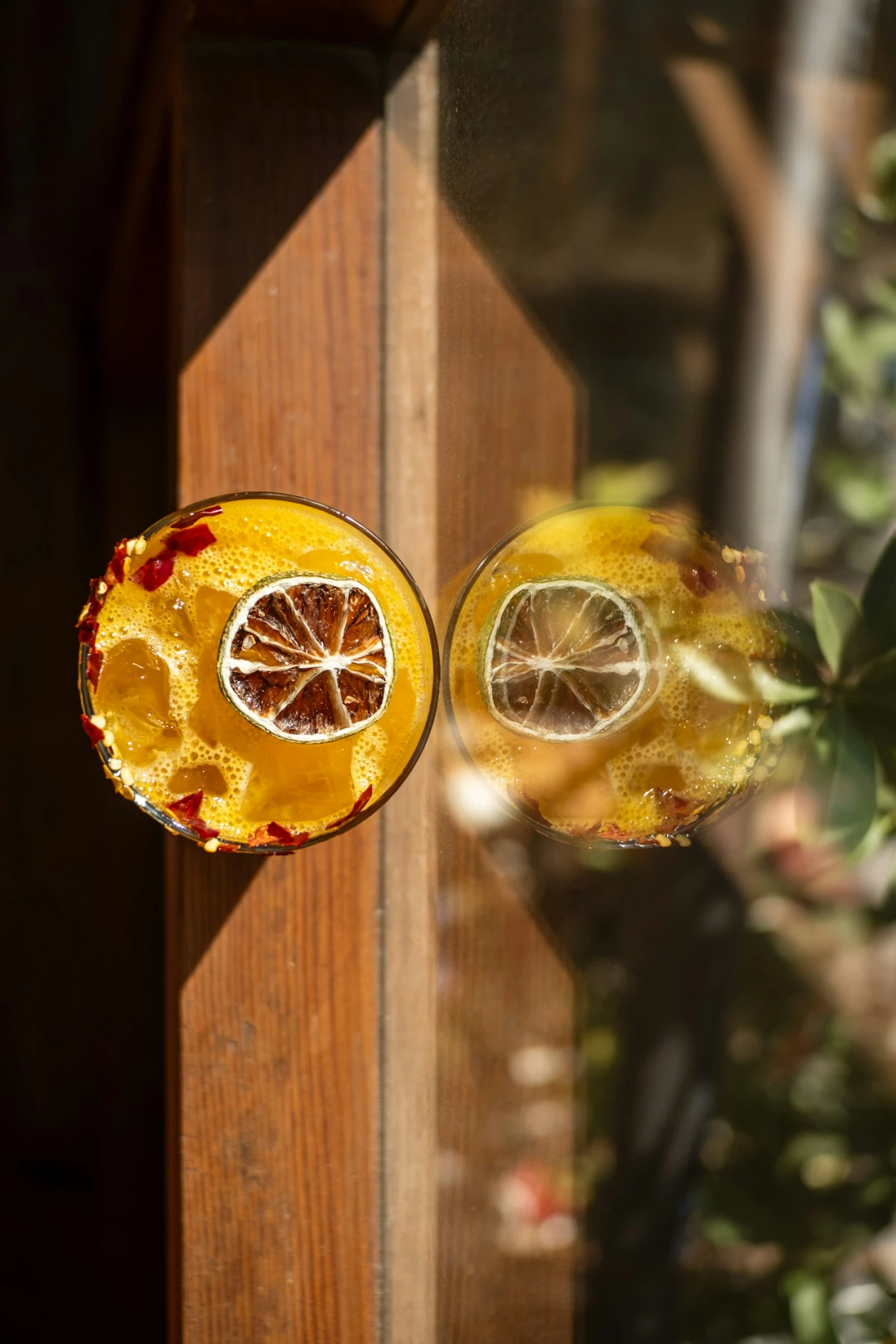
The Adaptability of the Horse's NeckThough the Horse's Neck is typically made with brandy or whiskey, Nicole Fas provides a tasty twist that adds aged rum, ideally Puerto Rican rum, for a touch of the tropics. She creates a cool melody that goes well with the warmth of the Caribbean sun by substituting a squeeze of lime for the traditional lemon peel.
IngredientsTo craft this easy and refreshing Horse's Neck cocktail, you will need:
- 2 ounces of American rye whiskey, brandy, or bourbon (or aged rum for the island twist)
- Cold ginger ale, to top
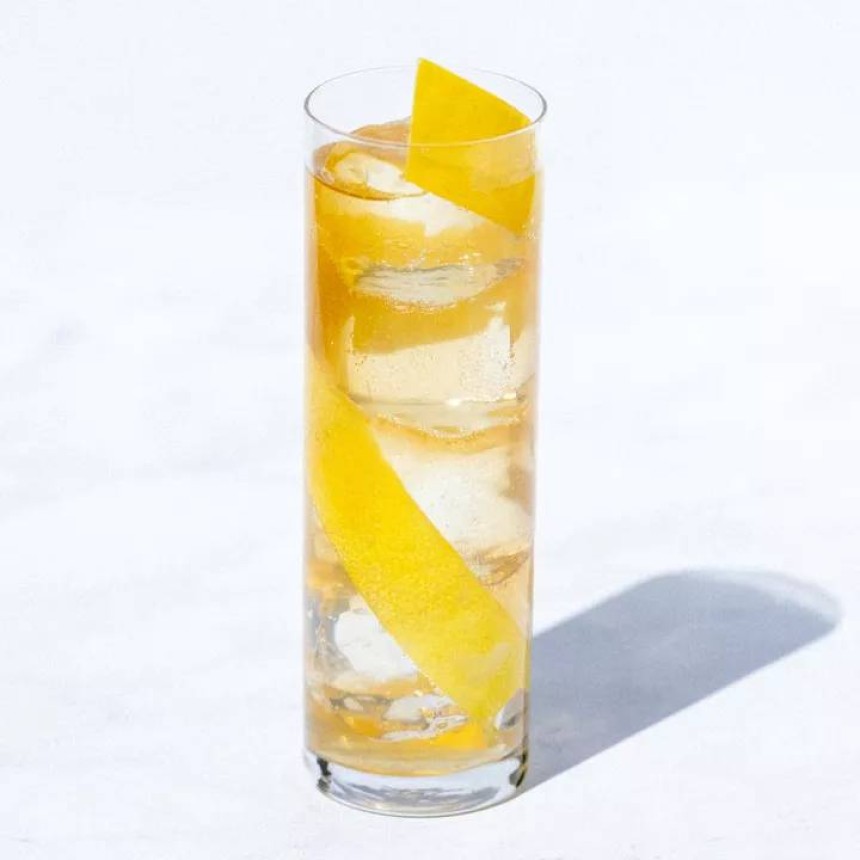
- Lemon peel, for garnish (or lime if you're opting for the tropical version)
- Prepare the Glass: Begin by selecting a Collins glass and filling it with ice to chill.
- Add the Spirit: Pour 2 ounces of your chosen spirit (whiskey, brandy, bourbon, or aged rum) over the ice.
- Top with Ginger Ale: Carefully top the mixture with cold ginger ale. This adds effervescence and a spicy kick that balances the drink perfectly.
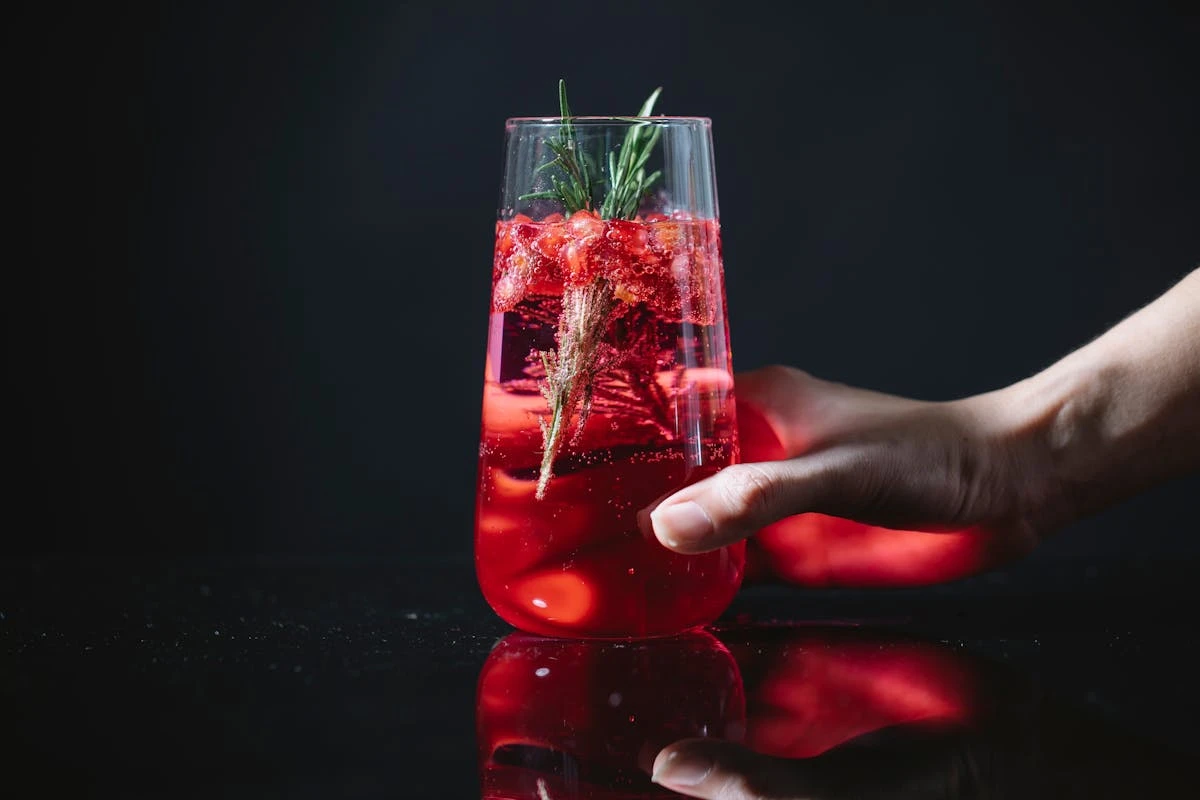
- Garnish: For an elegant finish, garnish your cocktail with a long strip of lemon peel. If you're making the island-inspired version, consider adding a squeeze of lime instead for an extra burst of flavor.
This cocktail is a great option for many occasions because it is easy to make, refreshing, and versatile. The Horse's Neck is a beverage that goes well with any occasion, whether you are having a summer cookout, spending a peaceful evening at home, or lounging on the beach.
ConclusionClassic drinks can be exciting and versatile, as the Horse's Neck cocktail demonstrates. This cocktail is a great addition to your repertoire because of its appealing flavor combination and simplicity of preparation. Every sip of Nicole Fas's island-inspired version will take you to a tropical paradise, making it a delightful twist.
Final Thoughts- Try the Horse's Neck the next time you are craving a cool cocktail. It is appropriate for both novice and expert mixologists due to its versatility and ease of use. Raise a glass to savoring this classic beverage on a warm day or while commemorating Derby Day!.
Frequently Asked Questions
What should you know before buying Horse’s Neck?
A Horse's Neck was first offered as a cool glass of nonalcoholic ginger ale in the late 1800s, and later bourbon, rye, or brandy were added. Simple, two-ingredient beverage that go.
How should Horse’s Neck be served?
Horse’s Neck usually performs best when served at the right temperature, in suitable glassware, and with mixers or food pairings that support the main flavor notes.
Is Horse’s Neck better for cocktails or sipping?
That depends on the bottle style. Clean, balanced bottles suit cocktails well, while more complex expressions are often better enjoyed neat or with minimal dilution.
Further Reading
Related guides
- Madras Cocktail: The Classic Vodka Cranberry Orange Drink
- Moscow Mule Pitcher Recipe for Parties, Brunch, and Holiday Crowds
- Moscow Moose Cocktail Recipe: The Rye Whiskey Mule Worth Knowing
- Pumpkin Spice Moscow Mule Recipe That Actually Tastes Balanced
Trusted external references