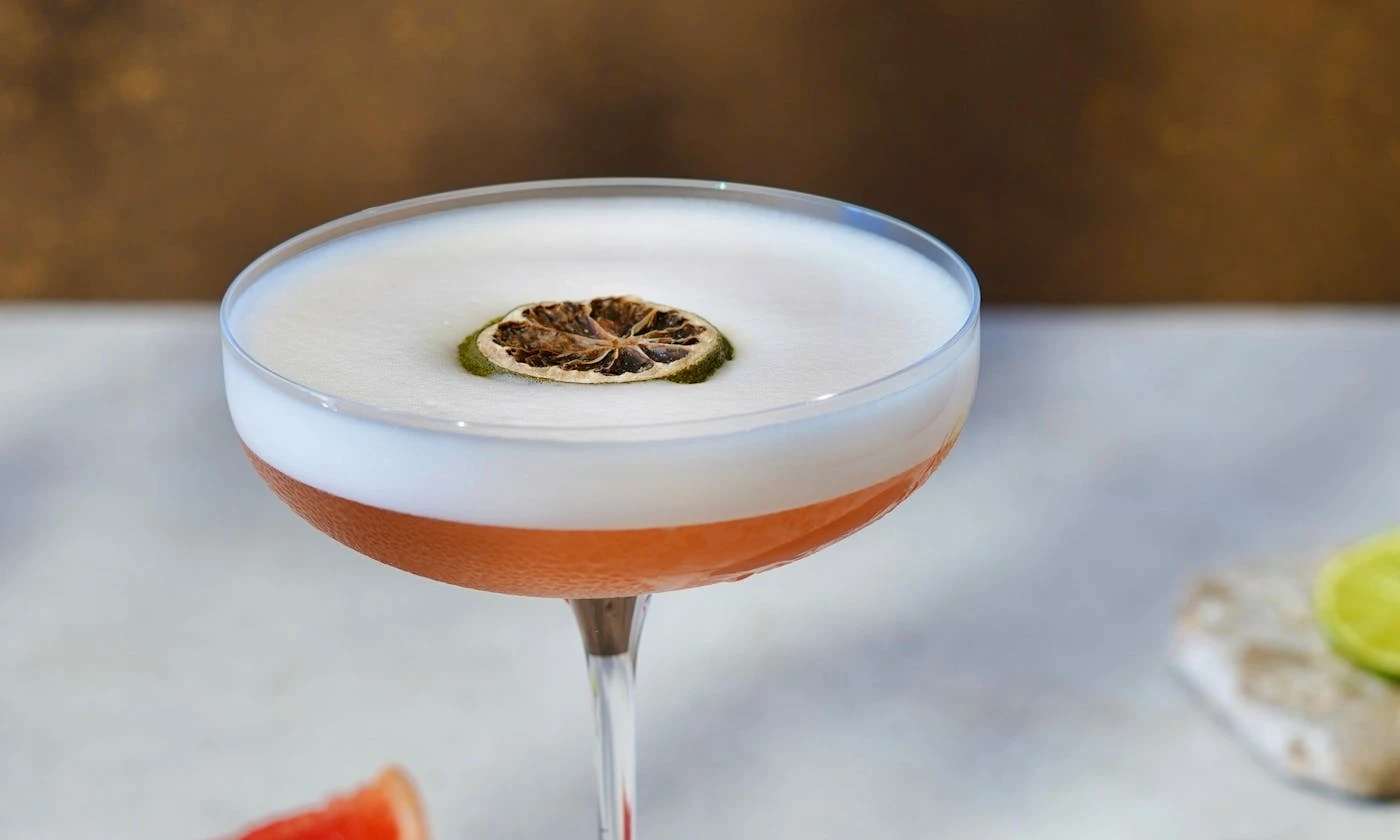

Classic Daiquiri Recipe: The Perfect Rum Cocktail
Updated Apr 29, 2026 · 11 min read
Master the classic daiquiri recipe with just three ingredients. Learn expert tips, variations, and the history behind this iconic Cuban cocktail.
Here's the thing about the daiquiri recipe — it's one of the most misunderstood cocktails on the planet. Most people picture a neon-coloured frozen slushie from a beach bar. But the real deal? It's three ingredients, shaken to icy perfection, and it's been the favourite drink of everyone from Hemingway to the world's best bartenders.
In my experience mixing thousands of these over the years, the classic daiquiri is the ultimate test of a bartender's skill. There's nowhere to hide with just rum, lime, and sugar. Get the balance right, and you've got liquid perfection in a glass. Get it wrong, and it's a puckering disaster.
Let me walk you through exactly how to make a flawless daiquiri every single time — plus the variations that'll keep things interesting all summer long.
The Classic Daiquiri Recipe (3 Ingredients, 2 Minutes)
Let's start with the recipe you'll come back to again and again. This is the standard that every great cocktail bar uses as their foundation.
Ingredients:
- 2 oz (60ml) white rum
- 1 oz (30ml) fresh lime juice
- 3/4 oz (22ml) simple syrup
Method:
- Add all ingredients to a cocktail shaker
- Fill with ice and shake vigorously for 12-15 seconds
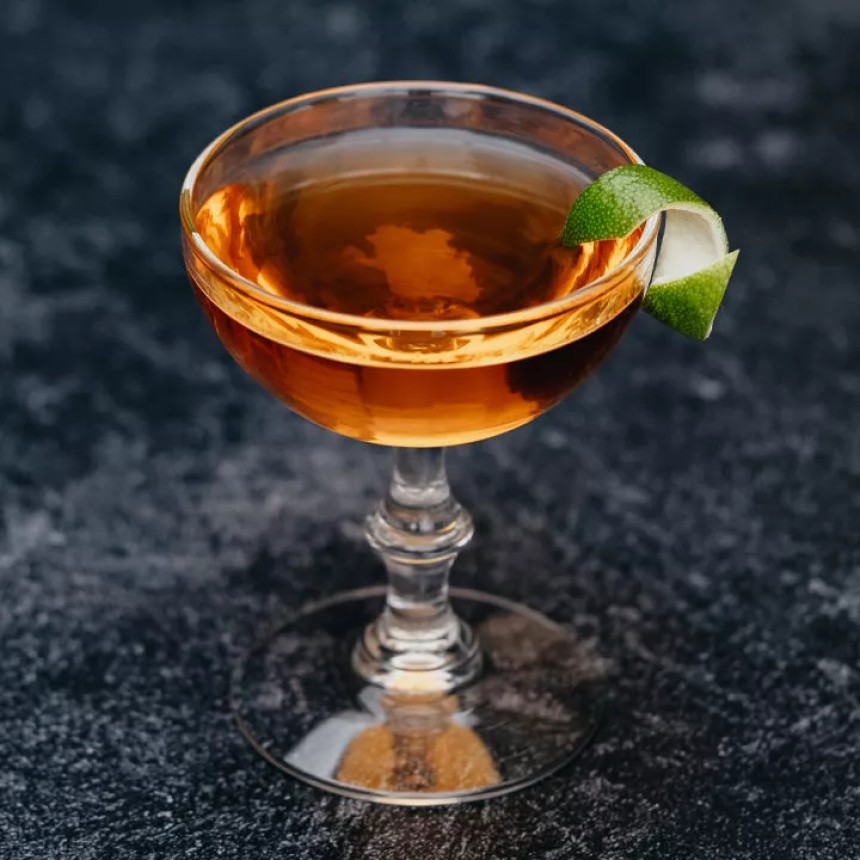
- Double strain into a chilled coupe glass
- Garnish with a lime wheel or twist
That's it. Three ingredients, two minutes, one perfect cocktail. The double straining is important — it catches those tiny ice shards that would dilute your drink too quickly.
Pro tip: Chill your coupe glass in the freezer for at least 15 minutes before serving. A cold glass keeps your daiquiri at the perfect temperature longer. If you want to understand why ice matters so much in cocktails, check out our complete guide to cocktail ice.
The History Behind the Daiquiri Recipe
The daiquiri was born in 1898 in the mining town of Daiquirí, Cuba. An American mining engineer named Jennings Cox ran out of gin during a cocktail party (a crisis by any standard) and reached for the local rum instead. He mixed it with lime and sugar — ingredients readily available in Cuba — and named it after the town.
But here's what most people don't know: Cuban locals had been drinking this exact combination for decades before Cox "invented" it. He simply wrote it down and gave it a name. The drink made its way to the United States through the Army & Navy Club in Washington D.C., and by the 1930s, it was a staple at bars across America.
Ernest Hemingway famously drank double-sized daiquiris at El Floridita bar in Havana — though his version swapped the sugar for maraschino liqueur and grapefruit juice. JFK was also a noted daiquiri drinker. When the world's most powerful people choose the same drink, you know it's something special.
The frozen version came later, popularized by Constantino Ribalaigua Vert at El Floridita in the 1930s using one of the first commercial blenders. Today, both versions coexist — though if you order a daiquiri at any serious cocktail bar, you'll get the shaken classic.
Choosing the Best Rum for Your Daiquiri
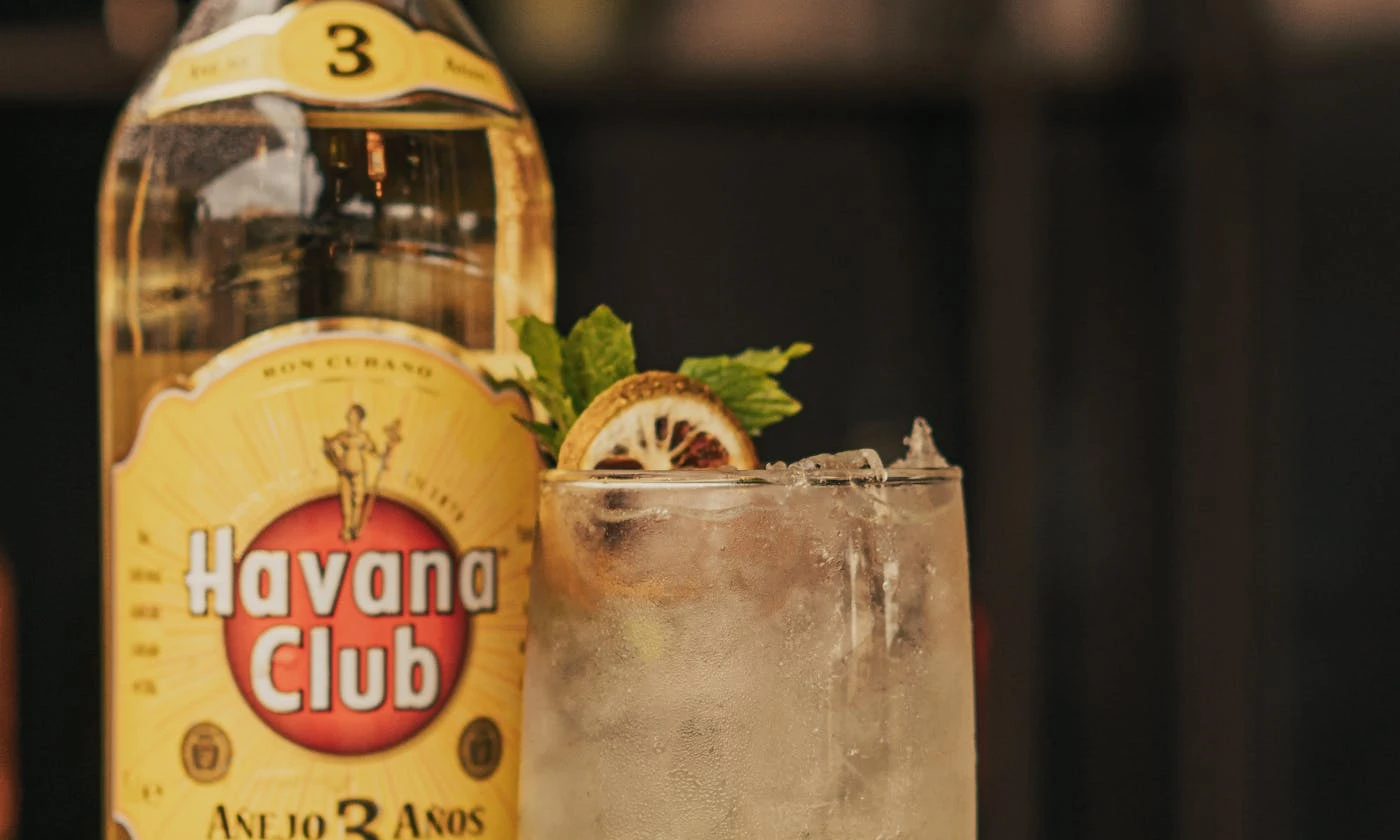
The rum you choose makes or breaks your daiquiri recipe. Since there's nowhere to hide in such a simple cocktail, quality matters enormously here.
Top Picks for Classic Daiquiris:
RumStylePrice (US)Best ForPlantation 3 StarsBlended white$22All-around bestHavana Club 3 YearCuban-style$18Authentic Cuban flavourBanks 5 IslandMulti-origin blend$25Complex, funky notesDon Q CristalPuerto Rican$14Budget-friendlyProbitasBlended pot still$28Premium cocktailsDiplomático PlanasVenezuelan$30Slightly sweet/richAvoid anything labelled "silver" that tastes like rubbing alcohol. You want rum with character — slight sweetness, vanilla notes, maybe a hint of tropical fruit. The difference between a $12 rum and a $25 rum in a daiquiri is enormous.
If you're a vodka cocktail person trying rum for the first time, Plantation 3 Stars is your gateway. It's clean enough to feel familiar but has enough rum character to make the daiquiri sing.
The Perfect Daiquiri Ratio (And How to Adjust It)
The classic 2:1:3/4 ratio works brilliantly as a starting point, but here's the truth — you'll need to adjust based on your ingredients.
Variables that affect your ratio:
- Lime acidity: Persian limes (supermarket standard) are less acidic than Key limes or Mexican limes. In winter, limes tend to be less juicy and more acidic.
- Rum sweetness: Some rums (like Diplomático) are naturally sweeter. Reduce your syrup by 1/4 oz.
- Syrup concentration: A 1:1 simple syrup is standard. If you use 2:1 rich syrup, use half the amount.
- Personal preference: Some people prefer a drier, more spirit-forward daiquiri. Others like it sweeter.
Adjustment guide:
- Spirit-forward: 2.5 oz rum, 0.75 oz lime, 0.5 oz syrup
- Balanced classic: 2 oz rum, 1 oz lime, 0.75 oz syrup
- Slightly sweet: 2 oz rum, 0.75 oz lime, 1 oz syrup
After testing dozens of ratios, I keep coming back to the classic 2:1:3/4 for everyday drinking. But when I get exceptionally tart limes, I'll bump the syrup up to a full ounce. Taste your lime juice before you shake — it takes two seconds and saves you from a too-sour cocktail.
5 Daiquiri Variations Worth Trying
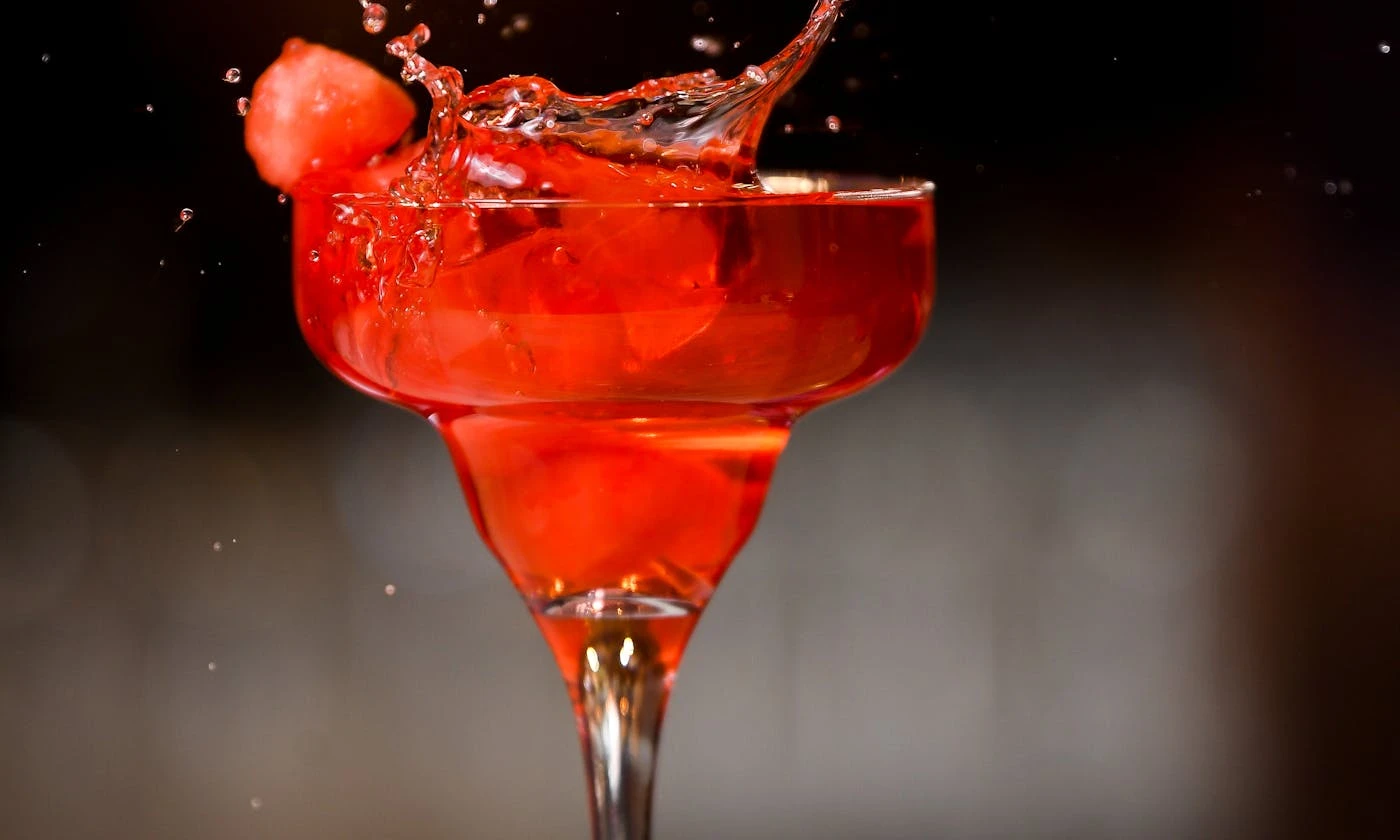
Once you've mastered the classic, these variations open up a whole new world of daiquiri drinking. Each one builds on the same foundation but takes it somewhere different.
1. Hemingway Daiquiri (Papa Doble)
- 2 oz white rum
- 3/4 oz fresh lime juice
- 1/2 oz fresh grapefruit juice
- 1/2 oz maraschino liqueur (Luxardo)
No sugar in the original, but most modern recipes add 1/4 oz simple syrup. The grapefruit adds a bitter, citrusy complexity that's absolutely addictive. Hemingway reportedly drank 12 of these in a sitting — I don't recommend that approach.
2. Strawberry Daiquiri (Proper Version)
- 2 oz white rum
- 1 oz fresh lime juice
- 1/2 oz simple syrup
- 3-4 fresh strawberries, muddled
Muddle the strawberries in the shaker, add everything else, shake hard, and double strain. This is miles away from the frozen machine version — it's fresh, bright, and actually tastes like strawberries.
3. Aged Rum Daiquiri
- 2 oz aged rum (Appleton Estate 8 Year or El Dorado 8)
- 1 oz fresh lime juice
- 3/4 oz demerara syrup
Swapping white rum for aged adds caramel, oak, and vanilla notes. The demerara syrup (made from raw cane sugar) complements these flavours beautifully. This is my go-to autumn daiquiri.
4. Banana Daiquiri
- 1.5 oz white rum
- 0.5 oz banana liqueur (Giffard)
- 1 oz fresh lime juice
- 0.5 oz simple syrup
The banana liqueur adds tropical depth without making it taste artificial. If you're into tiki drinks, this bridges the gap between a daiquiri and a more complex rum cocktail.
5. Daiquiri No. 3 (Original El Floridita Style)
- 2 oz white rum
- 1/2 oz fresh lime juice
- 1/2 oz fresh grapefruit juice
- 1/2 oz maraschino liqueur
- 1/4 oz simple syrup
Blended with crushed ice for a frozen texture but more refined than a standard frozen daiquiri. This is what El Floridita in Havana still serves today — and it's worth every penny of the tourist markup if you ever visit.
For more cocktail inspiration, don't miss our perfect mojito recipe — another Cuban classic that pairs beautifully with daiquiri knowledge.
Common Daiquiri Mistakes (And How to Fix Them)
I see the same mistakes repeated constantly, even by experienced home bartenders. Here's how to avoid them:
Mistake #1: Using bottled lime juice
This is the cardinal sin. Bottled lime juice tastes nothing like fresh — it's bitter, flat, and oxidised. Fresh limes are cheap and available everywhere. There's no excuse.
Mistake #2: Over-diluting
Shaking too long (over 20 seconds) or using too much ice creates a watery cocktail. Shake for 12-15 seconds with a full shaker of ice. The drink should be bracingly cold but still have body.
Mistake #3: Wrong glass
A daiquiri belongs in a coupe or a Nick & Nora glass — not a margarita glass and definitely not a rocks glass. The smaller vessel concentrates the aromas and keeps the drink cold.
Mistake #4: Skipping the double strain
Those tiny ice chips from shaking? They melt fast and dilute your drink within minutes. Always strain through both your Hawthorne strainer and a fine mesh strainer.
Mistake #5: Using flavoured rum
Coconut rum, mango rum, spiced rum — none of these belong in a classic daiquiri. They overwhelm the delicate balance. Save them for tiki drinks or rum punches.
Essential Equipment for Making Daiquiris at Home
You don't need a professional bar setup, but a few key tools make a massive difference.
Must-Have:
- Cocktail shaker: A Boston shaker (tin + glass) or Koriko weighted set. Avoid those leaky cobbler shakers from Amazon.
- Jigger: A Japanese-style jigger with 1oz/2oz markings. Eyeballing does not work for balanced cocktails.
- Fine mesh strainer: For double-straining. A small tea strainer works perfectly.
- Citrus juicer: A handheld Mexican-style elbow juicer. Costs £5/$6 and lasts forever.
Nice to Have:
- Coupe glasses (thrift shops are goldmines for these)
- Lewis bag and mallet for crushed ice
- Microplane for zest garnishes
Total investment for a proper home daiquiri setup: about $40-50 / £35-40. That's less than two rounds of cocktails at a bar, and you'll use this equipment for every cocktail in the classic cocktail repertoire.
The Science of Shaking: Why Technique Matters
Shaking isn't just about getting the drink cold. There's actual science happening in those 12-15 seconds that transforms three simple ingredients into something magical.
What happens when you shake:
- Dilution: Ice melts and adds about 0.75-1 oz of water. This isn't a flaw — it's essential. Without dilution, the drink would be too strong and too acidic.
- Aeration: Tiny air bubbles get incorporated, creating that slightly frothy texture on top. This gives the daiquiri its signature silky mouthfeel.
- Temperature: The drink drops to around -5°C to -7°C (23-19°F). Below this, you're over-diluting without meaningful temperature benefit.
- Integration: The sugar fully dissolves and binds with the citrus, creating a cohesive flavour rather than separate layers.
The ideal shake is hard and fast — not gentle rocking. Use a full arm motion, not just your wrist. You want the ice hitting both ends of the shaker aggressively. When the outside of the shaker frosts up, you're done.
This same technique applies to other shaken classics like the Cosmopolitan and the French 75.
Daiquiri Food Pairings That Actually Work
The daiquiri's bright acidity and clean rum flavour make it surprisingly versatile with food. Here are pairings I've tested and genuinely enjoyed:
Perfect Matches:
- Ceviche: The lime in both creates harmony. The rum's sweetness balances the fish's brininess.
- Grilled prawns/shrimp: Charred shellfish with a cold daiquiri is summer perfection.
- Fish tacos: The cocktail cuts through the richness of battered fish and creamy sauces.
- Jerk chicken: Caribbean meets Caribbean. The sweetness tames the heat.
- Key lime pie: Controversial, but the citrus-on-citrus works as a dessert pairing.
Surprisingly Good:
- Fresh oysters with mignonette
- Thai green curry (the sweetness balances the spice)
- Goat cheese salad
- Sushi (especially salmon and tuna rolls)
The general rule: if it pairs well with lime or white wine, it'll pair well with a daiquiri. Avoid heavy red meat or strongly flavoured cheese — they overpower the cocktail's delicacy.
Batch Daiquiris for Parties (Scaling the Recipe)
Hosting a summer party? Batch daiquiris are the smart move. Here's how to scale without losing quality.
Batch Recipe (serves 8):
- 16 oz (500ml) white rum
- 8 oz (250ml) fresh lime juice
- 6 oz (175ml) simple syrup
- 4 oz (125ml) water (to replace dilution from shaking)
Method:
- Juice your limes fresh — you'll need about 12-14 limes for 8 oz
- Combine all ingredients in a bottle or pitcher
- Refrigerate for at least 2 hours (overnight is better)
- Serve over ice or shake individual portions from the batch
Key tip: The added water replaces the dilution you'd normally get from shaking. Without it, your batch will taste too strong and too sour. I add slightly less water (4 oz vs the 6-8 oz you'd get from shaking) because the ice in the glass adds further dilution.
Store your batch in the fridge for up to 24 hours. Beyond that, the lime juice starts to deteriorate and develops an unpleasant cooked flavour. Always juice day-of for the best results.
Looking for more party cocktail ideas? Our Aperol Spritz recipe is another crowd-pleaser that's easy to batch.
Daiquiri Recipe Cheat Sheet
VariationRumCitrusSweetenerExtraClassic2oz white1oz lime3/4oz simple—Hemingway2oz white3/4oz lime + 1/2oz grapefruit1/4oz simple1/2oz maraschinoStrawberry2oz white1oz lime1/2oz simple3-4 muddled strawberriesAged2oz aged1oz lime3/4oz demerara—Banana1.5oz white1oz lime1/2oz simple1/2oz banana liqueurFrozen2oz white1oz lime1oz simpleBlended with 1 cup iceQuick ratio to remember: 2:1:3/4 (rum : lime : syrup). Adjust from there based on your ingredients and taste.
The daiquiri sits alongside the Martini and the Old Fashioned as one of the three essential cocktails every home bartender should master. Get this one right, and you've got the foundation for dozens of rum-based drinks.
Always drink responsibly. The daiquiri goes down dangerously easy — especially on a hot day. Pace yourself and stay hydrated between rounds.
Frequently Asked Questions
What are the 3 ingredients in a classic daiquiri?
A classic daiquiri uses just three ingredients: white rum (2 oz), fresh lime juice (1 oz), and simple syrup (3/4 oz). The key is using fresh lime juice — never bottled — and quality white rum like Havana Club or Plantation 3 Stars.
Is a daiquiri supposed to be frozen or shaken?
The original classic daiquiri is shaken with ice and served up in a coupe glass — no blender involved. Frozen daiquiris are a modern variation popularized in the 1950s. Both are legitimate, but purists prefer the shaken version for its clean, crisp flavor.
What rum is best for a daiquiri?
A quality unaged or lightly aged white rum works best. Top picks include Plantation 3 Stars, Havana Club 3 Year, Banks 5 Island, Don Q Cristal, and Probitas. Avoid flavoured rums or bottom-shelf options that taste harsh.
Why does my daiquiri taste too sour or too sweet?
Balance is everything. If too sour, add more simple syrup in small increments (1/4 oz at a time). If too sweet, add more lime juice. The classic ratio is 2:1:3/4 (rum:lime:syrup), but adjust to your limes — Persian limes are less acidic than Key limes.
Can you make a daiquiri without simple syrup?
Yes — you can substitute honey syrup (1:1 honey and water), agave nectar, or demerara syrup. Each changes the flavour profile slightly. Honey adds floral notes, demerara adds richness. Some bartenders also use superfine sugar dissolved directly in the lime juice.
Further Reading
Related guides
- Amaretto Sour Recipe: The Perfect Classic Cocktail
- Espresso Martini Recipe: The Ultimate Guide
- Types of Gin Explained for Home Bartenders
- Shelf Life of Liquor: What Lasts and What Fades
Trusted external references