
Best Ice for Cocktails and Why It Matters
Published Apr 26, 2026 · Updated Sep 12, 2026 · 12 min read
A deep guide to cocktail ice, including cube size, clear ice, crushed ice, spears, and which drinks improve most when the ice gets smarter. The best ice for cocktails is the ice th.
The best ice for cocktails is the ice that solves the problem the drink actually has. That sounds obvious, but most people still treat ice like background scenery. It is not background scenery. Ice is the ingredient that keeps rewriting the drink after you pour it. That makes it one of the most important and most ignored parts of home bartending.
Liquor.com keeps returning to ice, dilution, and service because recipe traffic eventually runs into technique traffic. Once readers learn a ratio, they hit the same wall: why does my drink still not taste like the bar version? Often the answer is not the base spirit. It is the ice. High-volume cocktail keywords get the click, but technique pages like this explain why some drinks keep getting remade while others quietly disappoint.
After testing classics at home, I would put ice in the same category as citrus freshness and measurement accuracy. It is foundational. If the ice is wrong, the drink has to work uphill from the first sip.
Ice Is an Ingredient, Not a Prop
Every piece of ice changes the drink in two directions at once. It cools the liquid and it adds water. Those two actions are inseparable. That is why you cannot talk about ‘keeping a drink strong’ by avoiding dilution altogether. A spirit-forward drink that is under-diluted can taste hotter, more jagged, and less integrated than the same drink with the correct amount of meltwater. The water is part of the final recipe.
The trick is controlling the speed of that change. Some drinks need slow change. Others need quick chill and ongoing evolution. A proper Old Fashioned usually wants a large cube or rock because the serve should stay cold while opening gradually. A crushed-ice drink wants movement, frost, and a changing texture across the glass.
Once you think this way, the question stops being ‘What is the fanciest ice?’ and becomes ‘What kind of change should this drink experience?’ That is the real skill.
Standard Cubes: The Reliable Middle Ground
Standard freezer cubes still have a place. For many shaken sours, highballs, and casual mixed drinks, they are the practical middle ground. They chill quickly enough, are easy to produce, and work well if they are fresh, dense, and not freezer-tainted. A Whiskey Sour, Bloody Mary, or Margarita can be perfectly good with standard cubes if the cubes are clean and solid.
The problem is that many home freezers make weak, hollow, or stale-smelling cubes. Those can melt too quickly and flatten the drink before you finish half the glass. If your standard cubes are poor, the category gets blamed when the freezer is really the problem.
If you do nothing else, improve the quality of your everyday cubes. Use filtered water if your tap is strongly flavored. Empty old trays. Do not let the ice live beside strongly scented foods forever. Small upgrades here are boring but genuinely powerful.
- Best for: shaken sours, casual highballs, brunch drinks, and everyday mixing.
- Watch out for: hollow cubes, freezer odors, and trays that create brittle ice.
- Upgrade path: filtered water and fresher cube rotation.
Big Rocks and Large Clear Cubes
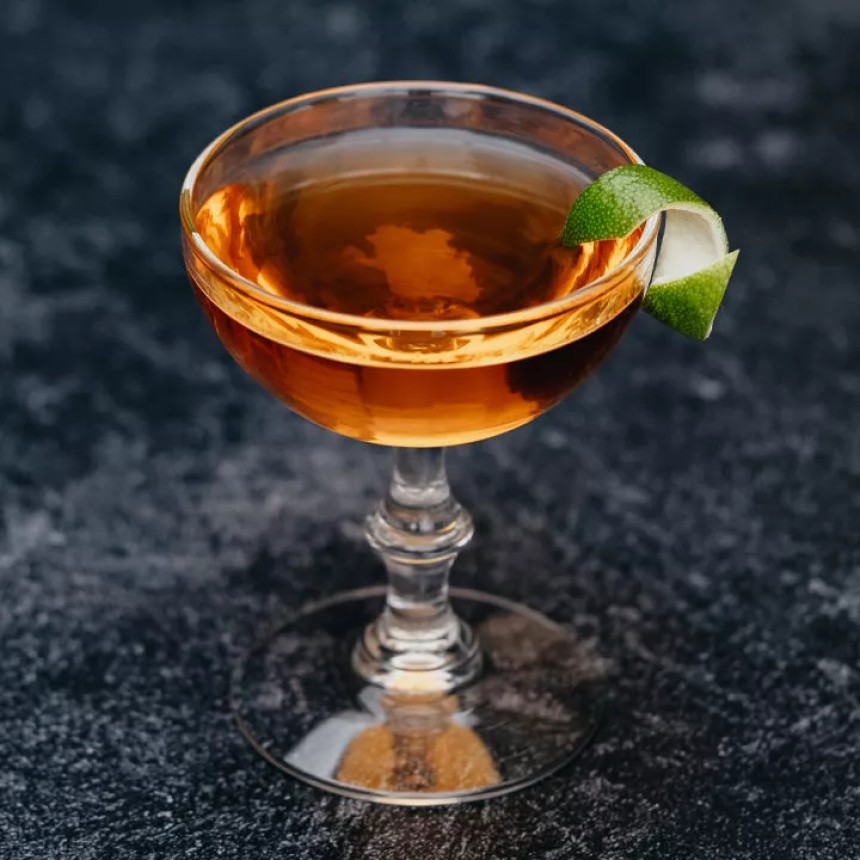
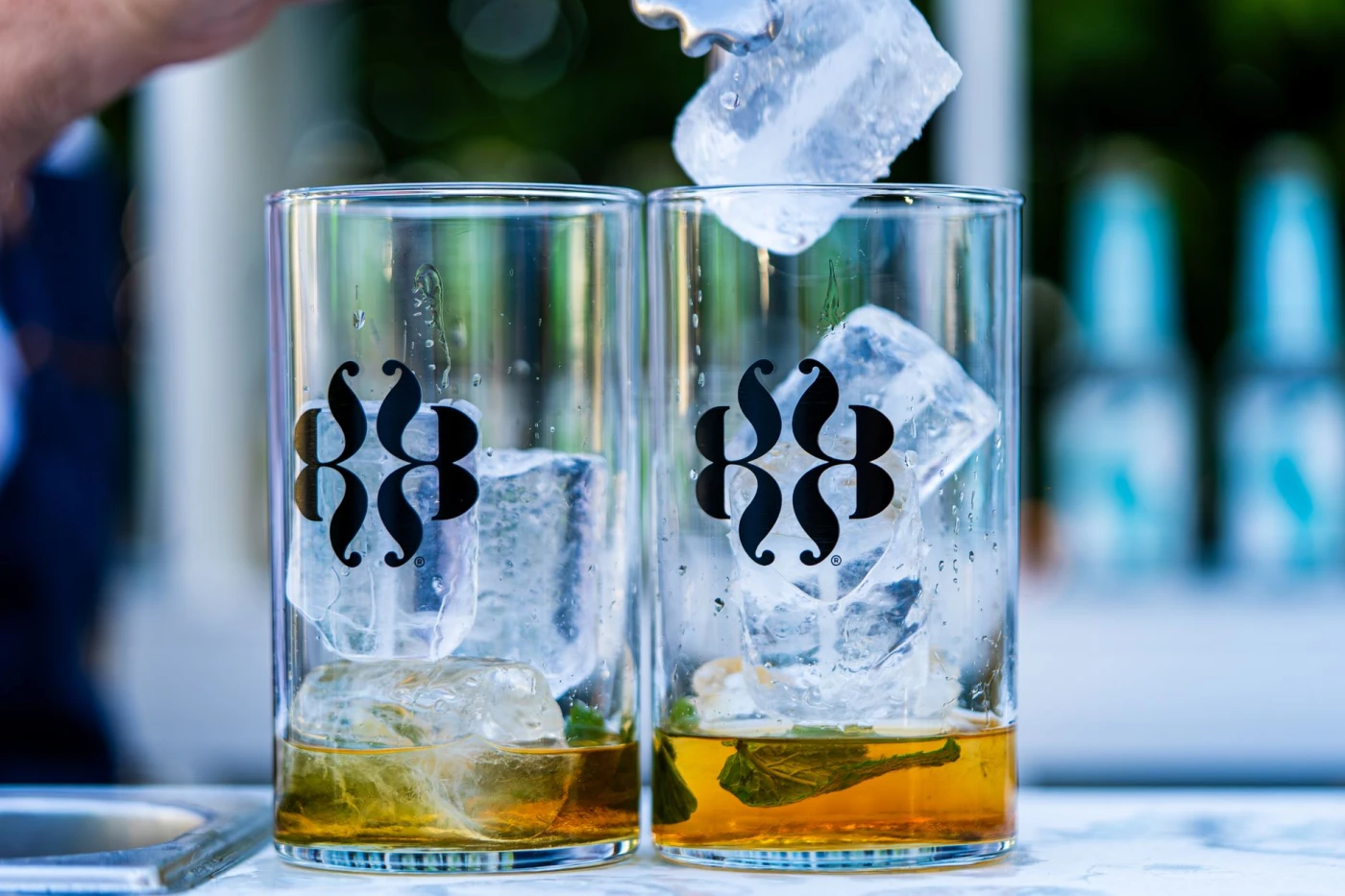
Big ice earns its reputation in spirit-forward drinks because it slows the rate of dilution while still giving you proper chill. That matters in drinks such as the Negroni, Classic Manhattan, or Old Fashioned. Those drinks are meant to remain concentrated and aromatic. A handful of weak small cubes can water them down faster than the structure can tolerate.
Clear ice adds a second benefit: consistency. It tends to be denser and less brittle than cloudy home ice, and it looks significantly better in the glass. Presentation is not trivial here. The visual discipline supports the sensory expectation that the drink will be cleaner and more intentional.
Is clear ice mandatory? No. Is it one of the highest-signal upgrades for a home bartender who likes stirred classics? Absolutely.
Crushed Ice and Pebble Ice
Crushed ice creates speed. It chills fast, softens fast, and turns the drink into something more textural and more alive. That is exactly why juleps, tropical drinks, and some longer citrus drinks love it. The dilution is not a flaw. It is part of the point. The top of the drink starts intense, the middle relaxes, and the bottom turns more integrated and thirst-quenching.
Home bartenders often misuse crushed ice by putting it in drinks that actually want restraint. A crushed-ice Mai Tai can make sense. A crushed-ice Negroni is usually a misunderstanding. Match the ice to the architecture. If the drink wants aromatic stability and slow reveal, crushed ice is the wrong language. If it wants speed, frost, and evolution, it may be the perfect one.
Pebble-style ice sits between cubes and true crush. It is especially good in longer refreshing drinks where you want more cold surface area without fully embracing slush-like melt.
Spears, Collins Ice, and Highball Logic
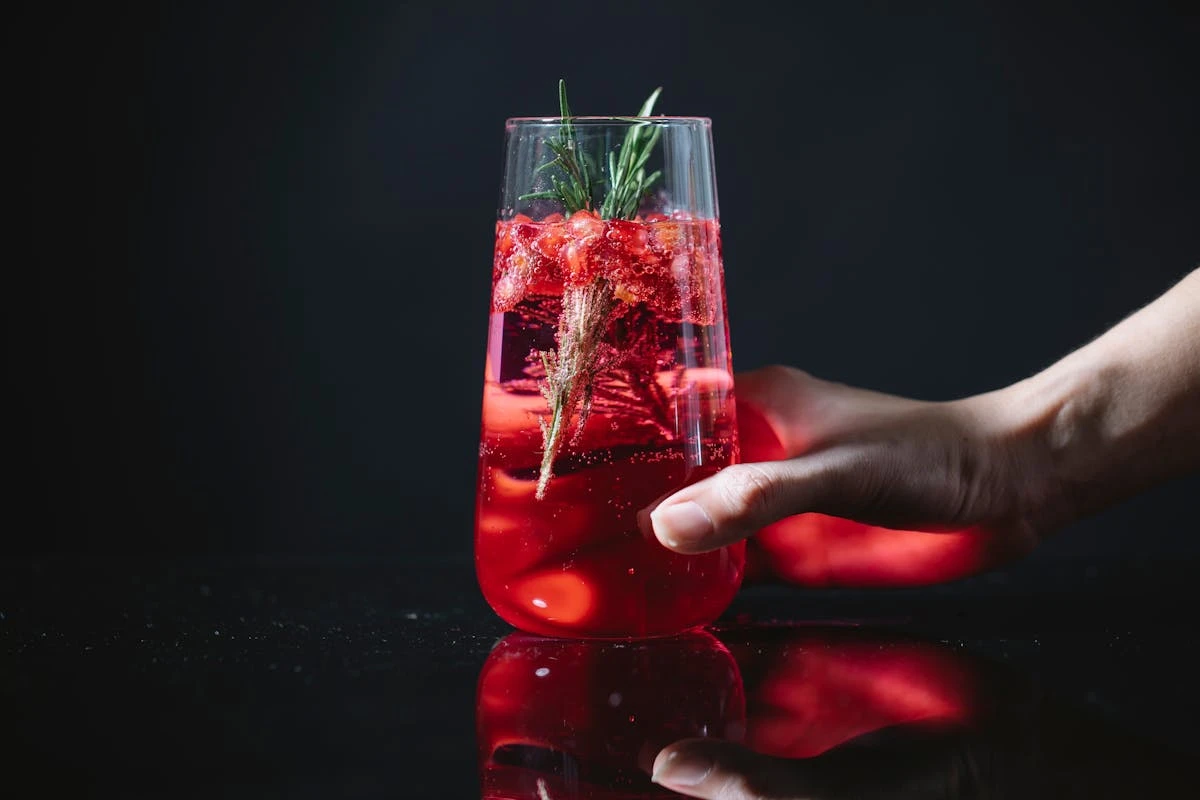
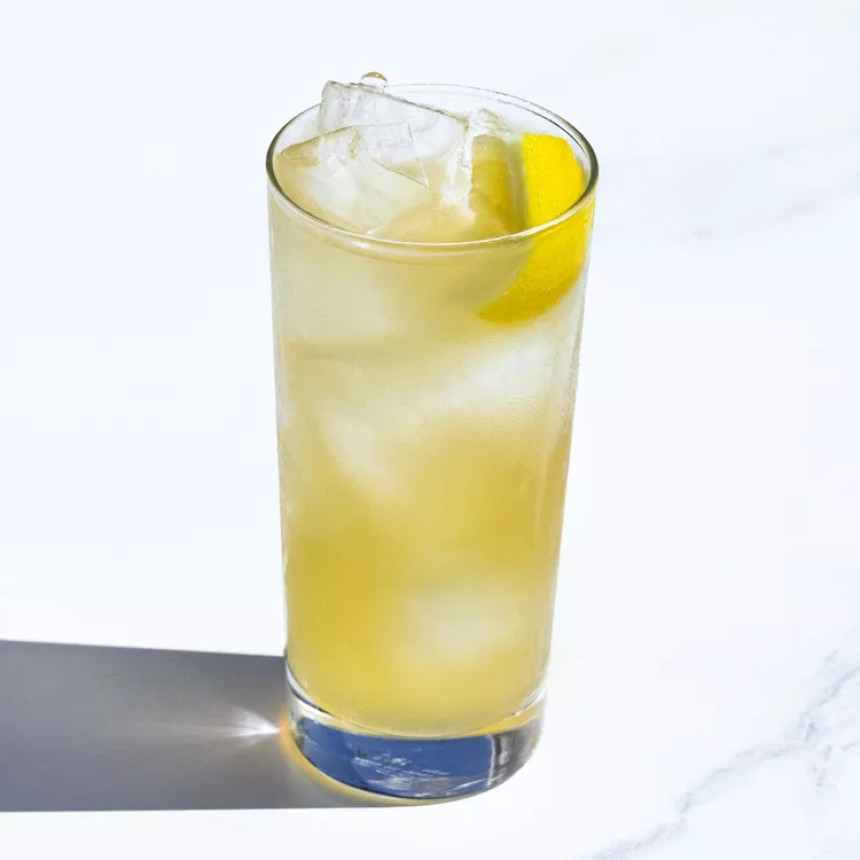
Tall drinks often improve when the ice shape matches the glass. That is why long spears or tightly packed tall cubes work so well in Collins glasses and highballs. They keep the drink colder, maintain carbonation better, and look cleaner than a chaotic pile of tiny cubes floating at different angles.
This matters in drinks such as the Tom Collins, Mojito, Paloma, or a well-built Moscow Mule. Carbonated drinks suffer when the ice is sloppy. Too much broken surface area means faster dilution and flatter texture. A more stable highball ice format keeps the drink crisp longer.
If you make a lot of long drinks, this is one of the smartest specialized ice investments you can make.
Which Cocktails Need Which Ice
If you only memorize one table from this article, make it this one. Pairing the right ice with the right structure solves more cocktail problems than most bottle upgrades.
Home-Bar Buying Strategy
A rational home bar does not need every ice shape on earth. Start with good standard cubes. If you love stirred drinks, add a large-cube mold. If you love highballs, add a Collins-friendly mold or prioritize better tall-cube trays. If you love tiki or julep service, get a reliable way to make or crush ice quickly. That layered approach gives you real improvement without cluttering the kitchen.
I would skip gadget overload. Ice tools get marketed aggressively because they look like premium upgrades, but the best return usually comes from one or two improvements you use constantly. Cold quality and appropriate size beat novelty every time.
Also, remember that the freezer itself matters. A chaos-filled freezer is bad for ice quality. Better organization improves your drinks indirectly but measurably.
Common Ice Mistakes
The biggest mistake is underestimating dilution. The second is serving good drinks over weak, old, or smelly ice. The third is using crushed ice where the drink needs discipline. Another frequent problem is trying to ‘save’ a drink by using less ice. In reality, less ice often means a warmer drink that dilutes faster because the few cubes you do have melt under greater thermal stress.
Use more good ice, not less bad ice. That principle sounds paradoxical until you taste it. A well-packed glass often stays colder and dilutes more slowly than a half-filled glass. That is one of the most useful home-bar lessons there is.
If a drink keeps disappointing you, audit the ice before you blame the recipe.
How to Get Better Ice at Home Without Overcomplicating It
Most people do not need a laboratory to improve their ice. They need three simple habits: use fresher water, protect the ice from freezer odors, and choose one mold upgrade that matches the drinks they make most. If your home bar leans toward Old Fashioneds or Negronis, buy a reliable large-cube mold. If you live on Palomas, Mojitos, and Mules, improve your everyday cube game first.
You also do not need perfectly crystal-clear ice to feel a meaningful difference. Density, freshness, and appropriate size matter more than Instagram aesthetics for most home drinkers. Clear ice is a great upgrade, but clean-tasting solid ice is the real baseline.
The smartest approach is incremental: fix the daily cubes, then add one specialist format if your cocktail habits justify it.
Why More Ice Often Dilutes Less
This is one of the most useful cocktail paradoxes. A glass packed with good ice often dilutes more slowly than a glass with just a few cubes. The reason is thermal load. A full mass of ice pulls the drink colder faster and keeps the system stable. A few lonely cubes absorb more heat pressure and melt faster trying to do the same job.
That is why bartenders say to fill the glass with confidence instead of rationing ice timidly. Weak ice quantity control creates worse dilution, not stronger drinks. You feel this immediately in long sparkling drinks, where too little ice means a warmer, flatter, sweeter experience almost from the start.
Once you understand that, many bad home-drink habits start correcting themselves.
What Professional Bars Notice About Ice
Good bars treat ice as a service decision, not just a supply item. They choose formats based on drink family, glassware, and speed of service. A bar making lots of Martinis and Old Fashioneds will care deeply about prep ice, stirred dilution, and large-format rocks. A high-volume patio bar serving Collinses and spritzes cares more about cold, stable highball ice and carbonation retention.
Home bartenders can steal that logic without copying every tool. Ask the same question pros ask: what am I serving most, and what kind of thermal behavior do those drinks need? Once you answer that, the equipment choices become much cheaper and simpler.
The gap between amateur and professional drinks is often smaller than people think. Ice discipline is one of the things that closes it fast.
A One-Week Ice Upgrade Plan
If you want practical improvement now, do this for one week. Day one, empty old ice and clean the tray or bin. Day two, freeze a fresh batch with better-tasting water. Day three, make your next Whiskey Sour or Bloody Mary using only the new ice. Day four, buy one large-cube mold if you like stirred drinks. Day five, compare one stirred drink with big ice and one with regular cubes. Day six, pack a highball properly and watch how much slower it fades. Day seven, decide which one upgrade mattered most and keep that habit.
That is enough to feel a real difference without turning your freezer into a hobby museum.
How to Troubleshoot the First Sip
If the first sip feels sharp and hot, the drink may be under-diluted or not cold enough. If it feels watery, the ice may already be failing or the shape may be wrong for the style of drink. If it feels flat, especially in a highball, the ice may not be supporting carbonation properly. Those first-sip clues are useful because they let you diagnose the ice instead of endlessly rewriting the recipe.
The best home bartenders do this automatically. They notice whether the problem is thermal, structural, or aromatic. Ice often sits underneath all three. Once you start troubleshooting from that angle, fixes become faster and more repeatable.
Why Ice Choice Changes Guest Experience
Ice is also part of hospitality. A large clear rock in an evening drink signals patience and polish. Crushed ice in a tropical drink signals abundance and refreshment. Tall clean ice in a Collins or Mule keeps the guest’s second and third sip as good as the first. These are small service decisions, but guests feel them immediately even when they cannot describe them.
That is why upgrading ice is not just a nerdy technical move. It is one of the fastest ways to make homemade drinks feel more deliberate, more bar-like, and more worth repeating.
The Minimal Ice Toolkit That Actually Matters
If you want the leanest effective setup, keep three things: a reliable standard cube tray, one large-cube mold, and a simple way to crush or crack ice when needed. That tiny toolkit covers the majority of classic cocktail situations without swallowing freezer space or money. Everything else is optional refinement.
The reason this matters is that many people delay improvement because they think better ice requires a huge setup. It does not. A few smart tools used consistently outperform a drawer full of gimmicks.
How Better Ice Changes a Full Night of Drinking
One under-discussed reason ice matters is cumulative quality across a whole evening. A single slightly watery drink is annoying. Three in a row start changing how people perceive your entire bar game. Better ice keeps the first drink tighter, the second drink faster to execute, and the third drink less compromised because your process is more stable. That stability matters for hosts. It also matters for your own palate because you stop acclimating to mediocrity and start noticing when a drink actually stays sharp from start to finish.
This is especially visible when you alternate styles. A well-iced highball followed by a properly served stirred drink feels coherent. A floppy highball followed by an under-chilled Negroni makes the whole night feel less precise. Ice quietly sets the standard for every round after it.
Seen this way, improving ice is not about chasing perfection in one glass. It is about making the entire home-bar experience more consistent.
Why Ice Quality Shows Up Fastest in Simple Drinks
Simple drinks expose ice quality brutally fast because they have fewer flavors to hide behind. A well-made highball or spirit-and-ice serve can taste expensive or cheap based almost entirely on the state of the cubes. That is why people often think a basic drink should be easy, when in reality it is the first place your process gets judged.
If you want proof, serve one clean pour over excellent big ice and then the same pour over weak stale ice. The difference is not subtle. The better ice preserves the spirit’s shape and the worse ice turns the drink into diluted memory. Once you see that contrast, it becomes much harder to treat ice casually again.
Final Take
The best ice for cocktails is not one universal shape. It is the shape that creates the right kind of temperature and the right rate of dilution for the specific drink. Big rocks for spirit-forward restraint. Standard cubes for versatile shaken drinks. Spears for tall cold highballs. Crushed ice for speed, frost, and evolution.
Treat ice like an ingredient and your cocktails will start tasting more intentional immediately. Ignore it, and even excellent bottles will keep doing unnecessary repair work in the glass.
Ask AI about this article
Pick a prompt, copy it, or open ChatGPT with this article preloaded.
Further Reading
Vodka hub guides
- Best Vodka Under $30: Top Bottles That Taste Premium
- Best Vodka for Moscow Mule: 12 Smooth Bottles That Actually Work
- How to Make Espresso Martini
- 7 Best Vodka Cocktails for Beginners That Taste Amazing
Related guides
- How To Store Vodka After Opening Cocktail Guide (2026)
- Vodka Soda Vs Vodka Tonic Which Is Better Cocktail Guide (2026)
- How To Make Clear Ice At Home For Vodka Drinks Cocktail Guide (2026)
- Flavored Vodka Which Bottles Are Actually Worth Buying Cocktail Guide (2026)
Trusted external references
Popular guides
- The Dos and Don'ts of Making an Old Fashioned 4 min read
- What Does Pacifico Taste Like? Beer Review 3 min read
- Best Vodka Under $30: Top Bottles That Taste Premium 7 min read
- Vodka Red Bull 3 min read
- Vesper 3 min read
Recently viewed
Saved guides
Related guides

Comments 0
Login to Post comments