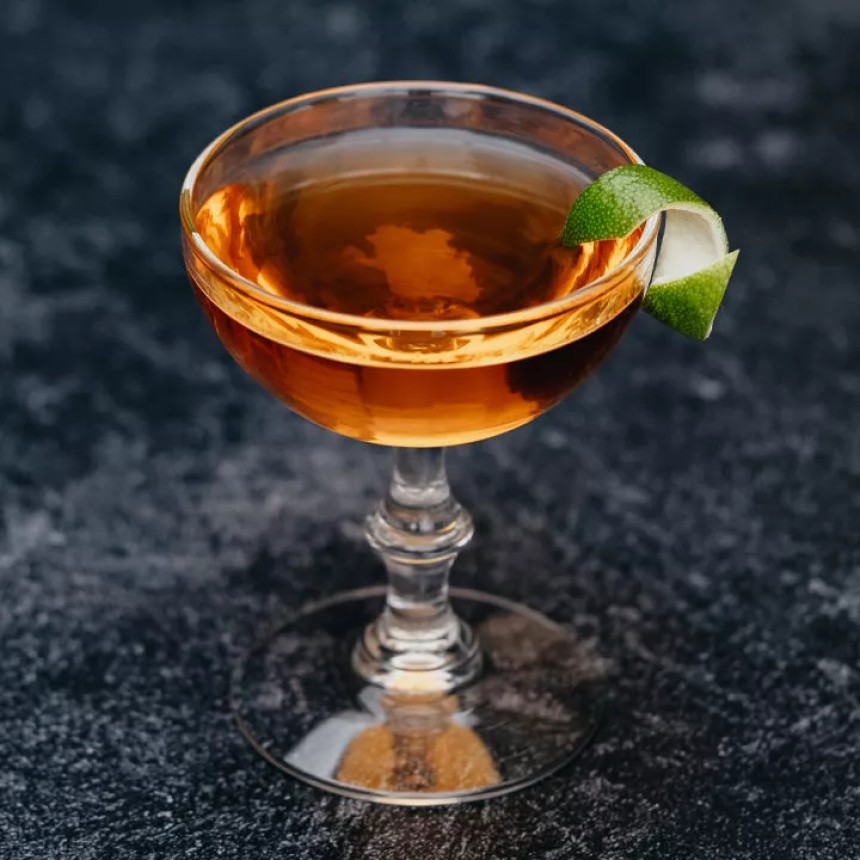

How to Order a Martini Without Sounding Lost
Published Apr 26, 2026 · Updated Sep 12, 2026 · 12 min read
A direct guide to ordering a martini, including gin vs vodka, dry vs wet, dirty vs clean, garnish choices, and the best first order. Learning how to order a martini is really about.
Learning how to order a martini is really about learning a short, precise language. The drink looks glamorous because it is minimal, but that same minimalism makes the vocabulary feel intimidating. Gin or vodka? Dry or wet? Dirty? Twist or olive? Up or on the rocks? Shaken or stirred? One short order can suddenly feel like an oral exam in front of a busy bartender.
Liquor.com mines this space because martini confusion is evergreen and commercially strong. Readers searching this topic are close to a bar order, a dinner decision, or a bottle purchase. That is good intent. The only bad response is giving them an answer that sounds clever but leaves them more confused than when they arrived.
Here is the honest fix. Start with one competent default order, understand what each variable changes, then adjust one thing at a time. That is how you stop sounding lost and start ordering like someone who actually knows what they like.
What a Martini Actually Is
At its core, a martini is spirit plus vermouth, very cold, with a deliberate garnish. That is it. The reason the drink inspires so much opinion is that small changes land loudly in such a stripped-back format. Less vermouth changes the whole mood. A different garnish changes the aroma before the first sip. Olive brine changes the drink’s entire category feeling.
The benchmark version is closer to the classic Martini recipe than to the cartoon stereotype of a near-frozen cone of straight vodka. Once you understand that, the drink becomes more approachable. It is not mystical. It is simply exposed. Every choice shows.
That exposure is why you should not over-customize the first order. If you change everything at once, you learn nothing.
The Best Default First Order
If you want one clean starting point, order this: ‘Gin martini, stirred, up, with a twist, moderately dry.’ That sentence gives the bartender the key information without sounding theatrical. It also gives you a martini that is cold, classic, aromatic, and balanced enough to teach you what the drink is supposed to taste like.
Why gin? Because gin is historically central and gives the drink more structure. Why stirred? Because it preserves the classic silky texture. Why a twist? Because lemon peel brightens the nose without pushing the drink salty in the way an olive can. Why moderately dry? Because you want enough vermouth to understand the drink, not so little that you are effectively tasting chilled straight spirit.
If you already know you dislike juniper, switch only the base spirit: vodka martini, stirred, up, with a twist, moderately dry. Keep the rest stable for the first test.
Gin vs Vodka Martini
A gin martini is more aromatic and more structurally obvious. You taste botanicals, the vermouth makes more sense, and the drink feels like a composed cocktail rather than just a freezing-cold alcohol delivery system. That is why many bartenders prefer it. It also links naturally to other gin classics such as the Gimlet, French 75, and Tom Collins.
A vodka martini is cleaner and more neutral. When done well, it feels crisp, smooth, and almost architectural. This can be excellent, especially for drinkers who find gin too botanical. If that is your lane, a bottle perspective from the Haku Vodka review can help explain why texture matters even in a supposedly neutral spirit.
Neither choice is fake. The real mistake is pretending your preference has to be a morality test. Pick the one you want to drink again.
Dry, Wet, Dirty, and Filthy
Dry refers to less vermouth. Wet means more vermouth. Dirty means olive brine has been added. Filthy usually means a lot more olive brine. Those words matter because they change different parts of the drink. Dryness changes spirit-to-vermouth balance. Dirtiness changes flavor profile and texture altogether.
For a first or second martini, I would stay away from extreme dryness and from hyper-dirty orders unless you already know you love olive-brine drinks. A dirty martini can be wonderful, but the brine can dominate so much that you never really learn the base cocktail. Likewise, the ultra-dry ‘just wave the vermouth nearby’ style may sound tough but often throws away balance.
The smartest learning path is clean first, dirty second. Moderate first, extreme later if you actually want it.
QuestionFast answerDryLess vermouth, more spirit-forward.WetMore vermouth, softer and more wine-like.DirtyOlive brine added for savory salinity.FilthyHeavy brine; much more intense savory profile.50/50Equal-ish spirit and vermouth; softer, lower-octane, highly aromatic.Shaken or Stirred, Up or On the Rocks
A classic martini is usually stirred and served up. Stirring keeps the liquid clear and silky. Serving it up keeps the presentation precise and the dilution curve predictable. Shaking creates a cloudier, more aerated texture with tiny ice shards and a slightly different feel. Some people love that. It is fine. But it is not the cleanest first benchmark if you are trying to understand the drink.
Ordering a martini on the rocks can make sense if you want slower sipping and a little more dilution over time. It changes the drink from a short cold statement into something more extended. Again, nothing wrong with it. Just know that it is a different experience.
If you want to sound informed without overacting, say exactly what you mean and stop there. Bartenders appreciate clarity much more than jargon performance.
- First benchmark: stirred and up.
- If you want colder, sharper, and slightly more aggressive texture, try shaken later.
- If you want a longer, more slowly evolving drink, try it on the rocks another time.
Twist or Olive?
A twist gives you brightness and aroma. An olive gives you savory depth and a different expectation before the sip even lands. This is not a trivial garnish decision. In minimal drinks, aroma is structural. That is why a lemon twist often makes a first martini feel clearer and more elegant, while an olive can make the same build feel richer and more snackable.
If you are ordering clean, start with a twist. If you know you like savory drinks, try an olive next time. If you know you love brine, then the path toward the dirty martini becomes obvious.
There is no virtue in pretending to like olives if you do not. Order the drink you actually want, not the one you think a movie told you to want.
How to Adjust After the First Martini

This is where most martini advice finally becomes useful. After the first proper order, ask one question: what did I want more or less of? If you wanted more aroma and softness, go a little wetter next time. If you wanted a colder, cleaner, stiffer feel, go drier or try vodka. If you wanted more savory character, move toward olive garnish or a lightly dirty build.
Only change one variable at a time. That rule saves months of confusion. If you switch from gin to vodka, twist to olive, stirred to shaken, and clean to dirty all at once, the next drink cannot teach you which variable you actually preferred.
In my experience, people become martini drinkers faster when they treat the first three orders like controlled experiments rather than identity statements.
Common Martini Mistakes
The most common mistake is ordering an ultra-dry, dirty, shaken vodka martini because it sounds specific and then concluding you do not like martinis. That order may be delicious for the right person, but it is a bad educational baseline for many newcomers. Another mistake is using ‘extra cold’ as a substitute for knowing what you want structurally.
A quieter mistake is at home rather than at the bar: not chilling the glass enough, not measuring, or using tired vermouth. In a martini, stale ingredients are exposed mercilessly. That is one reason articles about liquor shelf life matter more than they first appear.
The martini rewards precision. It does not reward drama.
Martini Order Cheat Sheet
That small set of rules is enough to keep you from sounding lost at almost any competent bar.
What to Say at a Busy Bar
The best martini order at a busy bar is short, calm, and complete. Lead with the spirit, then the key modifiers, then stop talking. For example: ‘Gin martini, stirred, up, with a twist.’ Or: ‘Vodka martini, lightly dirty, stirred, olives.’ That is enough. The bartender does not need a monologue about Bond, nor a nervous apology for ordering something classic.
If the bar is loud or high-volume, simpler is better. The more edge-case instructions you stack, the more chances there are for something to get lost. That is another reason a benchmark order is useful. It protects both you and the bartender from unnecessary ambiguity.
Clarity reads as confidence. Jargon reads as insecurity when it is doing too much work.
How to Practice at Home Before Ordering Out
If martinis make you nervous at bars, practice the vocabulary at home first. Make a small classic martini, then try a slightly drier version, then try the same template with vodka, then finally test an olive or light brine version. Those four comparisons teach more than memorizing terminology from a menu.
Home practice also exposes how much temperature and freshness matter. A martini made with tired vermouth or a barely chilled glass will not teach you the right lesson. Use clean ice, measure carefully, and taste in small increments. You are building preference, not performing luxury.
Once you have made two or three clean martinis yourself, ordering one in public becomes much less dramatic because the words map to an actual taste memory.
Why Different Bars May Give You Different Martinis
One hidden reason martini ordering feels confusing is that bars carry different defaults. Some houses pour drier by default. Some lean more classic with visible vermouth structure. Some use freezer-cold spirits. Some garnish more aggressively. A dirty martini in one bar may be lightly savory; in another, it may be practically a saline cocktail.
This is not always incompetence. Sometimes it is house style. The fix is to order more clearly after your first sip. If the drink came too dry, ask for a touch more vermouth next time. If it came too savory, ask for less brine. If you loved everything but wanted a brighter nose, switch to a twist. You are allowed to calibrate.
Good bartenders usually appreciate precise follow-up much more than vague declarations that you like ‘strong’ drinks.
The Three-Order Learning Plan
If you are serious about learning your martini preference, use a three-order plan. Order one: gin, stirred, up, twist, moderate dryness. Order two: same drink, but change only one variable based on what you wanted more or less of. Order three: test the other base spirit or the dirty variation only after the first two made sense. That sequence gives you a rational preference map instead of random anecdotes.
Most people who think they dislike martinis have actually only had mismatched martinis. The drink is too exposed to survive sloppy experimentation well. Controlled iteration works much better.
Treat those first three martinis like calibration and the whole category opens up very quickly.
How Food and Occasion Should Influence the Order
A martini before dinner, a martini with salty bar snacks, and a martini late in the night may not want the same settings. A cleaner twist-led martini often fits pre-dinner service best because it stays bright and appetite-opening. A lightly dirty martini or olive-garnished version can make more sense with salty snacks or richer savory food. Occasion should influence the order more than ego should.
That is another reason to resist rigid identity around one hyper-specific order. The best martini drinkers are often more adaptable, not less. They understand what the room, the food, and the bar style are asking from the drink.
What Experienced Martini Drinkers Actually Sound Like
Experienced martini drinkers usually sound simpler than beginners expect. They are specific, but not theatrical. They say what matters and stop. ‘Gin martini, stirred, twist.’ ‘Vodka martini, lightly dirty, olives.’ That rhythm communicates competence better than over-explaining why you want a certain temperature or trying to perform insider language.
The real marker of experience is not fancy wording. It is being able to taste the drink, identify what you want changed next time, and say it plainly. That skill is much more valuable than memorizing ten dramatic phrases.
Why the Martini Is Worth Learning Properly
The martini is worth learning because it sharpens your palate. It teaches dilution, aroma, temperature, spirit character, and garnish effect in a brutally clear format. Once you understand a martini, other cocktails often become easier to diagnose because you have learned how small decisions show up in the glass.
That educational value is one reason the drink keeps dominating both search traffic and bar mythology. Beneath the glamour, it is one of the most efficient taste-training tools in the classic canon.
The Difference Between Preference and Performance
There is a useful distinction between personal preference and social performance. Preference is what you genuinely enjoy. Performance is ordering something because it sounds iconic, adult, or insider-approved. The martini attracts performance more than almost any other classic, which is why so many people end up with a drink they do not actually want.
The cure is simple: taste honestly and order honestly. If you like vodka, say vodka. If you prefer an olive, order the olive. If a moderate amount of vermouth makes the drink more enjoyable for you, do not let someone else’s macho dryness scale bully you out of a better glass. The martini becomes much easier once you stop treating it like a character test and start treating it like a palate test.
How a Better Order Leads to a Better Drink
A better martini order is not about sounding clever. It is about increasing the odds that the bartender can give you the drink you truly want on the first attempt. Precision saves time, reduces misfires, and makes follow-up calibration easier. That makes the whole interaction smoother for everyone involved.
In other words, good ordering is hospitality in both directions. You respect the bartender’s workflow, and the bartender has a clear target. That is a much better frame than treating the martini as a script-reading exercise.
Final Take
Knowing how to order a martini is really knowing how to give a bartender the few variables that matter. Start with a balanced benchmark, change one variable at a time, and order for your palate instead of for mythology.
Once you do that, the martini stops being intimidating and starts being one of the most precise, revealing, and rewarding drinks on the menu.
Ask AI about this article
Pick a prompt, copy it, or open ChatGPT with this article preloaded.
Further Reading
Vodka hub guides
- Best Vodka Under $30: Top Bottles That Taste Premium
- Best Vodka for Moscow Mule: 12 Smooth Bottles That Actually Work
- How to Make Espresso Martini
- 7 Best Vodka Cocktails for Beginners That Taste Amazing
Related guides
- How To Store Vodka After Opening Cocktail Guide (2026)
- Vodka Soda Vs Vodka Tonic Which Is Better Cocktail Guide (2026)
- How To Make Clear Ice At Home For Vodka Drinks Cocktail Guide (2026)
- Flavored Vodka Which Bottles Are Actually Worth Buying Cocktail Guide (2026)
Trusted external references
Popular guides
- The Dos and Don'ts of Making an Old Fashioned 4 min read
- What Does Pacifico Taste Like? Beer Review 3 min read
- Best Vodka Under $30: Top Bottles That Taste Premium 7 min read
- Vodka Red Bull 3 min read
- Vesper 3 min read
Recently viewed
Saved guides
Related guides



Comments 0
Login to Post comments