
Shelf Life of Liquor: What Lasts and What Fades
Published Apr 26, 2026 · Updated Sep 14, 2026 · 12 min read
A bottle-by-bottle guide to liquor shelf life, including what lasts for years, what declines after opening, and how to store spirits properly. The shelf life of liquor is one of th.
The shelf life of liquor is one of those topics people think they understand until they look at their own bar cart. A dusty whiskey inherited from three apartments ago is still there. A bottle of vermouth tastes suspicious. A fruit liqueur smells softer than it used to. And somewhere in the back, a random holiday cream bottle is almost certainly overdue for a hard decision.
Liquor.com returns to this kind of question because it converts casual curiosity into useful behavior. Readers who search shelf-life queries are not just browsing recipes. They are trying to decide what to keep, what to toss, and what to buy next. That makes it one of the stronger evergreen intent clusters in drinks media, even though the CPC on pure informational queries is rarely as flashy as bottle-review terms.
The practical answer is this: most distilled spirits last a long time, but not every bottle on a home bar behaves like whiskey or vodka. In my experience, quality loss matters more often than outright spoilage. You are usually deciding whether a bottle still tastes sharp enough to deserve space, not whether it has become hazardous overnight.
Unopened vs Opened Bottles
An unopened bottle of standard distilled spirit is remarkably stable. If it is stored upright, away from heat and direct sunlight, the clock moves slowly. Whiskey, vodka, gin, rum, tequila, and brandy can sit for years without turning into something unrecognizable. That does not mean storage never matters. High heat can still push evaporation or dull aromatics over long periods. But an unopened bottle is simply not where most home-bar problems begin.
Opened bottles are different because oxygen enters the conversation. Each pour creates headspace. Each imperfect cap gives air more chances to work. With robust high-proof spirits, the change can still be slow. With more delicate or lower-proof products, it can be surprisingly quick. That is why the right first question is not ‘How old is the bottle?’ but ‘What kind of bottle is it, how full is it, and how has it been stored?’
A half-full bottle stored warm and bright will age faster than a nearly full bottle stored cool and dark, even if both were opened on the same day.
The Stable Group: Vodka, Whiskey, Gin, Rum, Tequila, Brandy
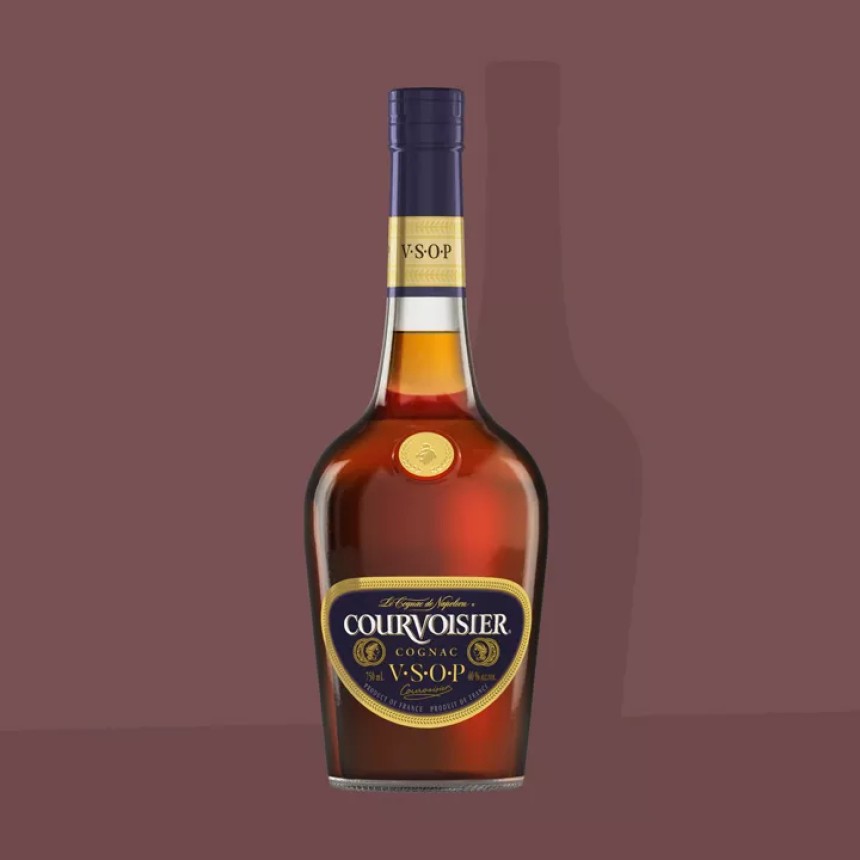
These are the workhorses. Standard base spirits at common bottling strengths are resilient. A bottle of vodka like Haku, a Cognac such as Courvoisier VSOP or Hennessy VSOP, or a solid tequila like Olmeca Altos Plata can remain serviceable for a long time after opening if the cap seals properly and the bottle is kept sensibly.
What changes first is usually nuance. A gin may lose some lift in the brighter botanicals. A whiskey may feel slightly less vivid on the nose. A tequila may lose a little snap. But the bottle does not suddenly become unusable because a few months passed. This is especially true if it stays mostly full.
Where people get themselves into trouble is assuming this resilience applies equally to every modifier on the shelf. It does not.
- Upright storage is still the rule. Do not store spirits on their side like wine.
- Heat and light accelerate decline more than calendar age alone.
- A well-sealed three-quarter-full bottle is in a much better position than a badly sealed nearly empty one.
The Fragile Group: Vermouth, Aperitivo Wines, Cream, and Fruit-Heavy Bottles
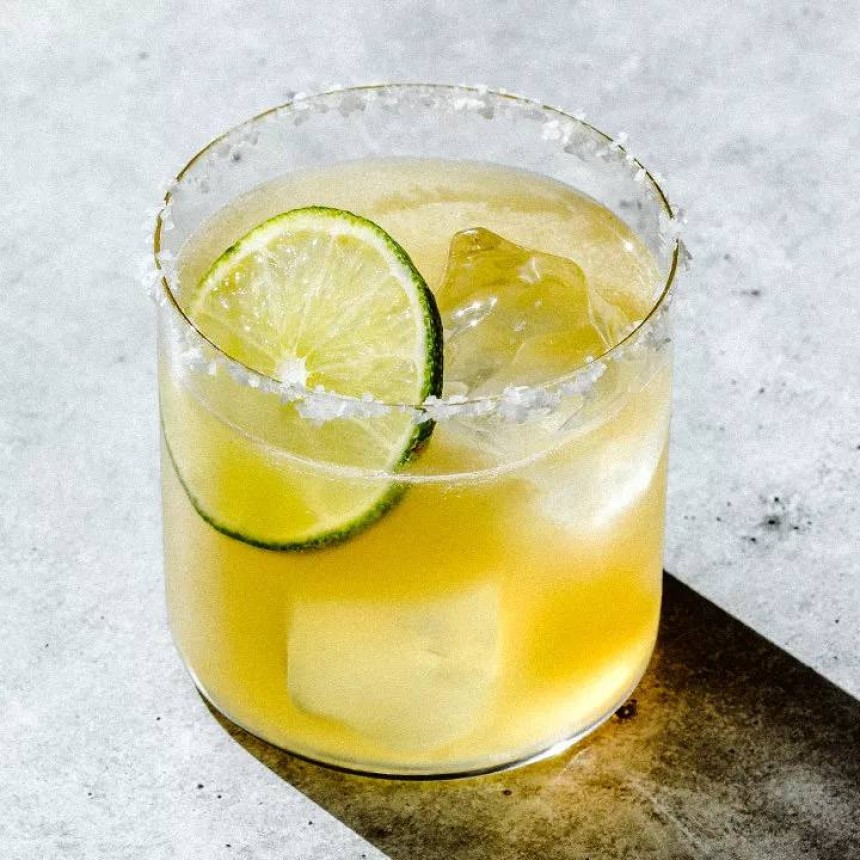
This is where most home bars quietly leak quality. Vermouth is the famous example because it looks shelf-stable until it does not. Once opened, vermouth should be treated more like wine than like whiskey. Refrigeration helps. So does finishing the bottle within a practical window rather than letting it linger for a year. The same caution applies to certain aperitivo wines and lower-proof bottles with more delicate aromatic profiles.
Cream liqueurs are even less forgiving. They are not designed for long open-ended neglect. Fruit-heavy or lower-proof liqueurs can also flatten faster than people expect, especially if warmth and light get involved. Some bottles remain technically safe longer than they remain enjoyable, and that distinction matters. If a bottle smells tired, tastes muddy, or lost the brightness that justified the category, its real shelf life is already over from a quality standpoint.
That is why every good home bar needs different rules for different bottle families. One universal ‘liquor lasts forever’ answer is just wrong.
How Storage Conditions Change the Timeline
Four enemies do most of the damage: air, heat, light, and bad sealing. Air increases oxidation, especially in half-empty bottles. Heat pushes change faster. Direct light can bleach aroma and stability. A weak cap accelerates all of it by letting the bottle interact with its environment more than it should.
The easiest upgrades are boring, which is precisely why they work. Store bottles upright. Keep them away from sunny counters and above-stove shelves. Use a cool cabinet instead of a decorative display if the room runs warm. If a fragile bottle is only one-third full and you know you will not finish it soon, move it to a smaller glass container if you have one. Less headspace means slower decline.
After testing bottles over time, I would argue that home storage habits matter more than most ranking-list advice. A mid-priced spirit stored well will outperform a prestige bottle stored carelessly.
How to Tell When a Bottle Has Faded
Use three checks: nose, palate, and context. On the nose, look for missing brightness or an oddly stale impression. On the palate, ask whether the bottle tastes flattened, thinner, or more muddled than you remember. In context, ask whether it still performs in the drink it was bought for. A modifier that seems fine neat may still be too dull to carry a Martini, Manhattan, or Spritz.
This is especially obvious in simple drinks. A tired bottle shows up quickly in a Martini, Negroni, or Manhattan-style build because there is nowhere to hide. In a more padded recipe, you may miss the decline until the bottle is much further gone.
When in doubt, make a half-size test drink. If the bottle cannot justify its place there, it probably does not need to keep occupying shelf space.
A Practical Shelf-Life Framework
Those are not courtroom deadlines. They are a practical quality map. Your room temperature, how often the bottle opens, and how much air sits inside will change the result.
How to Organize a Smarter Home Bar
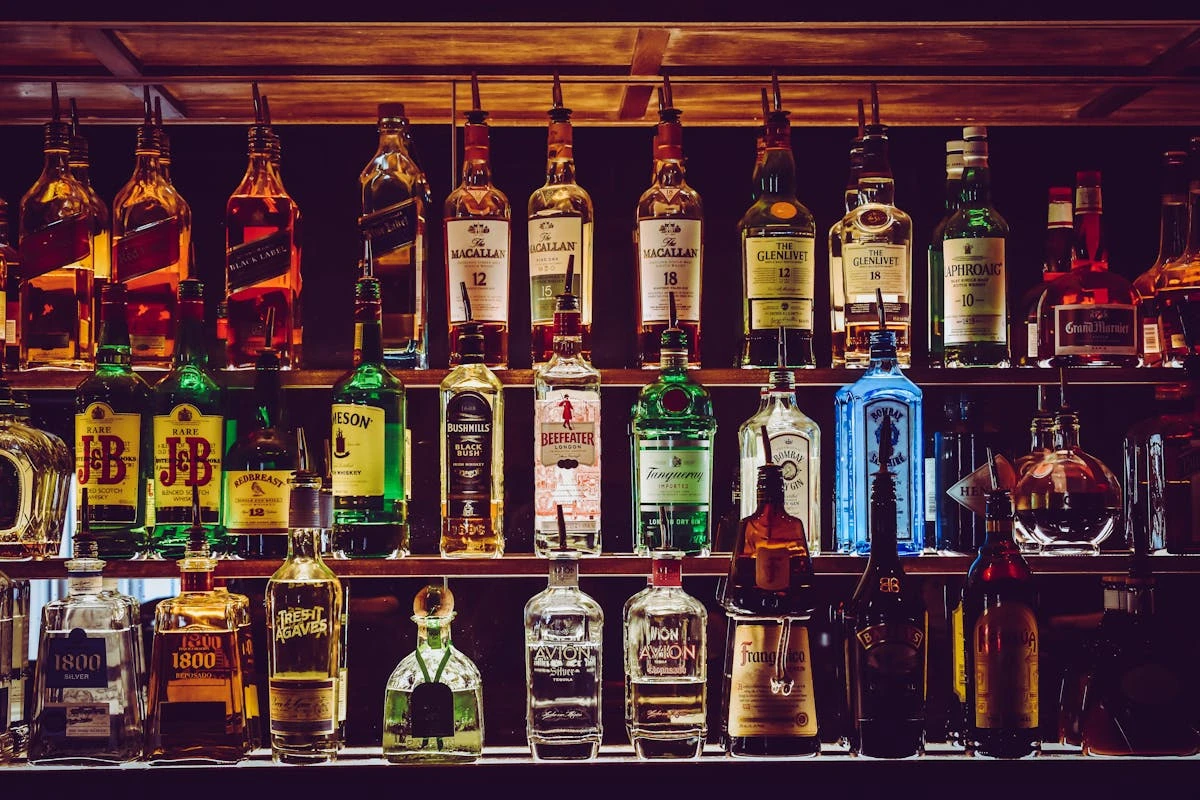
The smartest home-bar move is to sort bottles by fragility, not by color. Stable base spirits can live in the main cabinet. Fragile opened modifiers should live where you will remember them and protect them properly. Date bottles when they are opened. Keep a short mental list of ‘finish these first’ candidates. And stop buying duplicate modifiers before the first one is half done unless you already know how they will be used.
This is not glamorous advice, but it pays off. You waste less money, your drinks taste sharper, and you stop discovering sad forgotten bottles long after they have become shadows of themselves. The shelf becomes a working tool instead of a museum.
If a bottle still tastes right, use it. If it no longer improves drinks, let it go. That is the most honest rule.
Why Half-Empty Bottles Decline Faster
Headspace is the quiet villain in a lot of home bars. Once a bottle is half empty, the ratio of liquid to air changes enough that oxidation can become meaningfully more noticeable over time, especially in delicate or lower-proof products. This does not turn every half bottle into an emergency, but it does explain why two bottles opened on the same date can taste very different months later.
A mostly full bottle of gin, vodka, or whiskey can remain stable for a long time when sealed well. A mostly empty bottle of vermouth or aperitivo wine stored warm may fall apart surprisingly quickly. That is why smart bottle management is not just about calendar dates. It is about how much liquid is left and how sensitive that liquid is.
If a fragile bottle is getting low and you know you will not finish it soon, transfer it to a smaller container if practical. That simple step can save real flavor.
Decanters, Speed Pourers, and Other Storage Mistakes
Decanters look elegant, but they are not always your friend. If the seal is weak or the glass lives in a bright room, you may be trading aesthetics for faster decline. This matters most for bottles you actually care about tasting vivid. The same caution applies to speed pourers left on bottles for too long. They are great in service settings built for rapid turnover. They are not ideal for a home shelf where the bottle may sit for weeks.
Even something as simple as a loose cap can shift the outcome over time. If a bottle leaks aroma when you twist it, assume air is also winning the conversation. Replace damaged closures when you can.
The boring original bottle is often the best storage system the producer already gave you. Use it unless you have a compelling reason not to.
How Different Drinks Expose a Tired Bottle
Some recipes forgive decline better than others. A spicy, citrusy, highball-style drink may hide a slightly softened spirit longer than a stripped-back stirred drink. That is why a bottle can seem ‘fine’ in one context and obviously dull in another. Stirred cocktails and minimalist serves are your truth serum. A tired modifier will often show itself instantly in a Martini, Manhattan riff, or spirit-and-amaro style build.
Use that fact diagnostically. If you are unsure about a bottle, make the smallest, clearest test drink that features it. That could be a half-size Martini, a quick spritz, or a neat pour over one cube depending on the category. The simpler the format, the faster you learn whether the bottle still deserves trust.
In my experience, this saves money because it stops you from dumping good bottles while also preventing weak bottles from quietly sabotaging otherwise good drinks.
A 15-Minute Monthly Bar Reset
A home bar works better when you audit it briefly once a month. Pull the fragile bottles forward. Check caps. Smell the vermouth. Taste the low bottles that have been lingering. Wipe sticky necks so seals keep doing their job. Move any fragile categories away from warm or bright parts of the kitchen. That entire routine takes about fifteen minutes and prevents most shelf-life surprises.
You can also use the reset to plan what to finish. If a bottle is still good but not getting younger, build your next round of cocktails around it. That is how a shelf becomes active inventory rather than sentimental clutter.
People who do this consistently tend to buy better too, because they can see what actually moves. Storage discipline turns into shopping discipline.
When It Makes Sense to Replace a Bottle
Sometimes the right answer is simply replacement. If a bottle is central to one of your most-used drinks and it no longer tastes vivid, replacing it is not wasteful. It is maintenance. The waste happened when the bottle sat too long or was stored badly. This mindset is useful because it stops people from clinging to tired bottles out of false thrift while continuing to make worse drinks.
The trick is to replace intentionally. Finish what you can, retire what no longer performs, and buy smaller or more sensible quantities next time if the category moves slowly in your house. A bar shelf should reflect usage patterns, not fantasy purchasing.
Why This Topic Matters for Every Recipe You Make
Shelf-life discipline improves everything else on the site. Better storage makes your Martinis sharper, your Negronis cleaner, your Sidecars brighter, and your bottle reviews more honest because you are tasting products closer to their intended state. It is not a separate housekeeping topic. It is part of drink quality itself.
That is the deeper reason this evergreen query keeps returning. Readers eventually realize the recipe may be fine and the shelf may be the real problem. Once they understand that, storage stops feeling optional and starts feeling like technique.
Why Smart Storage Saves Real Money
Storage advice can sound fussy until you connect it to money. Every time a good modifier goes dull before you use it, you paid full price for half a bottle’s worth of real performance. Every time a once-promising aperitivo or vermouth sits in heat and light until it tastes flat, the waste is already done whether or not you finish it. Good storage is one of the rare habits that improves both flavor and budget at the same time.
This is also why inventory discipline matters more on a moderate budget than on a lavish one. People with smaller bars cannot afford to let the fragile part of the shelf collapse quietly. A little attention keeps the whole system honest.
How to Talk Yourself Out of Keeping Bad Bottles
A surprising amount of shelf clutter is emotional. People keep bad bottles because they paid for them, because the bottle looks impressive, or because they vaguely plan to use it someday. None of that improves the next drink. If the bottle no longer performs, its job is over. Keeping it around does not recover value. It just keeps lowering the average quality of the shelf.
A useful rule is this: if you would not happily use that bottle in a guest drink tonight, stop treating it like an asset. Either move it into a lower-priority cooking or experimenting lane if it suits that purpose, or retire it. Ruthless honesty protects the rest of the bar.
The Short Rule Most Home Bars Need
If you want one short rule, use this: treat sturdy base spirits with calm confidence and treat delicate modifiers with urgency. That rule is not perfect, but it is far more useful than either extreme myth that every bottle lasts forever or every opened bottle dies immediately.
Once you think this way, storage decisions become much easier and the shelf starts making practical sense.
Final Take
The real answer to the shelf life of liquor question is not one number. It is a hierarchy. Base spirits are durable. Fragile modifiers need attention. Storage habits can add or subtract real life from both. And quality decline matters just as much as technical safety if you actually care about what lands in the glass.
Store upright, keep bottles cool and dark, refrigerate the delicate stuff when appropriate, and trust your nose and palate. That is a better system than any lazy myth that liquor either lasts forever or dies instantly.
Ask AI about this article
Pick a prompt, copy it, or open ChatGPT with this article preloaded.
Further Reading
Vodka hub guides
- Best Vodka Under $30: Top Bottles That Taste Premium
- Best Vodka for Moscow Mule: 12 Smooth Bottles That Actually Work
- How to Make Espresso Martini
- 7 Best Vodka Cocktails for Beginners That Taste Amazing
Related guides
- How To Store Vodka After Opening Cocktail Guide (2026)
- Vodka Soda Vs Vodka Tonic Which Is Better Cocktail Guide (2026)
- How To Make Clear Ice At Home For Vodka Drinks Cocktail Guide (2026)
- Flavored Vodka Which Bottles Are Actually Worth Buying Cocktail Guide (2026)
Trusted external references
Popular guides
- The Dos and Don'ts of Making an Old Fashioned 4 min read
- What Does Pacifico Taste Like? Beer Review 3 min read
- Best Vodka Under $30: Top Bottles That Taste Premium 7 min read
- Vodka Red Bull 3 min read
- Vesper 3 min read
Recently viewed
Saved guides
Related guides

Comments 0
Login to Post comments