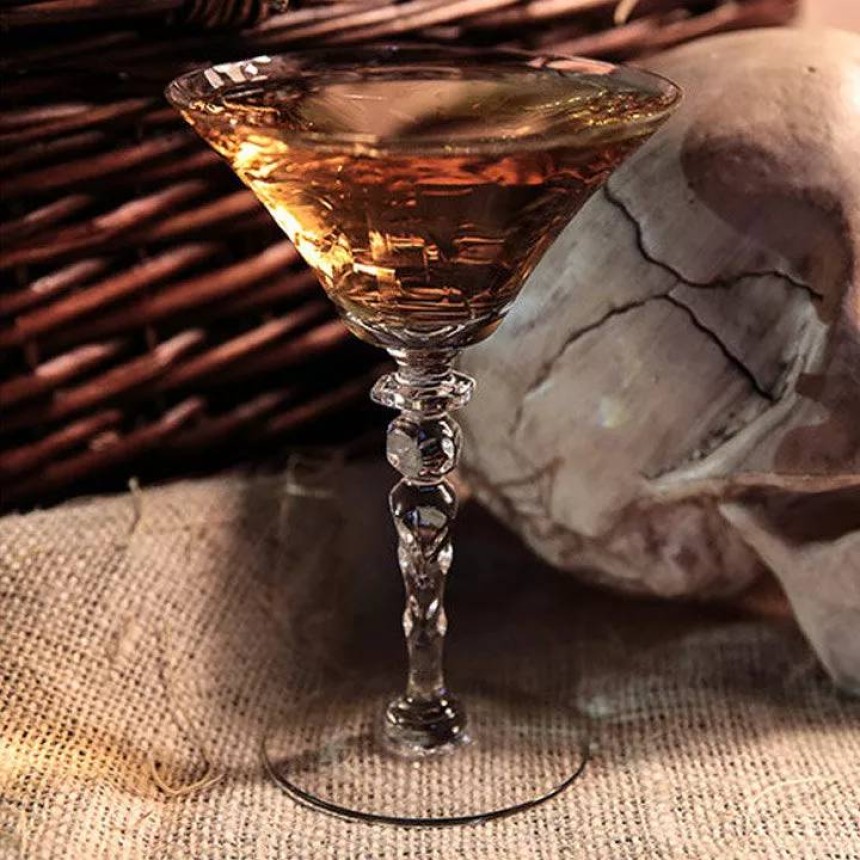

Corpse Reviver No. 1
Traditionally, the Corpse Reviver family of cocktails was drunk as a hair-of-the-dog, a hangover reliever to energize and revitalize after a night of excessive drinking. They were.
The Corpse Reviver No. 1 has an intriguing backstory that dates back to the early 20th century, with its first recorded recipe appearing in The Savoy Cocktail Book, published in 1930. This iconic cocktail was crafted by bartender Harry Cradock at the renowned Savoy Hotel in London. In his book, Cradock suggests that the Corpse Reviver No. 1 is “to be taken before 11 a.m., or whenever steam and energy are needed.” While it’s true that many enjoy a morning cocktail, it’s important to remember that alcohol is not a stimulant like caffeine, and morning drinking is generally ill-advised.
A Brief History of Corpse Revivers
The Corpse Reviver No. 1, like many cocktails of its era, experienced a decline in popularity following Prohibition. However, in recent years, there has been a resurgence of interest in pre-Prohibition cocktails, including the Corpse Reviver family. While you may often find the more popular Corpse Reviver No. 2—known for its bright, botanical gin base and absinthe mist—on modern cocktail menus, the No. 1 still makes occasional appearances.
Understanding the Corpse Reviver No. 1
Unlike its gin-based counterpart, the Corpse Reviver No. 1 offers a richer and more vibrant flavor profile, primarily due to its brandy base. This cocktail, though historically associated with morning consumption, serves beautifully as an evening drink. Its darker spirits and vermouth align it more closely with the Manhattan family, providing a luxurious sipping experience.
Key Ingredients
The richness of the Corpse Reviver No. 1 comes from a split base of two types of brandy:
- Cognac: A high-quality French brandy that adds depth and complexity.
- Calvados: An apple brandy from Normandy, France, contributing a unique fruity essence.
To balance the drink, a drier, more botanical-forward sweet vermouth is essential. Recommended choices include:
- Punt E Mes: Known for its herbal notes and complexity.
- Carpano Antica Formula: Offers a rich and nuanced flavor profile.
Using a sweeter vermouth may result in a cloying cocktail, so it’s best to opt for a drier variant.
Substitutions and Variations
For those who may not have Calvados on hand, it’s acceptable to substitute with another type of apple brandy, although the flavor profile will differ. Similarly, if you need a replacement for cognac, you can use Spanish brandy or another fine brandy, but be aware that this will also change the drink’s overall character. Experimenting with different brandies can help you discover the perfect balance for your personal Corpse Reviver No. 1.
How to Make a Corpse Reviver No. 1
Ingredients
- 1 ounce Calvados
- 1 ounce cognac
- 1/2 ounce sweet vermouth
Steps
- Mix the Ingredients: In a mixing glass filled with ice, combine the Calvados, cognac, and sweet vermouth.
- Stir: Stir the mixture until well-chilled, allowing the flavors to meld beautifully.
- Strain and Serve: Strain the cocktail into a chilled cocktail glass and enjoy.
Conclusion
The Corpse Reviver No. 1 is more than just a cocktail; it’s a testament to the enduring legacy of classic drinks. With its rich flavors and historical significance, this cocktail is perfect for anyone looking to explore the world of vintage libations. Whether enjoyed as a late-night treat or an afternoon indulgence, the Corpse Reviver No. 1 promises a delightful experience that pays homage to its storied past. Cheers to enjoying this revitalizing classic!
Ask AI about this article
Pick a prompt, copy it, or open ChatGPT with this article preloaded.
Comments 0
Login to Post comments