Sazerac Recipe: New Orleans' Most Iconic Cocktail
Master the authentic Sazerac recipe — America's oldest cocktail from New Orleans. Step-by-step guide with absinthe rinse, rye whiskey tips, and history. The Sazerac recipe isn't ju.
The Sazerac recipe isn't just a cocktail — it's a piece of American history in a glass. Born in New Orleans in the 1850s, officially declared Louisiana's state cocktail in 2008, and still served exactly the same way at the Sazerac Bar in the Roosevelt Hotel where it's been poured for over a century.
In my experience, no other cocktail carries this much ceremony. The absinthe rinse, the chilled glass, the expressed lemon peel — every step matters. Get it right and you've got one of the most complex, satisfying drinks ever created. Get it wrong and you've got a weird anise-flavoured whiskey.
Let me walk you through the authentic technique, the history, and the small details that separate a good Sazerac from a transcendent one.
The Classic Sazerac Recipe (Authentic Method)
This is the method used at the best cocktail bars in New Orleans. Every step has a purpose — don't skip any of them.
Ingredients:
- 2 oz (60ml) rye whiskey (Rittenhouse or Sazerac Rye)
- 1 sugar cube (or 1/4 oz simple syrup)
- 3-4 dashes Peychaud's bitters
- Absinthe (for rinse — Herbsaint is the NOLA standard)
- Lemon peel (for expressing oils)
Method:
- Chill the glass: Fill an Old Fashioned glass with ice and set aside
- Build the drink: In a mixing glass, place the sugar cube and add the Peychaud's bitters. Muddle until dissolved. Add a splash of water if using a sugar cube.
- Add whiskey: Pour in the rye and add ice to the mixing glass. Stir for 30 seconds until well-chilled.
- Rinse the glass: Dump the ice from your chilled glass. Add a small pour of absinthe (about 1/4 oz), swirl to coat the inside completely, and discard the excess.
- Strain: Strain the stirred drink into the absinthe-rinsed glass. No ice.
- Garnish: Express a lemon peel over the drink (squeeze it skin-side down to spray oils over the surface), then discard the peel. Do NOT drop it in the glass.
The result should be amber, aromatic, and served at a temperature cold enough to sip slowly but warm enough to release those beautiful rye and absinthe aromas.
The History of the Sazerac: America's First Cocktail?

The Sazerac's history is gloriously tangled, disputed, and dramatic — fitting for a New Orleans cocktail.
The Origin Story:
Around 1838, Antoine Amédée Peychaud — a Creole apothecary — served brandy toddies with his homemade bitters at his pharmacy on Royal Street. These are considered the earliest ancestors of the Sazerac.
By 1850, the Sazerac Coffee House on Exchange Alley began serving a cocktail made with Sazerac de Forge et Fils cognac and Peychaud's bitters. This is widely considered the birth of the "Sazerac" as a named drink.
The Cognac-to-Rye Transition:
In the 1870s, the phylloxera epidemic devastated French vineyards, making cognac scarce and expensive. New Orleans bartenders switched to American rye whiskey — which was cheap, plentiful, and actually worked beautifully in the drink. Rye's spice complemented the bitters and absinthe in ways cognac never quite did.
The Absinthe Addition:
Around 1870-1880, Leon Lamothe — a bartender at the Sazerac House — added the absinthe rinse, transforming the drink into its modern form. When absinthe was banned in the US in 1912, Herbsaint (a local New Orleans anise liqueur) became the standard substitute.
In 2008, the Louisiana legislature officially declared the Sazerac the state's official cocktail — the only US state to designate an official cocktail by law.
Choosing the Right Rye Whiskey for Your Sazerac
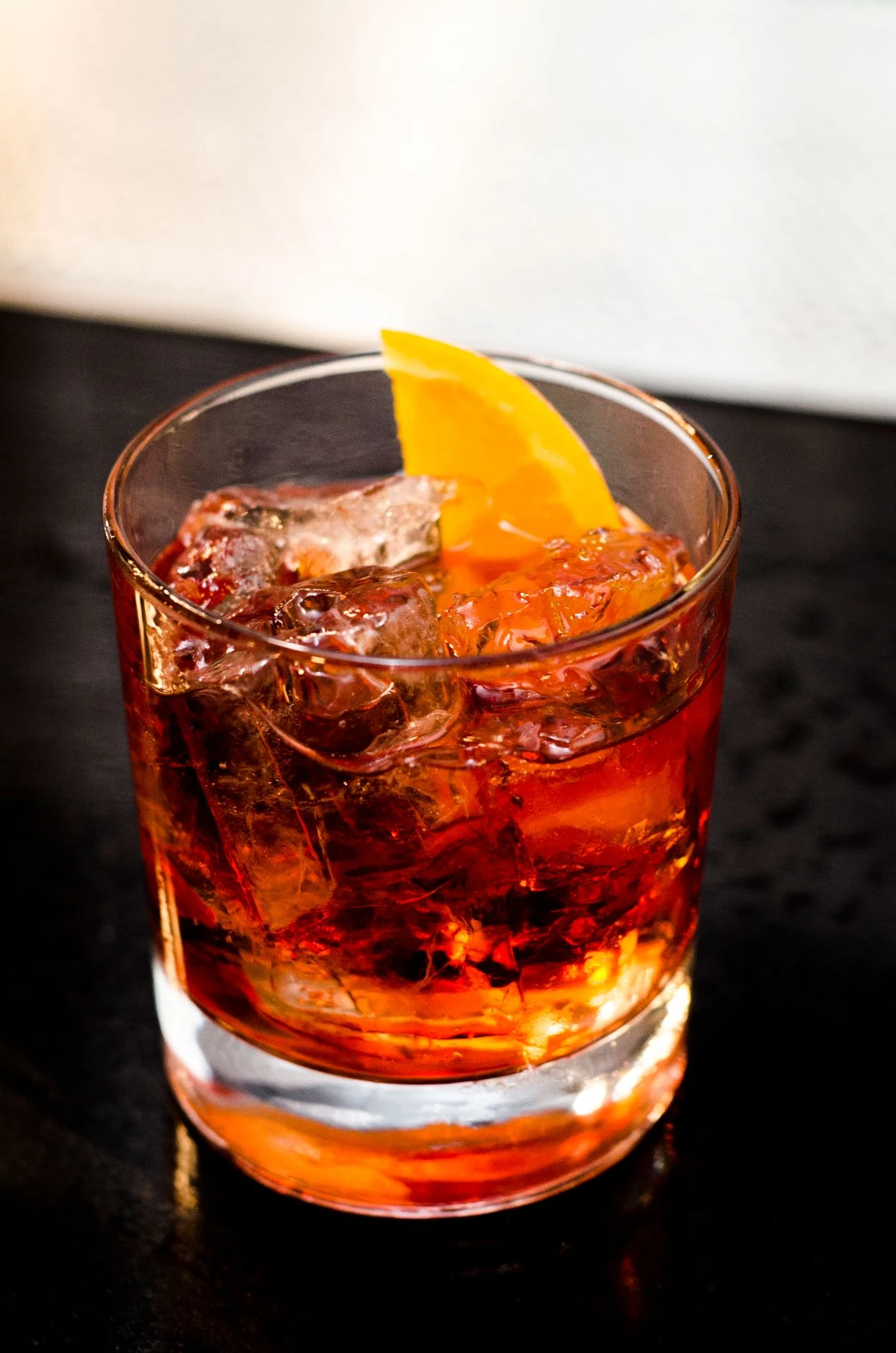
The rye you choose dramatically affects your Sazerac. You want something with enough spice and body to stand up to the bitters and absinthe without being overpowered.
Top Picks:
| Rye | Price | Proof | Why It Works |
|---|---|---|---|
| Sazerac Rye | $27-32 | 90 | Named for the drink. Gentle spice, fruity. |
| Rittenhouse Rye | $25-28 | 100 | Bold, spicy, holds up perfectly. Best value. |
| Old Overholt Bonded | $22-26 | 100 | Classic, affordable, traditionally used. |
| Pikesville Rye | $45-50 | 110 | Premium choice. Rich and complex. |
| Thomas H. Handy | $100+ | Varies | The ultimate Sazerac rye (if you can find it). |
My go-to is Rittenhouse at 100 proof. It's bold enough to stand up to the absinthe and bitters without needing a premium price tag. The higher proof also means it doesn't get lost if you over-dilute slightly while stirring.
Avoid very spicy, high-rye mash bill whiskeys (like Bulleit Rye at 95% rye). They can clash with the Peychaud's bitters and make the drink feel disjointed. You want balanced rye, not aggressive rye.
The Absinthe Rinse: Why It Matters and How to Do It Right
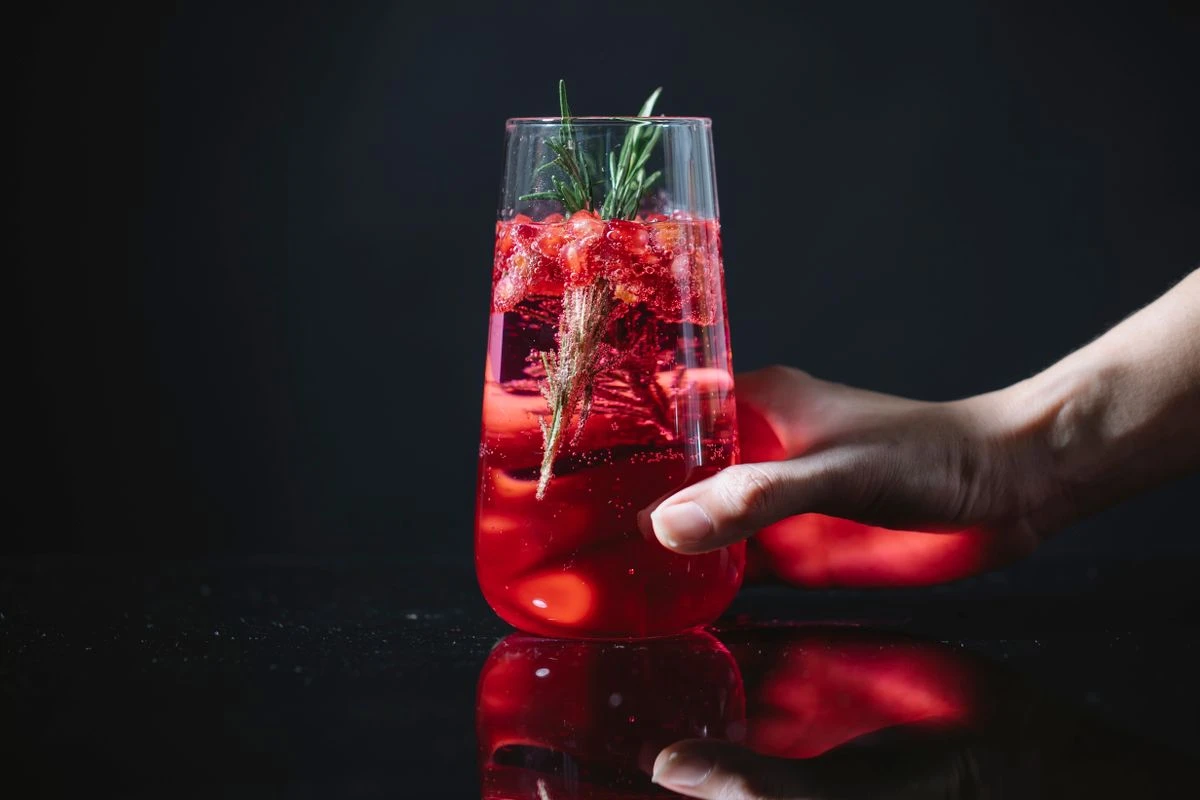
The absinthe rinse is what separates the Sazerac from every other whiskey cocktail. It adds a whisper of anise and herbal complexity without dominating the drink. Too much and it's overwhelming. Too little and you lose the magic.
The Rinse Technique:
- Pour about 1/4 oz (7ml) of absinthe into your chilled glass
- Pick up the glass and rotate it slowly, coating the entire interior surface
- Discard the excess (or drink it — I won't judge)
- The glass should have a thin, barely visible film of absinthe
Best Absinthes for Sazeracs:
- Herbsaint Original: The traditional New Orleans choice. Less complex than real absinthe but perfectly balanced for the drink.
- St. George Absinthe Verte: American-made, herbal and bright. Excellent in Sazeracs.
- Pernod: Widely available, reliable. Not technically absinthe but works perfectly.
- Kübler: Swiss absinthe, clean and elegant. My personal favourite for this use.
Don't have absinthe? In a pinch, Ricard or any pastis will work. The key is that anise note — without it, you've just got a fancy Old Fashioned.
Peychaud's Bitters: The Soul of the Sazerac
You cannot make a proper Sazerac without Peychaud's bitters. Full stop. Angostura won't work — it's a completely different flavour profile.
What makes Peychaud's unique:
- Bright cherry and cranberry notes (vs Angostura's dark, woody character)
- Distinct anise and clove flavours that complement the absinthe rinse
- Lighter, more floral quality — it lifts the drink rather than anchoring it
- Slightly sweet, which is why the Sazerac uses less sugar than an Old Fashioned
The recipe calls for 3-4 dashes, but Peychaud's dashes are smaller than Angostura's (the bottle has a narrower opening). If you're heavy-handed, lean toward 4-5 dashes. You want the bitters to be assertive — they're doing a lot of the heavy lifting in this cocktail.
Buying tip: Peychaud's is available at most liquor stores for $8-12. One bottle will last you 50+ Sazeracs. If you can't find it locally, order online — it's worth the shipping cost.
Some modern variations add a dash of Angostura alongside the Peychaud's for added depth. This is technically a "Creole-style" Sazerac and it's quite good — though purists will argue.
Sazerac Variations Worth Exploring
Once you've mastered the classic, these variations offer fascinating twists on the template:
1. Cognac Sazerac (The Original)
- Replace rye with VS or VSOP cognac
- More floral, lighter, with grape and dried fruit notes
- Historically authentic — this is how it was made pre-1870s
2. Split-Base Sazerac
- 1 oz rye + 1 oz cognac
- The best of both worlds — rye spice and cognac elegance
- This is how many top NOLA bars serve it today
3. Rum Sazerac
- Replace rye with aged Jamaican rum (Smith & Cross or Appleton 12)
- Funky, tropical, surprisingly delicious
- The sugar/bitters/anise combination works brilliantly with rum
4. Mezcal Sazerac
- Replace rye with mezcal (Del Maguey Vida works well)
- Smoky, complex, and completely different
- The absinthe and smoke create something almost otherworldly
5. Vieux Carré (The Sazerac's Cousin)
- Equal parts rye, cognac, and sweet vermouth with both bitters
- More complex, slightly sweeter, equally New Orleans
- Another must-know classic cocktail
Common Sazerac Mistakes and How to Avoid Them
The Sazerac has a deceptive simplicity that leads to common errors. Here's what to watch for:
Mistake #1: Serving it with ice
A proper Sazerac is served neat. The glass is chilled, but no ice goes in the final drink. If you want it colder, stir longer. Ice in the glass dilutes and changes the texture completely.
Mistake #2: Dropping the lemon peel in
Express the oils over the surface, then discard the peel. The peel sitting in the drink releases bitter pith oils over time and changes the flavour profile as you drink. The expressed oils are enough.
Mistake #3: Using Angostura instead of Peychaud's
They are not interchangeable. Angostura makes it taste like a weird Old Fashioned. Peychaud's is essential to the Sazerac's DNA.
Mistake #4: Too much absinthe
The rinse should be subtle — a whisper, not a shout. If your drink tastes like black licorice, you've used too much. Dump more of the excess absinthe before straining.
Mistake #5: Not stirring long enough
30 seconds minimum. Under-diluted Sazeracs are harsh and boozy. The water from melting ice during stirring opens up the flavours and integrates everything. Stir until the mixing glass frosts up.
Mistake #6: Using a sugar cube without muddling properly
Undissolved sugar sinks to the bottom and creates a gritty, uneven drink. Muddle thoroughly with the bitters and a tiny splash of water until no granules remain. Or just use 1/4 oz simple syrup for consistency.
Pairing Food with a Sazerac
The Sazerac's complexity makes it a surprisingly good food companion — particularly with New Orleans cuisine (naturally).
Perfect Pairings:
- Oysters Rockefeller: The anise in both creates beautiful harmony
- Gumbo: The whiskey's warmth and the absinthe's herbal quality cut through the richness
- Blackened fish or chicken: Cajun spices and rye spice are natural partners
- Charcuterie with spicy mustard: The Sazerac's sweetness balances cured meat's salt
- Dark chocolate (70%+): The bitters and chocolate share aromatic compounds
- Pecan pralines: Sweet, nutty, buttery — the classic NOLA dessert with the classic NOLA drink
Avoid pairing with very sweet desserts or delicate fish — the Sazerac is too bold and will overpower subtle flavours.
Whether you're mixing this for a dinner party or enjoying it solo after a long day, the Sazerac rewards attention and intention. Take your time with it. As they say in New Orleans — laissez les bons temps rouler.
Sip responsibly. The Sazerac is spirit-forward at 2 oz of rye with no dilution — pace yourself and savour the complexity.
For more whiskey cocktail inspiration, explore our complete whiskey cocktails guide or try the equally iconic Manhattan recipe.
Ask AI about this article
Pick a prompt, copy it, or open ChatGPT with this article preloaded.
Frequently Asked Questions
What makes a Sazerac different from an Old Fashioned?
While both are spirit-forward whiskey cocktails, the Sazerac uses Peychaud's bitters (not Angostura), includes an absinthe rinse on the glass, traditionally uses rye whiskey (not bourbon), and is garnished with a lemon peel expressed over the drink then discarded — not placed in it.
What is Peychaud's bitters and can I substitute it?
Peychaud's is a gentian-based bitter from New Orleans with bright cherry, anise, and floral notes. It's lighter and sweeter than Angostura. There's no perfect substitute — Peychaud's IS the Sazerac. You can find it at most liquor stores for $8-12.
Should a Sazerac use rye or cognac?
The original 1850s Sazerac used cognac (Sazerac de Forge et Fils brand). When phylloxera devastated French vineyards in the 1870s, American rye replaced cognac. Both are authentic — rye is the modern standard, cognac is the historical original. Some bars split the base 50/50.
Comments 0
Login to Post comments