
Kamikaze
Updated Apr 16, 2026 · 2 min read
The Kamikaze is a combination of vodka, lime juice, and orange liqueur. It was invented on an American naval base in Japan after World War II before experiencing a surge in popular.
While the drink is often unfairly maligned by self-serious drinkers, primarily due to it commonly being served as a shooter, the Kamikaze is essentially just a vodka Margarita and follows the standard template of any classic cocktail in the sour family.
Why the Kamikaze Cocktail Still WorksDespite the Kamikaze's status as a guilty pleasure among many drinkers and bartenders, using quality ingredients and fresh juice creates a drink that's as respectable as any other. While poor recipes of past eras would often simply utilize vodka and Rose's Lime Juice Cordial or sour mix, this recipe calls for a full two ounces of vodka mixed with orange liqueur and freshly squeezed lime juice.
This drink works by utilizing the classic balance of the sour family of cocktails—equal parts sweet and sour flavors to balance sugar and acidity. The main difference between this drink and the classic Margarita is simply the base spirit—using vodka in place of tequila creates a more neutral base that allows the tangy bite created by the fresh lime and orange liqueur to shine through more prominently.
Aside of the obviously Margarita connection, fans of the Lemon Drop or the Cosmopolitan—which was created as a cranberry-infused riff on the Kamikaze—should also enjoy this drink.
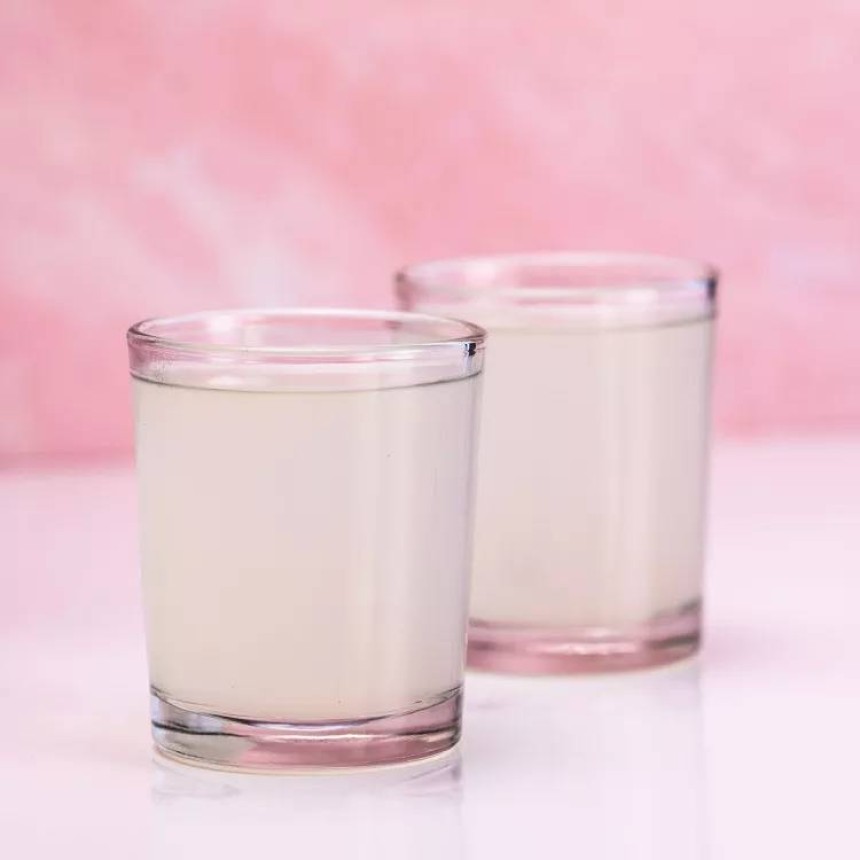
Be sure to shake thoroughly with ice for at least 10 seconds and double-strain the liquid to remove any ice shards. It can either be served as solo drink, up or on the rocks, or strained into two shot glasses to share with a friend. Because taking shots should always be a team sport.
Ingredients- 2 ounces vodka
- 3/4 ounce orange liqueur
- 3/4 ounce lime juice, freshly squeezed
- Add the vodka, orange liqueur and lime juice to a shaker with ice, and shake thoroughly until well-chilled.
- Strain into two shot glasses.
Frequently Asked Questions
What should you know before buying Kamikaze?
The Kamikaze is a combination of vodka, lime juice, and orange liqueur. It was invented on an American naval base in Japan after World War II before experiencing a surge in popular.
How should Kamikaze be served?
Kamikaze usually performs best when served at the right temperature, in suitable glassware, and with mixers or food pairings that support the main flavor notes.
Is Kamikaze better for cocktails or sipping?
That depends on the bottle style. Clean, balanced bottles suit cocktails well, while more complex expressions are often better enjoyed neat or with minimal dilution.
Further Reading
Related guides
- Madras Cocktail: The Classic Vodka Cranberry Orange Drink
- Moscow Mule Pitcher Recipe for Parties, Brunch, and Holiday Crowds
- Moscow Moose Cocktail Recipe: The Rye Whiskey Mule Worth Knowing
- Pumpkin Spice Moscow Mule Recipe That Actually Tastes Balanced
Trusted external references