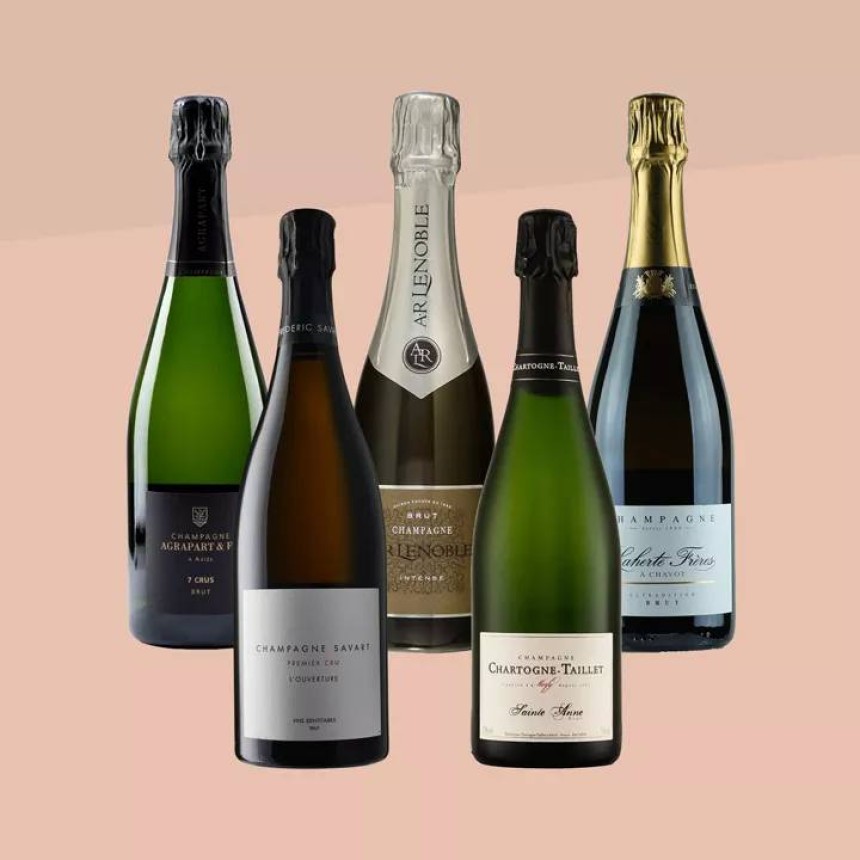

Brut Champagne: What to Know and 5 Bottles to Try
Champagne is the finest of all sparkling wines. These superb bubbles, which are produced in the French region that bears their name, lend an opulent touch to any celebration, holid.
When it comes to sparkling wines, terms like brut, extra brut, and doux can often cause confusion. These classifications provide essential information about the sweetness or dryness of the wine. In this comprehensive guide, we’ll explore what brut champagne is, how it’s crafted, its unique flavor profile, and the best food pairings to enhance your enjoyment.
What is Brut Champagne?
Brut Champagne is a renowned style of sparkling wine celebrated for its exceptional balance between dryness and sweetness. While it leans towards the drier end of the spectrum, it is sweeter than those labeled “extra brut.” This versatile profile makes brut champagne a preferred choice among wine enthusiasts and professionals alike, offering a delightful drinking experience that can elevate any occasion.
The Origin of Brut Champagne
True to its name, Brut Champagne is exclusively produced in the Champagne region of northern France. This prestigious area is famous for its unique terroir, which significantly influences the quality and character of the sparkling wines produced here. The combination of climate, soil, and traditional winemaking practices contributes to the distinct flavors found in Brut Champagne, making it a true expression of its origin.
How is Brut Champagne Made?
Brut Champagne is meticulously crafted using the méthode traditionnelle (traditional method), which involves several key steps:
- Primary Fermentation: The process begins with the creation of a still (non-sparkling) wine through standard fermentation techniques. This foundational step is crucial for developing the wine’s initial flavors.
- Secondary Fermentation: After aging for a specified duration, the wine is bottled with added sugar and yeast, referred to as the “liqueur de tirage.” This initiates a secondary fermentation within the bottle, trapping carbon dioxide and producing the signature bubbles that Champagne is known for.
- Dosage: Once the Champagne has aged sufficiently, winemakers disgorge the bottles to remove sediment and add a specific amount of sugar to achieve the desired flavor profile. This sugar addition is what determines the champagne's final classification.
Sugar Levels in Champagne Classifications
The classification of Champagne is primarily based on its residual sugar content, measured in grams per liter (g/L). Here’s a detailed breakdown of the classifications:
- Extra Brut: 0 to 6 g/L of residual sugar
- Brut: 0 to 12 g/L of residual sugar
- Extra Dry: 12 to 17 g/L of residual sugar
- Dry: 17 to 32 g/L of residual sugar
- Demi-Sec: 32 to 50 g/L of residual sugar
- Doux: More than 50 g/L of residual sugar
It’s important to note that in sparkling wine terminology, a “dry” label can sometimes indicate a sweeter wine than “brut.” Additionally, wines with no added sugar are designated as brut nature or zero dosage, highlighting their purity.
What Does Brut Champagne Taste Like?
Despite containing up to 12 grams of sugar per liter, Brut Champagne typically presents a dry taste profile. High acidity complements brut wines' crispness and refreshing characteristics, creating a complex flavor profile that is appropriate for any occasion. The interplay of sweetness and acidity makes brut champagne a favorite choice for celebrations, toasts, and special occasions.
Ideal Food Pairings for Brut Champagne
One of the most appealing aspects of brut champagne is its remarkable versatility in food pairings. The wine's high acidity and balanced sweetness complement a wide array of dishes, making it an excellent choice for various cuisines. Here are some delicious pairing suggestions:
- Fried appetizers: The crispness of Brut Champagne pairs beautifully with salty snacks like potato chips, French fries, or fried chicken, enhancing the flavors of these treats.
- Caviar: While a classic choice, brut Champagne can also be enjoyed with more accessible options, making it a versatile pairing for different occasions.
- Poultry Dishes: Brut Champagne elevates the flavors of poultry-based main courses, providing a delightful contrast and enhancing the overall dining experience.
Conclusion
Brut Champagne is a remarkable sparkling wine that achieves an ideal balance between dryness and sweetness. Its unique production process, versatile flavor profile, and exceptional food-pairing potential make it a standout choice for any occasion. Whether you’re celebrating a special event or enjoying a casual gathering, Brut Champagne is sure to elevate your experience.
Explore the World of Brut Champagne
Dive deeper into the world of brut champagne and discover the myriad ways it can enhance your drinking experience. From elegant dinners to festive celebrations, this iconic sparkling wine is an excellent addition to any occasion. Cheers to the perfect balance of flavors!
4o mini
Ask AI about this article
Pick a prompt, copy it, or open ChatGPT with this article preloaded.
Comments 0
Login to Post comments