
White Wine Martini: The Crisp Twist to Try
A White Wine Martini combines vodka, dry white wine and fresh citrus in a crisp, food-friendly cocktail. Follow this precise recipe, then tailor it to your bottle and taste.
A White Wine Martini is what happens when a crisp glass of wine borrows the chill, polish and backbone of a vodka cocktail. It is bright, clean and surprisingly adaptable—equally at home before a summer dinner in California or beside a plate of seafood on a cool Brighton evening.
Here’s the thing: this is not a classic Martini with wine casually splashed into it. The proportions matter. Too much vodka flattens the grape; too much wine makes the drink feel unfinished. This recipe keeps both in focus, adds measured lemon and uses just enough sweetness to join the flavours.
If you enjoy quick builds, explore these vodka cocktails you can make in under five minutes. This version takes only a little longer—and rewards careful chilling.
What Is a White Wine Martini—and Where Did It Come From?
The White Wine Martini is a contemporary vodka-and-wine cocktail, usually shaken with lemon and a restrained sweetener before being strained into a chilled coupe or Martini glass. It has the visual cues of a Martini, but its flavour sits somewhere between a sour, a wine cocktail and a modern aperitif.
That distinction matters. A classic Martini combines gin or vodka with dry vermouth, which is itself an aromatised, fortified wine. Plain table wine is neither fortified nor seasoned with the same botanicals. Calling this drink a Martini describes its presentation and dry, spirit-forward character—not a documented place in the traditional Martini family.
There is no single, reliably documented inventor or agreed birth date for the White Wine Martini. Variations have appeared wherever bartenders needed to use open bottles creatively, and wine-based mixed drinks long predate today’s name. It is therefore more accurate to call this a modern recipe style than to attach a dramatic origin story to one bar.
Why does it work? Vodka at 40% ABV, or 80 proof, adds body without competing aggressively with the wine. A dry wine at roughly 11.5–13% ABV contributes acidity, aroma and fruit. Lemon sharpens the outline, while syrup rounds the joins.
Think of the drink as a useful bridge. Someone who finds a traditional Martini severe may enjoy its softer fruit, while a wine drinker gets a colder, more structured serve. For broader context, compare it with the recipes in 15 classic cocktails every home bartender should know. The White Wine Martini is less canonical, but it teaches the same essential lesson: balance beats bravado.
White Wine Martini Ingredients You Need
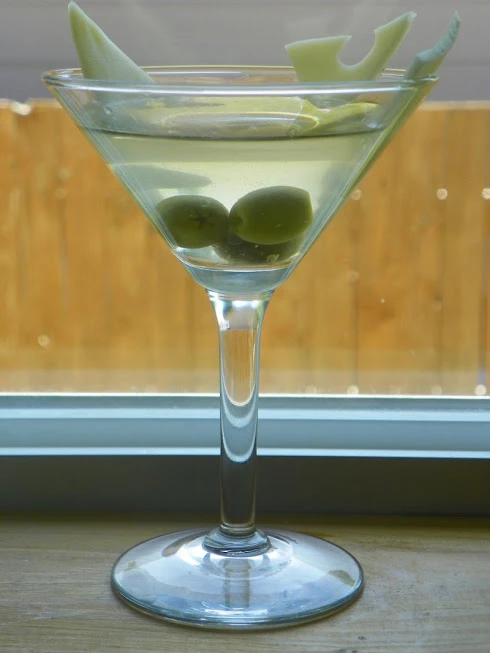
You need five ingredients, plus ice. Keep them cold and the White Wine Martini becomes cleaner, silkier and easier to balance.
- 1 oz (30 ml) vodka: Use a clean 40% ABV bottle such as Tito’s Handmade Vodka, Absolut or Ketel One. Typical 750 ml prices are about $18–$28 in the US or £18–£25 in the UK, depending on retailer and tax.
- 1 1/2 oz (45 ml) dry white wine: Sauvignon Blanc is my first choice. Unoaked Pinot Grigio, Picpoul de Pinet or a dry Bacchus also works. Chill it to 38–45°F (3–7°C).
- 1/4 oz (7.5 ml) fresh lemon juice: Squeeze it shortly before mixing. Bottled juice can taste blunt or preserved.
- 1/4 oz (7.5 ml) simple syrup: Mix equal volumes of white sugar and warm water, then cool. Use less when the wine has noticeable residual sweetness.
- 1 thin lemon twist: Cut only the yellow peel where possible; excessive white pith can taste bitter.
- Plenty of hard ice: Large, fresh cubes chill efficiently and are less likely to carry freezer odours.
The best wine is dry, young and lively. New Zealand Sauvignon Blanc gives grapefruit and herb notes; Loire Sauvignon can be leaner and more mineral. For a softer White Wine Martini, choose unoaked Italian Pinot Grigio. I’d skip buttery, heavily oaked Chardonnay here because vanilla and toast can become clumsy beside fresh lemon.
You do not need an expensive bottle. In my experience, a fresh $10–$18 or £8–£14 wine usually performs better than a costly, complex bottle whose subtleties disappear after shaking. Taste it first. If you would not drink the wine by itself, do not expect vodka and syrup to rescue it.
How to Make a White Wine Martini Step by Step
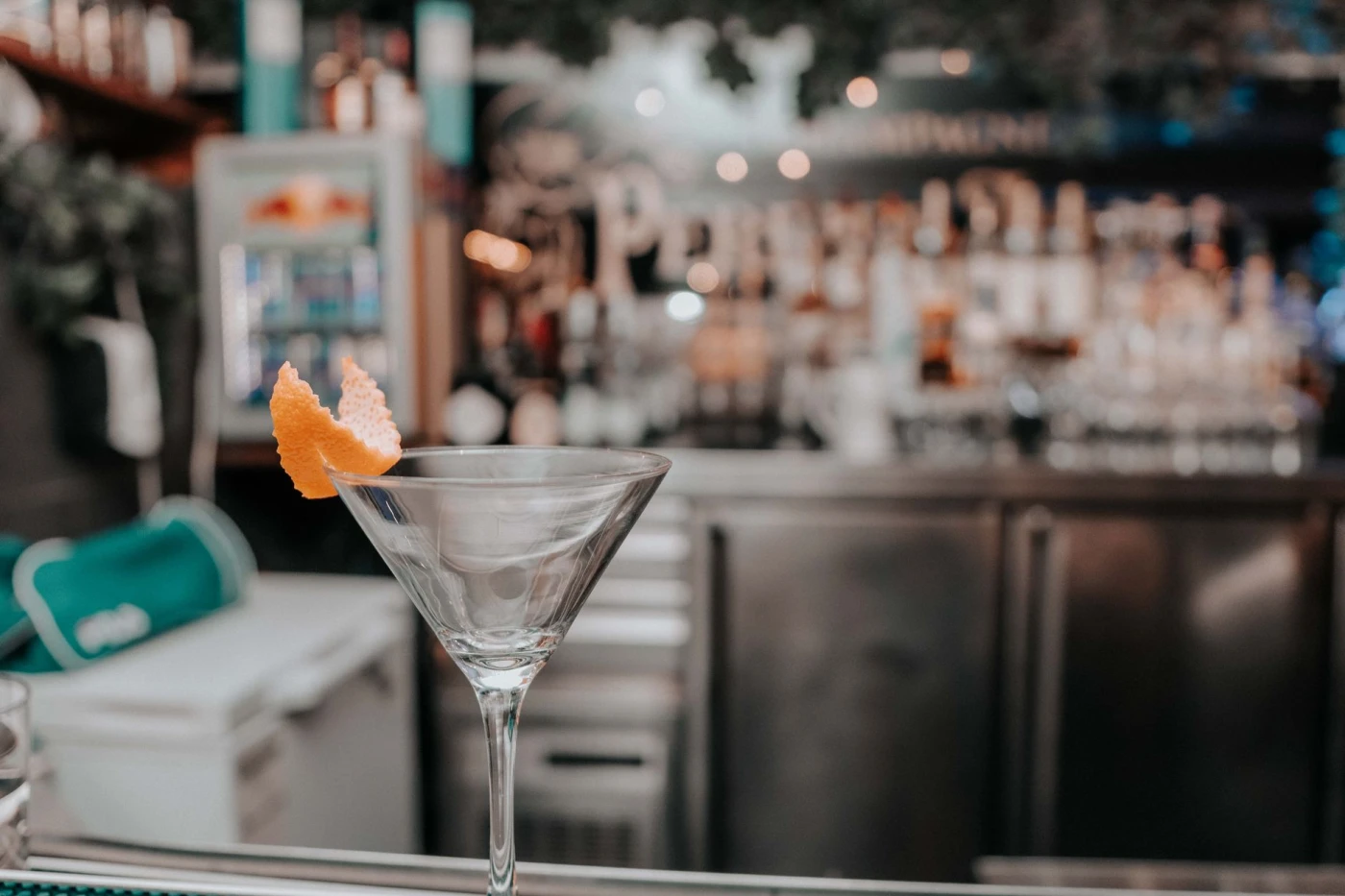
Set aside five minutes. The method is simple, but temperature and dilution turn four measured liquids into a polished White Wine Martini.
- Chill the glass. Put a coupe or Martini glass in the freezer for 10–15 minutes. Alternatively, fill it with ice and cold water while you mix.
- Taste the wine. Check its sweetness and acidity before adding anything. This ten-second step tells you whether the standard syrup measure needs adjusting.
- Measure the liquids. Pour 1 oz (30 ml) vodka, 1 1/2 oz (45 ml) dry white wine, 1/4 oz (7.5 ml) lemon juice and 1/4 oz (7.5 ml) simple syrup into a shaker.
- Add ice. Fill the shaker about three-quarters full with firm cubes. Too little ice warms and overdilutes the mixture as the cubes move.
- Shake firmly. Seal the shaker and shake for 10–12 seconds, until the outside becomes very cold. You are targeting a finished serving temperature near 38–42°F (3–6°C).
- Fine-strain. Empty the chilling ice from the glass, then strain through both the shaker strainer and a small fine-mesh strainer. This removes tiny ice chips and lemon pulp.
- Garnish and serve. Express a lemon twist over the surface, rub it lightly around the rim and place it in the glass. Serve immediately.
After testing different shake times, I find 10–12 seconds gives enough water to soften the drink without erasing the wine. Weak freezer ice may need slightly less time.
No cocktail shaker? A tightly sealed jam jar works, although you should strain carefully. If speed is the priority, the build is still approachable enough to sit beside the site’s easy Madras cocktail. Just do not free-pour. A 1/4 oz difference is noticeable in this compact recipe.
Pro Tips for a Better White Wine Martini
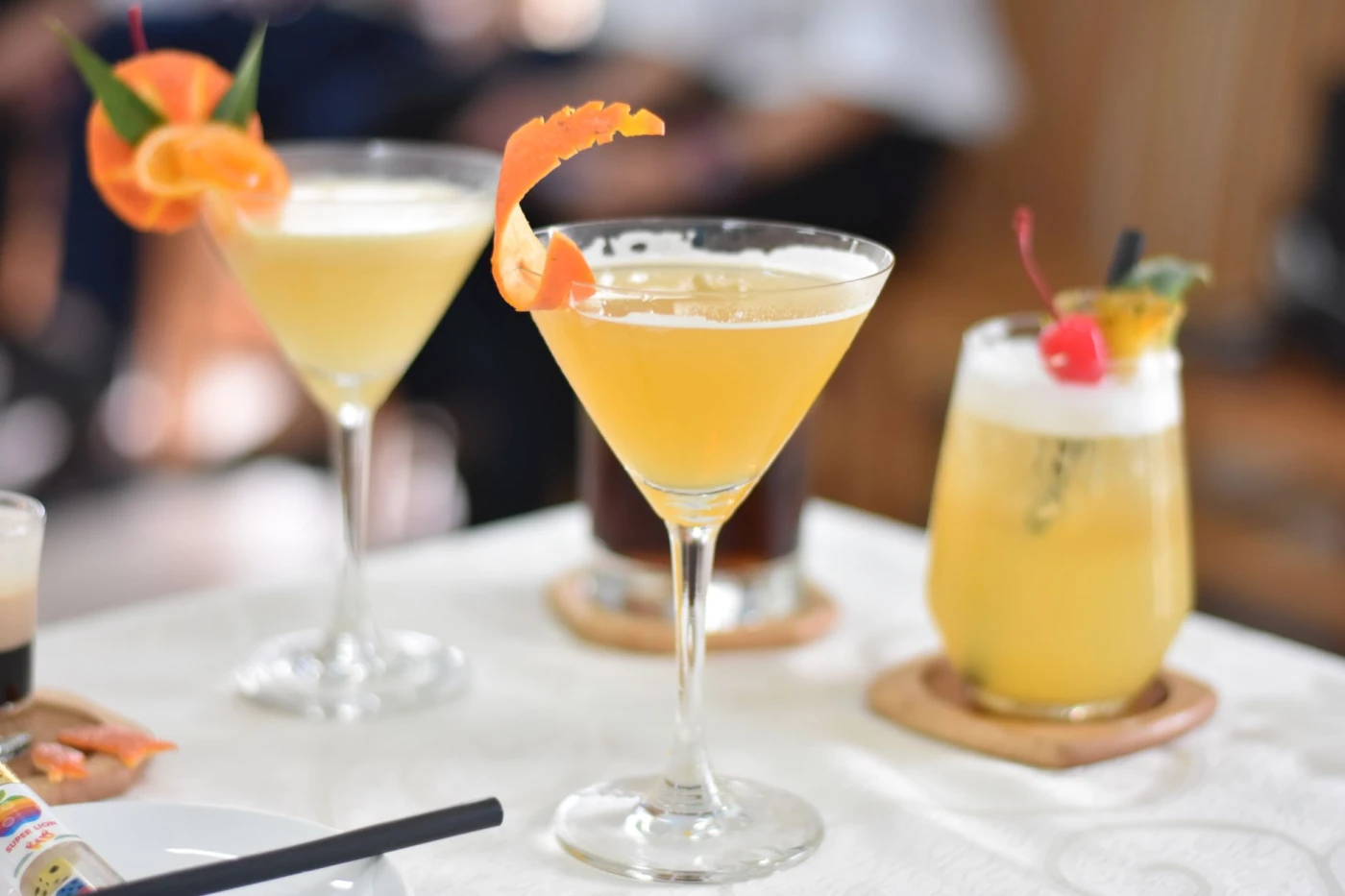
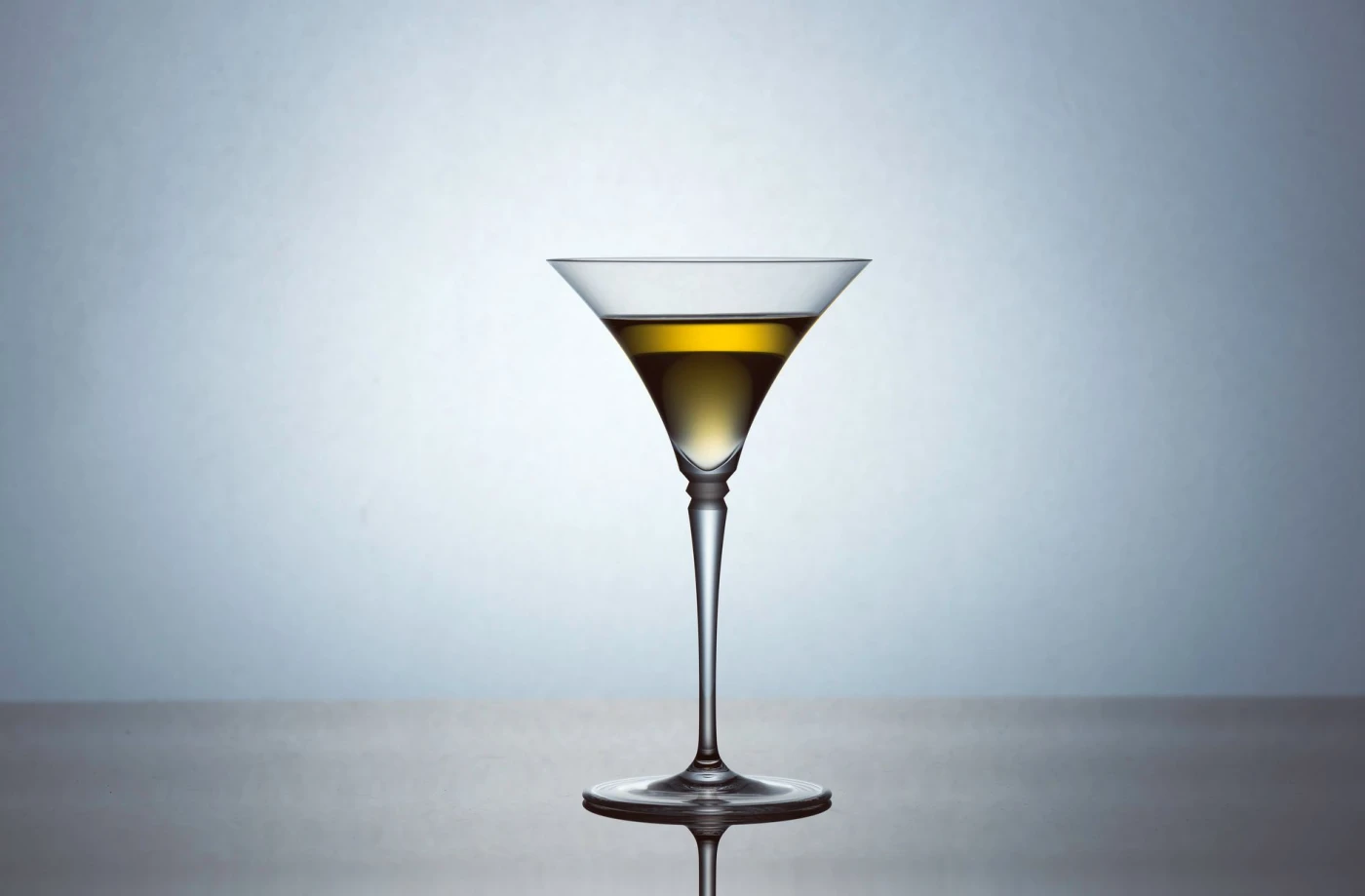
Start colder than you think. Wine straight from a 40°F (4°C) fridge and vodka stored in the freezer give the ice less work, preserving aroma while achieving a sharp, restaurant-style chill. A frozen glass buys you another valuable minute before the drink warms.
In my experience, balancing the bottle matters more than buying a fashionable vodka. Taste a teaspoon of wine with a few drops of lemon. If it already feels piercing, reduce the recipe’s lemon to 1 teaspoon, about 1/6 oz (5 ml). If it tastes ripe or off-dry, begin with the same reduced amount of syrup.
Use a jigger. Let’s be honest: “a splash” is not repeatable, and small errors loom large in a drink containing only 3 oz (90 ml) before dilution. After testing 1:1, 1:2 and 2:1 vodka-to-wine ratios, I prefer 1 oz (30 ml) vodka to 1 1/2 oz (45 ml) wine. It leaves the grape identifiable.
The garnish is not decoration alone. Pinch the lemon peel over the glass with its coloured side facing the surface; a fine mist of citrus oil should appear. This is easily one of the best ways to make a simple White Wine Martini smell more expensive without adding sweetness.
Open wine deserves care. Reseal the bottle, refrigerate it promptly and taste before its next use. Vacuum stoppers can slow deterioration, but they do not make wine permanent. Oxidised wine often smells like bruised apple or tastes flat; discard it from the cocktail if those notes dominate.
Finally, use specifications as a starting point. Wine changes by grape, region and vintage. The US Alcohol and Tobacco Tax and Trade Bureau is an authoritative reference for US alcohol labeling and standards, but your palate still handles the final balance.
White Wine Martini Variations Worth Trying
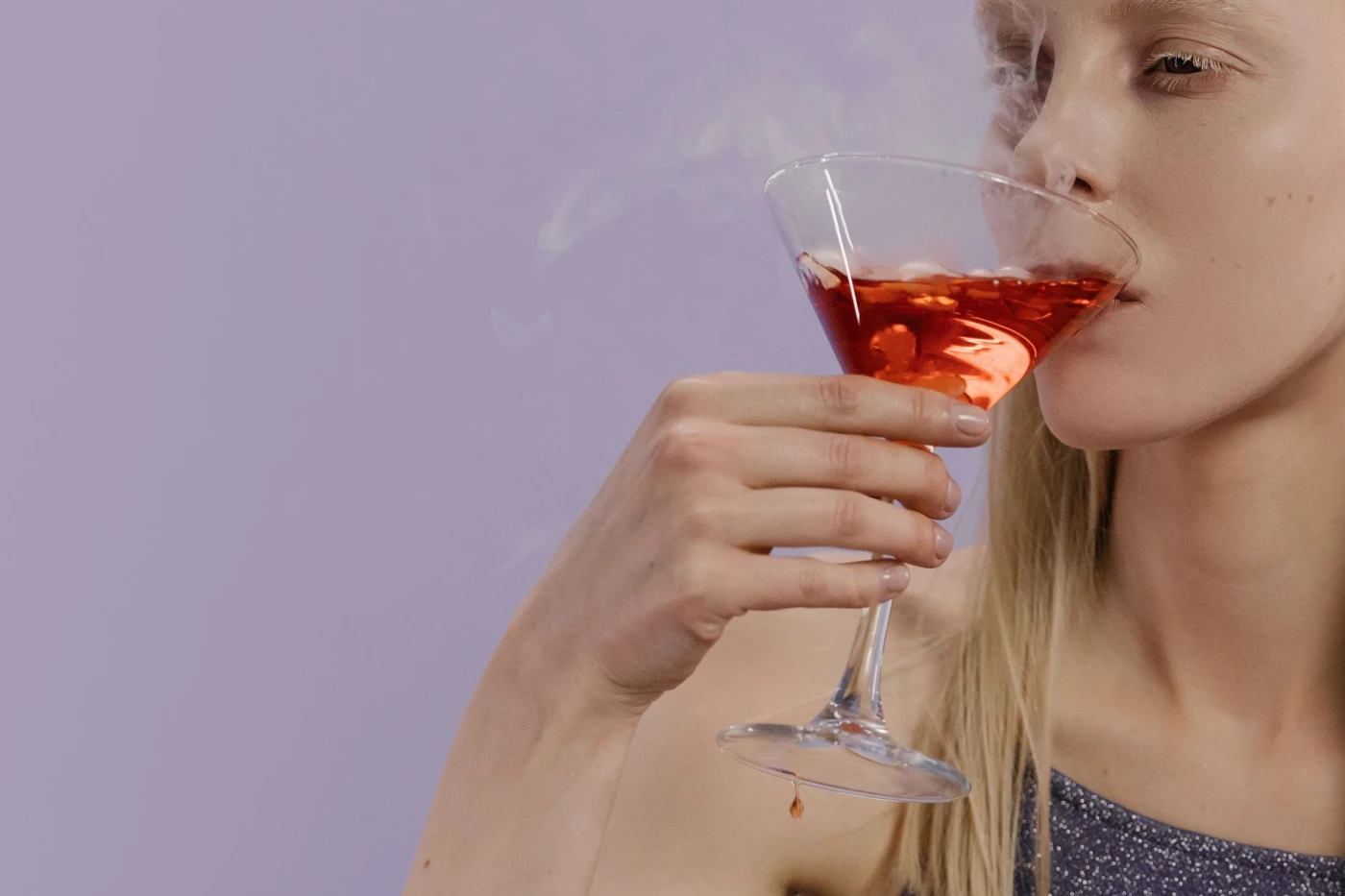
Once you understand the base, change one variable at a time. These four White Wine Martini variations preserve the drink’s structure while moving it toward a different season or occasion.
Elderflower Garden
- 1 oz (30 ml) vodka
- 1 1/2 oz (45 ml) Sauvignon Blanc
- 1/4 oz (7.5 ml) elderflower liqueur
- 1/4 oz (7.5 ml) lemon juice
Shake and garnish with cucumber. Because elderflower liqueur is sweet, omit simple syrup. This is floral, brisk and ideal for spring lunches.
Sparkling White Wine Martini
- 1 oz (30 ml) vodka
- 1 oz (30 ml) dry white wine
- 1/4 oz (7.5 ml) lemon juice
- 1/4 oz (7.5 ml) simple syrup
- 1 oz (30 ml) chilled brut sparkling wine
Shake everything except the sparkling wine, strain, then top gently. The bubbles make it festive enough for New Year’s Eve without turning it into a sugar bomb.
Herbal Dry Version
- 1 oz (30 ml) vodka
- 1 1/4 oz (37.5 ml) dry white wine
- 1/4 oz (7.5 ml) dry vermouth
- 1/4 oz (7.5 ml) lemon juice
- 1 teaspoon (5 ml) simple syrup
Add a slapped basil leaf or rosemary sprig. I’d skip woody herbs with delicate Pinot Grigio, but they can complement grassy Sauvignon Blanc.
Lower-Alcohol Spritz
- 1/2 oz (15 ml) vodka
- 2 oz (60 ml) dry white wine
- 1/4 oz (7.5 ml) lemon juice
- 2 oz (60 ml) soda water
Build over ice in a wine glass and add a lemon wheel. For more gentle options, see these low-alcohol cocktail recipes. Planning a day outdoors? The spritz also fits alongside these portable picnic drinks, provided it remains properly chilled.
Common White Wine Martini Mistakes
Choosing wine by price alone is the first trap. Expensive does not automatically mean suitable. Mature Burgundy may be magnificent at the table yet lose its nuance when shaken with vodka and lemon. Freshness, dryness and acidity are more useful than prestige.
Using a sweet wine without adjusting the syrup creates a sticky White Wine Martini. Riesling, Chenin Blanc and even Pinot Grigio can range from bone-dry to noticeably sweet. Read the label, but also taste. If sweetness is evident, halve the syrup or leave it out.
Pouring warm ingredients over tired ice causes excess dilution before the drink becomes cold. Use chilled wine and solid cubes. Cloudy household ice is fine if it smells clean; freezer-burnt ice is not. Ice readily transfers aromas from uncovered food.
Replacing fresh lemon with a large bottled pour can introduce harsh acidity and preservative flavours. Measure 1/4 oz (7.5 ml), then adjust by teaspoons. More citrus does not necessarily mean more freshness.
Shaking for too long can mute the wine, while barely shaking leaves a hot alcoholic edge. My reliable range is 10–12 seconds with cold, substantial cubes. Listen for the ice beginning to break down, then stop.
Confusing this drink with a classic dry Martini sets the wrong expectation. White table wine lacks vermouth’s fortification and botanical seasoning. If your guest wants the traditional drink, serve that instead; if they want something softer and fruit-led, this recipe is the better fit.
Finally, do not batch fresh lemon overnight. Its aroma fades and bitterness can increase. Mix the vodka and wine ahead, refrigerate them below 40°F (4°C), then add citrus near service. Beginners who want to practise other spirit-forward formats may also find these whiskey cocktails for beginners useful.
Pairings, Seasons and Serving Occasions
The White Wine Martini shines as an aperitif because acidity and chill wake up the palate. Serve it before dinner with salty, bright foods rather than heavy desserts. Goat cheese crostini, smoked salmon, oysters, prawn cocktail and citrus-dressed olives all make sense.
Match the food to the wine inside the glass. A Sauvignon Blanc version works with asparagus, chèvre and herb-led canapés. Pinot Grigio suits delicate white fish and prosciutto. Picpoul’s saline edge is excellent with mussels, while a dry Bacchus can be lovely beside British crab.
What about richer food? The drink can handle fried calamari or fish and chips because its acidity cuts oil, but it may seem slight beside steak, barbecue or a creamy blue-cheese sauce. For those, choose a darker, more robust cocktail. A White Wine Martini should refresh, not wrestle.
Seasonally, this is an easy spring and summer choice. Serve it at garden parties, bridal showers, patio dinners or Wimbledon viewing, ideally in pre-chilled coupes. In autumn, use a thyme garnish and a rounder unoaked Chardonnay. For winter celebrations, the sparkling variation feels brighter than another heavy after-dinner drink.
One recipe made with 1 oz (30 ml) of 40% ABV vodka and 1 1/2 oz (45 ml) of 12% ABV wine contains about 17 ml of pure alcohol. After normal dilution, expect roughly 16–18% ABV—close to one US standard drink or about 1.7 UK units. Actual strength varies by bottle and pour.
Serve one freshly made cocktail at a time, offer water and food, and practise responsible drinking. For evidence-based US information, consult the National Institute on Alcohol Abuse and Alcoholism; UK readers can find guidance from Drinkaware. Nostalgic hosts can also browse these 1990s drinks and their modern whereabouts.
How to Adjust the Recipe for Different White Wines
No two bottles bring exactly the same combination of fruit, acidity, alcohol and sweetness, so a dependable White Wine Martini recipe should include a simple adjustment method. Begin with the published proportions, but taste the wine before reaching for the shaker. That small sample tells you which ingredient, if any, should move.
For a very lean Sauvignon Blanc, Picpoul or other sharply acidic wine, keep the vodka and wine unchanged but reduce the lemon juice to 1 teaspoon (5 ml). Make the drink, taste it and add a few drops of lemon only if the finish seems broad or soft. Do not automatically add more syrup to fight acidity; too much sugar can conceal the wine’s aroma while leaving the underlying sharpness intact.
With a ripe Pinot Grigio, warm-climate Sauvignon Blanc or an unoaked Chardonnay that tastes round rather than tart, use the full 1/4 oz (7.5 ml) of lemon. Start with half the syrup and increase it only when the drink tastes disjointed. The aim is not an obviously sweet cocktail. Simple syrup should quietly connect the vodka, fruit and citrus.
An off-dry wine requires the most restraint. Omit the syrup on the first attempt and use the standard lemon measure. If the finished White Wine Martini still tastes heavy, add another teaspoon of lemon rather than more vodka. Increasing the spirit may make the drink hotter without restoring freshness. Sweet dessert wines are generally unsuitable for the base recipe, although a teaspoon can function as an accent alongside a genuinely dry wine.
Alcohol level also affects texture. A 13.5% ABV wine can make the cocktail feel fuller than an 11% bottle, even when both are dry. With the stronger wine, a firm 12-second shake usually provides welcome dilution. With a delicate lower-alcohol bottle, begin at 10 seconds and serve immediately so its aroma is not lost as the drink warms.
Keep notes when you find a successful combination. Record the grape, region, vintage and any changes to lemon or syrup. Wine labels and styles vary, but a short tasting record makes the next White Wine Martini faster to reproduce. It also turns an open bottle into an opportunity for controlled experimentation instead of guesswork.
White Wine Martini Quick Reference Cheat Sheet
Use this table when you want the recipe without rereading every detail. The quantities make one White Wine Martini; use a jigger with both ounce and millilitre markings for the cleanest conversion.
| Element | US measure | UK/metric measure | Practical note |
|---|---|---|---|
| Vodka | 1 oz | 30 ml | 40% ABV / 80 proof |
| Dry white wine | 1 1/2 oz | 45 ml | Ideally 11.5–13% ABV |
| Fresh lemon juice | 1/4 oz | 7.5 ml | Reduce if the wine is very tart |
| Simple syrup | 1/4 oz | 7.5 ml | Equal volumes sugar and water |
| Shake time | 10–12 seconds | 10–12 seconds | Use plenty of hard ice |
| Serving temperature | 38–42°F | 3–6°C | Pre-chill the glass |
| Estimated final strength | About 16–18% ABV | About 16–18% ABV | Varies with dilution and bottles |
Best wine: dry Sauvignon Blanc for definition, or unoaked Pinot Grigio for a softer result. Best glass: a 5–7 oz (150–210 ml) coupe. Best garnish: a thin, freshly cut lemon twist.
Keep the decision process simple: taste the wine, measure accurately, shake cold and adjust in teaspoon-sized steps. That is the entire logic behind a reliable White Wine Martini. Once you can feel how its acidity, sweetness and dilution interact, you can adapt the drink to almost any fresh dry bottle in your fridge.
Ready to build the setup around it? Download the free home bar starter checklist for the essential tools, glassware and bottles. Then chill your coupe, cut a clean lemon twist and make your White Wine Martini while the wine is still bright.
Ask AI about this article
Pick a prompt, copy it, or open ChatGPT with this article preloaded.
Frequently Asked Questions
What is a White Wine Martini?
A White Wine Martini is a modern mixed drink made with vodka, dry white wine, citrus and a small amount of sweetener. It borrows the cold presentation and sleek glassware of a Martini but does not follow the classic gin-and-vermouth formula. The result is lighter, fruitier and more wine-led, with enough vodka to provid.
What is the best wine for a White Wine Martini?
A young, dry, high-acid wine works best. Sauvignon Blanc is the easiest choice because its citrus and herbal flavours stay distinct after shaking. Unoaked Pinot Grigio, Picpoul de Pinet and dry English Bacchus also work. Avoid heavily oaked Chardonnay and sweet wines unless you deliberately reduce or omit the syrup. A.
Should a White Wine Martini be shaken or stirred?
Shake it when the recipe includes lemon juice or syrup. Shaking rapidly combines those ingredients, chills the drink and adds the dilution needed to soften vodka and acidity. Use large, fresh ice and shake for about 10–12 seconds. A stripped-back version containing only vodka, wine and dry vermouth can be stirred for 2.
How strong is a White Wine Martini?
With 40% ABV vodka and 12% ABV wine, this recipe contains approximately 17 ml of pure alcohol before dilution. Normal shaking brings the finished cocktail to roughly 16–18% ABV, depending on ice, temperature and shake time. That is about one US standard drink or approximately 1.7 UK units. Larger pours or higher-proof.
Which garnish works best with a White Wine Martini?
A thin lemon twist is the most dependable garnish because its oils reinforce the drink’s fresh citrus aroma without adding more acid. Express it over the surface, rub it around the rim and drop it in or discard it. A frozen grape suits summer service, while a cucumber ribbon complements Sauvignon Blanc. Avoid bulky fru.
Comments 0
Login to Post comments