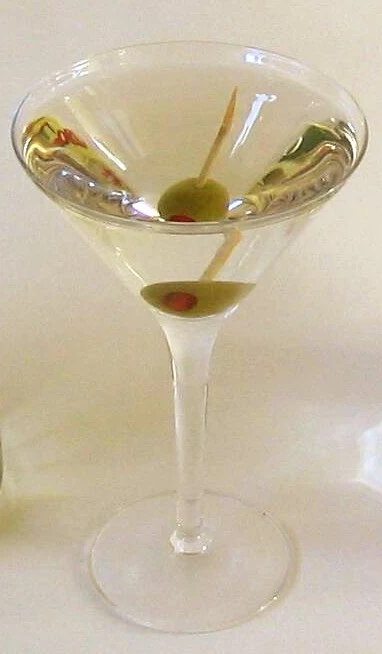

Dry Martini: The Cold, Crisp Classic Explained
Master the Dry Martini with a balanced recipe, precise temperatures, garnish advice, expert techniques and easy variations.
A Dry Martini looks almost impossibly simple: clear spirit, dry vermouth and a garnish. Yet every decision changes it—ratio, temperature, dilution, glassware and even how you cut the lemon peel. Done well, it is icy, aromatic and remarkably balanced. Done poorly, it tastes like cold gin with an olive dropped into it.
Here’s the thing: you do not need theatrical equipment or a secret handshake. You need fresh vermouth, dense ice and a repeatable method. This guide gives you all three, plus sensible variations for gin and vodka drinkers. If you are building your wider repertoire, start with these classic cocktails every home bartender should know, then return here to refine the drink that exposes every detail.
What Is a Dry Martini? History in the Glass
A Dry Martini is a chilled mixture of gin and dry vermouth, usually finished with lemon oil or an olive. It belongs to the family of spirit-forward, stirred cocktails: no juice, syrup or soda softens the structure. The vermouth supplies acidity, wine-like texture and botanicals that connect the gin to the garnish.
The history is less tidy than the drink. Late-19th-century recipes called “Martini” or “Martine” often used sweeter vermouth, bitters and sometimes Old Tom gin. During the early 20th century, dry gin and French-style dry vermouth increasingly defined the modern version. Prohibition-era bars, post-war advertising and mid-century celebrity culture then helped turn the Martini into an international symbol. Claims that one bartender definitively invented it should be treated cautiously; surviving recipes show gradual evolution, not one universally accepted origin story.
What does “dry” mean today? First, it distinguishes dry vermouth from sweet vermouth. It can also describe the proportion. A wetter 3:1 Dry Martini contains one part vermouth for every three parts gin, while a drier 8:1 drink uses much less. “Bone dry” may mean a rinse or mere drops, though removing vermouth entirely produces chilled gin rather than a balanced cocktail.
The classic spirit is London dry gin, often bottled at 40–47% ABV, or 80–94 proof in the US. Vodka became a familiar alternative later, creating the Vodka Martini. For more fast vodka ideas, see these vodka cocktails you can make in under five minutes. Both versions can be excellent, but they are not flavour-identical.
Dry Martini Ingredients You Actually Need
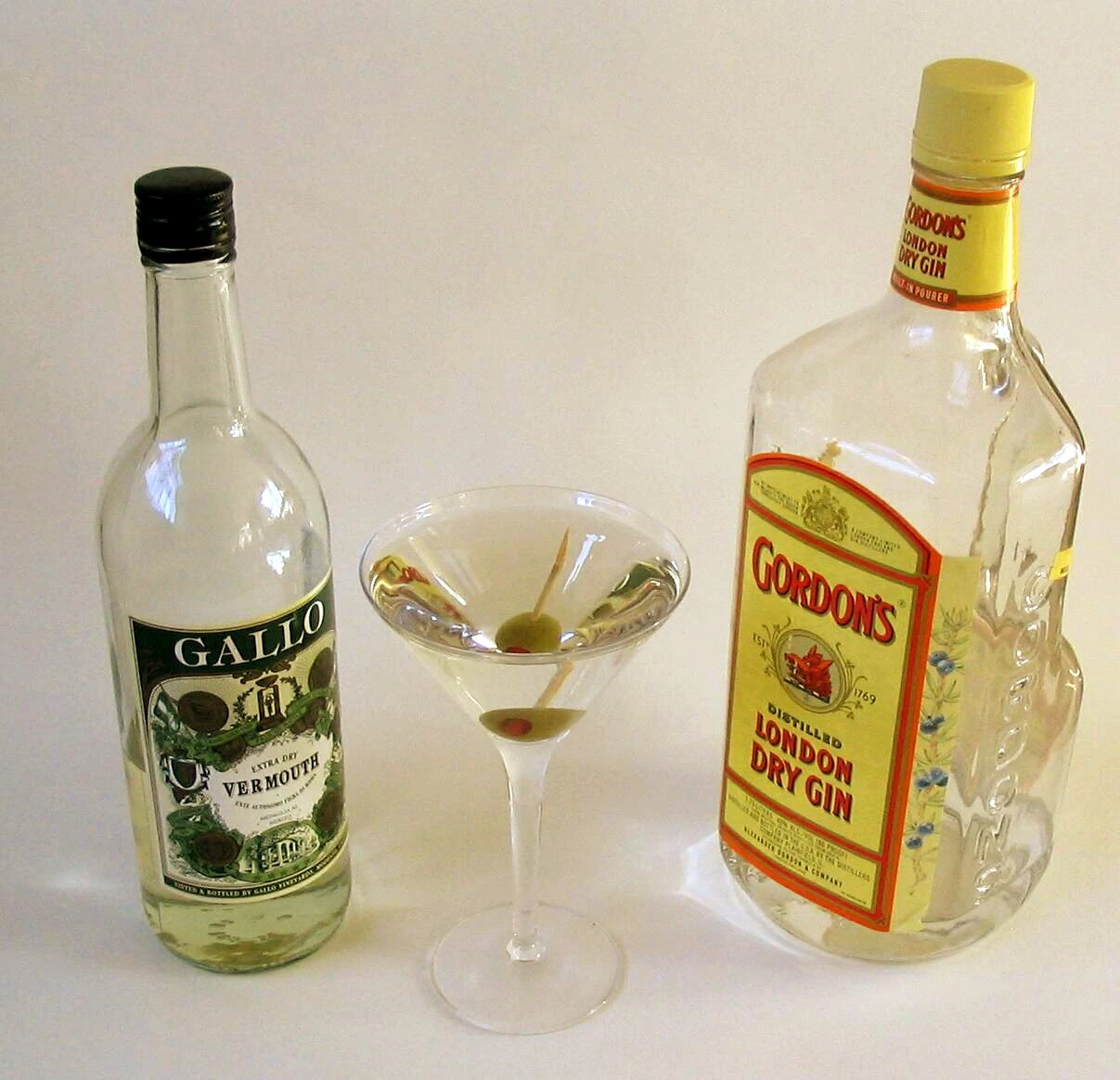
The best Dry Martini begins with a 5:1 ratio. It is dry enough to remain crisp but contains enough vermouth to taste like a composed cocktail. Use the following ingredients for one serving:
- 2 1/2 oz (75 ml) London dry gin, ideally 40–47% ABV
- 1/2 oz (15 ml) dry vermouth, freshly opened or refrigerated
- 1 dash orange bitters, about 0.03 oz (1 ml), optional
- 1 lemon peel, approximately 3 x 1 inches (7.5 x 2.5 cm), or 1 chilled green olive
- Plenty of hard ice for stirring; it does not enter the final glass
For a juniper-led drink, Beefeater 40–44% ABV is often about $22–$30 in the US or £20–£25 in the UK. Tanqueray 43.1–47.3% ABV, depending on market, usually costs roughly $25–$35 or £23–£30. Plymouth Gin, commonly around $35–$45 or £25–£32, produces a softer, earthier Dry Martini. Prices vary significantly by location, bottle size and tax, so treat those figures as shopping ranges rather than promises.
What is the best dry vermouth? Dolin Dry offers a light alpine character; Noilly Prat Original Dry is more herbal and savoury; Martini & Rossi Extra Dry is a useful budget option. A 375 ml half-bottle is smart for occasional home bartenders. Vermouth is aromatised wine, not an immortal spirit. Refrigerate it immediately and aim to finish it within four to six weeks.
In my experience, stale vermouth causes more disappointing Martinis than inexpensive gin. Taste a teaspoon cold. It should be fresh, herbal and gently tart—not flat or strangely vinegary.
How to Make a Dry Martini Step by Step
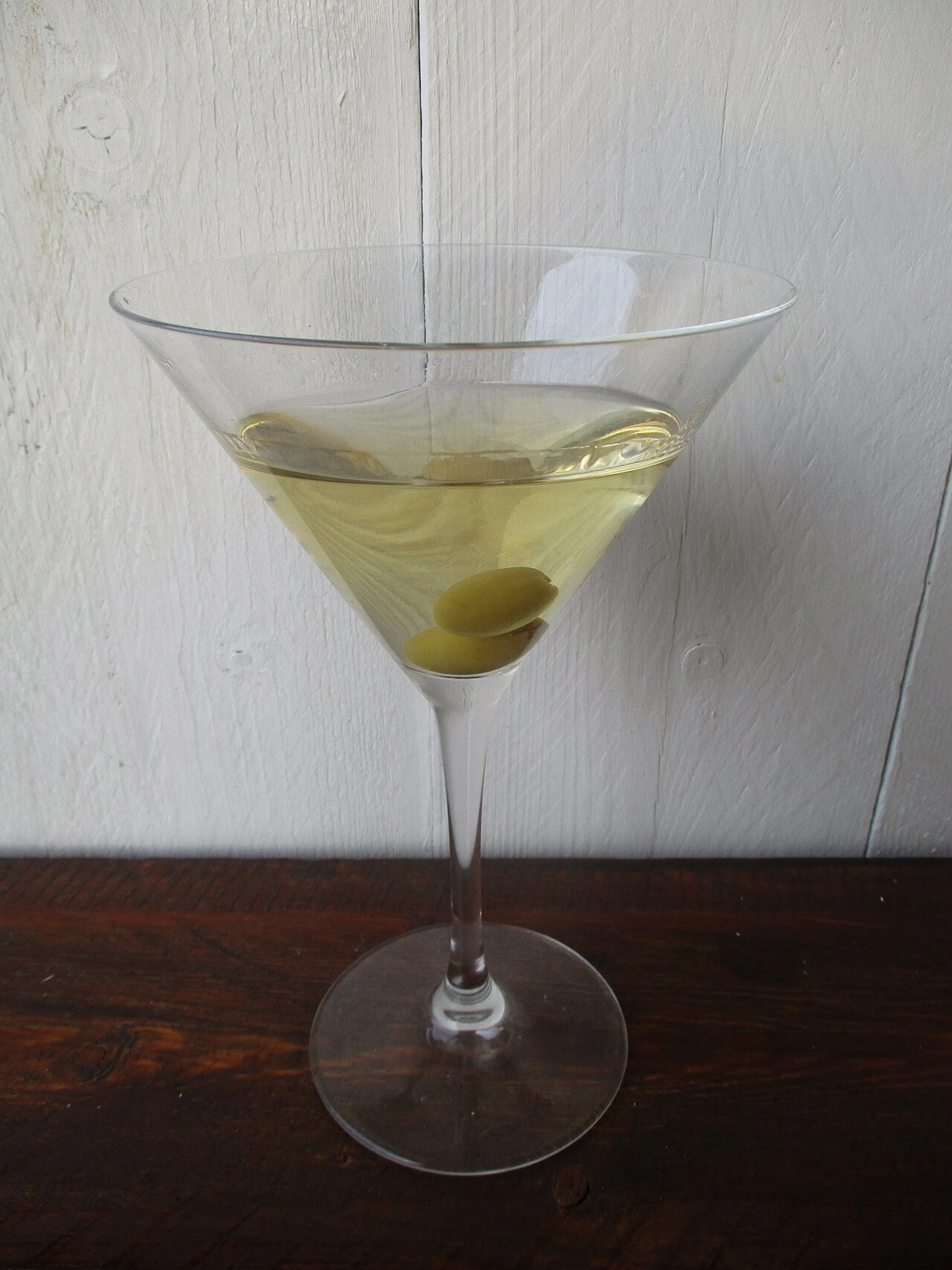
Temperature is an ingredient. Place a 5–7 oz (150–210 ml) coupe or Nick & Nora glass in the freezer for at least 15 minutes; a properly chilled glass slows warming without requiring ice in the finished Dry Martini.
- Measure precisely. Add 2 1/2 oz (75 ml) gin, 1/2 oz (15 ml) dry vermouth and the optional dash of orange bitters to a mixing glass.
- Add abundant ice. Fill the vessel roughly three-quarters full with large, hard cubes taken directly from a freezer near 0°F (-18°C). Wet, melting ice dilutes too quickly.
- Stir for 25–35 seconds. Move a bar spoon smoothly around the inside wall. The mixing glass should become thoroughly frosted, and the drink should reach roughly 23–27°F (-5 to -3°C).
- Strain immediately. Use a julep or Hawthorne strainer to pour the Dry Martini into your chilled glass. Aim for about 3 1/4–3 1/2 oz (95–105 ml) after dilution.
- Garnish deliberately. Express a lemon peel over the surface, rub it once around the rim and drop it in or discard it. Alternatively, add one cold olive on a pick.
After testing short and long stirring times, I find 30 seconds works reliably with freezer-cold 1-inch cubes. Smaller ice may need only 20–25 seconds. Taste with a clean straw if you are uncertain: the alcohol heat should soften, but the drink should not become watery.
Why stir instead of shake? Stirring maintains clarity and a silky texture. Shaking chills quickly but introduces air and fine ice, producing a cloudier, more energetic drink. It is a preference, not a moral dispute. If speed matters, explore the easy Madras cocktail, but give this classic the quiet half-minute it deserves.
How to Find Your Ideal Martini Ratio
There is no single Dry Martini ratio that suits every bottle or drinker. Gin strength, vermouth style, garnish and serving temperature all affect how dry the finished cocktail seems. A powerful 47% ABV London dry gin can comfortably support more vermouth than a delicate 40% ABV gin. Likewise, a strongly herbal vermouth may remain obvious at 6:1, while a lighter bottle can disappear unless you use a wetter proportion.
The easiest way to identify your preference is to run a small comparison. Make three half-sized Martinis using the same gin, vermouth, ice and stirring time. Mix the first at 3:1 with 1 1/2 oz (45 ml) gin and 1/2 oz (15 ml) vermouth. Prepare the second at 5:1 with 1 1/4 oz (37.5 ml) gin and 1/4 oz (7.5 ml) vermouth. For the third, use an 8:1 ratio with 1 oz (30 ml) gin and 1/8 oz (3.75 ml) vermouth. Taste them side by side while they are equally cold.
Notice more than alcoholic strength. The 3:1 version should feel rounder, more aromatic and distinctly wine-like. The 5:1 Dry Martini usually occupies the middle ground, retaining a crisp gin profile with enough acidity and herbal complexity to create structure. At 8:1, the gin leads decisively and the vermouth acts more like seasoning. None is automatically superior; the useful question is which one makes you want another measured sip.
Once you choose a ratio, test the garnish separately. Lemon oil adds brightness and can make a wetter Martini seem sharper. An olive contributes salt and savoury aroma, which may make the same recipe feel fuller. Orange bitters can bridge assertive gin and vermouth, but even one dash changes the profile, so omit them during your first comparison.
Write down the brands, ratio, stirring time and garnish when you find a combination you like. This small tasting note turns a lucky result into a repeatable house recipe. If the cocktail still seems harsh, add stirring time before reducing the vermouth; insufficient dilution is often mistaken for excessive dryness. If it tastes thin or overly herbal, shorten the stir slightly or reduce the vermouth by 1/8 oz (3.75 ml). Change only one variable at a time so you can identify what actually improved the drink.
Pro Tricks for a Colder, Better Dry Martini
My first rule is simple: keep everything cold except your hands. Gin can live in the freezer, although very cold spirit requires slightly more stirring to gain the water a Dry Martini needs. Vermouth belongs in the refrigerator. Glassware should be frosty, not merely cool.
In my experience, a digital scale reveals what free-pouring hides. Water added during stirring typically increases this recipe by roughly 3/4 oz (22 ml), depending on ice and technique. That dilution opens the botanicals and reduces the raw alcohol edge. Too little water tastes aggressive; too much erases detail.
Match the components. Tanqueray with Noilly Prat creates a bold, juniper-heavy Dry Martini. Plymouth with Dolin is rounder and gentler. Roku, often around $30–$38 or £25–£32 at 43% ABV, brings citrus and subtle tea notes. This is easily one of the best cocktails for side-by-side tasting because there are so few places for flavour to hide.
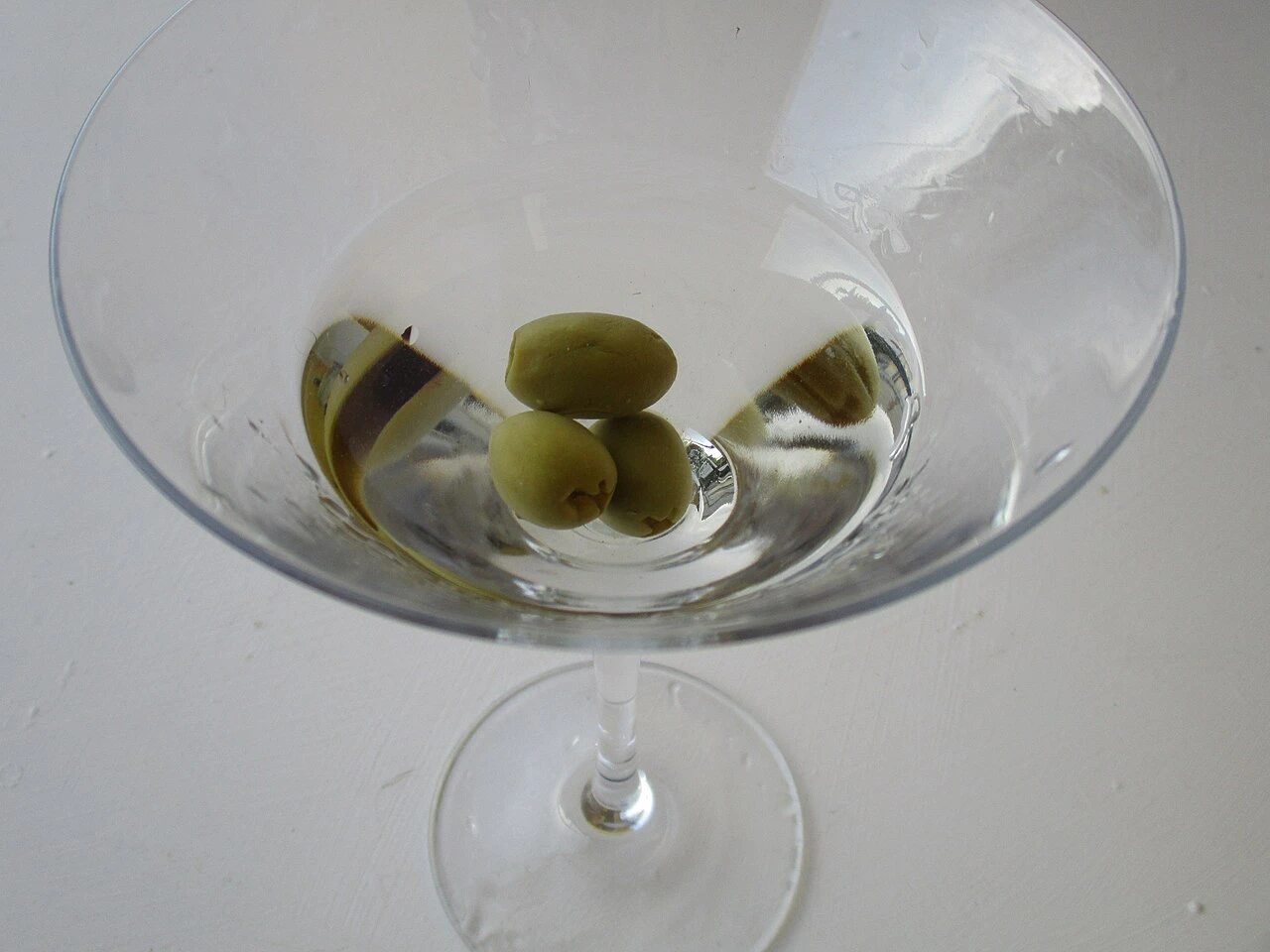
Cut lemon peel with minimal white pith, then hold the yellow side toward the drink when expressing. One quick squeeze is enough. For olives, choose firm, briny fruit and drain excess liquid unless you intentionally want a Dirty Martini. I’d skip room-temperature stuffed olives; cheese or garlic can dominate the entire glass.
After testing coupes against oversized V-shaped glasses, I prefer a 5–6 oz (150–180 ml) Nick & Nora. It keeps the drink deeper and colder while reducing spills. Have your garnish ready before straining. A Dry Martini begins warming immediately, and leaving it on the counter while you hunt for a peeler wastes careful chilling. Want to practise with gentler drinks first? These low-alcohol cocktail recipes make useful lighter alternatives.
Dry Martini Variations Worth Making
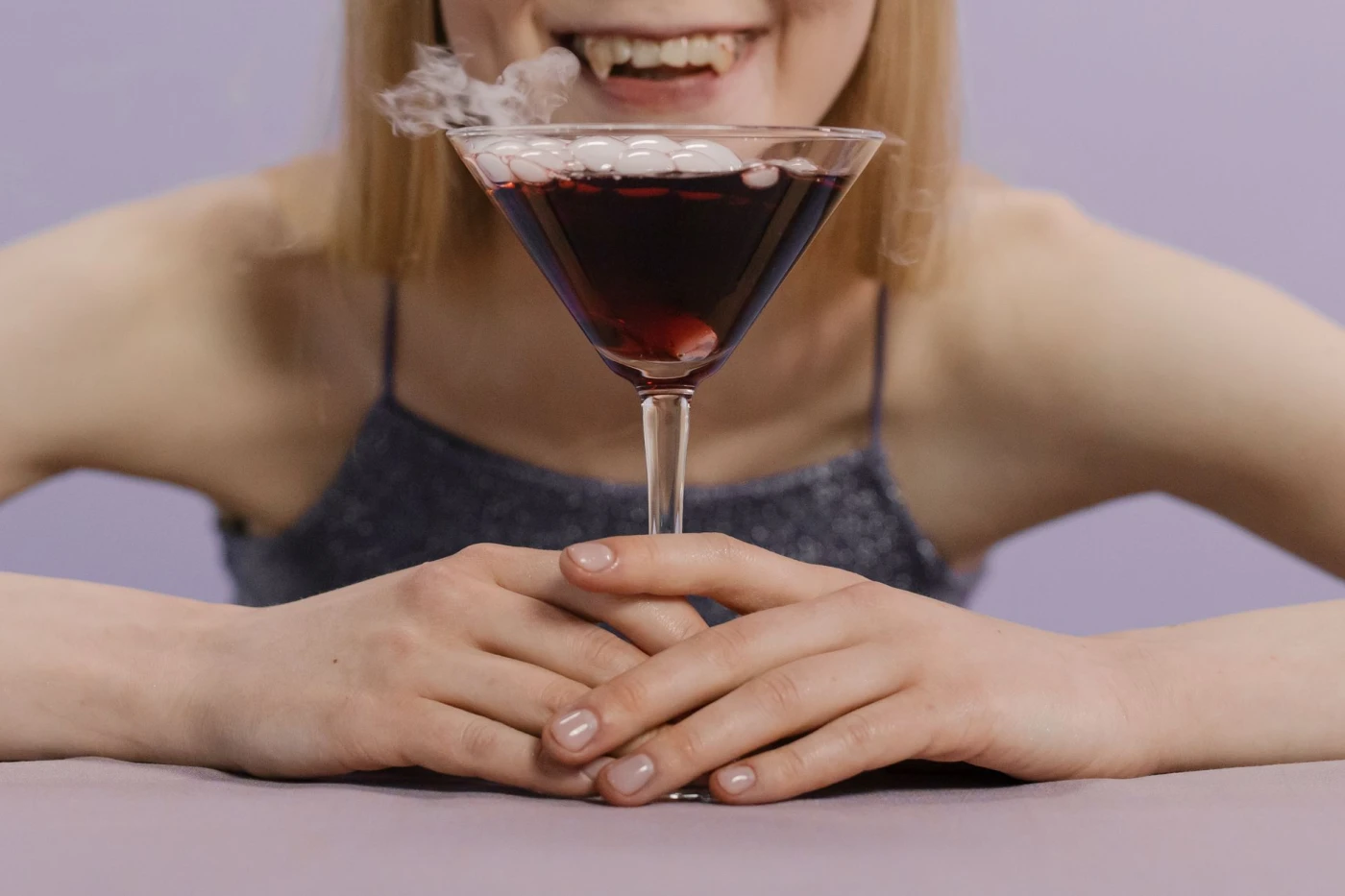
A small adjustment can move the Dry Martini from bright and botanical to savoury or luxuriously rounded. Keep the same stirring method, but use these mini recipes for one drink.
Vodka Martini
- 2 1/2 oz (75 ml) vodka
- 1/2 oz (15 ml) dry vermouth
- 1 lemon peel or olive
Tito’s Handmade Vodka is 40% ABV and commonly about $20–$27 for 750 ml in the US. Ketel One, also 40% ABV, often costs $24–$32 or £22–£28. Vodka makes the vermouth and garnish especially prominent.
Dirty Martini
- 2 1/2 oz (75 ml) gin or vodka
- 1/2 oz (15 ml) dry vermouth
- 1/4 oz (7.5 ml) olive brine
- 1–3 olives
Use clean brine from good olives. More than 1/2 oz (15 ml) can bury botanical nuance and make the drink aggressively salty.
Gibson
- 2 1/2 oz (75 ml) London dry gin
- 1/2 oz (15 ml) dry vermouth
- 1 cocktail onion
The onion adds a savoury, lightly sweet aroma. Choose a crisp, properly pickled onion rather than a soft one from an old jar.
Fifty-Fifty Martini
- 1 1/2 oz (45 ml) gin
- 1 1/2 oz (45 ml) dry vermouth
- 1 dash orange bitters, about 0.03 oz (1 ml)
This wetter version is aromatic and lower in alcohol than a standard Dry Martini, though still potent. For playful retro inspiration beyond the Martini family, visit our look at 1990s drinks and where they are now.
Common Dry Martini Mistakes and Easy Fixes
Using old vermouth: This is the big one. An open bottle kept beside the gin for six months will taste tired. Refrigerate it, mark the opening date and buy 375 ml bottles if you make a Dry Martini only occasionally.
Thinking drier automatically means better: Let’s be honest: rinsing a glass with vermouth can produce an intensely cold gin serve, but not necessarily a more complex cocktail. Begin at 5:1, then adjust by 1/4 oz (7.5 ml). Your preference matters more than performative dryness.
Under-diluting: Eight seconds of timid stirring leaves the drink hot and closed. Use enough ice and stir until the mixture tastes integrated, commonly 25–35 seconds. Conversely, soft ice sitting in meltwater can drown a Dry Martini quickly. Drain obvious water before mixing.
Ignoring glass temperature: Pouring a 25°F (-4°C) drink into a warm 70°F (21°C) glass immediately works against you. Freeze the glass for 15 minutes or pack it with ice and water while you stir.
Free-pouring the vermouth: A difference of 1/4 oz (7.5 ml) is substantial in this recipe. Use a jigger. Once you understand your preferred ratio, you can reproduce it rather than hoping for the same result.
Overdoing the garnish: Three oily lemon peels or a skewer crowded with warm olives turns garnish into an ingredient. One fresh twist or one firm olive is enough.
Finally, do not pre-batch without including dilution. Chilled gin and vermouth straight from the freezer will taste unbalanced. Add measured water before chilling, especially when preparing drinks for a dinner party or alongside approachable whiskey cocktails for beginners.
Food Pairings, Seasons and Martini Occasions

The Dry Martini excels before dinner because its cold, herbal and lightly bitter profile sharpens the appetite. Salty, fatty and briny foods are natural partners. Think oysters, smoked salmon, anchovy toast, salted almonds, crisps or potato chips, and firm green olives. The drink’s alcohol and citrus oil cut through richness without adding sweetness.
For a US cocktail hour, pair it with shrimp cocktail, devilled eggs or miniature crab cakes. At a UK gathering, try smoked-trout pâté, cheddar gougères or good ready-salted crisps. A lemon-garnished Martini suits seafood particularly well; an olive-garnished version feels more at home with charcuterie, roast chicken or savoury canapés.
Season matters, too. In summer, serve a smaller 2 1/2 oz (75 ml) total build in a deeply chilled Nick & Nora so it stays cold. During autumn or winter, a Gibson’s pickled-onion character works beautifully before a roast dinner. For Halloween, keep the theatrics outside the glass: dry ice must never be swallowed or served while solid pieces remain. A dark olive or dramatic citrus peel gives you visual impact without that hazard.
A Dry Martini is a poor match for very hot chilli, sticky desserts or delicate dishes overwhelmed by high-proof spirits. With chocolate cake, I’d skip it and choose coffee or a sweeter after-dinner drink. For a picnic, the fragile glassware and need for deep chilling are inconvenient; these portable picnic drinks travel more easily.
At weddings, New Year’s Eve parties or a quiet Friday dinner, serve the Martini first and serve it small. Ask guests whether they prefer lemon, olive, gin or vodka. That single question feels hospitable and prevents a surprisingly personal drink from becoming one-size-fits-all.
Dry Martini Quick Reference Cheat Sheet
Use this cheat sheet when you want the numbers without rereading the full method. The standard recipe is a balanced 5:1 Dry Martini; the alternatives show how a small ratio change affects flavour.
| Style | Gin or vodka | Dry vermouth | Optional addition | Character |
|---|---|---|---|---|
| Standard Dry Martini | 2 1/2 oz / 75 ml | 1/2 oz / 15 ml | 1 dash bitters | Crisp and balanced |
| Wet Martini | 2 1/4 oz / 67.5 ml | 3/4 oz / 22.5 ml | Lemon twist | Herbal and rounded |
| Very Dry Martini | 2 3/4 oz / 82.5 ml | 1/4 oz / 7.5 ml | Olive or twist | Spirit-forward |
| Dirty Martini | 2 1/2 oz / 75 ml | 1/2 oz / 15 ml | 1/4 oz / 7.5 ml brine | Savoury and salty |
| Four-drink batch | 10 oz / 300 ml | 2 oz / 60 ml | 3 oz / 90 ml water | Ready to chill and pour |
Target a serving temperature around 23–27°F (-5 to -3°C), use a chilled 5–7 oz (150–210 ml) glass and expect a finished single drink of approximately 3 1/4–3 1/2 oz (95–105 ml). A classic Dry Martini can remain around 35–38% ABV after dilution, depending on the base spirit and added water. It is stronger than its smooth texture suggests.
For factual US information on alcohol regulation and labelling, consult the Alcohol and Tobacco Tax and Trade Bureau. Health information is available from the National Institute on Alcohol Abuse and Alcoholism, while UK readers can find guidance at Drinkaware. Make responsible drinking part of the plan: measure accurately, pace the serve and never drive after drinking.
Ready to make your Dry Martini without searching three drawers for a jigger? Download the free home bar starter checklist, chill your glass and start with the 5:1 recipe. Then adjust one variable at a time until the drink tastes unmistakably yours.
Ask AI about this article
Pick a prompt, copy it, or open ChatGPT with this article preloaded.
Frequently Asked Questions
What is a Dry Martini?
A Dry Martini is a spirit-forward cocktail made primarily with gin and a smaller portion of dry vermouth. It is normally stirred with ice, strained into a chilled cocktail glass and garnished with a lemon twist or olive. “Dry” describes the use of dry vermouth and, in modern ordering language, often signals a relativel.
What is the best ratio for a Dry Martini?
A 5:1 ratio—2 1/2 oz (75 ml) gin to 1/2 oz (15 ml) dry vermouth—is an excellent starting point. It preserves the gin’s character while giving the cocktail useful acidity, herbs and texture. Try 3:1 if you enjoy vermouth, or 8:1 if you prefer a sharper, more spirit-led drink.
What is the best dry vermouth for a Dry Martini?
Dolin Dry is light and restrained, Noilly Prat Original Dry is herbal and saline, and Martini & Rossi Extra Dry is affordable and widely available. The best choice depends on your gin and palate. Buy a smaller bottle, refrigerate it after opening and taste it before mixing; fresh, lively vermouth matters more than pres.
Should a Dry Martini be shaken or stirred?
Stirring is the classic choice because it chills and dilutes the drink while retaining a clear, silky appearance. Shaking introduces air, tiny ice fragments and a brisker texture. Neither version is unsafe or inherently wrong. If you want elegance and precise control, stir; if you prefer an especially cold, lively Mart.
How strong is a Dry Martini?
A Dry Martini made with 2 1/2 oz of 47% ABV gin and 1/2 oz of 18% ABV vermouth remains approximately 35–38% ABV after normal stirring and dilution. The exact figure changes with the gin, ice and stirring time. It contains substantially more alcohol than its elegant glass and smooth texture might suggest.
How long does dry vermouth last after opening?
Dry vermouth is wine-based and begins losing freshness after opening. Refrigerate it tightly sealed and aim to use it within about four to six weeks for Martinis, though the precise decline depends on storage and the bottle. If it smells dull, oxidised or unexpectedly sour, replace it rather than hiding it beneath expe.
Comments 0
Login to Post comments