Gin Fizz: The Crisp Classic You Can Master
Master a bright, refreshing Gin Fizz with precise measurements, practical gin recommendations and reliable shaking advice.
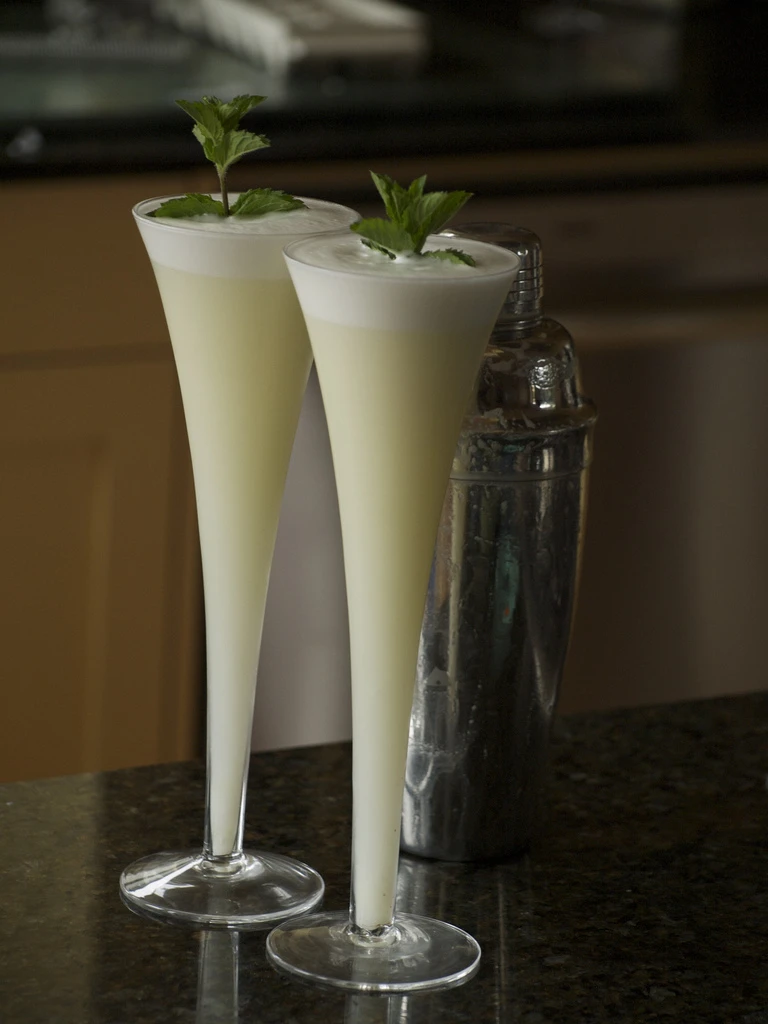
A Gin Fizz should arrive cold, bright and audibly sparkling—not watery, aggressively sour or buried beneath a towering garnish. Made with gin, fresh lemon, sugar and soda, it is one of those short recipes that exposes every small decision you make.
That is good news. Once you understand temperature, dilution and the order of operations, this classic becomes remarkably dependable. You need no rare liqueur, specialist glass or theatrical ten-minute shake.
Here’s the thing: the Fizz rewards precision without feeling precious. It suits a summer lunch in California, a spring garden gathering in Kent or a quiet Friday aperitif. If you are building your repertoire, it belongs beside these classic cocktails every home bartender should know.
What Is a Gin Fizz? A Brief, Bubbly History
A Gin Fizz is a shaken sour lengthened with carbonated water. Its four-part structure is simple: spirit, citrus, sweetener and fizz. Shaking chills and dilutes the first three ingredients; soda then opens the aroma and turns a compact gin sour into a brisk, sparkling highball.
The Fizz family became established in American bartending during the late nineteenth century, although assigning a single inventor to the basic drink would overstate the available record. Historical recipes vary in sweetness, glass size and even spelling. What remained consistent was the promise of something cold, quick and effervescent.
New Orleans later became closely associated with Henry C. Ramos’s richer Ramos Gin Fizz, commonly dated to 1888. That variation adds citrus, cream, egg white and orange-flower water. It is delicious, but it is not the lean four-ingredient classic covered here. The standard drink is faster, sharper and much easier to make at home.
You may also encounter a Silver Fizz with egg white, a Golden Fizz with yolk and a Royal Fizz with a whole egg. Those old naming conventions matter because a classic Gin Fizz itself does not require egg. Its slight natural foam comes from vigorous shaking and the meeting of citrus with soda.
Styles move in cycles. The Fizz survived disco drinks, the elaborate cocktails of the 1990s and the modern craft revival because its structure works. For a playful look at another era’s changing tastes, explore these 1990s drinks and where they are now.
Gin sold in the United States is governed by federal identity and labelling rules; the Alcohol and Tobacco Tax and Trade Bureau is the primary official reference. For your glass, the useful definition is simpler: juniper-led spirit, fresh lemon, measured sugar and lively soda.
Gin Fizz Ingredients and the Best Gin to Use
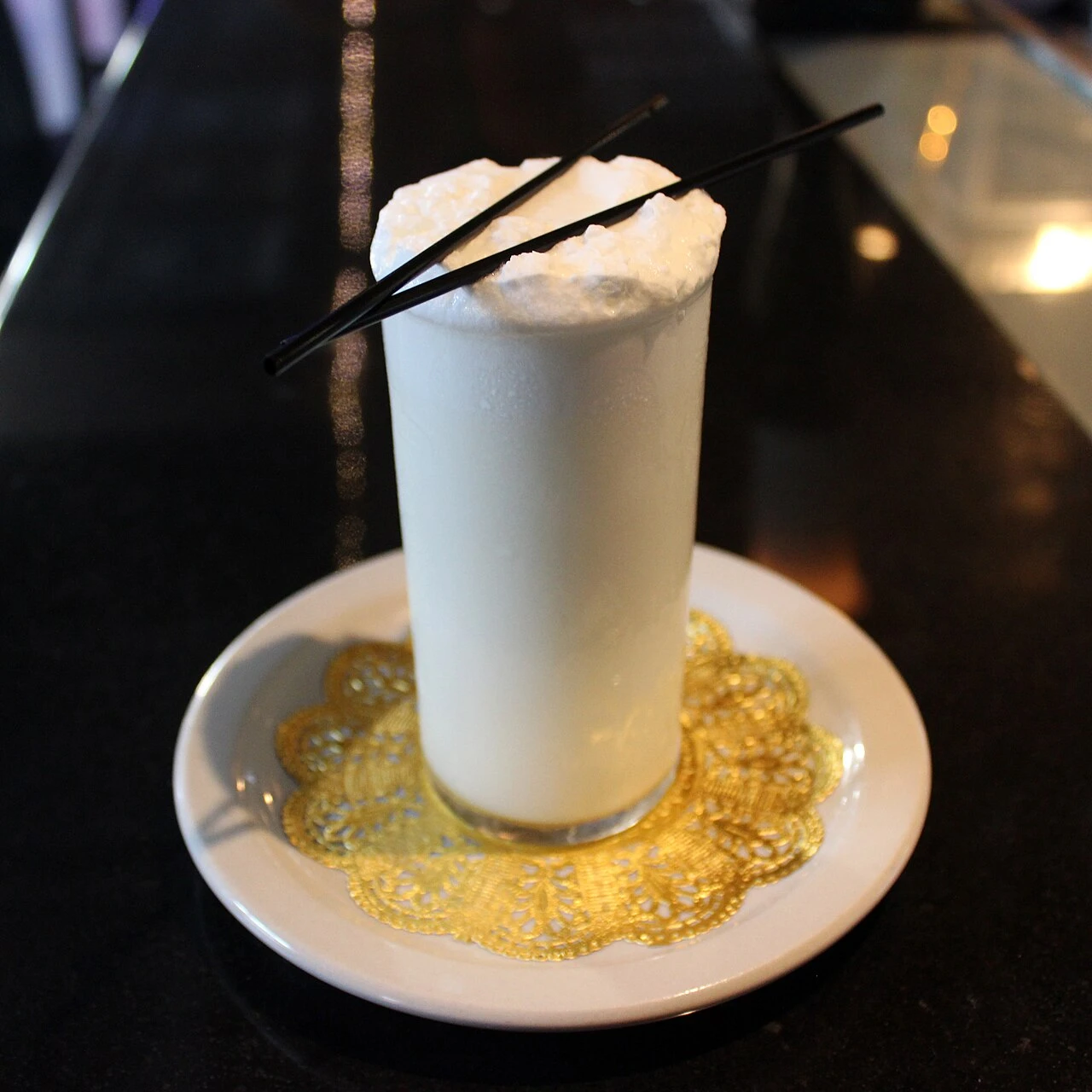
This recipe makes one balanced Gin Fizz in a chilled 8–10 oz (240–300 ml) highball or fizz glass. Measure accurately. A quarter-ounce looks trivial, yet it can decide whether the drink tastes vivid or puckering.
- 1.5 oz (45 ml) London Dry gin, ideally 40–47% ABV
- 0.75 oz (22.5 ml) fresh lemon juice, finely strained
- 0.75 oz (22.5 ml) 1:1 simple syrup
- 2–3 oz (60–90 ml) chilled soda water
- Plenty of hard ice for shaking
- 1 thin lemon wheel or expressed peel, optional
For the syrup, stir equal volumes of white granulated sugar and hot water until clear, cool it, then refrigerate it. A 1:1 syrup is predictable and easy to pour. Fresh lemon is non-negotiable in my kitchen; bottled juice usually tastes cooked, muted or oddly bitter.
The best starting gin is a juniper-forward London Dry. Beefeater 40% ABV often costs about $22–$28 in the US or £18–£24 in the UK, while Tanqueray at 43.1–47.3% ABV, depending on market, supplies a firmer botanical backbone for roughly $25–$33 or £22–£28. Prices vary by retailer and tax.
In my experience, Plymouth Gin produces a rounder, gentler Fizz, while Sipsmith gives you brighter citrus and a drier finish. This is easily one of the best cocktails for testing an unfamiliar gin because there is nowhere for coarse alcohol or artificial flavour to hide. I’d skip expensive barrel-aged gin here; oak competes with the fresh lemon.
Use plain, highly carbonated soda rather than tonic. Tonic introduces quinine and sugar, changing both bitterness and balance. If gin is not your spirit, these fast vodka cocktails offer similarly accessible alternatives.
How to Make a Gin Fizz Step by Step
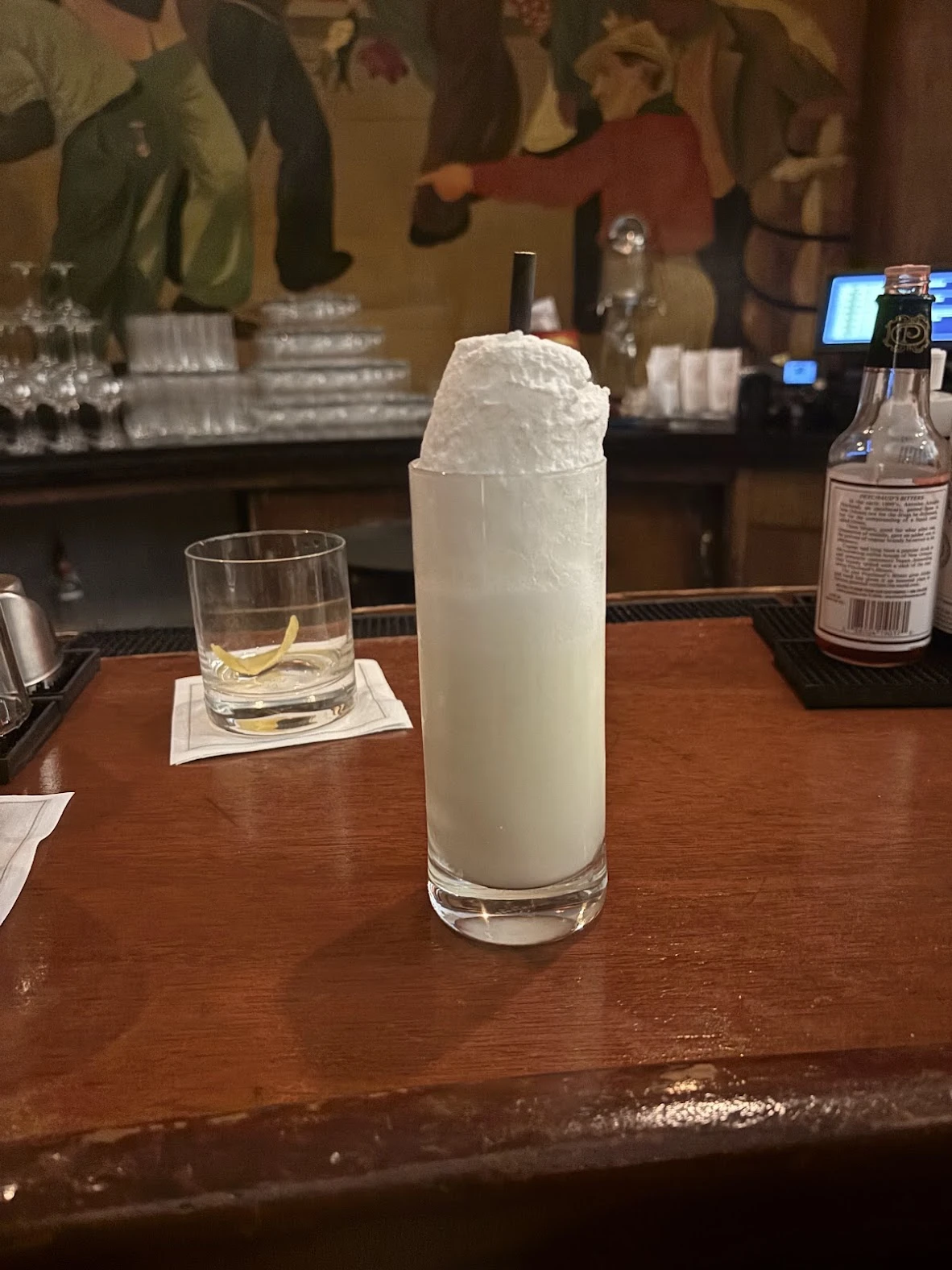
Before mixing, chill your glass and soda to about 38°F (3°C). Cold ingredients preserve carbonation, and a cold glass means you need less ice dilution to reach serving temperature.
- Chill the glass. Place it in the freezer for 10 minutes, or fill it with ice and water while you measure.
- Measure the base. Add 1.5 oz (45 ml) gin, 0.75 oz (22.5 ml) lemon juice and 0.75 oz (22.5 ml) simple syrup to a shaker.
- Add ice. Fill the shaker about two-thirds full with solid cubes. Small wet fragments melt too quickly.
- Shake hard. Seal the shaker and shake for 10–12 seconds. The tin should become painfully cold and lightly frosted.
- Prepare the glass. Discard its chilling ice and water. The traditional Fizz is strained into a cold glass without fresh ice.
- Strain. Fine-strain the mixture into the glass to remove lemon pulp and ice chips.
- Add soda. Gently pour 2–3 oz (60–90 ml) chilled soda down the inside wall. Give it one careful lift with a bar spoon only if the layers do not combine.
- Finish and serve. Add an optional thin lemon wheel or expressed peel, then serve immediately.
After testing pours from 2 to 4 oz (60 to 120 ml), I prefer 2.5 oz (75 ml) of soda. It lengthens the drink without erasing the gin. Your glass geometry matters, so stop when the drink tastes open and lively rather than filling to an arbitrary rim.
No shaker? A firmly sealed jam jar works. Never put soda in that sealed container; pressure can pop the lid and create a sticky hazard. Shake the still ingredients, strain, and carbonate only in the serving glass.
Taste before garnishing. Too sharp? Add 0.25 oz (7.5 ml) syrup. Too sweet? Add a teaspoon of lemon, shake briefly with fresh ice and strain again. Tiny corrections beat starting over.
Pro Gin Fizz Tips I Use Behind the Home Bar
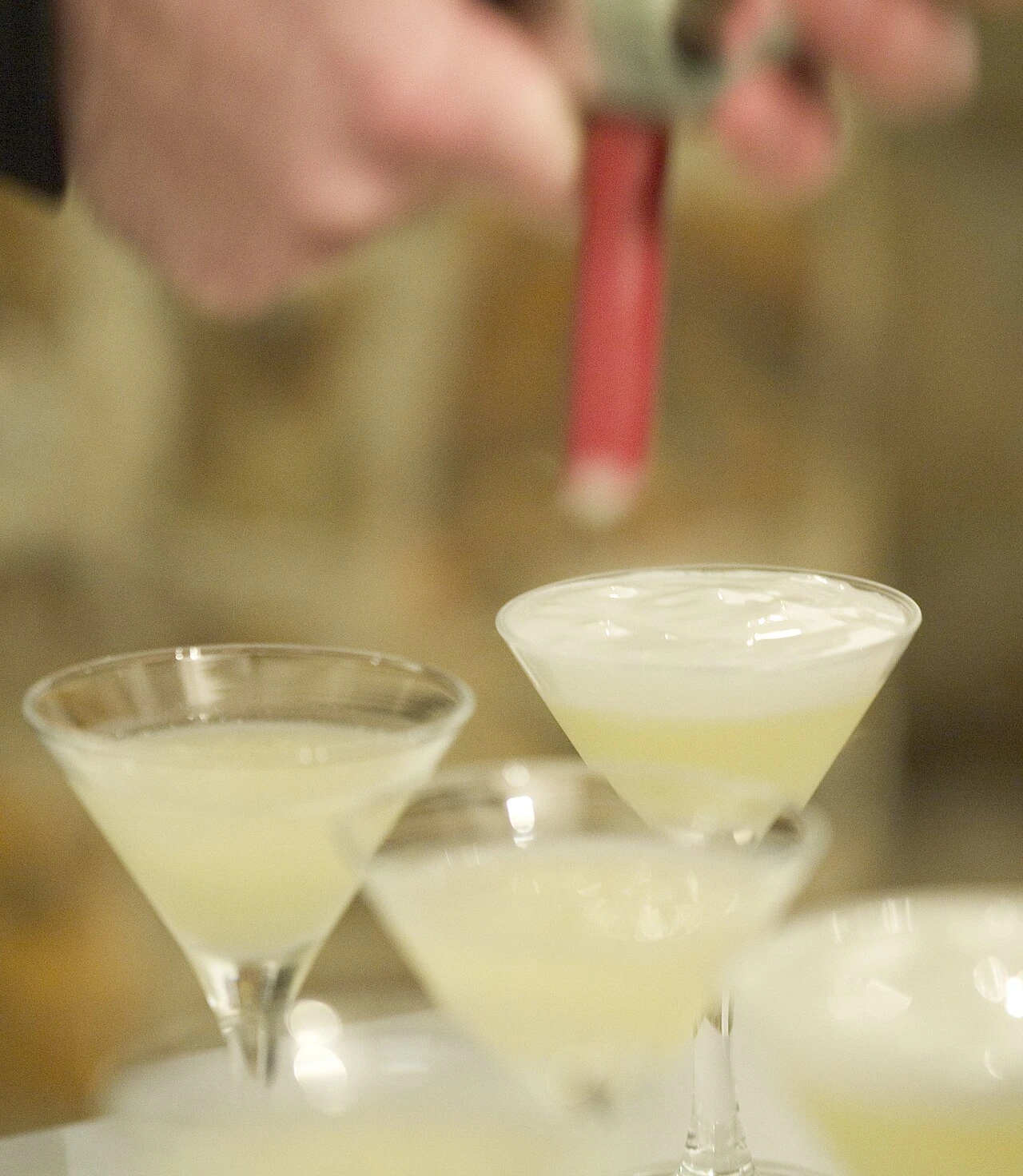
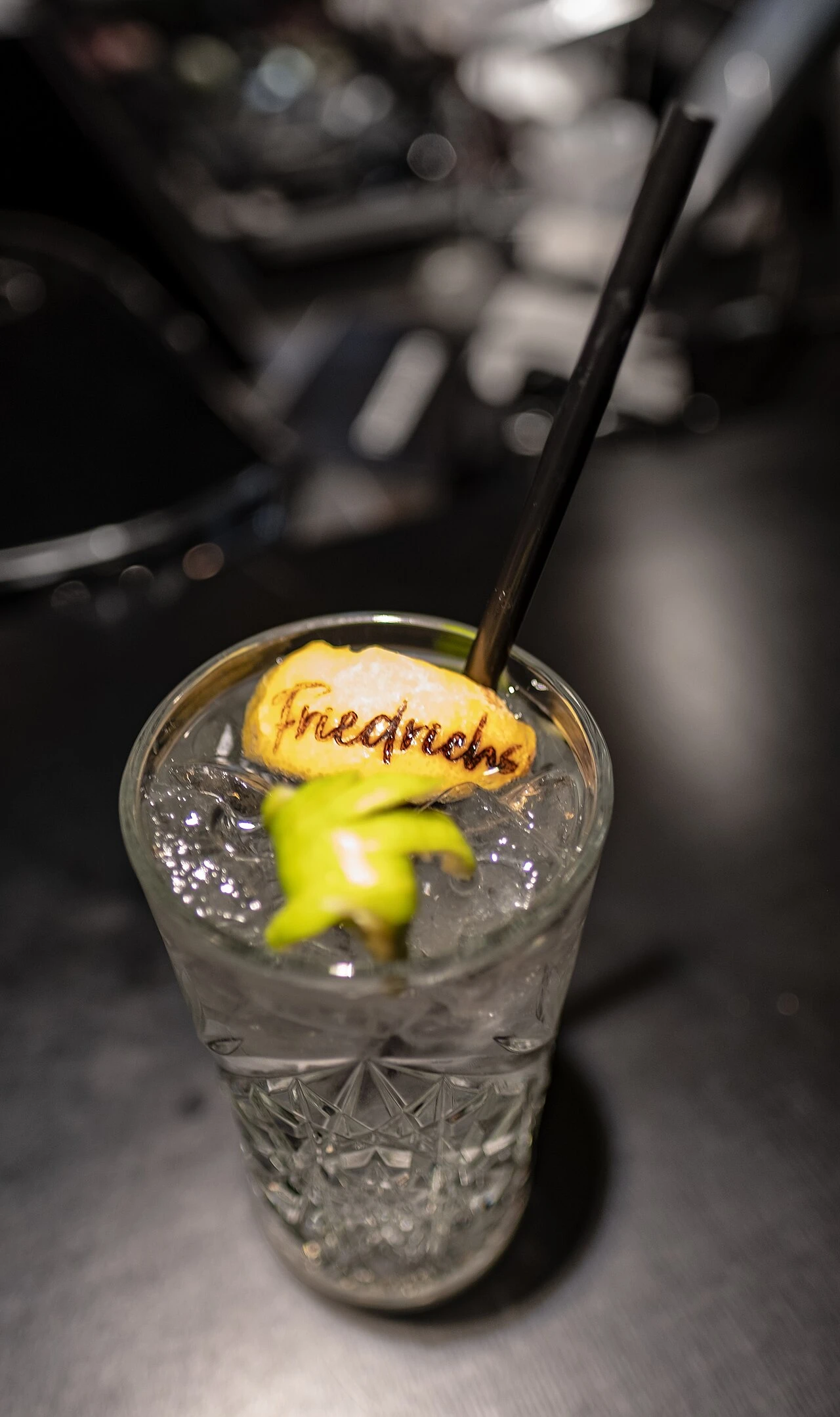
Start with temperature. I keep the soda unopened in the coldest part of the refrigerator and chill the glass before juicing anything. At roughly 38°F (3°C), carbon dioxide stays dissolved longer, so the drink retains its fine sparkle instead of collapsing after two sips.
In my experience, a fine strainer makes a bigger improvement than an ornate garnish. Lemon pulp can collect at the surface and make the foam look ragged. Double-straining creates a clean texture, while an expressed peel supplies aroma without adding more acidity.
Use dense freezer ice and shake confidently. One large cube alone chills slowly; a shaker packed with small, melting shards dilutes too quickly. Several hard 1–1.25-inch (25–32 mm) cubes give consistent chilling and enough movement to aerate the mixture.
After testing 37.5%, 40% and 47% ABV gins, I find bottles around 43–47% hold their botanical shape best. Tanqueray No. Ten at 47.3% is polished but may cost $38–$48 or £30–£38. Standard Beefeater or Tanqueray delivers nearly all the structural benefit for less money.
Want a thin foam cap without egg? Pour about 0.5 oz (15 ml) of soda into the empty chilled glass first. Shake the remaining ingredients, strain them over that soda, then slowly top up. The interaction encourages a modest head. It will not imitate a Silver Fizz, and it should not.
Glass shape also affects the drinking experience. A narrow, straight-sided fizz glass concentrates the lemon and juniper aromas while reducing the surface area through which carbonation escapes. If you only have a rocks glass, use it chilled and choose the smallest one that comfortably holds the drink. Avoid an oversized wine glass, which makes the measured serving look sparse and allows its bubbles and temperature to fade more quickly.
Let’s be honest: oversized garnishes photograph well but interfere with drinking. A narrow lemon peel is enough. Rub it over the rim, express its oils and either discard it or place it neatly along the glass.
Finally, adjust sweetness to your lemons. Winter fruit may taste softer than sharp early-season lemons. If you prefer lighter aperitifs, compare the approach with these low-alcohol cocktail recipes; reducing the gin alone can unbalance a Fizz, so compensate with a little less citrus and syrup.
Gin Fizz Variations Worth Making
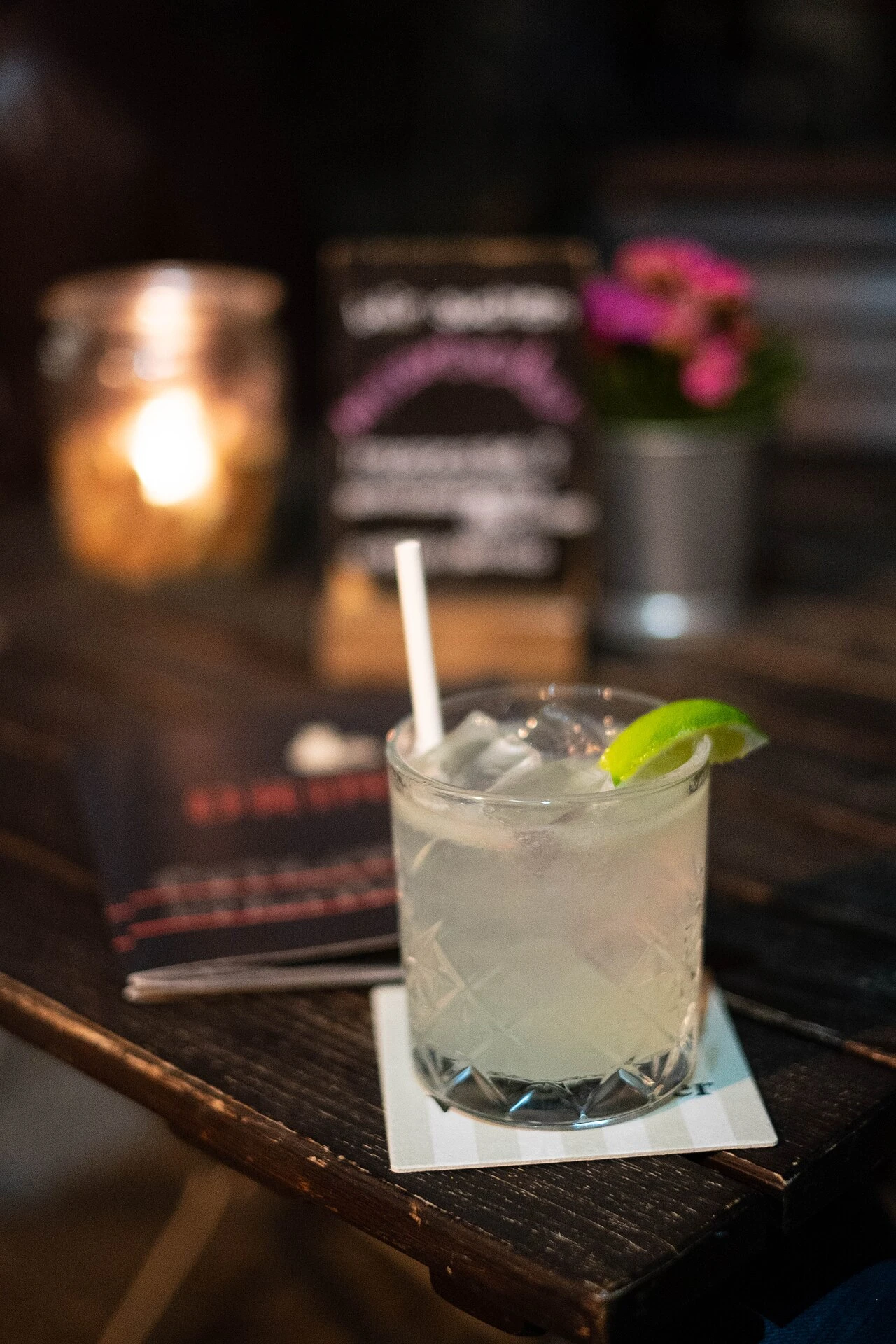
The classic formula is a platform, not a cage. Keep the proportions disciplined and you can change texture, aroma or season without losing the sparkling character that defines a Gin Fizz.
Silver Fizz
- 1.5 oz (45 ml) gin
- 0.75 oz (22.5 ml) lemon juice
- 0.75 oz (22.5 ml) simple syrup
- 0.5 oz (15 ml) pasteurised egg white
- 2 oz (60 ml) soda water
Dry-shake without ice for 15 seconds, add ice and shake again. Fine-strain and top with soda. The result is silky rather than creamy. If raw egg is unsuitable, use 0.75 oz (22.5 ml) aquafaba, though it can contribute a faint savoury note.
Elderflower Fizz
- 1.5 oz (45 ml) London Dry gin
- 0.5 oz (15 ml) lemon juice
- 0.5 oz (15 ml) elderflower liqueur
- 0.25 oz (7.5 ml) simple syrup
- 2.5 oz (75 ml) soda water
St-Germain, typically 20% ABV and around $35–$42 or £25–£32, adds pear and floral notes. Do not retain the full syrup measure; the liqueur already supplies considerable sweetness.
Cucumber-Mint Fizz
- 1.5 oz (45 ml) gin
- 0.75 oz (22.5 ml) lemon juice
- 0.75 oz (22.5 ml) syrup
- 3 cucumber slices and 4 mint leaves
- 2.5 oz (75 ml) soda water
Press the cucumber gently, but do not pulverise the mint. Hard muddling releases bitter green flavours. Fine-strain carefully and garnish with one tidy cucumber ribbon.
Berry Fizz
- 1.5 oz (45 ml) gin
- 0.75 oz (22.5 ml) lemon juice
- 0.5 oz (15 ml) syrup
- 3 raspberries
- 2.5 oz (75 ml) soda water
This summer variation turns pale pink and tastes genuinely fruity without becoming jammy. For another approachable fruit-led template, see the Madras cocktail recipe. I’d skip heavily sweetened berry purée; fresh fruit keeps the finish cleaner.
Common Gin Fizz Mistakes and Easy Fixes
Using flat or warm soda: Carbonation is part of the recipe, not decorative filler. Chill a fresh can or small bottle to around 38°F (3°C), and open it only when the shaken base is ready. If you make one drink at a time, a 6–8 oz (180–240 ml) container wastes less fizz than a large bottle.
Shaking the soda: Never seal carbonated water inside your shaker. It builds pressure, leaks and can force the tins apart. Shake gin, lemon and syrup first; add soda gently in the glass.
Confusing soda with tonic: Tonic contains sweetener and bitter quinine. It produces a pleasant drink, but not the same clean Gin Fizz. Club soda can work, although mineral salts may give it a slightly savoury edge.
Free-pouring the citrus: A lemon can yield anywhere from roughly 0.75 to 1.5 oz (22.5–45 ml), and its acidity changes with variety and age. Use a jigger. If the finished drink tastes sour, do not hide it beneath more soda; correct the sugar-to-acid balance.
Over-diluting: Wet ice, an excessively long shake or 4 oz (120 ml) of soda can make the gin vanish. Shake for 10–12 seconds with hard ice and begin with 2 oz (60 ml) soda. You can always add another splash.
Expecting Ramos-style foam: A classic Gin Fizz has no cream or egg white. Its head is light and fleeting. Add egg white intentionally if you want a Silver Fizz, but do not judge the original by the height of its foam.
With 1.5 oz (45 ml) of 40% ABV gin, the finished drink is commonly around 8–11% ABV after dilution and contains about 1.8 UK units. For evidence-based alcohol information, consult the US National Institute on Alcohol Abuse and Alcoholism or Drinkaware in the UK. Practise responsible drinking once the glass is poured: measure accurately, pace yourself and never drive after drinking.
Food Pairings and the Best Times to Serve It
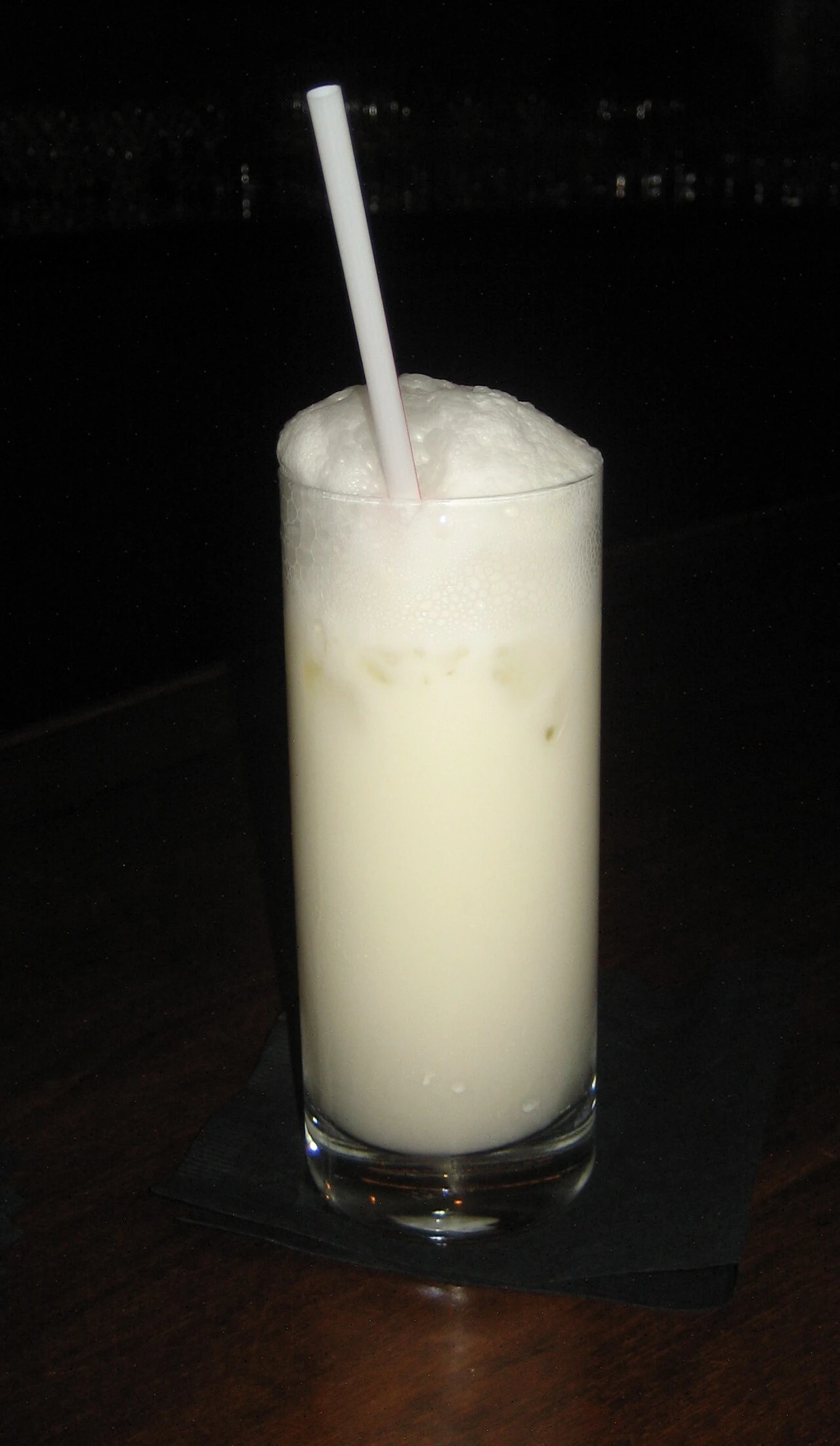
A Gin Fizz excels before food because lemon, bubbles and dry juniper wake up your palate without the dense sweetness of many tropical cocktails. Serve it between 38°F and 42°F (3–6°C), ideally as soon as the soda is poured.
With seafood, think crisp and saline. Oysters, smoked salmon blinis, prawn cocktail and grilled white fish all suit the drink’s citrus edge. A classic 40–47% ABV London Dry gin also echoes the herbs in crab cakes with dill or fish tacos with coriander.
It works just as well with fried food. Carbonation refreshes your mouth after tempura, fish and chips, fried chicken or courgette fritters. Keep sauces bright rather than sugary: lemon aioli, yoghurt with herbs or a restrained hot sauce makes more sense than sticky barbecue glaze.
For vegetarian plates, try goat’s cheese crostini, cucumber sandwiches, asparagus tart or peas with mint. The cucumber-mint variation is particularly good at a British garden lunch, while the raspberry version fits a Fourth of July barbecue or Wimbledon watch party.
This is also an excellent wedding welcome drink because the ingredients are familiar and the appearance is elegant. Here’s the catch: every serving still needs fresh carbonation. Batch the gin, lemon and syrup no more than a few hours ahead, keep the mixture below 40°F (4°C), then shake and top each glass individually.
For a picnic, transport that uncarbonated base in a sealed chilled bottle and pack single-serve soda cans separately. The workflow in these portable picnic drinks offers more make-ahead ideas. Bring a jigger, because guessing portions outdoors is surprisingly unreliable.
I prefer the classic Gin Fizz before dinner rather than alongside dessert. Lemon tart can work, but chocolate and caramel overwhelm its botanical detail. If your meal ends heavily, switch to coffee and save the next Fizz for another occasion.
Gin Fizz Quick Reference Cheat Sheet
Need the whole Gin Fizz method at a glance? This table gives you the standard single-serving build in US ounces and practical UK metric measures. The metric quantities are rounded for home-bar jiggers; consistency matters more than chasing fractions of a millilitre.
| Element | US measure | UK metric | Best practice |
|---|---|---|---|
| London Dry gin | 1.5 oz | 45 ml | Use 40–47% ABV gin |
| Fresh lemon juice | 0.75 oz | 22.5 ml | Juice and strain shortly before mixing |
| 1:1 simple syrup | 0.75 oz | 22.5 ml | Reduce slightly if your lemon is mild |
| Chilled soda water | 2–3 oz | 60–90 ml | Start with 2 oz (60 ml), then taste |
| Shake time | 10–12 seconds | 10–12 seconds | Shake only the still ingredients |
| Glass capacity | 8–10 oz | 240–300 ml | Chill to about 38°F (3°C) |
| Estimated final strength | 8–11% ABV | 8–11% ABV | Varies with gin and dilution |
The working formula is easy to remember: two parts gin, one part lemon, one part syrup, then soda to taste. If your usual jigger marks 25 ml and 50 ml, use 50 ml gin, 25 ml lemon, 25 ml syrup and approximately 75 ml soda. That slightly larger build remains balanced.
For two drinks, double every still ingredient but shake in separate rounds if your shaker is small. Crowding reduces ice movement and produces uneven chilling. Carbonate each glass independently.
Keep this distinction clear: a Gin Fizz is shaken and usually served without ice, while a Tom Collins is taller and normally served over ice. Once you master this template, broaden your base-spirit skills with these beginner-friendly whiskey cocktails.
Your best Gin Fizz needs no spectacle—just fresh lemon, measured sweetness, cold soda and a gin you genuinely like. Practise the classic once, then use the variations to make it your own.
Ready to organise the bottles, tools and glassware that make every round easier? Download the free home bar starter checklist and give your setup a practical reset.
Ask AI about this article
Pick a prompt, copy it, or open ChatGPT with this article preloaded.
Frequently Asked Questions
What is the difference between a Gin Fizz and a Tom Collins?
Both drinks combine gin, lemon, sugar and soda, so the distinction is partly about preparation and presentation. A Gin Fizz is vigorously shaken, strained and generally served without ice in a smaller glass. A Tom Collins is usually built or briefly shaken, poured over ice and served taller. The Collins therefore tends.
Does a classic Gin Fizz contain egg white?
No. The basic Gin Fizz contains gin, lemon juice, sugar and soda water. Add egg white and it becomes a Silver Fizz; use an egg yolk for a Golden Fizz or a whole egg for a Royal Fizz. Modern bars sometimes serve a foamy egg-white version without changing the name, so ask if eggs or allergies are a concern.
What is the best gin for a Gin Fizz?
A 40–47% ABV London Dry gin is the most reliable choice because juniper and citrus remain distinct after shaking and dilution. Beefeater, Tanqueray and Sipsmith all work well. Plymouth Gin creates a softer, earthier drink, while floral contemporary gins can be attractive but sometimes disappear beneath lemon. Start wit.
Why is my Gin Fizz flat?
Warm soda, tired carbonation and aggressive stirring are the usual causes. Chill unopened soda to roughly 38°F (3°C), open it immediately before serving and pour it gently down the inside of the glass. Add soda only after the shaken mixture has been strained. Small single-serve cans or bottles are useful because a larg.
How strong is a Gin Fizz?
With 1.5 oz (45 ml) of 40% ABV gin, one serving contains about the alcohol in one US standard drink and approximately 1.8 UK units. After soda and normal ice dilution, the drink commonly lands around 8–11% ABV by volume in the glass. Exact strength varies with the gin, shaking time, soda quantity and final volume, so m.
What can replace simple syrup in a Gin Fizz?
Use 2 teaspoons of superfine sugar and shake until completely dissolved, or substitute 0.5 oz (15 ml) of honey syrup made with equal parts honey and warm water. Agave syrup also works but can taste sweeter, so begin with 0.33 oz (10 ml). Artificially flavoured coffee syrups are usually too dominant for this clean, citr.
Comments 0
Login to Post comments