Hanky Panky Cocktail: A Bitter, Brilliant Classic
Make the classic Hanky Panky cocktail with gin, sweet vermouth and Fernet-Branca. Get precise measurements, variations and expert mixing tips.
The Hanky Panky cocktail turns three bottles into something far more intriguing than the short recipe suggests. Gin brings juniper and citrus, sweet vermouth supplies wine-rich spice, and Fernet-Branca delivers a final, bracing snap. It is dark, aromatic and unapologetically grown-up.
Yet this classic is surprisingly approachable when you control the bitterness and dilution. If you already know a Negroni or Manhattan, you have the necessary skills. You may even find it belongs beside the drinks in our guide to classic cocktails every home bartender should know.
Here's the thing: a quarter-ounce error matters here. This guide gives you exact US and UK measurements, bottle suggestions, troubleshooting advice and variations that preserve the drink's character.
What Is a Hanky Panky Cocktail?
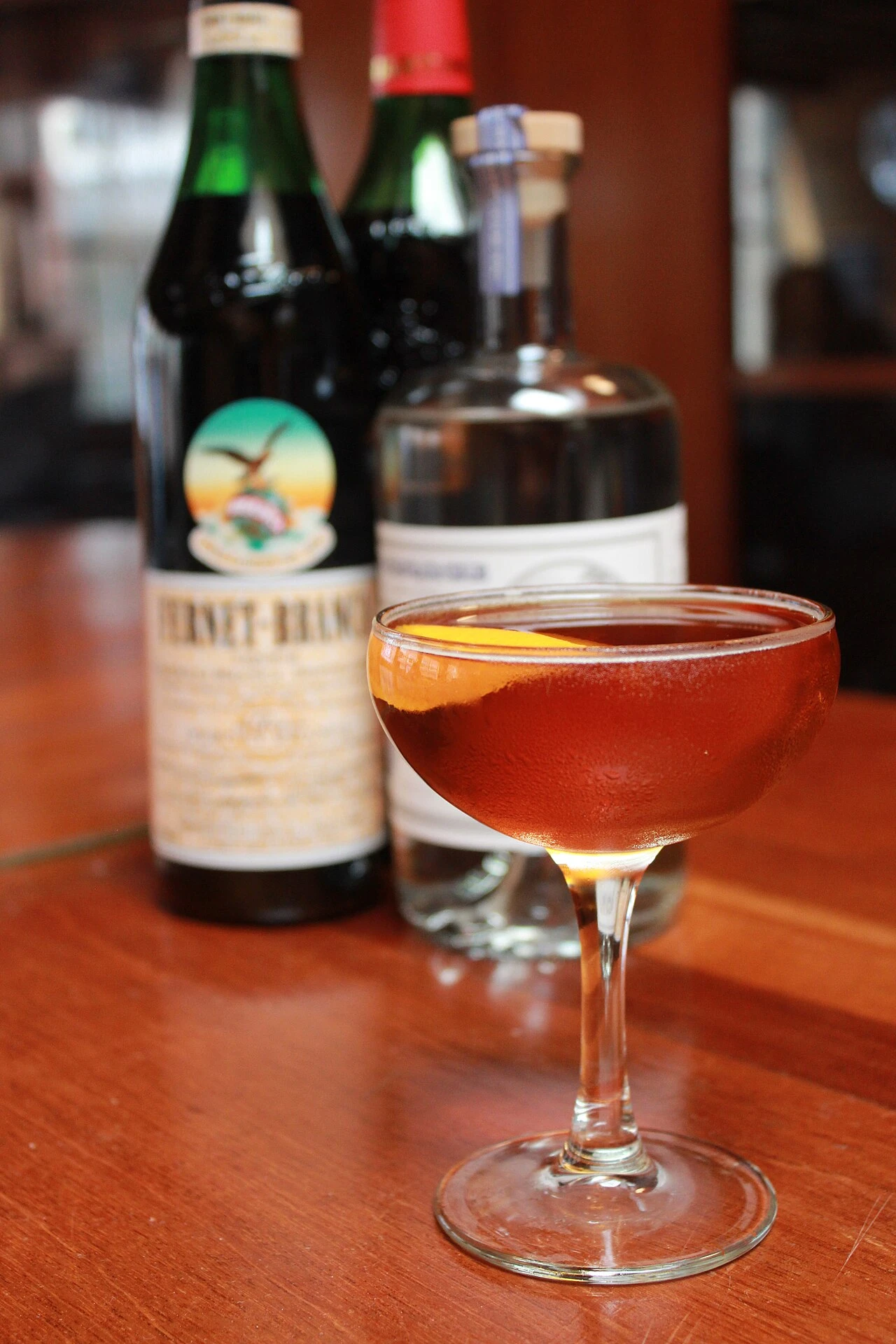
The Hanky Panky cocktail is an equal-parts mixture of dry gin and sweet vermouth sharpened with Fernet-Branca. It is stirred with ice, strained into a chilled stemmed glass and commonly finished with orange peel. Think of it as a sweet Martini with a small but unmistakable bitter-herbal accent.
The drink is credited to Ada “Coley” Coleman, who led the American Bar at London's Savoy Hotel during the early twentieth century. The familiar story says she created it for actor Sir Charles Hawtrey, who requested something with punch. After tasting the result, he reportedly used the phrase that became its name. Details have been retold in different forms, so that colourful exchange is best understood as the accepted origin story rather than a perfectly documented transcript.
The recipe later appeared in Harry Craddock's 1930 The Savoy Cocktail Book, helping it survive beyond Coleman's tenure. That lineage makes the drink an essential example of London's early cocktail culture and of women's often-understated influence on professional bartending.
In flavour, the Hanky Panky sits between a Martinez and a bittered Manhattan. It has no juice, syrup or soda to conceal weak ingredients. The gin must remain recognisable, the vermouth must taste fresh, and the fernet should act as seasoning rather than dominate.
This is easily one of the best historical cocktails for teaching balance. It also provides a useful bridge if you are comfortable with beginner-friendly whiskey cocktails but want to explore assertive gin drinks. One sip feels sweet and familiar. The finish changes everything.
Hanky Panky Ingredients You Need
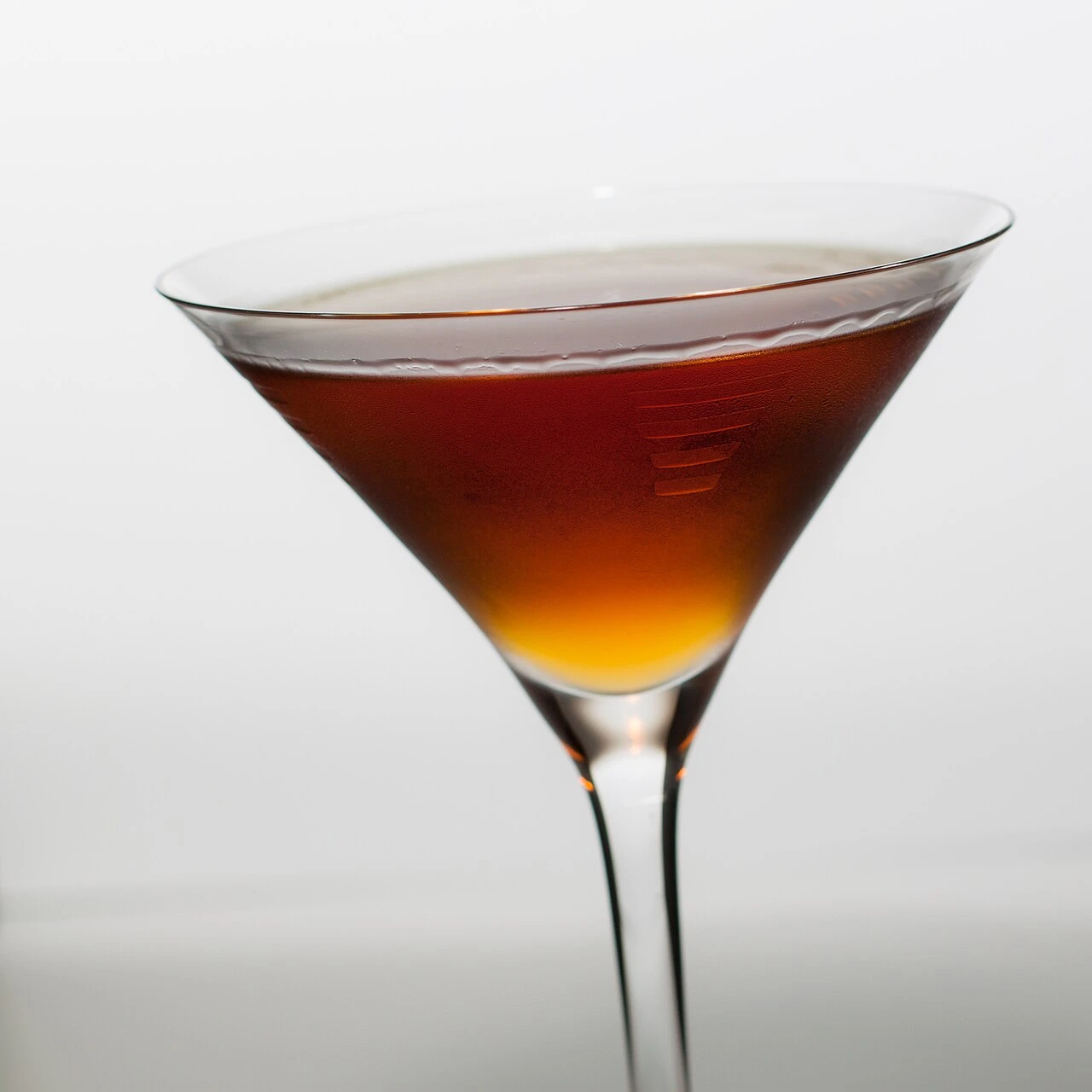
You need only three liquid ingredients, but bottle selection matters. For one balanced serving, gather:
- 1½ oz (45 ml) London dry gin
- 1½ oz (45 ml) fresh sweet vermouth
- ¼ oz (7.5 ml) Fernet-Branca
- One orange peel, approximately 2 x 1 inches (5 x 2.5 cm)
Beefeater is my value pick: it is juniper-forward, usually 40–44% ABV depending on market, and often costs about $20–$28 in the US or £19–£25 in the UK. Tanqueray, typically sold at 43.1–47.3% ABV depending on country, creates a drier, firmer version for roughly $25–$35 or £23–£30. Bottle strengths and prices vary, so check the label and your local retailer.
For vermouth, Cocchi Storico Vermouth di Torino offers cocoa, citrus and spice at about $22–$30 or £20–£27. Carpano Antica Formula is richer and more vanilla-led, generally around $35–$45 or £28–£36. I'd skip an oxidised bottle that has been sitting open on a warm shelf; no technique can restore its lost brightness. Refrigerate vermouth after opening and aim to use it within four to eight weeks.
Fernet-Branca is normally 39% ABV and often costs $30–$40 or £25–£32. Its mint, roots and intense bitterness define the recipe. If ¼ oz feels severe, begin with 1 teaspoon (5 ml), then increase on your next round.
The US Alcohol and Tobacco Tax and Trade Bureau is a useful authority for understanding spirits labels. Want quicker drinks with more familiar bottles? Browse these five-minute vodka cocktails.
How to Make a Hanky Panky Step by Step
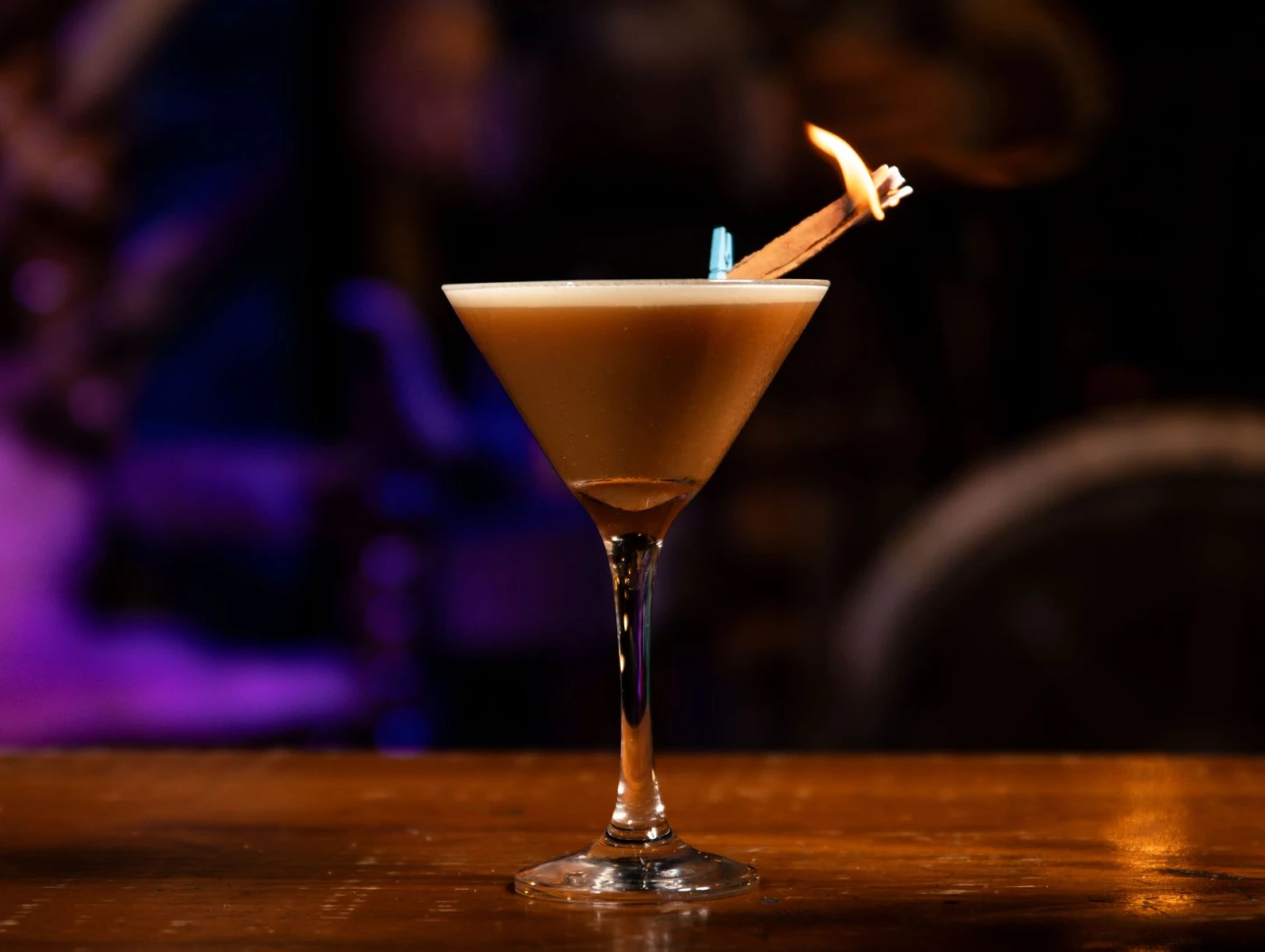
Chill a coupe or Nick and Nora glass first. Ten minutes in a freezer near 0°F (-18°C) works well, or fill the glass with ice and water while you mix. A cold glass gives you time to enjoy the cocktail before it becomes warm and heavy.
- Measure the base. Add 1½ oz (45 ml) dry gin and 1½ oz (45 ml) sweet vermouth to a mixing glass.
- Add the bitter element. Measure ¼ oz (7.5 ml) Fernet-Branca accurately. Do not free-pour this ingredient.
- Fill with ice. Use enough solid cubes to bring the level above the liquid. Hard freezer ice dilutes more predictably than wet, collapsing cubes.
- Stir. Rotate a bar spoon smoothly for 20 to 25 seconds. Taste with a clean straw or spoon: the mixture should be very cold, silky and slightly softened.
- Strain. Empty your chilling glass, then strain the drink through a julep or Hawthorne strainer. No ice should enter the serving glass.
- Garnish. Hold orange peel over the surface, coloured side down, and squeeze to release its oils. Rub it lightly around the rim before dropping it in or discarding it.
After testing different stirring times, I find about 22 seconds works with large 1¼-inch (3 cm) cubes straight from a home freezer. Smaller ice may need only 15 to 18 seconds. Temperature is a better guide than ritual: the outside of the mixing glass should feel thoroughly frosted.
Why stir instead of shake? These ingredients are clear and spirit-based. Stirring preserves a dense, polished texture without introducing the bubbles and shards created by shaking. The same control is useful across many foundational cocktail recipes.
How Dilution Changes the Drink
Dilution is not merely an unavoidable consequence of chilling a Hanky Panky cocktail. Water is a functional ingredient that lowers the alcohol's intensity, opens the vermouth's aromas and prevents Fernet-Branca from tasting excessively sharp. A freshly combined, undiluted mixture can seem hot, sticky and disjointed even when every measurement is correct. After stirring, those same ingredients should taste integrated rather than stacked in separate layers.
The amount of water added depends on the temperature, size and condition of your ice. Large cubes from a cold freezer usually melt slowly while chilling efficiently. Small cubes offer more surface area and may dilute the drink faster. Ice that has been sitting in a warm bowl already carries liquid water on its surface, so it begins changing the cocktail immediately. This is why a fixed stirring time is useful as a starting point but cannot guarantee an identical result in every kitchen.
For a practical home test, taste one small drop after about 15 seconds. If the alcohol feels prickly and the bitter finish arrives abruptly, continue stirring and taste again after five seconds. Stop when the texture feels smooth, the sweetness has become restrained and the herbal finish lingers without numbing the palate. The mixture should be extremely cold, but coldness alone does not prove that enough water has entered the drink.
Over-dilution has its own warning signs. A watery Hanky Panky loses the gin's juniper definition, while the vermouth begins to taste thin and the finish disappears quickly. If this happens regularly, use colder ice, fill the mixing glass more generously and reduce the stirring time. Do not try to rescue an over-diluted serving by adding a random splash of gin or Fernet; doing so makes the proportions unpredictable. It is usually better to note what happened and correct the next round.
Glass temperature matters after straining as well. A room-temperature coupe immediately warms the cocktail and can undo some of your careful work. Chill the serving glass before measuring the ingredients so it is ready when the drink reaches its ideal balance. A smaller Nick and Nora glass also helps preserve temperature because it exposes less surface area than a broad coupe.
If you are making two servings, use a mixing glass with enough capacity for the liquid and plenty of ice. Crowding a small vessel makes smooth stirring difficult and produces inconsistent chilling. For three or more drinks, a pre-diluted refrigerated batch is generally more reliable than trying to stir an oversized mixture at once.
Pro Tips for a Better Hanky Panky
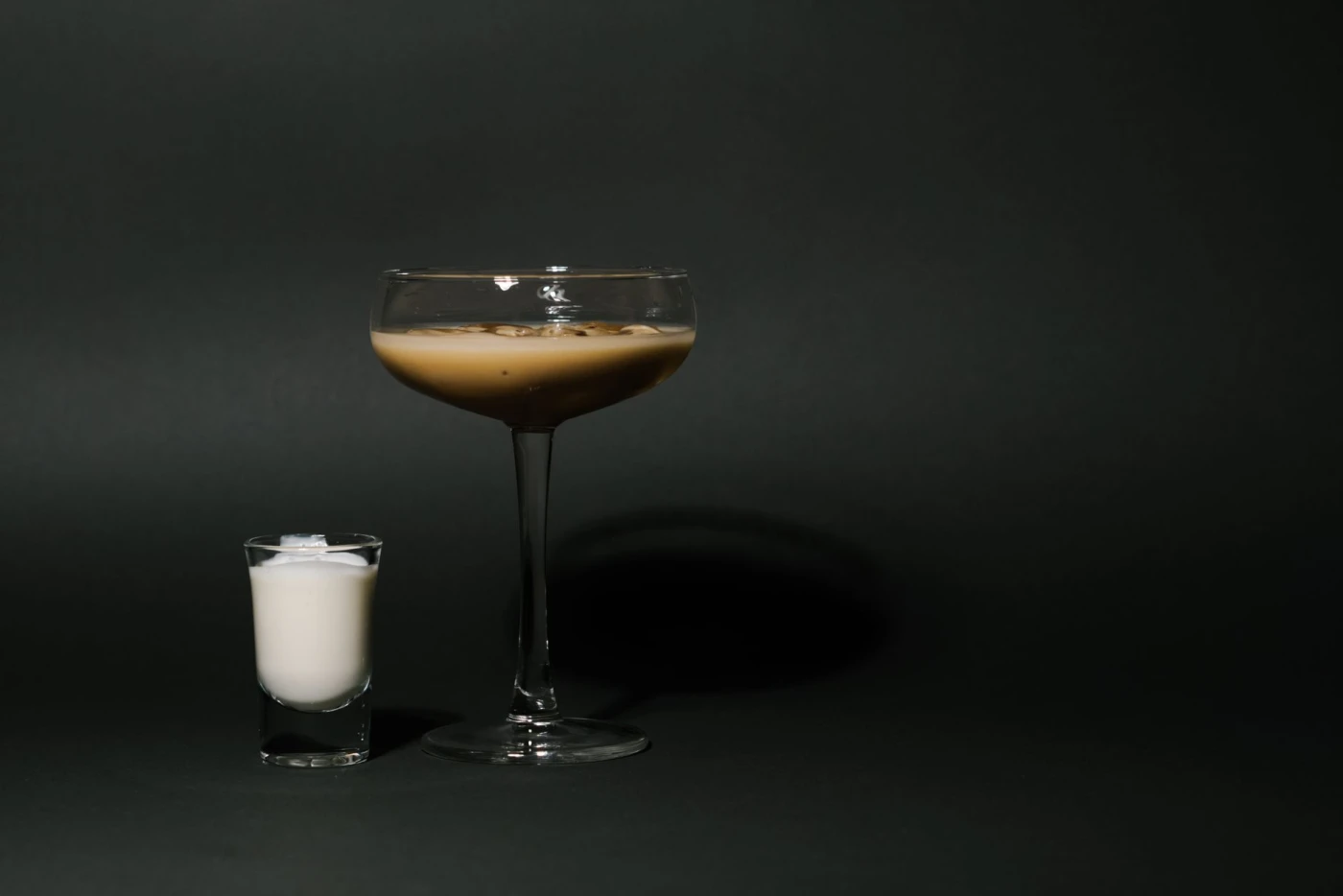
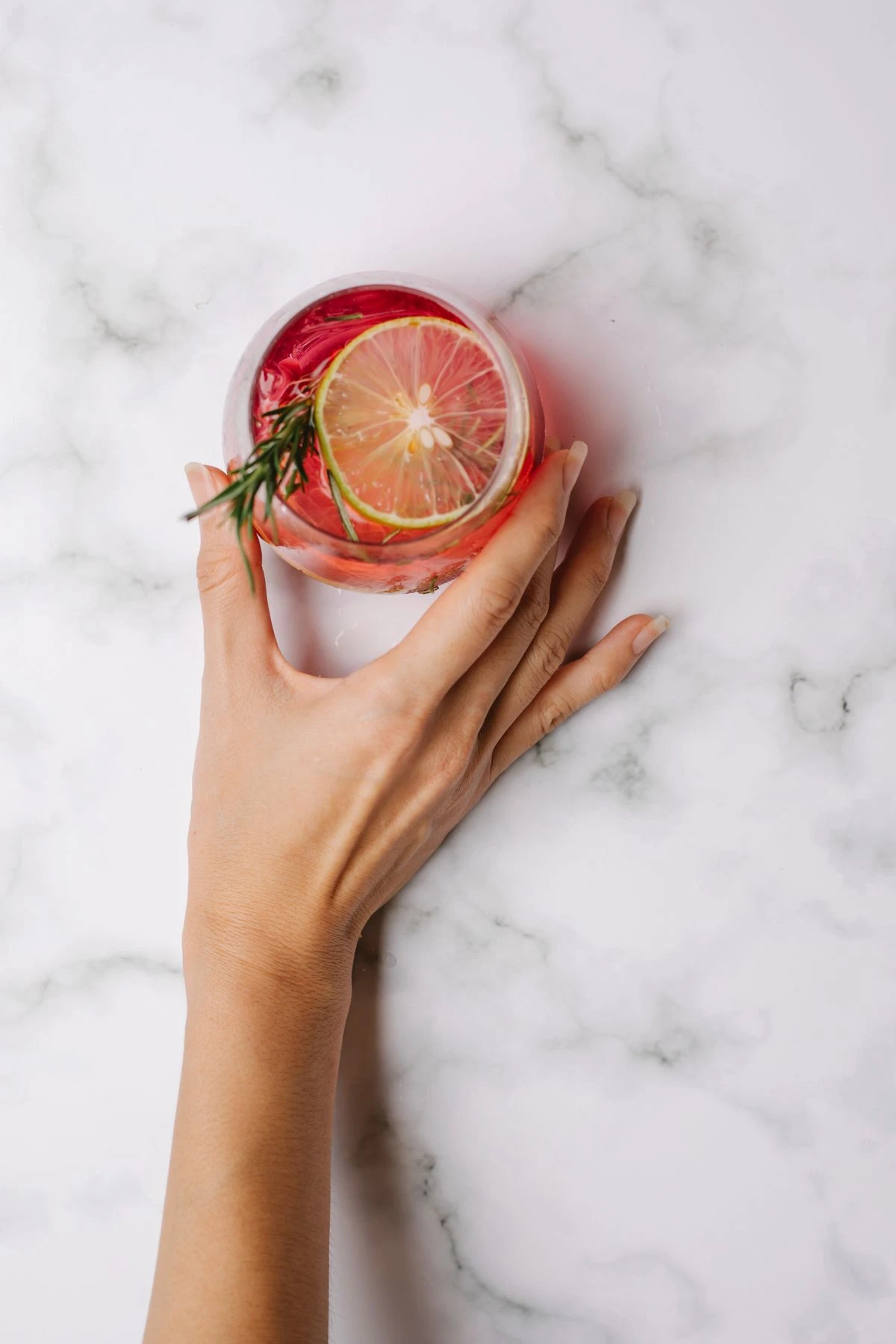
Treat Fernet like salt. It should transform the whole drink without announcing only itself. In my experience, ¼ oz (7.5 ml) suits robust London dry gin, while 1 teaspoon (5 ml) is wiser with softer Plymouth-style gin. Use a jigger marked in quarter ounces or millilitres.
Match the vermouth to the gin. A powerful 47% ABV gin can support rich Carpano Antica. With a gentler 40% ABV bottle, Cocchi Storico or Dolin Rouge keeps the drink from becoming syrupy. Taste your vermouth alone before mixing. If it resembles flat, sour cooking wine, replace it.
Control water deliberately. After testing several ice formats, I prefer large, dense cubes and a full mixing glass. Plenty of ice chills quickly; too little warms and melts rapidly. A properly stirred version usually gains roughly ¾ oz (20–25 ml) of water, although freezer temperature and cube size change that number.
Do not waste the orange. Cut a fresh peel with minimal white pith, then express it from 2–3 inches (5–8 cm) above the glass. You may see a fine mist land on the drink. That fragrant oil makes the first sip seem brighter and less bitter.
Adjust intelligently. Too sweet? Use a drier vermouth or increase gin to 1¾ oz (52.5 ml). Too bitter? Reduce Fernet before adding more vermouth. Too hot? Stir longer rather than burying the recipe under sweetness.
Let's be honest: this is not a casual highball. It rewards slow tasting and precise pouring. If you want a lighter alternative for a long evening, compare the options in our low-alcohol cocktail collection.
Hanky Panky Variations Worth Mixing
A useful variation changes one clear idea while preserving the original's stirred, herbal structure. Make these exactly once before adjusting. Each mini recipe produces one drink and follows the standard 20-second stir-and-strain method.
Rye Hanky Panky
- 1½ oz (45 ml) rye whiskey
- 1½ oz (45 ml) sweet vermouth
- ¼ oz (7.5 ml) Fernet-Branca
Rittenhouse Rye, bottled at 50% ABV, adds pepper and weight. The result lands near a bitter Manhattan and suits cold autumn evenings.
Dry and Citrusy
- 1¾ oz (52.5 ml) London dry gin
- 1¼ oz (37.5 ml) sweet vermouth
- 1 teaspoon (5 ml) Fernet-Branca
This leaner build lets juniper lead. Add a broad orange twist, but avoid juice; acidity would fundamentally alter the texture.
Blackcurrant Hanky Panky
- 1½ oz (45 ml) dry gin
- 1¼ oz (37.5 ml) sweet vermouth
- ¼ oz (7.5 ml) crème de cassis
- 1 teaspoon (5 ml) Fernet-Branca
The fruit softens the bitter finish without erasing it. I'd skip cheap, candy-like cassis and choose a bottle around 15–20% ABV with clear berry acidity.
Lower-Proof Aperitif
- 1 oz (30 ml) dry gin
- 1½ oz (45 ml) sweet vermouth
- ½ oz (15 ml) chilled water
- 1 teaspoon (5 ml) Fernet-Branca
This remains flavourful but reduces the spirit measure. Serve it before dinner, not as a claim of being alcohol-free.
Prefer bright fruit to dark herbs? The cranberry-and-orange Madras cocktail is a completely different but accessible option.
Common Hanky Panky Mistakes to Avoid
Pouring Fernet by eye is the fastest route to an undrinkably medicinal cocktail. The difference between ¼ oz (7.5 ml) and ½ oz (15 ml) looks small in a mixing glass but tastes enormous. Measure it, even when you are confident.
Using stale vermouth is equally damaging. Sweet vermouth is fortified wine, not an immortal spirit. Once opened, refrigerate it tightly sealed and note the date on the bottle. Oxidation gradually mutes its fruit and replaces freshness with dull, sometimes vinegary flavours.
Stirring by the clock alone ignores your ice. A bartender using large commercial cubes and a home mixer using small freezer crescents will not reach the same dilution after 25 seconds. Taste. If the drink burns and its flavours feel separate, stir for another five seconds.
Serving it warm makes sweetness and alcohol more obvious. Pre-chill the glass and pour immediately after straining. Holding the finished drink in a mixing glass while cutting garnish costs valuable coldness.
Choosing an overly delicate gin can leave you tasting only vermouth and fernet. Floral craft gin is not automatically better. For your first Hanky Panky, buy a dependable London dry bottle with prominent juniper and at least 40% ABV.
Adding orange juice is another misunderstanding. The classic uses aromatic oil from the peel, not juice. Expressing the peel gives fragrance without changing acidity, colour or clarity.
Finally, do not assume more bitterness means more sophistication. Balance wins. If a guest dislikes fernet, offer another drink instead of turning the recipe into a test. For easy crowd-friendly inspiration, see these make-ahead picnic drinks.
Food Pairings, Seasons and Serving Occasions
The Hanky Panky's sweet, bitter and botanical profile works best with savoury food. Serve it before dinner with salted almonds, green olives, mature cheddar or Parmesan. Salt softens perceived bitterness, while aged cheese has enough intensity to meet the fernet without disappearing.
For a fuller pairing, try mushroom tart, roast pork, duck pâté or steak crostini. Earthy mushrooms echo the drink's roots-and-herbs character. Rich meat benefits from its bitter finish, which refreshes your palate between bites. Smoked salmon can also work when served with rye bread and only a modest amount of lemon.
I'd avoid pairing it with delicate white fish or highly sweet desserts. The cocktail may overwhelm the fish, while sugary cake can make Fernet-Branca seem harsher. Dark chocolate around 70% cocoa is the better dessert companion; keep the portion small and add orange zest.
This drink feels especially appropriate from late September through winter. Picture a Bonfire Night gathering in the UK, a Thanksgiving aperitif in the US or a quiet New Year's Eve round before dinner. Its amber-brown colour and warming spice look at home in low light. In summer, serve smaller portions in deeply chilled Nick and Nora glasses with a lighter vermouth.
For parties, batch the liquid and add ½ oz (15 ml) chilled water per serving. Keep it refrigerated below 40°F (4°C), then pour 3¾ oz (112.5 ml) per glass and garnish to order.
The drink is potent, so offer water and food alongside it. Practice responsible drinking and consult evidence-based guidance from the US National Institute on Alcohol Abuse and Alcoholism or Drinkaware in the UK.
Hanky Panky Quick Reference Cheat Sheet
Use this table when you want the recipe without rereading the full technique. The standard build makes one cocktail. Because bottle strength varies between US and UK releases, expect the finished drink to land around 23–25% ABV after normal dilution when made with 40% ABV gin.
| Element | US measure | UK/metric measure | Practical note |
|---|---|---|---|
| London dry gin | 1½ oz | 45 ml | Choose a juniper-led gin at 40% ABV or above |
| Sweet vermouth | 1½ oz | 45 ml | Use a fresh, refrigerated bottle |
| Fernet-Branca | ¼ oz | 7.5 ml | Reduce to 1 teaspoon/5 ml for gentler bitterness |
| Approximate dilution | ¾ oz | 20–25 ml | Produced during stirring; do not add separately |
| Stirring time | 20–25 seconds | 20–25 seconds | Adjust for cube size and ice temperature |
| Serving glass | 4–6 oz coupe | 120–180 ml coupe | Chill before mixing |
| Garnish | One orange peel | One orange peel | Express the oils over the surface |
Your fastest quality check is simple. The drink should arrive extremely cold, clear and silky. Gin leads the aroma, vermouth rounds the middle, and fernet dries the finish. If one element shouts over everything else, revisit the measurement before blaming the brand.
A 750 ml bottle of gin and the same quantity of vermouth can theoretically supply about 16 standard builds, although the smaller vermouth bottle may be more sensible for freshness. Fernet lasts much longer because each serving uses only 7.5 ml.
Record your preferred gin, vermouth and stirring time. That tiny note makes your next Hanky Panky more repeatable and turns instinct into a reliable house recipe.
The Hanky Panky cocktail proves that a three-bottle recipe can still reward close attention. Start with the classic, measure carefully, then adjust bitterness only after tasting the properly diluted drink. To round out your setup before the next gathering, download the free home bar starter checklist and keep your essential tools and bottles organised.
Ask AI about this article
Pick a prompt, copy it, or open ChatGPT with this article preloaded.
Frequently Asked Questions
What is a Hanky Panky cocktail?
A Hanky Panky is a stirred, spirit-forward cocktail combining dry gin, sweet vermouth and a small amount of Fernet-Branca. It resembles a sweet Martini or Martinez, but Fernet adds a distinctly bitter, herbal finish. The drink is usually served without ice in a chilled coupe or Nick and Nora glass, then garnished with.
How do you make a Hanky Panky?
Combine 1½ oz (45 ml) dry gin, 1½ oz (45 ml) sweet vermouth and ¼ oz (7.5 ml) Fernet-Branca in an ice-filled mixing glass. Stir for roughly 20 to 25 seconds, then strain into a chilled cocktail glass. Express an orange peel over the surface and use it as the garnish. Taste before serving to confirm the dilution.
What is the best gin for a Hanky Panky?
A juniper-led London dry gin is the most dependable choice. Beefeater, Tanqueray and Sipsmith have enough citrus, spice and structure to remain clear beside sweet vermouth and Fernet-Branca. Plymouth Gin creates a softer, earthier drink. Highly floral or cucumber-heavy gins can work, but their delicate flavours may cla.
Should a Hanky Panky be shaken or stirred?
Stir it. Every ingredient is alcoholic and clear, so stirring chills and dilutes the drink while preserving a smooth, glossy texture. Shaking introduces tiny air bubbles and may make the cocktail cloudy. Use plenty of hard, cold ice and stir for approximately 20 to 25 seconds. If your cubes are small or already wet, be.
How strong is a Hanky Panky cocktail?
The exact strength depends on the gin, vermouth, Fernet measure and dilution. With 40% ABV gin, 16% ABV vermouth and 39% ABV Fernet-Branca, the undiluted mixture is around 29% ABV. Normal stirring can lower the served drink to roughly 23–25% ABV. It remains a strong, compact cocktail and is best enjoyed slowly.
What does a Hanky Panky taste like?
Expect juniper and citrus first, followed by the vermouth's wine-like sweetness and spice. Fernet-Branca then brings bitter herbs, mint, roots and a dry medicinal edge. A good version is not aggressively bitter; it feels balanced, aromatic and warming. Orange oil softens the nose and helps connect the gin's citrus note.
Comments 0
Login to Post comments