John Collins: The Gin Highball Worth Mastering
The John Collins pairs gin, fresh lemon, sugar and soda in one remarkably refreshing highball. Learn the balanced recipe, smart variations and reliable bartender techniques.
The John Collins is what happens when a bright gin sour stretches out, cools down and acquires a lively crown of bubbles. Gin, fresh lemon, sugar and soda sound almost too simple, yet their balance creates a highball that feels equally right at a July barbecue, a London garden party or beside a fire before Sunday lunch.
Here’s the thing: simplicity exposes every shortcut. Flat soda, tired citrus or watery ice can turn this classic into sweet lemonade. Get four details right, however, and the drink becomes crisp, aromatic and remarkably polished. If you are building your repertoire, it belongs beside these classic cocktails every home bartender should know. This guide gives you exact US and UK measurements, practical gin choices and a repeatable method.
What Is a John Collins? History in the Glass
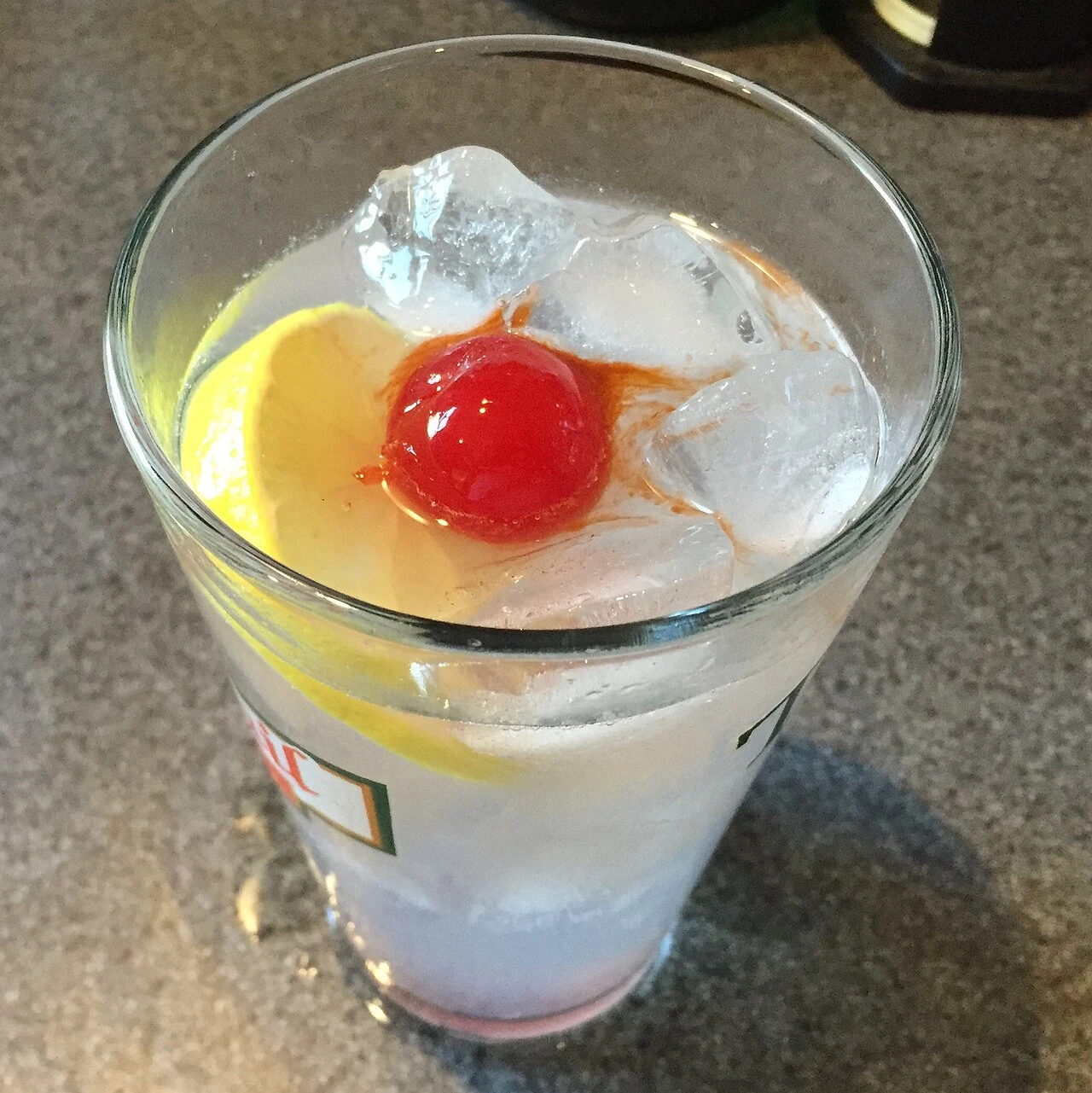
A John Collins is a long gin cocktail made from spirit, lemon juice, sweetener and carbonated water. Think of it as a gin sour lengthened with soda: tart enough to wake your palate, lightly sweet, botanical and highly refreshing. It is normally served over ice in a narrow Collins glass, although a highball works perfectly.
The drink belongs to the broader Collins family, a flexible template rather than one rigid formula. Change the base spirit and you can make a Whiskey Collins, Vodka Collins or Rum Collins. That clear structure is why the John Collins remains approachable for beginners while still rewarding precise technique.
Its history is less tidy. Published nineteenth-century references connect the name with a London waiter called John Collins, while later recipes and popular culture helped establish the Tom Collins name. Some modern bartenders distinguish them by using London dry gin for a John and sweeter Old Tom gin for a Tom Collins. Others treat the two names as interchangeable. Historical recipes, naming conventions and gin styles changed over time, so claims of one universally correct distinction deserve caution.
What matters in your glass? The intended gin. London dry creates a lean, juniper-forward highball; Old Tom produces a rounder, gently sweeter one. Genever changes the profile further with malty weight. For a dependable modern John Collins, I use London dry.
The formula also shows why classics endure. Like the approachable drinks in our guide to whiskey cocktails for beginners, it relies on balance rather than obscure equipment. You can understand every ingredient, taste each adjustment and improve the next glass immediately.
John Collins Ingredients You Actually Need
You need only four liquid ingredients, but each has a job. This specification makes one balanced John Collins in a 10–12 oz (300–350 ml) glass:
- London dry gin: 2 oz (60 ml), ideally 40–47% ABV
- Fresh lemon juice: 3/4 oz (22.5 ml)
- 1:1 simple syrup: 1/2 oz (15 ml)
- Chilled soda water: 3 oz (90 ml), plus a little more if desired
- Ice: enough solid cubes to fill the glass
- Garnish: 1 lemon wheel and 1 cocktail cherry, optional
For gin, Beefeater 40% ABV in the UK and 44% in its common US bottling is a dependable option, usually positioned around £20–£25 or $25–$32 per 750 ml, although local prices vary. Tanqueray at 43.1% ABV in the UK and commonly 47.3% in the US makes a drier, more assertive drink. Plymouth, typically 41.2% ABV, is softer. This is easily one of the best cocktails for testing how those profiles behave with citrus.
Use a lemon that feels heavy and has smooth, bright skin. One medium fruit generally supplies enough juice for two or three drinks, but yield varies. Bottled juice has cooked, muted flavours; I’d skip it here.
Simple syrup is equal parts white sugar and water by volume. Stir until clear, refrigerate in a clean sealed bottle and use within about two weeks. Plain, highly carbonated soda is best. Fever-Tree Premium Soda or Schweppes works, but an inexpensive freshly opened supermarket bottle can be just as effective.
If speed matters more than ceremony, compare the streamlined approach in quick vodka cocktails. The same lesson applies: fresh ingredients and measured pours beat unnecessary complexity.
How to Make a John Collins Step by Step
Chill your ingredients first. Soda at 38–40°F (3–4°C) holds carbonation better than a warm bottle and melts less ice. Then follow this method:
- Prepare the glass. Put a 10–12 oz (300–350 ml) Collins or highball glass in the freezer for 10 minutes. No freezer space? Fill it with ice water while you mix.
- Measure the base. Add 2 oz (60 ml) gin, 3/4 oz (22.5 ml) fresh lemon juice and 1/2 oz (15 ml) simple syrup to a shaker.
- Shake briefly. Add ice and shake hard for 8–10 seconds. You want chill and integration, not excessive dilution.
- Refresh the ice. Empty the chilled serving glass and fill it completely with firm cubes. Fresh ice keeps the presentation clear and gives you more control.
- Strain. Pour the shaken mixture over the ice. Fine-straining is optional; a standard Hawthorne strainer retains most lemon pulp and ice fragments.
- Add soda. Tilt the glass slightly and pour in 3 oz (90 ml) chilled soda water. Give the drink one gentle lift with a bar spoon. Aggressive stirring wastes bubbles.
- Garnish and serve. Add a thin lemon wheel and, if you like, a quality cherry. Serve immediately with a reusable straw or no straw.
After testing shaken and built versions side by side, I prefer this short shake. It fully combines the syrup and lemon while keeping the finished drink bright rather than frothy. A built version is still useful when making several rounds: stir gin, lemon and syrup with ice for about 10 seconds, then add soda.
Making drinks outdoors? Pre-batch only the still ingredients and use the packing ideas in our portable picnic drinks guide. Carbonation always waits until the pour.
John Collins Pro Tips from Behind the Home Bar
In my experience, the best improvement is also the least glamorous: fill the glass properly with ice. A few floating cubes melt quickly and dilute the drink; a tightly packed glass stays colder because the ice mass changes temperature more slowly. Use fresh, hard cubes without freezer odours.
Next, taste your lemon-and-syrup mixture before shaking. Lemons vary dramatically. If it makes your jaw tighten, add 1 teaspoon (5 ml) more syrup. If it tastes like cordial, add 1 teaspoon (5 ml) lemon. Those tiny corrections are more valuable than loyalty to a mathematically perfect ratio.
After testing several gins, I find bold London dry bottlings most dependable. Tanqueray gives the John Collins a piney spine; Beefeater brings orange and restrained juniper; Bombay Sapphire, generally 40% ABV in the UK and 47% in the US, is more floral. Hendrick’s can work, but cucumber and rose push the drink away from its classic profile. I’d skip expensive, whisper-delicate craft gin unless you already know it survives soda.
Control the bubbles. Open a small bottle immediately before service, pour down the inside of the glass and stir once from the bottom. Soda guns and nearly empty litre bottles often produce a flat finish. A chilled 150–200 ml can is ideal for one or two drinks.
Garnish should contribute aroma, not clutter. Cut a lemon wheel about 1/8 inch (3 mm) thick and place it against the inside wall. Expressing a narrow strip of peel over the surface gives a stronger citrus perfume. The cherry is traditional but optional.
Finally, measure. Free-pouring an extra half-ounce of gin changes both strength and acid balance. Precision is especially useful when comparing the Collins with lower-alcohol cocktail recipes; flavour and alcohol intensity are separate decisions.
Four John Collins Variations Worth Pouring
The Collins format invites experimentation because its structure is visible: spirit, sour, sweet and sparkling. Keep the overall proportions close to the original and change one major element at a time.
Tom Collins
- 2 oz (60 ml) Old Tom gin
- 3/4 oz (22.5 ml) lemon juice
- 1/4–1/2 oz (7.5–15 ml) simple syrup
- 3 oz (90 ml) soda water
Old Tom gin is usually sweeter and rounder than London dry, so begin with less syrup. Hayman’s Old Tom, at 41.4% ABV, supplies a rich citrus-and-juniper character.
Vodka Collins
- 2 oz (60 ml) 40% ABV vodka
- 3/4 oz (22.5 ml) lemon juice
- 1/2 oz (15 ml) simple syrup
- 3 oz (90 ml) soda water
Tito’s, Absolut or Ketel One makes a clean variation where lemon leads. If you enjoy fruit-forward vodka serves, the Madras cocktail offers a cranberry-and-orange alternative.
Whiskey Collins
- 2 oz (60 ml) bourbon
- 3/4 oz (22.5 ml) lemon juice
- 1/2 oz (15 ml) simple syrup
- 3 oz (90 ml) soda water
Buffalo Trace at 45% ABV adds vanilla and oak, while Wild Turkey 101 makes a more forceful drink. Add another 1/4 oz (7.5 ml) syrup if your bourbon tastes particularly dry.
Elderflower Collins
- 1 1/2 oz (45 ml) London dry gin
- 1/2 oz (15 ml) elderflower liqueur
- 3/4 oz (22.5 ml) lemon juice
- 3 oz (90 ml) soda water
Skip plain syrup because the liqueur supplies sweetness. At roughly $35–$40 or £25–£30, St-Germain is the familiar choice. Serve this floral version at spring lunches, weddings or an early-summer aperitif.
Common John Collins Mistakes and Simple Fixes
Using flat or warm soda: Carbonation is part of the cocktail’s texture, not decorative fizz. Chill the bottle to 38–40°F (3–4°C), open it at the last moment and replace anything that has been sitting half-full since last weekend.
Letting sweetness take over: A John Collins should finish clean, not sticky. Start with 1/2 oz (15 ml) of 1:1 syrup. Rich 2:1 syrup contains more sugar, so a direct measure-for-measure substitution makes the drink sweeter. Use about 1/3–1/2 oz (10–15 ml), then taste.
Substituting bottled lemon casually: Shelf-stable juice can taste dull or harsh after processing. Fresh lemon gives brighter acidity and aromatic oils. Squeeze shortly before mixing and strain out seeds; storing juice overnight is possible, but the flavour gradually loses sparkle.
Over-shaking: This is not a Ramos Gin Fizz. Eight to 10 seconds with cold ice is enough. A long shake creates needless dilution before soda extends the drink again.
Shaking the soda: Let’s be honest, nobody wants to clean a carbonated explosion from the ceiling. Soda goes into the serving glass after shaking. Fold it in with one slow bottom-to-top movement.
Using too little ice: Sparse ice melts faster, causing a warm, watery finish. Fill the glass to the rim with solid cubes and pour around them. Crushed ice is attractive but dilutes more quickly and changes the classic texture.
Buying gin by prestige alone: A $55 botanical gin is not automatically better here than a $25 London dry. The best gin has enough juniper, citrus and proof to remain audible after dilution. This practical approach also explains why many enduring drinks in our look at 1990s cocktails succeed or fail according to balance, not bottle status.
Food Pairings, Seasons and Serving Occasions
A John Collins shines before food. Lemon and carbonation refresh your palate, while gin’s botanicals complement herbs, salt and lighter proteins. Serve it with smoked salmon blinis, prawn cocktail, goat’s cheese crostini or a bowl of salted Marcona almonds. At a US cookout, it cuts through grilled chicken, hot dogs and buttery corn without overwhelming them.
For a British summer lunch, pair the drink with cucumber sandwiches, chicken salad or fish and chips. The citrus echoes a squeeze of lemon over fried fish, and the bubbles reset your palate after each crisp bite. Avoid intensely sweet desserts; the cocktail may suddenly seem sharp. Lemon shortbread or a lightly sweet berry pavlova is a better fit than dense chocolate cake.
Season matters, but not as much as you might think. The John Collins is an obvious warm-weather drink for Memorial Day, the Fourth of July, bank-holiday weekends and garden parties. In autumn, garnish it with a broad lemon peel and serve beside roast chicken. At Christmas, a rosemary sprig adds a piney aroma, although it should not replace the lemon garnish entirely.
For gatherings, pre-batch gin, lemon and syrup no more than several hours ahead and refrigerate below 40°F (4°C). A four-drink batch uses 8 oz (240 ml) gin, 3 oz (90 ml) lemon juice and 2 oz (60 ml) syrup. Pour equal portions over ice, then top every glass with 3 oz (90 ml) fresh soda. Do not carbonate the whole jug early.
Offer water and alcohol-free choices alongside it. For responsible drinking, remember that one recipe made with 2 oz (60 ml) of 40% gin contains roughly 1.35 US standard drinks or 2.4 UK units; guidance is available from the NIAAA and Drinkaware.
How to Adjust a John Collins to Your Taste
A reliable recipe is a starting point rather than a commandment. The ideal John Collins depends on the acidity of your lemon, the sweetness of your syrup, the strength of your gin and the amount of dilution supplied by the ice. Learning to adjust those variables is what turns a merely correct drink into one that tastes deliberately balanced.
Begin by tasting the shaken mixture before adding soda. It should seem slightly more concentrated than you want the finished cocktail because carbonation, melting ice and extra water will soften every flavour. If the mixture is aggressively sour, add simple syrup in 1 teaspoon (5 ml) increments. If it feels heavy or candied, add a teaspoon of lemon juice. Make one adjustment at a time, stir and taste again.
Soda controls both intensity and texture. Use about 2 oz (60 ml) when you want a compact, gin-forward drink with sharper citrus. The standard 3 oz (90 ml) produces an approachable balance, while 4 oz (120 ml) creates a lighter highball suited to slow afternoon drinking. Adding more soda reduces flavour concentration and estimated ABV, but it cannot repair an unbalanced sour base.
Your choice of gin may require a small correction. A high-proof, juniper-heavy London dry can support the full measure of lemon and may welcome an extra splash of soda. A softer 40% ABV gin can disappear if the drink is over-diluted, so keep the soda closer to 2–3 oz (60–90 ml). Sweeter Old Tom gin generally needs less syrup, while citrus-led modern gin may taste brighter with a restrained lemon measure.
Ice also changes the result after serving. Small or wet cubes dilute rapidly, whereas large, cold cubes preserve the drink’s structure longer. If your first few sips taste excellent but the final third seems watery, use colder ingredients, harder ice or a slightly smaller serving glass next time. Record the proportions you prefer; a brief note about the gin, lemon and soda makes the next John Collins easier to reproduce.
John Collins Quick Reference Cheat Sheet
Need the whole John Collins at a glance? This table uses one consistent recipe, with practical equivalents rather than awkwardly precise conversions.
| Element | US measure | UK/metric measure | Purpose |
|---|---|---|---|
| London dry gin | 2 oz | 60 ml | Botanical base |
| Fresh lemon juice | 3/4 oz | 22.5 ml | Acidity |
| 1:1 simple syrup | 1/2 oz | 15 ml | Balance |
| Chilled soda water | 3 oz | 90 ml | Length and fizz |
| Serving glass | 10–12 oz | 300–350 ml | Room for ice |
| Estimated finished strength | About 11–14% ABV | About 11–14% ABV | Varies with dilution |
Fast method: Shake gin, lemon and syrup with ice for 8–10 seconds. Strain over fresh ice, add cold soda, stir once and garnish with lemon. If the citrus is unusually tart, correct the mixture with 1 teaspoon (5 ml) additional syrup rather than masking it with excessive soda.
In my experience, this 4:1.5:1 proportion of gin, lemon and syrup is the most reliable starting point. Your palate still gets the final vote. Use a little more soda for a lighter garden-party serve, or stop at 2 oz (60 ml) when you want firmer flavour. For US readers comparing bottle statements, the Alcohol and Tobacco Tax and Trade Bureau is the appropriate authority for federal alcohol labeling and standards information.
The John Collins earns its classic status by doing a lot with very little: sharp citrus, measured sweetness, assertive gin and properly lively soda. Master that balance and you have a template for an entire family of highballs. Before your next round, download the free home bar starter checklist, chill the glass and make your John Collins while the soda is still snapping cold.
Ask AI about this article
Pick a prompt, copy it, or open ChatGPT with this article preloaded.
Frequently Asked Questions
What is a John Collins cocktail?
A John Collins is a tall, sparkling cocktail containing gin, fresh lemon juice, sugar or simple syrup, soda water and ice. It belongs to the Collins family of spirit, citrus, sweetener and carbonated-water drinks. The result is brisk, lightly sweet and more structured than ordinary gin and soda, yet considerably longer.
What is the difference between a John Collins and Tom Collins?
Today, the names often describe nearly identical gin, lemon, sugar and soda cocktails. Many bartenders associate a Tom Collins specifically with Old Tom gin, a historically sweeter style, while John Collins may be made with London dry gin. Usage has varied across eras and bars, so the gin named in a menu or recipe matt.
What is the best gin for a John Collins?
A 40–47% ABV London dry gin is the safest choice because its juniper and citrus remain distinct after lemon, syrup, ice and soda are added. Beefeater offers excellent value, while Tanqueray produces a firmer, juniper-led drink. Plymouth is rounder and softer. Avoid paying heavily for a delicate gin whose quieter botani.
Should a John Collins be shaken or built in the glass?
Both methods work, but briefly shaking the gin, lemon and syrup gives the most reliable integration and chill. Strain that mixture over fresh ice, then add soda and stir gently. Building everything in the serving glass is quicker and creates less washing up, although you must stir carefully to dissolve and distribute t.
How strong is a John Collins?
With 2 oz (60 ml) of 40% ABV gin, 3 oz (90 ml) soda and normal dilution, a John Collins generally lands around 11–14% ABV. That is comparable to many wines, but the full glass contains roughly 1.35 US standard drinks or 2.4 UK units before accounting for any unfinished portion. Exact strength changes with the pour and.
Comments 0
Login to Post comments