
The Last Word Cocktail: Why Equal Parts Work
The Last Word is a sharp, herbal classic made with equal parts gin, Green Chartreuse, maraschino liqueur, and fresh lime. Learn the exact recipe, best bottles, variations, and fixes.
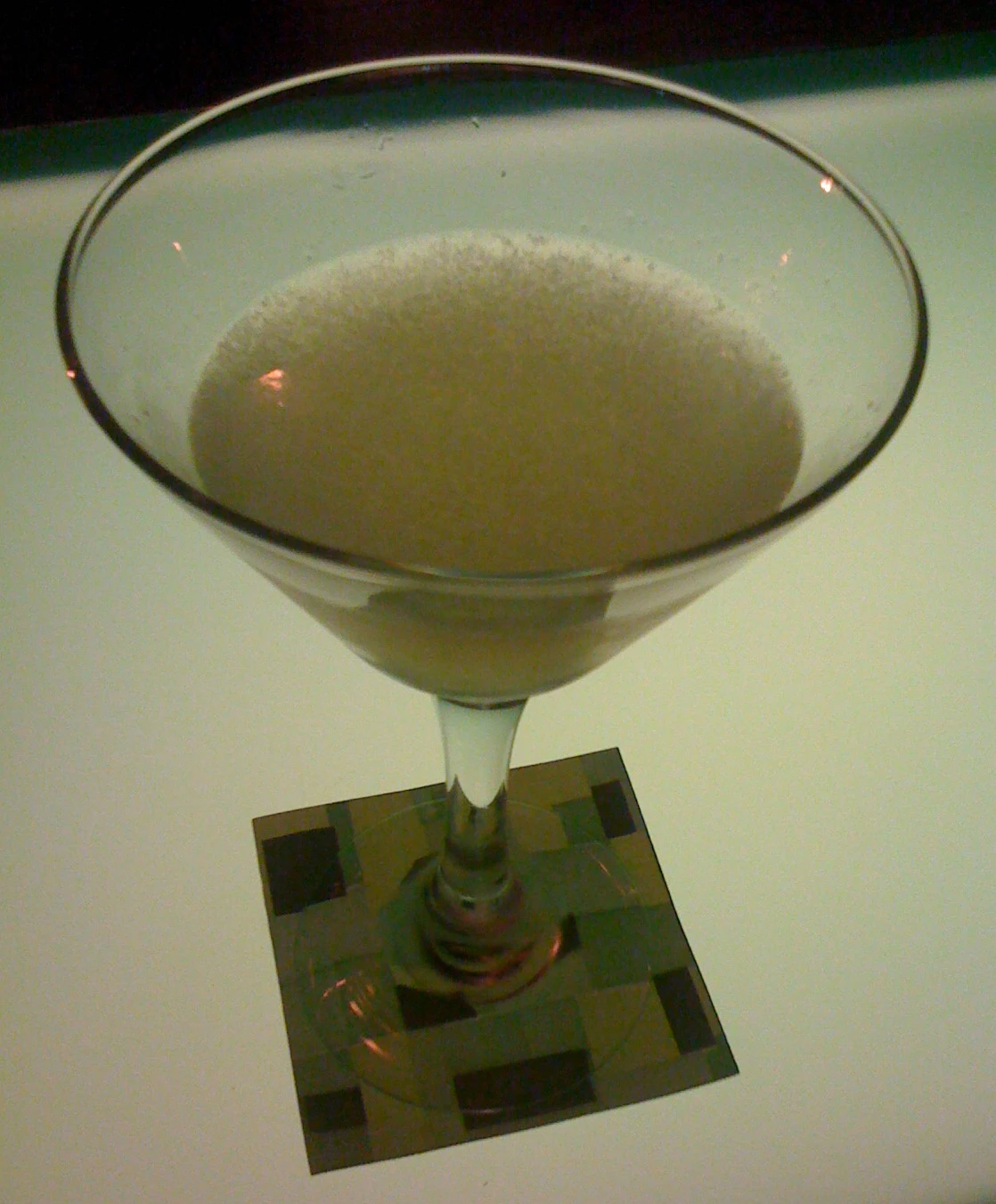
The Last Word cocktail makes an unforgettable first impression: pale green, fiercely aromatic, tart, sweet, and herbal at once. Better still, its recipe is almost impossible to forget. You combine equal parts gin, Green Chartreuse, maraschino liqueur, and fresh lime juice.
Simple? Yes. Forgiving? Not quite. Four assertive ingredients occupy a small glass, so measuring, ice quality, and bottle choice matter more than you might expect. Get those details right and the result tastes improbably seamless rather than merely strong.
This is easily one of the best drinks for learning how balance actually works. If you are building your repertoire, place it beside these classic cocktails every home bartender should know. Below, you will find the history, exact US and UK measures, my tested method, useful variations, and fixes for the mistakes that flatten this Detroit-born classic.
What Is the Last Word Cocktail, and Where Did It Begin?
The Last Word is an equal-parts, shaken gin cocktail. Green Chartreuse supplies concentrated herbs and peppery warmth; maraschino contributes dry cherry, almond, and subtle funk; lime brings acidity; gin creates the botanical frame. The finished drink is usually served straight up in a small chilled coupe or Nick & Nora glass.
Its origin story deserves careful wording. Evidence associates the drink with the Detroit Athletic Club by 1916, but the identity of its original bartender is not firmly established. Ted Saucier printed the recipe in his 1951 book Bottoms Up!, crediting the club and connecting its introduction in New York with vaudeville performer Frank Fogarty. That supports the association, not every colourful retelling of who personally invented it.
Then the trail went quiet. The recipe spent decades outside the mainstream before Seattle bartender Murray Stenson encountered it in Saucier's book and served it at the Zig Zag Café during the early-2000s cocktail revival. Bartenders embraced its memorable equal-parts structure, unusual flavour, and ability to demonstrate serious technique in four ingredients.
Here's the thing: “equal parts” does not mean neutral. Green Chartreuse is commonly bottled at 55% ABV or 110 proof, while Luxardo Maraschino Originale is 32% ABV or 64 proof. With a 40% ABV gin, the drink carries considerable strength beneath its vivid lime.
Its disappearance and return also explain why it feels both antique and modern. If drinks rescued from another era interest you, our look at where 1990s drinks are now explores a very different cycle of cocktail nostalgia. The lasting lesson is the same: fashions change, but a sound flavour structure can survive them.
Last Word Cocktail Ingredients You Need
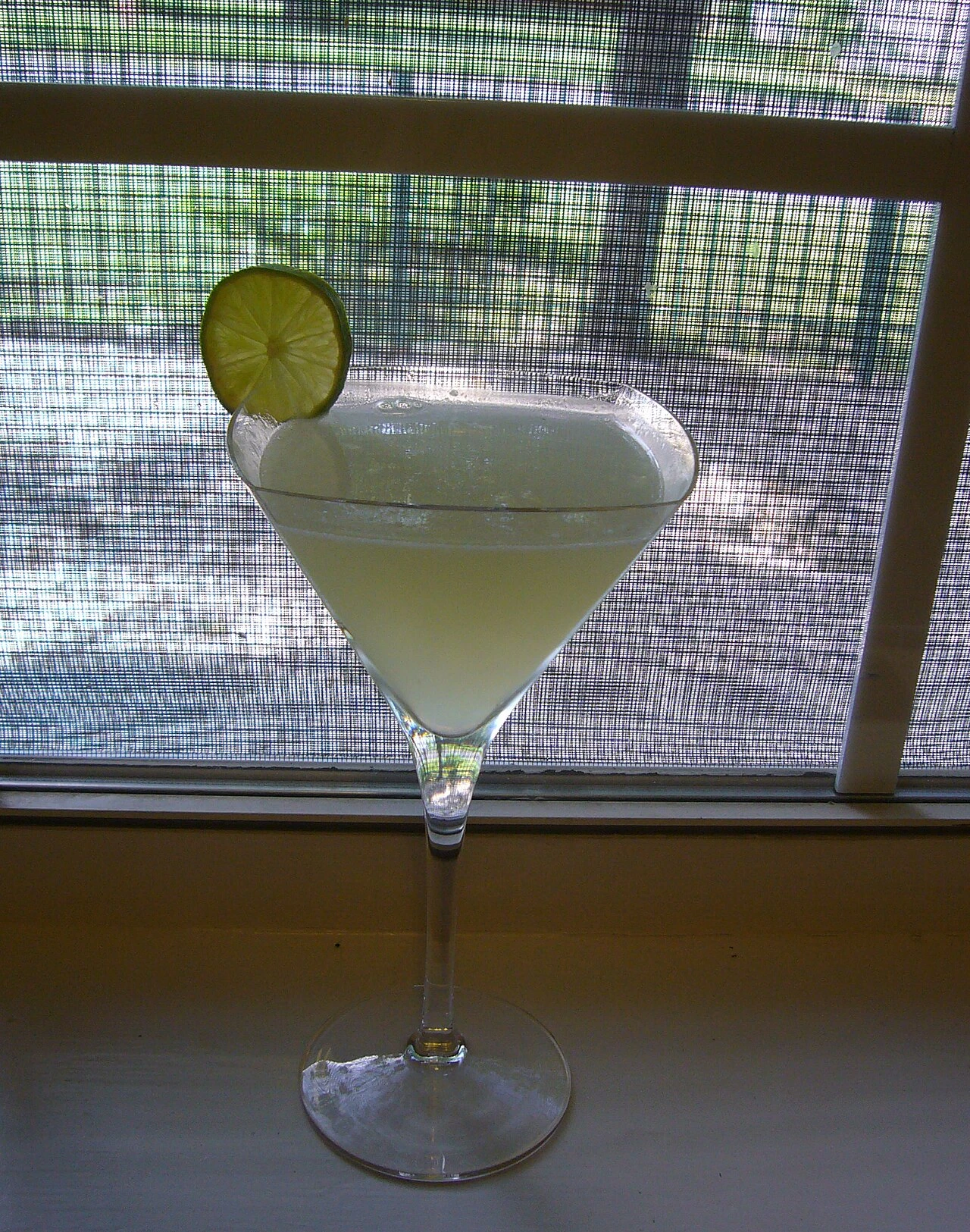
The standard Last Word recipe makes one compact drink. Use a jigger with both ounce and millilitre markings; guessing four equal pours is a quick route to an oddly sweet or medicinal glass.
- 3/4 oz (22.5 ml) London dry gin — Beefeater at 40–44% ABV, Tanqueray at 43.1–47.3%, or Ford's at 45% are dependable choices.
- 3/4 oz (22.5 ml) Green Chartreuse — the classic 55% ABV herbal liqueur.
- 3/4 oz (22.5 ml) maraschino liqueur — Luxardo Maraschino Originale at 32% ABV is the benchmark.
- 3/4 oz (22.5 ml) fresh lime juice — usually about half a juicy Persian lime.
- Optional garnish: one quality cocktail cherry or a thin lime twist.
What is the best gin for a Last Word? In my experience, a dry gin with clear juniper and citrus performs better than a delicate floral expression. Tanqueray makes the drink angular and bold. Beefeater is slightly rounder, while Plymouth Gin at 41.2% ABV gives a softer, earthier result. I'd skip strongly sweetened pink gin here.
For rough budgeting, expect a 750 ml US bottle of suitable gin to cost around $25–$35, Luxardo Maraschino around $35–$45, and Green Chartreuse—when available—often $65–$90. In Britain, comparable working ranges are about £20–£30, £28–£38, and £45–£60. Prices vary sharply by retailer, tax, bottle size, and supply, so treat these as planning ranges rather than fixed quotes.
Read the bottle, not just the shelf label. The US Alcohol and Tobacco Tax and Trade Bureau explains federal alcohol labelling and standards. Also, do not confuse maraschino liqueur with red cherry syrup. Need something gentler for another night? Browse these low-alcohol cocktail recipes.
How to Make the Last Word Cocktail Step by Step
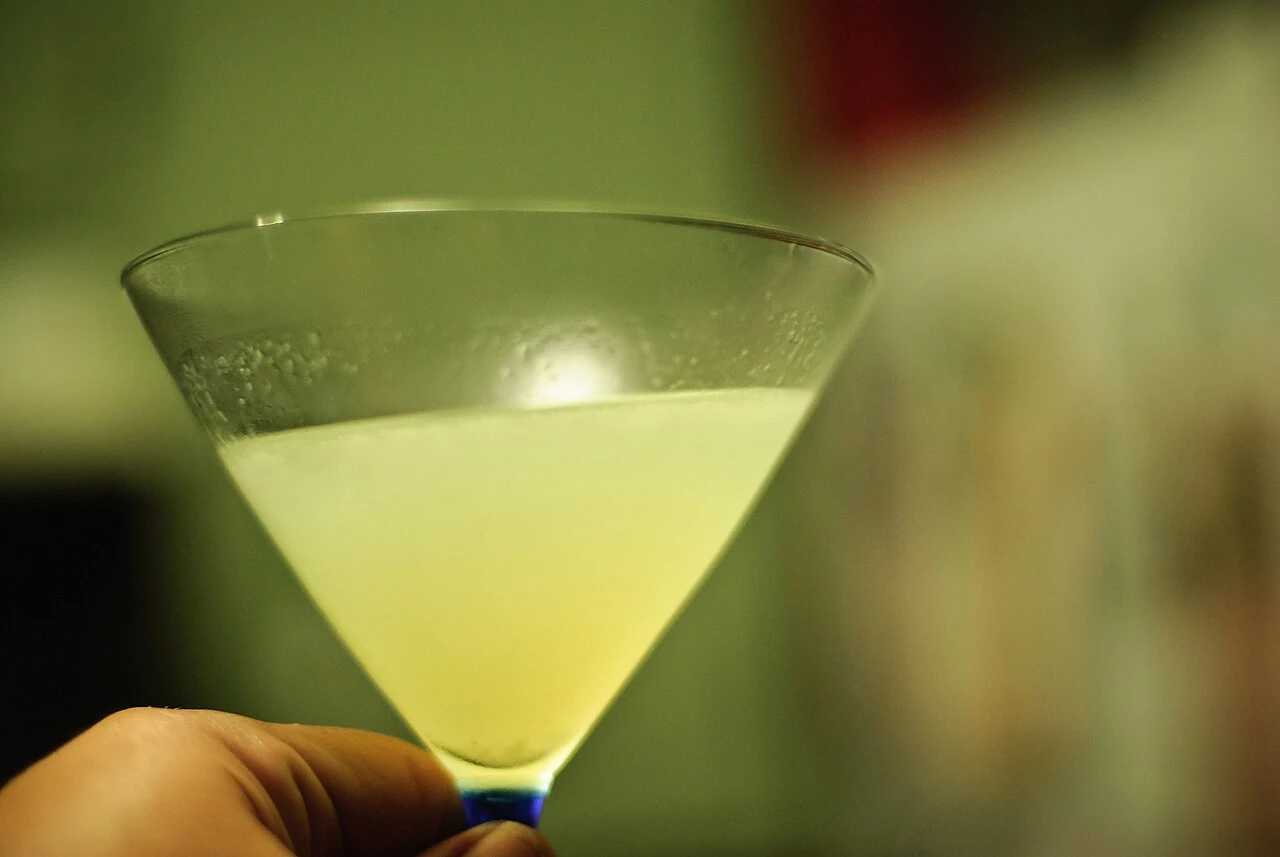
Cold glass. Fresh lime. Accurate pours. Those three preparations do much of the work before your shaker moves.
- Chill the glass. Put a 4–6 oz (120–180 ml) coupe or Nick & Nora glass in the freezer for at least 10 minutes. Alternatively, fill it with ice and water while you mix.
- Juice the lime. Squeeze it immediately before use, then fine-strain out seeds and coarse pulp. Measure exactly 3/4 oz (22.5 ml).
- Build the drink. Add 3/4 oz (22.5 ml) each of gin, Green Chartreuse, maraschino liqueur, and lime juice to a cocktail shaker.
- Add plenty of ice. Use solid cubes straight from a freezer near 0°F (-18°C). Fill roughly two-thirds of the shaker rather than tossing in three melting cubes.
- Shake hard. Seal the shaker and shake for 12–15 seconds. The metal should become painfully cold and lightly frosted.
- Double-strain. Pour through the shaker's strainer and a fine tea strainer into your chilled glass. This catches lime pulp and small ice shards.
- Garnish sparingly. Add one cherry or express a thin lime twist over the surface. Serve immediately, ideally around 38–42°F (3–6°C).
After testing shorter and longer shakes, I find 12–15 seconds produces the best meeting point between chill, aeration, and roughly 20–25% dilution with ordinary home-freezer ice. Your ice and shaker are variables, so use temperature and texture—not only a timer—as evidence.
Why shake instead of stir? Lime juice contains suspended solids and needs forceful mixing. Shaking chills, dilutes, and aerates it, giving the Last Word a lively texture. Stirring leaves the drink denser and less integrated.
If speed matters, pre-chill the spirits, glass, and shaker, but never pre-squeeze lime for days. For simpler weeknight options, these five-minute vodka cocktails use the same habits of measuring and serving cold.
Pro Tips for Better Balance, Texture, and Garnish
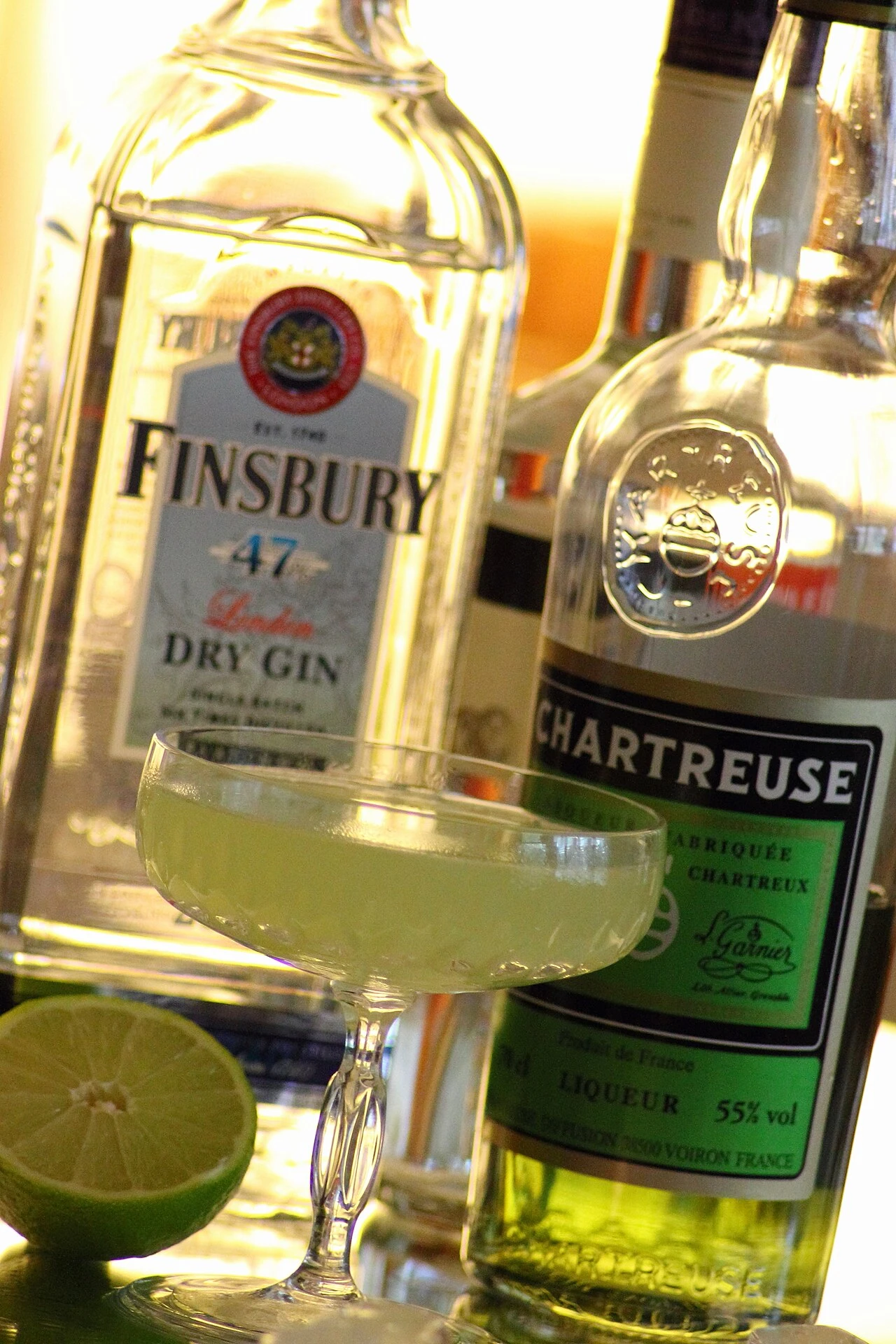
Measure to the line. A Last Word contains only 3 oz (90 ml) before dilution, so a casual extra 1/4 oz (7.5 ml) represents a major shift. I use a narrow Japanese-style jigger because its markings are easier to read than those inside a broad shot measure.
In my experience, lime is the biggest moving target. A hard, underripe winter lime can be aggressively acidic; a soft summer fruit may taste rounder and more aromatic. Make the equal-parts recipe first. If that specific lime is brutally sharp, reduce it to 2/3 oz (20 ml) next time rather than sweetening blindly.
Taste your ingredients separately. Green Chartreuse should be intensely herbal, warm, and complex. Maraschino liqueur is not meant to resemble cherry sweets; its dry cherry-pit and almond character can surprise newcomers. Understanding each bottle makes diagnosis far easier.
Use dense, clean-tasting ice. Old freezer cubes can absorb onion or frozen-food aromas, and tiny wet cubes dilute the cocktail before it becomes cold. After testing the same recipe with fresh large cubes and stale tray ice, the fresh batch tasted noticeably brighter and retained its aroma longer.
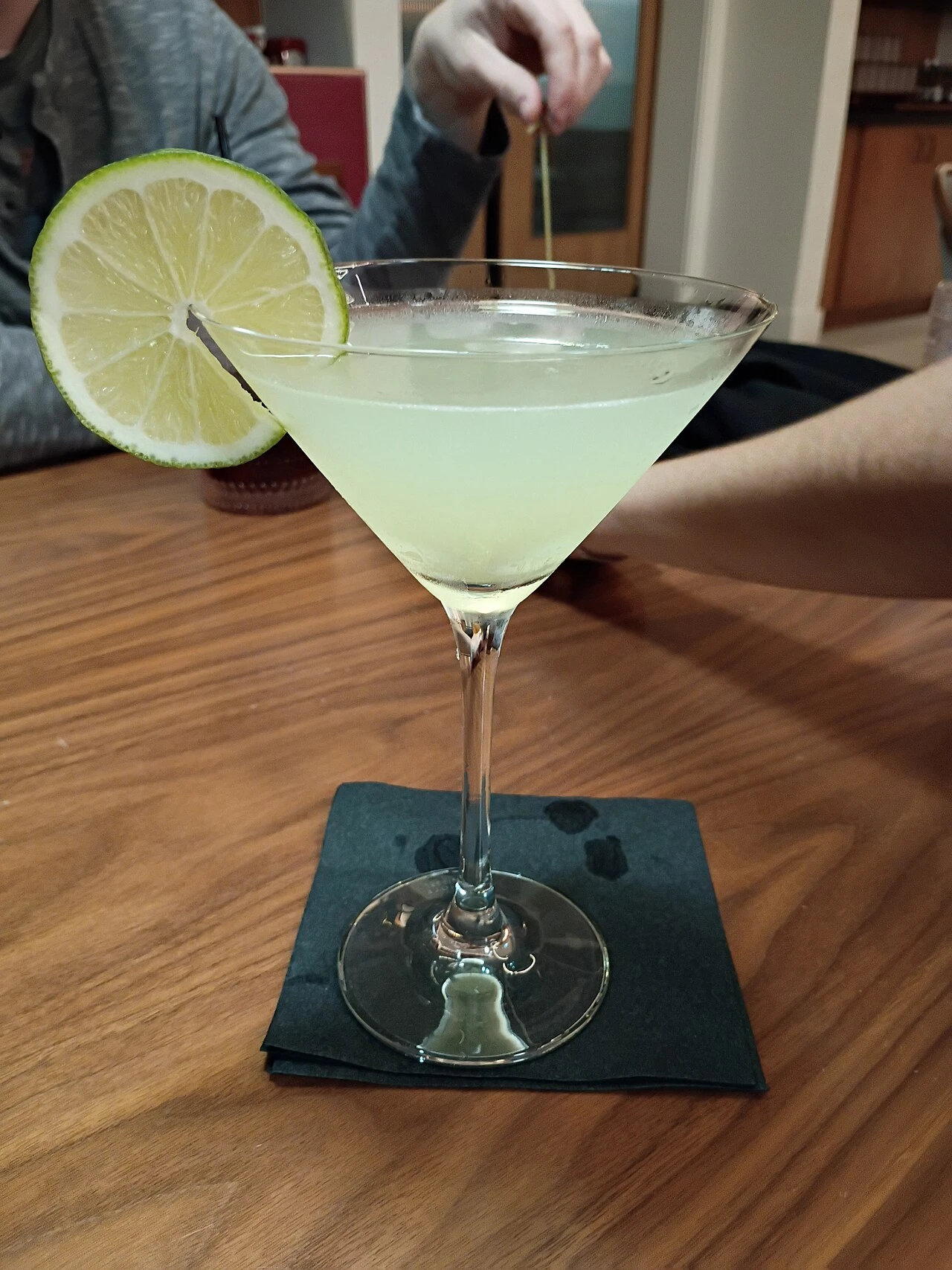
Keep the garnish restrained. A lime twist reinforces the fresh citrus without adding sweetness. A syrupy cherry looks handsome, but drain it well so a teaspoon of syrup does not sink into the drink. No garnish is entirely legitimate—and rather elegant.
Let's be honest: Green Chartreuse is forceful. If you are learning its profile, try 2/3 oz (20 ml) Chartreuse with 3/4 oz (22.5 ml) of everything else. That is a house adjustment, not the canonical formula, but it can reveal the gin more clearly.
Finally, choose the right glass. A huge 10 oz (300 ml) martini glass makes this intentionally small drink look lost and warm quickly. A 5 oz (150 ml) Nick & Nora keeps the aroma focused, reduces spills, and looks at home at an autumn dinner or New Year's Eve gathering.
Last Word Variations Worth Making
The equal-parts framework invites experimentation, but a successful variation preserves tension among strong spirit, herbal liqueur, sweetness, and acid. Change one major element first. You will learn more than if you replace everything at once.
Final Ward — rye-driven and spicy
- 3/4 oz (22.5 ml) rye whiskey
- 3/4 oz (22.5 ml) Green Chartreuse
- 3/4 oz (22.5 ml) maraschino liqueur
- 3/4 oz (22.5 ml) fresh lemon juice
Shake and double-strain. Rye adds grain spice and weight, while lemon is a natural fit. Rittenhouse Rye at 50% ABV makes a robust version; Sazerac Rye at 45% is leaner. New to the category? Start with our best whiskey cocktails for beginners.
Mezcal Last Word — smoky and savoury
- 3/4 oz (22.5 ml) mezcal joven
- 3/4 oz (22.5 ml) Green Chartreuse
- 3/4 oz (22.5 ml) maraschino liqueur
- 3/4 oz (22.5 ml) fresh lime juice
Del Maguey Vida Puebla at 40% ABV is a practical starting bottle, commonly around $35–$45 in the US. The smoke can dominate, so split the base between 1/2 oz (15 ml) mezcal and 1/4 oz (7.5 ml) blanco tequila if needed.
Yellow Chartreuse version — softer and honeyed
- 3/4 oz (22.5 ml) London dry gin
- 3/4 oz (22.5 ml) Yellow Chartreuse
- 3/4 oz (22.5 ml) maraschino liqueur
- 3/4 oz (22.5 ml) fresh lemon juice
This is not a direct duplicate. Yellow Chartreuse is typically lower in ABV and gentler, so lemon keeps the result bright. I'd skip extra syrup.
Garden variation — crisp and aromatic
- 3/4 oz (22.5 ml) cucumber-forward gin
- 3/4 oz (22.5 ml) Green Chartreuse
- 3/4 oz (22.5 ml) maraschino liqueur
- 3/4 oz (22.5 ml) fresh lime juice
- 1 thin cucumber ribbon for garnish
This shines at late-spring dinners. Avoid muddling cucumber into the shaker; excessive vegetal juice muddies the clean herbal finish.
Common Last Word Mistakes and How to Fix Them
Using cherry syrup instead of maraschino liqueur: This is the most damaging substitution. Syrup adds sugar but lacks the spirit's cherry-pit, almond, and dry complexity. If proper maraschino is unavailable, wait or make a clearly labelled riff rather than expecting the classic Last Word.
Buying Yellow Chartreuse by mistake: Green and Yellow Chartreuse are related, not interchangeable. Green is more powerful and typically 55% ABV; Yellow is softer and lower-proof. Check the label and ABV, particularly under dim shop or bar lighting.
Using old lime juice: Juice squeezed yesterday may remain usable, but it will not deliver the same vivid aroma. Bottled lime products also vary in acidity and processing. Fresh juice squeezed minutes before shaking is the reliable standard.
Free-pouring the equal parts: Equal measures sound easy, yet visual pours are rarely equal. Use a marked jigger. If the drink is cloying, verify the maraschino measure before blaming the recipe. If it tastes medicinal, check the Chartreuse pour and whether weak ice caused too little dilution.
Under-shaking: Five timid seconds cannot reliably chill, aerate, and dilute four room-temperature ingredients. Use abundant ice and shake for 12–15 seconds. Conversely, small wet ice may over-dilute the drink even within that window.
Serving it on a warm surface: The Last Word has no ice in the glass, so temperature begins rising immediately. Chill both the glass and ingredients where practical, strain promptly, and do not leave the finished drink waiting while you photograph dinner.
Overcomplicating the garnish: Smoked rosemary, sugared rims, and multiple cherries conceal the drink's precision. One lime twist, one drained cherry, or nothing at all is enough.
My troubleshooting order is simple: confirm the four measurements, assess lime freshness, inspect the ice, then reconsider the bottles. Change only one variable per attempt. That approach is slower than random tweaking but far more useful—and your next round will actually teach you something.
Food Pairings, Seasons, and Occasions

A Last Word works best with food that can meet its intensity without adding excessive sweetness. Think salt, fat, smoke, or fresh herbs. The lime cuts richness, while gin and Chartreuse echo green, aromatic ingredients.
For a cocktail-hour plate, serve salted Marcona almonds, green olives, cornichons, or aged Cheddar. Goat's cheese crostini with thyme is excellent. So are smoked-trout blinis, crab cakes, and oysters with a restrained cucumber mignonette. In my experience, the drink is less successful beside sugary barbecue sauce or delicate white fish that disappears under its herbs.
At dinner, try roast chicken with tarragon, pork chops with a sharp apple salad, or mushroom tart. Thai basil, coriander, mint, and lime can create appealing bridges, but keep chilli moderate: high-proof alcohol can amplify the sensation of heat. For dessert, choose dark chocolate with restrained sugar or almond biscuits rather than frosted cake.
Seasonally, its green colour suits spring gatherings, while the deep botanical flavour feels equally right in autumn. It makes a clever St Patrick's Day drink without relying on artificial colouring. For Halloween, its naturally mysterious shade looks dramatic under low light. At Christmas or New Year's Eve, pre-batch the three spirits, keep them refrigerated, and shake each serving with fresh lime.
Would I take it to a summer picnic? Only in components. Citrus quality and proper shaking matter, so a pre-diluted bottle left warming in a basket is not ideal. Use the planning ideas in these portable picnic drinks instead.
For a mixed home gathering, offer a familiar tall option beside it. The fruit-forward Madras cocktail is approachable and easy to lengthen, whereas the Last Word is a compact, assertive choice for guests who enjoy herbal flavours. One round before dinner is usually a better role than an all-evening serve.
Quick Reference Cheat Sheet and Serving Notes
Use this table when you want the complete Last Word recipe without rereading the technique. The UK amounts are practical metric equivalents, not Imperial fluid-ounce conversions.
| Component | US measure | UK metric | What to look for |
|---|---|---|---|
| London dry gin | 3/4 oz | 22.5 ml | 40–47% ABV; juniper-forward |
| Green Chartreuse | 3/4 oz | 22.5 ml | 55% ABV; intensely herbal |
| Maraschino liqueur | 3/4 oz | 22.5 ml | About 32% ABV; dry cherry-pit character |
| Fresh lime juice | 3/4 oz | 22.5 ml | Freshly squeezed and strained |
| Total before dilution | 3 oz | 90 ml | Shake with plenty of cold ice |
| Shake time | 12–15 seconds | 12–15 seconds | Double-strain into a chilled glass |
| Serving temperature | 38–42°F | 3–6°C | Serve straight up |
With gin at 40% ABV, Green Chartreuse at 55%, and maraschino at 32%, the mixture is approximately 31.8% ABV before dilution. After a normal shake adds roughly 20–25% water, expect about 24–26% ABV in the glass. Actual strength changes with bottle proofs, ice, shake time, and final volume.
That recipe contains approximately 0.95 US fl oz (28.6 ml) of pure alcohol. It is therefore around 1.6 US standard drinks under the definition explained by the National Institute on Alcohol Abuse and Alcoholism, or roughly 2.9 UK units. It may taste bright and sweet, but it is not a low-strength cocktail.
Practise responsible drinking: pour one measured serving, drink slowly, eat, alternate with water, and never drive after drinking. UK readers can find additional guidance from Drinkaware.
The Last Word cocktail rewards precision more than expensive equipment. Once you own a jigger, shaker, strainer, and appropriately small glass, you have everything required to make it properly. If your setup still has gaps, download our free home bar starter checklist, chill a glass, and let four equal measures do the talking.
For the clearest comparison between bottles, make two half-size versions side by side and alter only the gin. Keep the Chartreuse, maraschino, lime, ice, shake time, and glassware identical. Taste each drink while equally cold, noting juniper, citrus, sweetness, herbal intensity, and finish. This small experiment shows how strongly the base spirit shapes an equal-parts recipe and helps you choose a dependable house combination without wasting ingredients.
Ask AI about this article
Pick a prompt, copy it, or open ChatGPT with this article preloaded.
Frequently Asked Questions
What is a Last Word cocktail?
The Last Word is a tart, herbal gin cocktail made from equal parts gin, Green Chartreuse, maraschino liqueur, and fresh lime juice. It is shaken with ice and served straight up, normally without ice, in a chilled coupe or Nick & Nora glass. Its appeal comes from the tension between juniper, sweet cherry-almond notes, i.
How do you make a Last Word cocktail?
Add 3/4 oz (22.5 ml) each of gin, Green Chartreuse, maraschino liqueur, and fresh lime juice to a shaker. Fill it with cold, solid ice and shake firmly for 12–15 seconds. Double-strain into a chilled coupe or Nick & Nora glass. A cherry or thin lime twist is optional; the original-style presentation is often left ungar.
What is the best gin for a Last Word?
A classic London dry gin is the safest choice because its juniper and citrus can remain distinct beside powerful Green Chartreuse. Beefeater, Tanqueray, Ford's, and Plymouth all work, although Plymouth produces a softer result. Avoid an extremely floral or sweetened gin for your first attempt. The best bottle is ultima.
How strong is a Last Word cocktail?
With 40% ABV gin, 55% Green Chartreuse, and 32% maraschino, the equal-parts recipe begins at roughly 32% ABV before shaking. Normal ice dilution lowers the served drink to approximately 24–26% ABV. One recipe contains about 0.95 US fl oz (28.6 ml) of pure alcohol—roughly 1.6 US standard drinks or 2.9 UK units.
Why is my Last Word cocktail too sweet or medicinal?
Check your measurements first: even an extra 1/4 oz (7.5 ml) of maraschino or Chartreuse can noticeably change this compact recipe. Bottled lime may taste dull, while warm or insufficient ice leaves the drink concentrated. Use fresh lime, measure every ingredient, shake with plenty of cold ice, and taste your bottles i.
Comments 0
Login to Post comments