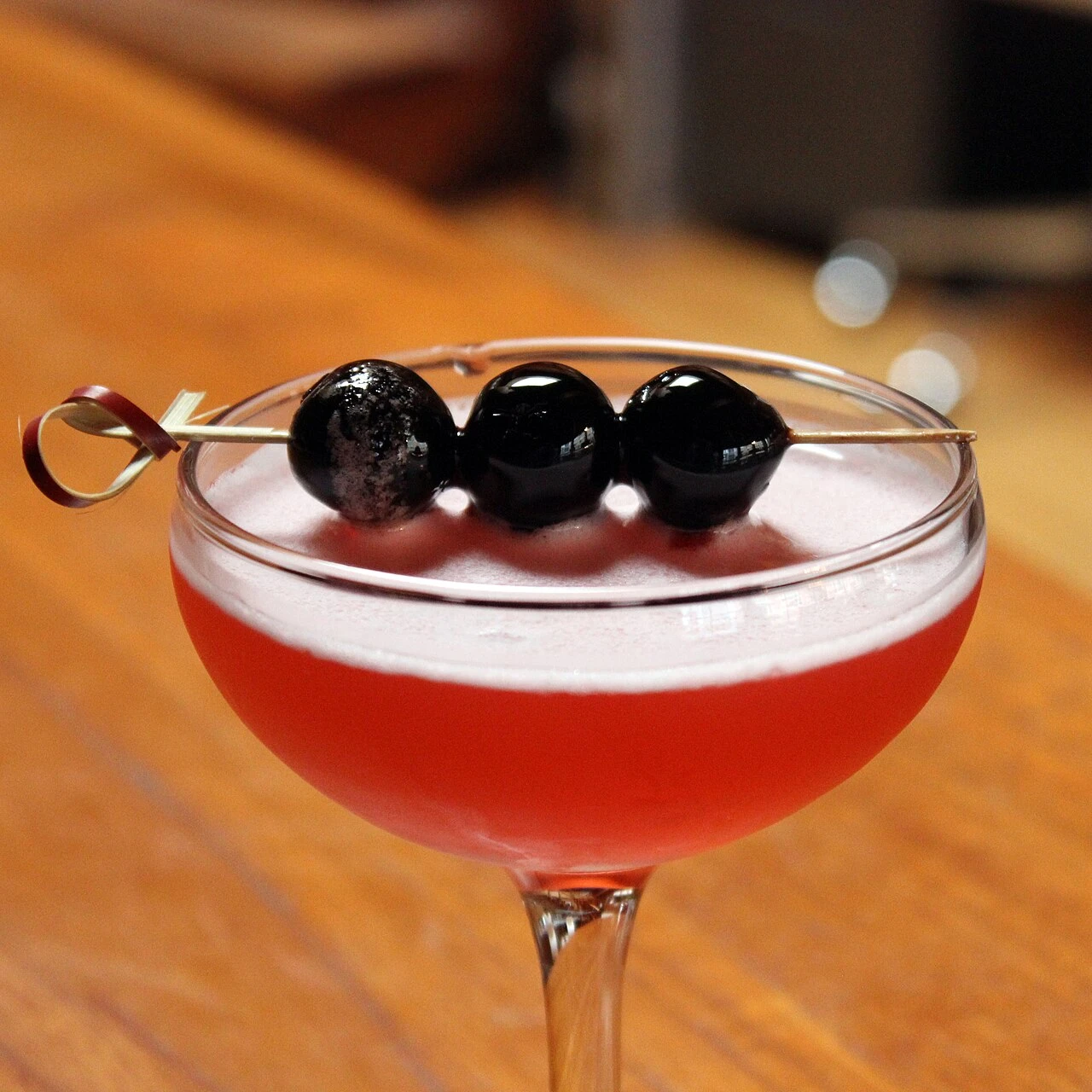

Mary Pickford Cocktail: A Tropical Classic Revived
The Mary Pickford blends white rum, pineapple, grenadine and maraschino into an elegant Cuban classic. Learn the balanced recipe, variations and expert fixes.
The Mary Pickford is the rare tropical cocktail that feels equally at home in a Havana hotel bar, a London flat and a summer garden party. White rum, pineapple juice, grenadine and maraschino liqueur create a silky, coral-coloured drink with more depth than its cheerful appearance suggests.
Here’s the thing: small measurements matter. An extra splash of syrup can bury the rum, while stale pineapple juice leaves the drink flat. This guide gives you a balanced Mary Pickford recipe in ounces and millilitres, practical bottle choices and fixes that actually work. If you are building your classic-drink repertoire, place it beside these classic cocktails every home bartender should know.
What Is a Mary Pickford? History Behind the Drink
A Mary Pickford is a shaken rum cocktail built from white rum, pineapple juice, grenadine and maraschino liqueur. The first sip is bright and tropical. Then the maraschino brings a dry, faintly nutty cherry note that stops the combination from becoming simple rum punch.
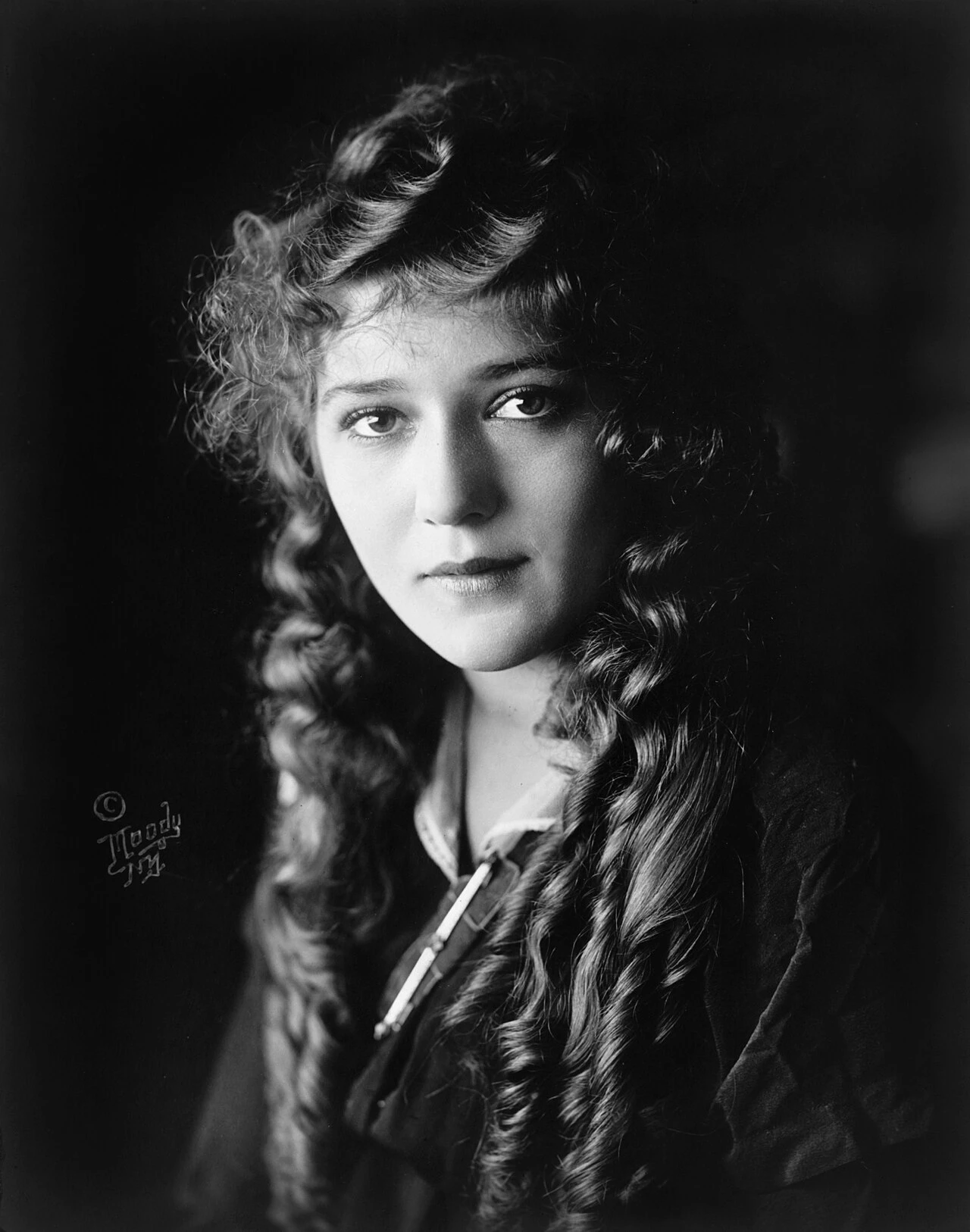
The drink takes its name from Mary Pickford, the Canadian-born silent-film star and United Artists co-founder nicknamed “America’s Sweetheart.” Its origin is usually placed in Havana during the US Prohibition era, when Cuba attracted American travellers seeking sophisticated bars and legally served alcohol.
Who invented it? That part is less certain. Published cocktail histories commonly connect the Mary Pickford with bartenders Eddie Woelke or Fred Kaufman, but surviving accounts do not settle the attribution beyond dispute. It is safest to say that the recipe emerged from Havana’s international bar culture in the 1920s rather than present one creator as proven fact.
The original proportions also shifted in print. Some formulas use far more pineapple than rum; others make the two equal. My preference is the equal-parts structure because it keeps the spirit present without sacrificing the plush texture. It also prevents grenadine from becoming the loudest ingredient.
Although the Mary Pickford is often grouped with “girly” pink drinks, that label misses the point. It is a serious classic with the same historical appeal as many revived retro drinks and forgotten favourites. The sweetness is controlled, the aroma is layered and the base remains unmistakably rum.
Expect a cold, lightly foamy cocktail served straight up, usually around 17–20% ABV after dilution. Think polished tropical fruit, not a frozen beach drink. That distinction is what makes the Mary Pickford worth reviving.
Mary Pickford Ingredients You Need
The ingredient list is short, so every bottle earns its place. For one Mary Pickford, gather:
- 1 1/2 oz (45 ml) white or lightly aged rum
- 1 1/2 oz (45 ml) unsweetened pineapple juice
- 1 tsp (5 ml) maraschino liqueur
- 1 tsp (5 ml) grenadine
- 1 cocktail cherry or slim pineapple leaf, optional
Choose a rum with clean sugarcane character. Flor de Caña 4 Extra Seco, Planteray 3 Stars and Bacardí Superior are reliable 40% ABV options. A 750 ml bottle commonly sits around $16–$25 in the US, while a 700 ml bottle may cost roughly £18–£27 in the UK; local taxes and promotions can move those prices considerably. The US Alcohol and Tobacco Tax and Trade Bureau is the authoritative starting point for American spirits labelling and standards.
Fresh pineapple juice gives the liveliest acidity and foam. If juicing a pineapple is impractical, use a refrigerated, not-from-concentrate juice and taste it first. Very sweet juice may need only 1/2 tsp (2.5 ml) grenadine.
Luxardo Maraschino, at 32% ABV, is the benchmark bottle and often costs about $35–$45 or £28–£35. It is not the syrup from a cherry jar. The liqueur is dry, floral and slightly bitter, so measure it carefully.
For grenadine, look for pomegranate juice or concentrate on the label. Liber & Co. and Small Hand Foods offer richer options in the US; Monin is widely obtainable on both sides of the Atlantic. Homemade grenadine works beautifully too. I’d skip neon syrup when pomegranate flavour matters more than nostalgic colour.
You need no vodka here, but readers exploring quick, similarly approachable serves can browse these five-minute vodka cocktails.
How to Make a Mary Pickford Step by Step
Start cold. Place a coupe or Nick & Nora glass in the freezer for at least 10 minutes, aiming for roughly 32–40°F (0–4°C). A warm glass steals the cocktail’s crisp edge before you finish the first few sips.
- Measure the liquid. Pour 1 1/2 oz (45 ml) white rum, 1 1/2 oz (45 ml) pineapple juice, 1 tsp (5 ml) maraschino liqueur and 1 tsp (5 ml) grenadine into a shaker.
- Add ice. Fill the shaker about three-quarters full with hard, fresh cubes. Wet freezer ice or tiny melting pieces dilute too quickly.
- Shake vigorously. Seal the shaker and shake for 12–15 seconds. Pineapple benefits from force: aeration creates a delicate foam and integrates its fruit solids with the alcohol.
- Check the chill. The outside of a metal tin should feel painfully cold and show condensation. If it does not, shake for another three seconds.
- Fine-strain. Pour through the shaker strainer and a small fine-mesh sieve into your chilled glass. This catches ice shards and coarse pineapple fibres.
- Garnish lightly. Add one cocktail cherry or a narrow pineapple leaf. Serve immediately without ice.
After testing short and long shakes, I find 12–15 seconds is the sweet spot with standard home-freezer ice. It supplies approximately 3/4 oz (20–25 ml) of dilution while preserving a firm rum backbone. Pebble ice needs less time.
No shaker? A tightly sealing jam jar can work, but hold its lid firmly and strain carefully. A cobbler shaker is tidier; a two-piece Boston shaker chills faster and gives the pineapple more room to foam.
Do not blend this recipe. Blending changes both dilution and texture, turning an elegant up drink into something closer to a frozen cooler. For another straightforward fruit-led build, compare the technique with the Madras cocktail, which is built over ice rather than shaken and strained.
Pro Tips for a Better Mary Pickford Cocktail
In my experience, the best Mary Pickford begins with tasting the pineapple juice, not blindly following a sweetness formula. Pineapples vary. Bottled juices vary even more. If the juice resembles syrup, halve the grenadine; if it tastes unusually tart, keep the full teaspoon.
Use the rum as your anchor. A Cuban-style, filtered white rum keeps the drink clean and historically sympathetic. Planteray 3 Stars adds a little extra character, while Flor de Caña 4 Extra Seco is leaner. This is easily one of the best classic recipes for seeing how two affordable rums behave differently in the same drink.
Measure the modifiers. A teaspoon looks insignificant, yet doubling both maraschino and grenadine adds 1/2 oz (15 ml) of powerful flavour. Use a 5 ml bar spoon, measuring spoon or small graduated jigger. Free-pouring is the fastest route to cherry-flavoured pineapple syrup.
Chill every component. Refrigerated juice and a frozen glass reduce the work demanded from your ice. Keep citrus and pineapple juices below 40°F (4°C), and discard them if storage time or aroma gives you reason for concern.
After testing garnishes, I prefer one quality cherry on a pick. A brandied cherry adds aroma without covering the surface. Pineapple wedges look festive but are heavy, drip juice and can unbalance a small coupe. I’d skip an oversized wedge unless the drink is being served in a larger stemmed glass.
For a cleaner foam, shake once with ice and fine-strain. You do not need egg white. If your fresh juice is very fibrous, strain it before measuring, but do not clarify it completely; some pulp helps make the attractive cap.
Finally, taste before serving. Dip in a clean straw, trap a small sample with your finger and adjust by drops. That tiny quality-control habit separates a merely correct Mary Pickford from a polished one.
Mary Pickford Variations Worth Trying
Once you understand the original balance, variations become useful rather than random. Keep the total volume close to the classic and change one idea at a time.
The Drier Pickford
- 1 3/4 oz (52 ml) white rum
- 1 1/4 oz (37 ml) pineapple juice
- 1 tsp (5 ml) maraschino liqueur
- 1/2 tsp (2.5 ml) grenadine
This is my choice before dinner. The higher-proof structure places rum first and gives the pomegranate a supporting role.
Fresh-Lime Mary Pickford
- 1 1/2 oz (45 ml) white rum
- 1 1/4 oz (37 ml) pineapple juice
- 1/4 oz (7.5 ml) fresh lime juice
- 1 tsp (5 ml) each maraschino and grenadine
Lime is not required in the classic formula, but its acidity helps when packaged pineapple juice tastes soft. Shake and fine-strain as usual.
Jamaican Accent
- 1 oz (30 ml) white rum
- 1/2 oz (15 ml) lightly aged Jamaican rum
- 1 1/2 oz (45 ml) pineapple juice
- 1 tsp (5 ml) each maraschino and grenadine
A modest amount of Appleton Estate Signature, typically 40% ABV and around $24–$30 or £22–£28, contributes ripe banana and spice. More than 1/2 oz (15 ml) can dominate.
Long Pickford Highball
- 1 1/2 oz (45 ml) white rum
- 1 1/2 oz (45 ml) pineapple juice
- 1 tsp (5 ml) each maraschino and grenadine
- 2 oz (60 ml) chilled soda water
Shake the first four ingredients, strain over fresh ice and top with soda. It is longer and gentler-tasting, though it contains the same alcohol.
Planning an outdoor gathering? The highball travels more gracefully than a delicate coupe; see these portable picnic drinks for more make-ahead ideas.
Common Mary Pickford Mistakes and Easy Fixes
Adding too much grenadine is the most common mistake. Colour is not a measure of quality. If your Mary Pickford tastes like sweets, add another 1/4 oz (7.5 ml) rum and 1/4 oz (7.5 ml) pineapple juice, shake briefly, then divide or accept a slightly larger serve.
Confusing maraschino liqueur with cherry syrup creates a completely different drink. Maraschino is a clear spirit-based liqueur, often around 24–32% ABV. Cherry-jar syrup is non-alcoholic, dense and intensely sweet. Read the label.
Using strongly flavoured rum can also break the balance. Spiced rum adds vanilla and baking spice; coconut rum is commonly only 21% ABV and brings substantial sugar. Both can be enjoyable, but neither shows you what the classic tastes like.
Under-shaking pineapple leaves a thin body and patchy foam. Shake with commitment. Conversely, rattling half-melted ice for 25 seconds produces a watery drink. Hard cubes, a cold shaker and 12–15 seconds are more dependable.
Serving it warm is unforgiving because the Mary Pickford has no ice in the glass. Chill the glass before you begin. If freezer space is tight, fill it with ice and cold water while you measure, then empty and dry it before straining.
Batching too early dulls fresh juice. Combine the mixture on the day of service, refrigerate it below 40°F (4°C), and shake each portion. Pineapple settles, so stir the batch before measuring.
Let’s be honest: more ingredients will not rescue weak technique. Fix the temperature, dilution and proportions first. Beginners who want to practise the same fundamentals with darker spirits may find these whiskey cocktails for beginners useful. The base spirit changes; careful measuring does not.
How to Prepare Fresh Pineapple Juice and Grenadine
Fresh mixers can lift a Mary Pickford, but they do not need to turn one cocktail into an all-day project. For pineapple juice, peel and core a ripe pineapple, cut the flesh into chunks and process it in a blender until smooth. Pass the pulp through a fine sieve, pressing gently with a spoon. One medium pineapple produces far more juice than a single drink requires, so refrigerate the remainder promptly in a clean, sealed container.
Use fresh pineapple juice as soon as practical. Its aroma is at its brightest on the day it is prepared, and the juice gradually separates and darkens after exposure to air. Stir or shake the container before measuring because the flavourful fruit solids settle. If the juice develops an unusual fermented smell, visible mould or pressure inside its container, discard it rather than tasting it.
A small batch of homemade grenadine is equally straightforward. Warm equal volumes of pomegranate juice and granulated sugar over low heat, stirring only until the sugar dissolves. Do not boil the mixture aggressively: prolonged heat can flatten the fresh pomegranate character. Cool it completely, bottle it in a sanitised container and refrigerate. A strip of orange peel or a few drops of orange blossom water can add fragrance, but neither is necessary for this Mary Pickford cocktail recipe.
Homemade grenadine may be darker and less vividly red than inexpensive commercial syrup. That muted colour is normal. Judge it by its balance of tart pomegranate and sugar, not by whether it creates a bright pink cocktail. Begin with the specified teaspoon, taste the finished drink and adjust the next serving rather than pouring more syrup directly into the glass.
If convenience matters, good packaged ingredients remain perfectly acceptable. Choose pineapple juice without added sweeteners and grenadine that lists pomegranate among its principal ingredients. Refrigerate both after opening according to their labels. The practical goal is consistent flavour: a carefully measured bottled mixer will make a better Mary Pickford than a tired homemade ingredient kept beyond its best.
Food Pairings, Glassware and Best Occasions
The Mary Pickford shines at aperitif hour, summer dinners, film-night gatherings and Prohibition-themed parties. Its coral colour looks celebratory without requiring elaborate decoration. Serve it in spring with brunch, in July beside a barbecue, or during the December party season when pineapple offers a welcome break from heavy spice.
A 5–6 oz (150–180 ml) coupe or Nick & Nora glass is ideal. The smaller bowl holds the roughly 4 oz (120 ml) finished drink without making the serving look lost. A Nick & Nora is easier to carry across a room; a coupe displays the pale foam more dramatically.
Food should echo either the fruit or the salt. Try grilled prawns, coconut shrimp, jerk chicken skewers, glazed ham, pork belly bites or a salty cheese such as aged Cheddar. In the UK, sausage rolls with a lightly spiced pineapple chutney make a surprisingly good party pairing. In the US, fish tacos and smoky barbecue are natural partners.
Avoid very sweet desserts. Pineapple upside-down cake beside a standard Mary Pickford can feel relentless. If dessert is unavoidable, use the drier variation and pair it with coconut panna cotta, shortbread or a modest square of dark chocolate.
For a mixed group, offer a lower-strength alternative rather than simply pouring smaller-looking cocktails. These low-alcohol cocktail recipes provide useful options while keeping the occasion inclusive.
In my experience, making drinks to order is best for groups of six or fewer. For a larger party, pre-batch the liquid, keep it refrigerated and shake individual servings. Put the garnish on only after straining. You preserve the foam, control dilution and avoid a queue of slowly warming glasses.
Mary Pickford Quick Reference Cheat Sheet
Use this table when you want the complete Mary Pickford method without rereading every explanation. The ounce column follows US bar measures; millilitres are convenient for UK jiggers and kitchen measures.
| Component | US measure | UK/metric measure | Practical note |
|---|---|---|---|
| White rum | 1 1/2 oz | 45 ml | Choose a clean 40% ABV rum |
| Pineapple juice | 1 1/2 oz | 45 ml | Fresh or chilled, unsweetened |
| Maraschino liqueur | 1 tsp | 5 ml | Measure; do not substitute cherry syrup |
| Grenadine | 1 tsp | 5 ml | Reduce if the juice is very sweet |
| Shake time | 12–15 seconds | 12–15 seconds | Use hard, fresh ice |
| Serving glass | 5–6 oz | 150–180 ml | Pre-chill to 32–40°F (0–4°C) |
Fast method: Add everything to an ice-filled shaker, shake hard, fine-strain into a chilled glass and garnish with one cherry. The estimated post-dilution strength is about 17–20% ABV, depending on the rum, ice and shaking technique.
Fruitiness can disguise strength. For evidence-based US information, consult the National Institute on Alcohol Abuse and Alcoholism; UK readers can use Drinkaware. Practise responsible drinking once you know the serving size, and never drive after consuming alcohol.
The decisive details are simple: cold ingredients, measured modifiers and vigorous shaking. Get those right and your Mary Pickford will be aromatic, balanced and softly foamy rather than sugary or thin. It is proof that four ingredients can still reward precision.
Ready to organise the bottles, tools and glassware behind this recipe? Download the free home bar starter checklist and give this tropical classic a permanent place in your setup.
Ask AI about this article
Pick a prompt, copy it, or open ChatGPT with this article preloaded.
Frequently Asked Questions
What is a Mary Pickford cocktail?
A Mary Pickford is a classic shaken cocktail made with white rum, pineapple juice, grenadine and maraschino liqueur. It tastes tropical and fruit-forward, but the rum and dry, cherry-almond character of maraschino keep it from resembling ordinary fruit punch. The drink is generally associated with Havana’s cocktail cul.
How do you make a Mary Pickford?
Add 1 1/2 oz (45 ml) white rum, 1 1/2 oz (45 ml) pineapple juice, 1 tsp (5 ml) maraschino liqueur and 1 tsp (5 ml) grenadine to an ice-filled shaker. Shake vigorously for 12–15 seconds, then fine-strain into a chilled coupe or Nick & Nora glass. Garnish with a cocktail cherry or a thin pineapple leaf.
What is the best rum for a Mary Pickford?
A crisp white or lightly aged filtered rum is the most dependable choice. Flor de Caña 4 Extra Seco, Planteray 3 Stars and Bacardí Superior are practical options with enough structure to remain noticeable beside pineapple. Havana Club 3 Años is historically suggestive and works well where legally sold. Avoid heavily sp.
How strong is a Mary Pickford?
Using 40% ABV rum and 32% ABV maraschino, this recipe contains roughly 0.65 US fluid ounce of pure alcohol before shaking. Dilution from ice may place the served drink near 17–20% ABV, depending on shake time and ice temperature. That is stronger than wine despite the approachable fruit flavour, so treat it as a full-s.
Why is my Mary Pickford cocktail not pink?
Colour varies with the grenadine, pineapple juice and proportions you use. Real pomegranate grenadine often gives a muted coral or salmon shade, while brightly coloured commercial syrup produces a stronger red-pink drink. Old or oxidised pineapple juice can look brownish. Measure the syrup rather than adding extra for.
Comments 0
Login to Post comments