Monkey Gland Cocktail: A Bold Speakeasy Classic
The Monkey Gland combines gin, fresh orange, grenadine and absinthe in one vivid Prohibition-era cocktail. Learn the reliable recipe, expert tricks and best variations.
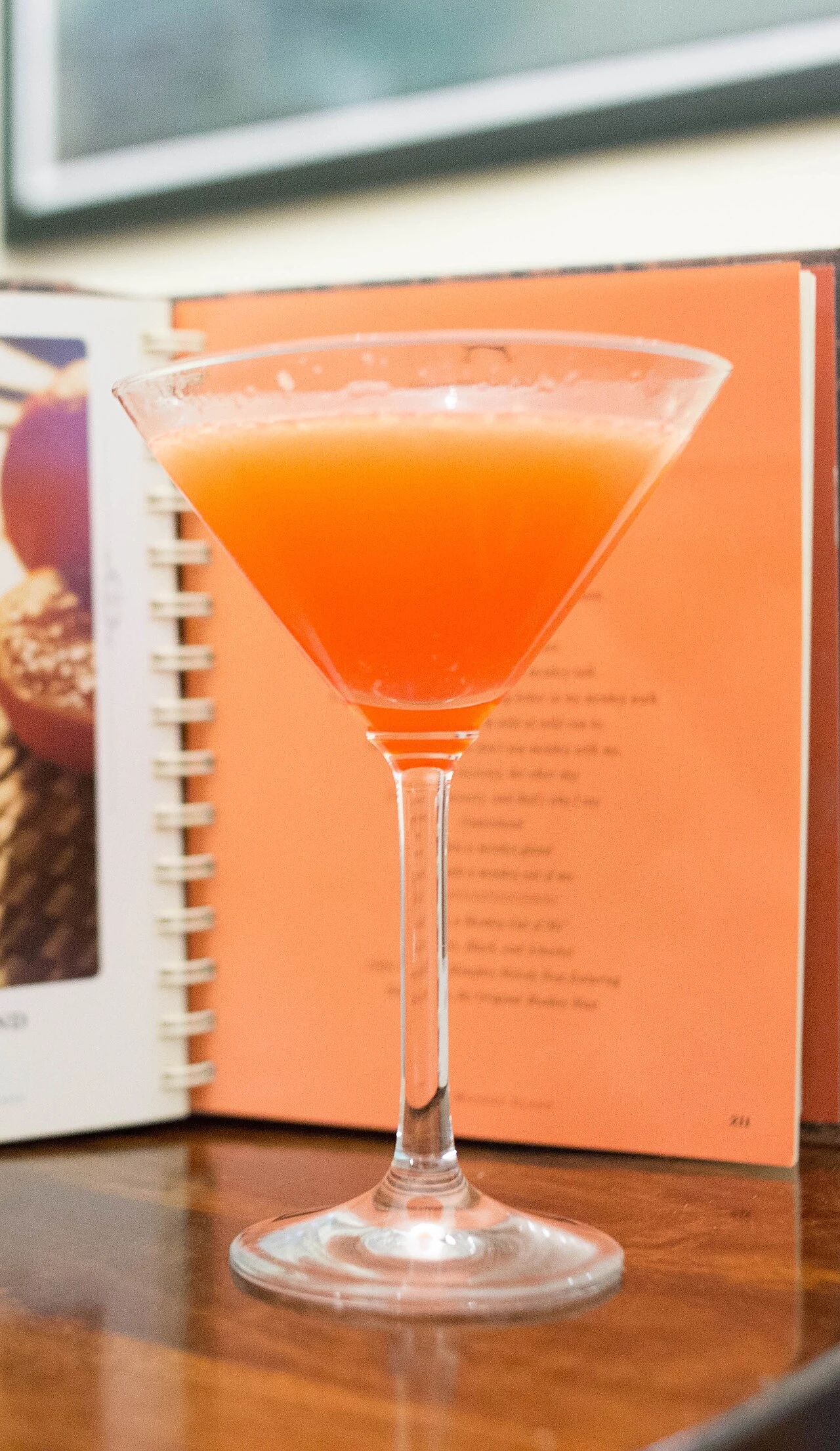
The Monkey Gland cocktail sounds like a dare, but it drinks like a remarkably polished gin sour. Fresh orange brings brightness, grenadine supplies colour and restrained sweetness, while an absinthe rinse adds a cool, herbal scent before your first sip.
Here's the thing: this 1920s recipe is easy to make badly. Too much syrup turns it sticky; too much absinthe buries everything under anise. Get the proportions right, though, and it earns its place beside the drinks in our guide to classic cocktails every home bartender should know.
Below, you will find a tested recipe in ounces and millilitres, brand-specific buying advice, variations and fixes for the mistakes that most often spoil this wonderfully strange speakeasy classic.
What Is a Monkey Gland Cocktail?
The Monkey Gland cocktail is a short, shaken gin drink made with orange juice, grenadine and a small amount of absinthe. Think of it as a drier, more aromatic cousin of a gin-and-orange sour. It is fruity without being a fruit punch, provided the bartender keeps the syrup and anise under control.
Its name is pure 1920s theatre. The usual account connects it to the newspaper frenzy around surgeon Serge Voronoff's experiments involving monkey tissue and supposed rejuvenation. Those procedures belong to discredited medical history. No animal product goes into the cocktail, then or now.
Harry MacElhone of Harry's New York Bar in Paris is widely credited with creating or popularising the drink during the early 1920s. However, surviving recipes and competing attribution stories make absolute authorship difficult to prove. It is more accurate to call MacElhone the figure most closely associated with the Monkey Gland than to present every detail as settled fact.
The original era matters because absinthe carried mystery and notoriety, especially after bans in several countries. Today, legally sold products vary in strength and style; bottle labels remain the best source for a specific spirit's ABV. The US Alcohol and Tobacco Tax and Trade Bureau provides information about American alcohol regulation and labelling.
Flavour-wise, expect juniper first, then tart orange, red-fruit sweetness and a fleeting fennel-anise finish. This is easily one of the best conversation-starting drinks from the speakeasy canon. If you enjoy discovering how fashions return, our look at forgotten drinks and revivals offers an entertaining parallel.
Monkey Gland Ingredients You Need
You need only four liquid ingredients, so every choice shows. My house specification makes one Monkey Gland cocktail:
- 2 oz (60 ml) London dry gin
- 1 oz (30 ml) freshly squeezed orange juice, fine-strained
- 1 teaspoon (5 ml) real grenadine
- 1 teaspoon (5 ml) absinthe for rinsing the glass; discard most of it
- 1 strip orange peel for garnish
- About 1 cup (240 ml) firm ice for shaking
What is the best “Monkey” for a Monkey Gland? There is no monkey ingredient or required brand. If you mean the best gin, choose something dry and juniper-led. Beefeater 40% ABV in the UK—or 44% in its common US bottling—usually costs about $22–$28 or £20–£25. Tanqueray, typically 43.1% ABV in the UK and 47.3% in the US, creates a firmer, punchier version at roughly $25–$32 or £23–£30. Prices vary by retailer and tax.
In my experience, fresh Valencia or navel orange gives enough sweetness without flattening the gin. Squeeze it shortly before service, then pass it through a small mesh strainer. Pulp can create a foamy, slightly muddy top.
For grenadine, Liber & Co. and Small Hand Foods offer genuine pomegranate character, often around $15–$20 a bottle. Monin is readily found in Britain for roughly £8–£12. Start at 5 ml: you can add sweetness, but you cannot shake it back out.
Pernod Absinthe, St. George Absinthe Verte or La Clandestine will all work. A full pour would overwhelm the recipe. The rinse is seasoning—nothing more. If quick builds appeal to you, compare the streamlined shopping list in these five-minute vodka cocktails.
How to Make a Monkey Gland Step by Step
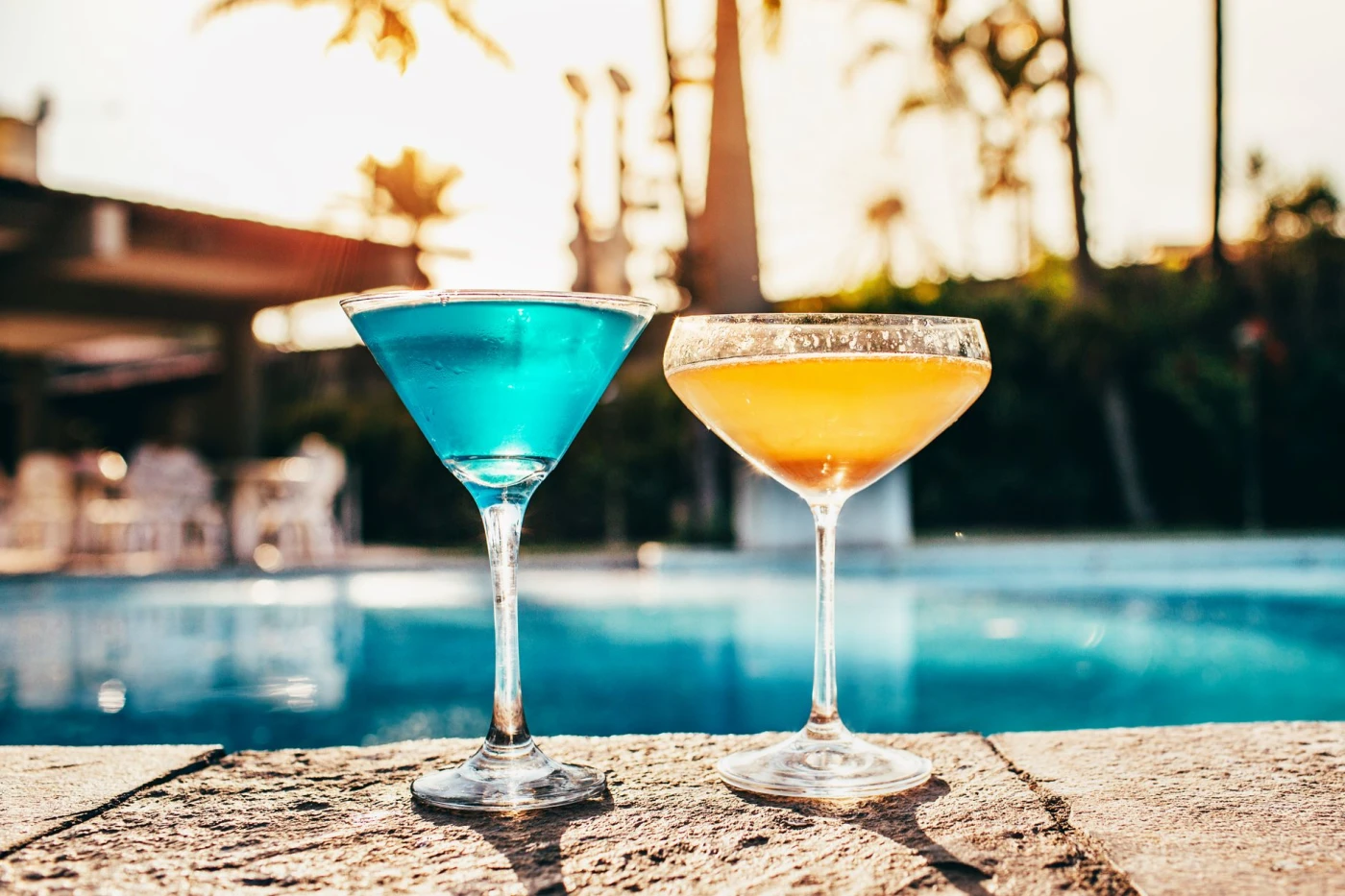
Cold glassware and energetic shaking turn four ingredients into a coherent Monkey Gland cocktail. Allow about five minutes from squeezing the orange to serving.
- Chill the glass. Put a 5–6 oz (150–180 ml) coupe or Nick & Nora glass in the freezer for 10 minutes. Alternatively, fill it with ice and water while you mix.
- Prepare the rinse. Add 1 teaspoon (5 ml) absinthe to the cold, empty glass. Rotate until the inside is coated, then discard the excess. You want a fragrant film, usually less than 1/4 teaspoon (1 ml), left behind.
- Measure the base. Pour 2 oz (60 ml) gin, 1 oz (30 ml) strained orange juice and 1 teaspoon (5 ml) grenadine into a cocktail shaker.
- Add ice. Fill the shaker about three-quarters full with solid cubes. Wet, fragile ice dilutes quickly and can produce a watery drink.
- Shake hard. Seal the shaker and shake for 12–15 seconds. The outside should become painfully cold and lightly frosted, usually near 32°F (0°C).
- Fine-strain. Pass the mixture through the shaker strainer and a fine mesh strainer into the absinthe-rinsed glass. This removes orange pulp and small ice shards.
- Finish and serve. Express an orange peel over the surface, rub it around the rim and place it neatly on the glass.
After testing shorter and longer shakes, 12–15 seconds gave me the best balance of chill, dilution and texture with standard freezer ice. Sip immediately. The drink warms fast in a thin coupe, and its bright orange aroma begins fading within minutes.
New to shaking drinks? The approachable methods in our whiskey cocktails for beginners reinforce the same measuring, chilling and dilution fundamentals.
Pro Tips for a Better Monkey Gland Cocktail
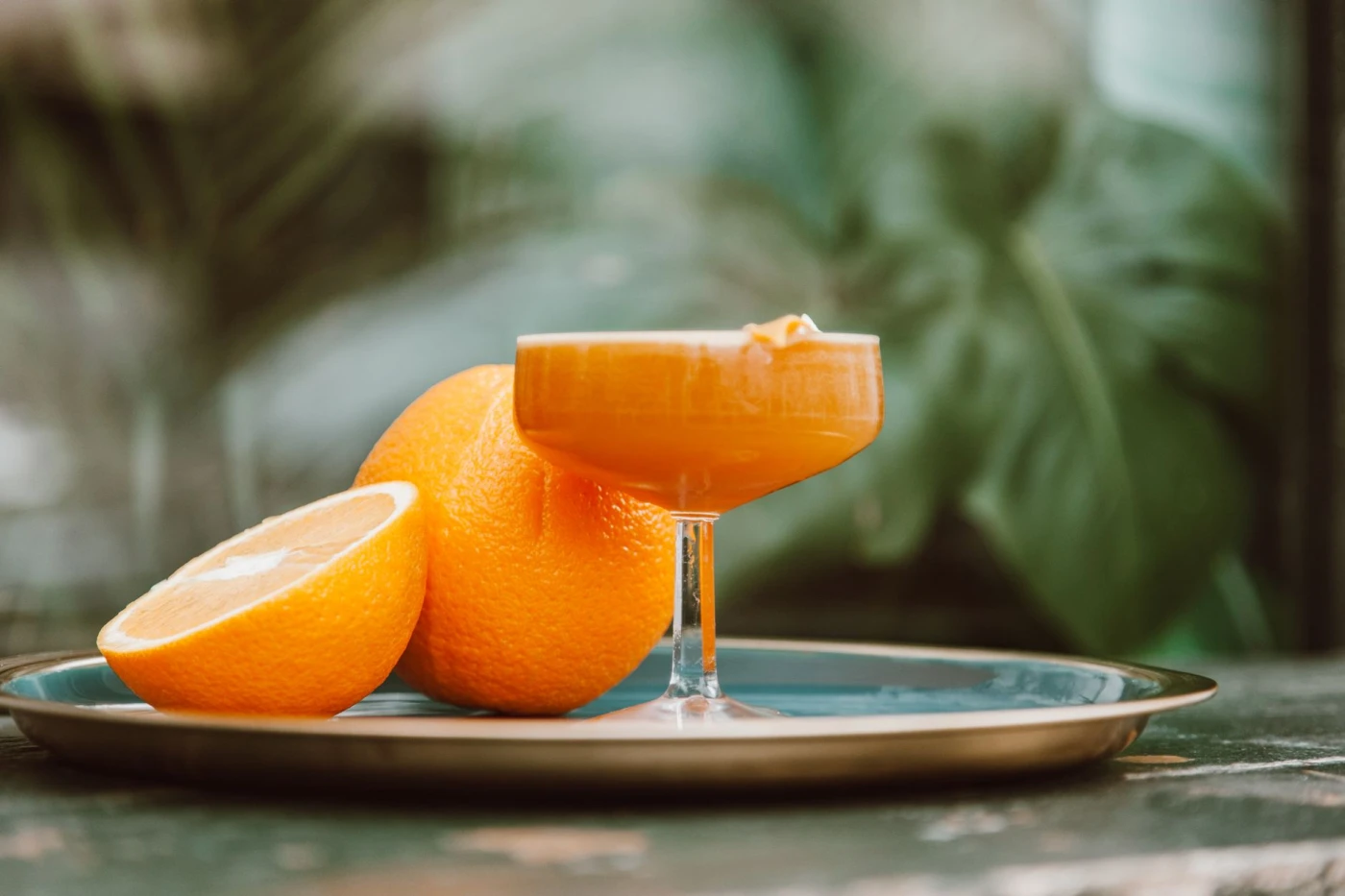
In my experience, the most important move is treating absinthe like aromatic bitters. Rinsing the glass perfumes each sip without forcing the gin and orange to fight through a wall of liquorice. If you are uncertain, mist the glass twice with an atomiser instead.
Next, taste the orange. Citrus changes with variety, season and storage. A sharp winter orange may need 1 1/2 teaspoons (7.5 ml) grenadine, while a very sweet late-season fruit might need only 1/2 teaspoon (2.5 ml). This small adjustment is what makes the Monkey Gland cocktail feel tailored rather than copied from a card.
After testing several gin styles, I prefer Tanqueray when I want a bracing, juniper-heavy drink and Plymouth Gin, 41.2% ABV in the UK, when I want softer citrus and earthiness. I'd skip strongly cucumber-forward gin here. It can taste oddly vegetal beside pomegranate and anise.
Use large, dense shaking cubes straight from a freezer at about 0°F (-18°C). Add the liquids before the ice so you can correct a measuring mistake without wasting a shakerful. Then shake confidently. Timid rocking cools the drink but creates less aeration and a duller texture.
Garnish with a fresh orange coin or narrow peel, not a giant wedge. Expressing the oils supplies fragrance without adding more juice. Want a vivid red accent? A quality cocktail cherry is acceptable, although I think the orange peel tastes cleaner.
Finally, calibrate your grenadine. Many inexpensive supermarket syrups taste primarily of sugar and colouring, while true pomegranate syrups bring tannin and acidity. If yours is intensely concentrated, begin with 1/2 teaspoon (2.5 ml). That careful approach also applies to the simple highball balance demonstrated in our Madras cocktail recipe.
Monkey Gland Variations Worth Trying
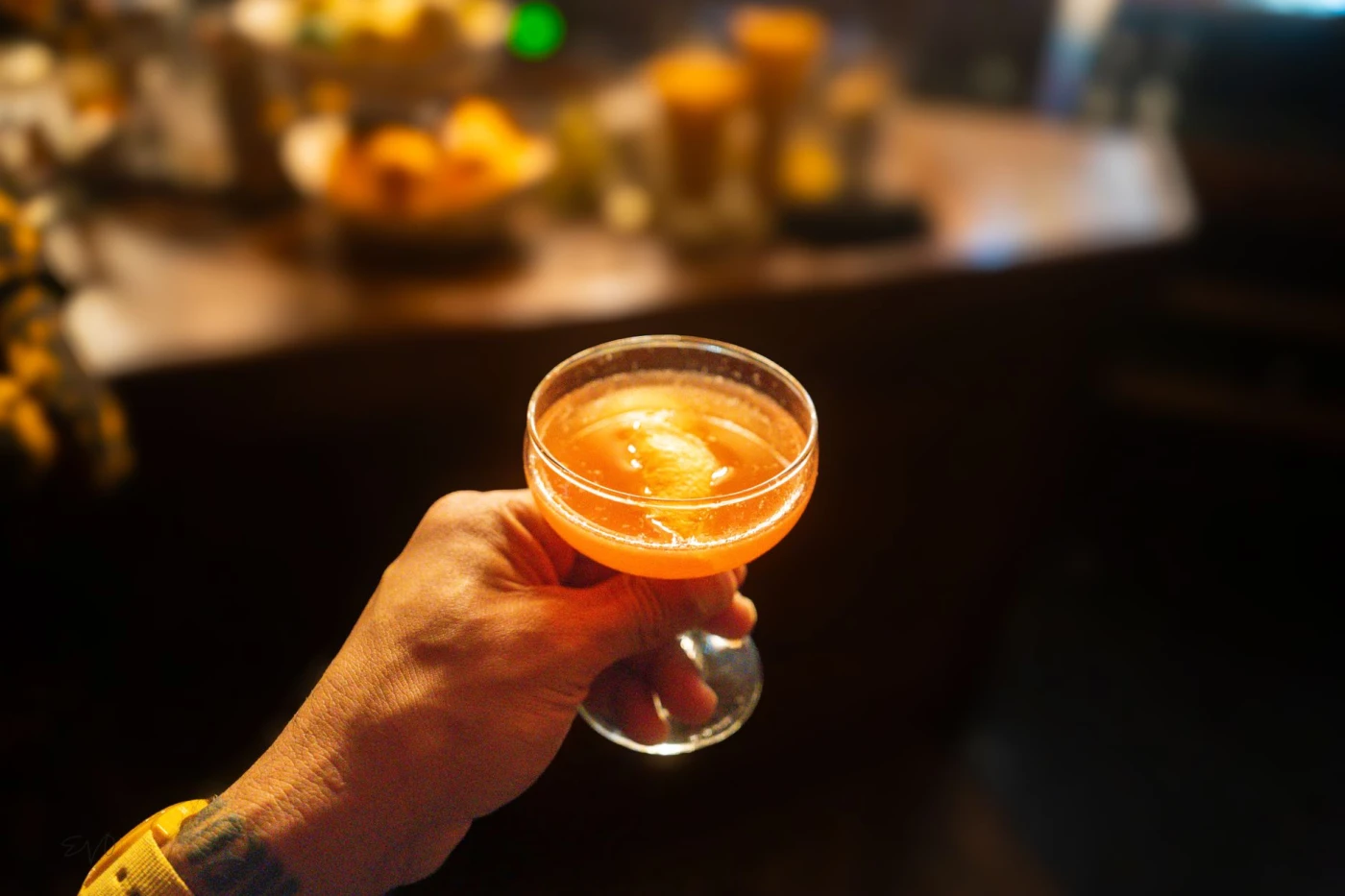
Once you understand the original, variations are easy. Keep the total citrus and sweetener controlled, shake each version for 12–15 seconds and serve it in an absinthe-rinsed chilled glass unless noted otherwise.
Blood Orange Monkey Gland
- 2 oz (60 ml) London dry gin
- 1 oz (30 ml) fresh blood orange juice
- 1 teaspoon (5 ml) grenadine
- 1 teaspoon (5 ml) absinthe for rinsing
This winter version has berry-like acidity and a deep ruby colour. Taste before adding extra syrup; blood oranges can range from tart to surprisingly sweet.
Pink Grapefruit Variation
- 2 oz (60 ml) gin
- 3/4 oz (22.5 ml) pink grapefruit juice
- 1/4 oz (7.5 ml) simple syrup
- 1 teaspoon (5 ml) grenadine
- Absinthe rinse
Sharper and drier, this is my pick for a spring aperitif. The small simple-syrup measure rounds grapefruit's bitterness without turning it into squash.
Whiskey Gland
- 2 oz (60 ml) 45% ABV rye whiskey
- 1 oz (30 ml) orange juice
- 1 teaspoon (5 ml) grenadine
- Absinthe rinse
Rittenhouse Rye, often $28–$35, produces spice and weight. This is not historically canonical, but it is an excellent bridge for whiskey drinkers.
Lower-Alcohol Long Version
- 1 oz (30 ml) gin
- 1 oz (30 ml) orange juice
- 1 teaspoon (5 ml) grenadine
- 2 oz (60 ml) chilled soda water
- One light absinthe mist
Shake everything except soda, strain over ice and top gently. It is lighter, longer and better suited to a sunny lunch. For more restrained options, explore these low-alcohol cocktail recipes.
Common Monkey Gland Mistakes and Easy Fixes
Let's be honest: most disappointing Monkey Gland cocktails fail because one flavour shouts over the others. The first culprit is excess grenadine. A tablespoon-sized free-pour may look dramatic, but it smothers the gin and makes fresh orange taste like children's cordial. Measure 1 teaspoon (5 ml), taste, then adjust by 1/2 teaspoon (2.5 ml).
The second mistake is pouring absinthe into the shaker as though it were a base spirit. Many bottles sit near 55–70% ABV and possess enormous aromatic power. Use a rinse, mist or two tiny dashes. If the finished drink smells only of anise, reduce the absinthe before changing anything else.
Old orange juice is another quiet saboteur. Once squeezed, it loses freshness and can become bitter or flat. Juice close to service, refrigerate it below 40°F (4°C) and fine-strain it. I'd skip juice that has sat uncovered overnight.
Warm glassware also matters. A correctly diluted cocktail served in a room-temperature coupe can lose its snap before the second sip. Chill the glass for at least 10 minutes and avoid holding the bowl in your hand.
Then there is weak gin. A delicate 37.5% ABV spirit may disappear behind citrus, syrup and absinthe. It is legal and usable in the UK, but a 40–47% ABV London dry gin generally gives the Monkey Gland better structure. Do not compensate by adding more gin blindly; choose the right style and retain the tested ratio.
Finally, never judge colour alone. Grenadine brands and oranges vary, so a pale coral drink can taste more balanced than a scarlet one. Measure, taste and trust your palate. That principle—rather than chasing a social-media shade—is a core skill behind every reliable home cocktail.
Preparing Ingredients and Batching Safely
A little preparation makes this drink easier to serve without sacrificing freshness. Chill the gin, glasses and unopened oranges before guests arrive, but leave the actual squeezing until close to serving time. Cold ingredients reduce the amount of work required from the ice and help the cocktail reach its ideal temperature before excess dilution occurs.
For the cleanest juice, wash the orange, cut it with a clean knife and squeeze it into a covered container. Pass the juice through a fine mesh strainer to remove seeds and coarse pulp. Refrigerate it immediately at or below 40°F (4°C), and use it the same day for the brightest flavour. Discard juice that smells fermented, has been left at room temperature for an extended period or shows any sign of spoilage.
Grenadine can usually be measured in advance because it is more stable than fresh citrus. Check the manufacturer's storage instructions after opening, since formulas differ. Homemade grenadine should be refrigerated in a clean, labelled bottle and discarded if its aroma, colour or texture changes unexpectedly. Never top up an old bottle with a new batch; wash and sanitise the container first.
When batching, combine only the gin, juice and grenadine. Keep the mixture refrigerated and clearly label the container as alcoholic so nobody mistakes its fruity appearance for ordinary juice. Do not pour absinthe into the batch. Rinsing each glass separately preserves its aroma and prevents a small measuring error from dominating every serving.
Calculate the guest count before mixing and avoid making a large surplus. A six-drink batch requires 12 oz (360 ml) gin, 6 oz (180 ml) orange juice and 1 oz (30 ml) grenadine. Stir the refrigerated batch before portioning because juice solids can settle, then measure approximately 3 1/6 oz (95 ml) into the shaker for each drink. Add fresh ice and shake every serving individually.
Do not leave a citrus-based batch sitting on a warm bar throughout a party. Return it to the refrigerator between rounds or nest its sealed container in ice. Wash the shaker and strainers regularly, especially when preparing food in the same area, and use a fresh garnish for every glass.
Finally, plan non-alcoholic choices with the same care. Chilled soda water with orange peel, tonic with a splash of fresh juice or a zero-proof citrus spritz gives guests an easy alternative. Offer water and food, avoid pressuring anyone to drink and stop serving alcohol to an intoxicated guest. Good hosting is measured by guest comfort and safety, not by how quickly a prepared batch disappears.
Best Pairings, Glassware and Occasions
The Monkey Gland cocktail works best as an aperitif. Its tart orange and juniper wake up your palate, while the absinthe rinse gives it enough intrigue to slow the first sip. Serve it before dinner rather than beside a rich chocolate dessert, where its herbal edge can taste thin.
For food, choose salty, crisp and gently fatty bites. Smoked almonds, green olives, mature Cheddar and Gouda all soften the drink's acidity. At a British drinks party, try mini sausage rolls or smoked-salmon blinis. For a US game-night spread, devilled eggs, prosciutto crostini or mild chicken skewers work better than aggressively hot wings.
A 5–6 oz (150–180 ml) coupe is traditional-looking and gives the orange oils room to bloom. A Nick & Nora glass keeps the drink colder and is less likely to spill when guests are standing. No stemmed glass? Use a small, thoroughly chilled rocks glass without ice. The flavour matters more than period-perfect equipment.
This cocktail shines at Halloween because of its name, but it should not be trapped there. It also suits a 1920s-themed New Year's Eve, a small cocktail club, a winter dinner party or an orange-season tasting. Build a menu around contrast: begin with a Monkey Gland, follow with a spirit-forward classic, then finish with something lighter.
If you are hosting outdoors, shake servings individually rather than carrying them pre-diluted for hours. For genuinely portable choices, use our guide to make-ahead picnic drinks.
A typical serving lands around 20–23% ABV after dilution, depending on the gin and rinse. Please drink responsibly, serve measured portions, alternate alcoholic drinks with water and arrange safe transport. Never drink and drive. Alcohol is intended only for adults of legal drinking age and should be avoided during pregnancy or whenever a health professional advises against it. Consult NIAAA or Drinkaware for evidence-based US and UK guidance.
Monkey Gland Quick Reference Cheat Sheet
Need the essentials without rereading the whole guide? This table captures my preferred single-serving Monkey Gland cocktail. It makes about 4 oz (120 ml) after shaking and normal ice dilution.
| Element | US measure | UK/metric measure | Practical note |
|---|---|---|---|
| London dry gin | 2 oz | 60 ml | Choose 40–47% ABV |
| Fresh orange juice | 1 oz | 30 ml | Squeeze and fine-strain |
| Grenadine | 1 tsp | 5 ml | Prefer pomegranate-based syrup |
| Absinthe | 1 tsp for rinse | 5 ml for rinse | Coat glass; discard excess |
| Shake time | 12–15 seconds | 12–15 seconds | Use hard, freezer-cold ice |
| Serving temperature | About 32–39°F | About 0–4°C | Pre-chill the glass |
| Estimated strength | 20–23% ABV | 20–23% ABV | Varies with dilution and gin |
For six guests, combine 12 oz (360 ml) gin, 6 oz (180 ml) strained orange juice and 1 oz (30 ml) grenadine. Refrigerate the batch, but shake each 3 1/6 oz (95 ml) portion with fresh ice and rinse every glass separately. Do not add the absinthe to the main bottle; even a small measuring error multiplies quickly.
The final quality check is simple. You should smell orange oil and faint anise, taste structured gin and fresh citrus, then notice restrained pomegranate on the finish. Too sweet? Reduce grenadine. Too herbal? Use less rinse. Too flat? Check the juice, ice and glass temperature before changing the core Monkey Gland recipe.
Ready to stock the right tools, glassware and staple bottles? Download the free home bar starter checklist, then make this speakeasy classic your own.
Ask AI about this article
Pick a prompt, copy it, or open ChatGPT with this article preloaded.
Frequently Asked Questions
What is a Monkey Gland cocktail?
A Monkey Gland cocktail is a classic gin sour combining London dry gin, fresh orange juice, grenadine and a restrained amount of absinthe. It is shaken with ice and usually served straight up in a chilled coupe or Nick & Nora glass. The result should taste dry, citrusy and botanical, with gentle berry sweetness and an.
Why is the cocktail called Monkey Gland?
The provocative name is generally linked to publicity surrounding Serge Voronoff's 1920s animal-tissue experiments, which attracted sensational press at the time. The drink is commonly associated with Harry MacElhone and Harry's New York Bar in Paris, although historical recipes and attribution stories are not complete.
How do you make a Monkey Gland?
Rinse a chilled coupe with absinthe, then shake 2 oz (60 ml) London dry gin, 1 oz (30 ml) fresh orange juice and 1 teaspoon (5 ml) grenadine with plenty of cold ice for 12–15 seconds. Fine-strain the drink into the prepared glass and express an orange peel over it. Serve immediately, while the cocktail is cold and aera.
What is the best gin for a Monkey Gland cocktail?
A juniper-forward London dry gin is the most dependable choice because its dry structure stands up to orange and grenadine. Beefeater, Tanqueray and Sipsmith all work well at different price points. Plymouth Gin produces a softer, rounder drink. Very floral or aggressively cucumber-led gins can become muddled beside ab.
How strong is a Monkey Gland cocktail?
With 2 oz (60 ml) of 40% ABV gin and a light absinthe rinse, the finished cocktail is approximately 20–23% ABV after normal shaking dilution. Exact strength varies with the gin, amount of absinthe, ice and shaking time. It is stronger than wine despite its fruity taste, so drink responsibly, serve one portion at a time.
Comments 0
Login to Post comments