
Clover Club: The Silky Classic Worth Reviving
The Clover Club blends gin, raspberry, lemon and a silky foam into one beautifully balanced drink. Learn the exact recipe and techniques for making it at home.
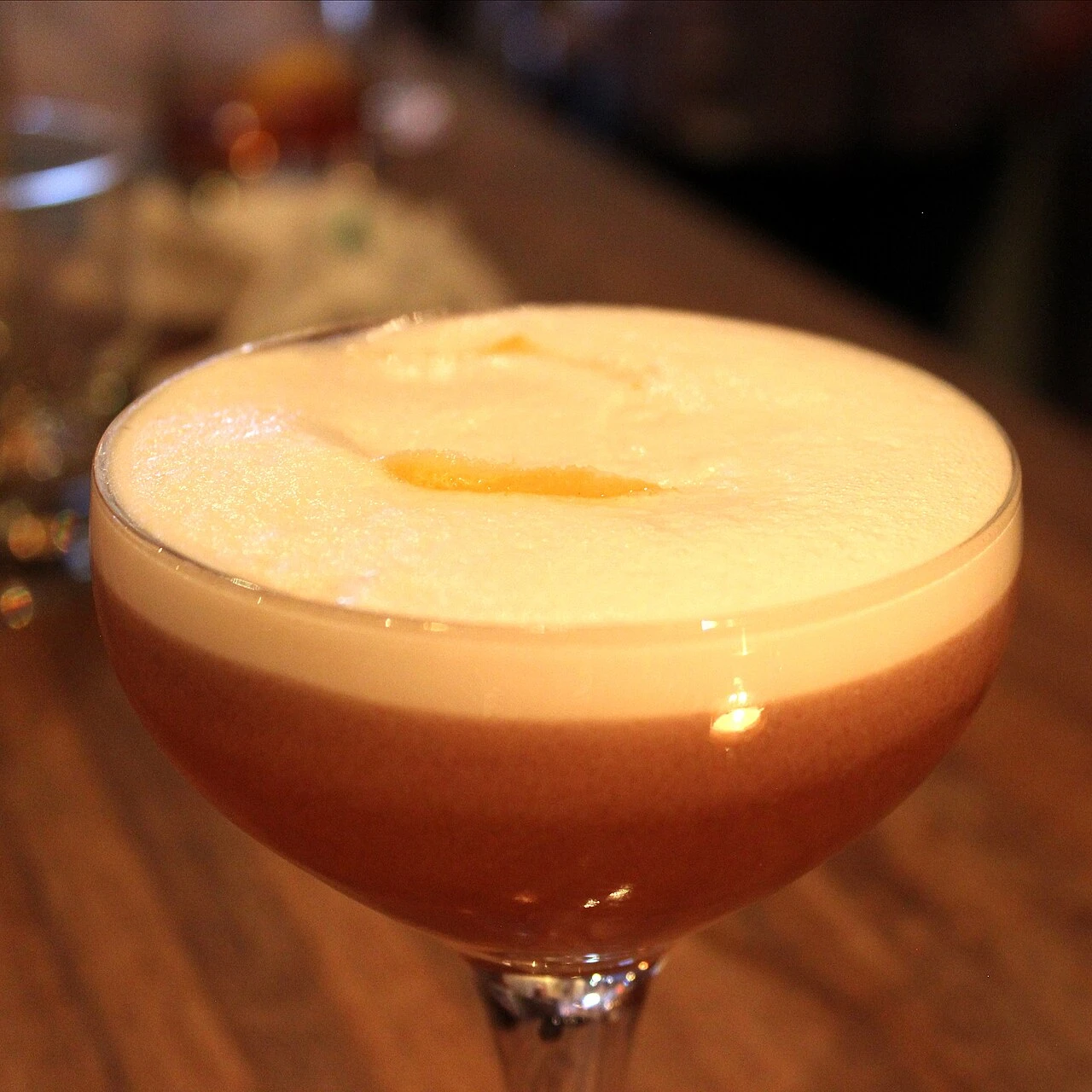
The Clover Club is the rare pink cocktail that tastes sharper, drier and more grown-up than it looks. Gin brings the backbone, raspberry supplies fragrant fruit, lemon adds snap, and egg white turns the whole drink silky rather than creamy.
It is also a superb test of your shaking technique. Get the balance right and you will pour a cool, satin-textured classic beneath a dense cap of foam. Get it wrong? You may end up with a flat, sugary sour.
Here’s the thing: you do not need professional equipment or obscure ingredients. This guide gives you reliable US and UK measures, practical substitutions and the small details that make the recipe work. Once you master it, explore these classic cocktails every home bartender should know.
What Is a Clover Club, and Where Did It Begin?
A Clover Club is a pre-Prohibition gin sour built from gin, raspberry, lemon and egg white. It is served cold and straight up, usually in a coupe or Nick & Nora glass. The foam softens the citrus without making the cocktail taste like dessert.
The name is associated with Philadelphia’s Clover Club, a late-19th-century social and dining club whose members included prominent local professionals. Exactly who first assembled the drink is less certain. Recipes appeared in print by the early 20th century, including a version in Hugo Ensslin’s 1917 cocktail book, but tidy stories naming one definitive inventor deserve caution.
What is clear is the drink’s era and structure. It belongs to the sour family: spirit, citrus and sweetness, with egg white supplying texture. Raspberry distinguishes it from a plain gin sour. Some historical formulations used raspberry syrup, while others called for grenadine; for a drink that actually tastes of raspberry, I strongly prefer syrup made from the fruit.
The Clover Club later slipped from fashionable menus. Raw egg developed an image problem, and bottled sour mixes made many fruit drinks cloying. Its reputation recovered during the modern craft-cocktail revival as bartenders returned to fresh juice, careful dilution and classic recipes.
This is easily one of the best rediscovered gin drinks because every ingredient has a clear job. Its journey also shows how drinking fashions cycle; compare that pattern with the changing favourites in 90s drinks: where are they now?.
And no, there is no clover in it. The club supplied the name. Raspberry supplies the colour.
Clover Club Ingredients You Need
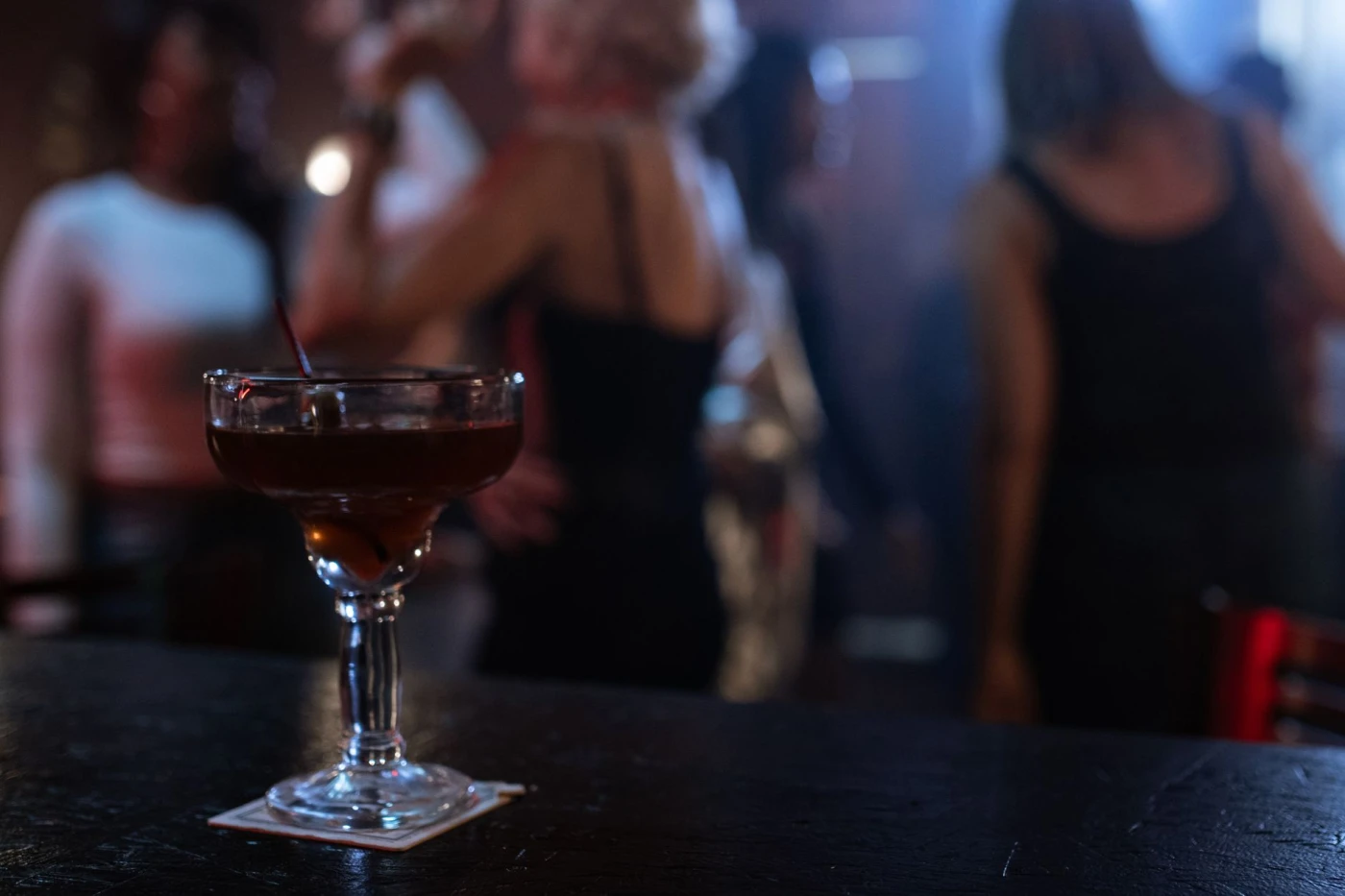
You need only four liquid ingredients, but quality matters. This formula makes one Clover Club and lands on the bright, gin-forward side of balanced.
- 2 oz (60 ml) London dry gin — Beefeater 40% ABV in the UK or 44% ABV in the US is a dependable option; Tanqueray at 43.1% ABV in the UK and 47.3% ABV in the US makes a firmer drink.
- 3/4 oz (22.5 ml) fresh lemon juice — usually about half a medium lemon.
- 1/2 oz (15 ml) raspberry syrup — use a quality bottled syrup or the quick homemade version below.
- 1/2 oz (15 ml) egg white — roughly half the white from a medium egg; pasteurised carton white is easier to measure.
- Ice — enough hard, fresh cubes to fill a shaker by about two-thirds.
- Garnish — three fresh raspberries or one expressed lemon twist.
For quick syrup, gently crush 1 cup (125 g) raspberries with 1 cup (200 g) white sugar and 1 cup (240 ml) water. Warm without vigorously boiling, stir until dissolved, steep for 15 minutes, then fine-strain and refrigerate. Use within about one week, or sooner if its aroma or appearance changes.
A solid London dry gin commonly costs about $22–$35 in the US or £20–£30 in the UK for 700–750 ml. I’d skip an expensive £45 floral gin here; raspberry can bury its subtler botanicals.
There is no “best clover” to buy because clover is not an ingredient. If gin is unavailable, a vodka version is possible, though less botanical; browse these quick vodka cocktails before deciding which base suits your bar.
How to Make a Clover Club Step by Step
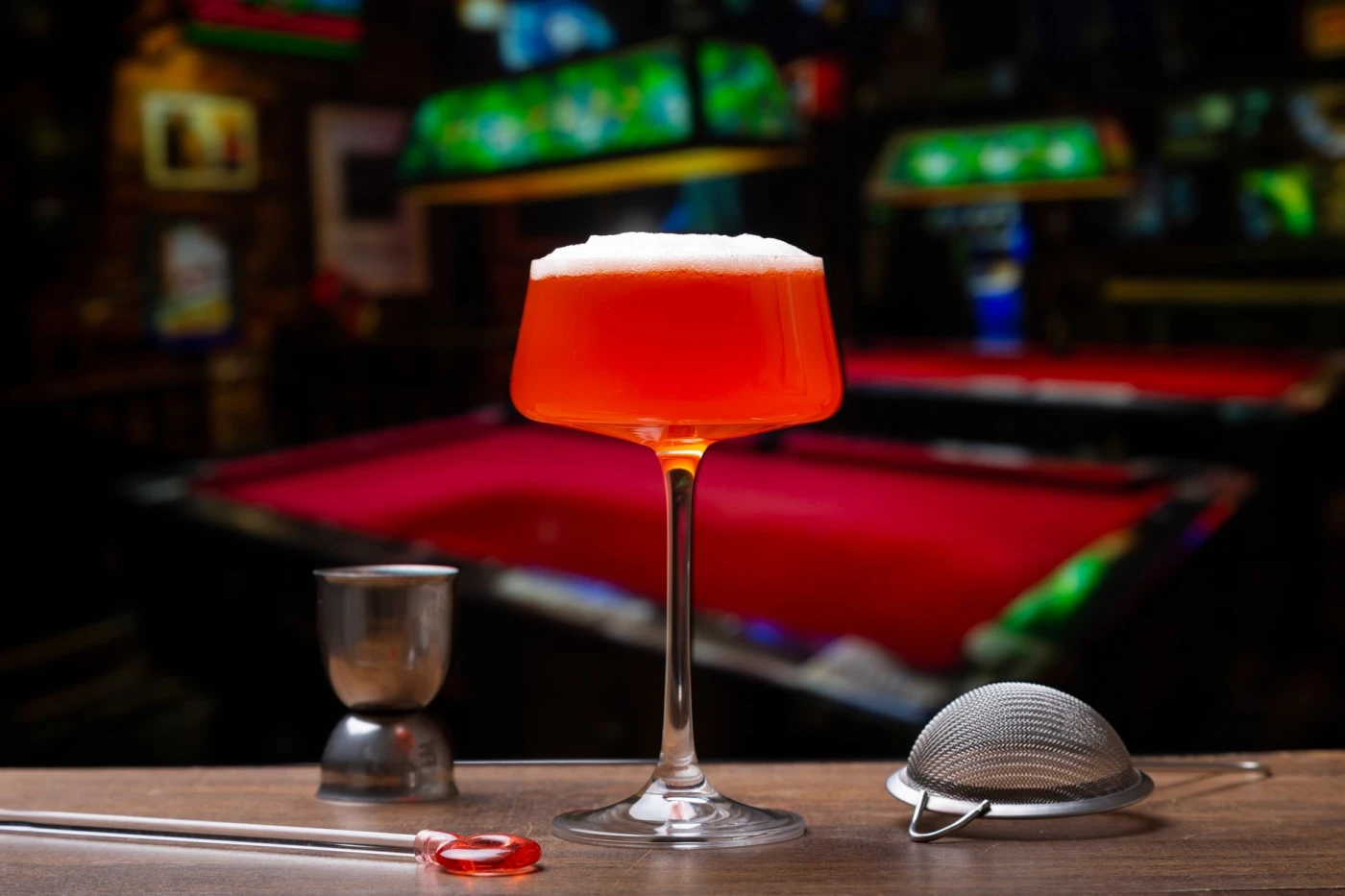
Start cold and work quickly. The complete process takes about four minutes once your ingredients are measured.
- Chill the glass. Put a 5–6 oz (150–180 ml) coupe or Nick & Nora glass in the freezer for 10 minutes. Alternatively, fill it with ice and water while you mix.
- Measure the liquids. Add 2 oz (60 ml) gin, 3/4 oz (22.5 ml) fresh lemon juice, 1/2 oz (15 ml) raspberry syrup and 1/2 oz (15 ml) egg white to an empty shaker.
- Dry shake. Seal the shaker without ice and shake hard for 12–15 seconds. This disperses air through the egg proteins and begins building the foam.
- Add ice and shake again. Fill the shaker about two-thirds with firm cubes. Shake vigorously for another 12–15 seconds, until the metal feels painfully cold and develops frost.
- Double-strain. Empty any chilling ice from your glass. Pour through both the shaker strainer and a fine-mesh strainer to remove lemon pulp and ice chips.
- Let it settle. Wait 20–30 seconds for the foam to rise, then garnish with three raspberries on a pick or a narrow lemon twist.
Serve immediately at roughly 35–40°F (2–4°C). The first sip should be tart and aromatic, followed by raspberry and juniper, with a soft finish. If sweetness dominates, reduce the syrup next time by 1 tsp (5 ml). If the lemon feels severe, add the same amount.
After testing both sequences, I find the dry shake followed by ice gives home bartenders the most repeatable texture. A reverse dry shake can create more foam, but it adds awkward straining and more opportunities for spills.
Want something simpler while practising accurate pours? The Madras cocktail is a forgiving three-ingredient alternative.
How Each Ingredient Changes the Finished Drink
Understanding the role of each ingredient makes the Clover Club easier to adjust without losing its identity. Gin contributes far more than alcohol: juniper supplies a dry, pine-like backbone, while citrus peel and spice botanicals connect the spirit to the lemon and raspberry. A softer gin produces a fruitier cocktail; a higher-proof London dry gin creates a leaner finish and a more obvious botanical aroma.
Lemon juice controls the drink’s energy. Too little leaves the syrup tasting heavy, while too much makes the first sip feel thin and severe. Lemons also vary by season and storage, so the stated 3/4 oz (22.5 ml) is a dependable starting point rather than an unbreakable law. Taste a small drop before mixing. If the juice is especially sharp, reduce it by 1 tsp (5 ml) or add the same amount of syrup.
Raspberry syrup supplies sweetness, colour and fragrance. A fresh syrup tends to taste bright and slightly tart, whereas many commercial syrups have a concentrated confectionery character. This difference explains why two Clover Club recipes with identical measurements can taste completely different. When opening a new bottle or making a new batch, begin conservatively. You can add sweetness to the shaker, but you cannot remove it once the cocktail is mixed.
Egg white primarily affects texture rather than flavour. Shaking unfolds its proteins and traps tiny air bubbles, creating a fine foam that rounds the edges of the lemon. The drink should feel silky, not thick like a milkshake. Adding extra egg white does not guarantee a better cap; too much can mute the gin and create an unpleasantly spongy texture. The measured 1/2 oz (15 ml) gives enough structure without dominating the glass.
Finally, water is an essential ingredient even though it is not poured from a bottle. Melting ice lowers the alcohol concentration, opens the gin’s aroma and integrates the sweet and sour elements. Under-shaking leaves the cocktail hot and disjointed. Excessive dilution makes it watery and collapses its flavour. Cold ingredients, hard ice and a vigorous 12–15-second shake provide a useful repeatable baseline.
When adjusting your Clover Club, change only one variable at a time and record the result. Try reducing the syrup by 1 tsp (5 ml), for example, while leaving the gin, lemon and shaking time untouched. This controlled approach quickly reveals whether your fruit, citrus or technique caused the imbalance and helps you create a house recipe suited to the bottles in your own bar.
Pro Tips for Better Foam, Balance and Aroma
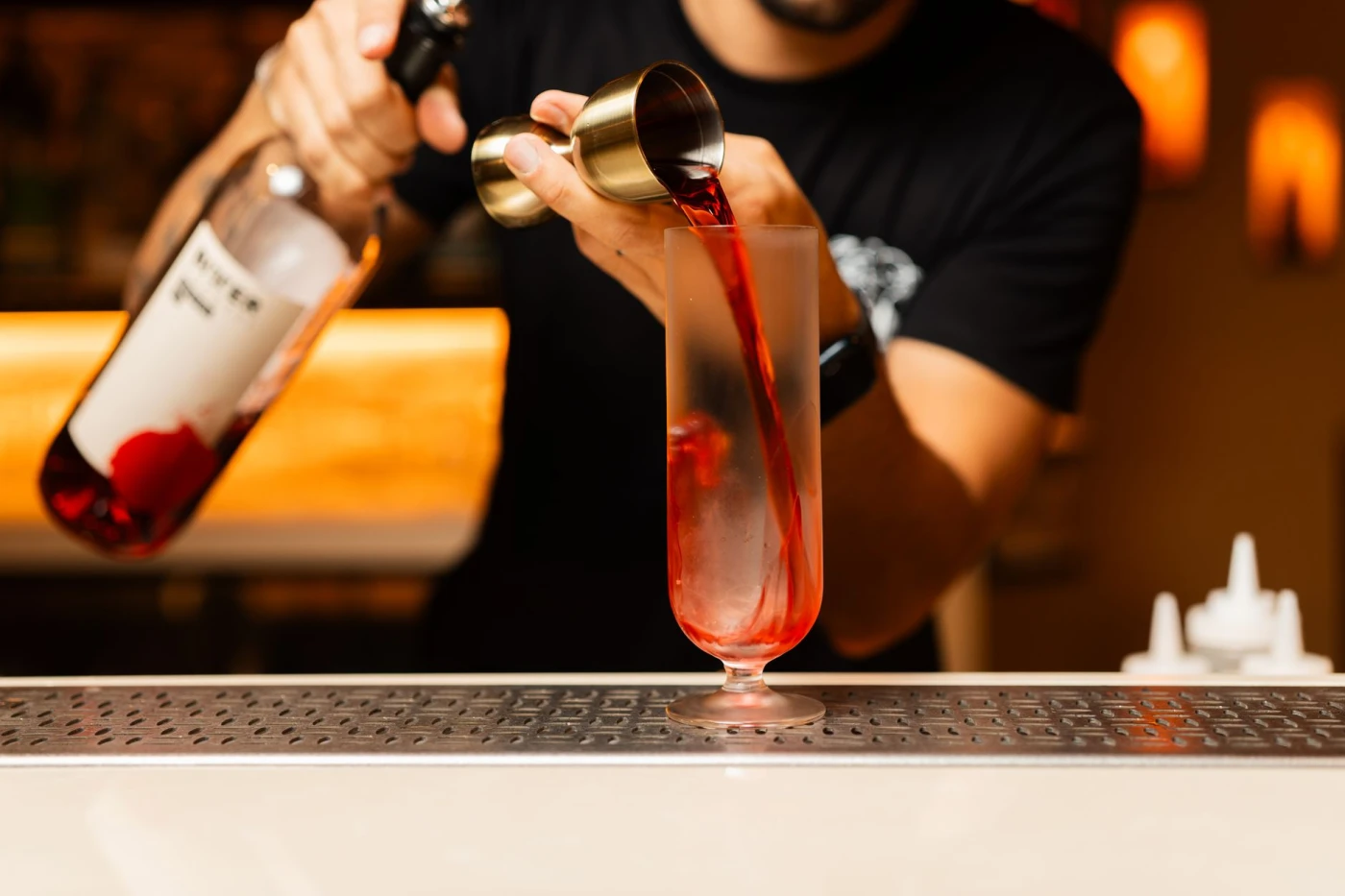
Measure everything. Free-pouring looks confident, but a difference of 1/4 oz (7.5 ml) can push this small drink from bracing to jammy. In my experience, a marked jigger is the cheapest improvement you can make; useful stainless-steel versions cost about $8–$15 or £7–£12.
Use cold, dry ice. Wet cubes have already begun melting, so they dilute the cocktail before they chill it efficiently. Large freezer cubes are fine, but several medium cubes move more aggressively inside the shaker and aerate the egg white better.
Fresh citrus is non-negotiable for me. Lemon juice loses its brightest aroma after squeezing, while bottled juice often tastes muted or preserved. Squeeze it the same day and keep it below 40°F (4°C).
Next, taste your raspberry syrup. Homemade batches vary with the fruit, and commercial products differ dramatically in sugar concentration. Before adding egg, combine a drop of gin, lemon and syrup on a spoon. It will not predict dilution perfectly, but it quickly reveals an obviously harsh or sugary mixture.
After testing several styles, I favour Beefeater or Tanqueray over delicate contemporary gin. Their juniper and citrus remain present after the berry arrives. Plymouth, at 41.2% ABV in the UK and commonly 41.2% ABV in the US, produces a rounder result.
For defined foam, keep oil away from the shaker and glass; grease weakens bubbles. Double-strain slowly, then leave the surface undisturbed. Three raspberries make a better garnish than a heavy fruit pile that sinks through the cap.
The same discipline—measuring, chilling and adjusting sweetness—also helps when exploring whiskey cocktails for beginners. Technique travels between spirits.
Clover Club Variations Worth Making
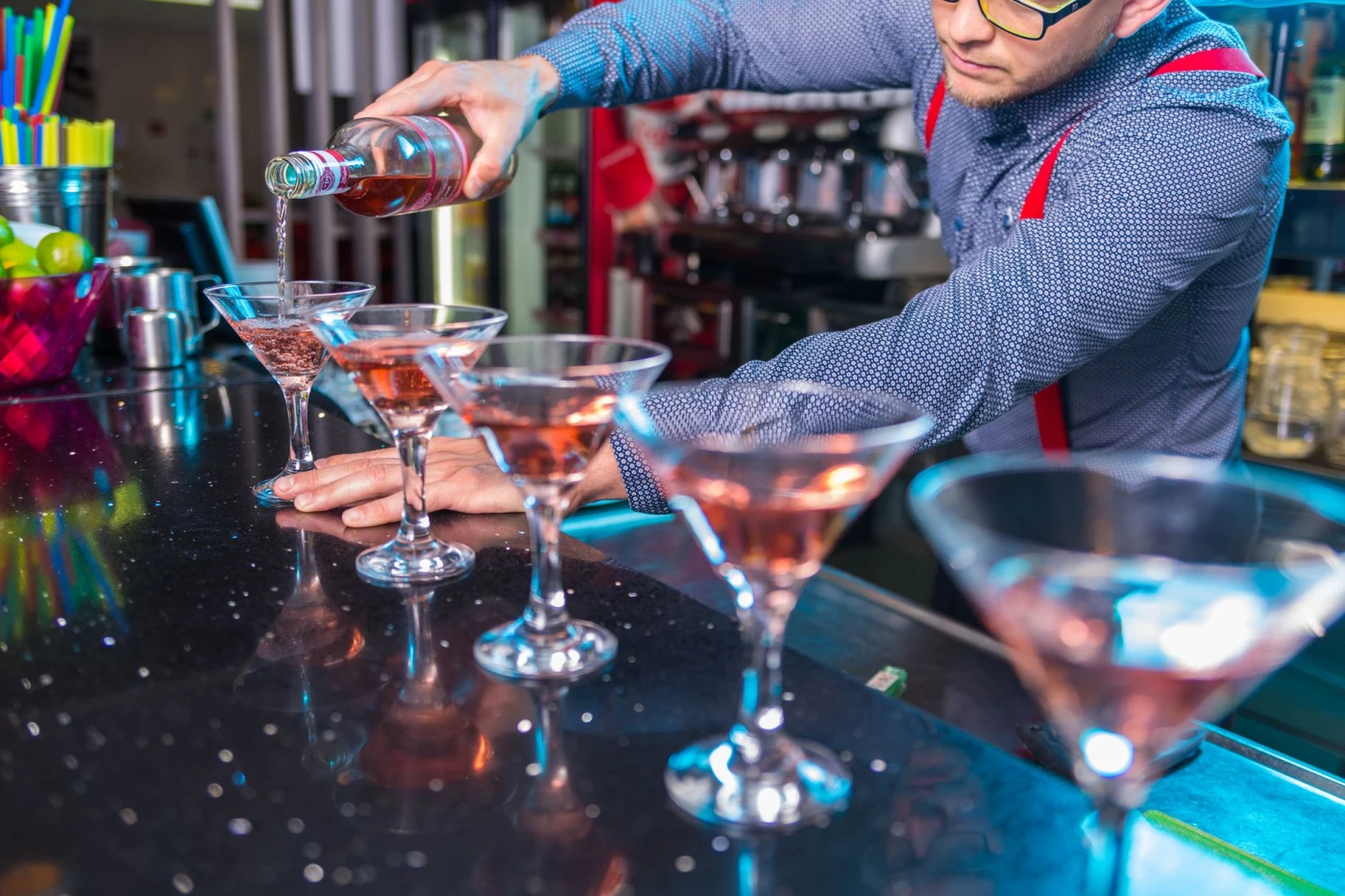
A variation should preserve the original idea: brisk spirit, tart citrus, raspberry and a silky top. Change one or two elements, not everything at once.
Plant-Based Clover Club
- 2 oz (60 ml) London dry gin
- 3/4 oz (22.5 ml) lemon juice
- 1/2 oz (15 ml) raspberry syrup
- 1/2 oz (15 ml) unsalted aquafaba
Shake exactly as in the main recipe. Aquafaba can add a faint bean aroma in the shaker, but fresh lemon and gin usually cover it in the finished drink.
Clover Club Royale
- 1 1/2 oz (45 ml) gin
- 1/2 oz (15 ml) lemon juice
- 1/2 oz (15 ml) raspberry syrup
- 1/2 oz (15 ml) egg white
- 1 oz (30 ml) chilled brut sparkling wine
Shake everything except the wine. Strain, then gently add the sparkling wine. The drier finish suits New Year’s Eve or an engagement toast.
Bramble-Style Blackberry Club
- 2 oz (60 ml) gin
- 3/4 oz (22.5 ml) lemon juice
- 1/2 oz (15 ml) blackberry syrup
- 1/2 oz (15 ml) egg white
This late-summer version is darker and earthier. Garnish with one blackberry, not raspberry.
Lower-Alcohol Club
- 1 oz (30 ml) gin
- 1 oz (30 ml) chilled strong hibiscus tea
- 3/4 oz (22.5 ml) lemon juice
- 1/2 oz (15 ml) raspberry syrup
- 1/2 oz (15 ml) aquafaba
The tea adds tannin and colour while cutting the spirit in half. Use this approach when pacing a long garden lunch, or find more ideas among these low-alcohol cocktail recipes.
I’d skip vanilla vodka and neon raspberry schnapps. Both turn a poised sour into something heavier and much sweeter.
Common Clover Club Mistakes and Easy Fixes
The foam is thin or patchy. You probably shook too gently, used too little egg white or allowed oil into the shaker. Wash and dry the equipment, measure 1/2 oz (15 ml) white, then dry-shake for a full 15 seconds before adding ice.
The cocktail tastes like raspberry sweets. Many bottled syrups are intensely concentrated. Reduce yours from 1/2 oz (15 ml) to 1/3 oz (10 ml), or increase lemon by 1 tsp (5 ml). Do not add more gin automatically; that raises strength without necessarily restoring balance.
The drink is watery. Soft, wet ice and a half-empty shaker cause rapid, inefficient dilution. Use hard cubes and fill the shaker about two-thirds. A 12–15-second ice shake is normally enough when the ingredients begin cold.
You cannot taste the gin. A 37.5% ABV floral gin may disappear beneath ripe raspberry. Choose a 40–47% ABV London dry style and keep the syrup measured. This is a gin cocktail, not raspberry lemonade.
There are ice shards on top. Double-strain through a fine sieve. The extra five seconds create a smoother surface and keep fragments from breaking the foam.
The egg develops clumps. Add gin and lemon separately rather than leaving raw white sitting in concentrated citrus while you search for equipment. Then shake promptly. Alcohol and acid can alter egg proteins, but neither should be treated as a food-safety control.
The glass warms before serving. A room-temperature coupe can steal the chill surprisingly quickly. Freeze it for 10 minutes and avoid holding the bowl in your hand.
Let’s be honest: most failed Clover Clubs come from guessing the measurements. Write down each adjustment. One controlled change teaches you far more than three random ones.
Food Pairings, Seasons and Serving Occasions
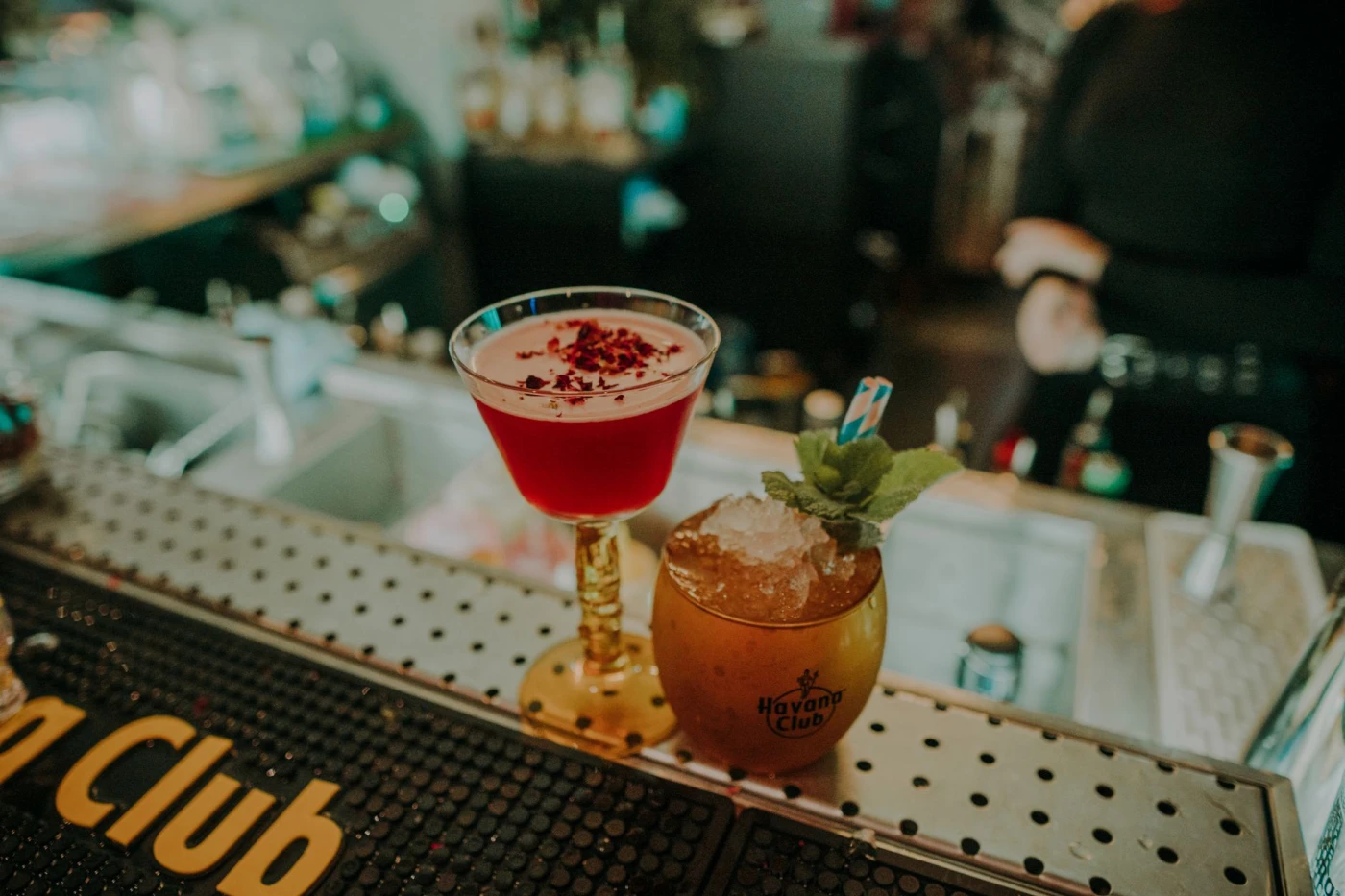
The Clover Club works best before dinner. Lemon wakes up the palate, raspberry feels celebratory, and the foam gives a luxurious first impression without the weight of cream. Serve it at a spring brunch, summer garden party, Valentine’s dinner or a 1920s-themed evening.
With food, look for salt, gentle richness and fresh herbs. Goat’s-cheese crostini, smoked-salmon blinis and crab cakes all meet the drink halfway. The acidity cuts fat, while raspberry complements rather than overwhelms delicate seafood.
For a British spread, try miniature sausage rolls with sage, mature Cheddar gougères or beetroot-and-goat’s-cheese tartlets. In the US, fried chicken bites, devilled eggs and warm Brie with walnuts are excellent. Keep sauces moderately spicy; fierce chilli makes the gin’s alcohol feel hotter.
Dessert can work, but choose restraint. Dark-chocolate truffles, lemon shortbread or an almond financier suit the drink. I would avoid frosted cupcakes and raspberry cheesecake because doubling down on sugar and berry quickly becomes exhausting.
One drink per guest is a sensible hosting calculation because every Clover Club must be shaken. Pre-measure the gin, syrup and lemon as a refrigerated base for up to a few hours, but add egg white only when each serving goes into the shaker. Keep the base below 40°F (4°C).
For picnics, raw egg foam and à-la-minute shaking are inconvenient. Pack a raspberry-gin lemonade instead, or use ideas from these portable picnic drinks.
Set out water and savoury food alongside the cocktails. The drink may look soft and airy, but its gin measure is substantial. That contrast is precisely why thoughtful pacing matters.
Clover Club Quick Reference Cheat Sheet
Use this table when you want the recipe without rereading the full method. The millilitre figures are practical bar conversions rather than exact mathematical equivalents, making them easy to measure with UK jiggers.
| Element | US measure | UK metric measure | Practical note |
|---|---|---|---|
| London dry gin | 2 oz | 60 ml | Choose 40–47% ABV |
| Fresh lemon juice | 3/4 oz | 22.5 ml | Squeeze the same day |
| Raspberry syrup | 1/2 oz | 15 ml | Adjust by 1 tsp or 5 ml |
| Egg white or aquafaba | 1/2 oz | 15 ml | Dry-shake first |
| Dry shake | 12–15 seconds | 12–15 seconds | No ice |
| Ice shake | 12–15 seconds | 12–15 seconds | Use hard, fresh cubes |
| Serving glass | 5–6 oz | 150–180 ml | Chilled coupe or Nick & Nora |
| Serving temperature | 35–40°F | 2–4°C | Serve immediately |
With 2 oz (60 ml) of 40% ABV gin, dilution will usually bring the finished Clover Club to an estimated 16–18% ABV. The exact figure changes with gin strength, ice temperature and shaking time. US readers can consult the Alcohol and Tobacco Tax and Trade Bureau for alcohol labelling information, while the NIAAA and Drinkaware provide health guidance for US and UK audiences.
Practise responsible drinking: pace each serving, offer water and never drive after consuming alcohol.
The Clover Club rewards precision, but it is not precious. Measure carefully, shake hard and adjust the raspberry to your fruit and gin. For the tools that make this classic—and many others—easier, download the free home bar starter checklist.
Ask AI about this article
Pick a prompt, copy it, or open ChatGPT with this article preloaded.
Frequently Asked Questions
What is a Clover Club cocktail?
A Clover Club is a classic gin sour made with gin, raspberry syrup, fresh lemon juice and egg white. The ingredients create a tart, berry-led drink with a pale-pink colour and smooth foam. Despite its elegant appearance, it is neither creamy nor especially sweet when properly balanced. It is usually served straight up.
Does a Clover Club contain actual clover?
No. Clover is not a standard ingredient, garnish or flavouring in the cocktail. The name refers to Philadelphia’s historic Clover Club, not to the plant. For garnish, fresh raspberries or a small lemon twist make more sense than clover leaves. If you see edible flowers on a modern version, they are a decorative choice.
What is the best gin for a Clover Club?
A dry, juniper-forward gin is the most dependable choice because it remains noticeable beside raspberry and lemon. Beefeater, Tanqueray and Plymouth all work well. Choose a bottle around 40–47% ABV, or 80–94 proof. Strongly floral or cucumber-led gins can be interesting, but their botanicals may clash with the fruit un.
How strong is a Clover Club?
With 2 oz (60 ml) of 40% ABV gin, the drink begins with about 0.8 oz (24 ml) of pure alcohol. Shaking adds water, so the served cocktail will commonly land around 16–18% ABV, depending on ice and shake time. That is an estimate, not a laboratory measurement. A higher-proof gin or shorter shake produces a stronger final.
Comments 0
Login to Post comments