How Gin Is Made: From Grain to Glass
Discover how neutral spirit, juniper, botanicals, distillation, and careful proofing turn a clear base into characterful gin.
How gin is made sounds simple: take alcohol, add juniper, and bottle it. The reality is far more interesting. Every decision—from the base spirit and botanical cut to the still design and final ABV—changes what reaches your glass.
This guide follows gin from raw material to bottle, explains the difference between steeping and vapor infusion, and gives you a safe, no-distillation tasting experiment. You will also learn why Tanqueray tastes unlike Hendrick’s, what “London dry” really tells you, and which production details matter in cocktails. Once you understand how gin is made, classics in our guide to 15 cocktails every home bartender should know become much easier to balance.
What Gin Is and How Gin Is Made Historically
Gin is a botanical spirit defined above all by juniper. Piney, resinous, peppery, or citrus-like notes may dominate, but that juniper signature must remain recognizable. The foundation is commonly neutral alcohol distilled from wheat, corn, barley, rye, molasses, grapes, or another fermentable source.
Here’s the thing: genever and modern dry gin are related, but they are not interchangeable. Dutch and Belgian genever traditions use a maltier spirit and helped shape England’s appetite for juniper-flavored alcohol. English gin expanded dramatically during the early-18th-century Gin Craze, a socially turbulent period often flattened into colorful marketing stories.
Later improvements in rectification and column distillation made cleaner neutral spirit more accessible. That cleaner canvas encouraged distillers to build crisp botanical profiles rather than mask a rough base. London dry eventually became a production category associated with redistillation and tightly controlled flavoring, not a guarantee that the bottle was physically made in London.
In the United States, the Alcohol and Tobacco Tax and Trade Bureau oversees federal distilled-spirit standards, permits, formulas, and labeling. Other markets use their own rules, so a term on a US label may not carry precisely the same regulatory detail in Britain or Europe.
Understanding how gin is made also explains its range. A classic London dry can be lean and juniper-heavy; Plymouth-style gin tends to feel rounder and earthier; contemporary bottles may push citrus, cucumber, flowers, tea, or coastal herbs. History supplied the framework. Modern distillers keep rewriting the flavor.
Ingredients That Explain How Gin Is Made
Commercial gin formulas are proprietary and often scaled by weight, but you can understand botanical balance with a small cold-infusion sample. This is not distilled gin. It is a sensory exercise using purchased vodka, designed to show how quickly juniper, citrus, spice, and roots extract.
Use a clean 1-quart or 1-litre glass jar. Dry botanical volumes are approximate because seed size varies; the ounce figures for botanicals are weights, while millilitres describe practical spoon volumes.
- 25.4 US fl oz (750 ml) unflavored vodka, 40% ABV (80 proof)
- 0.35 oz by weight (about 20 ml) lightly crushed juniper berries
- 0.07 oz by weight (about 5 ml) lightly crushed coriander seed
- 0.04 oz by weight (about 5 ml) dried lemon peel
- 0.04 oz by weight (about 5 ml) dried orange peel
- 0.02 oz by weight (about 2.5 ml) dried angelica root
- 0.01 oz by weight (about 1 ml) green cardamom seeds
- 0.5 US fl oz (15 ml) distilled water, only if needed after tasting
The vodka represents the neutral base used when demonstrating how gin is made. Smirnoff No. 21 is a serviceable US benchmark; in Britain, a plain supermarket vodka works because elaborate character is unnecessary. Expect roughly $12–$18 or £12–£18 for a basic 700–750 ml bottle, depending on taxes and promotions.
Juniper provides the core. Coriander contributes lemony spice, citrus peel supplies brightness, and angelica adds earthy dryness while helping aromas feel connected. Cardamom is powerful. Measure it.
Fresh peel extracts faster and adds water, so dried peel is easier to control. Avoid powdered spices, artificial essence, and mystery foraged plants. If you are building cocktails rather than studying botanicals, these quick vodka cocktails offer a better use for the remaining base bottle.
How Gin Is Made Step by Step
The professional sequence below explains how gin is made without treating beverage distillation as a kitchen project. Distilleries use licensed premises, explosion-conscious equipment, analytical checks, and trained judgment. Do not improvise a still at home.
- Create the base alcohol. A producer mills a fermentable material, converts available starches to sugars when required, adds yeast, and ferments a low-ABV liquid. Some gin distilleries perform this stage; many purchase compliant neutral spirit.
- Rectify the spirit. Repeated or column distillation removes much of the source material’s flavor. The resulting neutral alcohol is far stronger than bottled gin and must be handled professionally.
- Build the botanical recipe. Juniper is weighed alongside coriander, peels, roots, spices, herbs, or flowers. Distillers test individual lots because a new juniper harvest can smell markedly different from the previous one.
- Choose an extraction method. Botanicals may macerate in diluted spirit before pot distillation, sit in a basket where alcohol vapor passes through them, or be distilled separately and blended. Steep-and-boil often gives a weightier profile; vapor infusion can preserve delicate high notes.
- Make and assess the run. The distiller separates unsuitable early and late portions from the clean, aromatic center. These “cuts” depend on equipment, aroma, taste, and analysis—not one universal clock time or a single magic temperature.
- Blend, rest, and proof. Distillate is combined with treated water to reach the target, perhaps 40% ABV (80 proof), 41.3% ABV, or a stronger 47% ABV. Resting lets the blend settle.
- Filter and bottle. Some producers chill-filter near 32°F (0°C) to reduce haze; others accept slight clouding to retain texture. Final checks cover ABV, clarity, fill level, aroma, and label compliance.
For the safe infusion above, combine everything except water, store at 68–72°F (20–22°C), taste after 12 hours, and strain within 24–36 hours. After testing several batches, I would remove the citrus early if bitterness appears. That simple observation reveals why professional botanical control matters.
Pro Tricks for Tasting How Gin Is Made
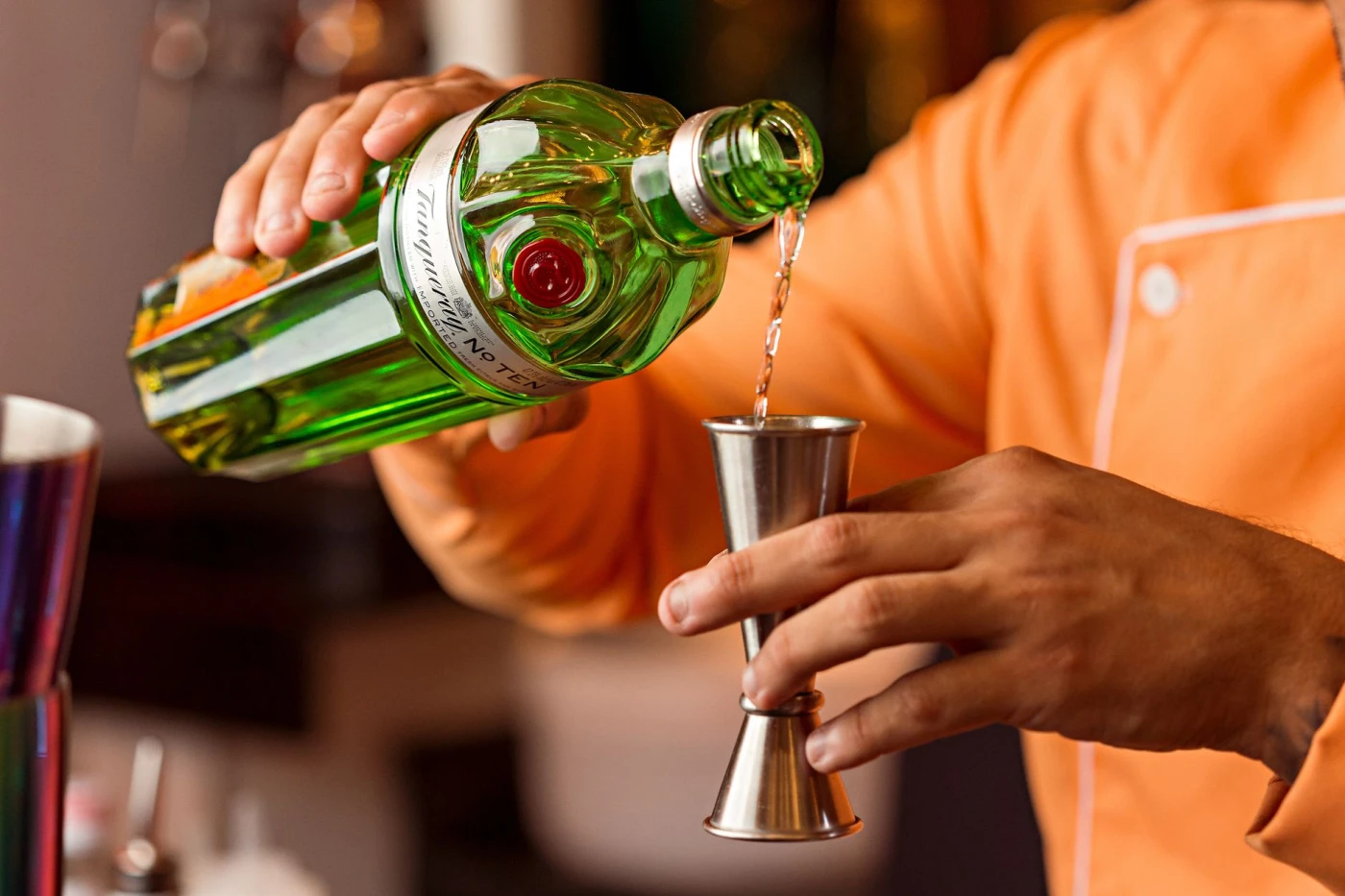
In my experience, the fastest way to understand how gin is made is to taste analytically rather than pour a giant tonic. Measure 0.5 US fl oz (15 ml) into a small glass, smell it neat, add 0.25 US fl oz (7.5 ml) cool water, then smell again. Dilution can release aromas that concentrated alcohol keeps tight.
Compare three production personalities side by side. Tanqueray London Dry, usually 47.3% ABV in the US and often 43.1% in the UK, shows a bold juniper-and-citrus frame. Bombay Sapphire at 47% ABV in many US bottles and 40% in many UK bottles is a useful vapor-infused comparison. Hendrick’s, commonly 41.4% ABV, moves toward cucumber and floral character. Always confirm your own label because market specifications change.
After testing gin in Martinis, Collinses, and tonic serves, I’ve found that proof matters almost as much as botanical choice. A 47% gin stays articulate after stirring and dilution; a softer 37.5% bottle can disappear behind sweet tonic or heavy vermouth. That does not make the lower-proof gin inferior. It changes the job.
Temperature matters too. Taste first around 55–60°F (13–16°C), not freezer-cold, because extreme chilling suppresses aroma. Then test the intended serve. For a Martini, stir with hard ice until the mixture reaches roughly 24–28°F (-4 to -2°C).
Garnish with intent. Expressed lemon peel reinforces citrus distillates; grapefruit can sharpen coriander; cucumber suits floral contemporary gin. I’d skip a crowded fruit salad. This is easily one of the best upgrades you can make because the garnish should reveal how gin is made, not bury it. If your technique needs work, compare the spirit-first templates in our beginner whiskey cocktail guide.
Variations That Change How Gin Is Made
“Gin” is a broad family. These four 4 US fl oz (120 ml) bench samples let you explore stylistic direction safely with purchased vodka. Infuse each for 12–24 hours, strain, and taste with equal water. They demonstrate botanical emphasis rather than reproduce a protected commercial formula.
Juniper-led dry sample
- 4 US fl oz (120 ml) 40% ABV vodka
- 0.06 oz by weight (about 4 ml) crushed juniper
- 0.01 oz by weight (about 1 ml) coriander seed
- 0.01 oz by weight (about 1 ml) dried lemon peel
This points toward the firm architecture associated with bottles such as Beefeater and Tanqueray. It is crisp, direct, and excellent for a Negroni.
Citrus-forward sample
- 4 US fl oz (120 ml) vodka
- 0.04 oz by weight (about 3 ml) juniper
- 0.02 oz by weight (about 2 ml) dried lemon and orange peel
- 0.01 oz by weight (about 1 ml) coriander seed
This version illustrates how gin is made to feel brighter without becoming lemon-flavored vodka. Try its commercial counterpart in warm-weather drinks or our make-ahead picnic drinks.
Floral contemporary sample
- 4 US fl oz (120 ml) vodka
- 0.04 oz by weight (about 3 ml) juniper
- 0.01 oz by weight (about 1 ml) dried chamomile
- 0.25 US fl oz (7.5 ml) cucumber peel strips
Use a light hand. Floral ingredients become perfumed quickly; cucumber should taste fresh, not vegetal.
Old Tom-inspired sample
- 4 US fl oz (120 ml) strained dry botanical infusion
- 0.17 US fl oz (5 ml) 1:1 simple syrup
- 0.03 US fl oz (1 ml) water, if needed
Old Tom is not one rigid formula, but modest sweetness can soften juniper and spice. It suits historic punches and retro drinks worth revisiting.
Common Mistakes When Learning How Gin Is Made
The first mistake is assuming every gin begins with grain. Wheat and corn are common, but neutral spirit can come from grapes, potatoes, molasses, or other fermentable materials. Once highly rectified, the base may contribute little obvious flavor, although texture and trace character can remain.
The second is confusing infusion with distillation. A jar of juniper-steeped vodka can teach you about extraction, but it retains compounds that a distiller might separate during a run. Call it a botanical infusion. Honest language strengthens your understanding of how gin is made.
Overextraction is the classic home error. Crushed coriander can turn aggressively spicy; pithy peel becomes bitter; cardamom takes over. Taste at 12, 18, and 24 hours. Strain individual botanicals separately if you want maximum control, then blend the finished tinctures drop by drop.
Another mistake is treating more botanicals as better. A 25-ingredient label sounds impressive, yet complexity without structure tastes muddy. Juniper needs support, contrast, and space. In my experience, six clear voices beat twenty indistinct ones.
Do not judge gin only in tonic. Sweetener, carbonation, quinine, ice, and garnish all alter perception. Taste 0.5 US fl oz (15 ml) neat, with water, and finally in a measured drink. The progression shows what survives dilution.
Finally, avoid treating “best gin” as a universal ranking. Gordon’s at about £25 per litre before promotions can work brilliantly in a party G&T, while a $35–$45 craft bottle may reward a spare Martini. Prices move by retailer and tax, so buy for the serve, not the prestige.
Let’s be honest: weak measurement ruins more drinks than modest gin does. Use a jigger, chill fresh vermouth, and match sweetness to proof. The same discipline improves vodka drinks such as the Madras cocktail.
Pairings, Serves, and the Best Occasions
Once you understand how gin is made, pairing becomes logical. Juniper loves herbal, citrusy, salty, and fatty foods. Serve a London dry G&T with smoked salmon, olives, fish and chips, or a sharp Cheddar. A cucumber-floral gin works with goat’s cheese, melon, sushi, and delicate summer salads.
For a spring brunch, pour a Collins with 1.5 US fl oz (45 ml) gin, 1 US fl oz (30 ml) lemon juice, 0.5 US fl oz (15 ml) simple syrup, and 2 US fl oz (60 ml) soda. It is tall, bright, and less concentrated than a Martini. For an autumn dinner, a Negroni’s bitter orange profile stands up to roast pork, mushrooms, and aged cheese.
Want something gentler for a long afternoon? Use 1 US fl oz (30 ml) gin, 4 US fl oz (120 ml) tonic, plenty of ice, and a long citrus peel. You can also alternate it with selections from our low-alcohol cocktail collection.
Strength deserves context. A 2 US fl oz (60 ml) pour of 40% ABV gin contains 0.8 US fl oz (about 24 ml) of pure alcohol before dilution. A drink made with that pour and 4 US fl oz (120 ml) tonic is roughly 13% ABV before melting ice. A dry Martini can remain near 30% ABV because vermouth adds alcohol while relatively little mixer is used.
Measure every serve, provide water and food, and never use coldness or sweetness as evidence that a drink is weak. For responsible drinking guidance, consult the NIAAA in the US or Drinkaware in the UK.
For weddings, garden parties, Burns Night gatherings, or New Year’s Eve, pre-chill mixers but build carbonated drinks to order. Your guests get brighter aroma, firmer bubbles, and a better view of how gin is made to perform.
How Water and Resting Shape Finished Gin
Water may look like the least dramatic ingredient, but it can determine whether finished gin tastes polished or disjointed. Distillers commonly treat water to control minerals, odors, and other variables before reducing concentrated botanical distillate to bottling strength. Adding water changes more than the ABV: it also changes aroma release, perceived sweetness, texture, and the visibility of citrus or spice.
Proofing is usually approached gradually because botanical oils can react unpredictably when strong spirit is diluted too quickly. A formula that appears crystal clear at a high strength may become cloudy at a lower strength or when chilled. This haze is often caused by aromatic oils becoming less soluble rather than by spoilage, although commercial producers still investigate unexpected changes before bottling.
Resting the proofed gin gives water, alcohol, and botanical compounds time to settle into a more consistent profile. Producers may then filter the spirit, conduct sensory and laboratory checks, and make careful blending adjustments across batches. These quiet finishing decisions explain why two gins made with similar botanicals can differ in softness, clarity, aroma, and cocktail performance. Understanding how gin is made therefore means paying attention to the work after distillation, not merely to what enters the still.
How Gin Is Made: Quick Reference Cheat Sheet
Use this table to connect production style with the drink in front of you. UK millilitre figures are practical rounded equivalents, not exact mathematical conversions. Check the ABV printed on your bottle because Tanqueray, Bombay Sapphire, and other brands may be bottled at different strengths for different countries.
| Reference | US measure | UK measure | What it tells you |
|---|---|---|---|
| Neat tasting pour | 0.5 oz | 15 ml | Shows aroma, texture, heat, and juniper intensity |
| Water for tasting | 0.25 oz | 7.5 ml | Opens delicate citrus, floral, and spice notes |
| Classic G&T | 2 oz gin + 4 oz tonic | 50 ml gin + 100 ml tonic | Tests whether botanicals survive quinine and dilution |
| Lighter G&T | 1 oz gin + 4 oz tonic | 25 ml gin + 100 ml tonic | Creates a longer, lower-strength serve |
| Dry Martini | 2.5 oz gin + 0.5 oz vermouth | 75 ml gin + 15 ml vermouth | Rewards higher proof and precise chilling |
| Negroni | 1 oz each gin, bitter aperitif, vermouth | 30 ml each | Needs enough juniper and citrus to meet bitterness |
| Bench infusion | 25.4 oz vodka | 750 ml vodka | Safe sensory model; not professionally distilled gin |
The short version of how gin is made is simple: start with a suitable alcohol base, establish juniper as the lead, extract a balanced botanical recipe, separate or filter unwanted character, then proof and rest the spirit before bottling. The craft lies in hundreds of decisions hidden inside that sentence.
Your best next step is comparative tasting. Pour equal 0.5 US fl oz (15 ml) samples of one London dry, one vapor-infused gin, and one contemporary gin. Add equal water, take notes, then mix each with the same tonic. Suddenly, how gin is made becomes something you can smell and taste—not just production theory.
Ready to put that knowledge behind your own bar? Use our free home bar starter checklist, choose a reliable jigger and mixing glass, and start with one classic bottle. Learning how gin is made is the foundation; thoughtful tasting is where the fun begins.
Ask AI about this article
Pick a prompt, copy it, or open ChatGPT with this article preloaded.
Frequently Asked Questions
What is gin, exactly?
Gin is a juniper-forward spirit produced from an alcohol base, usually a highly refined neutral spirit. Distillers introduce juniper and supporting botanicals such as coriander seed, citrus peel, angelica root, orris, and spices. Exact legal definitions differ by market and category, but juniper is the essential flavor.
How is gin made step by step?
In broad terms, a producer ferments a sugar-rich material, distills it into a clean base spirit, chooses and prepares botanicals, extracts their aromas through redistillation or flavoring, and then rests, proofs, filters, and bottles the result. How gin is made at a particular distillery depends on its still, botanical.
What ingredients do you need to make gin?
The essentials are a suitable alcohol base, juniper, and water for reducing the finished spirit to bottling strength. Most recipes add coriander seed and citrus peel, while roots, flowers, herbs, fruit, and spices create secondary character. Professional production also requires licensed equipment and careful quality c.
What is the difference between distilled gin and compound gin?
Distilled gin gains botanical character through distillation of an alcohol base with juniper and other flavoring materials. Compound gin is made by adding extracts, essences, or infused botanicals without a further distillation stage. Compound methods can produce enjoyable drinks, but they may show more color, sediment.
What is the best gin for learning how gin is made?
Taste contrasting bottles rather than searching for one universal winner. Tanqueray or Beefeater demonstrates a firm London dry profile; Bombay Sapphire highlights a lighter, aromatic approach associated with vapor infusion; Hendrick’s shows a contemporary floral direction; and Plymouth Gin provides an earthier compari.
How strong is gin, and how should you serve it?
Many widely sold gins sit around 37.5%–47% ABV, or 75–94 proof, though products outside that range exist. Measure pours instead of free-pouring, account for the strength of the entire cocktail, and offer water and food. A tall tonic drink is usually less concentrated than a dry Martini, even when both begin with the sa.
Comments 0
Login to Post comments