
6 Spring Rum Serves to Brighten Your Days
Mix a crisp rum, grapefruit, lime and honey highball, then explore five bright variations made for sunny afternoons and spring gatherings.
Spring rum serves can brighten your days without turning your kitchen into a tiki-bar supply room. Start with one crisp formula—white rum, pink grapefruit, lime, honey and soda—then change the mood with herbs, berries, pineapple or sparkling wine.
The base drink lands between a citrus highball and a softened rum Collins. It is quick enough for a Tuesday evening, yet polished enough for Easter lunch, a May bank holiday or the first warm garden gathering. If you are still building confidence with ratios, our guide to classic cocktails every home bartender should know explains why spirit, sour, sweet and dilution need one another. Ready for something bright?
What Spring Rum Serves Are—and Where They Fit
Here’s the thing: spring rum serves are not a single historic cocktail with one protected formula. They are a useful seasonal family—lighter rum drinks shaped by fresh citrus, herbs, flowers, berries and bubbles. Think highball energy rather than a thick frozen colada.
The foundation is older than the seasonal label. Rum punches have long balanced spirit, citrus, sweetness and dilution, while the highball offers an even simpler idea: spirit lengthened with a non-alcoholic mixer over ice. Modern spring rum cocktails borrow from both structures. Our house serve uses grapefruit for bittersweet depth, lime for sharper acidity and honey syrup for a round finish.
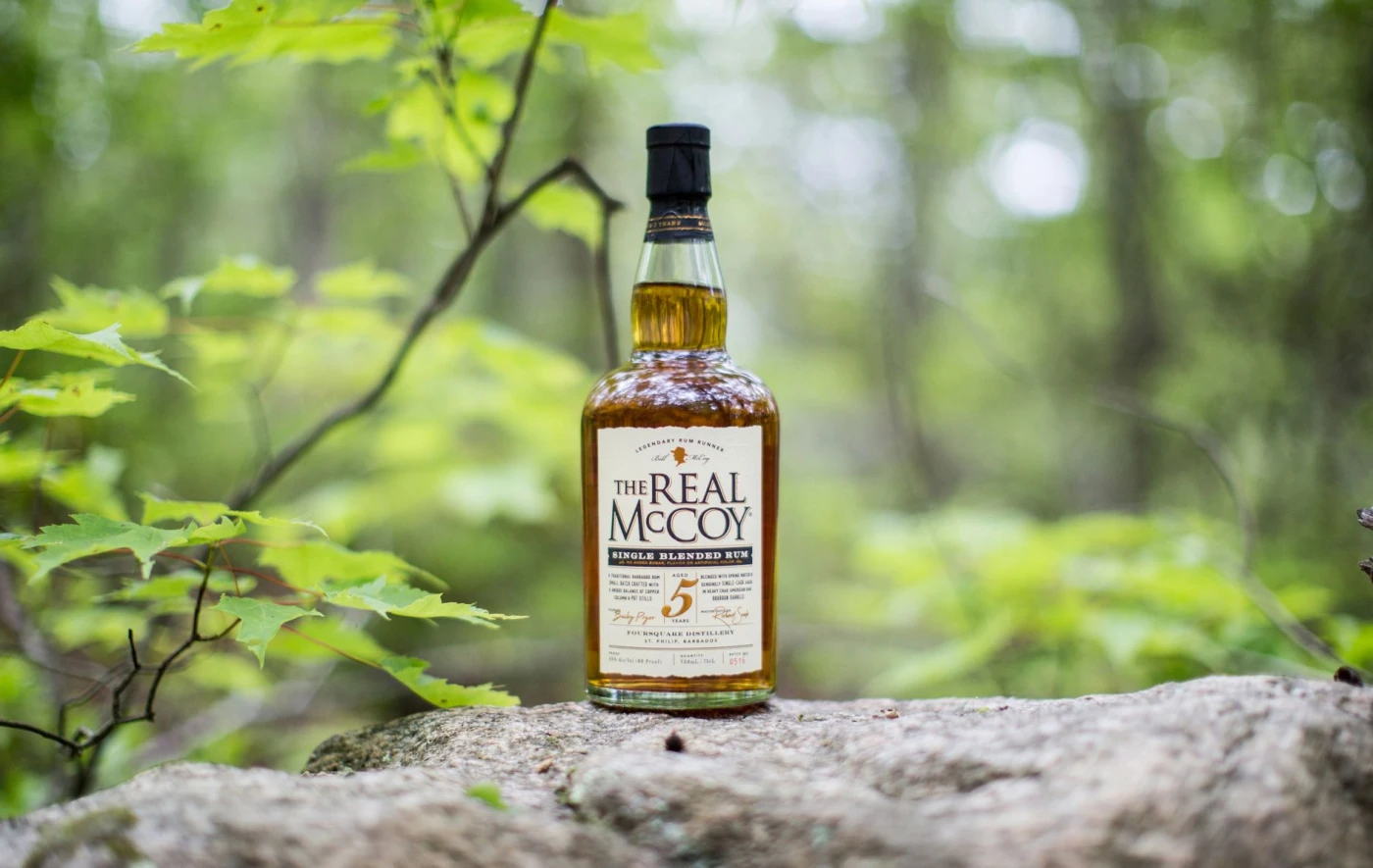
Rum itself spans many styles. White rum may be unaged or filtered after ageing; lightly aged expressions can carry subtle vanilla, coconut and oak. Production and labelling vary by country, so colour alone does not reveal age or flavour. For US regulatory context, the Alcohol and Tobacco Tax and Trade Bureau is the appropriate primary reference.
Spring changes what tastes appealing. Rich winter spices give way to mint, basil, elderflower, strawberry and clean carbonation. Yet balance still matters. A drink loaded with pineapple juice and syrup can bury a delicate rum just as easily in April as in August.
This is easily one of the best seasonal formats for experimentation because the core ratio is forgiving. If you enjoy similarly fruit-led drinks, compare its structure with the Madras cocktail. One uses vodka and cranberry; the other lets rum, grapefruit and honey carry more aroma. Same broad idea. Different character.
Ingredients for Bright Spring Rum Serves

This recipe makes one grapefruit-honey highball. Choose a 10–12 oz (300–350 ml) glass and use cold ingredients. Warm soda and small, wet ice flatten even carefully measured spring rum serves.
- 2 oz (60 ml) white or lightly aged rum, ideally 37.5–40% ABV
- 1 oz (30 ml) fresh pink grapefruit juice
- 0.5 oz (15 ml) fresh lime juice
- 0.5 oz (15 ml) 1:1 honey syrup
- 2 oz (60 ml) chilled soda water
- 3–4 oz (90–120 ml) ice by volume, preferably large cubes or a solid spear
- 1 grapefruit half-wheel and 1 mint sprig for garnish
Make the honey syrup by stirring equal volumes of runny honey and warm water; 1 oz (30 ml) of each gives enough for four drinks. Let it cool before mixing. Straight honey does not disperse reliably in a cold shaker.
For rum, Plantation 3 Stars is characterful at roughly $24 or £24, while Flor de Caña 4 Extra Seco often sits near $20 or £20. Bacardí Carta Blanca, commonly $16–$20 or £17–£20, makes a lighter drink. Prices vary by retailer and tax. I’d skip heavily spiced rum here—the added vanilla and sugar can overwhelm grapefruit.
Fresh juice is worth the minute of effort. In my experience, bottled lime makes the finish taste simultaneously dull and harsh. Grapefruit is more flexible, but juice opened weeks ago will not deliver the fragrant top note that makes these spring rum serves feel seasonal. Buy firm, heavy fruit and chill it before squeezing. Planning several quick options for guests? These five-minute vodka cocktails can share the same citrus and soda station.
How to Make Spring Rum Serves Step by Step
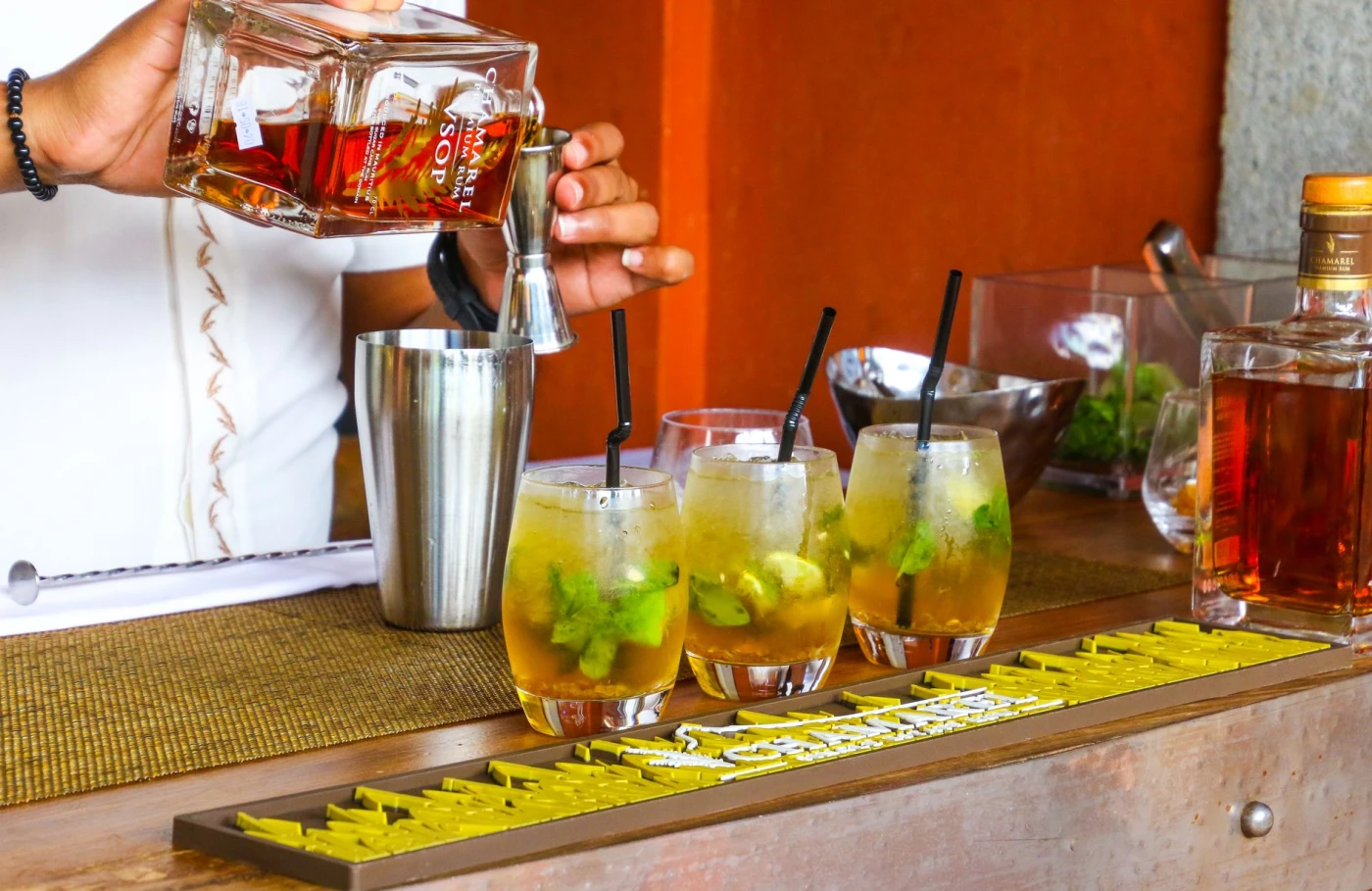
The goal is a cold, integrated base topped with lively carbonation. You need a shaker, jigger, strainer and highball glass. No shaker? A tightly sealed jam jar works, but never shake carbonated water inside it.
- Chill the glass. Fill it with ice and water for two minutes, or place it in a freezer at 0°F (-18°C) for about ten minutes.
- Measure the base. Add 2 oz (60 ml) rum, 1 oz (30 ml) grapefruit juice, 0.5 oz (15 ml) lime juice and 0.5 oz (15 ml) honey syrup to the shaker.
- Add solid ice. Fill the shaker about two-thirds full. Shake firmly for 10–12 seconds, until its exterior becomes frosty.
- Prepare the serve. Discard the chilling water and refill the glass with fresh, dense ice. Fresh ice slows further dilution.
- Strain and lengthen. Strain the mixture into the glass, then add 2 oz (60 ml) chilled soda water down the inside wall.
- Finish gently. Lift the drink once with a bar spoon—do not churn it—then garnish with grapefruit and a lightly slapped mint sprig.
Take a small taste before garnishing. Too sharp? Add 0.25 oz (7.5 ml) honey syrup. Too sweet? Add 0.25 oz (7.5 ml) lime or another 1 oz (30 ml) soda. Grapefruit varies enormously, so tasting is part of the recipe, not an admission of failure.
After testing this with both cubed and crushed ice, I strongly prefer large cubes. Crushed ice creates a fun porch drink but moves the flavour from focused to watery within minutes. Serve immediately at roughly 34–38°F (1–3°C). If speed is your priority, the same disciplined measuring used in these beginner-friendly whiskey cocktails will make your spring rum serves more consistent.
Pro Tricks for Better Spring Rum Serves
Control temperature first. After testing dozens of citrus highballs at home, I have found that colder soda makes a bigger improvement than an expensive garnish. Keep cans at 38°F (3°C), chill the glass and use ice straight from the freezer. Carbonation survives longer, and the drink feels drier.
Taste the rum neat. Not every white rum is neutral. Plantation 3 Stars brings grassy and lightly funky notes; Flor de Caña 4 is drier and cleaner; lightly aged Mount Gay Eclipse, around 40% ABV and $22–$28 or £20–£26, adds vanilla and oak. The “best” bottle depends on whether you want brightness or depth.
Wake up the garnish. Clap mint once between your palms, then place it beside the straw or drinking edge. Crushing it releases bitter chlorophyll and leaves fragments on the surface. Expressing a grapefruit peel over the glass adds aromatic oil without extra sweetness.
Use salt with restraint. Two drops of 20% saline solution—one part salt to four parts warm water by weight—can soften bitterness and sharpen fruit. More is not better. Your drink should never taste salty.
In my experience, honey syrup gives these spring rum serves a fuller middle than plain sugar while still allowing the lime to finish cleanly. Acacia honey is delicate; orange-blossom honey reinforces citrus. Dark buckwheat honey is fascinating but too forceful for this recipe.
Finally, batch only the still ingredients. Combine rum, juices and syrup, refrigerate below 40°F (4°C), and use within four hours for the freshest flavour. Add soda and ice per glass. For a deliberately gentler party option, borrow ideas from our low-alcohol cocktail recipes rather than simply under-pouring every ingredient and losing the ratio.
Five Spring Rum Variations Worth Making

Once the base ratio makes sense, these spring rum serves become a flexible template. Each mini recipe makes one drink. Shake everything except sparkling ingredients with ice, strain, then add the bubbles.
1. Elderflower Garden Highball
- 1.5 oz (45 ml) white rum
- 0.5 oz (15 ml) elderflower liqueur
- 0.75 oz (22.5 ml) lemon juice
- 2 oz (60 ml) soda water
- 1 cucumber ribbon
Floral, dry and elegant. St‑Germain is about 20% ABV and often costs $35–$40 or £25–£30, so a half-ounce is plenty.
2. Strawberry-Basil Rum Smash
- 2 oz (60 ml) white rum
- 1 strawberry and 2 basil leaves
- 0.75 oz (22.5 ml) lime juice
- 0.5 oz (15 ml) simple syrup
Gently muddle the produce before shaking. Double-strain for a cleaner texture.
3. Pineapple-Mint Cooler
- 1.5 oz (45 ml) lightly aged rum
- 1.5 oz (45 ml) pineapple juice
- 0.5 oz (15 ml) lime juice
- 2 oz (60 ml) soda water
This is the roundest option. I’d skip extra syrup unless the pineapple tastes unusually tart.
4. Rhubarb Rum Collins
- 2 oz (60 ml) white rum
- 0.75 oz (22.5 ml) lemon juice
- 0.5 oz (15 ml) rhubarb syrup
- 2 oz (60 ml) soda water
Rhubarb contributes tang and a pink tint—ideal for an April lunch.
5. Spring Royale
- 1.5 oz (45 ml) white rum
- 0.75 oz (22.5 ml) grapefruit juice
- 0.25 oz (7.5 ml) honey syrup
- 1.5 oz (45 ml) brut sparkling wine
Pour the wine last. This festive variation connects neatly with the make-ahead thinking in our portable picnic drinks.
How to Choose a Spring Rum Serve for Every Guest
A useful drinks menu offers genuine contrast without requiring six unrelated sets of ingredients. These variations share rum, citrus, ice and basic bar tools, so you can accommodate different tastes while keeping preparation manageable. Ask each guest whether they prefer a drink that is dry, fruity, herbal or celebratory, then guide them toward the closest option.
Choose the grapefruit-honey highball for someone who likes tonic water, a Paloma or a crisp white wine. Grapefruit contributes a pleasantly bitter edge, while honey rounds the acidity without making the drink taste like dessert. White grapefruit and an extra splash of soda produce the driest version; ruby red grapefruit creates a softer introduction.
The elderflower garden highball suits drinkers who enjoy floral aromas, cucumber or a gin and tonic. Elderflower liqueur already contains sugar, so resist adding simple syrup before tasting. A long strip of cucumber supplies freshness without introducing loose pieces that can clog a straw or make the texture feel untidy.
Offer the strawberry-basil smash to guests who want obvious fruit and a richer texture. Use one ripe strawberry rather than several underripe berries. Too much muddled fruit increases pulp without necessarily adding flavour. If basil is unavailable, two small mint leaves work, although the result will taste cooler and less peppery.
The pineapple-mint cooler is the most tropical choice, but it can still feel suitable for spring when kept light and sparkling. Use unsweetened pineapple juice, omit additional syrup and serve it in a narrow glass with plenty of cold soda. Lightly aged rum is especially effective because its vanilla notes echo the pineapple without requiring coconut cream or heavy spice.
Pick the rhubarb Collins when you want a distinctly seasonal drink. Commercial rhubarb syrups vary in sweetness, so begin with 0.5 oz (15 ml) and adjust after tasting. Homemade syrup should be refrigerated in a clean sealed container and used promptly. A lemon wheel or thin rhubarb ribbon makes a simple garnish, but raw rhubarb should remain decorative rather than being treated as an edible stirrer.
Finally, the Spring Royale fits birthdays, wedding showers and celebratory lunches. Keep the sparkling wine chilled and open it only when guests are ready. Pouring the wine last preserves its bubbles and creates a lighter aromatic top layer. For a less alcoholic version, replace the rum with additional grapefruit juice and use a non-alcoholic sparkling wine. The drink will not taste identical, but it will retain the citrus, honey and celebratory fizz that define the serve.
Common Mistakes That Dull Spring Rum Serves
Using warm ingredients is the fastest route to a flat highball. Soda loses its lively texture more quickly when warm, while extra melting ice dilutes the rum and citrus. Chill everything you reasonably can.
Pouring by eye causes bigger errors than most home bartenders expect. An extra half-ounce of honey syrup can turn bright spring rum serves into sticky fruit punch. Use a jigger or a tablespoon: 1 US tablespoon equals 0.5 fl oz, approximately 15 ml.
Shaking the soda is messy and unnecessary. Carbonation belongs in the serving glass after the chilled base. Add it slowly, then make one gentle lifting motion with a spoon.
Ignoring the fruit is another problem. Grapefruit can be sweet and rounded one week, bitter and lean the next. Taste before mixing. Adjust syrup or lime in 0.25 oz (7.5 ml) increments rather than rebuilding the entire recipe.
Choosing rum by colour alone does not work. Clear rum may have been aged and filtered, while golden colour may come partly from permitted colouring depending on the market. Read the producer’s description and seek flavour information, not visual shortcuts.
Over-muddling herbs releases bitterness. Press basil or mint just enough to release aroma; do not grind leaves into paste. The same restraint applies to garnish. One fragrant sprig beats a floating salad.
Let’s be honest: more ingredients rarely mean a better drink. Three compatible flavours, proper temperature and accurate dilution will outperform a cluttered recipe. That lesson also explains why many enduring drinks in our look back at 1990s cocktails succeed when their excess sweetness is trimmed. Keep the rum audible. That is the point.
Food Pairings and the Best Spring Occasions
These spring rum serves shine before a meal because grapefruit, lime and carbonation refresh your palate. Pair the base highball with grilled prawns, crab cakes, fish tacos or ceviche. Citrus echoes the food; honey softens chilli and salt.
For vegetarian plates, try goat’s cheese crostini, asparagus tart, pea-and-mint bruschetta or a salad of fennel, orange and toasted almonds. The elderflower version is especially good with soft cheese and cucumber sandwiches. The pineapple cooler can handle jerk chicken, halloumi skewers or smoky barbecue sauce.
Timing matters. Serve the drink at a spring brunch, Easter lunch, Kentucky Derby watch party, May bank holiday barbecue or an early-season picnic. For brunch, I prefer the drier grapefruit highball over the sweeter pineapple variation. It wakes up the palate without fighting eggs, smoked salmon or buttery pastries.
For a group of eight, pre-batch 16 oz (480 ml) rum, 8 oz (240 ml) grapefruit juice, 4 oz (120 ml) lime juice and 4 oz (120 ml) honey syrup. Refrigerate the sealed base, then measure 3.5 oz (105 ml) into each ice-filled glass and add 2 oz (60 ml) soda. Prepare the batch no more than four hours ahead.
One practical note: the original drink contains 2 oz (60 ml) of 40% ABV rum and lands around 11–13% ABV after ordinary dilution. Alternate with water and keep pours measured. For responsible drinking guidance, consult the US National Institute on Alcohol Abuse and Alcoholism or Drinkaware in the UK. A beautiful serve should support the occasion, not dominate it.
Spring Rum Serves: Quick Reference Cheat Sheet
Use this table when you want the recipe without rereading every technique note. The ounce-to-millilitre conversions are rounded for practical home bartending. Measure consistently within one system rather than switching halfway through.
| Component | US measure | UK/metric measure | Purpose |
|---|---|---|---|
| White rum | 2 oz | 60 ml | Clean, aromatic base |
| Pink grapefruit juice | 1 oz | 30 ml | Bittersweet fruit |
| Fresh lime juice | 0.5 oz | 15 ml | Acidity and lift |
| 1:1 honey syrup | 0.5 oz | 15 ml | Soft sweetness |
| Soda water | 2 oz | 60 ml | Length and sparkle |
| Serving glass | 10–12 oz | 300–350 ml | Room for ice |
Fast method: shake the rum, juices and honey syrup with ice for 10–12 seconds. Strain over fresh ice, add soda, lift once with a spoon and garnish. Aim to serve at 34–38°F (1–3°C).
Best starting bottle: choose an unspiced white rum at 37.5–40% ABV. Budget around $18–$28 in the US or £17–£26 in the UK. A lightly aged rum works when you want more vanilla and oak.
Easy correction: if the drink is sharp, add 0.25 oz (7.5 ml) honey syrup. If it is sweet, add the same amount of lime or another 1 oz (30 ml) soda. If it tastes thin, replace watery ice and shorten the shake.
That adaptable ratio is why spring rum serves belong in your regular rotation. Master the base, taste as you go and let the season choose the garnish.
These spring rum serves to brighten your days need little more than accurate measures, cold ice and fresh fruit. Stock the essentials, choose one variation and make it your own. If your setup still has gaps, download the free home bar starter checklist before your next gathering.
Ask AI about this article
Pick a prompt, copy it, or open ChatGPT with this article preloaded.
Frequently Asked Questions
What are spring rum serves?
Spring rum serves are seasonal rum drinks built around fresh citrus, herbs, floral notes and lighter textures. The term describes a style rather than one historic cocktail. A typical serve combines white or lightly aged rum with grapefruit, lemon or lime, a modest sweetener and sparkling length. The result should taste.
What is the best rum for a spring cocktail?
A clean white rum is the easiest starting point. Plantation 3 Stars, Havana Club 3 Años where available, Flor de Caña 4 Extra Seco and Bacardí Carta Blanca all work. Choose a bottle around 37.5–40% ABV and expect to pay roughly $18–$28 in the US or £17–£26 in the UK. Lightly aged rum adds vanilla and oak.
How strong is this spring rum drink?
With 2 oz (60 ml) of 40% ABV rum, the highball is approximately 13% ABV before meaningful ice dilution, assuming 2 oz (60 ml) of soda. Shaking and melting ice generally bring it closer to 11–12%, although glass size and temperature change the result. That is comparable to wine, but the serving contains a full measure o.
Which grapefruit works best in a rum highball?
Ruby red or pink grapefruit is approachable because it balances bitterness with gentle sweetness and gives the drink an attractive blush. White grapefruit creates a drier, sharper highball that experienced citrus fans may prefer. Freshly squeezed juice tastes livelier than shelf-stable juice. Whichever variety you choo.
What can I use instead of soda water?
Dry sparkling water keeps the recipe clean, but tonic water, ginger beer or dry sparkling wine can each change its personality. Tonic adds bitterness and sweetness, so reduce the honey syrup. Ginger beer creates a spicier, sweeter drink. Brut sparkling wine makes a festive serve; use 1.5 oz (45 ml) and pour gently. Avo.
What glass should I use for spring rum serves?
A chilled 10–12 oz (300–350 ml) highball or Collins glass is ideal for the main recipe because it accommodates ice and sparkling water. A large wine glass also works and gives herbs more room to release their aroma. For the daiquiri variation, use a chilled coupe. Glass shape matters less than temperature, sturdy ice a.
Comments 0
Login to Post comments