
Privacy Policy Cocktail: A Clear, Modern Sour
Meet the Privacy Policy cocktail, a crisp vodka sour with elderflower, citrus and a quietly bittersweet finish.
The Privacy Policy cocktail puts everything on the table: clean vodka, fragrant elderflower, two fresh citrus juices and precisely two dashes of bitters. No mysterious premix. No needlessly complicated garnish.
This original house drink sits between a vodka sour and a modern aperitif. It is brisk, floral and subtly bitter, with enough sweetness to make the citrus feel polished rather than sharp. Better still, you can shake it in minutes using supermarket ingredients and an ordinary jam jar if a cocktail shaker is unavailable.
If this is your first serious shaken drink, explore these classic cocktails every home bartender should know for useful comparisons. Then come back. The Privacy Policy is approachable, but its transparent construction teaches balance, dilution and temperature surprisingly well.
What Is the Privacy Policy Cocktail?
The Privacy Policy cocktail is an original A to Z Vodka house recipe, not a Prohibition-era classic or a drink with one universally recognised specification. That distinction matters. You may encounter similarly named drinks in individual bars, but there is no documented canonical formula comparable to a Martini, Daiquiri or Negroni.
Here, the name describes the drink's philosophy. Everything is disclosed. Vodka provides a neutral 40% ABV foundation; elderflower supplies perfume and honeyed fruit; lemon creates direct acidity; grapefruit adds softer bitterness. Sugar syrup connects those flavours, while aromatic bitters give the finish a little punctuation.
Why call it a modern sour? Classic sour construction combines a base spirit, citrus and a sweetener. This Privacy Policy recipe keeps that framework but divides the acidic component between lemon and grapefruit, then introduces a liqueur. It contains no egg white, so its texture stays lean and transparent rather than foamy.
Vodka became a major cocktail base during the twentieth century, but attributing this particular combination to a historic bartender would be speculation. For formal information about US spirits categories and alcohol labelling, consult the Alcohol and Tobacco Tax and Trade Bureau.
Flavour-wise, expect something brighter than a Cosmopolitan and less austere than a Vodka Martini. If you enjoy the cranberry-orange structure of a Madras cocktail, the Privacy Policy cocktail offers a drier, more floral next step. It is easily one of the best house drinks for testing whether your shaking and measuring habits are genuinely consistent.
Privacy Policy Ingredients You Need
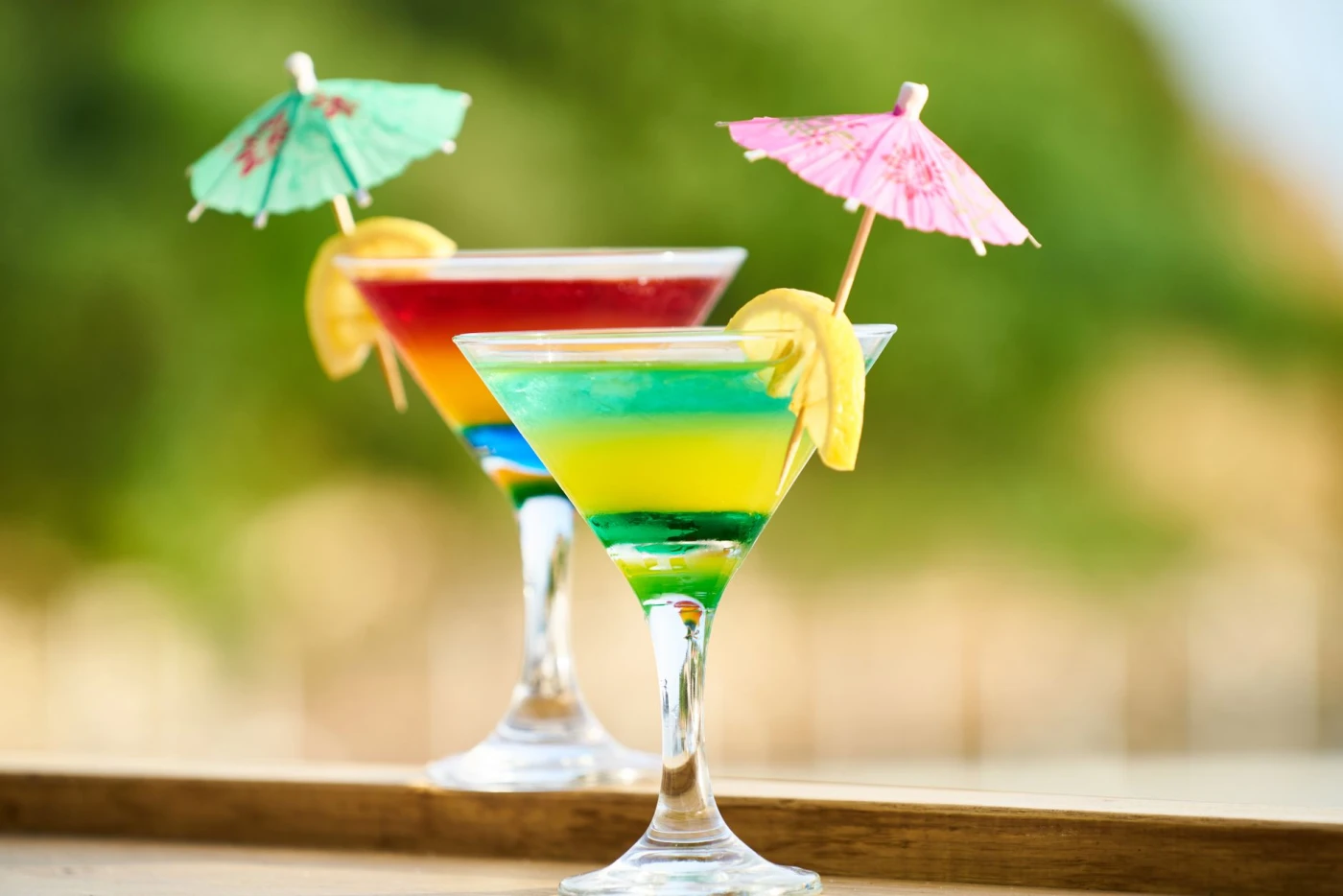
The standard Privacy Policy cocktail makes one 4.5 oz (about 133 ml) drink before ice dilution. Measure accurately. A casual free-pour can turn its floral background into sugary cordial or make the grapefruit unpleasantly dominant.
- 1.5 oz (45 ml) unflavoured vodka, ideally 40% ABV or 80 proof
- 0.5 oz (15 ml) elderflower liqueur, such as St-Germain at 20% ABV
- 0.5 oz (15 ml) freshly squeezed lemon juice
- 0.5 oz (15 ml) freshly squeezed pink grapefruit juice
- 0.25 oz (7.5 ml) 1:1 sugar syrup
- 2 dashes aromatic bitters, about 0.06 oz (2 ml)
- 1 thin grapefruit peel, for garnish
- 5–6 oz (150–180 ml) solid ice cubes, for shaking
What is the best vodka for the Privacy Policy? In my experience, a clean mid-priced bottle beats an expensive characterful one here. Tito's Handmade Vodka, usually around $20–$25 for 750 ml in many US shops, gives a rounded base. Ketel One, often $22–$30 or roughly £22–£28, finishes slightly drier. Absolut is another dependable choice at around £18–£22.
I'd skip strongly flavoured vanilla or citrus vodka because it obscures the fresh juice. You also do not need a $50 bottle; the elderflower and grapefruit will cover many subtle luxury-vodka distinctions.
Squeeze the citrus shortly before mixing and strain out seeds. Bottled lemon juice can taste cooked or metallic. If speed matters more than nuance, browse these five-minute vodka cocktails, but use fresh juice for this recipe at least once. You will taste the difference immediately.
How to Make a Privacy Policy Cocktail
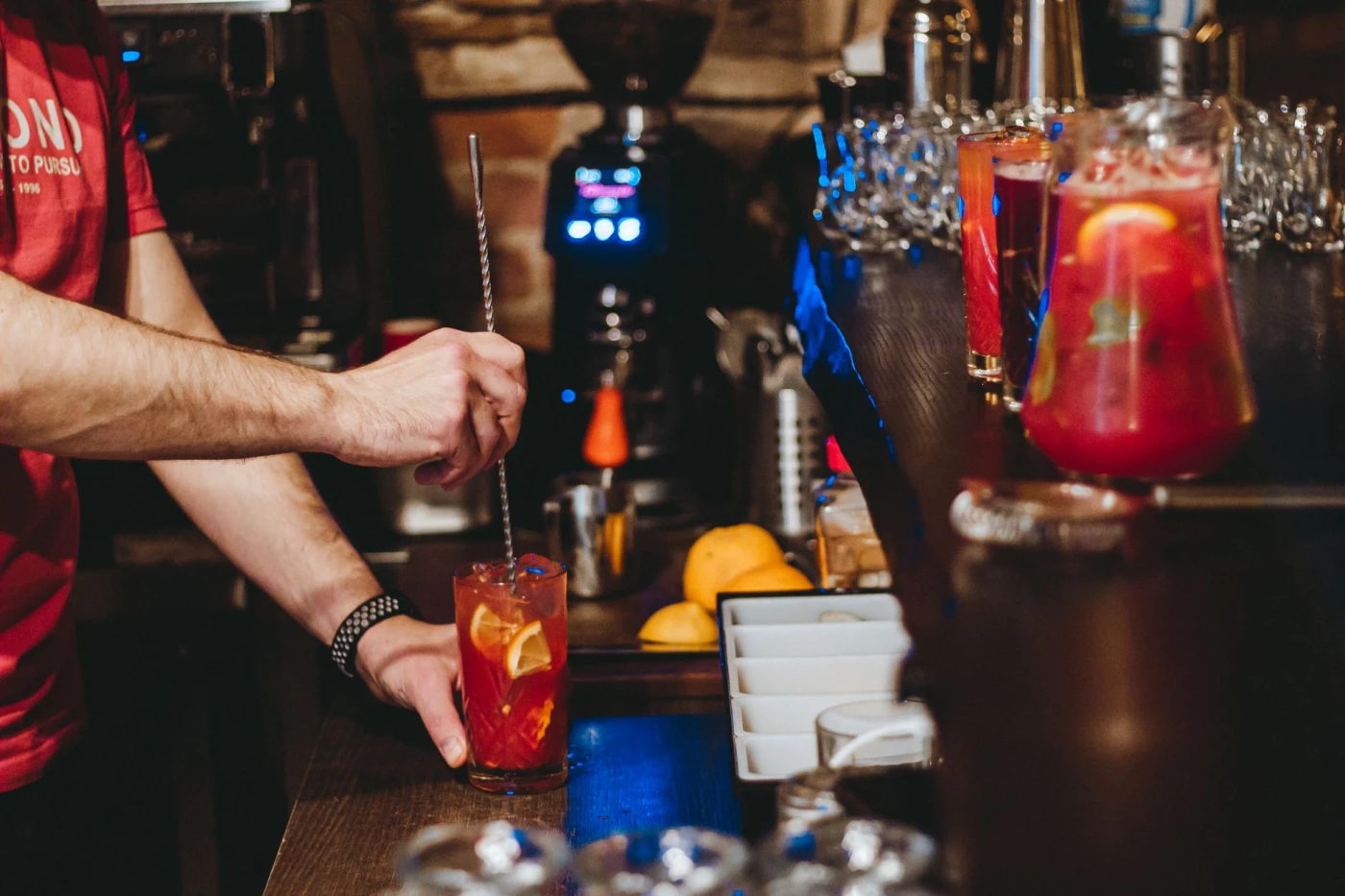
Cold glass. Fresh ice. Fast shake. The actual Privacy Policy method is simple, but each small action protects the drink's balance.
- Chill the glass. Put a 5–6 oz (150–180 ml) coupe or Nick & Nora glass in the freezer for 10 minutes. Alternatively, fill it with ice and cold water while you mix.
- Measure the liquids. Add 1.5 oz (45 ml) vodka, 0.5 oz (15 ml) elderflower liqueur, 0.5 oz (15 ml) lemon juice, 0.5 oz (15 ml) grapefruit juice, 0.25 oz (7.5 ml) sugar syrup and two dashes of bitters to a shaker.
- Add ice. Use 5–6 oz (150–180 ml) of fresh, hard cubes. Soft freezer ice melts rapidly and may over-dilute the cocktail.
- Shake hard. Seal the shaker and shake for 10–12 seconds. The outside should become painfully cold and lightly frosted.
- Fine-strain. Empty the chilled glass, then pour through the shaker strainer and a small fine-mesh strainer. This removes grapefruit pulp and tiny ice shards.
- Garnish and serve. Express a thin grapefruit peel over the surface, rub it once around the rim and place it on the edge. Serve immediately at roughly 25–30°F (-4 to -1°C).
After testing short and long shakes, I found 10 seconds ideal with standard 1-inch cubes. Six seconds left the Privacy Policy cocktail warm and aggressive. Fifteen seconds made it smoother but slightly washed out.
No shaker? A clean 16 oz (475 ml) screw-top jar works. Check the seal, hold both ends and open it away from your face. For more foundational builds, these beginner whiskey cocktails show how stirring, shaking and building produce noticeably different textures.
Pro Tips for Better Texture and Balance
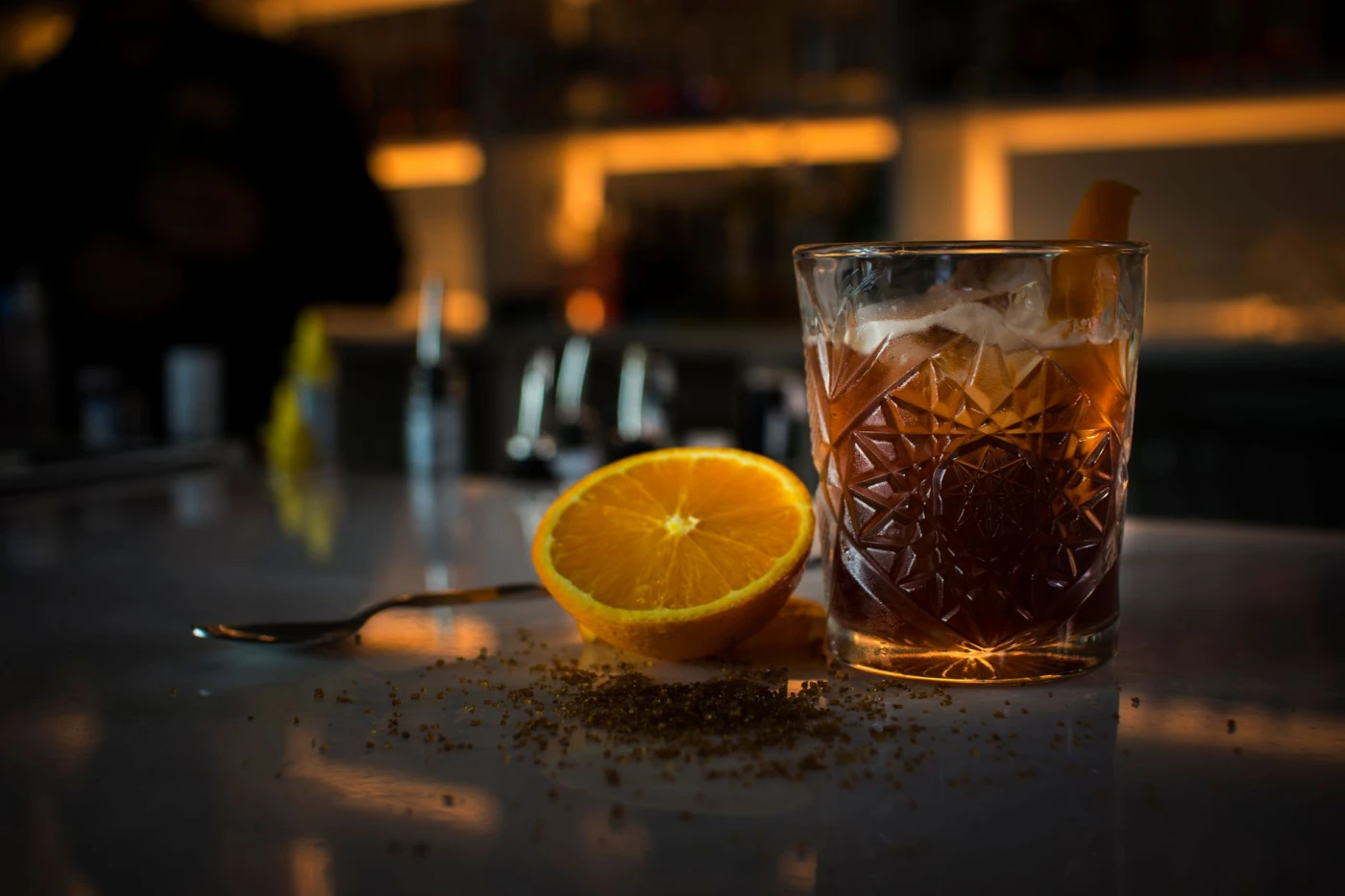

Here's the thing: the Privacy Policy cocktail has nowhere for careless technique to hide. Cola, cream or a heavy fruit purée can mask imbalance. This pale, citrus-led drink cannot.
Start colder than seems necessary. Chill your vodka and elderflower liqueur in the refrigerator, not the freezer. A refrigerator temperature near 39°F (4°C) shortens the shake while still allowing enough ice to melt for proper dilution. Frozen spirits can make you stop before the drink gains the water it needs.
In my experience, dilution is an ingredient, not an accident. A well-shaken serving usually gains about 0.75–1 oz (22–30 ml) of water. That drops the finished Privacy Policy cocktail from its pre-dilution strength to approximately 17–19% ABV and softens the lemon's hard edges.
Taste your citrus. Grapefruit varies with season and variety. Winter fruit may be aromatic and rounded; an out-of-season specimen can be thin or fiercely bitter. If your juice tastes sweeter than expected, reduce the syrup to 0.15 oz (5 ml). If it is sharply acidic, add syrup in 0.1 oz (3 ml) increments.
After testing both large and small garnish strips, I prefer a peel about 3 inches by 0.5 inch (7.5 by 1.25 cm). Bigger pieces release too much bitter oil. Avoid cutting deeply into white pith, and never drop a thick peel into the drink for several minutes.
Use a Japanese-style jigger with visible 0.25 oz and 0.5 oz lines, or a 5 ml medicine measure in the UK. Guessing is the fastest route to inconsistency. Want something gentler for a long evening? Compare the drink with these low-alcohol cocktail recipes.
How to Adjust the Drink to Your Citrus
Fresh fruit does not follow a fixed recipe, even when the bartender does. Lemon acidity changes with variety, age and storage, while grapefruit can move from mellow and sweet to intensely bitter. The standard Privacy Policy cocktail remains the correct starting point, but a quick taste of each juice helps you make a better drink without abandoning the formula.
Before filling the shaker, taste a few drops of lemon and grapefruit separately. If the lemon is particularly sharp and the grapefruit is dry, retain the full 0.25 oz (7.5 ml) of sugar syrup. If both juices taste unusually sweet, begin with 0.15 oz (5 ml). That small reduction preserves the cocktail's brisk finish without creating an unbalanced sour.
Make adjustments with restraint. Increasing syrup by 0.1 oz (3 ml) changes the drink more than many home bartenders expect. The same is true of bitters: a third or fourth dash does not merely add spice but can reinforce grapefruit bitterness. Change one variable, shake the complete serving and taste before altering anything else.
Pink and ruby grapefruit usually produce a rounder, fruitier result than white grapefruit. White grapefruit is entirely usable, but its firmer bitterness may benefit from an extra teaspoon of syrup or a slightly smaller peel garnish. Pomelo is not a direct substitute because it tends to be less juicy and has a different aromatic profile. Blood orange can replace grapefruit in an emergency, although the finished cocktail will be sweeter, softer and less recognisably bittersweet.
If you are preparing several servings, calibrate the first cocktail before scaling the ingredients. Record the final syrup quantity, then multiply that adjusted measure for the batch. This simple test is more reliable than trying to repair eight servings after all the citrus has been combined. It also prevents the common mistake of assuming that more sugar is the only cure for excessive bitterness; sometimes reducing the bitters or avoiding grapefruit pith is the better correction.
Privacy Policy Cocktail Variations
Once you understand the original Privacy Policy cocktail, controlled changes are easy. Keep the combined citrus near 1 oz (30 ml), then adjust sweetness in small steps. These four versions preserve the basic idea without pretending to be identical drinks.
Redacted Highball
- 1.5 oz (45 ml) vodka
- 0.5 oz (15 ml) elderflower liqueur
- 0.75 oz (22.5 ml) grapefruit juice
- 0.25 oz (7.5 ml) lemon juice
- 2 oz (60 ml) chilled soda water
Shake everything except soda, strain over ice and top gently. It is longer, lighter and excellent for a summer barbecue.
Whiskey Amendment
- 1.5 oz (45 ml) Buffalo Trace or Monkey Shoulder
- 0.5 oz (15 ml) elderflower liqueur
- 0.75 oz (22.5 ml) lemon juice
- 0.25 oz (7.5 ml) grapefruit juice
- 0.25 oz (7.5 ml) sugar syrup
Bourbon adds vanilla; blended Scotch gives malt. Let's be honest, I'd skip heavily peated whisky because smoke bulldozes the elderflower.
Incognito Zero-Proof
- 1.5 oz (45 ml) Seedlip Grove 42 or another citrus spirit alternative
- 0.25 oz (7.5 ml) elderflower cordial
- 0.5 oz (15 ml) lemon juice
- 0.5 oz (15 ml) grapefruit juice
- 1 oz (30 ml) soda water
Shake the first four ingredients and add soda after straining. Check the cordial label because sweetness varies widely.
Autumn Disclosure
- 1.5 oz (45 ml) vodka
- 0.5 oz (15 ml) elderflower liqueur
- 0.75 oz (22.5 ml) lemon juice
- 0.25 oz (7.5 ml) grapefruit juice
- 0.25 oz (7.5 ml) honey syrup
Use equal parts honey and warm water for the syrup, then cool it completely. This rounder Privacy Policy variation suits Thanksgiving, Bonfire Night and cool-weather dinners.
Common Privacy Policy Cocktail Mistakes
Most failed Privacy Policy cocktails are not ruined by an obscure ingredient. They are undermined by small, preventable choices. Fix those and the recipe becomes remarkably dependable.
Free-pouring the elderflower liqueur is the biggest offender. An extra 0.25 oz (7.5 ml) sounds trivial, but St-Germain is sweet and aromatic. Measure it, or the drink starts resembling floral lemonade.
Using old citrus is next. Juice oxidises quickly, losing its bright aroma and developing dull bitterness. Squeeze lemon and grapefruit on the day of service; for the cleanest result, use them within four hours. Do not squeeze fruit days ahead merely to save two minutes.
Shaking with wet ice creates unpredictable dilution. Ice sitting in a countertop bucket melts before it reaches the shaker. Use dry, hard cubes directly from a freezer at approximately 0°F (-18°C), and fill the shaker by volume rather than dropping in three lonely cubes.
Overdoing grapefruit peel can also spoil the finish. Express the coloured surface once. Twisting, crushing and leaving a pith-heavy strip submerged introduces harshness that sugar cannot elegantly repair.
Serving it warm makes alcohol and sweetness seem louder. A room-temperature coupe can raise the drink several degrees within minutes, so chill the glass and pour only when your guest is ready.
Finally, do not batch fresh citrus a week in advance. For a picnic, combine spirits beforehand but transport chilled juice separately and mix shortly before serving. The make-ahead ideas in these portable picnic drinks offer safer, more practical inspiration. Precision may sound fussy. Here, it saves both ingredients and disappointment.
Buying, Storing and Preparing the Ingredients
A little preparation makes the Privacy Policy cocktail faster and more consistent. Store vodka tightly closed in a cool, dark cupboard or in the refrigerator if you prefer to begin with chilled spirits. Elderflower liqueur should also be protected from direct sunlight and excessive heat. Its flavour will gradually lose freshness after opening, so write the opening date on the bottle if it is not something you use regularly.
Choose lemons that feel heavy for their size and have smooth, fragrant skin. For grapefruit, look for fruit with a little give but no soft or sunken patches. A heavy grapefruit generally contains more juice than a large fruit that feels unexpectedly light. Wash and dry all citrus before cutting, especially when the peel will touch the surface or rim of the drink.
Homemade 1:1 sugar syrup takes only a few minutes. Combine equal weights of white sugar and hot water, stir until completely clear, cool, then refrigerate in a clean sealed bottle. A small batch of 3.5 oz (100 g) sugar and 3.5 oz (100 g) water is enough for numerous cocktails without occupying much refrigerator space. Discard it if it becomes cloudy, develops an unusual smell or shows any sign of mould.
You can squeeze and strain the juices a few hours before guests arrive, but keep them refrigerated in separate labelled containers. Separating lemon from grapefruit lets you correct the ratio after tasting. Cut garnish strips shortly before service so their aromatic oils remain vivid. Covering pre-cut peels with a barely damp paper towel helps prevent drying during a short party, although freshly cut peel still gives the best aroma.
Finally, prepare more ice than the recipe appears to require. Each serving needs enough cubes to fill the shaker properly, and partially melted leftovers should not be reused for another drink. For eight Privacy Policy cocktails, a 5 lb (roughly 2.25 kg) bag provides a practical margin for shaking, chilling glasses and replacing dropped or wet cubes.
Food Pairings, Seasons and Serving Occasions
The Privacy Policy cocktail works best before food or alongside light, salty dishes. Its lemon cuts through fat, grapefruit refreshes the palate and elderflower complements herbs without behaving like dessert.
For a US spring brunch, pair it with smoked-salmon bagels, goat-cheese tartlets or asparagus quiche. At a UK garden gathering, try cucumber sandwiches, potted shrimp or hot smoked trout on rye. Salt is helpful. Heavy chilli is less so, because alcohol can amplify capsaicin's burn.
Seafood is the easiest match. Oysters, prawn cocktail, crab cakes and grilled scallops all welcome bright acidity. For vegetarian guests, serve whipped feta, marinated olives or courgette fritters. I'd skip sticky barbecue ribs and chocolate pudding; both make the drink seem thin and unusually sour.
The pale colour also suits New Year's Eve, engagement drinks and speakeasy-themed parties where you want something polished without an hour of preparation. For nostalgic gatherings, place it beside a few revived 1990s drinks. The contrast between modern restraint and neon-era sweetness becomes a conversation starter.
One standard recipe contains about 0.7 US fluid ounces (21 ml) of pure alcohol before dilution. Exact effects vary with body size, food, medication and drinking pace, so appearance is never a reliable guide to strength. Serve water and food, measure every pour and offer the zero-proof variation without making it an afterthought.
Mentioning responsible drinking once is not a substitute for practical care. US readers can consult the National Institute on Alcohol Abuse and Alcoholism, while UK readers can find guidance at Drinkaware. Never serve alcohol to anyone who will drive.
Privacy Policy Quick Reference Cheat Sheet
Need the Privacy Policy cocktail without rereading every technique note? This table keeps the standard specification visible at the bar. The UK figures use practical metric measures rather than attempting awkward exact conversions.
| Component | US measure | UK metric measure | Purpose |
|---|---|---|---|
| Unflavoured vodka, 40% ABV | 1.5 oz | 45 ml | Clean alcoholic base |
| Elderflower liqueur | 0.5 oz | 15 ml | Floral sweetness |
| Fresh lemon juice | 0.5 oz | 15 ml | Direct acidity |
| Fresh grapefruit juice | 0.5 oz | 15 ml | Fruit and bitterness |
| 1:1 sugar syrup | 0.25 oz | 7.5 ml | Balances citrus |
| Aromatic bitters | 2 dashes | About 2 ml | Spiced finish |
| Ice for shaking | 5–6 oz | 150–180 ml | Chilling and dilution |
Method: Shake all liquid ingredients with hard ice for 10–12 seconds. Fine-strain into a chilled 5–6 oz (150–180 ml) coupe, express a narrow grapefruit peel and serve immediately.
Expected profile: crisp, floral, citrus-led and lightly bittersweet. Using 40% ABV vodka and 20% ABV elderflower liqueur produces a drink around 17–19% ABV after ordinary shake dilution. Actual strength changes with brands and meltwater.
For one serving, the listed amounts are the most reliable starting point. For eight, multiply every liquid by eight but keep the bitters conservative, starting with 12 dashes and tasting before adding the final four. Refrigerate the batch below 40°F (4°C), shake each portion with fresh ice and use juiced citrus within 24 hours.
The Privacy Policy cocktail rewards honest measurements, cold equipment and fresh citrus. Stock the essentials, practise one measured shake and adjust only after tasting. If your bar needs structure before your next cocktail night, download the free home bar starter checklist and build a setup that makes every pour easier.
Ask AI about this article
Pick a prompt, copy it, or open ChatGPT with this article preloaded.
Frequently Asked Questions
What is a Privacy Policy cocktail?
The Privacy Policy cocktail is an original modern vodka sour built from vodka, elderflower liqueur, fresh lemon juice, grapefruit juice, sugar syrup and aromatic bitters. It is bright, floral and gently bitter rather than heavily sweet. The name is playful, but the recipe is deliberately transparent: every ingredient.
How do you make a Privacy Policy cocktail?
Add 1.5 oz (45 ml) vodka, 0.5 oz (15 ml) elderflower liqueur, 0.5 oz (15 ml) lemon juice, 0.5 oz (15 ml) grapefruit juice, 0.25 oz (7.5 ml) sugar syrup and two dashes of bitters to a shaker. Shake hard with ice for 10 seconds, then fine-strain into a chilled coupe.
What is the best vodka for a Privacy Policy cocktail?
Choose a clean, unflavoured vodka at 40% ABV or 80 proof. Tito's, Absolut and Ketel One all work reliably, typically costing about $20–$30 in the US or £18–£28 in the UK. Ketel One gives the driest finish, while Tito's feels slightly rounder. Premium luxury vodka is unnecessary because citrus leads the drink.
How strong is the Privacy Policy cocktail?
Using 40% ABV vodka and 20% ABV elderflower liqueur, the recipe contains roughly 0.7 US fluid ounces (about 21 ml) of pure alcohol before dilution. After shaking, the finished Privacy Policy cocktail is approximately 17–19% ABV, depending on ice and shaking time. It is stronger than wine despite tasting light, so serve.
Why does my Privacy Policy cocktail taste too bitter?
Too much grapefruit pith, excessive bitters or a large strip of expressed peel can push the drink from pleasantly dry to harsh. Measure only two dashes of bitters and squeeze grapefruit without crushing the peel. If the drink is already mixed, add 0.1 oz (3 ml) sugar syrup, shake briefly with fresh ice and taste again.
What glass should I use for a Privacy Policy cocktail?
A chilled 5–6 oz (150–180 ml) coupe or Nick & Nora glass is ideal because it concentrates the citrus aroma without leaving excessive empty space. A small rocks glass over one large cube also works and softens the drink gradually. Chill the glass for at least 10 minutes so the first sip remains crisp.
Comments 0
Login to Post comments