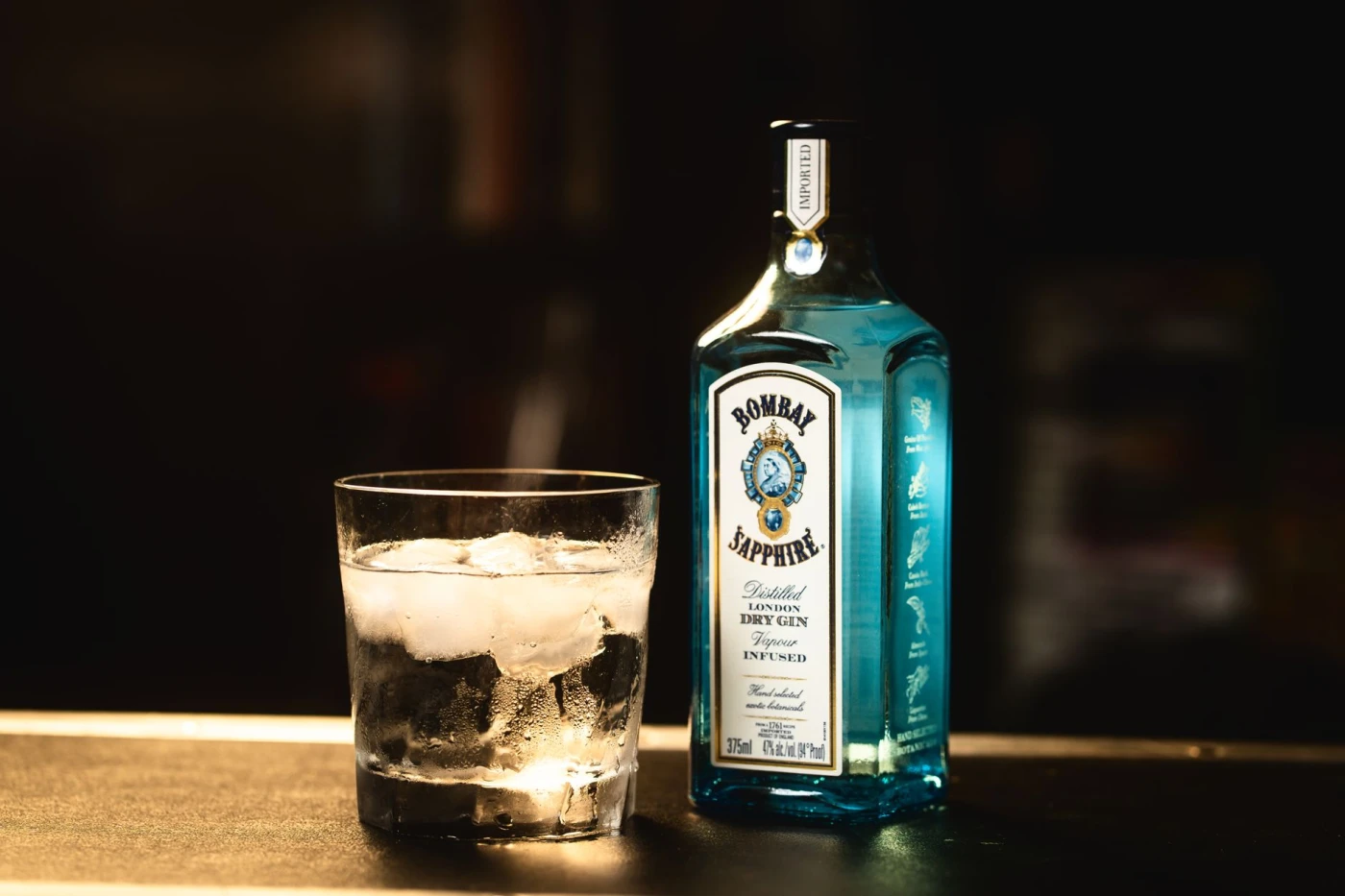

Partner with Saint Sithney Distillery: Worth It?
Discover what it means to partner with Saint Sithney Distillery, then explore a bright, original Cornish gin highball for your home bar.
Partner with Saint Sithney Distillery sounds like the name of a secret Cornish cocktail, but here’s the thing: it is actually an invitation for retailers, bars and restaurants to become stockists. That distinction matters. You should not order bottles, design a menu or repeat marketing claims until you understand the commercial terms and the liquid itself.
This guide covers both sides. You will learn what the partnership appears to offer, what questions to ask and how to evaluate the flagship dry gin through an original atozvodka highball. It is not presented as an official Saint Sithney recipe. If you are building your skills first, our guide to 15 classic cocktails every home bartender should know provides useful foundations.
Ready to see whether this Cornish brand belongs on your shelf?
What Partner with Saint Sithney Distillery Really Means
Let’s clear up the central ambiguity. Partner with Saint Sithney Distillery is not a documented cocktail. It is the heading used for the Cornish producer’s stockist proposition, which invites retailers, restaurants and bars to discuss carrying its spirits. The company says partners may receive marketing support, promotional opportunities and access to product launches, but those broad benefits are not a substitute for a written trade agreement.
The distillery’s published brand story says Wendy and Greville founded the business and launched it in 2023. Its base is in Sithney near Helston, Cornwall. The current range spans dry and flavoured gins, vodka, Cape Cornwall rum, non-alcoholic botanical spirits and ready-to-drink cocktails. That breadth can help a mixed drinks menu, although availability changes.
At publication, Cornish Dry Gin is listed at £40 in the UK shop. The producer describes it as a small-batch spirit made with Cornish grain, led by juniper and citrus with coriander, kaffir lime, hibiscus and grains of paradise. Those are the maker’s descriptions, not independent tasting guarantees. The online shop also states that direct consumer delivery is currently restricted to UK addresses, so US readers should not assume a £40 bottle can simply be shipped across the Atlantic.
Regulation is another dividing line. US alcohol production, labelling and trade sit within frameworks explained by the Alcohol and Tobacco Tax and Trade Bureau; state-level distribution rules can add further requirements. A British stockist faces a different licensing and tax landscape.
Cocktail culture constantly reinvents how brands reach drinkers—just look at our tour of 1990s drinks and their modern afterlives. Still, a good partnership starts with due diligence, not nostalgia or a beautiful bottle.
Ingredients You Need for a Saint Sithney Tasting Serve
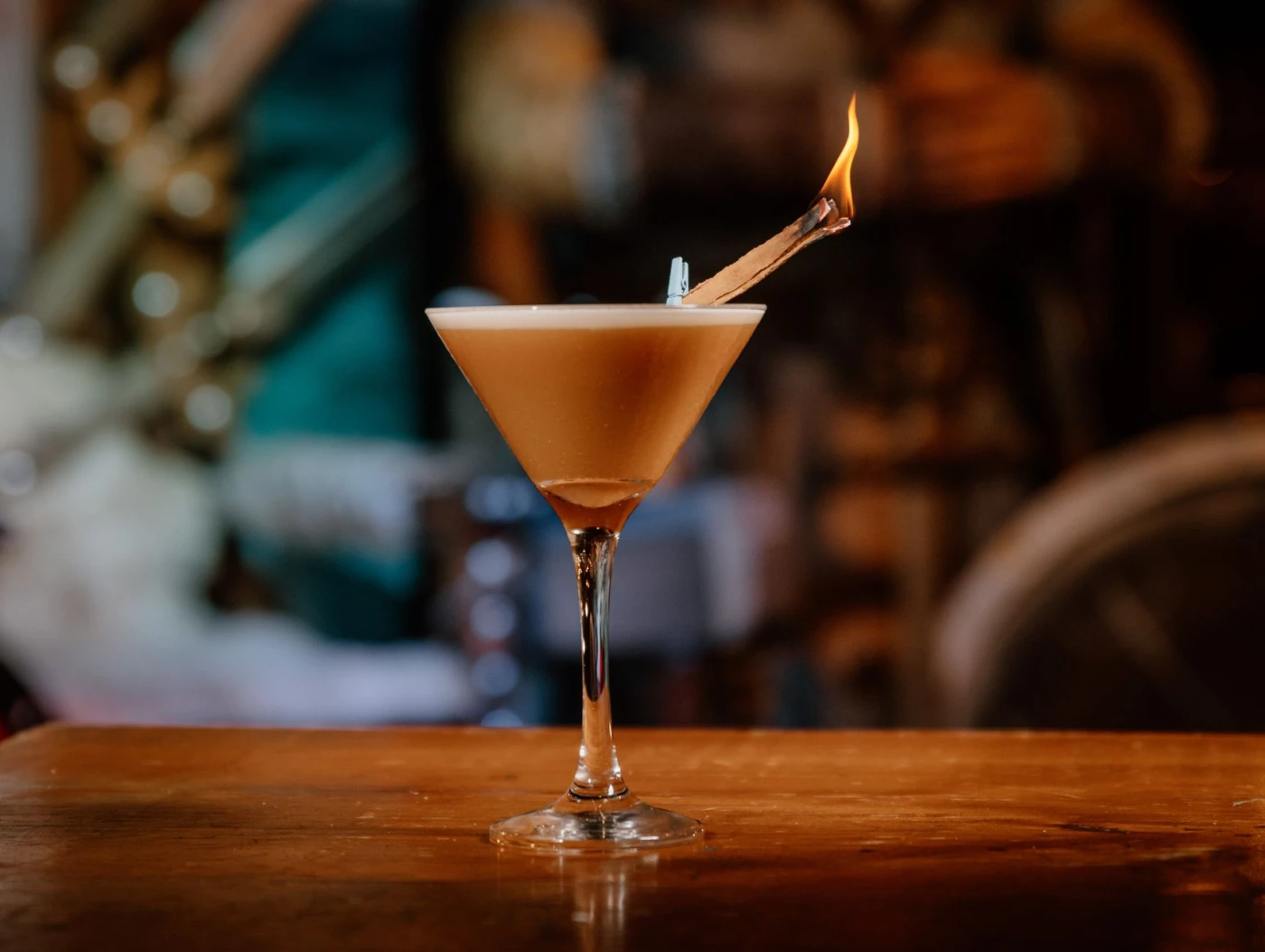
To evaluate a dry gin, you need a drink that reveals its character instead of flattening it. I call this original atozvodka recipe the Cornish Partnership Highball. It is not an official Saint Sithney cocktail, and the name does not imply sponsorship or endorsement.
The build places juniper, citrus and spice against fresh lemon, light honey and neutral carbonation. One serving requires:
- 1.5 oz (45 ml) Saint Sithney Cornish Dry Gin
- 0.5 oz (15 ml) freshly squeezed lemon juice
- 0.25 oz (7.5 ml) 1:1 honey syrup
- 3 oz (90 ml) well-chilled plain soda water
- 2 dashes, approximately 0.06 oz (2 ml), Angostura aromatic bitters
- 5 to 6 oz (140 to 170 g) hard, fresh ice
- 1 lemon peel, approximately 3 inches (7.5 cm), for garnish
Make 1:1 honey syrup by combining equal volumes of runny honey and warm water; 1 oz (30 ml) of each makes more than enough for several drinks. Cool it below 40°F (4°C) before mixing. Raw honey varies dramatically, so use a clean floral style rather than a smoky or heavily medicinal variety.
Angostura is specific and widely available, usually around $12–$18 in the US or £12–£16 in the UK for a standard bottle. The gin was listed at £40 when researched. I could not verify an official US retail price, so I would skip any seller that obscures the bottle source, taxes or shipping route.
No Saint Sithney bottle available? Use another juniper-forward 40% ABV London dry gin, but acknowledge that the drink becomes a substitution rather than a brand trial. Vodka would make a cleaner, quieter highball; our quick vodka cocktail collection offers better recipes for that base.
How to Make the Partner with Saint Sithney Distillery Serve
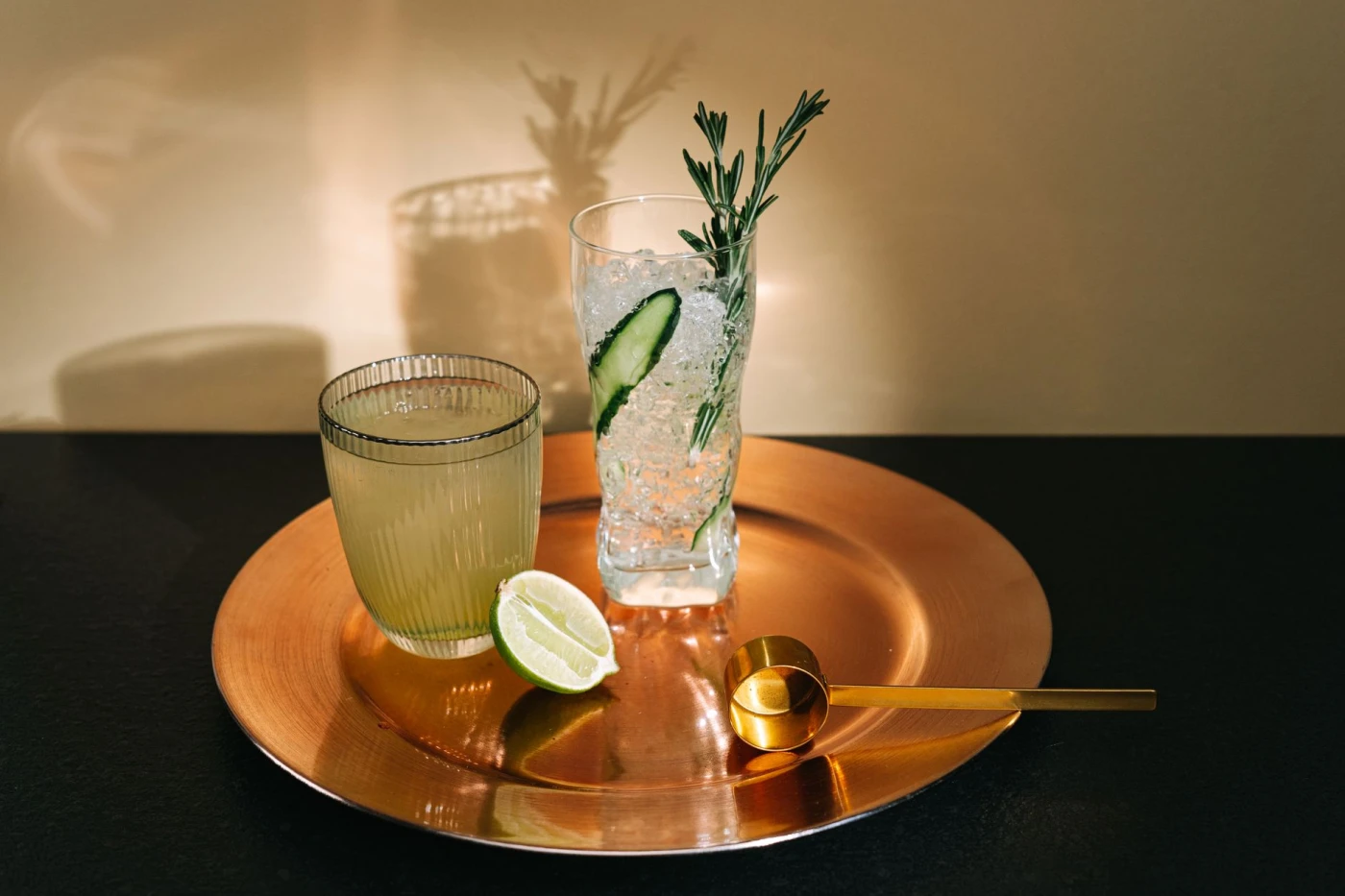
This is a built highball, so you do not need a shaker. You do need cold ingredients, accurate measurements and a glass with enough room for ice. Aim for a 10–12 oz (300–350 ml) Collins or highball glass chilled to about 40°F (4°C).
- Chill the glass. Place it in the freezer for 10 minutes, or fill it with spare ice and water while preparing the ingredients.
- Measure the base. Empty the chilling ice. Add 1.5 oz (45 ml) gin, 0.5 oz (15 ml) lemon juice, 0.25 oz (7.5 ml) honey syrup and two dashes of bitters.
- Combine. Stir the mixture for about 8 seconds. This integrates the dense syrup before carbonation enters the glass.
- Add ice. Fill the glass completely with hard cubes. More ice generally melts more slowly than a few cubes because it keeps the whole drink colder.
- Lengthen gently. Pour in 3 oz (90 ml) cold soda water down the side of the glass. Stir once from bottom to top; aggressive stirring throws away carbonation.
- Garnish and serve. Express the lemon peel over the surface, rub it around the outer rim and place it beside the ice. Serve immediately.
Using gin labelled 40% ABV, the drink is approximately 11% ABV before ice dilution. That is an estimate, not laboratory analysis. Bottle strength, soda volume and melting all alter the final number, so check the actual label.
Taste in three stages: first aroma, then an early sip, then another after two minutes of dilution. Can you still identify juniper and citrus? Does honey soften the finish without turning sticky? That progression tells you more than a rushed first impression.
The build is easier than shaking a sour, but accuracy still counts. Compare it with the simple glass-building logic in our Madras cocktail guide: spirit first, measured modifiers, plenty of cold ice and deliberate dilution.
Pro Tips for Testing the Gin Like a Buyer
In my experience, the fastest way to misunderstand a gin is to bury it under a strongly flavoured tonic. Begin with a 0.5 oz (15 ml) neat sample at approximately 61–65°F (16–18°C), then add a few drops of water. Make the highball second. This sequence reveals aroma, texture and mixer performance without demanding multiple full drinks.
After testing many highball structures, I find a 1:3 spirit-to-carbonated-mixer ratio the most useful diagnostic starting point. It is long enough to expose harshness but concentrated enough to retain botanical detail. Fever-Tree Premium Soda is dependable; Navas is a Cornish mixer associated with the distillery’s suggested serves. Either works, although plain soda gives the spirit nowhere to hide.
Use identical glassware when comparing bottles. Keep soda below 40°F (4°C), weigh or measure the ice and label each glass underneath rather than announcing the brand. In my editorial experience, blind tasting often separates the liquid you genuinely enjoy from the packaging you expected to prefer.
Here’s the thing: preference and commercial suitability are different. A complex £40 gin might shine neat yet struggle in a crowded menu where staff use 5 oz (150 ml) of assertive tonic. Calculate bottle yield. A 700 ml bottle provides fifteen complete 45 ml pours with 25 ml left, assuming no spillage; a 1 oz (30 ml) house pour produces twenty-three servings with 10 ml remaining.
I would also test a lower-alcohol configuration using 1 oz (30 ml) gin and 4 oz (120 ml) soda. It will taste leaner, but fresh lemon peel can restore aroma without sugar. For more deliberate lighter options, see our low-alcohol cocktail recipes.
Finally, record the batch, labelled ABV, purchase price and tasting date. A polished bottle gets attention. Repeatable flavour and workable margins earn permanent shelf space.
Variations for Different Saint Sithney Spirits
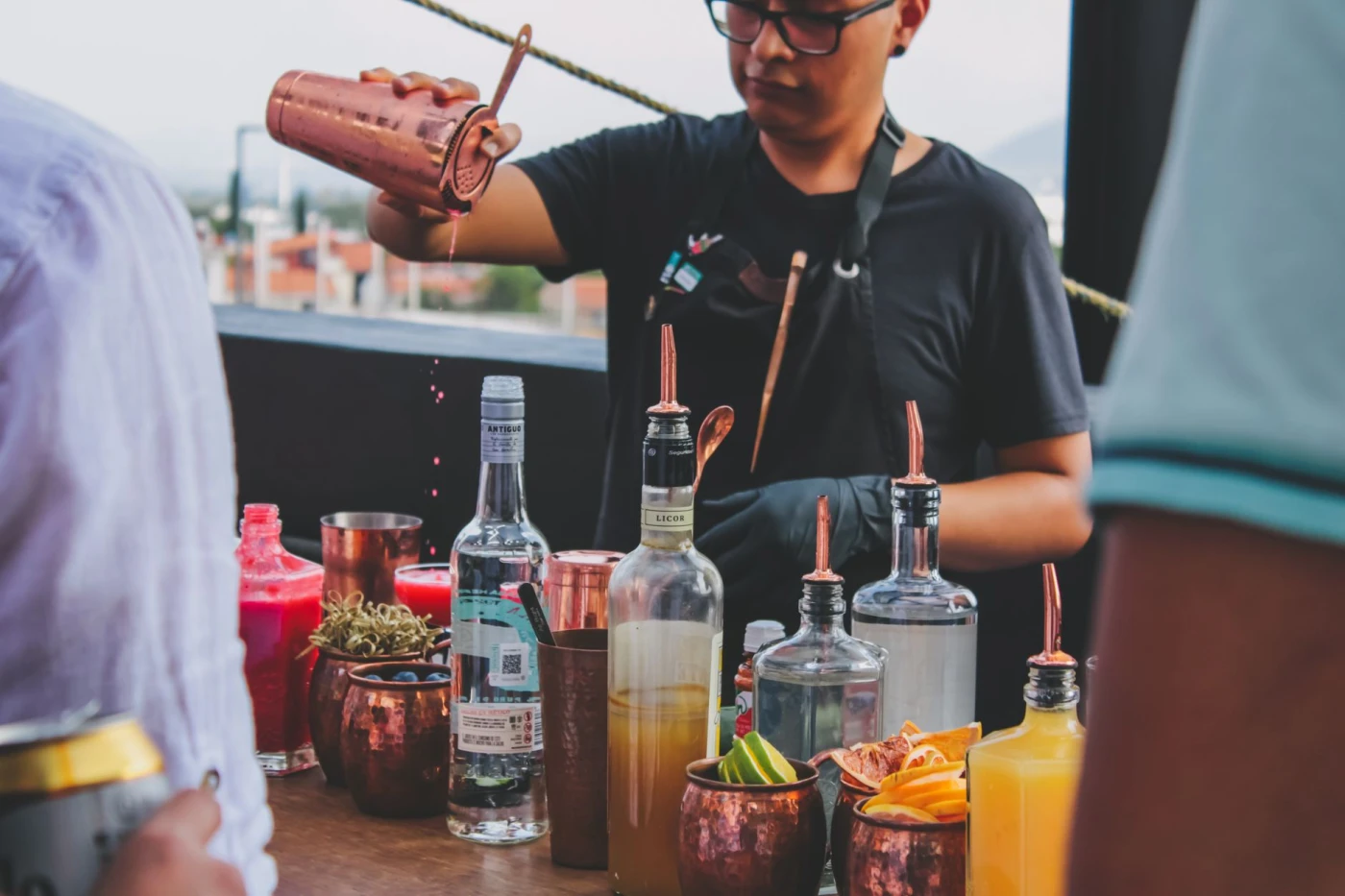
A partnership tasting should test range, not merely one bottle. These four mini recipes retain the highball framework while changing one or two variables. They are original suggestions, not official distillery serves. Check every bottle’s labelled ABV and reduce syrup when the spirit already contains noticeable fruit sweetness.
Pink Gin Berry Highball
- 1.5 oz (45 ml) Cornish Pink Gin
- 0.5 oz (15 ml) fresh lemon juice
- 0.15 oz (5 ml) simple syrup
- 3 oz (90 ml) soda water
- 1 raspberry and 1 lemon peel
Keep the berry garnish whole. Muddling creates seeds and makes the drink look cloudy.
Orange Gin Coastal Spritz
- 1.5 oz (45 ml) Cornish Orange Gin
- 0.5 oz (15 ml) dry vermouth
- 2.5 oz (75 ml) soda water
- 1 dash, approximately 0.03 oz (1 ml), orange bitters
- 1 grapefruit peel
This is easily one of the best formats for an orange-led gin because dry vermouth adds structure without another dose of sugar.
White Rum Lime Cooler
- 1.5 oz (45 ml) Cape Cornwall White Rum
- 0.75 oz (22.5 ml) fresh lime juice
- 0.25 oz (7.5 ml) demerara syrup
- 3 oz (90 ml) soda water
- 1 mint sprig
Slap the mint once. I’d skip crushing it, which can introduce vegetal bitterness and loose fragments.
Half-Strength Garden Highball
- 0.75 oz (22.5 ml) dry gin
- 0.75 oz (22.5 ml) non-alcoholic botanical spirit
- 0.5 oz (15 ml) lemon juice
- 3.5 oz (105 ml) soda water
- 0.15 oz (5 ml) honey syrup
Serve this version at a long lunch or spring garden party. If your guests favour darker spirits, use the balancing lessons in our beginner whiskey cocktail guide before substituting whiskey; it needs a different sweet-to-acid ratio.
Common Partnership and Cocktail Mistakes
The first mistake is treating brand storytelling as a commercial contract. Cornish provenance may interest guests, but you still need current wholesale prices, minimum orders, case sizes, lead times, breakage terms and a clear returns policy. Ask whether marketing support means printed materials, digital assets, staff training or simply permission to reuse approved photography.
Second, do not assume distribution. The brand’s consumer shop currently says it ships within the UK, while a US bar generally works through licensed import and distribution channels. A British retail price of £40 is not a dependable basis for predicting an American shelf price. Freight, duty, state rules and intermediary margins matter.
Third, never claim an ABV you have not read from the bottle or current technical sheet. The recipe estimate in this article uses 40% ABV only as a transparent calculation example. Similarly, do not describe a spirit as organic, allergen-free or award-winning unless the producer supplies current substantiation that you are permitted to use.
At the glass, warm soda is the most common failure. Carbonation escapes faster, dilution accelerates and the highball turns flat. Too much honey is nearly as damaging. Start with 0.25 oz (7.5 ml), then adjust in increments no larger than a barspoon, about 0.17 oz (5 ml).
Do not batch the soda with the acidic base hours ahead. Prepare the gin, lemon, syrup and bitters mixture, refrigerate it below 40°F (4°C), and add sparkling water only when serving. Measure every pour rather than free-pouring.
Finally, build tasting flights around modest samples, water and food. Mentioning responsible drinking once is easy; designing the gathering around it is better. The NIAAA provides US alcohol and health research, while Drinkaware offers UK guidance. Neither flavour enthusiasm nor a trade relationship changes alcohol’s risks.
Pairings, Tastings and Occasions That Work
The Cornish Partnership Highball is brightest at the start of a meal. Lemon, carbonation and juniper prepare the palate for oysters, crab, prawns or grilled white fish without bringing the oak and sweetness of a darker spirit. For a vegetarian plate, try whipped goat cheese, cucumber ribbons, lemony olives and seeded crackers.
Season changes the garnish more than the recipe. In spring, use a lemon peel and one edible, unsprayed flower. Summer calls for grapefruit peel, seafood and an outdoor table. For an autumn harvest gathering, swap honey syrup for the same 0.25 oz (7.5 ml) of light apple syrup. At Christmas, a rosemary sprig adds aroma, but do not ignite it indoors or let needles fall into the drink.
Planning a home tasting? Pour no more than 0.5 oz (15 ml) of each spirit into clearly numbered glasses, provide still water and unsalted crackers, and move from dry gin to fruit gin, rum and sweeter expressions. Give guests a simple card with four prompts: aroma, first flavour, texture and finish. Scores matter less than specific notes.
A retailer or bar evaluating whether to partner with Saint Sithney Distillery should run a second, operational trial. Can different staff reproduce the highball? Does the garnish stay fresh through service? Is the bottle easy to store, grip and identify under dim lighting? What is the measured cost per serve? Those mundane questions protect margins.
For weddings, bank-holiday lunches or a Fourth of July gathering, pre-batch only the still ingredients and chill them. Add measured soda in each glass. Transporting the drink? Our portable picnic drinks guide explains which formats travel well.
Let’s be honest: not every occasion needs a complicated menu. One polished highball, one alcohol-free option, cold water and thoughtful food can feel far more hospitable than seven rushed cocktails.
Quick Reference Cheat Sheet
Use this table at the bar rather than converting measurements mid-pour. The UK values are practical metric equivalents, not mathematically exact conversions in every row. A US fluid ounce is approximately 29.57 ml, but 30 ml is the normal working conversion for home cocktail recipes.
| Component or task | US measure | UK metric | Working note |
|---|---|---|---|
| Cornish Dry Gin | 1.5 oz | 45 ml | Check the bottle’s labelled ABV |
| Fresh lemon juice | 0.5 oz | 15 ml | Strain out seeds and coarse pulp |
| 1:1 honey syrup | 0.25 oz | 7.5 ml | Start low; add sweetness only after tasting |
| Plain soda water | 3 oz | 90 ml | Chill below 40°F (4°C) |
| Angostura bitters | 2 dashes, about 0.06 oz | 2 ml | Dash size varies by bottle and angle |
| Serving glass | 10–12 oz | 300–350 ml | Use a chilled highball or Collins glass |
| Ice | 5–6 oz by weight | 140–170 g | Fill the glass completely |
| Approximate strength | About 11% ABV | About 11% ABV | Assumes 1.5 oz/45 ml of 40% ABV gin before ice dilution |
| 700 ml bottle yield | About 15 full 1.5 oz pours | 15 full 45 ml pours | Allows for 25 ml remaining, before spillage |
For a party of eight, multiply the still ingredients by eight: 12 oz (360 ml) gin, 4 oz (120 ml) lemon juice, 2 oz (60 ml) honey syrup and 16 dashes of bitters. Refrigerate that base in a sealed bottle for no longer than one day. Pour 2.25 oz (67.5 ml) per glass, add ice and finish each serving with 3 oz (90 ml) fresh soda.
Keep partnership notes beside the recipe: quoted wholesale price, tax treatment, case size, minimum order, delivery charge, lead time, returns, asset permissions and an expiry date for the quote. That single page turns an appealing pitch into a decision you can audit.
Before approving a first order, compare the proposed gin with at least two bottles already available in the same price tier. Taste them neat, with water and in identical highballs, then record guest preference, staff feedback and cost per serving. Repeat the comparison on another day to reduce the influence of mood, food and bottle presentation. For trade buyers, a short trial order is usually more informative than a large speculative commitment. Monitor sales by serve, wastage and repeat requests, and review the results after four to six weeks. This practical evidence shows whether the spirit has genuine staying power on your shelf or menu.
To partner with Saint Sithney Distillery wisely, taste methodically and verify every commercial detail before committing. If the Cornish Partnership Highball earns a place in your rotation, organise the rest of your essential tools and supplies with our free home bar starter checklist.
Ask AI about this article
Pick a prompt, copy it, or open ChatGPT with this article preloaded.
Frequently Asked Questions
What does Partner with Saint Sithney Distillery mean?
It refers to Saint Sithney Distillery’s commercial stockist programme rather than a recognised cocktail. The published offer is aimed at retailers, bars and restaurants seeking Cornish spirits, marketing materials and possible promotional support. A prospective partner should request current wholesale pricing, minimum.
Which Saint Sithney spirit is the best starting point?
Cornish Dry Gin is the most versatile starting point for a comparative tasting because dry gin works in highballs, Martinis, sours and a classic gin and tonic. The distillery describes juniper, citrus, coriander, kaffir lime and warm spice notes. Fruit-flavoured gin may suit sweeter serves, while white rum is a logical.
How strong is the Cornish Partnership Highball?
If it is made with 1.5 oz (45 ml) of 40% ABV gin, the mixed liquid is approximately 11% ABV before additional ice dilution. The exact result changes with the bottle strength, soda quantity, ice and melting. Check the label rather than assuming every expression is 40% ABV, measure the pour and treat one highball as a fu.
What should a prospective stockist ask before ordering?
Ask for the current trade catalogue, wholesale and recommended retail prices, bottle sizes, case configuration, minimum order, delivery charges, lead times, payment terms and returns policy. Also clarify marketing support, sampling arrangements, exclusivity and whether promotional claims are substantiated. US buyers sh.
What food pairs best with Saint Sithney Cornish Dry Gin?
Start with foods that echo or contrast a dry gin’s citrus and botanical profile: oysters, crab, smoked salmon, grilled white fish, goat cheese, cucumber sandwiches or lightly salted nuts. Avoid coating the palate with very sweet sauces before tasting. For a summer garden party, pair the highball with seafood; for a win.
Comments 0
Login to Post comments