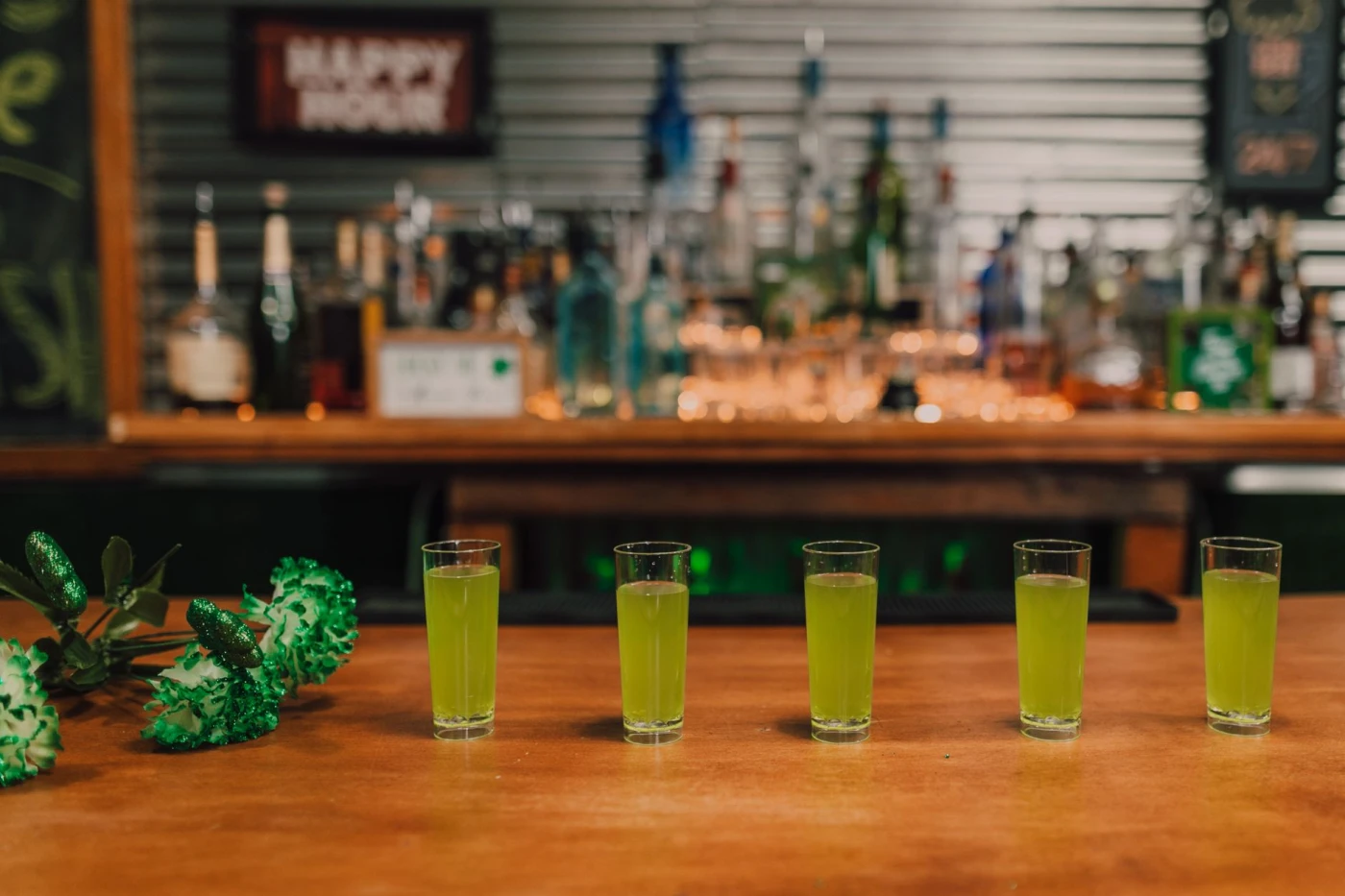

Cookie Policy Cocktail: Dessert With a Kick
The Cookie Policy is a creamy coffee-and-chocolate cocktail finished with a crisp cookie rim. Learn the balanced recipe, smart substitutions, serving tips, and common mistakes.
The Cookie Policy cocktail turns coffee, chocolate and vanilla into a grown-up dessert you can shake at home. It is creamy but not stodgy, sweet but not syrupy, and finished with a crisp cookie rim that makes the first sip genuinely fun.
Here’s the thing: this is a modern house-style recipe, not a centuries-old classic with a legally fixed formula. That gives you room to adjust it, but balance still matters. Follow the measured build below before improvising. If you enjoy fast vodka drinks with fewer ingredients, bookmark these vodka cocktails you can make in under five minutes for your next round.
What Is the Cookie Policy Cocktail?
The Cookie Policy cocktail is a chilled dessert drink made with vanilla vodka, coffee liqueur, white crème de cacao, oat cream and espresso. Crushed chocolate cookie supplies the visual signature. The finished flavour sits somewhere between an Espresso Martini and a light cookies-and-cream dessert, although it has a softer texture and less caffeine than a coffee-led Martini.
There is no well-documented historical cocktail called Cookie Policy in the established canon. You will not find a single protected specification, founding bartender or agreed creation date. It is better understood as a contemporary, internet-era name that invites playful interpretation. Claims that it is a Prohibition classic should therefore be treated sceptically.
Its structure is still conventional. Vodka forms the spirit base; coffee and cocoa liqueurs provide flavour and sugar; cream rounds sharp edges; espresso adds roast and a little bitterness. That familiar template explains why the drink works despite its modern title. For context, compare its construction with the balanced formulas in 15 classic cocktails every home bartender should know.
Our standard version uses 40% ABV vodka and finishes at approximately 18–21% ABV after shaking dilution. That is an estimate, not a laboratory measurement, because ice, temperature and brand strengths vary. The US Alcohol and Tobacco Tax and Trade Bureau is the appropriate authority for American alcohol labelling and standards.
Serve the Cookie Policy cocktail in a chilled 5–6 oz (150–180 ml) coupe at about 34–38°F (1–3°C). Cold service keeps the texture tight and stops the sweetness feeling heavy.
Cookie Policy Cocktail Ingredients You Need
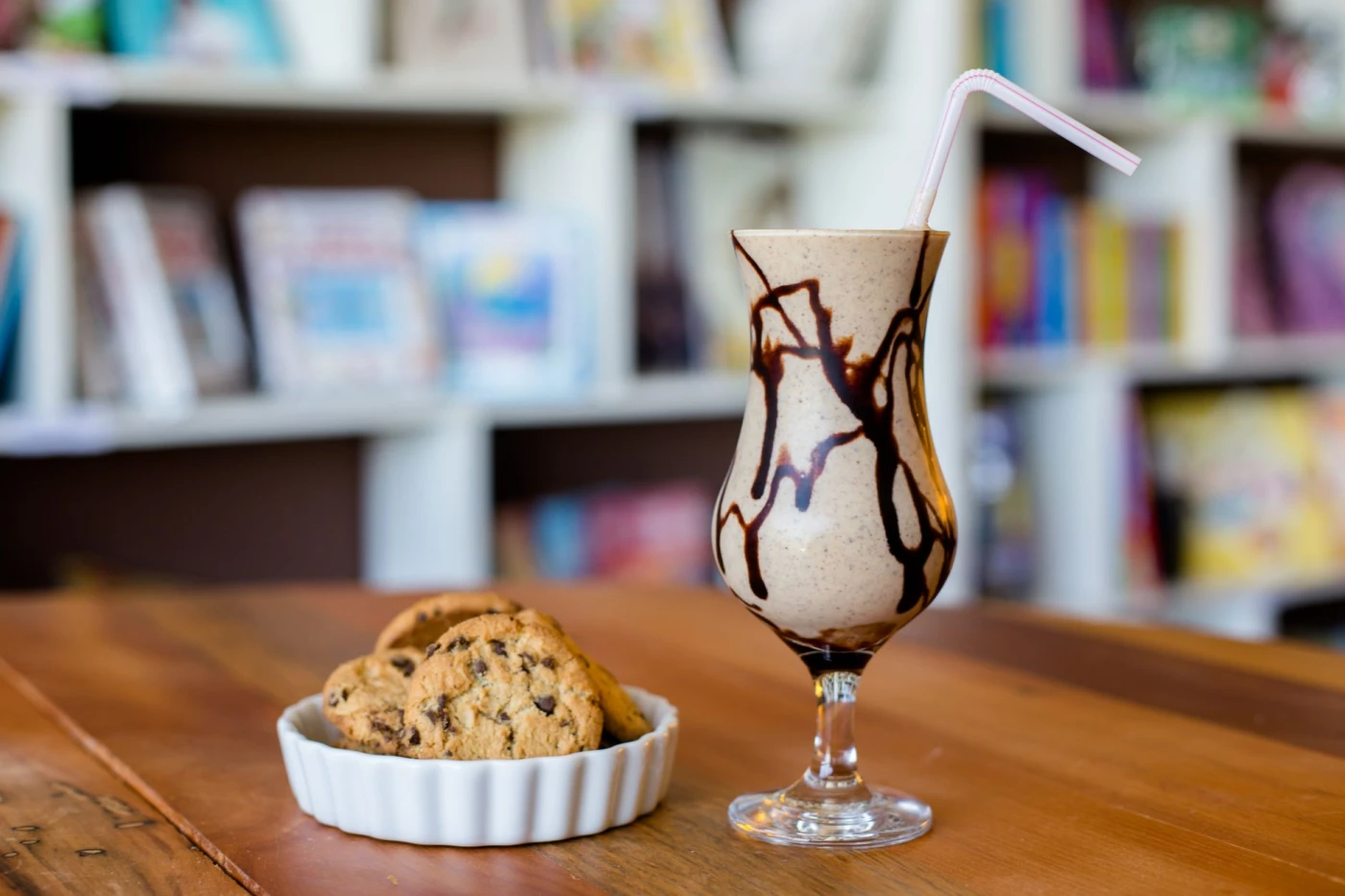
Good ingredients matter because the Cookie Policy cocktail has nowhere for stale coffee or thin cream to hide. This recipe makes one generous but controlled serving:
- 1 1/2 oz (45 ml) vanilla vodka, ideally 35–40% ABV
- 1/2 oz (15 ml) coffee liqueur
- 1/2 oz (15 ml) white crème de cacao
- 3/4 oz (22.5 ml) barista-style oat cream
- 1/2 oz (15 ml) fresh espresso, cooled
- 2 drops saline solution, made with 1/4 oz (7.5 ml) fine salt and 1 oz (30 ml) water
- 1 chocolate sandwich cookie, about 0.4 oz (11 g), for the rim
- 1/4 oz (7.5 ml) chocolate syrup, for attaching the crumbs
- 5–6 oz (150–180 ml) hard ice, for shaking
Smirnoff Vanilla is often around $13–18 in the US or £16–20 in the UK, while Absolut Vanilia commonly costs about $20–25 or £20–25. Prices vary sharply by retailer and tax. Kahlúa, normally 16% ABV in many markets, gives familiar caramel-coffee sweetness. Mr Black, at a stronger and drier 23% ABV where sold, creates a more assertive drink; reduce it slightly if you dislike bitterness.
For the cookie, I prefer Oreo or a crisp supermarket equivalent. It crushes evenly and stays recognisable. I’d skip soft bakery cookies: delicious alone, disastrous as a fine rim. Remove some filling if you want less sugar.
Use white rather than dark crème de cacao when you want a pale cookies-and-cream appearance. Bols or DeKuyper are practical options around $12–18, while UK prices often sit near £14–20. For a completely different vodka profile, explore the fruit-driven Madras cocktail.
How to Make a Cookie Policy Cocktail
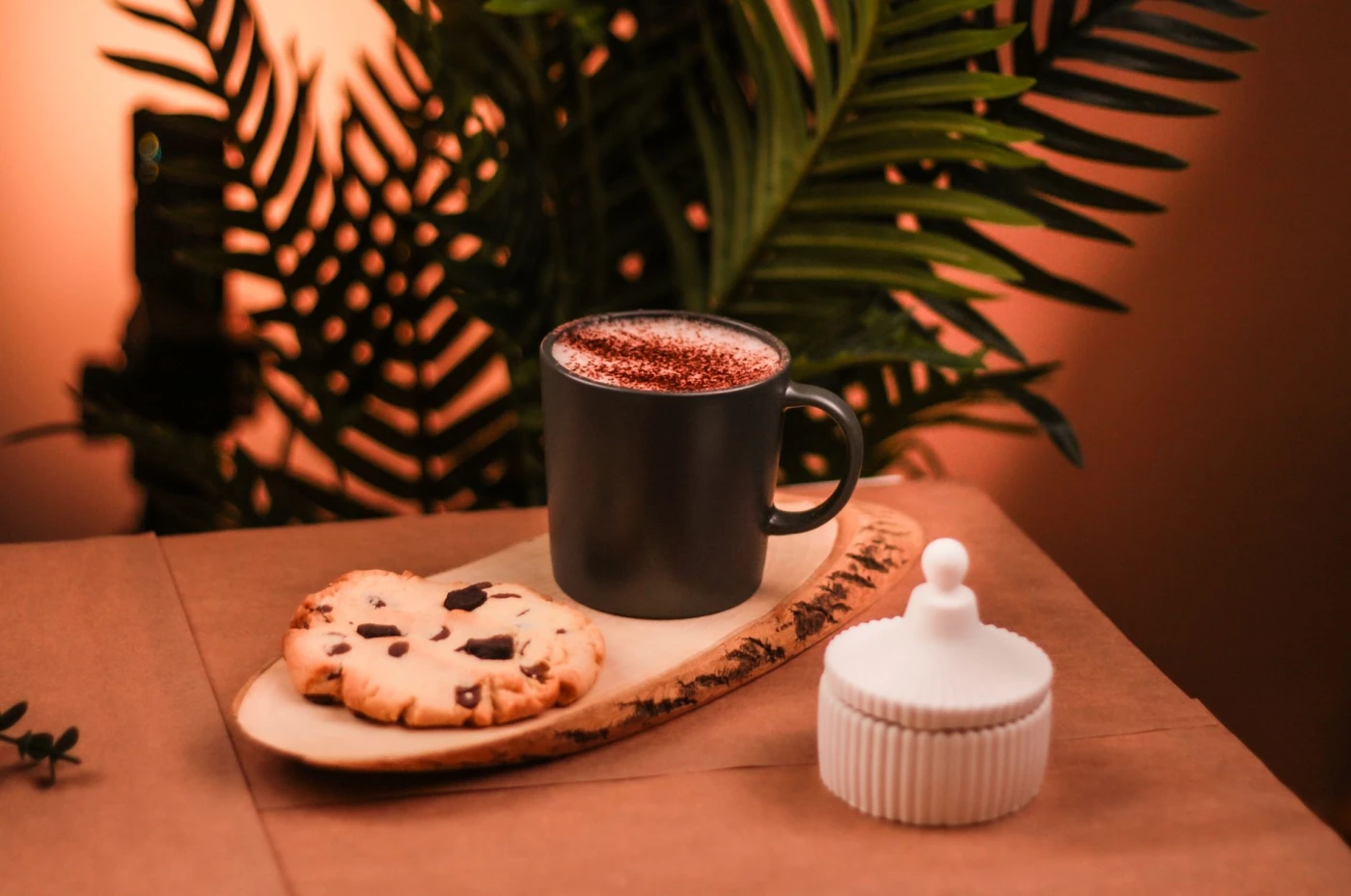
The Cookie Policy cocktail rewards a little preparation. You need a shaker, jigger, fine strainer, small plate and chilled coupe. Cool the espresso before it meets the ice; hot coffee melts cubes too quickly and produces a thin drink.
- Chill the glass. Put a 5–6 oz (150–180 ml) coupe in the freezer for 10 minutes, or fill it with ice and water while you work.
- Prepare the rim. Crush one chocolate sandwich cookie into fine crumbs. Spread them on a plate, brush half the glass rim with 1/4 oz (7.5 ml) chocolate syrup, and roll that side through the crumbs. A half-rim lets you choose between decorated and clean sips.
- Measure the liquids. Add 1 1/2 oz (45 ml) vanilla vodka, 1/2 oz (15 ml) coffee liqueur, 1/2 oz (15 ml) white crème de cacao, 3/4 oz (22.5 ml) oat cream, 1/2 oz (15 ml) cooled espresso and two saline drops to the shaker.
- Add ice and shake. Fill the shaker with 5–6 oz (150–180 ml) hard ice. Shake firmly for 12–15 seconds, until the metal feels painfully cold.
- Double-strain. Empty the cooling ice from the coupe, then strain through both the shaker strainer and a fine mesh strainer. This removes ice fragments and loose coffee particles.
- Garnish and serve. Rest half a crisp cookie on the rim or serve it on a small side plate. Drink immediately.
After testing short and long shakes, 12–15 seconds produced the best balance of aeration and dilution in a room-temperature shaker. Weak five-second shaking left the oat cream flat. For a simpler round before dessert, these beginner-friendly whiskey cocktails use equally approachable techniques.
Pro Tips for a Better Cookie Policy Cocktail

In my experience, temperature decides whether the Cookie Policy cocktail tastes polished or merely sweet. Chill every liquid you reasonably can and use dense ice straight from a freezer at 0°F (-18°C). Cloudy home cubes are fine if they smell neutral and have not absorbed freezer odours.
Taste your liqueurs first. Kahlúa is soft and sweet; Mr Black is drier and more coffee-forward. Dark crème de cacao can taste richer than white versions. If both bottles are particularly sweet, reduce the crème de cacao to 1/4 oz (7.5 ml) rather than adding more espresso and accidentally thinning the drink.
After testing dairy cream, ordinary oat milk and barista oat cream, the last option gave the most reliable middle ground. Heavy cream creates a luxurious texture but can mute the coffee. Standard oat milk is refreshing, yet often lacks enough fat and stabilisers to hold a silky foam.
Saline sounds fussy. It isn’t. Two drops sharpen vanilla and cocoa without making the Cookie Policy cocktail taste salty. Keep a small labelled dropper bottle refrigerated and remake it every couple of weeks. Never guess with loose salt over the shaker.
For the cleanest rim, grind the biscuit to coarse sand, not powder. Powder turns pasty when it hits syrup. I also leave half the rim bare, because several consecutive cookie-coated sips become cloying. This is easily one of the best small changes you can make.
Finally, measure with a jigger. Free-pouring thick cream and sticky liqueur is inaccurate, even for experienced hosts. If you want a lighter option for the same gathering, these low-alcohol cocktail recipes give guests a useful alternative.
Cookie Policy Cocktail Variations
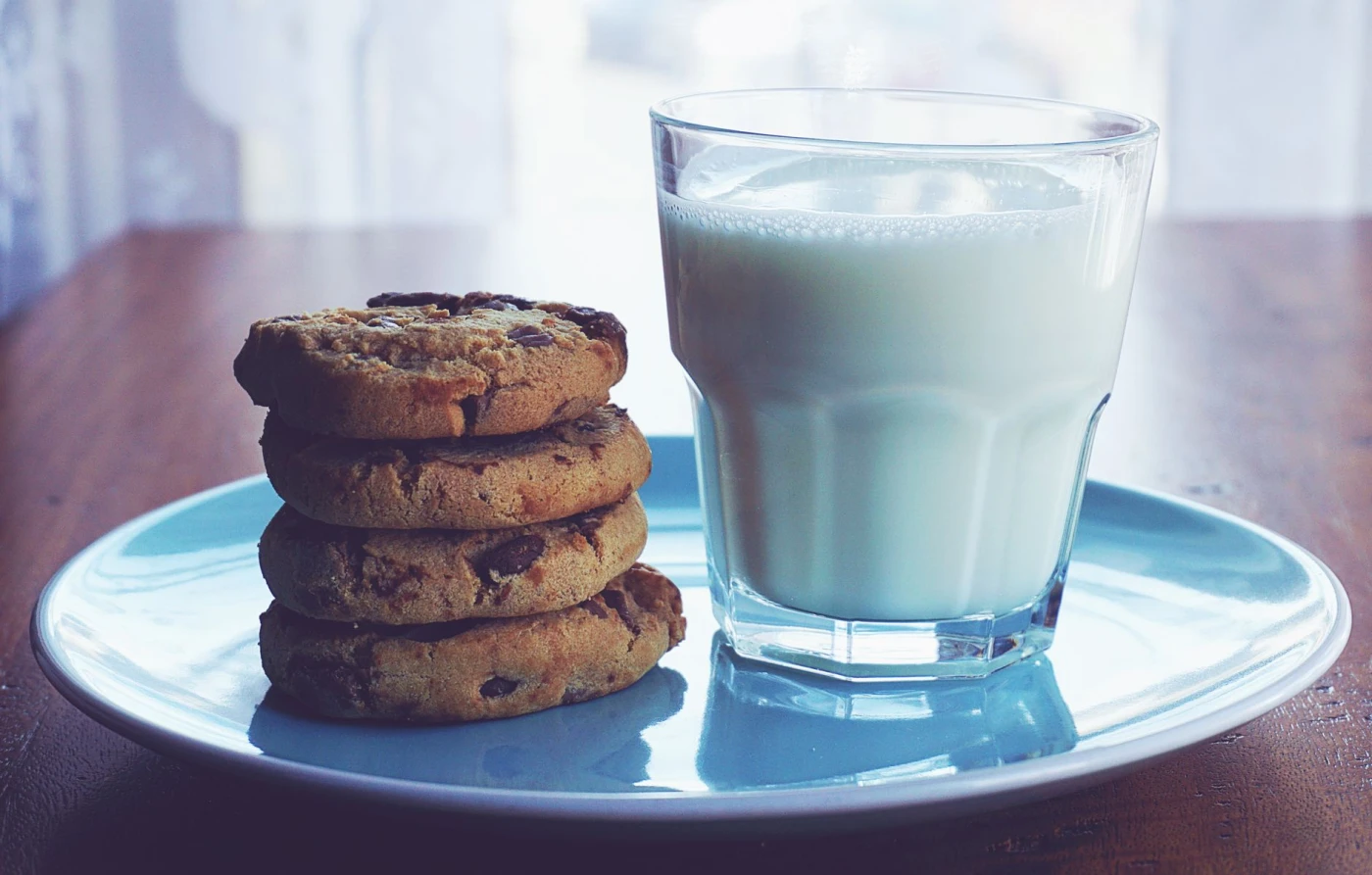
Once you understand the original Cookie Policy cocktail, variations become easy. Keep the total volume close to 3 1/4 oz (97.5 ml) before dilution so the drink still fits a standard coupe.
Salted Caramel Policy
- 1 1/2 oz (45 ml) vanilla vodka
- 1/2 oz (15 ml) coffee liqueur
- 1/2 oz (15 ml) caramel liqueur
- 3/4 oz (22.5 ml) oat cream
- 1/2 oz (15 ml) cooled espresso
Add three saline drops and rim with a crushed caramel biscuit. This version is sweeter, so omit chocolate syrup inside the drink.
Bourbon Cookie Policy
- 1 1/2 oz (45 ml) 45% ABV bourbon
- 1/2 oz (15 ml) coffee liqueur
- 1/2 oz (15 ml) white crème de cacao
- 3/4 oz (22.5 ml) oat cream
- 1/2 oz (15 ml) cooled espresso
Wild Turkey 101, often $24–30 or £28–35, brings spice and oak. Use a shortbread crumb rather than chocolate cookie. The result feels particularly right around Thanksgiving or Bonfire Night.
Mint Chocolate Policy
- 1 1/2 oz (45 ml) vodka
- 1/2 oz (15 ml) coffee liqueur
- 1/4 oz (7.5 ml) crème de menthe
- 1/4 oz (7.5 ml) crème de cacao
- 3/4 oz (22.5 ml) oat cream
- 1/2 oz (15 ml) espresso
Use clear crème de menthe unless you want a green drink. More than 1/4 oz (7.5 ml) can taste like toothpaste.
Lower-Alcohol Policy
- 3/4 oz (22.5 ml) vanilla vodka
- 1/2 oz (15 ml) coffee liqueur
- 1 oz (30 ml) oat cream
- 3/4 oz (22.5 ml) decaf espresso
- 1/4 oz (7.5 ml) vanilla syrup
Shake as usual. For more nostalgic party inspiration, browse these classic 1990s drinks.
Common Cookie Policy Cocktail Mistakes
Let’s be honest: a creamy cocktail can hide small errors, but it cannot hide every error. The most common Cookie Policy cocktail problem is excessive sweetness. Vanilla vodka, coffee liqueur, crème de cacao, syrup and cookie all contribute sugar. Do not add simple syrup to the standard recipe. If the result still tastes rich, reduce the chocolate liqueur to 1/4 oz (7.5 ml).
Using hot espresso is another frequent mistake. A fresh shot may leave the machine near 160°F (71°C). Let it cool below 70°F (21°C), preferably in the refrigerator, before shaking. Otherwise, it melts your ice prematurely and weakens both texture and flavour.
Do not use soft or greasy crumbs. They slide down the glass and fall into the drink. A crisp biscuit is the best cookie for the Cookie Policy cocktail because it forms dry, even granules. Apply syrup only to the outside edge; coating the inner rim sends sticky streaks into every sip.
Under-shaking leaves separate layers, while shaking old, wet ice creates needless dilution. Use fresh hard cubes and commit to 12–15 seconds. Then double-strain. A single strain often leaves tiny shards that break the creamy surface.
Another trap is assuming sweetness means weakness. This recipe contains 1 1/2 oz (45 ml) vodka plus two liqueurs. Its approximately 18–21% finished ABV can be stronger than many wines, despite the dessert-like flavour. For evidence-based alcohol and health information, consult the US National Institute on Alcohol Abuse and Alcoholism or UK guidance from Drinkaware. Make responsible drinking part of the plan, not an afterthought.
Ingredient Substitutions and Storage
You do not need every specified bottle to make a balanced Cookie Policy cocktail, but substitutions should preserve the roles of spirit, sweetness, roast flavour and cream. If vanilla vodka is unavailable, use the same amount of unflavoured vodka with 1/8 teaspoon of real vanilla extract. Add the extract carefully: an extra splash can make the drink taste perfumed. Alternatively, use 1/4 oz (7.5 ml) vanilla syrup and reduce the crème de cacao to 1/4 oz (7.5 ml) to keep the overall sweetness under control.
Cold-brew concentrate can replace espresso when you do not own a coffee machine. Choose an unsweetened concentrate and use 1/2 oz (15 ml) in the standard build. Ordinary ready-to-drink cold brew is usually less intense, so increase it to 3/4 oz (22.5 ml) and reduce the oat cream by 1/4 oz (7.5 ml). Instant espresso also works in a pinch: dissolve one level teaspoon in 1/2 oz (15 ml) hot water, then refrigerate it until completely cold. Regular filter coffee is generally too dilute and can leave the cocktail watery.
If you cannot find white crème de cacao, a clear or pale chocolate liqueur is the closest substitute. Dark crème de cacao delivers a similar flavour but changes the colour from cream to light brown. A richer chocolate liqueur may contain dairy and more sugar, so check its label and begin with 1/4 oz (7.5 ml). Do not replace crème de cacao with cocoa powder directly in the shaker. Dry cocoa forms stubborn clumps and contributes bitterness without the liqueur’s aroma or controlled sweetness.
For the creamy component, single cream, half-and-half or a plant-based barista cream can all succeed. Single cream and half-and-half produce a fuller drink than oat cream, so a 1/2 oz (15 ml) pour may be sufficient. Coconut cream needs vigorous stirring before measuring and gives a distinct coconut finish. Thin rice milk is not recommended because it contributes very little body. Whatever you choose, avoid combining dairy with acidic flavourings unless you have tested the mixture first.
Store opened vodka and liqueurs upright in a cool, dark cupboard away from an oven or sunny window. They do not need to be frozen, although chilling them before service reduces the amount of melting required in the shaker. Follow the manufacturer’s directions for cream liqueurs, which may require refrigeration after opening. Oat cream and prepared espresso belong in the refrigerator below 40°F (4°C). Use cooled espresso within 24 hours for the cleanest flavour and discard it if its aroma becomes stale or sour.
Cookie crumbs can be prepared earlier on the day of service and kept in an airtight container at room temperature. Do not refrigerate them, because condensation makes them sticky. Saline solution should go into a clean, labelled bottle; refrigerate it and replace it regularly rather than continually topping it up. These small storage habits protect the contrasting textures that make the Cookie Policy cocktail memorable.
Pairings and Occasions for the Cookie Policy
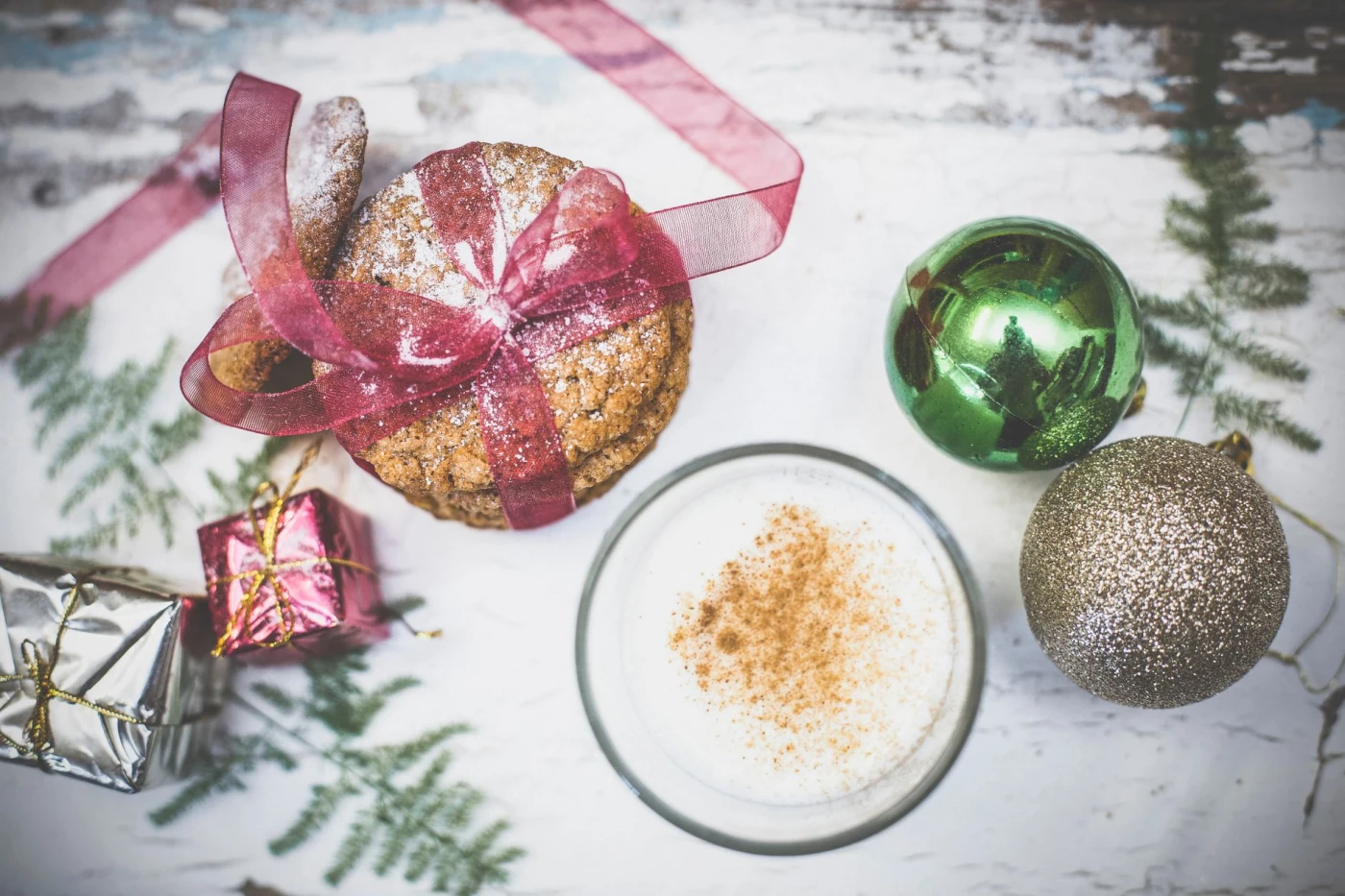
The Cookie Policy cocktail belongs after dinner, not beside a delicate starter. Coffee, cocoa and cream overpower oysters, salads and citrusy seafood. Serve it with desserts that have texture or bitterness: dark-chocolate tart, hazelnut biscotti, salted pretzels, plain shortbread or a modest scoop of vanilla ice cream.
Avoid pairing it with an extremely sweet frosted cake. Sugar stacked on sugar dulls the espresso and makes a full portion tiring. In my experience, 70% dark chocolate is the sweet spot; its bitterness reveals the drink’s vanilla aroma. A small bowl of roasted pecans also works beautifully.
This cocktail suits autumn dinner parties, Christmas gatherings, New Year’s Eve dessert service and relaxed winter movie nights. In Britain, it feels natural after a Bonfire Night supper. In the US, it can replace pie-side coffee at Thanksgiving, though serving both together may provide more caffeine than some guests want late at night.
For summer, shrink the recipe to a 3 oz (90 ml) Nick and Nora serving or choose something brighter. Make-ahead outdoor options from this guide to portable picnic drinks will travel much better than a cream cocktail.
Hosting several people? Pre-batch everything except the cream and ice. For four drinks, combine 6 oz (180 ml) vanilla vodka, 2 oz (60 ml) coffee liqueur, 2 oz (60 ml) crème de cacao, 2 oz (60 ml) cooled espresso and eight saline drops. Refrigerate below 40°F (4°C). For each order, shake 3 oz (90 ml) batch with 3/4 oz (22.5 ml) oat cream. This preserves aeration and gives every guest a properly cold Cookie Policy cocktail.
Cookie Policy Cocktail Quick Reference
Use this cheat sheet when you are standing at the bar with a jigger in one hand and a shaker in the other. The millilitre figures are practical UK bar conversions rather than mathematically awkward decimals.
| Component | US measure | UK metric measure | Purpose |
|---|---|---|---|
| Vanilla vodka | 1 1/2 oz | 45 ml | Spirit base and vanilla |
| Coffee liqueur | 1/2 oz | 15 ml | Roast flavour and sweetness |
| White crème de cacao | 1/2 oz | 15 ml | Chocolate aroma |
| Barista oat cream | 3/4 oz | 22.5 ml | Body and foam |
| Cooled espresso | 1/2 oz | 15 ml | Bitterness and coffee depth |
| Chocolate syrup | 1/4 oz | 7.5 ml | Attaches the cookie rim |
| Shaking ice | 5–6 oz | 150–180 ml | Chilling and dilution |
Glass: chilled 5–6 oz (150–180 ml) coupe. Shake: 12–15 seconds. Serve: approximately 34–38°F (1–3°C). Estimated strength: 18–21% ABV after dilution, depending on bottle strengths and technique.
The Cookie Policy cocktail succeeds through contrast: crisp crumb against silky liquid, bitter espresso against sweet liqueur, and a tiny saline lift beneath the vanilla. Start with the recipe exactly once. On the next round, adjust only one element, then taste again. That is how you learn what changed.
Before stocking bottles, glassware and tools, download the free home bar starter checklist. It will help you build a practical setup without buying gadgets you rarely use. Then chill your coupe, measure carefully and give the Cookie Policy cocktail the sharp, cold shake it deserves.
Ask AI about this article
Pick a prompt, copy it, or open ChatGPT with this article preloaded.
Frequently Asked Questions
What is a Cookie Policy cocktail?
A Cookie Policy cocktail is a modern dessert-style drink built around vanilla vodka, coffee liqueur, white crème de cacao and oat cream. A crushed-cookie rim supplies its playful name and contrasting texture. It is not a recognised historical classic with one official specification, so recipes can differ. This version.
How do you make a Cookie Policy cocktail?
Chill a coupe, coat half its rim with crushed chocolate cookie, and add vanilla vodka, coffee liqueur, white crème de cacao, oat cream, cooled espresso and saline solution to a shaker. Shake with plenty of hard ice for 12–15 seconds, then double-strain into the glass. Garnish with half a crisp cookie and serve immediat.
What is the best cookie for a Cookie Policy cocktail?
A crisp chocolate sandwich cookie is the most dependable choice because it crushes finely, adheres well and reinforces the drink’s cocoa flavour. Oreo works consistently in the US and UK, while supermarket versions are usually equally effective. Avoid soft cookies for the rim; their moisture produces clumps. For a less.
How strong is the Cookie Policy cocktail?
Using 40% ABV vanilla vodka, 16–20% coffee liqueur and approximately 20% crème de cacao, the finished drink lands around 18–21% ABV after ordinary shaking dilution. The exact result depends on brands, ice and shaking time. Although it tastes creamy and sweet, it contains a full 1.5 oz (45 ml) vodka pour plus two liqueu.
Why did my creamy cocktail separate?
Separation usually comes from warm ingredients, weak shaking, watery plant milk or an acidic addition. Use barista-style oat cream, cool the espresso completely and shake with large, dry ice cubes. Double-strain and serve at once. If you add citrus in a variation, introduce it cautiously because acid can split dairy. A.
Comments 0
Login to Post comments