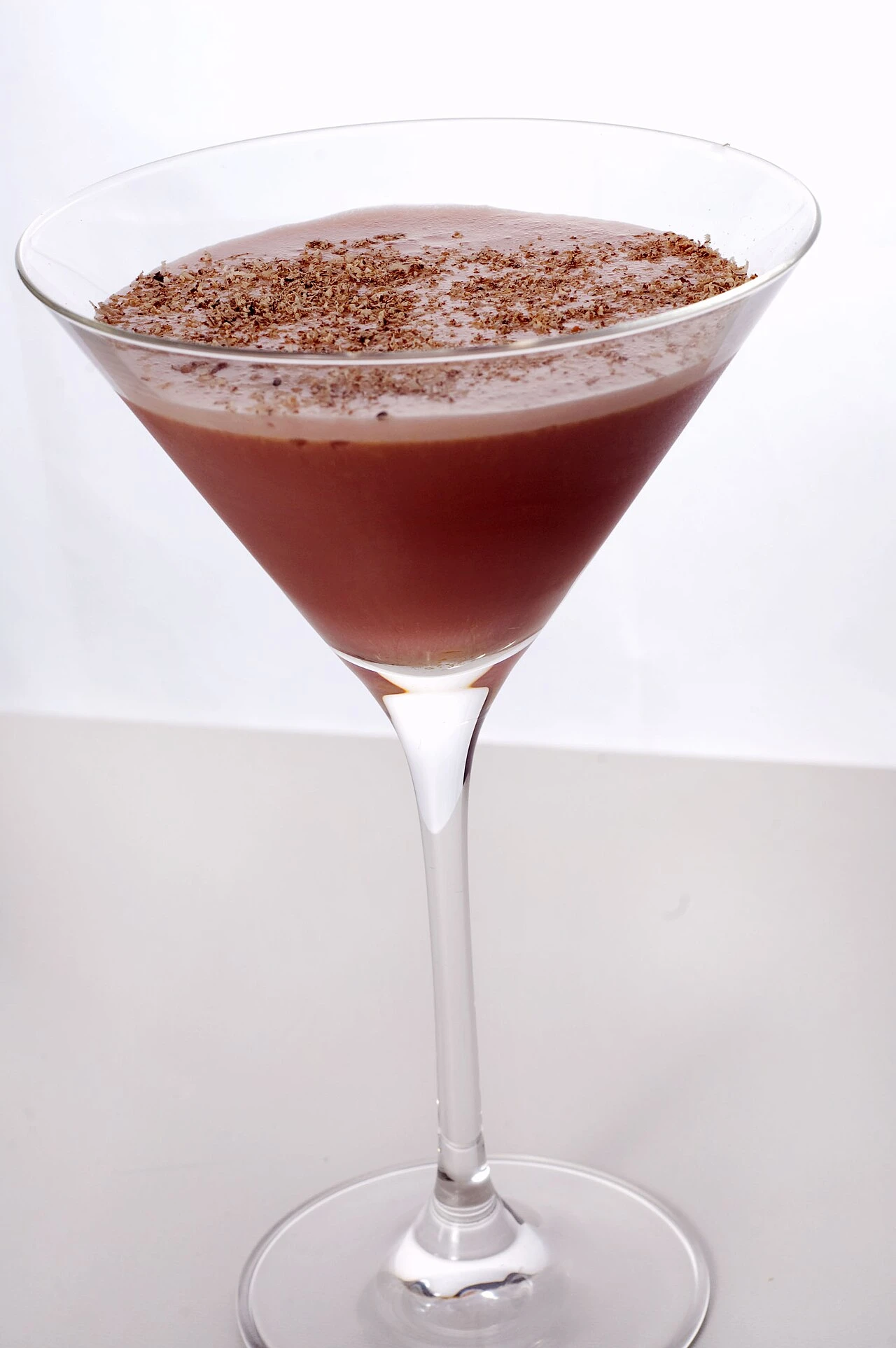

Porto Flip: The Silky Classic Worth Reviving
The Porto Flip blends tawny port, brandy and egg yolk into a rich, silky classic. Learn the exact recipe, technique and best variations.
The Porto Flip turns three modest ingredients—port, brandy and egg yolk—into something unexpectedly luxurious. It tastes like dried fruit, toasted nuts and gentle spice wrapped in a cool, satin-soft texture.
Better still, you do not need obscure equipment or an overloaded drinks cabinet. You need good ice, a shaker and enough confidence to shake harder than feels polite. If you are building your repertoire, this belongs beside the drinks in our guide to classic cocktails every home bartender should know.
Here’s the thing: a Porto Flip is simple, but it exposes careless technique. This guide explains the correct proportions in ounces and millilitres, which port to buy, how to handle the yolk and how to create that glossy texture without producing a watery drink.
What Is a Porto Flip? History in the Glass
A Porto Flip is a short, cold cocktail made by shaking port wine, brandy and egg yolk, then straining the mixture into a stemmed glass. Fresh nutmeg is the customary finish. The yolk does not make the drink taste like breakfast; properly emulsified, it supplies body and a polished texture.
The drink belongs to the wider flip family. Early flips were warming mixtures associated with beer, spirits, sugar and sometimes egg. As bar tools and commercial ice became more accessible, the name evolved to cover chilled, shaken drinks built around wine or spirits and egg. Cocktail history is rarely a perfectly straight line, so claims about one definitive inventor deserve caution.
“Porto” refers to Porto, the Portuguese city closely associated with the shipment and commercial history of port. Port itself is a fortified wine from Portugal's Douro region. Grape spirit arrests fermentation, leaving sweetness and raising most bottles to around 19–20% ABV. That combination makes port both the flavour base and sweetening element in this flip.
The classic construction is restrained: approximately three parts port to one part brandy, plus one yolk. Compared with many beginner-friendly whiskey cocktails, it is richer but not necessarily more alcoholic. It is also distinct from a sour because there is no citrus balancing the sweetness.
Let’s be honest: “wine, brandy and yolk” sounds stranger than it tastes. This is easily one of the best old cocktails for an autumn dinner, a Boxing Day gathering or a rainy evening when a bright highball feels wrong. Think chilled dessert rather than sugary milkshake—compact, fragrant and grown-up.
Porto Flip Ingredients You Need
The ingredient list is short, so every choice shows. For one classic Porto Flip, gather:
- 1.5 oz (45 ml) tawny port, ideally around 19–20% ABV
- 0.5 oz (15 ml) brandy or Cognac, usually 40% ABV or 80 proof
- 1 fresh pasteurised egg yolk, approximately 0.3 oz (10 ml)
- 1 pinch freshly grated nutmeg, roughly 1/32 tsp (0.15 ml)
- Plenty of solid ice for shaking, but none in the serving glass
Tawny port is my first choice. Its walnut, caramel and dried-fruit flavours make a coherent bridge between grape-based brandy and rich yolk. Cockburn's Fine Tawny often costs about $16–$20 in the US or £12–£16 in the UK. Graham's 10 Year Tawny, commonly $30–$40 or £20–£27, gives greater nutty depth, but you need not spend that much.
Ruby port creates a younger, berry-led Porto Flip. It is perfectly valid, just brighter and less mellow. I'd skip an extremely old vintage port: its nuance and price are wasted once vigorously shaken with egg. Save that bottle for slow sipping.
For brandy, St-Rémy VSOP, typically $14–$20 or £16–£20, works very well. Rémy Martin 1738 brings extra oak and vanilla at roughly $55–$70 or £40–£50, but it is an upgrade rather than a requirement. Check the bottle for its actual strength; US labelling and beverage standards are overseen by the Alcohol and Tobacco Tax and Trade Bureau.
After testing supermarket eggs against pasteurised yolks, I found the flavour difference negligible once port and nutmeg entered the glass. Safety and freshness matter more. Keep the egg at or below 40°F (4°C), inspect the shell and separate it immediately before shaking.
How to Make the Porto Flip Step by Step
Cold ingredients help, but technique creates the texture. Before mixing, chill a 4–6 oz (120–180 ml) coupe or Nick and Nora glass in a freezer for 10 minutes or fill it with ice water.
- Inspect and separate the egg. Crack a cold pasteurised egg into a small clean bowl, keeping the yolk intact. Using a bowl prevents a stray shell or broken yolk from ruining measured spirits.
- Measure the liquids. Add 1.5 oz (45 ml) tawny port and 0.5 oz (15 ml) brandy to a shaker. Add the yolk last.
- Dry-shake without ice. Seal the shaker and shake hard for 15 seconds. This begins dispersing fat and water into a stable emulsion.
- Shake again with ice. Add five or six solid cubes and shake vigorously for 12–15 seconds. The tin should become painfully cold—approximately 25–28°F (-4 to -2°C) at its surface.
- Fine-strain and garnish. Empty the chilled glass, then fine-strain the Porto Flip into it. Grate one light veil of nutmeg across the surface and serve immediately.
Why two shakes? The first gives the yolk room to combine without instant chilling, while the second cools, dilutes and aerates the mixture. In my experience, one casual ice shake leaves yellow streaks and a heavy finish. A committed dry shake produces a finer, more integrated texture.
You may see bartenders reverse the order by shaking with ice first and straining before a second ice-free shake. That “reverse dry shake” is excellent for towering egg-white foam, but the benefit is smaller with yolk. The traditional dry-then-wet method is faster and reliable here.
Want another straightforward recipe for practising measurement and shaking? The Madras cocktail is lighter and fruitier. The Porto Flip demands more force, yet the workflow remains approachable: measure, shake, strain, garnish.
Pro Tips for a Silkier, Colder Flip

First, use large, dry ice cubes. Frosty freezer ice chills efficiently; small melting chips dump water into the Porto Flip before the yolk has emulsified. If your home freezer sits near 0°F (-18°C), five dense 1.25-inch cubes are normally enough.
Second, measure with a jigger. Free-pouring an extra half-ounce of port may seem harmless, but the resulting drink becomes sweet and loose. The 1.5 oz (45 ml) to 0.5 oz (15 ml) ratio keeps brandy noticeable while allowing the wine to lead.
After testing 10-, 15- and 25-second dry shakes, I prefer 15 seconds. Ten left occasional yolk threads; 25 added effort without a meaningful improvement. Hold both ends of the shaker and move it through a long horizontal arc so the ingredients travel rather than merely rattle.
Fresh nutmeg is not decorative clutter. Its warm, woody aroma reaches you before the liquid does and makes the first sip seem more complex. Use a Microplane and stop after a delicate dusting. Pre-ground nutmeg tastes flatter and can form a sandy layer.
Temperature matters too. A finished Porto Flip should arrive very cold, around 34–38°F (1–3°C), because warmth exaggerates sweetness and egg aroma. Chill the port after opening; tawny port generally holds better than ruby, but refrigeration and a sound closure still slow flavour loss.
Here’s the thing: more foam is not automatically better. This drink should have a smooth cap, not the meringue tower of a whiskey sour. If you want to explore that distinction, compare it with our essential classic cocktail guide.
Finally, taste your chosen port before mixing. If it is exceptionally sweet, add one small pinch of salt—not enough to taste salty—to sharpen the finish. I would not add syrup to a standard Porto Flip. The fortified wine already supplies ample sweetness.
Porto Flip Variations Worth Trying
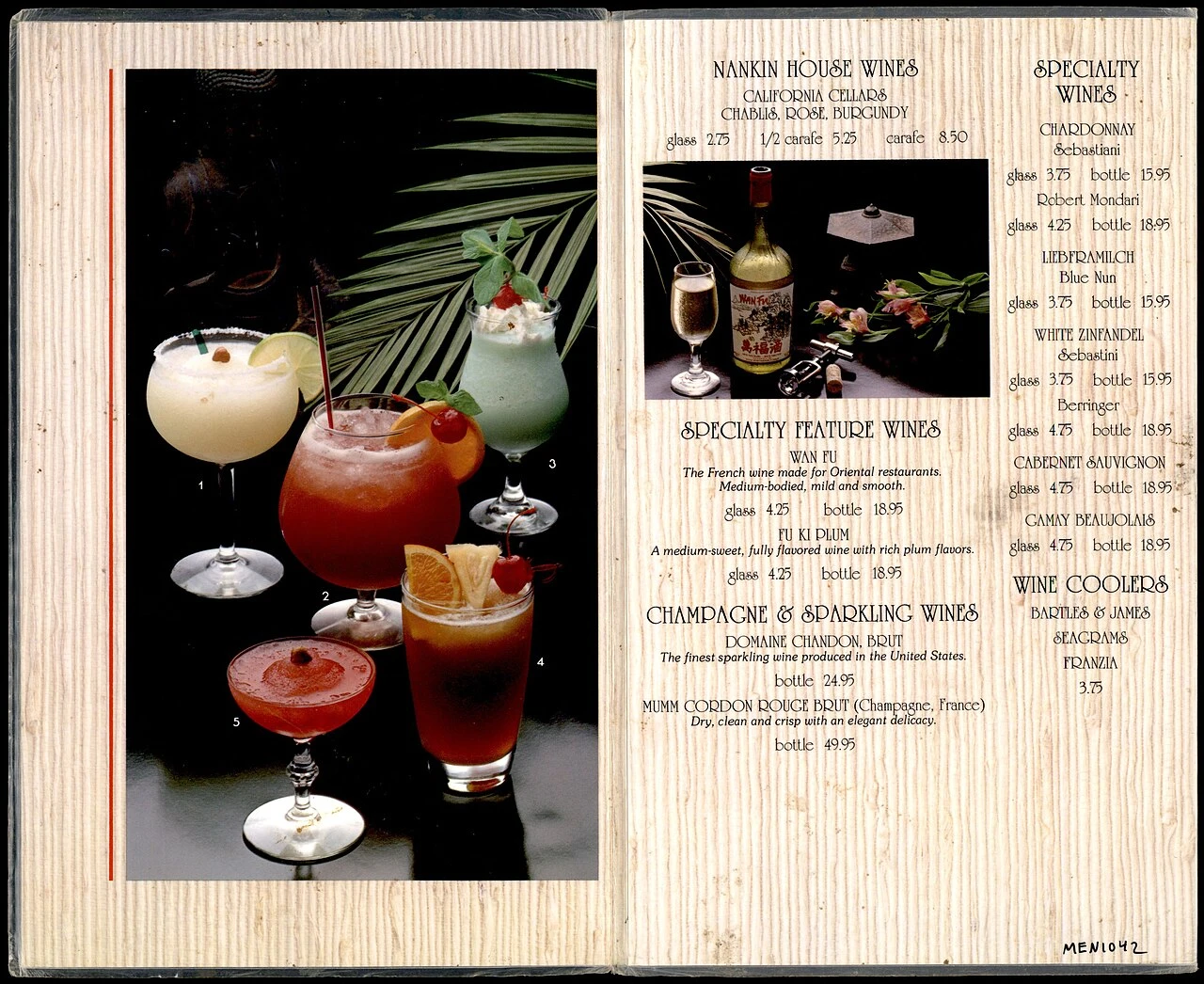
Once you understand the original, small substitutions reveal how the Porto Flip works. Keep one yolk per drink and resist adding everything at once.
Ruby Port Flip
- 1.5 oz (45 ml) ruby port
- 0.5 oz (15 ml) VSOP brandy
- 1 pasteurised egg yolk, about 0.3 oz (10 ml)
- 1 pinch grated nutmeg
This version is vivid and berry-forward. Choose it for Valentine's Day or a summer dinner when tawny port feels too autumnal.
Bourbon Porto Flip
- 1.5 oz (45 ml) tawny port
- 0.5 oz (15 ml) 90-proof bourbon
- 1 pasteurised egg yolk, about 0.3 oz (10 ml)
- 1 pinch cinnamon
Wild Turkey 101 adds heat and spice for about $25–$32 or £28–£35, though its 50.5% ABV makes the result stronger. A 40–45% ABV bourbon is softer. Browse our whiskey cocktails for beginners for more accessible bourbon ideas.
Coffee Porto Flip
- 1.25 oz (37.5 ml) tawny port
- 0.5 oz (15 ml) brandy
- 0.25 oz (7.5 ml) coffee liqueur
- 1 pasteurised egg yolk, about 0.3 oz (10 ml)
Use Mr Black at 23% ABV for drier coffee character. This is dessert-like, so I'd skip extra syrup.
Lower-Alcohol Port Flip
- 1.75 oz (52.5 ml) tawny port
- 0.25 oz (7.5 ml) brandy
- 1 pasteurised egg yolk, about 0.3 oz (10 ml)
- Fresh nutmeg
This adjustment reduces the spirit without destroying structure. It is still alcoholic; for broader ideas, see our low-alcohol cocktail recipes.
Use the same two-stage shake for every variation. Change one variable, take notes and decide what you actually prefer. That is how a house recipe earns its place.
Common Porto Flip Mistakes and Easy Fixes
The most common mistake is weak shaking. A yolk is not syrup; it needs mechanical force to disperse evenly. If you see yellow strands, return the drink to the clean shaker, dry-shake for another 10 seconds, add fresh ice and shake again briefly.
Over-dilution is next. Wet ice, a warm shaker or a leisurely 30-second ice shake can turn the Porto Flip thin. Start with refrigerated ingredients and firm cubes. Once the shaker is thoroughly frosted, strain promptly.
Another error is using too much nutmeg. A brown blanket looks dramatic but tastes dusty and bitter. Two or three passes over a fine grater are sufficient. Garnish immediately before presenting the glass so the aroma remains airborne.
Do not conceal mediocre port behind the yolk. Oxidised or poorly stored wine can smell stale, sour or oddly flat. Taste a teaspoon first. An opened tawny port may remain enjoyable for several weeks when recorked and refrigerated, but the exact window depends on style, storage and producer guidance.
Then there is sugar. Many flip recipes include syrup, so home bartenders add it automatically. A standard tawny or ruby port already contains substantial residual sweetness. Make the drink without syrup first; if your palate genuinely wants more, add no more than 1 tsp (5 ml) of 1:1 simple syrup next time.
Serving over ice is also a poor fit. Continued dilution strips away the dense texture you worked to create. Use a chilled stemmed glass and serve the Porto Flip up. If your coupe holds 10 oz (300 ml), choose a smaller Nick and Nora so the portion does not look lost.
Finally, avoid preparing a completed drink hours in advance. Egg emulsions separate and lose freshness. Pre-chill the port and brandy, but crack the egg and shake to order. Fast mixed drinks have their place—our five-minute vodka cocktails are useful for crowds—but this classic rewards two focused minutes.
Food Pairings, Seasons and Serving Occasions
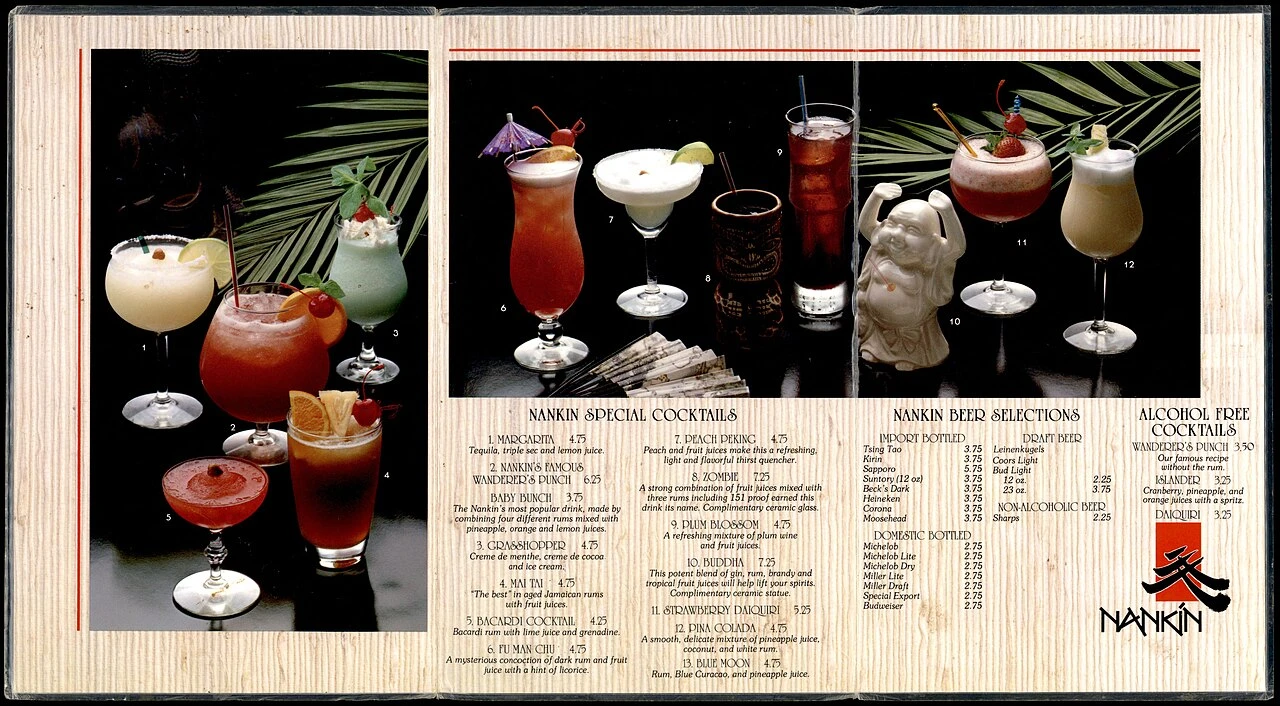
The Porto Flip sits between cocktail and dessert, so portion and timing matter. Serve it after dinner, alongside a restrained sweet course or as a late-evening drink. It can feel heavy before a large meal, particularly when rich starters are already on the table.
Blue cheese is a classic partner for port, and the logic survives here. Stilton in the UK or an American artisan blue provides salt and savoury depth against the drink's dried-fruit sweetness. Keep the serving small—about 1 oz (30 g) of cheese with oatcakes or plain crackers.
Dark chocolate works too. Choose a bar around 65–75% cacao; milk chocolate tends to make the combination cloying. Toasted walnuts, pecans and hazelnuts echo tawny port's oxidative, nut-like flavours. A pear tart with moderate sugar is another excellent match.
In my experience, the Porto Flip performs best from October through February. It suits Thanksgiving, Christmas, Hogmanay, Burns Night or a quiet New Year's Eve nightcap. Yet the drink is served cold, so a ruby-port version can also work at a summer dinner—especially with cherries or berries.
For a small gathering, pre-measure equal batches of port and brandy in labelled bottles, but retain the 3:1 ratio and add each yolk individually. Set coupes in the refrigerator at 34–39°F (1–4°C). One bartender can then complete each drink in roughly two minutes without compromising texture.
This is not an ideal picnic cocktail because it relies on egg, forceful shaking and immediate service. For outdoor plans, choose one of these portable make-ahead picnic drinks instead.
A Porto Flip often lands around 15–18% ABV after dilution, so its softness can be deceptive. Practise responsible drinking, serve one measured portion and consult the NIAAA or Drinkaware for evidence-based US and UK guidance.
How to Store Port After Making a Porto Flip
A Porto Flip uses only 1.5 oz (45 ml) of wine, so proper storage helps you enjoy the remaining bottle. Recork the port immediately, wipe the neck clean and place the bottle upright in the refrigerator. Upright storage reduces the surface area exposed to oxygen, while the cold temperature slows the gradual loss of fresh fruit and nut aromas.
Write the opening date on a small label rather than relying on memory. Tawny port is generally more resilient after opening because it has already developed oxidative flavours during maturation, whereas ruby port is prized for fresher fruit and may show decline sooner. Producer recommendations vary, so follow the guidance printed on the bottle when available.
Before making another Porto Flip, pour a teaspoon and check it. Sound port should smell invitingly fruity, nutty or spicy according to its style. A dull aroma does not necessarily make it unsafe, but stale, sharply sour or otherwise unpleasant wine will produce a disappointing cocktail. Brandy is less demanding: close it tightly, keep it away from sunlight and store it at a steady room temperature.
Do not save a cracked yolk or a partly mixed Porto Flip for later service. Refrigerate intact eggs, sanitise any surfaces touched by raw egg and wash the shaker promptly with hot, soapy water. Good storage protects both the flavour of your ingredients and the quality of the next drink.
Porto Flip Quick Reference Cheat Sheet
Use this table when you want the recipe without rereading the full technique. The quantities produce one compact Porto Flip with enough room for dilution and a light surface foam.
| Element | US measure | UK/metric measure | Practical note |
|---|---|---|---|
| Tawny port | 1.5 oz | 45 ml | Choose 19–20% ABV |
| Brandy | 0.5 oz | 15 ml | About 40% ABV/80 proof |
| Egg yolk | About 0.3 oz | About 10 ml | Use one fresh pasteurised yolk |
| Nutmeg | 1 small pinch | About 0.15 ml | Grate directly over the drink |
| Dry shake | 15 seconds | 15 seconds | No ice |
| Ice shake | 12–15 seconds | 12–15 seconds | Use five or six solid cubes |
| Glass | 4–6 oz | 120–180 ml | Chilled coupe or Nick and Nora |
| Serving temperature | 34–38°F | 1–3°C | Serve immediately without ice |
The formula is easy to remember: three parts port, one part brandy and one yolk. You can scale the liquids for several guests, but do not put multiple yolks into an overcrowded cocktail shaker. Shake one or two servings at a time so there is enough airspace for vigorous movement.
Expect an approximate final strength of 15–18% ABV, although cube size, shaking time and the labelled strengths of your bottles change that estimate. A 50% ABV brandy will naturally produce a stronger drink than an 80-proof bottle.
Need a faster alternative before guests arrive? Explore quick vodka cocktails. If you enjoy nostalgic drinks, our look at where 1990s drinks are now offers a very different tour through cocktail history.
For the Porto Flip itself, remember the essentials: cold glass, measured ingredients, energetic two-stage shake and restrained nutmeg. Simple. Specific. Silky.
The Porto Flip proves that a three-ingredient classic can still surprise a modern home bar. Start with affordable tawny port, use a fresh pasteurised yolk and shake without hesitation. To fill any remaining gaps in your setup, download the free home bar starter checklist before your next cocktail night.
Ask AI about this article
Pick a prompt, copy it, or open ChatGPT with this article preloaded.
Frequently Asked Questions
What is a Porto Flip?
A Porto Flip is a classic shaken cocktail combining port wine, brandy and egg yolk, normally finished with grated nutmeg. Unlike many modern flips, it usually contains no egg white and may need no added sugar because port is already sweet. The result is chilled, compact and silky, with dried-fruit, oak, spice and caram.
What is the best port for a Porto Flip?
A reasonably priced tawny port is the most dependable choice because its nutty, oxidative character complements brandy and egg yolk. Graham's 10 Year Tawny is excellent but relatively expensive; Cockburn's Fine Tawny and Dow's Fine Tawny are sensible everyday options. Ruby port works too, producing a brighter, fruitier.
Does a Porto Flip contain a whole egg?
The standard Porto Flip uses one egg yolk rather than a whole egg. The yolk provides richness, colour and a smooth emulsion without creating the tall foam associated with egg white. Some contemporary variations use a whole egg, but that makes a larger, airier drink. Pasteurised shell eggs or pasteurised yolks are the c.
How strong is a Porto Flip?
With 1.5 oz (45 ml) of 20% ABV port and 0.5 oz (15 ml) of 40% ABV brandy, the recipe contains roughly 15 ml of pure alcohol before shaking. Dilution and yolk bring the served drink to approximately 15–18% ABV, depending on ice and shaking time. It tastes gentle, but it is not alcohol-free or especially weak.
Why is my Porto Flip not creamy?
Insufficient shaking is the usual cause. Shake the ingredients without ice for about 15 seconds, then add solid cold cubes and shake hard for another 12–15 seconds. Small, wet ice can over-dilute the drink before the yolk emulsifies. Incorrect proportions also matter: one yolk needs enough liquid to move freely, but no.
What glass should I use for a Porto Flip?
Use a chilled small coupe, Nick and Nora glass or traditional cocktail glass holding about 4–6 oz (120–180 ml). The drink is served up, meaning strained without ice. A smaller glass keeps the portion visually generous and helps it remain cold. Chill the glass at 0–4°C (32–39°F) before you begin shaking.
Comments 0
Login to Post comments