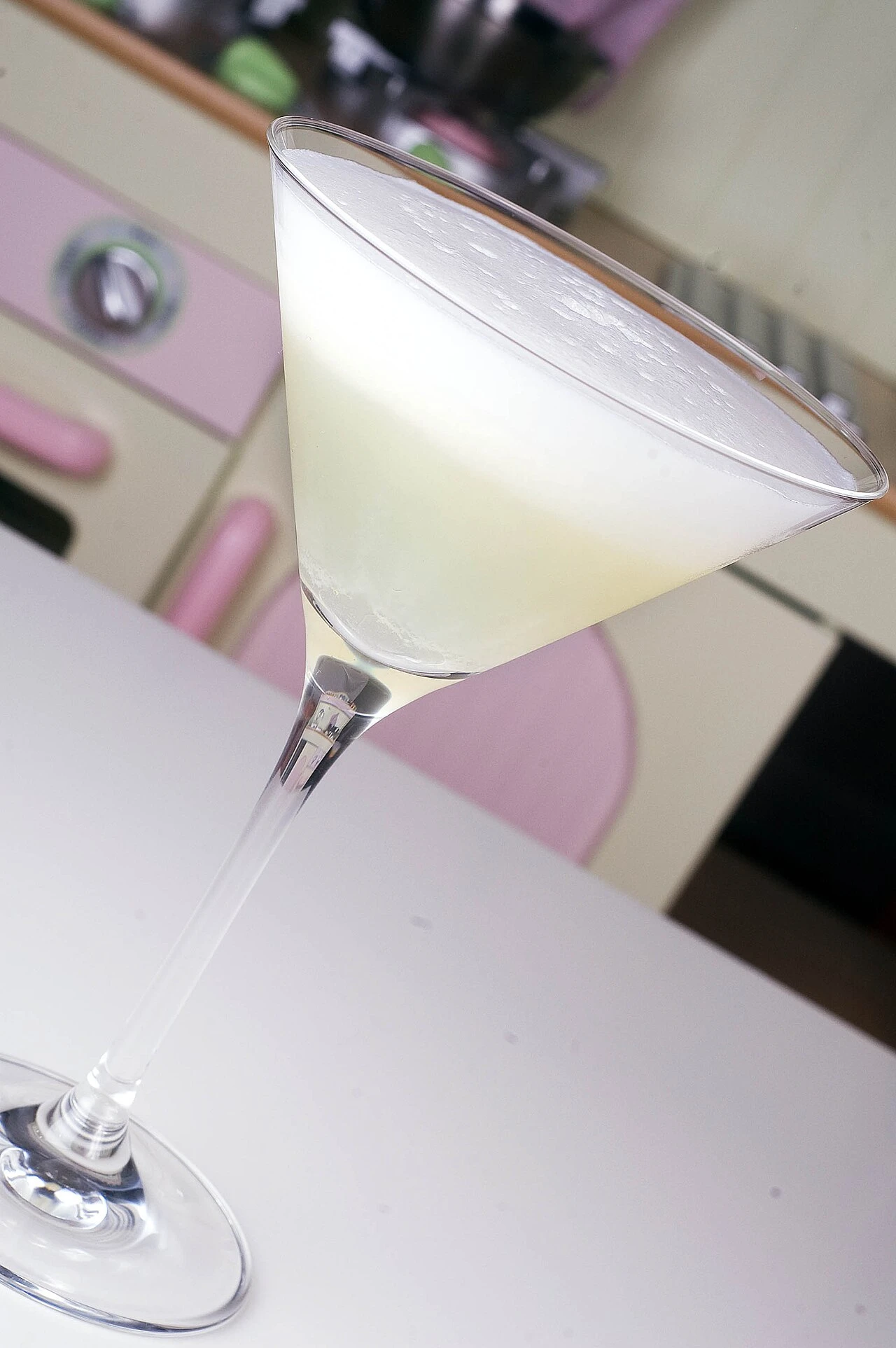

Ramos Fizz: The Secret to That Famous Foam
Make a cloud-topped Ramos Fizz with bright citrus, orange blossom and lasting foam. This practical recipe explains every ingredient and technique.
The Ramos Fizz looks like a cloud has landed on a glass, but you do not need a hotel bar crew or a ten-minute workout to make one. You need cold ingredients, accurate measurements and a deliberate two-stage shake.
This New Orleans classic combines gin, lemon, lime, cream, egg white, orange blossom water and soda. Sounds chaotic? It is remarkably elegant when balanced correctly: tart first, then silky, floral and gently fizzy. This is easily one of the best theatrical drinks you can make with ordinary home-bar equipment.
If you are building your repertoire, explore these classic cocktails every home bartender should know. Then return here, chill your glass and give the Ramos the focused treatment it deserves.
What Is a Ramos Fizz? A Short New Orleans History
The Ramos Fizz is a creamy, citrus-led gin cocktail capped with dense white foam. It belongs to the fizz family—spirit, acid, sweetener and carbonated water—but cream, egg white and orange blossom water give it a softer texture and unmistakable perfume.
Henry C. Ramos is widely credited with creating the drink in New Orleans in 1888, originally serving it at the Imperial Cabinet Saloon. It later became associated with the Stag Saloon and the city’s busy bar culture. Historical accounts often describe teams of “shaker boys” passing tins along during periods of heavy demand. That colourful detail explains the drink’s reputation for marathon shaking, though it should not be treated as a modern technical requirement.
Here’s the thing: the famous foam is an emulsion, not magic. Egg-white proteins trap air, cream contributes fat and body, citrus supplies acidity, and shaking disperses everything into fine bubbles. Soda then extends the drink and helps lift the head above the rim.
The Ramos Gin Fizz reportedly gained national attention during the Louisiana governorship of Huey P. Long, but retellings differ in their details. The safer conclusion is that the cocktail became a powerful symbol of New Orleans hospitality.
Unlike many bright, brisk highballs, a Ramos Fizz feels almost like a light dessert while remaining refreshing. It also demands more attention than the recipes in these five-minute vodka cocktails. That contrast is part of its charm. You slow down, build it properly and serve it immediately.
Ramos Fizz Ingredients You Need
This recipe makes one Ramos Fizz in a chilled 10–12 oz (300–350 ml) Collins glass. Measure carefully. Orange blossom water, in particular, can turn a graceful drink into liquid soap when poured casually.
- 2 oz (60 ml) London Dry gin, ideally 40–47% ABV
- ½ oz (15 ml) fresh lemon juice
- ½ oz (15 ml) fresh lime juice
- ¾ oz (22 ml) simple syrup, made with equal weights sugar and water
- 1 oz (30 ml) single or light cream
- 1 fresh egg white, about 1 oz (30 ml), or pasteurised equivalent
- 3 drops orange blossom water, approximately ⅛ tsp (0.6 ml)
- 1½–2 oz (45–60 ml) chilled soda water
- Ice for shaking
- Optional garnish: one narrow orange twist
For gin, Beefeater 40–44% ABV, Tanqueray 43.1–47.3% ABV or Sipsmith London Dry at 41.6% ABV are dependable choices; bottling strength varies by market. Expect to spend about $22–$35 in the US or £20–£30 in the UK. Plymouth Gin, 41.2% ABV in many markets, makes a rounder and less juniper-driven version.
Use cream around 18–20% fat where available. UK single cream is generally richer than US half-and-half, but either can work. Heavy or double cream makes the cocktail too weighty unless reduced.
Fresh citrus matters. Bottled juice often tastes muted and can behave unpredictably in the emulsion. Want an easier drink tonight? The Madras cocktail is far more forgiving. For the Ramos Fizz, however, squeeze the fruit just before mixing and keep the cream, egg and soda at roughly 39°F (4°C).
How to Make a Ramos Fizz Step by Step
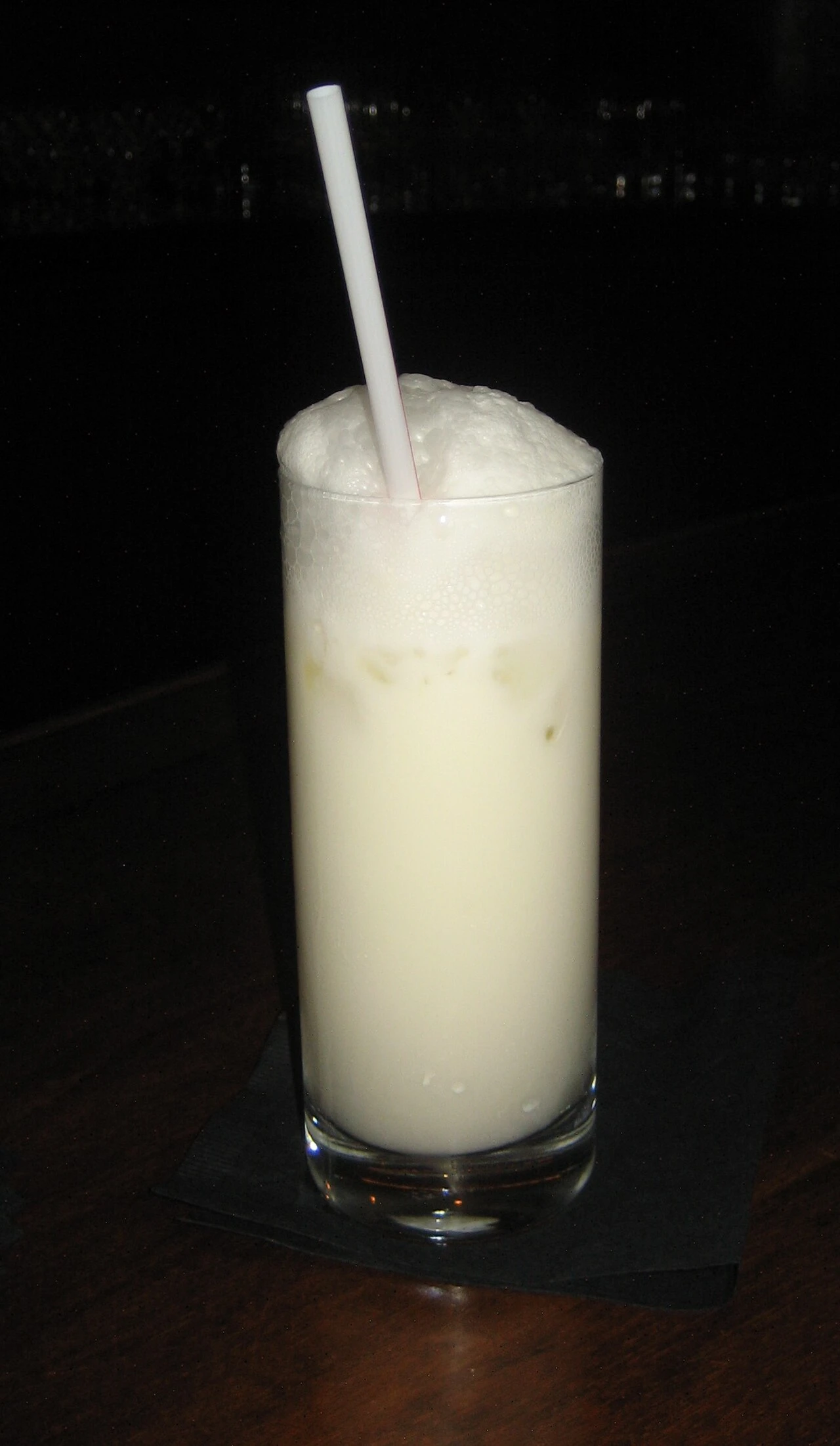
Set out every ingredient before you start. Once citrus meets cream, prompt shaking helps create a smooth emulsion rather than visible separation.
- Chill the glass. Fill a 10–12 oz (300–350 ml) Collins glass with ice and water, or refrigerate it until the surface is close to 39°F (4°C).
- Build the mixture. Add 2 oz (60 ml) gin, both citrus juices, syrup, cream, egg white and three drops of orange blossom water to a clean shaker.
- Dry shake. Seal firmly and shake without ice for 20 seconds. This introduces air and begins unfolding the egg proteins.
- Shake cold. Add five or six solid ice cubes, reseal and shake hard for 15–20 seconds. The tin should become painfully cold but not excessively diluted.
- Strain. Empty the glass, then fine-strain the drink into it. Stop below the rim, leaving space for soda and foam.
- Let it settle. Wait 30–45 seconds. The aerated layer will begin separating from the liquid beneath.
- Raise the crown. Slowly pour 1½–2 oz (45–60 ml) chilled soda down the inside edge or through a small opening in the foam. Add the final splash centrally to lift the white head just above the rim.
- Serve immediately. Add a narrow orange twist only if you want extra aroma; the classic drink needs no elaborate decoration.
After testing short, long and reverse-dry-shake methods, I find this ordinary dry shake gives the best balance of repeatability and speed at home. You can make it in roughly four minutes. If you prefer less labour-intensive starting points, try these beginner-friendly whiskey cocktails before tackling multiple Ramos orders.
Pro Tips for Taller, Silkier Ramos Fizz Foam
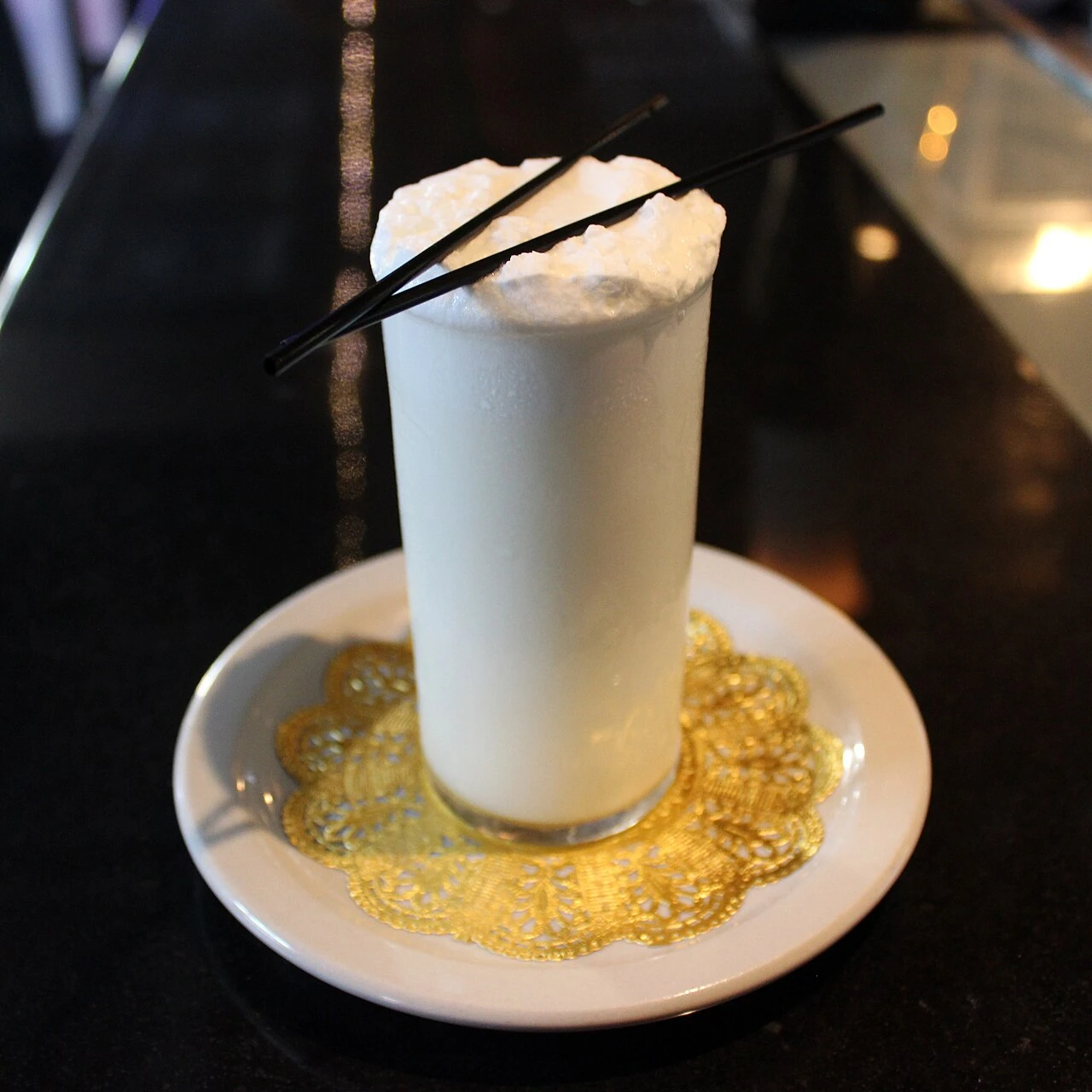
In my experience, foam quality depends more on preparation than brute force. Start with a shaker free from grease because residual oil weakens protein foam. A 20-second dry shake and a vigorous cold shake are normally enough; the old stories about shaking for 12 minutes belong to hospitality history, not your required method.
Use one large, fresh egg white or a measured pasteurised product. Very watery carton whites can form bigger, less stable bubbles, so check the label and test the brand before serving guests. If raw egg is unsuitable, ¾ oz (22 ml) aquafaba is the most practical replacement, though it adds a faint savoury note.
After testing different pouring sequences, I prefer adding most of the soda after straining. It gives you better control over the crown and protects carbonation. Soda should be refrigerator-cold—about 39°F (4°C)—and newly opened. Warm, flat water produces a heavy drink.
Three drops of orange blossom water are plenty for many brands. Nielsen-Massey is widely available at roughly $10–$15, while Cortas often costs about $4–$8. Strength varies dramatically, so smell the bottle and begin conservatively. I’d skip an orange-flower garnish if the drink already smells strongly floral.
Want that photogenic rise? Leave about ½ inch (12 mm) below the rim, allow the strained drink to settle, then feed soda through the centre in small additions. The head should stand proudly, not spill across the bar.
Make one at a time. Let’s be honest: simultaneous Ramos Fizzes are awkward in a home kitchen. For a party, choose recipes from these make-ahead and quick picnic drinks, then save this showpiece for a smaller group.
Why Ramos Fizz Foam Works
Understanding the foam makes the recipe easier to repeat. Egg white contains proteins that normally sit in compact, folded structures. Vigorous shaking partially unfolds those proteins and spreads them around newly introduced air bubbles. The resulting network helps prevent the bubbles from joining together and escaping immediately. This is why a purposeful dry shake produces finer, more persistent foam than a few casual movements with ice.
The dry shake happens first because ice can absorb some of the shaker’s energy and restrict the volume available for aeration. Once the initial foam has formed, the cold shake chills and dilutes the cocktail while refining its texture. Dilution is necessary: an under-diluted Ramos Fizz tastes hot and overly sweet. Too much melting ice, however, makes the protein network thin and leaves insufficient structure to support the crown.
Cream creates another balancing act. Its fat gives the drink its luxurious body, yet excessive fat can interfere with foam formation. That is why single cream, light cream or half-and-half works better than a generous pour of double or heavy cream. Measure the cream rather than estimating it. If only heavy cream is available, use about ¾ oz (22 ml) and consider adding ¼ oz (7.5 ml) cold water to keep the texture light.
Fresh lemon and lime juice provide flavour as well as acidity. The acidic environment changes the way the egg proteins behave and contributes to a stable emulsion, but citrus should not sit motionless against the cream. Add the ingredients in quick succession, close the shaker and begin immediately. Simple syrup softens the combined acidity and slightly increases viscosity, helping the finished drink feel cohesive rather than watery.
Soda supplies both lift and contrast. Carbon dioxide bubbles make the creamy mixture feel refreshing, while a controlled pour physically pushes the established foam upward. Pouring all the soda aggressively at once can punch through the head and create large, unstable bubbles. Small additions preserve the fine structure. A narrow Collins glass also supports the foam better than a broad tumbler because the head has less unsupported surface area.
Temperature completes the system. Cold liquid holds carbonation more effectively, slows bubble expansion and reaches the glass with a tighter texture. Chill the dairy, egg white, gin, soda and serving glass before starting. Do not freeze the cream or citrus, however, because partially frozen ingredients are difficult to measure and may combine unevenly.
A correctly made crown should appear glossy and tightly bubbled rather than dry or meringue-like. It should remain visible while the drink is served, yet it is not meant to stand unchanged for an hour. The Ramos Fizz is a fresh cocktail, and its gradual softening is normal. Build it when the guest is ready, present it promptly and encourage them to drink through both foam and liquid so every sip retains the intended balance.
Ramos Fizz Variations Worth Trying
Once you can build the classic consistently, variations become useful rather than distracting. Keep the total citrus, sweetener and protein close to the original proportions so the drink still foams properly.
Blood Orange Ramos
- 2 oz (60 ml) London Dry gin
- ½ oz (15 ml) blood orange juice
- ¼ oz (7.5 ml) each lemon and lime juice
- ¾ oz (22 ml) syrup, 1 oz (30 ml) cream and one egg white
The colour is pale coral, not neon. Use blood oranges in winter and retain two drops of orange blossom water.
Garden Ramos
- 2 oz (60 ml) cucumber-forward gin
- ½ oz (15 ml) each lemon and lime juice
- ½ oz (15 ml) syrup plus ¼ oz (7.5 ml) elderflower cordial
- 1 oz (30 ml) cream and one egg white
This spring version is aromatic, so omit the orange blossom water rather than piling fragrance upon fragrance.
Lower-Alcohol Ramos
- 1 oz (30 ml) 40% ABV gin
- 1 oz (30 ml) alcohol-free botanical spirit
- The classic citrus, cream, syrup and egg-white measures
It lands around 6–7% ABV after dilution. Compare it with these low-alcohol cocktail recipes when planning a gentler menu.
Vegan Ramos Fizz
- 2 oz (60 ml) gin
- 1 oz (30 ml) unsweetened oat cream
- ¾ oz (22 ml) aquafaba
- The classic citrus, syrup, blossom water and soda measures
In my experience, barista oat products foam most reliably, but sweetness varies. Reduce syrup to ½ oz (15 ml) if the cream contains added sugar. None is an exact replica; each is a distinct drink with the Ramos Fizz structure.
Common Ramos Fizz Mistakes and Easy Fixes
Weak foam: The usual causes are grease, old egg white, a timid dry shake or too much soda. Wash and dry the shaker thoroughly, measure one egg white and shake without ice first. If the head still collapses, reduce soda from 2 oz (60 ml) to 1½ oz (45 ml).
A curdled appearance: Citrus can visibly separate cream when the mixture sits warm and unshaken. Prepare everything in advance, keep dairy at 39°F (4°C) and start shaking as soon as the ingredients meet. Fine flecks may disappear during emulsification; large clumps mean you should remake it.
A perfume-like flavour: You used too much orange blossom water. It is a seasoning, not a mixer. Begin with three drops, and consider two if your bottle is particularly concentrated. Never substitute orange essential oil at the same volume.
A bland drink: Old citrus, overly rich cream or weak gin can bury the structure. Use fresh lemon and lime, select gin at 40% ABV or above and avoid double cream. The cocktail should taste bright beneath its soft texture.
Foam everywhere: You overfilled the glass or poured soda too quickly. Leave ½ inch (12 mm) of room, let the mixture rest and raise the crown in stages. Keep a towel nearby anyway. This drink has ambitions.
Making a large batch: I’d skip batching the complete Ramos Fizz. Citrus, dairy and egg white deteriorate or separate, while soda loses pressure. You may pre-measure gin and syrup, but squeeze the juices and shake each serving to order.
These problems are technique-related, not reasons to buy expensive equipment. A $20–$30 (£18–£25) Boston shaker, fine strainer and jigger are sufficient. The era may evoke retro drinks and their modern revivals, but your method should be precise and current.
Food Pairings, Serving Ideas and Occasions
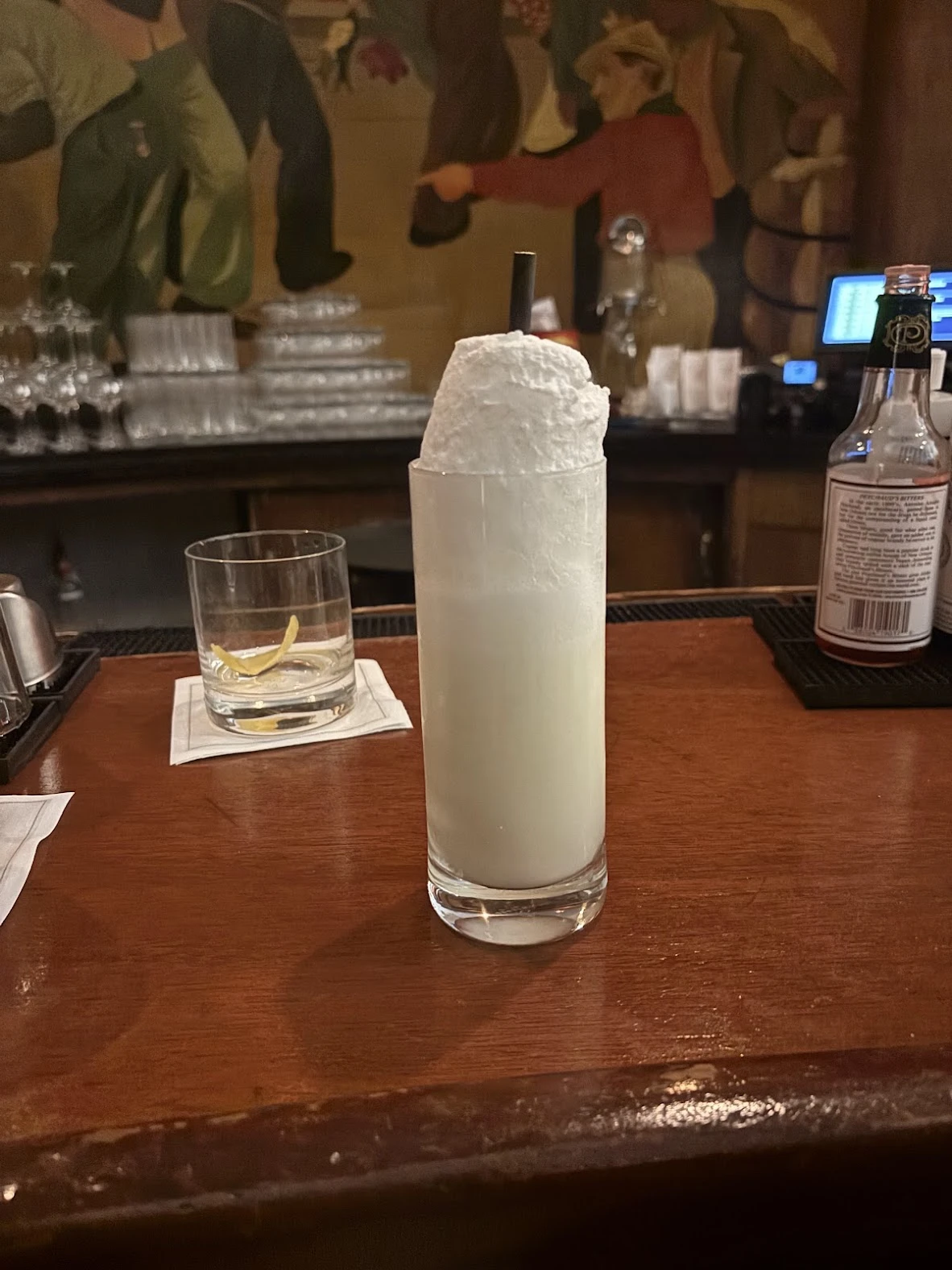
The Ramos Fizz works beautifully at brunch because citrus and carbonation cut through rich food while cream mirrors buttery flavours. Serve it with smoked-salmon bagels, eggs Benedict, crab cakes or a sharp goat’s-cheese tart. In the UK, it is excellent beside kedgeree or warm scones with restrained toppings; in the US, try it with biscuits and salty country ham.
Keep portions modest. One recipe made with 2 oz (60 ml) of 40% ABV gin contains 0.8 US fluid ounces (about 24 ml) of pure alcohol before dilution. In a finished drink around 7–8 oz (210–240 ml), that is roughly 10–12% ABV, depending on ice melt and soda volume. Creamy texture can conceal the strength.
For occasions, think spring lunches, Mardi Gras-inspired evenings, Easter brunch and small summer garden parties. It is less suitable for a packed gathering because each drink needs individual shaking and immediate service. Four guests? Delightful. Twenty guests waiting at once? Choose a punch.
Offer savoury bites rather than very sweet desserts. Lemon shortbread can work, but dense chocolate overwhelms the gin and orange blossom. My favourite pairing is a warm crab cake with lemony herbs: crisp edges, gentle spice and enough richness to meet the cocktail without flattening it.
Serve the Ramos Fizz as the event’s first or only cocktail, with cold water and food available. Mentioning responsible drinking once is not a ritual disclaimer—it is useful hospitality. US readers can consult the National Institute on Alcohol Abuse and Alcoholism; UK readers can find practical guidance at Drinkaware. For US information about alcohol regulation and labelling, see the Alcohol and Tobacco Tax and Trade Bureau.
Ramos Fizz Quick Reference Cheat Sheet
Use this table when your hands are wet and you do not want to reread the full method. It scales one Ramos Fizz only; for the best texture, shake separate servings rather than doubling the tin.
| Component | US measure | UK/metric measure | Purpose |
|---|---|---|---|
| London Dry gin | 2 oz | 60 ml | Juniper-led base |
| Fresh lemon juice | ½ oz | 15 ml | Bright acidity |
| Fresh lime juice | ½ oz | 15 ml | Aromatic acidity |
| Simple syrup | ¾ oz | 22 ml | Balance and body |
| Single/light cream | 1 oz | 30 ml | Silky texture |
| Egg white | About 1 oz | About 30 ml | Stable foam |
| Orange blossom water | 3 drops | About 0.6 ml | Floral aroma |
| Chilled soda | 1½–2 oz | 45–60 ml | Fizz and lift |
Fast method: Dry shake everything except soda for 20 seconds. Add ice and shake for 15–20 seconds. Fine-strain into a chilled Collins glass, rest for 30–45 seconds, then add soda slowly until the foam rises just beyond the rim.
Aim for a serving temperature near 39–43°F (4–6°C). Expect approximately 10–12% ABV when using 2 oz (60 ml) of 40% ABV gin, although dilution changes the final number. The finished drink should smell gently floral, taste distinctly citrusy and feel creamy without becoming heavy.
The Ramos Fizz rewards accuracy. Fresh juice, cold soda and restrained orange blossom water matter far more than an exhausting shake or a prestige bottle. Once you have those habits, the famous crown becomes repeatable.
Ready to stock the essentials for this recipe and the rest of your cocktail repertoire? Download the free home bar starter checklist, choose a dependable gin and make your first Ramos Fizz while every ingredient is properly chilled.
Ask AI about this article
Pick a prompt, copy it, or open ChatGPT with this article preloaded.
Frequently Asked Questions
What is a Ramos Fizz?
A Ramos Fizz, also called a Ramos Gin Fizz, is a New Orleans cocktail made with gin, lemon juice, lime juice, sugar, cream, egg white, orange blossom water and soda. Shaking combines the fat, protein and citrus into an unusually smooth emulsion. The result tastes floral, lightly tart and creamy, with a tall white foam.
How long should you shake a Ramos Fizz?
For one drink, shake the ingredients without ice for about 20 seconds, then add ice and shake hard for another 15–20 seconds. That is normally sufficient with fresh egg white and a sound shaker seal. You do not need the legendary multi-minute shake. Technique, dilution and ingredient temperature matter more than endura.
What is the best gin for a Ramos Fizz?
A clean London Dry or balanced modern dry gin works best. Beefeater, Tanqueray and Sipsmith provide enough juniper to remain noticeable beneath the cream, while Plymouth makes a softer drink. I would avoid very floral or heavily navy-strength gin on your first attempt. Choose a bottle around 40–47% ABV and roughly $22–.
Why did my Ramos Fizz curdle?
Curdling usually happens when acidic citrus sits against cream before the mixture is emulsified, or when warm ingredients are handled slowly. Measure everything first, add the components promptly and begin the dry shake immediately. Use fresh single or light cream rather than an unstable imitation creamer. Tiny flecks.
How strong is a Ramos Fizz?
Using 2 oz (60 ml) of 40% ABV gin, the finished Ramos Fizz is approximately 10–12% ABV after cream, citrus, soda and shaking dilution are included. The exact figure changes with your final volume and gin strength. Its creamy, refreshing character can disguise the alcohol, so treat it more like a glass of wine than a mi.
What glass should you use for a Ramos Fizz?
Use a chilled 10–12 oz (300–350 ml) Collins or straight-sided highball glass. Its narrow shape supports the foam column and makes the rising crown easy to control. A traditional smaller glass can work if you reduce the soda, but an oversized glass leaves the drink looking flat. Chill the glass to about 39°F (4°C), then.
Comments 0
Login to Post comments