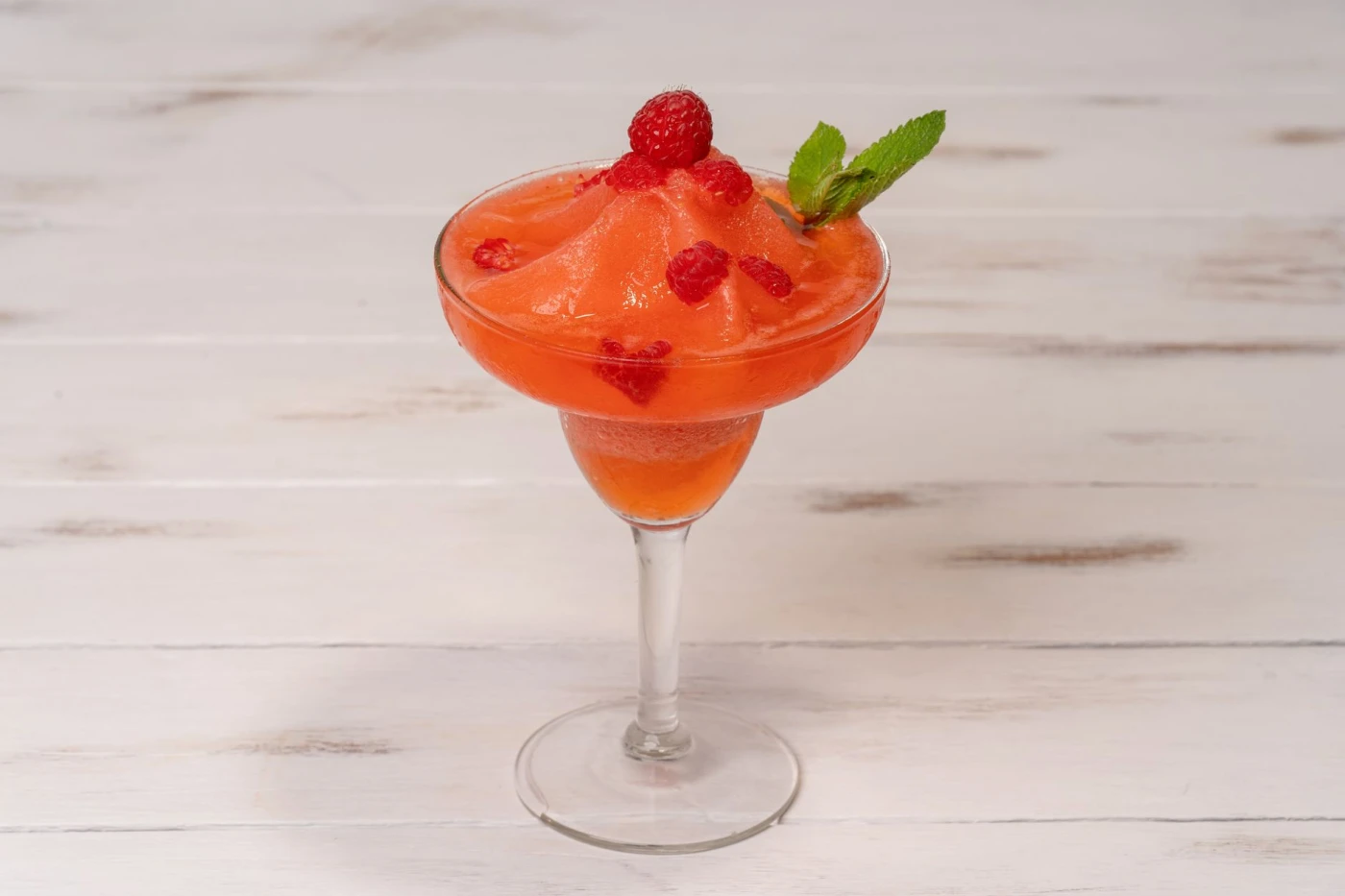

Acapulco Daiquiri: A Bright, Silky Rum Classic
The Acapulco Daiquiri brings rum, orange liqueur, fresh citrus and a silky foam together. Learn the exact recipe, technique and best variations.
The Acapulco Daiquiri is what happens when a crisp rum sour gains orange perfume, layered citrus and a soft cap of foam. It looks polished, yet you can make it with an ordinary shaker, fresh lemon and supermarket ice.
Here’s the thing: this is not merely a frozen Daiquiri renamed for a beach resort. It is a distinct shaken drink, and careful measuring matters. Get the balance right and every sip moves from bright citrus to clean rum, then finishes with a gentle orange note.
If you are building your repertoire, compare it with these classic cocktails every home bartender should know. Below, you will find a tested Acapulco Daiquiri recipe in ounces and millilitres, sensible bottle choices, substitutions, food-pairing ideas and the mistakes most likely to flatten its flavour.
What Is an Acapulco Daiquiri—and Where Did It Come From?
An Acapulco Daiquiri is a shaken rum sour built from light rum, orange liqueur, lemon juice, sweetened lime cordial and usually egg white. Compared with a classic Daiquiri—rum, lime and sugar—it is more aromatic, slightly rounder and visibly foamy. It should still taste brisk. This is not a milkshake in a coupe.
The historical picture is less tidy than the recipe. Daiquiris belong to the Cuban rum-sour tradition, while Acapulco is the Pacific resort city in Mexico. Published formulas carrying the Acapulco name vary: some use rum and egg white, while other cocktails called simply “Acapulco” combine tequila, rum or tropical juices. I would therefore treat claims about one definitive inventor or birthplace cautiously.
What remains consistent in the rum-based Acapulco Daiquiri is the structural idea. Rum provides a dry sugar-cane backbone. Orange liqueur bridges the spirit and citrus. Lemon supplies immediate acidity, while cordial contributes sweet lime flavour that lasts through the finish. Pasteurised egg white changes texture rather than making the drink taste eggy.
It is also a useful lesson in cocktail families. Once you understand the sour template, drinks that look unrelated become easier to decode. The approachable recipes in best whiskey cocktails for beginners use many of the same balancing decisions, even though the base spirit changes.
Let’s be honest: the name promises sunshine, but the best version is disciplined rather than sugary. Expect a pale, cold cocktail with a tight white head, fresh citrus aroma and approximately 16–18% ABV after normal shaking dilution. That strength is an estimate because your rum, liqueur, ice and shaking technique all affect the final glass.
Acapulco Daiquiri Ingredients You Need
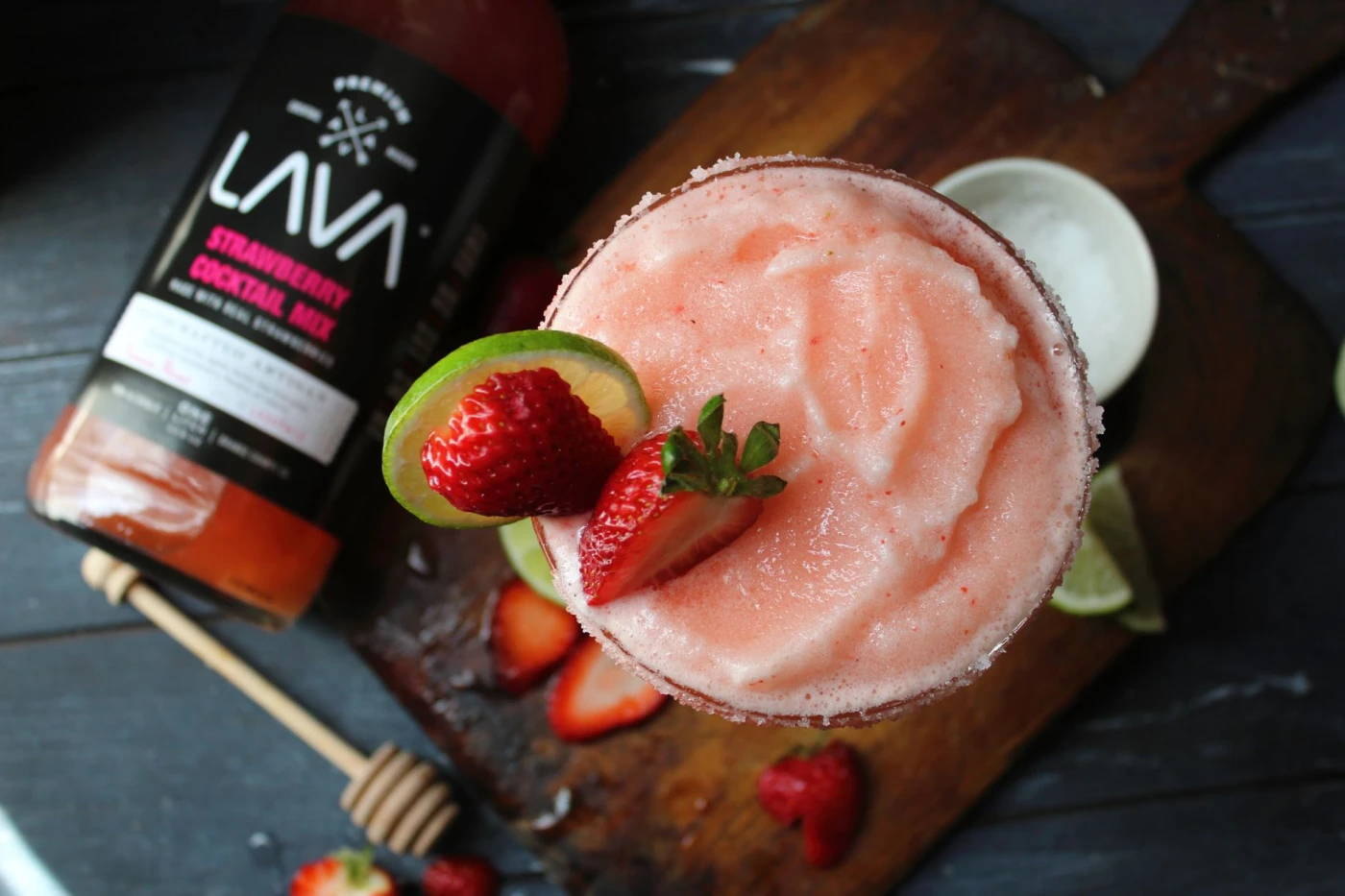
This recipe makes one Acapulco Daiquiri. Measure every liquid; squeezing “about half a lemon” introduces too much variation. A 5–6 oz (150–180 ml) coupe leaves comfortable room for the drink and foam.
- 1 1/2 oz (45 ml) lightly aged white rum, ideally 40–43% ABV
- 1/2 oz (15 ml) orange liqueur, such as Cointreau at 40% ABV
- 3/4 oz (22.5 ml) fresh lemon juice, finely strained
- 3/4 oz (22.5 ml) sweetened lime cordial
- 1/2 oz (15 ml) pasteurised egg white, or 1/2 oz (15 ml) aquafaba
- 1 lime wedge or thin lime twist for garnish
- 5–6 large ice cubes for shaking
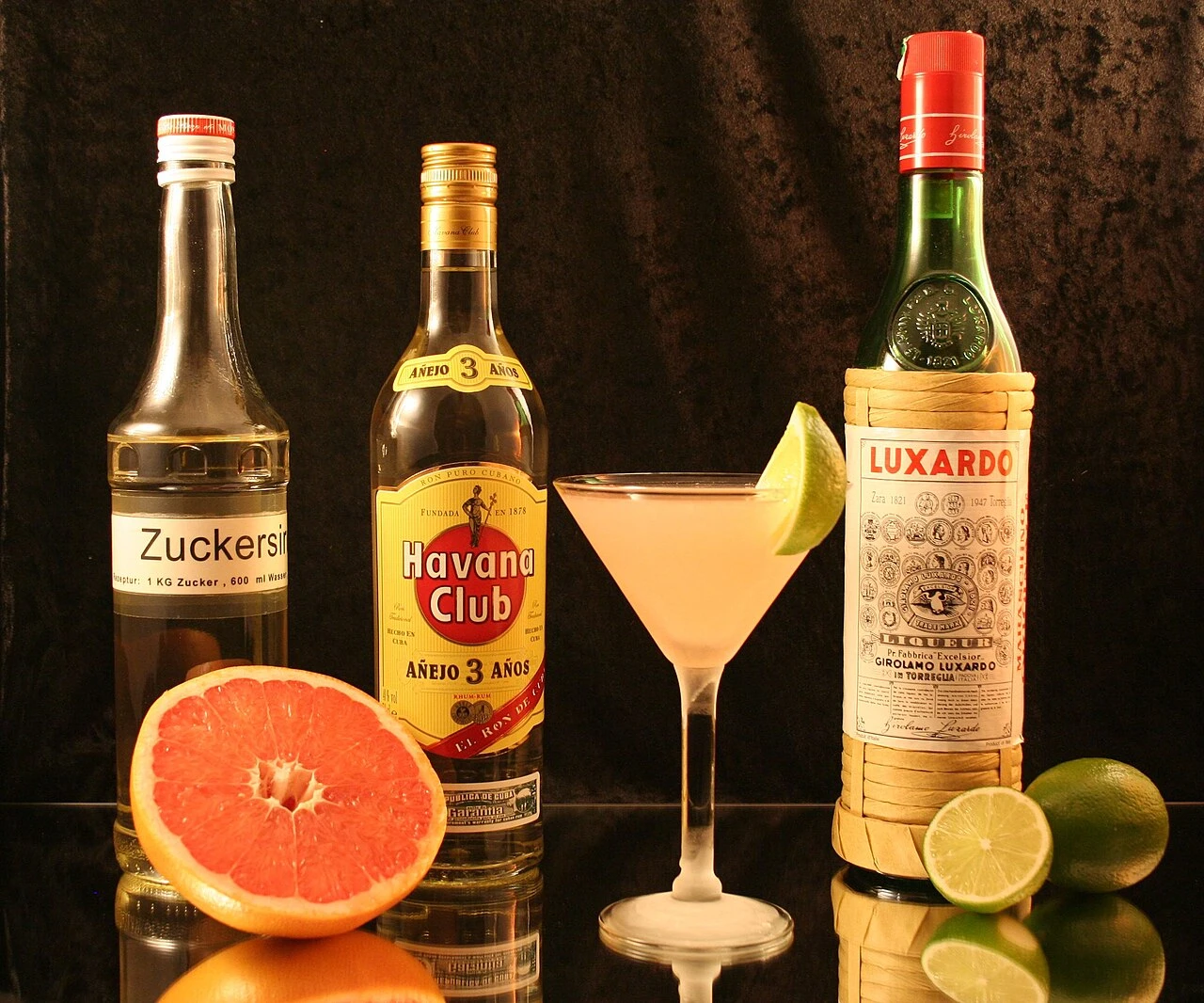
For rum, Planteray 3 Stars is my characterful pick; Bacardí Carta Blanca makes a lighter Acapulco Daiquiri, while Flor de Caña 4 Extra Seco is dry and clean. Typical shelf prices vary by retailer and tax, but expect roughly $15–25 for 750 ml in the US or £16–25 for 700 ml in the UK. There is no special spirit called “Acapulco” that you need to buy.
Cointreau usually costs about $35–42 or £25–30, although an affordable clear triple sec works if it is not syrupy. Bottle labels and categories can be explored through the US Alcohol and Tobacco Tax and Trade Bureau; the label’s stated ABV is more useful here than marketing language.
Use fresh lemon, but do not confuse fresh lime juice with cordial. Cordial contributes both acid and sugar. If you replace it with 3/4 oz (22.5 ml) lime juice, add roughly 1/2 oz (15 ml) simple syrup and taste. For quicker citrus-led ideas, browse these five-minute vodka cocktails.
How to Make an Acapulco Daiquiri Step by Step
Start with cold equipment. Put your coupe in a freezer at about 0°F (-18°C) for 10 minutes, or fill it with ice and water while you mix. Cold glassware buys you time before this compact, up-style drink warms.
- Prepare the citrus. Squeeze the lemon immediately before mixing, then pass the juice through a small sieve. Measure 3/4 oz (22.5 ml).
- Build without ice. Add the pasteurised egg white, lemon juice, lime cordial, orange liqueur and rum to a shaker. Adding the less expensive ingredients first makes a measuring mistake less painful.
- Dry-shake. Seal the shaker and shake without ice for 10–15 seconds. This unfolds the egg-white proteins and starts creating fine foam.
- Add ice and shake again. Add five or six hard, fresh cubes. Shake vigorously for 12–15 seconds, until the tin feels painfully cold and develops frost.
- Fine-strain. Empty the chilled coupe. Pass the cocktail through both the shaker strainer and a fine mesh strainer to catch ice shards and citrus pulp.
- Garnish and serve. Rest a small lime wedge on the rim or express a thin twist above the foam. Serve immediately, ideally around 38–41°F (3–5°C).
After testing both shake orders, I find the conventional dry shake followed by an iced shake gives the Acapulco Daiquiri a smooth texture without letting it become too warm. A reverse dry shake can create taller foam, but it demands more handling and is less convenient at home.
No egg white? Shake all remaining ingredients hard with ice and strain. You lose the creamy-looking head, not the core citrus-rum flavour. That streamlined method makes the drink nearly as quick as a Madras cocktail, although the Acapulco still rewards a finer strain and colder glass.
Pro Tips for a Better Acapulco Daiquiri
Taste the cordial first. Brands differ dramatically in sweetness and acidity. Rose’s is widely available and assertive; premium cordials may taste fresher or drier. If yours is intensely sweet, begin with 1/2 oz (15 ml), shake a teaspoon-sized sample with the other ingredients and adjust before adding egg white.
In my experience, a lightly aged, filtered rum makes the most articulate Acapulco Daiquiri. Planteray 3 Stars gives ripe fruit and gentle funk; Bacardí Carta Blanca stays deliberately neutral. This is easily one of the best cocktails for comparing two white rums side by side because citrus exposes rather than conceals their differences.
Use dense ice. Cloudy household cubes are acceptable if they are frozen solid and smell clean. Small wet cubes dilute too quickly, producing a thin drink before it becomes properly cold. Keep open ice away from onions, fish and other freezer aromas.
After testing freshly squeezed juice against bottled lemon juice, I would skip the bottle. Fresh juice supplies a lively aroma that packaged juice rarely matches. Straining the fresh juice matters too: excess pulp interrupts the fine foam and creates an untidy ring around the glass.
Control the egg-white risk. Choose commercially pasteurised egg white, keep it refrigerated according to its label and clean the shaker promptly. Aquafaba or a commercial foamer is a practical alternative. If you omit foam entirely, reduce neither the rum nor citrus automatically; taste first because the perceived acidity will become sharper.
Finally, keep the garnish restrained. A thin lime twist or small wedge gives useful aroma without hiding the surface. Mint looks attractive but changes the drink’s scent significantly. If your goal is an elegant speakeasy-style presentation rather than a beach-party prop, one precise green accent is enough. For broader technique practice, revisit the builds in these essential classic cocktail recipes.
Acapulco Daiquiri Variations Worth Shaking
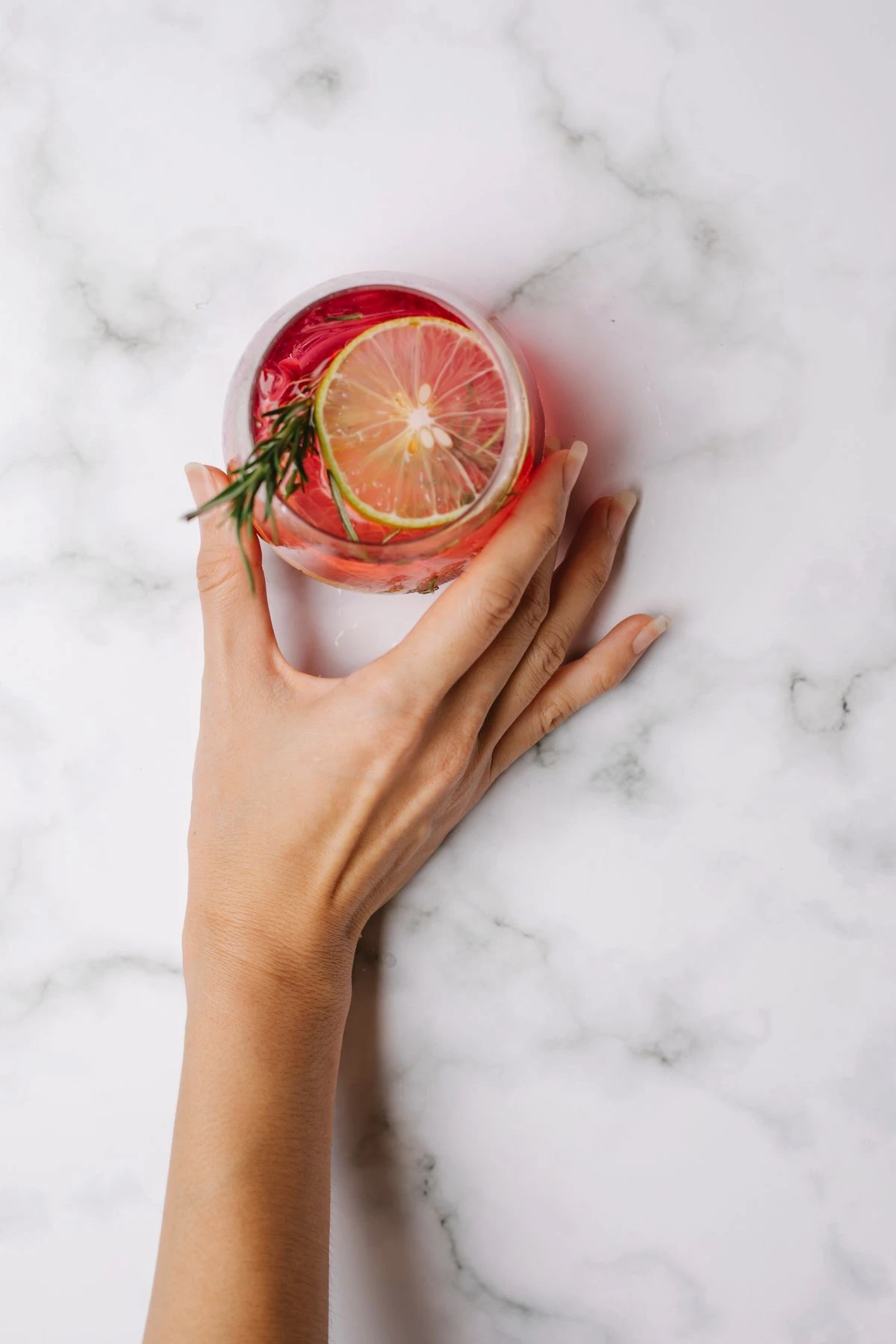
The smartest variations preserve the Acapulco Daiquiri’s rum-citrus structure. Change one variable, taste, then rebalance. Replacing three ingredients at once may produce a good cocktail, but it will tell you little about why it works.
Drier Curaçao Version
- 1 1/2 oz (45 ml) white rum
- 1/2 oz (15 ml) dry orange curaçao
- 3/4 oz (22.5 ml) lemon juice
- 1/2 oz (15 ml) lime cordial
- 1/2 oz (15 ml) pasteurised egg white
This is my dinner-party choice. The reduced cordial keeps the finish crisp and lets a drier curaçao show its peel character.
Fresh-Lime Acapulco
- 1 1/2 oz (45 ml) white rum
- 1/2 oz (15 ml) triple sec
- 1/2 oz (15 ml) each fresh lemon and lime juice
- 1/2 oz (15 ml) simple syrup
- 1/2 oz (15 ml) aquafaba
Use this when cordial tastes too confectionery to you. The result is sharper, greener and closer to a classic Daiquiri.
Golden-Rum Version
- 1 1/2 oz (45 ml) lightly aged gold rum
- 1/2 oz (15 ml) Cointreau
- 3/4 oz (22.5 ml) lemon juice
- 1/2 oz (15 ml) lime cordial
- 1/4 oz (7.5 ml) simple syrup, only if needed
A two-to-four-year rum adds vanilla and oak. I’d skip very dark or heavily sweetened rum; it buries the brisk citrus.
Lower-Alcohol Spritz
- 3/4 oz (22.5 ml) white rum
- 1/4 oz (7.5 ml) orange liqueur
- 1/2 oz (15 ml) each lemon juice and lime cordial
- 2 oz (60 ml) chilled soda water
Shake everything except soda, strain over ice and top. It is not a strict Daiquiri, but it suits a long afternoon. Find more deliberately lighter options among these low-alcohol cocktail recipes.
Common Acapulco Daiquiri Mistakes—and Their Fixes
Mistake one: treating cordial as plain lime juice. Cordial contains sweetness, so adding the full recipe measure plus generous simple syrup creates a sticky Acapulco Daiquiri. Fix it by measuring the cordial alone, then adjusting in 1 tsp (5 ml) increments. Your tongue is more useful than a universal sweetness rule.
Mistake two: choosing a flavoured or heavily spiced rum. Vanilla, caramel and spice can overwhelm the orange-citrus detail. Use a transparent or pale rum at 40–43% ABV. If your bottle is 57% ABV navy strength, reduce the pour or expect a substantially stronger, hotter drink.
Mistake three: weak shaking. A few polite movements neither chill the liquid nor aerate the egg white. Dry-shake for 10–15 seconds, then shake hard with ice for another 12–15. Check the shaker seal before committing. Nobody wants an airborne cocktail.
Mistake four: using a warm, oversized glass. A 9 oz (266 ml) coupe makes the serving look lost and warms it quickly. Chill a 5–6 oz (150–180 ml) coupe and strain immediately. If the drink sits in the shaker while you search for a garnish, dilution continues.
Mistake five: making foam the only goal. An enormous head can trap aroma and leave too little liquid beneath it. In my experience, a tight layer around 1/2 inch (1.25 cm) looks polished and drinks better. Fine-strain slowly so the liquid and foam enter together.
Finally, do not assume every online “Acapulco” recipe describes this cocktail. Some are tequila-pineapple drinks; others contain coconut. Read the ingredient list and judge the family, not just the title. The same naming drift appears throughout retro drinks, as this look at where 1990s drinks are now demonstrates.
Food Pairings, Seasons and Serving Occasions
The Acapulco Daiquiri works best before food or beside salty, citrus-friendly snacks. Its acidity cuts richness, while orange liqueur echoes browned spices and fruit. Think contrast first. A sweet dessert beside a sweetened sour can make both seem dull.
For a summer garden party, serve it with grilled prawns or shrimp, lime-dressed fish tacos, guacamole and salted tortilla chips. In the UK, try it with chilli crab cakes or smoked mackerel pâté on small toast rounds. In the US, ceviche, blackened fish sliders and roasted corn are natural partners. Keep the food portions compact because the cocktail itself is intensely flavoured.
What about autumn or winter? The drink still works. Pair a golden-rum variation with jerk chicken, roast squash seasoned with chilli, or glazed pork skewers. The darker rum notes feel seasonal without turning the Acapulco Daiquiri into a heavy after-dinner drink.
For occasions, it shines at cocktail hour, a small birthday gathering, Cinco de Mayo-inspired entertaining or a warm-weather dinner. Avoid presenting it as an “authentic Mexican classic”; the documented recipe lineage is too inconsistent for that confident claim. Say that its name references Acapulco and that the drink combines Daiquiri structure with orange and layered citrus.
If you are hosting, chill coupes in advance and pre-measure the rum, liqueur and cordial. Add lemon and pasteurised egg white only when you are ready to shake. One shaker can handle one or two servings comfortably; crowding it with four prevents effective aeration and chilling. For an outdoor event, the make-ahead planning in these portable picnic drinks is useful, but keep this foamed cocktail as a shake-to-order option.
Serve one at a time, provide water and practise responsible drinking. For evidence-based US and UK guidance, consult the National Institute on Alcohol Abuse and Alcoholism and Drinkaware.
How to Adjust the Acapulco Daiquiri to Your Taste
A reliable recipe is valuable, but citrus and cordial are agricultural and manufactured products rather than fixed laboratory ingredients. Lemons become sweeter or sharper with variety, age and season, while one lime cordial may contain considerably more sugar than another. Make the listed Acapulco Daiquiri first, then use small, deliberate adjustments instead of rebuilding the entire drink.
If the cocktail tastes too sweet, add 1 tsp (5 ml) fresh lemon juice and shake briefly with fresh ice. If it feels aggressively sour, add 1 tsp (5 ml) lime cordial. A flat drink may need acidity, but it may also be too warm or over-diluted. Taste before reaching for another ingredient. When the orange liqueur dominates, reduce it to 1/3 oz (10 ml) on the next round rather than compensating with extra rum.
Texture also changes perceived balance. Egg-white foam softens the first impression of acidity, so an egg-free Acapulco Daiquiri can seem sharper even when every other measurement remains identical. In that case, reduce the lemon by 1 tsp (5 ml) or add a similar amount of cordial. With aquafaba, smell the ingredient before using it and choose an unsalted, neutral batch.
Keep brief notes about the rum, cordial, citrus quantities and result. After two or three attempts, you will have a house specification suited to your bottles and palate. That small record is especially helpful when serving guests because it lets you reproduce the balance instead of relying on memory.
Acapulco Daiquiri Quick-Reference Cheat Sheet
Here is the whole Acapulco Daiquiri at a glance. The UK figures use practical millilitre measures rather than exact mathematical conversions, making them easier to read on a 25/50 ml jigger. A 22.5 ml measure is three-quarters of a 30 ml jigger or can be measured with a marked cocktail measure.
| Element | US measure | UK/metric measure | Purpose |
|---|---|---|---|
| Light white rum | 1 1/2 oz | 45 ml | Dry cane-spirit base |
| Orange liqueur | 1/2 oz | 15 ml | Orange aroma and sweetness |
| Fresh lemon juice | 3/4 oz | 22.5 ml | Immediate acidity |
| Sweetened lime cordial | 3/4 oz | 22.5 ml | Sweet lime depth |
| Pasteurised egg white | 1/2 oz | 15 ml | Foam and silky texture |
| Dry shake | 10–15 sec | 10–15 sec | Aerates the foam |
| Shake with ice | 12–15 sec | 12–15 sec | Chills and dilutes |
| Coupe capacity | 5–6 oz | 150–180 ml | Neat up-style service |
| Serving temperature | 38–41°F | 3–5°C | Bright, cold presentation |
The formula is a starting point, not a commandment. Lemon acidity, cordial sweetness and ice quality fluctuate. If your first sip is too sharp, add 1 tsp (5 ml) cordial. If it is cloying, add 1 tsp (5 ml) lemon. Make small corrections; a full 1/4 oz (7.5 ml) adjustment can noticeably change a drink this compact.
At typical dilution, expect approximately 16–18% ABV in the glass when both alcoholic ingredients begin at 40% ABV. Treat that as a practical estimate. Weighing the drink before and after shaking would give you a more accurate dilution figure, but that level of precision is rarely necessary for a good home-bar result.
Your best Acapulco Daiquiri begins with measured citrus, cold equipment and a rum you enjoy tasting. Shake it hard, keep the garnish simple and adjust the cordial rather than hiding imbalance beneath extra sugar.
Ready to make the rest of your setup just as dependable? Download the free home bar starter checklist before your next bottle or tool purchase.
Ask AI about this article
Pick a prompt, copy it, or open ChatGPT with this article preloaded.
Frequently Asked Questions
What is an Acapulco Daiquiri?
An Acapulco Daiquiri is a shaken rum sour that expands the classic rum-citrus-sugar formula with orange liqueur, lemon, sweetened lime cordial and, in many published versions, egg white. The result is aromatic, tangy and silkier than a standard Daiquiri. It is normally strained into a chilled coupe, although some older.
How do you make an Acapulco Daiquiri?
Combine 1 1/2 oz (45 ml) white rum, 1/2 oz (15 ml) orange liqueur, 3/4 oz (22.5 ml) fresh lemon juice, 3/4 oz (22.5 ml) lime cordial and 1/2 oz (15 ml) pasteurised egg white. Dry-shake without ice, add cold cubes, shake again for 12–15 seconds, then fine-strain into a chilled coupe.
What is the best rum for an Acapulco Daiquiri?
A lightly aged, filtered white rum at 40–43% ABV is the most versatile choice. Planteray 3 Stars brings extra character, while Bacardí Carta Blanca gives a cleaner, lighter drink. Flor de Caña 4 Extra Seco is another sound option. Avoid strongly spiced or very sweet rum because it can obscure the citrus and orange note.
Does an Acapulco Daiquiri contain tequila?
Not in the rum-based recipe presented here. The name Acapulco is also used for several unrelated tequila and tropical cocktails, which creates understandable confusion. A drink containing tequila, pineapple or coconut may be delicious, but it belongs to a different recipe family. For this version, rum remains the base.
How strong is an Acapulco Daiquiri?
With 40% ABV rum and orange liqueur, the listed recipe contains about 0.8 US fluid ounces (24 ml) of pure alcohol before shaking. Depending on dilution and final volume, the drink generally lands near 16–18% ABV in the glass. That is an estimate, not a laboratory measurement; brands, ice, shaking time and serving size.
Comments 0
Login to Post comments