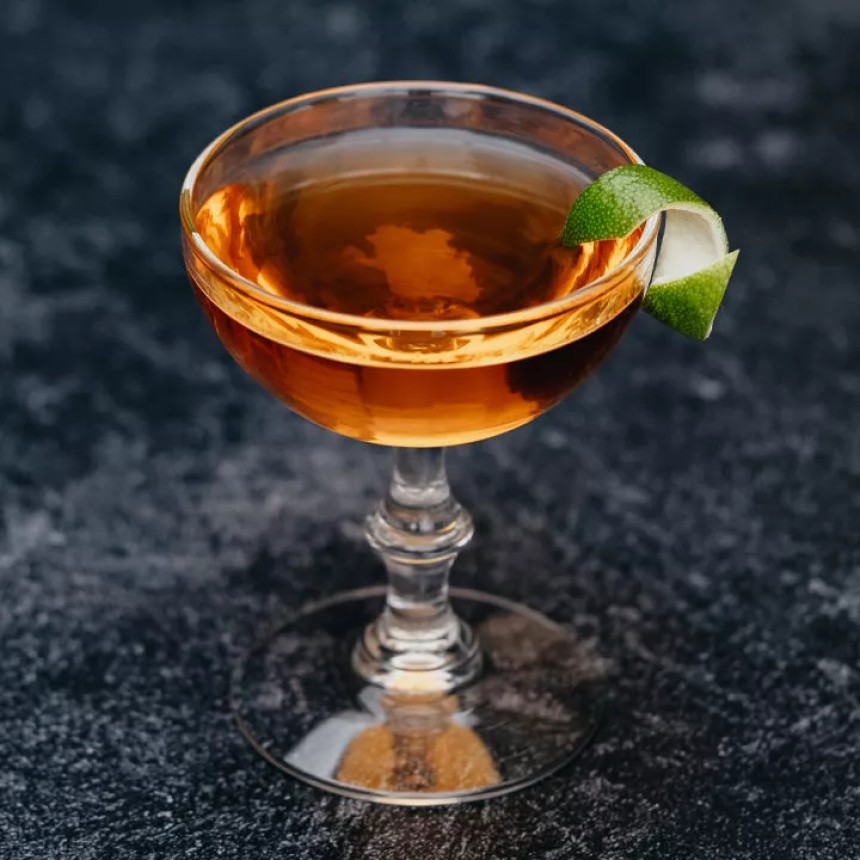

Classic Champs-Elysees Cocktail Guide
Classic Champs Elysees cocktail guide covering the best ratio, Cognac choice, Green versus Yellow Chartreuse, batching, and common mistakes. The Champs-Elysees cocktail recipe dese.
The Champs-Elysees cocktail recipe deserves better than its usual supporting-role status. Most drinkers meet it as a footnote to the Sidecar: Cognac, lemon, and Chartreuse, same family, next page. That summary is not wrong, but it undersells what the drink does when the balance is right. A good Champs-Elysees is brighter than a brandy digestif, drier than most people expect, and more aromatic than almost any other classic sour built on Cognac.
Most quick recipe cards get the basics right: classic French base, herbal lift, simple garnish, and a sensible modern spec. Where the short format leaves room is everywhere else that matters to home bartenders. Which history is solid and which part is cocktail-book folklore? How much Chartreuse is too much? Is Green always better than Yellow? Should you buy VS, VSOP, or whatever bottle is already open? Those are the questions that decide whether the drink feels elegant or oddly sweet.
This guide goes deeper. You will get the printed history, the modern ratio that makes the drink feel composed, the Cognac styles that work best, substitutions that stay honest about what they lose, and a batching section for dinner parties. If you enjoy old-school structure with modern clarity, keep our classic cocktails every home bartender should know list nearby because the Champs-Elysees sits right in the sweet spot between rediscovered classic and genuinely useful house cocktail.
Why the Champs-Elysees Works Better Than Most Sidecar Riffs
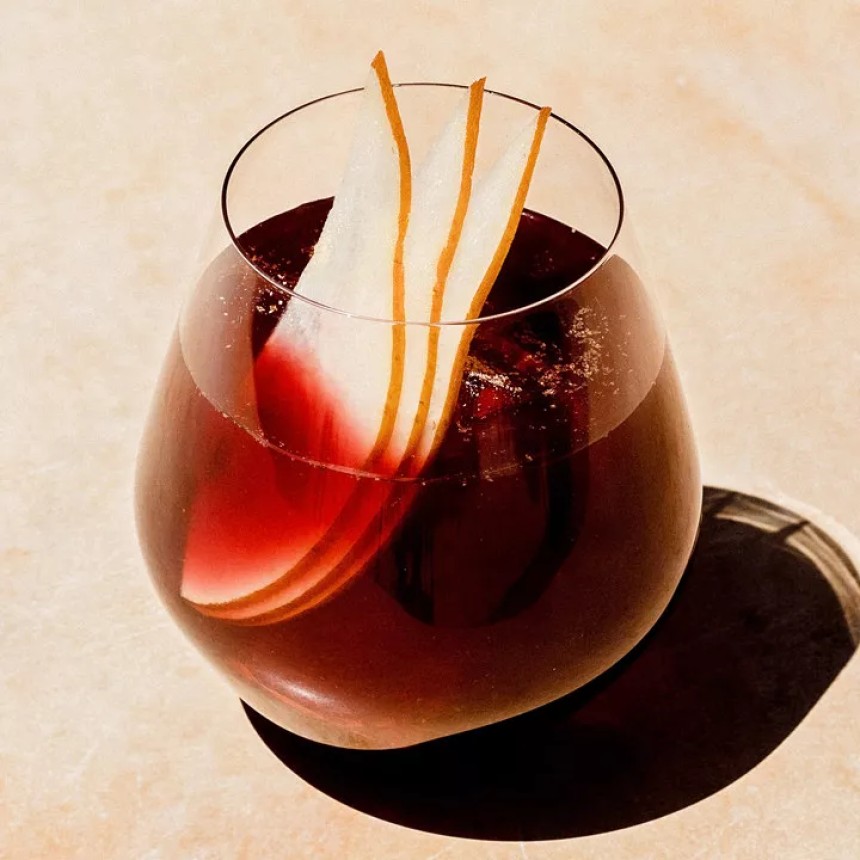
Here is the thing: the drink works because it is not just a Sidecar with a different sweetener. Orange liqueur and Chartreuse do different jobs. Triple sec or curaçao brighten fruit. Chartreuse changes architecture. It adds alpine bitterness, minty lift, spice, and a long herbal finish that keeps the sour from collapsing into simple citrus sweetness.
That is why the Champs-Elysees often appeals to people who think they do not like Cognac cocktails. Cognac brings orchard fruit, grape skin, soft oak, and warmth. Green Chartreuse drags the flavor upward and outward. Angostura is the quiet bridge between them, adding clove and baking spice so the drink feels intentional instead of stitched together. The result is a sour that starts juicy, turns herbal through the middle, and finishes drier than its ingredient list suggests.
It also occupies a useful lane that not many classic brandy drinks cover. A Sidecar can read luxurious but a little glossy. A Brandy Crusta can feel ornate. The Champs-Elysees is sharper and leaner. If you already enjoy bottles with assertive modifiers, like the liqueur-led drinks in our simple cocktails to acquaint you with the taste of Drambuie or the darker bitter structure in Campari cocktails that go beyond a basic Negroni, this is one of the easiest Cognac drinks to love. It tastes French, but more importantly it tastes finished.
The History Is Short, Murky, and More Interesting Than It Looks
The most commonly cited interwar trail runs through Drinks-Long and Short in 1925 and the Savoy Cocktail Book in 1930. That is the clearest published record most modern bartenders work from, and it tells us something useful. By 1930 the drink was stable enough to appear in party proportions, which suggests it had already moved past novelty status and into the shared cocktail vocabulary of the period.
There is, however, one wrinkle. Some modern cocktail databases and enthusiasts push the paper trail back to a possible 1917 appearance in Hugo Ensslin's Recipes for Mixed Drinks. That claim may be true, but it is less cleanly documented in the sources that are easiest to verify today. So the careful version is this: the drink is absolutely at home in the 1920s cocktail renaissance, and there is at least some secondary evidence that the idea may be older. Either way, this is not a late twentieth-century fake classic. It is a genuine old template that survived because the structure is good.
The name makes perfect sense once you look at the ingredients. Cognac and Chartreuse are both unmistakably French, and the drink carries itself with a Parisian kind of polish: citrus on top, perfume and spice through the middle, elegance instead of brute force. That matters because the Champs-Elysees is not a historical museum piece. It is one of those classics that feels newly relevant when drinkers want less sugar, more aroma, and better use of brown spirits. Readers who like our apple brandy and applejack guide will recognise the same appeal: old categories start making more sense once you stop treating them as dusty relics and start tasting how they actually behave in a glass.
Best Balanced Champs-Elysees Cocktail Recipe
After comparing the leaner modern builds with the sweeter variants and the more technical dilution-first approaches, the best home version lands in the middle. You want enough Cognac to keep the drink from becoming a Chartreuse delivery system, enough lemon to keep it alive, and only enough sugar to round the corners.
- 2 oz / 60 ml Cognac
- 1/2 oz / 15 ml Green Chartreuse
- 3/4 oz / 22 ml fresh lemon juice
- 1/4 oz / 7.5 ml simple syrup
- 2 dashes Angostura bitters
- Garnish: lemon twist
Method:
- Chill a coupe or Nick and Nora glass well.
- Add the Cognac, Green Chartreuse, lemon juice, simple syrup, and bitters to a shaker filled with cold ice.
- Shake hard for 12 to 15 seconds.
- Double strain into the chilled glass.
- Express a lemon twist over the surface and drop it in or rest it on the rim.
This ratio keeps the drink recognisably herbal without letting the liqueur bully the Cognac. The 2 ounces of spirit matter. At 1 1/2 ounces, as some modern specs suggest, the drink can feel shorter and sweeter unless your syrup and lemon are dialed way back. At 1/4 ounce of simple, meanwhile, the sugar does its job and then gets out of the way. If you prefer a slightly rounder finish, use rich demerara syrup at the same volume rather than increasing the total sweetener.
The finished cocktail should smell like lemon oil first, then grape, spice, and herbs. On the palate it should open with citrus, broaden with Cognac, and finish with a gently bitter herbal edge. If it tastes like lemon candy or green liqueur, the balance is off. If you like the way modern writers have tightened classics such as the Grasshopper cocktail ratio guide, the logic here is the same: keep the personality, remove the extra sugar.
How to Tune Cognac, Chartreuse, and Sweetness
The easiest way to improve this drink is to stop treating every bottle as interchangeable. A floral, fruit-led Cognac and an oakier, richer Cognac do not want the same amount of Chartreuse or sugar. Likewise, Green Chartreuse is powerful enough that a few millilitres change the drink's center of gravity.
If your Cognac is light and fresh, keep the classic 2 ounces and the full 1/2 ounce of Green Chartreuse. Young VS or straightforward VSOP bottlings love that treatment because the herbs make the grape character taste brighter rather than heavier.
If your Cognac is richer or more oak-forward, pull the Chartreuse down to 3/8 ounce or split the sweetener between 1 teaspoon simple and 1 teaspoon dry curaçao. That keeps the middle of the drink moving. Heavier wood tones plus a big Chartreuse dose can make the finish taste medicinal.
If your lemons are especially sharp, do not immediately add more syrup. First check dilution. Under-shaken sours can taste harsher than properly chilled ones. If the drink is still too lean after a good shake, then increase the syrup by a barspoon. Small adjustments matter more here than in a Margarita or Daiquiri because the herbal note magnifies every imbalance.
One more useful trick: taste the drink before you garnish. If it already smells extremely herbal, use a wide lemon peel and express it aggressively. If it smells mostly like Cognac, a smaller, cleaner twist is enough. That nose-first adjustment sounds minor, but it is often what makes the drink feel restaurant-level instead of merely correct.
Green vs Yellow Chartreuse, Plus Smart Substitutes
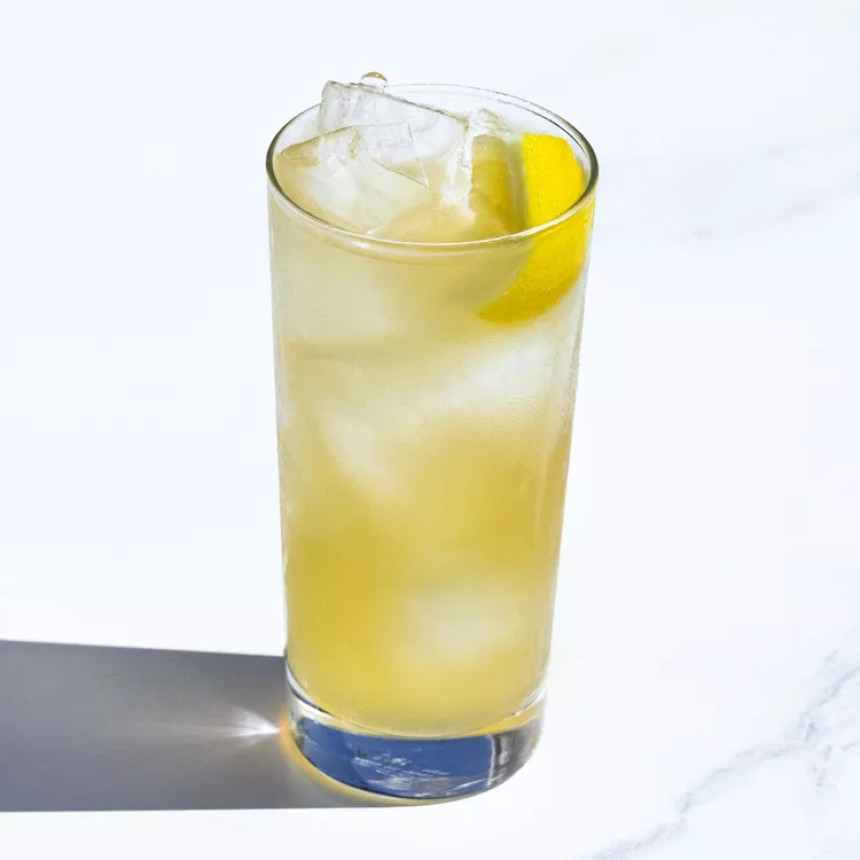
The classic spec calls for Green Chartreuse, and there is a good reason. According to Chartreuse's official Green Chartreuse notes, the liqueur sits at 55% ABV and leans into mint, pine sap, citrus, pepper, and bittersweet tea. Those are almost tailor-made flavors for lifting Cognac and lemon. They sharpen the drink and give it the dry, slightly haunted finish that makes the Champs-Elysees memorable.
Yellow Chartreuse is not wrong, just different. The official Yellow Chartreuse profile puts it at 43% ABV and describes it as softer, spicier, and more subtle, with turmeric, citrus, anise, and floral notes. In the glass, that means a friendlier, rounder drink. If Green makes the cocktail feel too stern or perfumed for your taste, Yellow is the best first adjustment. Use 1/2 ounce Yellow and drop the simple syrup to a scant 1/8 ounce or skip it entirely if your lemons are sweet.
Substitutes require honesty. There is no perfect Chartreuse replacement because the original liqueurs are too specific. If you cannot find either bottle, the smartest backup is not another neon herbal liqueur; it is another alpine herbal liqueur or dry botanical spirit that keeps the drink lean enough to stay structural. Genepy is the obvious direction, though the drink will turn softer and less deep. A punchier amaro or centerbe-style substitute can work in tiny amounts, but then you are building a riff, not making the classic.
That distinction matters because the Champs-Elysees is delicate by old-school standards. If you miss on the modifier, the entire drink changes. Think of it less like swapping orange liqueurs in a Margarita and more like choosing the right mint bottle in our minty drinks to make with creme de menthe guide: close is sometimes good enough, but the personality shift is real and worth naming clearly.
Best Cognac Styles, Variations, and Party Batching
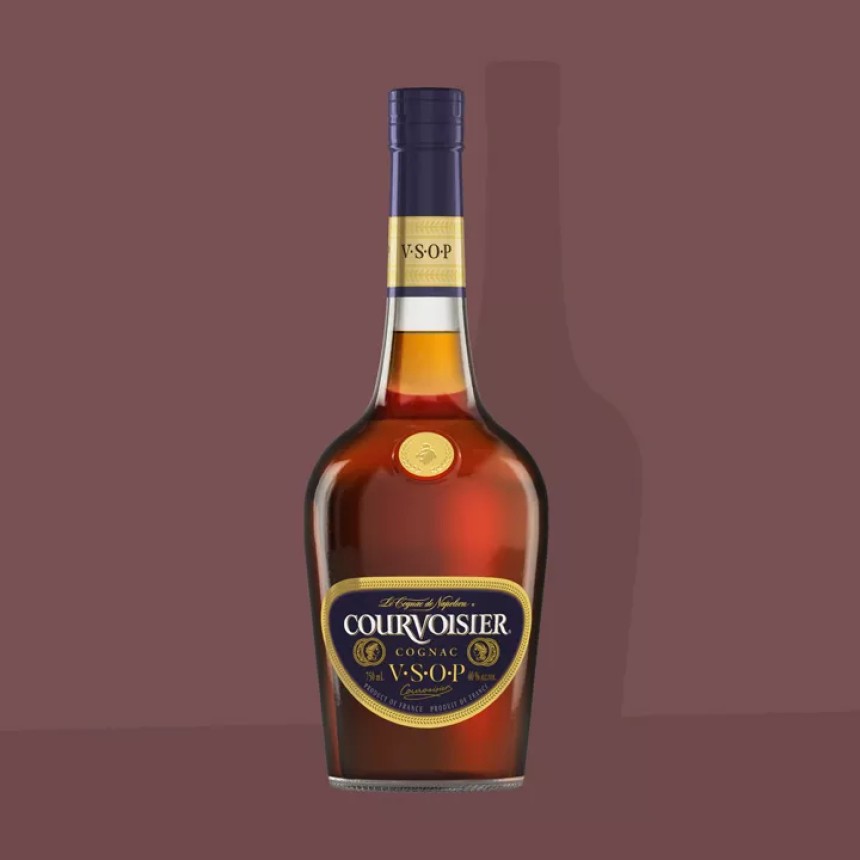
For most home bartenders, the best Cognac for a Champs-Elysees is not the most expensive one. A lively VS or a clean, fruit-forward VSOP usually beats old, oak-heavy luxury bottlings. The drink wants lift, not gravitas. That is why younger house styles often work so well. If you want a starting point, our Courvoisier VSOP Cognac review and Hennessy V.S.O.P. Privilege Cognac review give you the broad ends of the mainstream profile range.
Variation 1: The softer Yellow build
Use 2 ounces Cognac, 1/2 ounce Yellow Chartreuse, 3/4 ounce lemon juice, and 1 teaspoon simple syrup. This version is rounder, more floral, and easier to serve to people who find Green Chartreuse aggressive.
Variation 2: The drier late-night build
Use the standard recipe but skip the simple syrup and add one small drop of saline or a tiny pinch of salt. This version is more severe, more aromatic, and ideal after a rich dinner.
Variation 3: The sparkling dinner-party riff
Shake 1 1/2 ounces Cognac, 3/8 ounce Green Chartreuse, 1/2 ounce lemon juice, 1 teaspoon syrup, and 1 dash bitters. Strain into a flute or wine glass and top with dry sparkling wine. It is no longer the canonical drink, but it keeps the same French-acid-herbal DNA.
How to batch for six
Combine 12 ounces Cognac, 3 ounces Green Chartreuse, 4 1/2 ounces fresh lemon juice, 1 1/2 ounces simple syrup, and 12 dashes Angostura bitters. Add 3 ounces cold water for pre-dilution, chill thoroughly, then pour 3-ounce servings into a shaker with ice for a short hard shake before straining. You can fully batch and refrigerate for a few hours, but I would not go much beyond same-day service because the citrus starts losing its snap.
This is also a strong occasion drink. It works before dinner if you want a sour with more backbone than a Sidecar, and it works after dinner if you keep the sugar in check. Cheese, roast chicken, mushroom tarts, charcuterie, or even a not-too-sweet lemon dessert all make sense beside it. The drink is boozier than it tastes, so smaller servings are smarter.
Common Mistakes That Flatten the Drink
Most bad Champs-Elysees cocktails fail in predictable ways. Once you know them, the drink becomes easy.
- Using bottled lemon juice. This is the fastest route to a flat, tired sour. Fresh juice gives the lift that lets the herbal notes read clearly.
- Overspending on Cognac, then hiding it. XO or very woody bottlings can make the drink feel muddy and expensive in the wrong way. Save those for sipping.
- Pouring a heavy hand of Chartreuse. An extra quarter-ounce sounds small. In this drink it is not small at all.
- Over-sweetening to fix acidity. If the drink tastes too sharp, first shake harder or check your lemon. Sugar should be the last correction, not the first.
- Skipping the lemon expression. The twist is not decoration. The oils are part of the recipe.
- Serving it warm. This cocktail wants a cold glass and proper dilution. Warm service turns the finish sticky.
The other mistake is conceptual: thinking of the drink as niche or old-fashioned in the dismissive sense. The Champs-Elysees is not obscure because it is flawed. It is obscure because Chartreuse is assertive and because brandy cocktails sit outside many modern home-bar habits. Once people taste a correct version, that usually changes very quickly.
Champs-Elysees Cocktail Cheat Sheet
If you want the fast version, use the table below and keep the adjustments tight.
| Build | Cognac | Chartreuse | Lemon | Sweetener | Bitters |
|---|---|---|---|---|---|
| Standard classic | 2 oz / 60 ml | 1/2 oz Green | 3/4 oz / 22 ml | 1/4 oz simple | 2 dashes Angostura |
| Softer Yellow version | 2 oz / 60 ml | 1/2 oz Yellow | 3/4 oz / 22 ml | 1 tsp simple | 2 dashes Angostura |
| Drier late-night build | 2 oz / 60 ml | 1/2 oz Green | 3/4 oz / 22 ml | None or 1 tsp | 2 dashes plus tiny saline |
| Party batch for six | 12 oz / 355 ml | 3 oz / 90 ml | 4 1/2 oz / 135 ml | 1 1/2 oz / 45 ml | 12 dashes |
So where does that leave the drink overall? Right where a great classic should be: specific enough to have personality, flexible enough to reward technique, and simple enough to make on a weeknight if you already keep Cognac and lemon around. If the Sidecar is silk, the Champs-Elysees is silk with structure. It tastes French without becoming perfumed, and it gives Cognac drinkers a way to go bright without abandoning depth.
It is also a strong reminder that classic cocktail writing often compresses too much. A short recipe card can tell you what goes in the shaker. It rarely tells you why one version sings and another drifts. That is why this is a drink worth learning properly, not just memorising. Build it cold, respect the Chartreuse, use a younger Cognac, and let the lemon oil finish the job.
Further reading on AtoZ Vodka
- 15 classic cocktails every home bartender should know
- Courvoisier VSOP Cognac review
- Hennessy V.S.O.P. Privilege Cognac review
- Everything you need to know about apple brandy and applejack
Drink responsibly. The Champs-Elysees looks polished and approachable, but it is still a spirit-forward sour with real strength behind it.
Ask AI about this article
Pick a prompt, copy it, or open ChatGPT with this article preloaded.
Comments 0
Login to Post comments