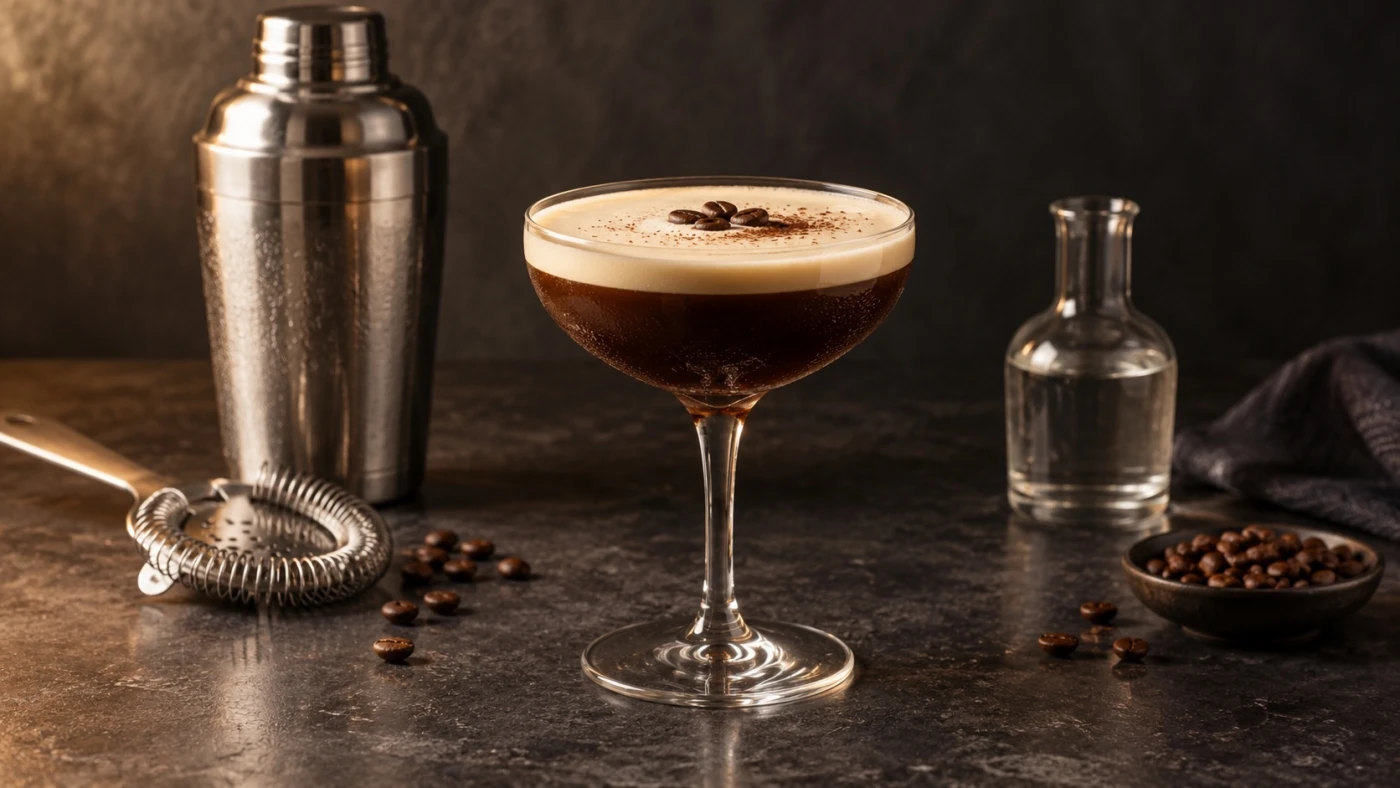

How to Choose and Use a Cocktail Shaker for Vodka Drinks
What should a cocktail shaker do for a vodka drink, and which design will make that job easiest in your home bar? The useful answer involves more than…
- By the end of this guide, you will be able to distinguish the main shaker designs, decide whether a vodka drink should be shaken at all and use your chosen shaker to control texture, chilling and dilution more consistently.
- Chilling: Heat moves from the drink and shaker into the ice.
- Dilution: Some ice melts as it absorbs that heat, adding water to the drink.
- Integration: Agitation combines ingredients that do not mingle readily through gentle stirring.
- Aeration: Air becomes dispersed through the liquid, changing its immediate texture and appearance.
What should a cocktail shaker do for a vodka drink, and which design will make that job easiest in your home bar? The useful answer involves more than choosing the most attractive piece of metal. A shaker must seal securely, provide enough working space for ice and liquid, feel controllable in the hands and separate without a struggle.
By the end of this guide, you will be able to distinguish the main shaker designs, decide whether a vodka drink should be shaken at all and use your chosen shaker to control texture, chilling and dilution more consistently.
What a cocktail shaker actually changes
A cocktail shaker is a sealable vessel used to mix a drink vigorously with ice. That movement produces several effects at once:
- Chilling: Heat moves from the drink and shaker into the ice.
- Dilution: Some ice melts as it absorbs that heat, adding water to the drink.
- Integration: Agitation combines ingredients that do not mingle readily through gentle stirring.
- Aeration: Air becomes dispersed through the liquid, changing its immediate texture and appearance.
These processes are related, but they are not perfectly controlled by counting shakes alone. Ice temperature and size, ingredient temperature, batch volume, shaker material and the vigor of the motion can all alter the outcome. Exact dilution claims should therefore be treated as recipe- and method-dependent rather than universal.
Vodka makes these differences easy to notice. Because an unflavoured vodka may contribute less aroma than many aged or botanical spirits, changes in citrus brightness, sweetness, temperature and texture can become especially prominent in the finished drink.
The three main shaker designs
| Design | Construction | Practical strengths | Trade-offs |
|---|---|---|---|
| Boston shaker | Two nesting vessels, commonly two metal tins or one tin and one mixing glass | Generous working room, quick cleaning and no small built-in strainer holes to clog | Needs a separate strainer; sealing and opening take practice |
| Cobbler shaker | Metal body, perforated top and removable cap | Compact all-in-one design with an integrated strainer and measuring cap on some models | Top may stick after chilling; small holes can trap pulp; cap volume is not necessarily an accurate measure |
| French or Parisian shaker | Two-piece metal body with a fitted upper section | Simple construction and a streamlined shape | Needs a separate strainer and may be harder to grip or open, depending on the fit |
For frequent mixing, an all-metal Boston set is often the most adaptable choice. Metal is durable, responds quickly to temperature change and avoids the breakage risk of a mixing glass. A cobbler shaker can still be an excellent option for someone who values compact storage and an integrated strainer. Neither format improves flavour by itself; usability determines whether the owner can execute the technique confidently.
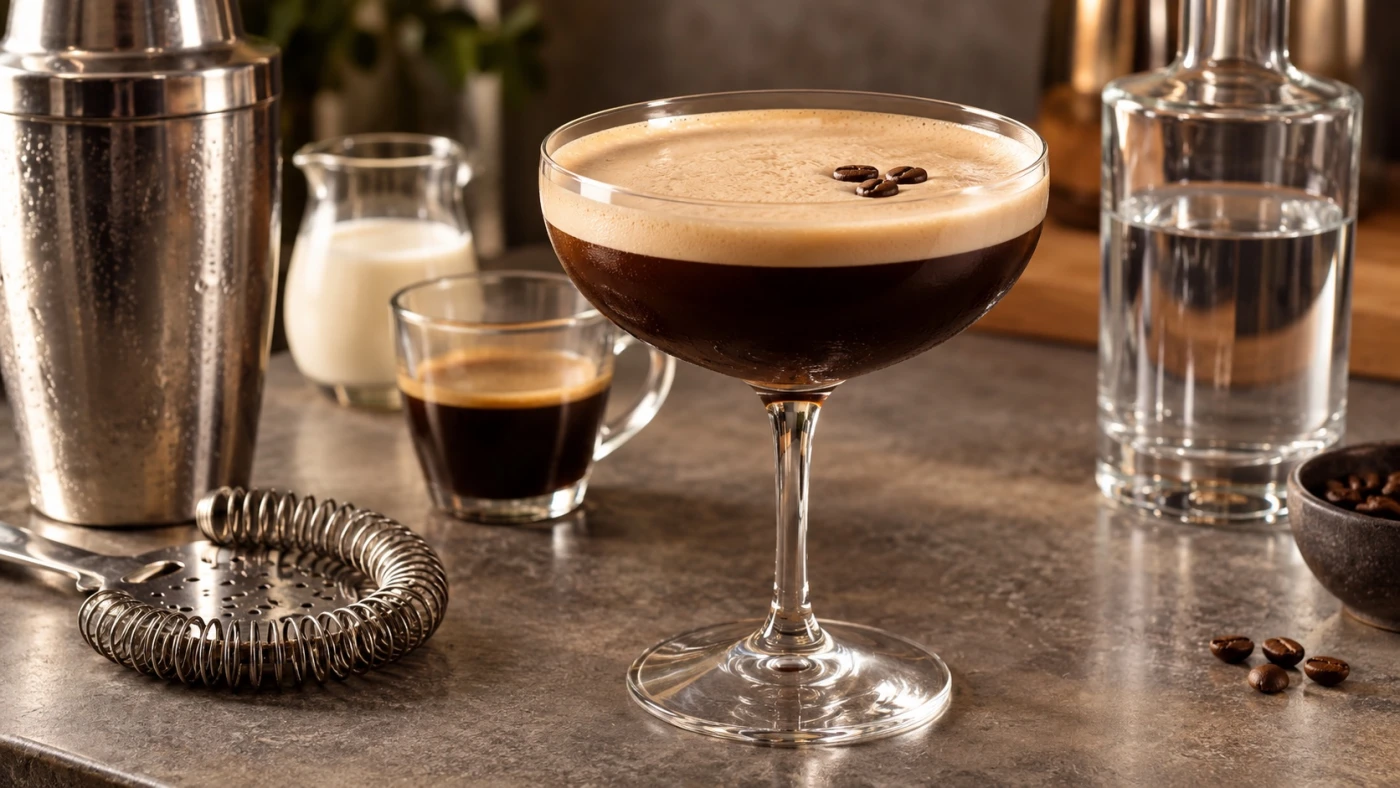
How to choose the right shaker
Evaluate a shaker as a working tool rather than a decorative accessory. The following qualities have the greatest practical value:
- A dependable seal: The sections should join firmly without requiring excessive force. Poorly matched parts invite leaks; an extremely tight fit makes service frustrating.
- Usable capacity: Ice occupies substantial space and must be able to travel through the vessel. Choose a shaker that can hold the intended drink and ice while retaining empty working space. Do not treat its nominal capacity as a safe fill line.
- A secure grip: Narrow, highly polished or very wide bodies can be difficult to control when cold and wet. If possible, handle the shaker before buying it.
- Sensible construction: Stainless steel is a practical default. Check rolled edges, joins and weighted bases for rough finishing or looseness.
- Easy cleaning: Simple tins are easier to inspect and rinse than lids containing narrow channels. If using fruit, herbs, egg or dairy, inaccessible crevices are a meaningful disadvantage.
- Compatible accessories: Boston and French shakers need a separate strainer. A Hawthorne strainer is useful for most shaken vodka drinks, while fine straining can remove smaller ice chips, seeds or fragments of herbs.
Capacity labels deserve context. A shaker sold as 18 US fluid ounces holds approximately 532 millilitres, while 24 US fluid ounces is approximately 710 millilitres. Those figures describe nominal total volume, not recommended mixing volume. The liquid, ice and necessary movement must all fit below the rim.
First decide whether the vodka drink should be shaken
Use a shaker when vigorous movement helps integrate the drink. Vodka cocktails containing citrus juice, fruit juice, cream, coconut products, egg white or thick sweeteners commonly benefit from shaking. Examples include a Cosmopolitan, Lemon Drop and Espresso Martini: each relies on more than simply combining vodka with another clear spirit.
Stirring is often preferable when the drink consists mainly of vodka, vermouth, liqueur or another clear alcoholic ingredient and the goal is a transparent appearance with a smooth, compact texture. A vodka-forward Martini is the obvious case. Shaking one is not inherently wrong, but it creates a different result: more aeration, temporary cloudiness and often small ice fragments unless the drink is finely strained.
Build carbonated ingredients outside the sealed shaker. Shake the non-carbonated portion first, strain it into the serving glass and then add the sparkling component. Agitating a carbonated mixer in a closed shaker can create pressure and an abrupt, messy opening.
How to use the shaker with control
- Add and measure the liquid ingredients. A separate jigger is more reliable than assuming a shaker cap holds a standard amount.
- Add ice without eliminating all working space. The shaker needs room for the ice and liquid to move. If the assembly is crowded to the rim, divide the drink rather than forcing the seal.
- Close it squarely. On a Boston shaker, place the smaller tin at a slight angle and press where the walls meet to form a seal. With a cobbler, fit the strainer section and cap completely but do not wrench them into place.
- Hold both sections. Keep one hand at each end, with fingers or a palm securing every removable component. Aim the join away from faces and nearby glassware.
- Shake with deliberate travel. A firm back-and-forth movement should send the ice from one end of the vessel to the other. The objective is effective movement, not theatrical force.
- Open at the joint. For a Boston shaker, tap or press near the side of the seal rather than pulling the tins directly apart. For a cobbler, a gentle twist may release the chilled cap.
- Strain promptly. Use the built-in strainer or a separate Hawthorne strainer. Fine-strain only when the desired texture calls for removing small solids or ice fragments.
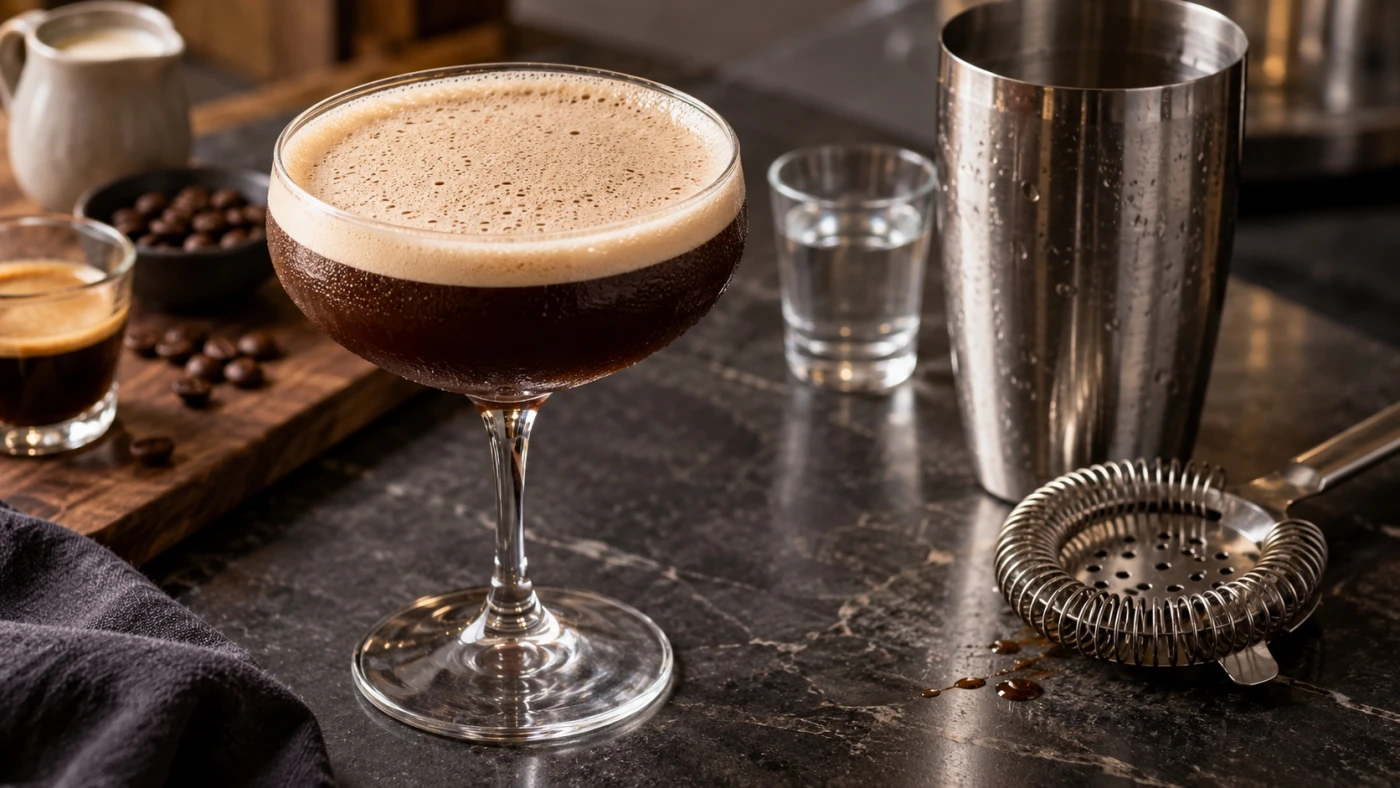
A frosted exterior shows that the vessel is cold; it does not prove that every drink inside has reached an identical temperature or dilution. Consistency comes from using comparable ingredient temperatures, ice and technique, then adjusting according to the actual result.
Common misconceptions
“Shaking bruises vodka.” Bruising is not a defined physical fault in a spirit. Shaking changes temperature, dilution, aeration and clarity; whether those changes are desirable depends on the cocktail.
“More shaking always means a colder drink.” The relationship is not unlimited or linear. As the drink and ice approach an equilibrium, additional shaking offers diminishing change while dilution can continue to evolve according to the conditions.
“A large shaker is automatically better.” Extra space can be useful, but an oversized vessel may be awkward for smaller hands and unnecessarily cumbersome for one drink. The correct size provides movement without sacrificing control.
“The cobbler cap is always a jigger.” Cap capacities vary, and decorative markings may not represent verified units. Measure the cap against a known jigger before relying on it.
“The built-in strainer removes everything.” Cobbler holes retain large ice pieces but may allow fine chips or small particles through. A second fine strainer changes the texture, although it is optional rather than automatically superior.
A practical decision
If you expect to make citrus-led vodka cocktails regularly and do not mind buying a separate strainer, choose a well-fitting two-tin Boston shaker that feels secure in both hands. If compact storage and an integrated strainer matter more, choose a cobbler whose lid can be removed comfortably after chilling.
Then apply one technique decision to every drink: ask whether it needs vigorous integration and aeration or controlled chilling with minimal aeration. Shake the first category and stir the second. That distinction will affect the final cocktail more than the shaker's style, finish or brand name.
Evidence and uncertainty
The physical explanation in this guide follows established heat-transfer and mixing principles: ice absorbs heat, some ice melts, and vigorous movement disperses air and ingredients. Exact temperature, dilution and timing outcomes cannot be guaranteed without fixing variables such as ice mass, ice temperature, ingredient temperature, shaker material and motion. For that reason, the guidance favors observable results and repeatable technique over a universal shake count.
Ask AI about this article
Pick a prompt, copy it, or open ChatGPT with this article preloaded.
Frequently Asked Questions
Should a Vodka Martini be shaken or stirred?
Either method can be intentional. Stirring usually preserves greater clarity and produces a smooth, dense texture. Shaking introduces more air and fine ice fragments, creating a colder-seeming, livelier texture with temporary cloudiness. The choice depends on the result the drinker wants rather than a universal rule.
Why does a cocktail shaker sometimes leak?
Common causes include an uneven seal, liquid or pulp on the joining surfaces, overfilling, damaged components or holding the shaker by only one section. Dry the rim, leave working space, form the seal squarely and keep a hand across both parts while shaking.
Comments 0
Login to Post comments