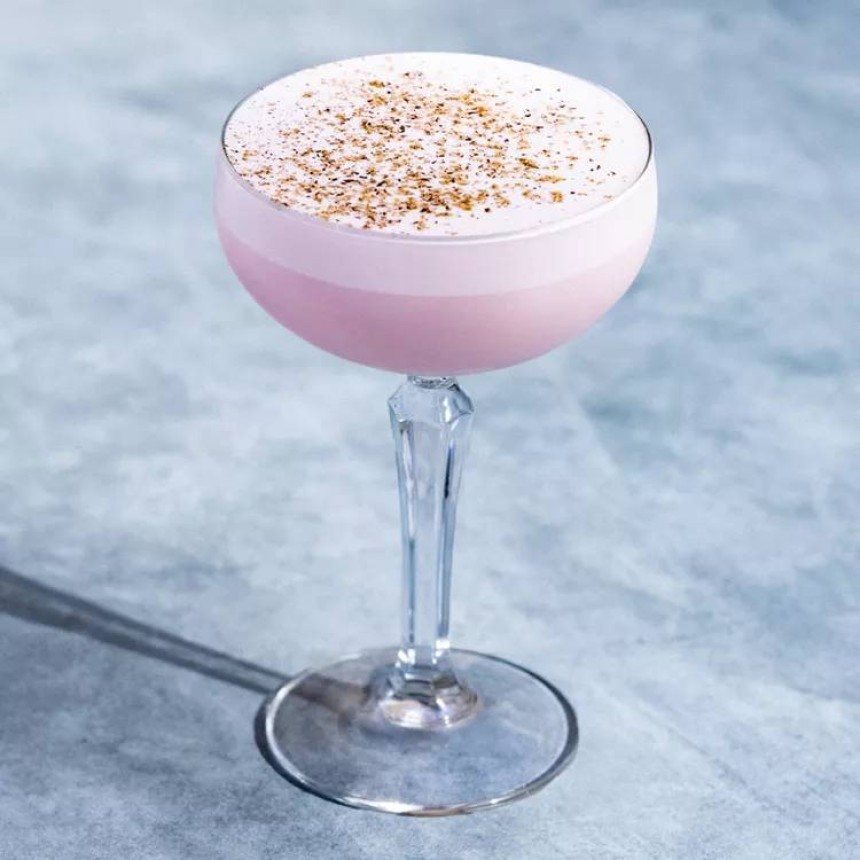

Pink Squirrel Variations Guide
Though Wisconsin may be most well-known for the Brandy Old Fashioned, the Badger State is home to a number of iconic cocktails. The Pink Squirrel may be one of the most interesting.
For those unfamiliar with crème de noyaux, it is a red-hued liqueur that’s made primarily from the pits of stone fruits like apricots, cherries, and/or peaches. It tends to taste almost almond- and marzipan-like, though most bottlings contain no actual almonds. Amaretto is commonly cited as similar in profile.
The History of the Pink Squirrel
The Pink Squirrel is thought to have been first created at Bryant’s Cocktail Lounge in Milwaukee sometime during the 1940s. Original versions of the drink were said to use ice cream, creating something akin to a spiked milkshake, though eventually heavy cream became the standard option.
This does put the Pink Squirrel firmly in a camp with other classic cream-based dessert drinks like the Grasshopper and the Brandy Alexander, which have also famously been created using ice cream rather than heavy cream over the years, and are colloquially still often described as “boozy milkshakes.”
Bryant’s is a legendary Midwest bar, deeply tied to cocktail culture in North America. As the story goes, the bar was originally opened in the 1930s as a Miller Brewing-tied beer hall. However, after only a couple of years in operation, and despite the city’s extensive brewing culture, proprietor Bryant Sharp decided he was no longer interested in selling beer. The jukebox was removed and replaced with turntables and a hi-fi system that only played classical music, carpeting was installed, windows were blacked out to create a darker atmosphere, and Milwaukee’s first cocktail lounge was born.
Bryant’s continues on to this day, sporting a menu of more than 450 cocktails, which acts as an index of some of the most famous drinks ever created. In fact, in the early 2000s, while coastal metropolises like New York and San Francisco were touting their “classic cocktail renaissance,” it could be argued that Bryant’s had been keeping the culture alive all along.
Why the Pink Squirrel Works
As mentioned, the Pink Squirrel shares its template with other cream-based, “milkshake” cocktails, namely the Grasshopper and the Brandy Alexander. Each of these three cocktails has two ingredients in common—heavy cream and crème de cacao—and a third that acts as a unique signature. In the Grasshopper this is crème de menthe, while the Brandy Alexander opts for its punchier namesake spirit. In the Pink Squirrel, this modifier is crème de noyaux, a liqueur made from steeped stone fruit pits.
When it comes to cocktail balance, it’s easy to see why the Pink Squirrel template works—by combining heavy cream with a sugary, chocolate- and vanilla-forward liqueur and then whipping and chilling it in a shaker with ice, you are literally creating an ice cream base. The only difference between the above three cocktails is what flavor that ice cream is—the Pink Squirrel opts for the addition of its signature rich, almond-like profile.
That’s all to say, the next time you’re looking for a classic dessert cocktail, give the Pink Squirrel a try. It’s as classy and timeless as ice cream, and no one’s too good for ice cream.
Ingredients
- 3/4 ounce creme de noyaux
- 3/4 ounce white creme de cacao
- 1 1/2 ounces heavy cream
- Garnish: freshly grated nutmeg
Steps
- Add the creme de noyaux, white creme de cacao and heavy cream into a shaker filled with ice and shake until well-chilled.
- Strain into a chilled coupe glass.
- Garnish with freshly grated nutmeg.
Ask AI about this article
Pick a prompt, copy it, or open ChatGPT with this article preloaded.
Frequently Asked Questions
What is the best way to make Pink Squirrel at home?
Chill your glass, measure each component for Pink Squirrel, use fresh modifiers, and taste before serving. Small half-barspoon adjustments beat rebuilding the drink.
Which ingredients matter most in Pink Squirrel Variations Guide?
A clean base spirit, fresh citrus or quality vermouth/liqueur, solid ice, and an aromatic garnish. Weak ice and stale modifiers cause most failures.
What measurements should US and UK readers use?
Use a jigger marked in ounces and millilitres. A typical starting point is 60 ml (2 oz) base spirit with 30 ml (1 oz) modifier, then tune to taste.
How do I store bottles used for Pink Squirrel?
Keep spirits upright and away from heat or sunlight. Refrigerate vermouth and other low-ABV modifiers after opening and finish them within a few weeks for best flavour.
Comments 0
Login to Post comments