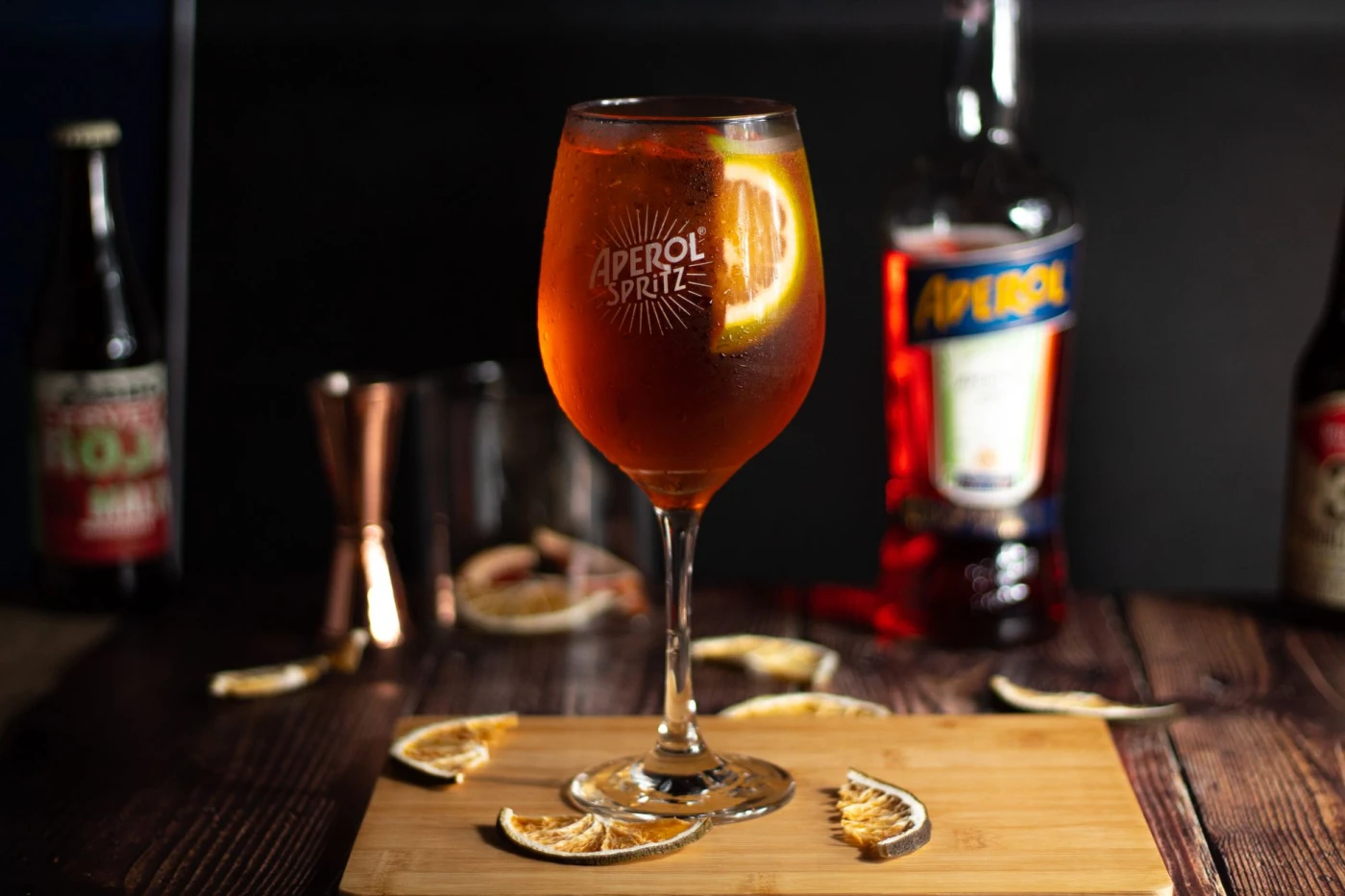
Aperol Spritz Pops: The Freezer Trick That Works
These bittersweet Aperol Spritz Pops capture the flavour of a summer spritz in a properly freezable adult ice pop.
Aperol Spritz Pops turn the familiar bittersweet aperitivo into a cold, bright treat built for patios, picnics and long summer evenings. But here’s the thing: pouring a regular spritz into an ice-pop mould does not work. Too much alcohol means it stays slushy.
This recipe adjusts the proportions without losing the orange, herb and dry-wine character that makes the drink so appealing. You will get eight properly freezable pops, measurements for US and UK kitchens, and practical ways to control sweetness. If you are building your repertoire beyond frozen drinks, our guide to classic cocktails every home bartender should know is a useful next stop. For now, clear a flat freezer shelf. These are easily one of the best make-ahead drinks for a hot afternoon.
What Are Aperol Spritz Pops?
Aperol Spritz Pops are frozen, adult-only ice pops modelled on an Aperol Spritz. The liquid version usually brings together Aperol, Prosecco and soda water, often with an orange garnish. The frozen interpretation keeps that flavour map but changes the ratio so a normal household freezer can turn the mixture solid.
Aperol itself was introduced in Padua, Italy, in 1919 by the Barbieri brothers. Its exact botanical formula remains proprietary, but its recognisable profile combines sweet orange, herbal notes and a gently bitter finish. Standard bottles commonly display 11% ABV, or 22 proof in the US; check yours because labels and market formulations can change.
The broader spritz evolved from northern Italian wine-and-water drinking customs. The now-familiar Aperol version became an internationally popular aperitivo, particularly as drinkers embraced lighter, longer serves. If that is your style, explore our low-alcohol cocktail recipes after making this batch.
Who invented the frozen version? There is no well-documented single creator, so claims of one definitive origin deserve caution. Boozy ice pops are a modern entertaining format, and Aperol Spritz Pops are best understood as a practical adaptation rather than a historic Italian classic.
They also drink differently. Cold suppresses aroma, sweetness and bitterness, while freezing removes the lively texture of most carbonation. The result should taste recognisably spritz-like—citrusy, wine-led and pleasantly bitter—but not exactly like the sparkling drink in your glass. That distinction matters. Good frozen recipes embrace it instead of pretending the freezer changes nothing.
Aperol Spritz Pops Ingredients You Need
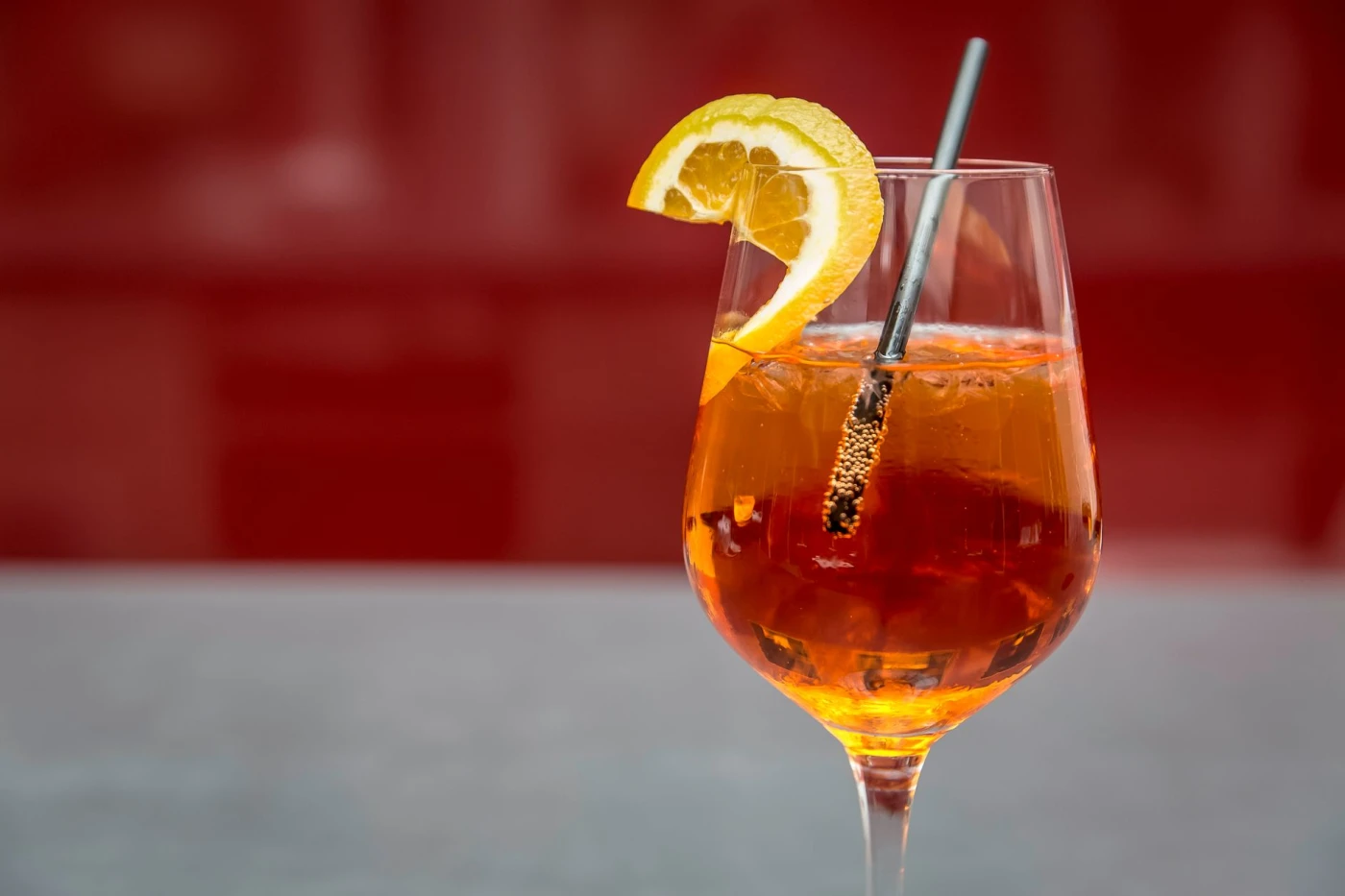
This freezer-tested balance makes eight pops of approximately 3 oz (90 ml) each. Use moulds with at least 24 oz (710 ml) total capacity. A little variation is harmless, but increasing the alcohol is not.
- 4 oz (120 ml) Aperol, preferably the original 11% ABV bottling
- 6 oz (180 ml) dry Prosecco, chilled to 38–42°F (3–6°C)
- 8 oz (240 ml) chilled soda water
- 4 oz (120 ml) fresh orange juice, finely strained
- 2 oz (60 ml) 1:1 simple syrup, cooled
- 8 thin orange half-moons, optional and cut smaller than the mould opening
Original Aperol is the best choice because it supplies the reference flavour. A 750 ml bottle is often around $25–$30 in the US, while a 700 ml bottle may sit near £16–£20 in the UK before promotions; local prices vary. I would skip expensive substitutes unless you already love their flavour. Once frozen, subtle botanical differences become harder to detect.
Choose a dry, uncomplicated Prosecco around 11% ABV. Mionetto Brut, La Marca and Bisol Jeio Brut are sensible examples, commonly falling near $12–$20 or £9–£16 depending on retailer and market. Save vintage Champagne for the glass. Freezing mutes the detail you paid for.
Fresh orange juice delivers acidity and aroma, while syrup restores sweetness that cold temperatures conceal. Bottled juice works, but avoid pulpy varieties that create brittle pockets. Soda provides essential dilution; its bubbles are secondary. Want a quicker liquid drink while the moulds freeze? Try one of these fast vodka cocktails.
How to Make Aperol Spritz Pops Step by Step
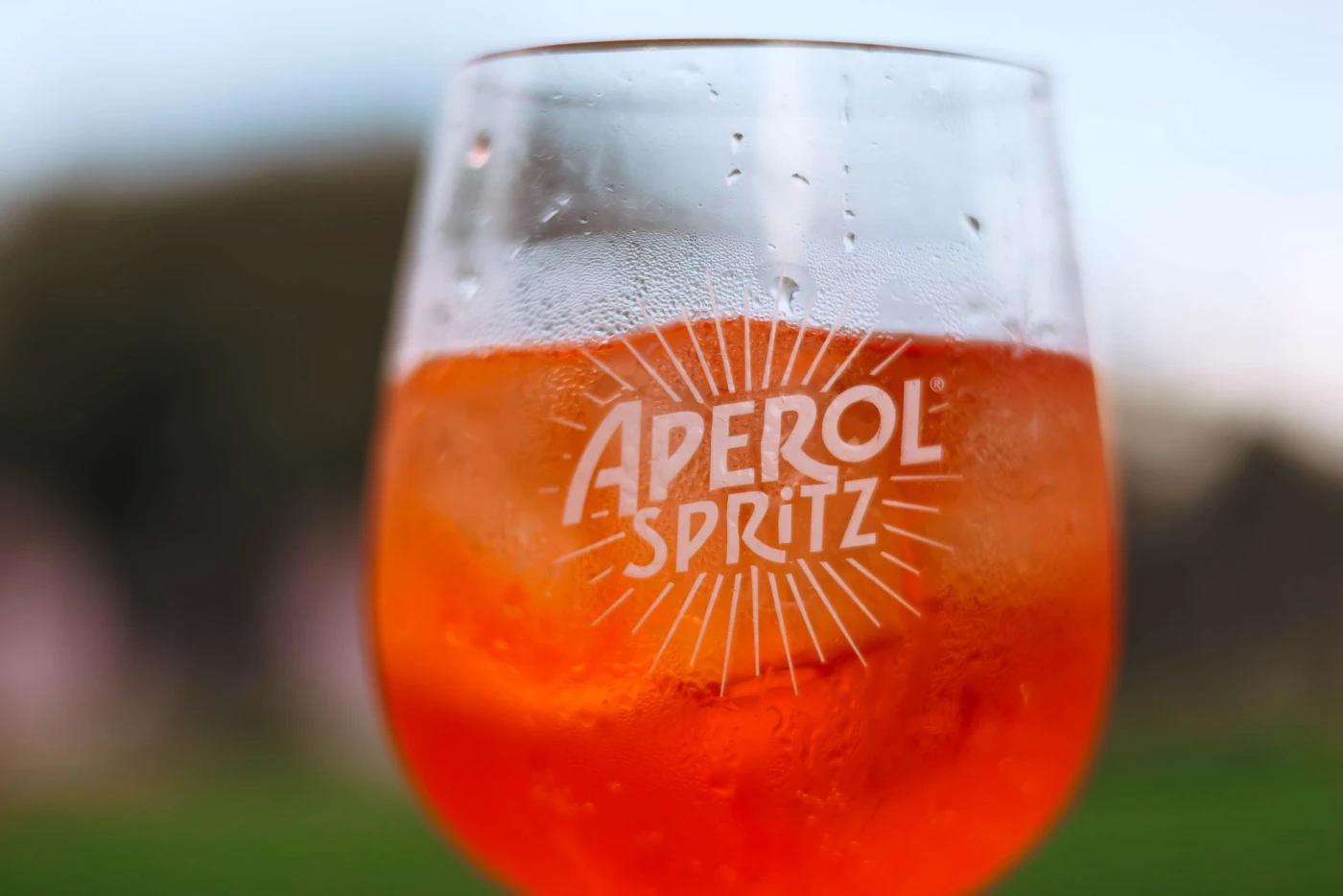
Start with cold ingredients and a freezer set to 0°F (-18°C) or colder. After testing warm and chilled batches, I found the chilled mixture froze more evenly and reached serving firmness sooner.
- Check the moulds. Set eight 3 oz (90 ml) cavities on a rigid tray. Make sure the tray fits level in your freezer before filling anything.
- Build the still base. In a 32 oz (1 litre) measuring jug, stir together 4 oz (120 ml) Aperol, 4 oz (120 ml) strained orange juice and 2 oz (60 ml) cooled simple syrup.
- Add the wine. Pour in 6 oz (180 ml) chilled Prosecco down the side of the jug. Stir once or twice, gently. Vigorous whisking wastes aroma and creates foam.
- Dilute carefully. Add 8 oz (240 ml) cold soda water. Fold slowly with a bar spoon until the colour is uniform.
- Fill the moulds. Divide the mixture evenly, leaving about 1/4 inch (6 mm) of headspace. Add one small orange half-moon to each cavity if desired.
- Insert sticks. Fit the mould lid and position the sticks centrally. If your mould has no support, freeze for 60–90 minutes before inserting wooden sticks.
- Freeze. Leave undisturbed for 8–12 hours. Overnight is safer.
- Release and serve. Run the outside under cool-to-lukewarm water for 5–10 seconds, then pull gently. Never use hot water; it melts the surface.
Serve immediately on a chilled plate or in glasses that catch drips. For another outdoor-friendly option, see our portable picnic drinks.
Pro Tips for Better Aperol Spritz Pops
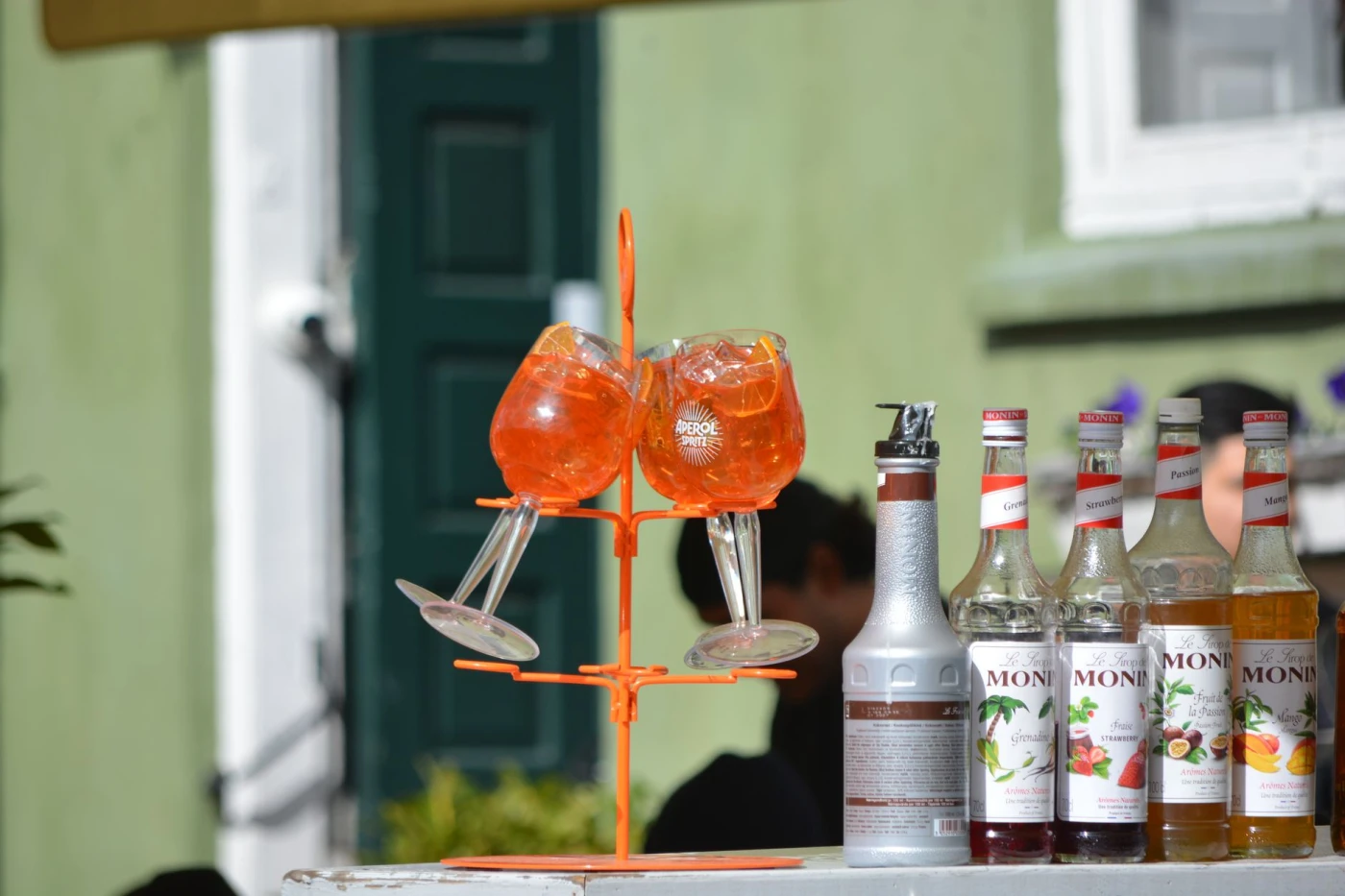
Respect the dilution. Here’s the thing: alcohol lowers the freezing point. With 4 oz (120 ml) Aperol and 6 oz (180 ml) Prosecco, this 24 oz (710 ml) batch is approximately 4.6% ABV when both bottles are 11% ABV. That is enough flavour without turning your mould into a tray of orange slush.
In my experience, the best texture comes from a genuinely cold freezer, not simply a longer wait. Check it with an appliance thermometer. A freezer hovering around 10°F (-12°C) may produce soft centres even after a full day, while 0°F (-18°C) gives much more dependable results.
Taste the mixture at room-on-tongue temperature. Before filling, spoon out a little and let it sit for 20 seconds. It should seem slightly sweeter and more aromatic than your ideal drink because freezing will mute both qualities. If your oranges are very sweet, reduce the syrup by 1/2 oz (15 ml). If they are aggressively tart, keep the full amount.
After testing pulpy and strained juice, I strongly prefer fine-strained juice. Pulp settles around the tip, interrupts the smooth ice and can make the pop break during release. A tea strainer handles the job.
Use garnish sparingly. Paper-thin orange slices look beautiful, but thick peel becomes tough when frozen. Keep pieces small, remove seeds and avoid packing fruit around the stick. For a polished finish, briefly press a released pop into finely grated orange zest just before serving.
Finally, open the Prosecco right before mixing. Most carbonation will not survive freezing, yet fresh wine still provides brighter aroma than yesterday’s flat remainder. This is a simple recipe, much like our broader collection of five-minute vodka drinks, but temperature and measurement make the difference.
Five Aperol Spritz Pops Variations
Keep each variation at the same 24 oz (710 ml) batch volume. That protects the texture. These swaps are deliberately modest, so you can change the personality without accidentally doubling the alcohol.
Grapefruit and Rosemary
- 4 oz (120 ml) Aperol
- 6 oz (180 ml) dry Prosecco
- 8 oz (240 ml) soda water
- 4 oz (120 ml) pink grapefruit juice
- 2 oz (60 ml) rosemary simple syrup
This version is sharper and more aromatic. Steep one small rosemary sprig in warm syrup for ten minutes, then remove it; longer infusions can taste medicinal.
Blood Orange
- 4 oz (120 ml) Aperol
- 6 oz (180 ml) Prosecco
- 8 oz (240 ml) soda water
- 4 oz (120 ml) blood orange juice
- 2 oz (60 ml) simple syrup
This is easily one of the best-looking options for late winter, when blood oranges are in season.
Strawberry Spritz
- 4 oz (120 ml) Aperol
- 6 oz (180 ml) Prosecco
- 8 oz (240 ml) soda water
- 4 oz (120 ml) fine-strained strawberry purée
- 2 oz (60 ml) lemon syrup
Strain thoroughly. Seeds are charming in jam, not in a smooth pop.
Lower-Alcohol Citrus
- 3 oz (90 ml) Aperol
- 6 oz (180 ml) 0.0% sparkling wine
- 9 oz (270 ml) soda water
- 4 oz (120 ml) orange juice
- 2 oz (60 ml) syrup
You keep Aperol’s character while making a lighter batch.
Cranberry-Orange
- 4 oz (120 ml) Aperol
- 6 oz (180 ml) Prosecco
- 8 oz (240 ml) soda water
- 3 oz (90 ml) cranberry juice
- 1 oz (30 ml) orange juice
- 2 oz (60 ml) syrup
It has a holiday-friendly colour and a tart edge reminiscent of a Madras cocktail.
Common Aperol Spritz Pops Mistakes
Adding a “generous” pour is the biggest failure. Let’s be honest: free-pouring feels festive. In a frozen recipe, however, an extra 2 oz (60 ml) of Aperol can be the difference between a stable pop and a spoonable granita. Measure both alcoholic ingredients with a jigger or marked cup.
Copying the classic spritz ratio also causes trouble. A drink balanced for ice in a glass contains too much alcohol and too little still liquid for dependable freezing. Aperol Spritz Pops require a purpose-built formula. The extra soda and juice are structural ingredients, not filler.
Using sweet Prosecco makes the result cloying. Select Brut rather than a noticeably sweeter sparkling wine. Sugar also softens frozen mixtures, so combining sweet wine, packaged orange drink and heavy syrup can leave you with a sticky texture. Fresh juice gives you more control.
Do not blend the carbonation. A blender knocks the Prosecco and soda flat, produces foam and aerates the juice. Gentle stirring is enough. The finished pop will not be fizzy, but preserving aroma during mixing still improves its flavour.
Oversized fruit is another trap. Thick orange wedges freeze hard, block the stick and create weak points. Use paper-thin half-moons or omit fruit from the mould and garnish at service.
Finally, do not rush release. Twisting a rock-hard mould can snap the pop at its narrowest point. Warm only the exterior for a few seconds, pull vertically and return stubborn moulds to the freezer for 15 minutes. In my experience, silicone cavities release more predictably than rigid novelty shapes. Precision matters here just as it does when learning beginner-friendly whiskey cocktails: understand the structure, then improvise.
How to Troubleshoot Soft or Icy Aperol Pops
If your Aperol Spritz Pops have been in the freezer overnight but still bend or collapse, check the freezer temperature before changing the recipe. The display on the door is not always an accurate reading of the shelf where the mould sits. Place an appliance thermometer beside the pops for several hours. If it reads warmer than 0°F (-18°C), move the tray towards the back, away from the door and any automatic defrost vents. Repeatedly opening the freezer during a party can also delay setting.
Next, confirm the measurements and bottle strengths. A larger pour of Prosecco, an especially strong sparkling wine or an alternative aperitif with a higher ABV raises the alcohol concentration. You can rescue an unfrozen 24 oz (710 ml) batch by returning it to a jug and stirring in 2–4 oz (60–120 ml) of cold soda water or strained orange juice. Refill the moulds and freeze again. The flavour will be slightly lighter, but the texture should improve. Never try to correct a soft batch by adding more syrup because both alcohol and dissolved sugar depress the freezing point.
A pop that freezes firmly but feels coarse or excessively icy usually has the opposite problem: too much watery dilution or too little sugar. Check whether you omitted the simple syrup or replaced the orange juice with additional soda. For the next batch, restore the stated 2 oz (60 ml) of 1:1 syrup. Do not pour syrup over already frozen pops; it creates a sticky coating instead of repairing the internal texture.
Separation is another possible issue. Orange pulp can sink while foam and fruit solids collect near the top, leaving layers with different strengths. Fine-strain the juice and stir the complete mixture gently immediately before filling each cavity. If filling takes several minutes, give the jug one more slow stir halfway through. Avoid vigorous mixing, which introduces air without creating lasting carbonation.
If the sticks pull out while the pops remain in the mould, they were probably inserted too early into an unsupported liquid or not deeply enough. Moulds with fitted lids prevent this. With open moulds, partially freeze the mixture until slushy, insert each stick at least halfway into the cavity and then continue freezing overnight. A wooden stick generally grips the ice more reliably than a very smooth reusable plastic one.
Finally, distinguish a failed freeze from the naturally tender texture of a boozy popsicle. These pops will not be as hard as plain water ice. A successful batch should hold its shape, release intact and remain comfortable to bite, although its edges will soften within minutes at room temperature. Serve straight from the freezer and release only the number you expect guests to eat immediately.
Pairings and Occasions for Frozen Spritz Pops
Aperol Spritz Pops shine before dinner, when their bittersweet citrus profile can wake up your palate without competing with a rich dessert. Think Memorial Day cookouts, Wimbledon watch parties, rooftop gatherings, hen weekends and relaxed August garden lunches. They are playful. That is the point.
Pair them with salty, fatty or gently spicy food. Prosciutto, green olives, Marcona almonds and Parmesan shards echo the aperitivo tradition. In Britain, try them beside good ready-salted crisps, smoked almonds or miniature sausage rolls. In the US, they work beautifully after grilled shrimp, fish tacos or a tomato-and-mozzarella skewer.
Want something more substantial? Serve one after a burger with sharp Cheddar or alongside a fennel-and-orange salad. The bitterness cuts through fat, while the citrus connects naturally with herbs and fresh vegetables. I would skip very sweet barbecue sauces; they can make the pop taste thin and unusually bitter.
For presentation, place each pop in a small chilled wine glass or stemless tumbler. Add a folded napkin underneath and serve within two minutes of leaving the freezer. Outdoors at 80°F (27°C), the edges soften fast. A tray nested over ice buys you a little time, but it is not long-term storage.
If you are offering several drinks, follow a frozen pop with cold soda, tonic or water rather than another strong cocktail. You could also provide one batched spritz, an alcohol-free option and a familiar choice from our guide to memorable 1990s drinks. Label the pops clearly as alcoholic. Their bright colour and ice-lolly shape can otherwise be misleading, especially at mixed-age events.
Aperol Spritz Pops Quick Reference Cheat Sheet
Use this table while you shop, mix and freeze. The quantities make eight approximately 3 oz (90 ml) Aperol Spritz Pops. Measurements are rounded for practical home use, so use one system consistently rather than switching halfway through.
| Item | US measurement | UK/metric measurement | Purpose |
|---|---|---|---|
| Aperol | 4 oz | 120 ml | Bittersweet orange base |
| Dry Prosecco | 6 oz | 180 ml | Wine flavour and acidity |
| Soda water | 8 oz | 240 ml | Freezer-friendly dilution |
| Fresh orange juice | 4 oz | 120 ml | Citrus body and aroma |
| Simple syrup | 2 oz | 60 ml | Balances bitterness when frozen |
| Total batch | 24 oz | 710 ml approximately | Eight pops |
| Freezer temperature | 0°F or colder | -18°C or colder | Reliable setting |
| Freeze time | 8–12 hours | 8–12 hours | Overnight recommended |
At the stated bottle strengths, the liquid mixture is approximately 4.6% ABV. Each pop contains about 0.23 of a US standard drink or roughly 0.4 UK units. These are calculated estimates, not laboratory results; bottle strength, yield and portion size can differ. The US Alcohol and Tobacco Tax and Trade Bureau provides information on American alcohol labelling, while NIAAA and Drinkaware publish US and UK guidance respectively.
For responsible drinking, count portions rather than assuming a frozen treat is alcohol-free, keep the batch away from children and never serve it to someone who will drive. Store finished pops covered for up to two weeks, although the orange flavour is brightest within the first few days.
Ready to make Aperol Spritz Pops part of a better-equipped drinks station? Download the free home bar starter checklist, chill your ingredients and give the moulds a level shelf overnight.
Ask AI about this article
Pick a prompt, copy it, or open ChatGPT with this article preloaded.
Frequently Asked Questions
What are Aperol Spritz Pops?
Aperol Spritz Pops are frozen adult treats inspired by the Italian aperitivo. They combine Aperol's orange-herbal bitterness with dry Prosecco, soda water and citrus in a diluted mixture that can freeze in a domestic freezer. They taste like a softer, colder spritz rather than a sugary orange lolly, although freezing n.
How do you make Aperol Spritz Pops freeze properly?
Keep the complete mixture near 4.6% ABV, use cold ingredients and freeze it at 0°F (-18°C) or below for eight to twelve hours. This recipe balances 4 oz (120 ml) Aperol and 6 oz (180 ml) Prosecco with non-alcoholic ingredients. Adding extra liquor may produce soft, icy slush because ethanol freezes far below the temper.
What is the best Aperol for Aperol Spritz Pops?
Use standard original Aperol, normally labelled 11% ABV or 22 proof, and check your bottle because formulations can vary by market. There is no premium tier required for freezing. A fresh bottle stored away from heat gives the most recognisable orange and herbal profile. Other red-orange aperitifs can work, but their b.
How strong are Aperol Spritz Pops?
Using 11% ABV Aperol and 11% ABV Prosecco, the unfrozen batch is approximately 4.6% ABV before allowing for measurement and label variation. Each of eight pops contains roughly 0.14 US fl oz (4 ml) of pure alcohol—about 0.23 US standard drinks or 0.4 UK units. Treat every pop as alcoholic, even though its cold, sweet f.
How long do boozy Aperol popsicles take to freeze?
Allow at least eight hours in a freezer holding 0°F (-18°C), although overnight—roughly twelve hours—is more reliable. Small silicone moulds generally set faster than thick plastic ones. Freezer temperature, mould size, sugar concentration and ingredient ABV all affect the result. A correctly balanced pop may remain sl.
How far ahead can I prepare Aperol Spritz Pops?
Prepare them one or two days before your event for the best citrus character. Once completely frozen, cover the mould or wrap individual pops and keep them for up to two weeks. Longer storage is possible, but uncovered pops can collect freezer odours and develop coarse ice crystals. Keep them frozen until serving becau.
Comments 0
Login to Post comments