
How to Make a Brandy Alexander That Stays Silky
Learn how to make a silky Brandy Alexander with balanced proportions, proper shaking technique, fresh cream and aromatic nutmeg.
Learning how to make a Brandy Alexander is less about collecting ingredients and more about controlling balance, temperature and texture. The classic combination—brandy, crème de cacao and cream—sounds almost too simple. Yet a weak shake produces a warm, heavy drink, while excess chocolate buries the brandy's fruit.
This guide gives you exact US and UK measurements, a reliable shaking method and realistic bottle choices. You will also learn why fresh nutmeg matters, how strong the finished cocktail is and how to adapt it without losing its identity. If you are building your repertoire, place it beside these classic cocktails every home bartender should know. It is elegant enough for Christmas dinner, easy enough for Saturday night and far more nuanced than its dessert-like reputation suggests.
What Is a Brandy Alexander—and Where Did It Begin?
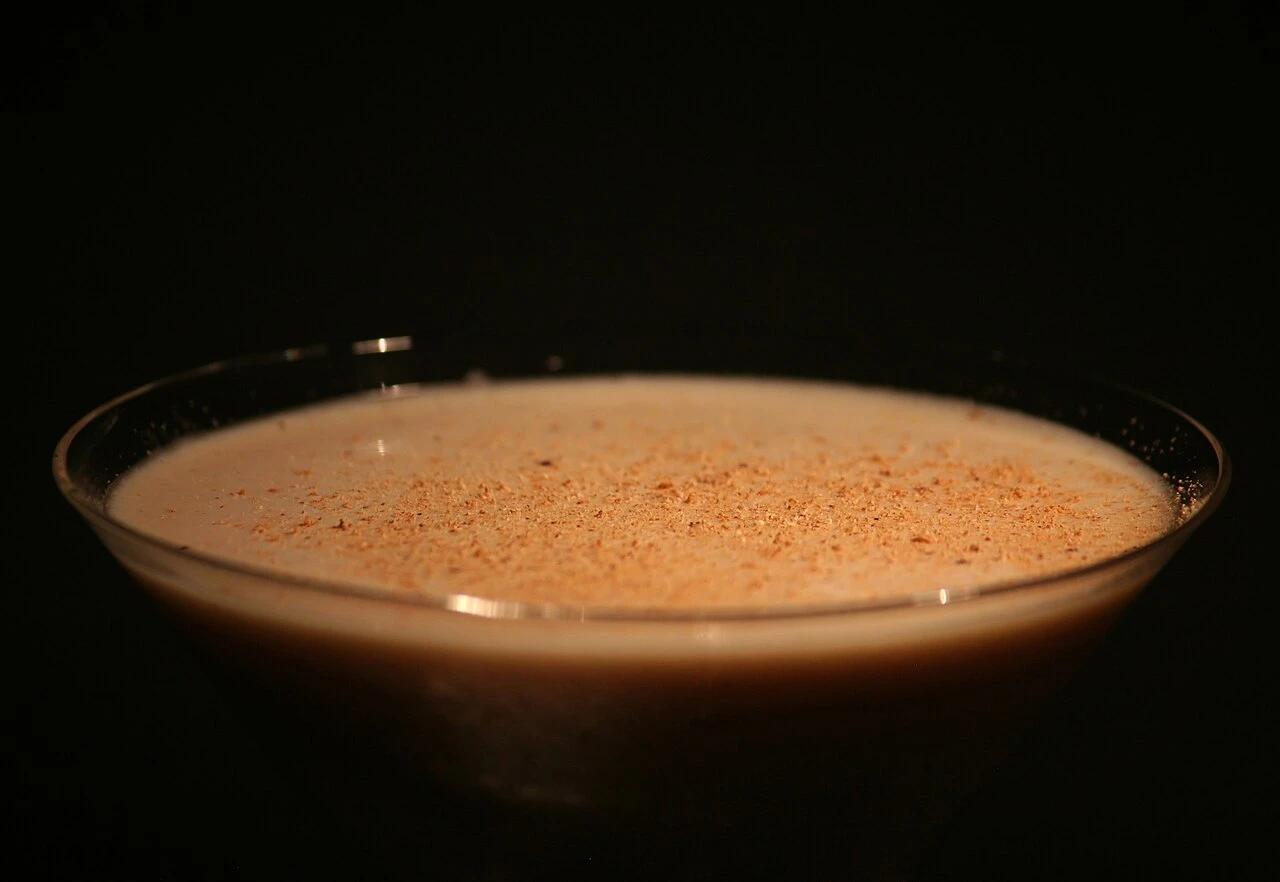
A Brandy Alexander is a shaken after-dinner cocktail made with brandy, crème de cacao and cream, then dusted with nutmeg. It is cold, silky and gently chocolatey rather than syrupy. The brandy should remain identifiable beneath the cocoa and dairy.
The drink belongs to the Alexander family. Early printed Alexanders generally used gin, crème de cacao and cream. The precise moment when brandy replaced gin is difficult to pin down, so confident stories naming one inventor should be treated cautiously. The brandy version became the better-known formula during the twentieth century, particularly as creamy cocktails gained popularity in restaurants and hotel bars.
Why did it endure when many sweet retro drinks disappeared? Contrast. At roughly 16–18% ABV after dilution, a properly made Brandy Alexander has enough structure to avoid tasting like melted ice cream. Brandy contributes grape, dried-fruit and oak notes; cacao adds bittersweet depth; cream joins them while softening the alcohol.
Here’s the thing: this is not simply a chocolate cocktail with a splash of spirit. Change the base and you change the drink. Gin creates the original-style Alexander, while brandy produces a rounder, warmer flavour that suits winter evenings and formal dinners.
This is easily one of the best introductions to spirit-forward dessert cocktails because the equal-parts template is memorable. It also offers an interesting next step after approachable drinks such as these whiskey cocktails for beginners. You still taste the base spirit, but cream makes the first sip unusually forgiving.
Ingredients Needed to Make a Brandy Alexander
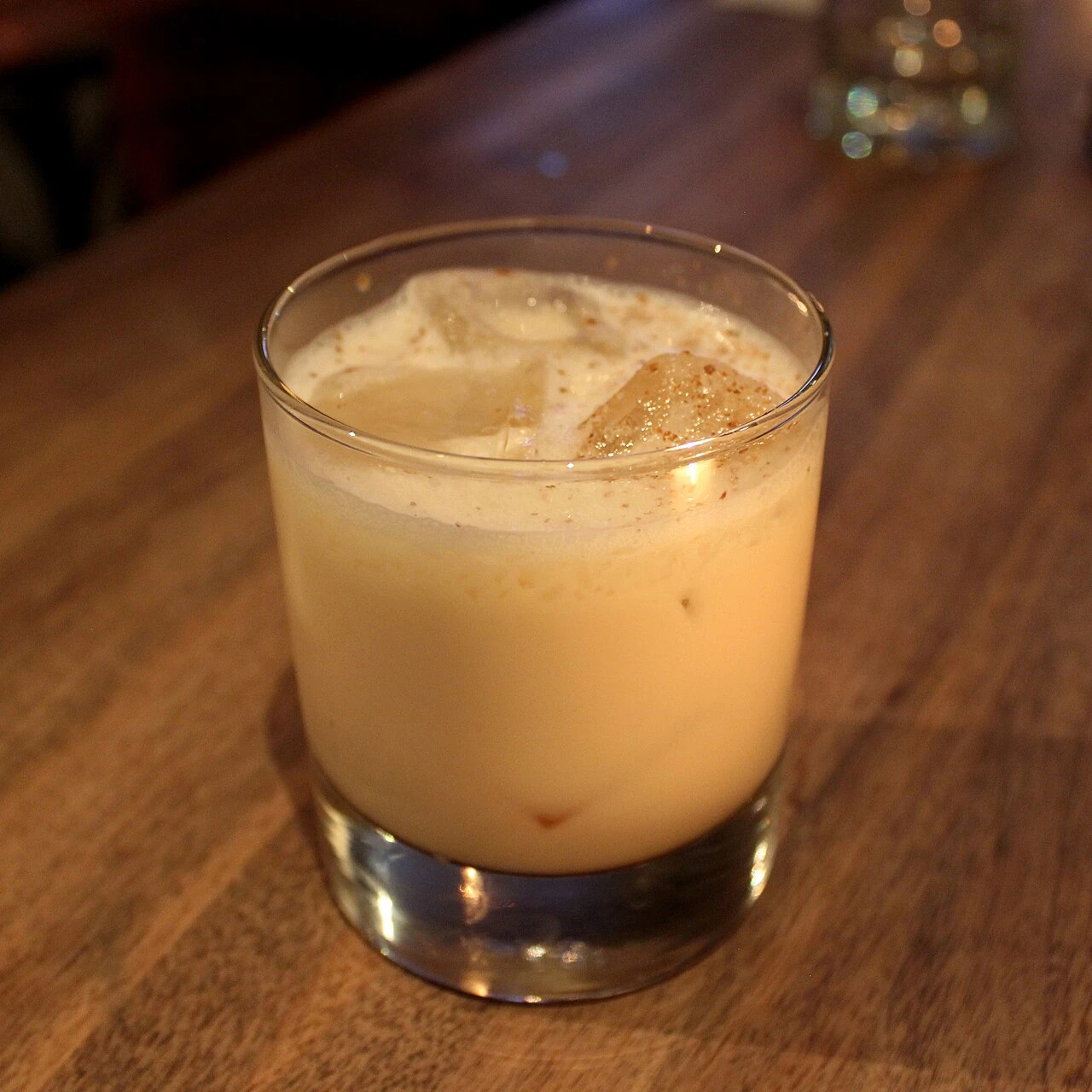
The dependable starting ratio is equal parts. It creates enough brandy character, restrained sweetness and a plush texture without turning the drink into pudding. Measure accurately; a seemingly harmless extra half-ounce of liqueur changes everything.
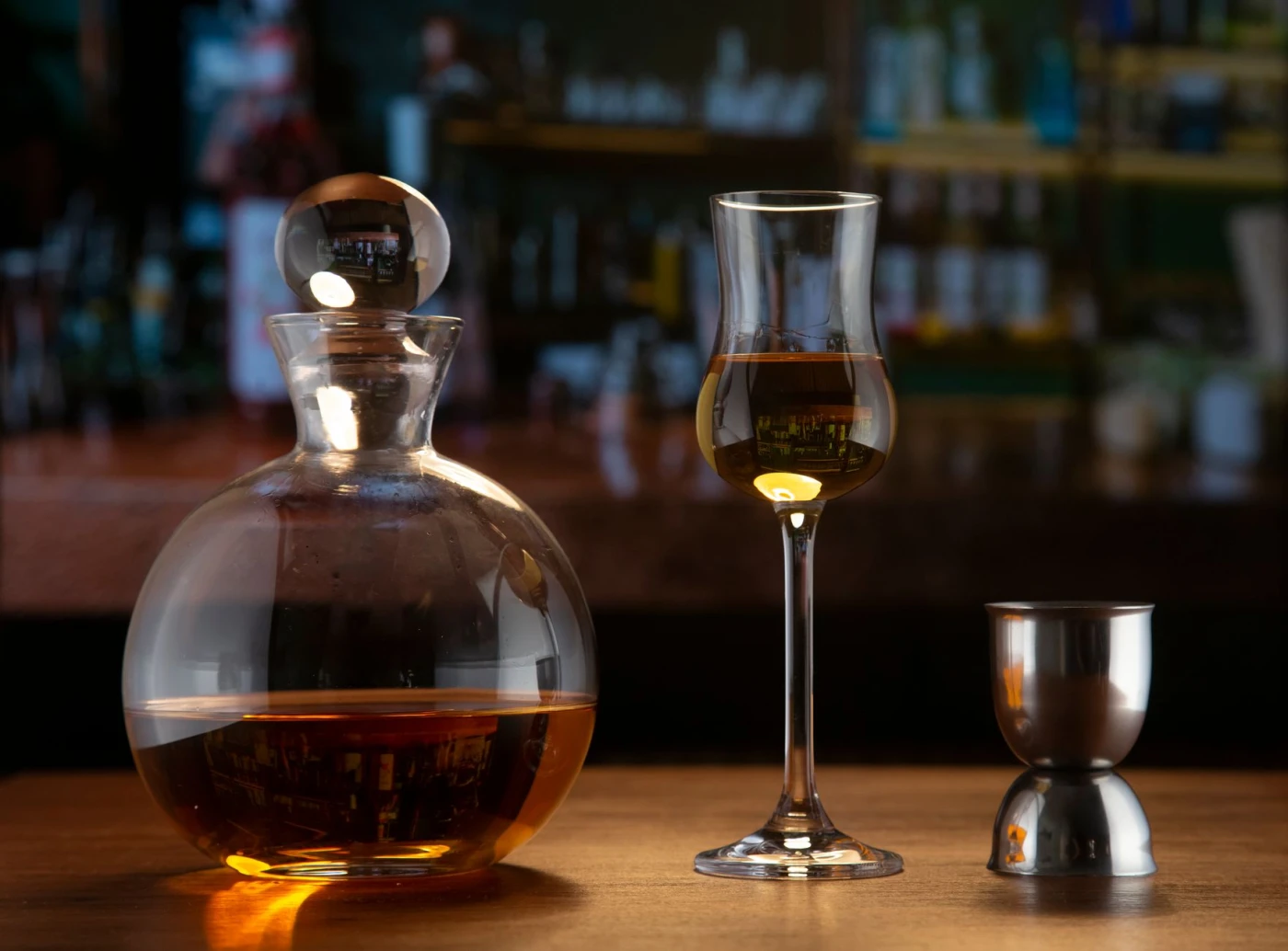
- 1 oz (30 ml) brandy: use a fruity VS, VSOP or equivalent at about 40% ABV (80 proof).
- 1 oz (30 ml) dark crème de cacao: typically around 20–25% ABV; check your label because strength and sweetness vary.
- 1 oz (30 ml) fresh heavy cream or double cream: heavy cream in the US or pourable double cream in the UK.
- Fresh whole nutmeg: grate a light veil over the finished drink.
- Ice: enough hard, fresh cubes to fill roughly two-thirds of your shaker.
For value, St-Rémy VSOP often lands around $15–$22 in the US or £18–£25 in the UK. E&J VS is another inexpensive US option. Courvoisier VS or Hennessy VS, commonly around $35–$50 or £30–£40 depending on retailer and bottle size, brings more Cognac character. Prices vary significantly by location and tax.
In my experience, a modest, fruit-led bottle beats a woody luxury brandy here. Cream masks delicate age, and cacao can exaggerate dry oak. I’d skip rare XO Cognac unless you specifically want to test it side by side.
Choose actual crème de cacao, not chocolate cream liqueur. Bols and Giffard are useful reference points, although availability differs between US and UK shops. Your cream should smell clean and remain fully liquid. If dairy has thickened, soured or absorbed onion aromas from the fridge, no amount of nutmeg will rescue the cocktail.
How to Make a Brandy Alexander Step by Step
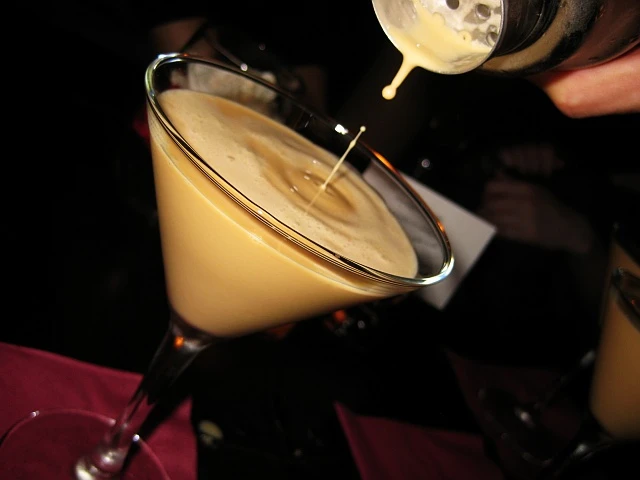
Once your ingredients are cold and measured, the method takes about three minutes. Use a cocktail shaker, jigger, Hawthorne strainer, fine strainer and chilled coupe. No coupe? A small Nick & Nora glass is ideal, while a martini glass works if you pour carefully.
- Chill the glass. Put the coupe in a freezer for 10 minutes, or fill it with ice and water while you mix. Aim for a glass temperature near 32–40°F (0–4°C).
- Measure the liquid ingredients. Pour 1 oz (30 ml) brandy, 1 oz (30 ml) dark crème de cacao and 1 oz (30 ml) fresh cream into the smaller shaker tin.
- Add ice. Fill the shaker about two-thirds full with firm cubes. Avoid wet ice that has been sitting in melted water.
- Shake hard. Seal the shaker and shake vigorously for 12–15 seconds. You want the tin painfully cold and lightly frosted. This chills, dilutes and aerates the cream.
- Fine-strain. Empty any chilling ice from the glass. Strain through both a Hawthorne strainer and fine mesh strainer to catch chips and create a smoother surface.
- Garnish and serve. Grate nutmeg over the centre from 4–6 inches (10–15 cm) above the glass. Serve immediately, before the drink warms or separates.
After testing short and long shakes, I find 12–15 seconds is the sweet spot with standard freezer ice. Eight seconds leaves the drink dense and warm; more than 20 seconds can make small cubes contribute excessive water. Your freezer and ice shape may require a slight adjustment.
Want to practise speed before serving guests? These quick vodka cocktails use similarly useful measuring and shaking habits.
Pro Tips for a Colder, Silkier Brandy Alexander
Start colder than seems necessary. Creamy drinks become cloying as they warm. Refrigerate the brandy and crème de cacao if convenient, chill the glass and use dry, solid ice. A serving temperature near 34–38°F (1–3°C) keeps the texture lively and the sweetness controlled.
Shake with intent. A gentle rocking motion will chill the drink, but it will not build the same light texture. In my experience, a forceful horizontal shake produces a better head of microfoam. Hold both ends of the shaker and keep the path short. Ten confident movements beat a theatrical dance.
Adjust for the cream. US heavy cream may contain around 36% milk fat, while UK double cream is often substantially richer. If your double cream makes the drink too dense, use 0.75 oz (22 ml) cream plus 0.25 oz (7.5 ml) whole milk. Do not use aerosol whipped cream inside the shaker.
Taste the liqueur first. Crème de cacao brands vary. If yours tastes extremely sweet, reduce it to 0.75 oz (22 ml) and retain 1 oz (30 ml) each of brandy and cream. The result is drier but still recognisably a Brandy Alexander.
Grate, do not sprinkle. Pre-ground nutmeg loses aroma quickly and can feel dusty. Freshly grated nutmeg releases warm, woody oils directly above the glass. Three or four passes across a microplane are plenty.
Finally, serve one drink at a time when possible. Doubling a recipe in a large shaker is manageable, but crowding it with three portions reduces movement and aeration. Let speed come from preparation, not shortcuts. The same principle improves many lower-alcohol cocktail recipes, where texture must compensate for lighter spirit structure.
Brandy Alexander Variations Worth Trying
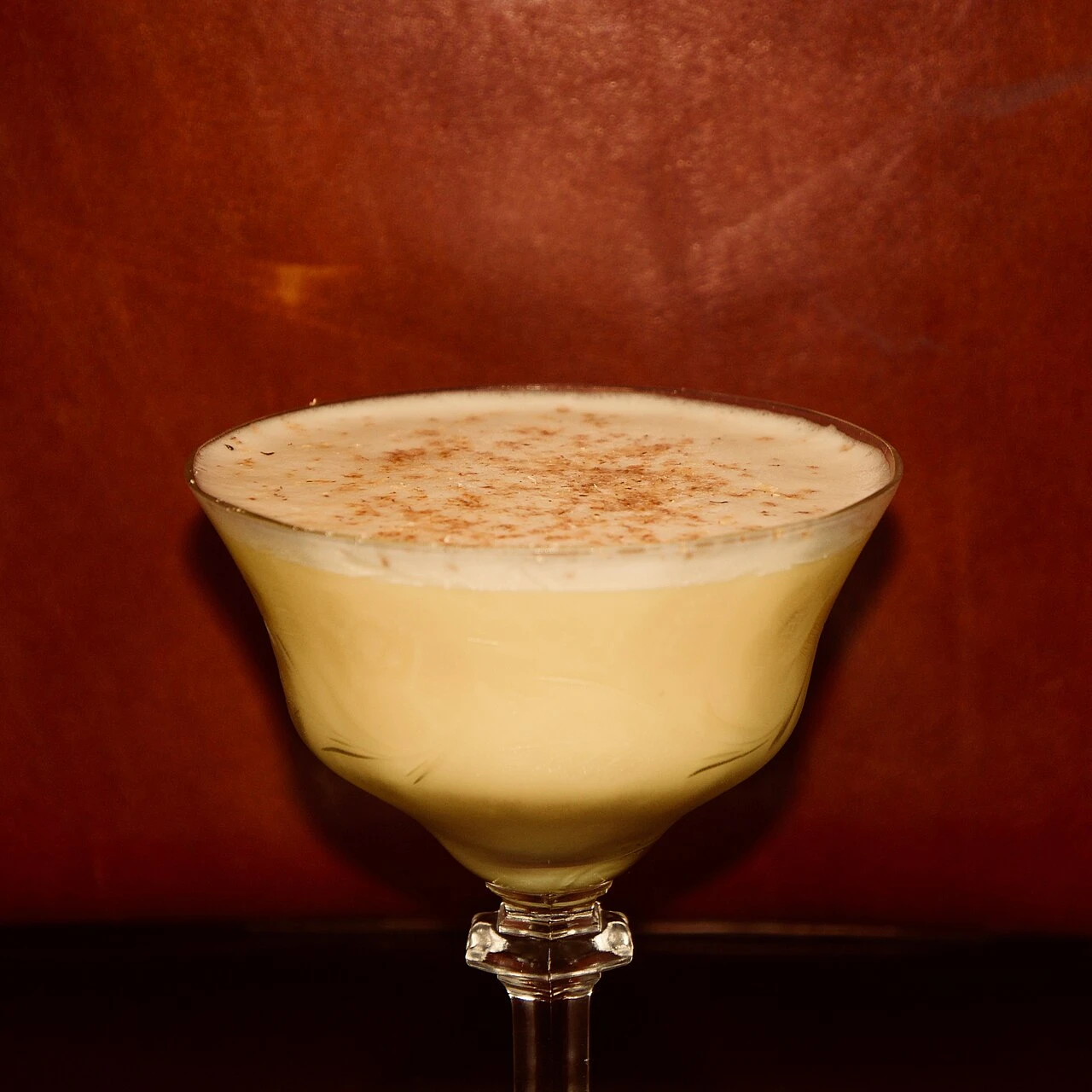
Variations work best when they preserve the original triangle: a strong base, cocoa flavour and creamy texture. Change one part at a time. That way, you can identify whether the new ingredient actually improves the drink.
Drier Cognac Alexander
- 1.25 oz (37.5 ml) Cognac
- 0.75 oz (22 ml) dark crème de cacao
- 1 oz (30 ml) heavy or double cream
This sharper version puts grape and oak first. Use a 40% ABV Cognac such as Courvoisier VS and garnish normally.
On-the-Rocks Alexander
- 1 oz (30 ml) brandy
- 1 oz (30 ml) dark crème de cacao
- 1 oz (30 ml) cream
- One large ice cube
Shake, then fine-strain into a chilled rocks glass over the cube. It opens gradually and suits a relaxed New Year’s Eve rather than a formal dessert course.
Dairy-Free Oat Alexander
- 1 oz (30 ml) brandy
- 1 oz (30 ml) crème de cacao
- 1 oz (30 ml) unsweetened barista oat cream
After testing several plant options, I prefer barista oat cream because it emulsifies without introducing coconut flavour. Check every product label if allergies are involved.
Coffee Alexander
- 1 oz (30 ml) brandy
- 0.75 oz (22 ml) dark crème de cacao
- 0.25 oz (7.5 ml) coffee liqueur
- 1 oz (30 ml) cream
The small coffee measure deepens the roasted character without turning the drink into another cocktail entirely. I’d skip adding espresso; its water and acidity can thin the finish.
Retro experimentation can be fun, but balance matters. For more historical inspiration, explore these memorable drinks from the 1990s.
Common Brandy Alexander Mistakes to Avoid
Free-pouring the crème de cacao is the most common mistake. Even an extra 0.5 oz (15 ml) can make the cocktail taste like chocolate sauce. Use a marked jigger and level it over the shaker, not over your glass or carpet.
Using too little ice creates a drink that is simultaneously warm and watery. Why? A handful of cubes melts rapidly because each cube must absorb more heat. Fill the shaker roughly two-thirds full so the mixture chills quickly and reaches controlled dilution.
Choosing old cream is not worth the risk. Fresh cream should pour evenly and smell neutral. Tiny flecks can also appear if acidic flavourings are added, which is why lemon juice and fruit purées do not belong in the standard recipe.
Under-shaking leaves the ingredients cold-ish but poorly integrated. The surface may look oily, and the first sip can taste different from the last. Shake hard for 12–15 seconds, then serve at once. Let’s be honest: a creamy cocktail sitting on a warm kitchen counter is on borrowed time.
Overinvesting in brandy rarely creates a proportionate improvement. A $20 bottle may perform nearly as well as a $100 bottle once cream and cacao enter the equation. Spend instead on fresh nutmeg, clean ice and a dependable fine strainer.
Adding an oversized garnish also hurts the experience. Chocolate syrup around the glass, whipped cream and a handful of grated chocolate make every sip heavier. A restrained dusting of nutmeg adds fragrance without altering the formula.
If you enjoy spotting these balance problems, compare the technique with the bright, juice-led Madras cocktail recipe. The ingredients differ, but accurate measuring remains the difference between refreshment and muddled sweetness.
Pairings, Glassware and the Best Occasions
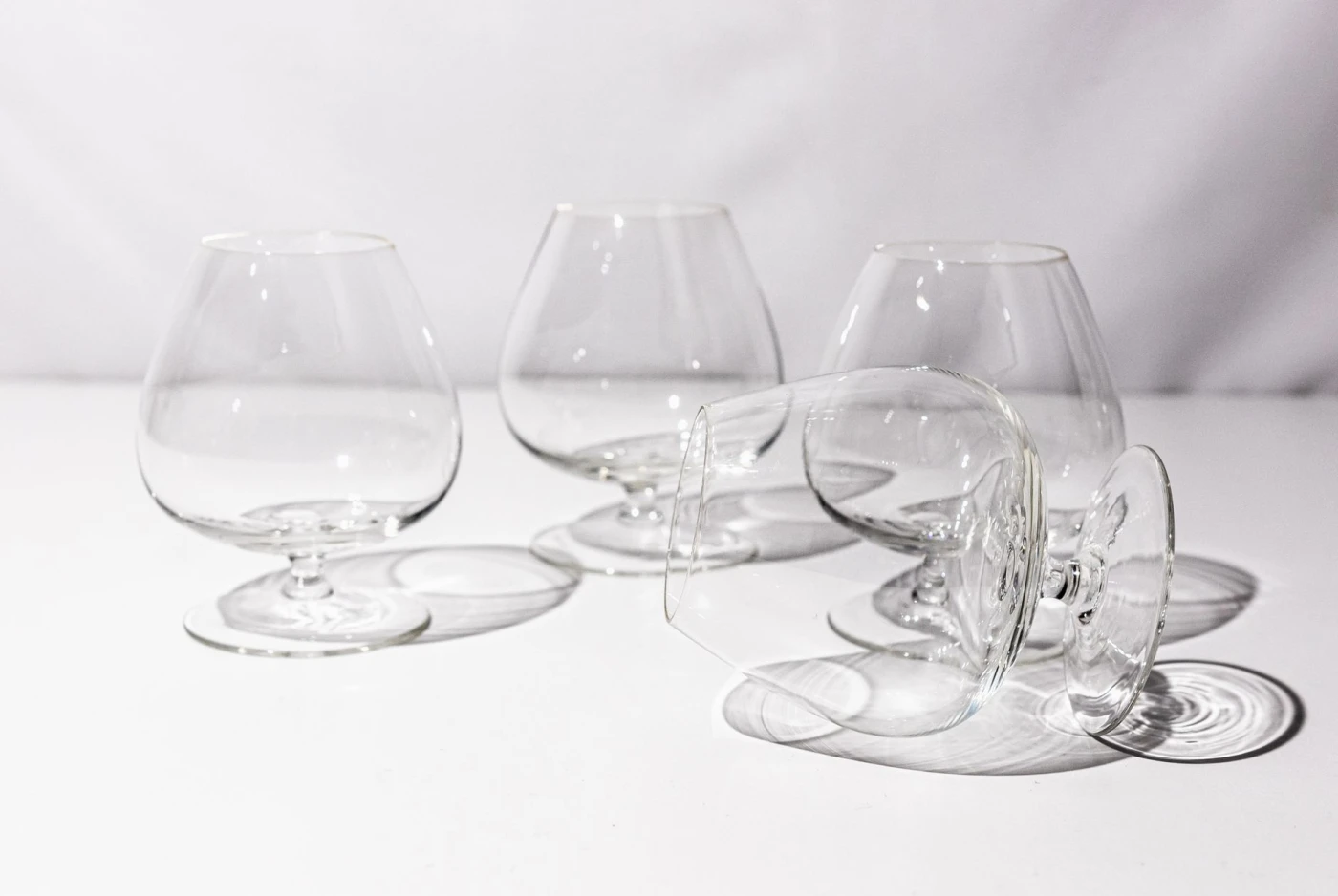
A chilled coupe is the traditional-feeling choice because its broad surface carries nutmeg aroma toward your nose. Choose a smaller 4–6 oz (120–180 ml) glass rather than a giant modern coupe; the standard recipe is only 3 oz (90 ml) before dilution. A Nick & Nora keeps the drink colder slightly longer and is easier to carry across a crowded room.
Treat the cocktail as a modest dessert or after-dinner serve. It pairs beautifully with shortbread, toasted hazelnuts, almond biscotti and lightly salted dark chocolate. The brandy's fruit also complements apple tart and bread pudding. Keep portions small: a rich cocktail beside a rich cheesecake can exhaust your palate after three bites.
For savoury contrast, try aged Cheddar, Comté or roasted pecans. Salt and nuttiness echo the garnish while cutting through the cream. Strong blue cheese can overpower the cocoa, and chilli-heavy food makes high-proof alcohol feel hotter. I’d skip both pairings.
Seasonally, the Brandy Alexander feels at home from late autumn through winter. Serve it after Thanksgiving dinner, at a Christmas gathering, on Burns Night after the main meal or as a quiet Valentine’s nightcap. Fresh nutmeg provides instant festive aroma without elaborate decoration.
It is less practical for outdoor summer entertaining because dairy must stay properly chilled. For a picnic, choose one of these portable make-ahead picnic drinks instead.
If guests want choices, offer coffee and sparkling water alongside the cocktail. Avoid preparing a full shaker hours in advance. You can pre-measure the two alcoholic ingredients and refrigerate them, but add cream and ice immediately before each shake for the cleanest texture.
How to Batch Brandy Alexanders for a Party
A Brandy Alexander is best shaken to order, but thoughtful preparation makes serving a group much easier. The key is to batch only the stable alcoholic ingredients. For six drinks, combine 6 oz (180 ml) brandy with 6 oz (180 ml) dark crème de cacao in a clean, sealable bottle. Label it clearly, refrigerate it and use it within the same day. Do not add ice, water, cream or nutmeg at this stage.
Before guests arrive, place six small coupes or Nick & Nora glasses in the refrigerator. Set out a jigger, shaker, strainers and whole nutmeg, then keep the cream in the coldest part of the fridge until needed. For each drink, measure 2 oz (60 ml) of the spirit mixture and 1 oz (30 ml) fresh cream into the shaker. Add plenty of hard ice, shake for 12–15 seconds and fine-strain into a chilled glass.
You can shake two servings together if your shaker has sufficient room. Use 4 oz (120 ml) of the spirit batch and 2 oz (60 ml) cream, then fill the shaker no more than about two-thirds full with ice. A crowded shaker prevents the contents from moving freely, so attempting three or four drinks at once often produces less aeration and uneven chilling. Two well-shaken cocktails are better than four lukewarm ones.
Keep food-safety considerations in mind whenever dairy is involved. Return the cream to the refrigerator between rounds rather than leaving the carton beside the bar. Use clean tools, discard cream that smells sour or has remained warm for an extended period and never pour unused cocktail mixture from a shaker back into the original cream container.
For a smoother service rhythm, ask guests whether they want the classic version, a drier version or a dairy-free option before you begin. Keep any oat cream in a separate labelled container and rinse the shaker thoroughly between dairy and non-dairy orders. This separation is especially important when serving someone with an allergy; a dairy-free ingredient does not prevent cross-contact in shared equipment.
Finally, grate nutmeg over every glass individually. Pre-garnishing saves little time and sacrifices much of the aroma that makes the drink memorable. With the glasses chilled, the spirits batched and the station organised, one bartender can comfortably serve six Brandy Alexanders without rushing the shake or compromising their silky texture.
How to Make a Brandy Alexander: Quick Cheat Sheet
Use this table when you need the recipe without the deeper explanation. The UK conversions are practical bar measures rather than mathematical oddities: 1 US fl oz is about 29.6 ml, rounded here to 30 ml. One batch fills a small coupe after normal ice dilution.
| Element | US measure | UK metric measure | What to do |
|---|---|---|---|
| Brandy | 1 oz | 30 ml | Choose fruity VS or VSOP, around 40% ABV |
| Dark crème de cacao | 1 oz | 30 ml | Reduce to 0.75 oz (22 ml) if unusually sweet |
| Fresh cream | 1 oz | 30 ml | Use heavy cream or pourable double cream |
| Shaking time | 12–15 seconds | 12–15 seconds | Shake hard with a two-thirds-full shaker |
| Serving temperature | 34–38°F | 1–3°C | Fine-strain into a pre-chilled coupe |
| Garnish | 3–4 grates | 3–4 grates | Use fresh whole nutmeg |
With a 40% ABV brandy and 20% ABV crème de cacao, the undiluted mixture is approximately 20% ABV. Normal shaking may lower the served drink to about 16–18% ABV, but that is an estimate rather than a laboratory measurement. Brand strength, ice temperature and dilution all change the result.
For US labelling context, consult the Alcohol and Tobacco Tax and Trade Bureau. Evidence-based alcohol information is available from the National Institute on Alcohol Abuse and Alcoholism and Drinkaware. For responsible drinking, remember that its sweet flavour can disguise its strength: measure the serve, pace yourself and never drive after drinking.
Now that you know how to make a Brandy Alexander, stock the few tools that make it consistently silky. Download the free home bar starter checklist, chill your coupe and make the first one exactly as written before experimenting.
Ask AI about this article
Pick a prompt, copy it, or open ChatGPT with this article preloaded.
Frequently Asked Questions
What is a Brandy Alexander made of?
A classic Brandy Alexander contains brandy, dark crème de cacao and fresh cream, usually in equal measures. For one drink, use 1 oz (30 ml) of each. Shake the ingredients with ice, fine-strain into a chilled coupe and finish with freshly grated nutmeg. Dark crème de cacao gives the cocktail its familiar cocoa colour, a.
What is the best brandy for a Brandy Alexander?
A fruity VS or VSOP brandy at about 40% ABV is the practical choice. St-Rémy VSOP offers good value, while Courvoisier VS and Hennessy VS make a richer Cognac-based version. You do not need an old or expensive bottle because cream and chocolate soften its finer details. Avoid strongly flavoured brandy liqueurs, which c.
Should a Brandy Alexander use dark or white crème de cacao?
Both work because their core flavour is cocoa, but they produce different appearances. Dark crème de cacao creates the traditional café-au-lait colour and often tastes slightly richer. White crème de cacao keeps the cocktail pale and can make the brandy's fruit more noticeable. This is mostly a style decision, so use w.
How strong is a Brandy Alexander?
With 1 oz (30 ml) each of 40% ABV brandy, 20% crème de cacao and cream, the mixture is about 20% ABV before shaking. Ice dilution commonly brings the served drink to roughly 16–18% ABV, although cube size and shaking time matter. That is stronger than its sweet, milkshake-like flavour suggests, so measure every pour ra.
Comments 0
Login to Post comments