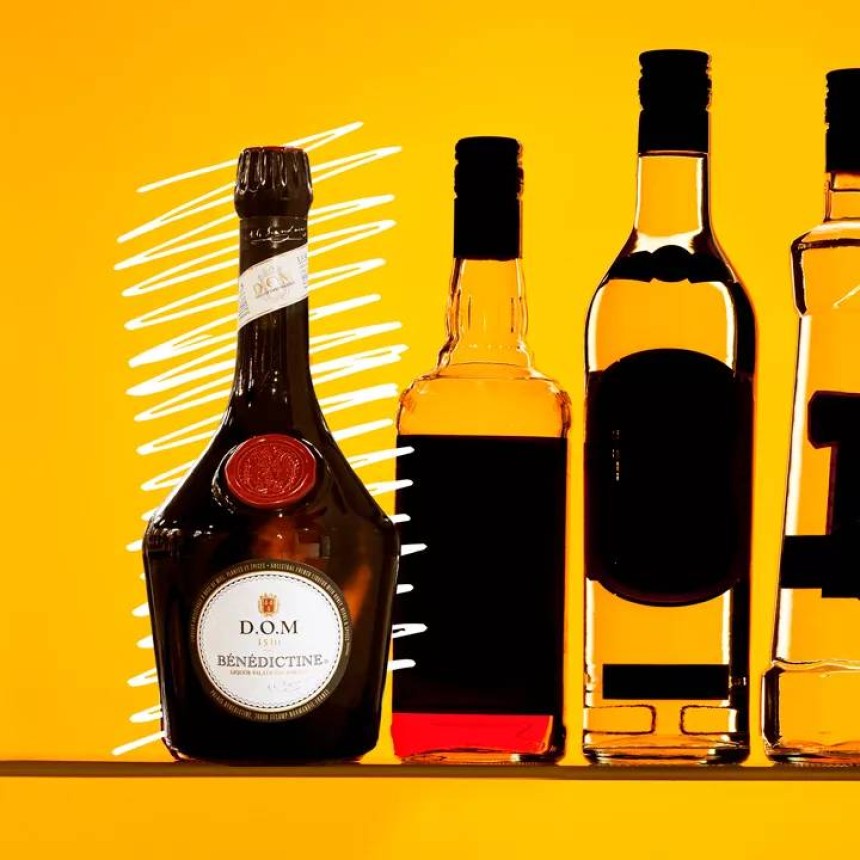

What the #$@! Do I Do with This? Benedictine: What It Is and How to Use It.
You purchased a spirit or liqueur because a very small amount was required in a cocktail recipe. You now have to decide what to do with the nine and a tenths of the bottle that rem.
Unraveling the Mystique of Benedictine Liqueur
A Historical Overview of Benedictine
Benedictine liqueur has a fascinating backstory that, while not entirely rooted in fact, captures the imagination of spirits enthusiasts. In contrast to Chartreuse, which has been made by monks since 1764, Benedictine's history dates back to Alexandre Le Grand, a wine merchant. Le Grand worked with a chemist to create the liqueur's special recipe in the late 19th century, and he then concocted a romantic story that implied the recipe was an old secret from the Abbey of Fécamp in Normandy, lost in the ashes of the French Revolution. This poetic tale added an air of mystery and allure to the spirit.
The Secret Recipe
While the legend surrounding Benedictine is captivating, what is verifiable is that its recipe remains one of the most closely guarded secrets in the spirits industry. The liqueur is crafted from a blend of 27 herbs and spices, including notable ingredients like saffron, cinnamon, fir cones, and juniper. However, six of these ingredients are still unknown, heightening the intrigue surrounding this complex spirit.
The process of making the cognac-based liqueur includes a number of distillation and blending macerations, which are then aged and finished with honey. This meticulous process contributes to Benedictine's delightful complexity and pleasant sweetness, making it a versatile addition to various cocktails.
Tasting Notes and Cocktail Applications
Benedictine is celebrated for its rich, aromatic profile. Jason Sorbet, the beverage director at The Chloe in New Orleans, describes it as "floral and herbaceous," with notes of baking spices, honey, and a hint of orange peel. The liqueur boasts a silky, velvety texture that can add depth to cocktails that may otherwise lack weight.
Recommended Cocktails
Benedictine pairs beautifully with whiskey, enhancing vanilla, cinnamon, and maple notes. Sorbet enjoys using it in classic cocktails like the rye-based A La Louisiane and the bourbon-forward Abbey Toddy. Surprisingly, this liqueur also complements the baked agave and citrus flavors found in tequila and mezcal, enriching the tones of honey, lemon balm, and angelica root.
For those new to Benedictine's intense sweetness, moderation is key; a barspoon can elevate cocktails without overpowering them. Sorbet suggests trying it as an aperitif topped with tonic water and garnished with a lemon twist.
Zyren Mae Posadas, senior food and beverage manager at FireLake Chicago, also advocates for Benedictine’s use in cocktails that celebrate whiskey’s barrel-aged notes. She incorporates it into a vibrant daisy cocktail featuring white grapefruit, lemon, orange juices, and jasmine tea honey syrup—a nod to one of its botanicals.
Complex Flavor Pairings
Shaun Dixon, a bartender at multiple establishments in Pensacola, Florida, praises Benedictine as “full-bodied, multilayered, honeyed, spiced, and delicately herbal.” He notes that it plays well with robust flavors, making it an excellent partner for dark spirits, brandy, sherry, citrus fruits, sage, stone fruits, and baking spices.
Dixon likens Benedictine to a less aggressive, more forgiving version of Drambuie, highlighting its bold flavor profile while maintaining a lightness that makes it versatile. Its perceived niche status may deter some drinkers, but its complexity encourages unexpected pairings, such as his Japanese winter solstice-inspired cocktail, Tōji Moon, which combines sake, yuzu, and earthy red-bean syrup.
Embracing the Creativity of Benedictine
Dixon emphasizes that the rich history and mystery of Benedictine can spark curiosity among bar guests. He advises aspiring mixologists to embrace a hands-on approach when crafting cocktails with this liqueur: “Just get in there and mess around.”
Conclusion
Benedictine liqueur is a remarkable spirit steeped in history and complexity. Its blend of botanicals and unique production methods make it a fascinating addition to any cocktail enthusiast's repertoire. Whether sipped neat, mixed into classic cocktails, or explored in innovative creations, Benedictine offers endless possibilities for flavor exploration.
Ask AI about this article
Pick a prompt, copy it, or open ChatGPT with this article preloaded.
Comments 0
Login to Post comments