
Valpolicella: What to Know and 5 Bottles to Try
Updated Apr 17, 2026 · 4 min read
The best part is that there is a Valpolicella expression for every type of wine drinker, so it might become your next favorite. There is a valpolicella for everyone, regardless of.
What Is Valpolicella? A Comprehensive Guide to Italy's Iconic Red Wine
Valpolicella is a celebrated red wine blend produced in the picturesque Veneto region of Italy. Known for its rich flavors and versatile styles, Valpolicella primarily features the Corvina grape variety, with Rondinella and Molinara playing supporting roles. Other permitted grape varieties include Rosignola, Sangiovese, Barbera, Bigolona, and Negrara. This wine can range from light and refreshing to full-bodied and robust, making it a favorite among wine lovers.
The Origins of ValpolicellaValpolicella wines originate from the province of Verona, located east of Lake Garda in the Veneto region of northern Italy. This area’s unique climate and fertile soil contribute to the exceptional quality and diversity of its wines, allowing for a wide range of flavor profiles and styles.
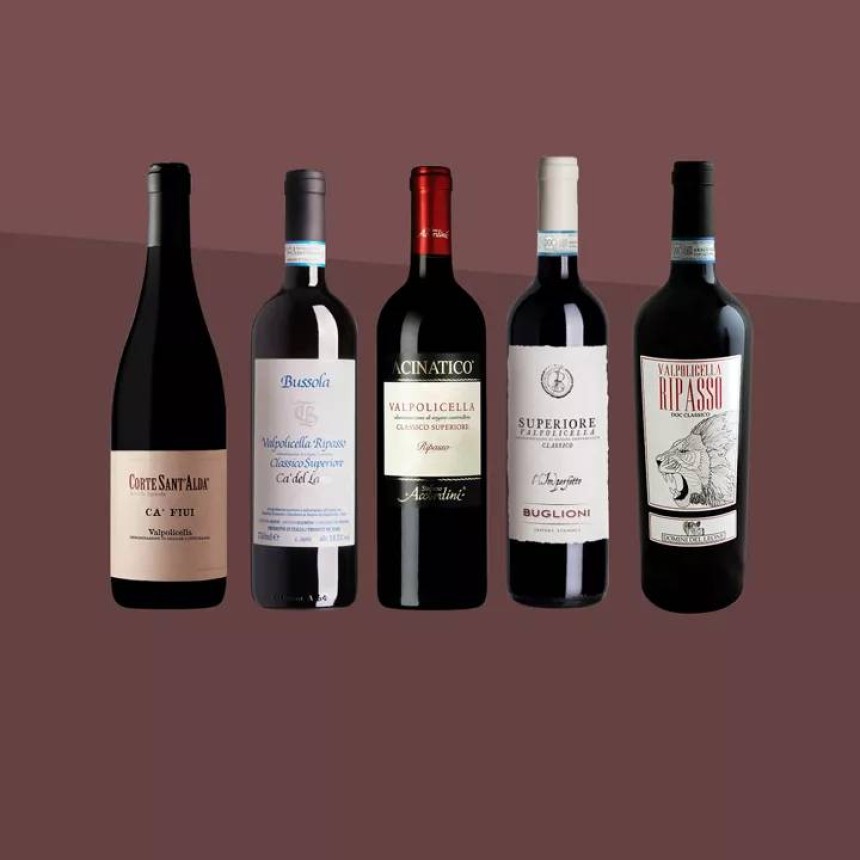
Understanding Valpolicella RipassoOne of the most popular styles of Valpolicella wine is Valpolicella Ripasso. This distinctive wine is crafted by taking Valpolicella Superiore and allowing it to undergo a second fermentation with the leftover, partially dried grape skins from Amarone or Recioto production. This technique imparts additional weight, flavor, and body to the wine, resulting in a silky, fruit-driven profile that captivates the palate.
Valpolicella vs. Amarone: What’s the Difference?While Valpolicella and Amarone are related, they are distinctly different wines. Amarone della Valpolicella, commonly referred to as Amarone, is made from late-harvested, dried red grapes. At least 50% of the blend must consist of Corvina and Corvinone grapes, rounded out with Rondinella and other local varieties. The drying process concentrates the sugars in the grapes, leading to higher alcohol content—generally around 15% to 16% ABV—when vinified dry.
The grapes for Amarone are typically dried for three to four months before fermentation, and the wines are aged in oak barrels for several years prior to release. The resulting wines are full-bodied and concentrated, offering intense flavors and a higher alcohol content.
Conversely, Recioto wines are also made from dried grapes but are generally not vinified dry, resulting in a sweeter profile with an average alcohol content of around 12%.
Flavor Profile of ValpolicellaThe flavor profile of Valpolicella varies significantly depending on the style and designation. Classic expressions of Valpolicella often showcase flavors of sour cherries, red berries, and hints of cinnamon. In contrast, Ripasso wines tend to exhibit a fuller-bodied, velvety texture, with additional notes of baking spice, vanilla, and chocolate from their time in oak barrels. Regardless of style, these wines are best enjoyed slightly chilled, enhancing their refreshing qualities.
Food Pairings with ValpolicellaValpolicella’s versatility makes it a fantastic companion for a wide array of dishes:
- Lighter-Bodied Expressions: Think of these as you would your favorite Pinot Noirs or Gamays. They pair beautifully with poultry, charcuterie, and a variety of appetizers.
- Fuller-Bodied Ripasso Wines: These wines shine alongside roasted meats, burgers, and hearty vegetarian stews, complementing the rich flavors of the dishes.
- Amarone: When enjoying Amarone, consider pairing it with aged Parmigiano cheese for a delightful post-dinner course, or light up a cigar to enhance the tasting experience.
Valpolicella is more than just a wine; it is a reflection of the unique terroir of the Veneto region and a testament to Italy’s rich winemaking traditions. Whether you prefer the light and fruity notes of a classic Valpolicella, the complex textures of a Ripasso, or the bold intensity of an Amarone, there is a style to suit every palate.
Discover the World of ValpolicellaExplore the rich variety of Valpolicella wines and find the perfect bottle for your next gathering or quiet evening at home. With its outstanding versatility and delicious flavor profiles, Valpolicella is sure to elevate any occasion. Cheers to the delightful journey of enjoying this iconic Italian red wine!
Frequently Asked Questions
What should you know before buying Valpolicella What Know 5?
The best part is that there is a Valpolicella expression for every type of wine drinker, so it might become your next favorite. There is a valpolicella for everyone, regardless of.
How should Valpolicella What Know 5 be served?
Valpolicella What Know 5 usually performs best when served at the right temperature, in suitable glassware, and with mixers or food pairings that support the main flavor notes.
Is Valpolicella What Know 5 better for cocktails or sipping?
That depends on the bottle style. Clean, balanced bottles suit cocktails well, while more complex expressions are often better enjoyed neat or with minimal dilution.
Further Reading
Related guides
- What to do with spoiled wine
- Getting to Know Punt e Mes, Your New Bittersweet Drinking Buddy
- Port Wine Guide to-know-and-4-bottles-to-try
- What the #$@! Do I Do with This? Port: What It Is and How to Use It.
Trusted external references