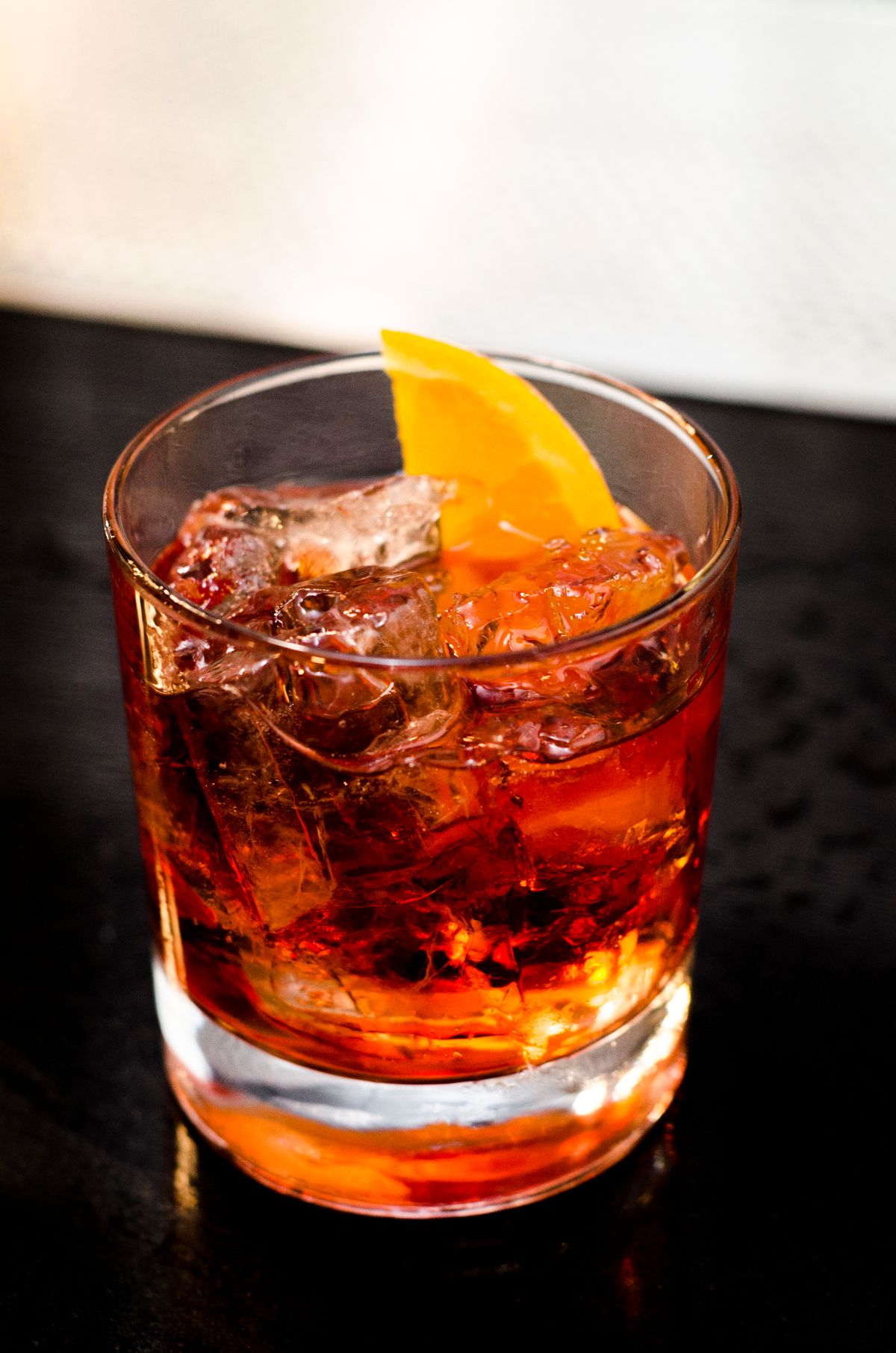
Angel Face Cocktail Recipe: Equal Parts Perfected
Master the Angel Face cocktail recipe — equal parts gin, apricot brandy, and Calvados with shake-or-stir tips, bottle picks, and variations. The Angel Face cocktail looks innocent.
The Angel Face cocktail looks innocent. Three equal parts. No juice. No syrup. No egg white foam to hide behind. Then you take a sip and realise why Harry Craddock bothered to write it down in 1930.
In my experience, this is one of the most underrated spirit-forward classics for home bartenders who already own gin and want something that feels more interesting than another Martini. Apple brandy and apricot do the heavy lifting. Gin keeps everything honest.
This guide covers the authentic Angel Face cocktail recipe with US and UK measures, the shake-versus-stir debate, bottle picks under real budgets, variations worth testing, and the mistakes that turn a silky classic into candy-sweet mess. If you are building out a home bar, keep our printable home bar checklist handy as you shop.
What Is the Angel Face Cocktail?
The Angel Face is an IBA-listed classic built from equal parts gin, apricot brandy (or apricot liqueur), and Calvados. That three-way split is the whole point. No modifier sits in the background. Each bottle has to earn its keep.
Unlike a classic Martini, there is no vermouth negotiation. Unlike a Sidecar, there is no citrus to brighten thin spirits. The drink lives or dies on bottle quality and temperature.
Here's the thing: many modern menus treat "apricot brandy" and "apricot liqueur" as interchangeable. They are not. True apricot brandy leans drier and more spiritous. Apricot liqueur (think Luxardo Albicocca or Giffard Abricot du Roussillon) tastes juicier and sweeter. Both can make a great Angel Face cocktail. You just need to know which dial you are turning.
After testing equal-parts builds with London dry gin, Plymouth-style gin, VS Calvados, and American applejack, I keep coming back to one rule. Chill harder than you think. This drink is all spirit. Warm glassware ruins it faster than a bad bottle.
Angel Face Cocktail History: Savoy, Speakeasies, and a Mob Nickname
The earliest widely cited print recipe lands in Harry Craddock's 1930 Savoy Cocktail Book: one-third dry gin, one-third apricot brandy, one-third Calvados. Shake well. Strain into a cocktail glass. No garnish noted.
That timing matters. Craddock was writing in London for drinkers who still remembered American Prohibition chaos. The drink reads like a speakeasy-era idea — compact, strong, fruit-forward without looking like a juice cocktail.
The name is murkier. The most repeated story ties it to Abe "Angel Face" Kaminsky, a Detroit figure associated with shaking down illegal bars. Whether Craddock meant that specifically or simply liked the ironic contrast between the soft name and stiff pour, we do not have a clean paper trail. What we do have is a recipe that survived because it tastes complete.
Today the International Bartenders Association keeps the Angel Face on its official list, which is why Difford's Guide, Liquor.com-style recipe hubs, and serious bar schools all still teach it. That competitor coverage is exactly why home bartenders search for a practical Angel Face cocktail recipe with modern bottle advice — not just a three-line formula.
If you like Prohibition-adjacent drinks with botanical gin at the centre, pair this guide with our breakdown of types of gin and the apple-brandy deep dive on apple brandy and applejack.
Angel Face Cocktail Ingredients (US oz and UK ml)
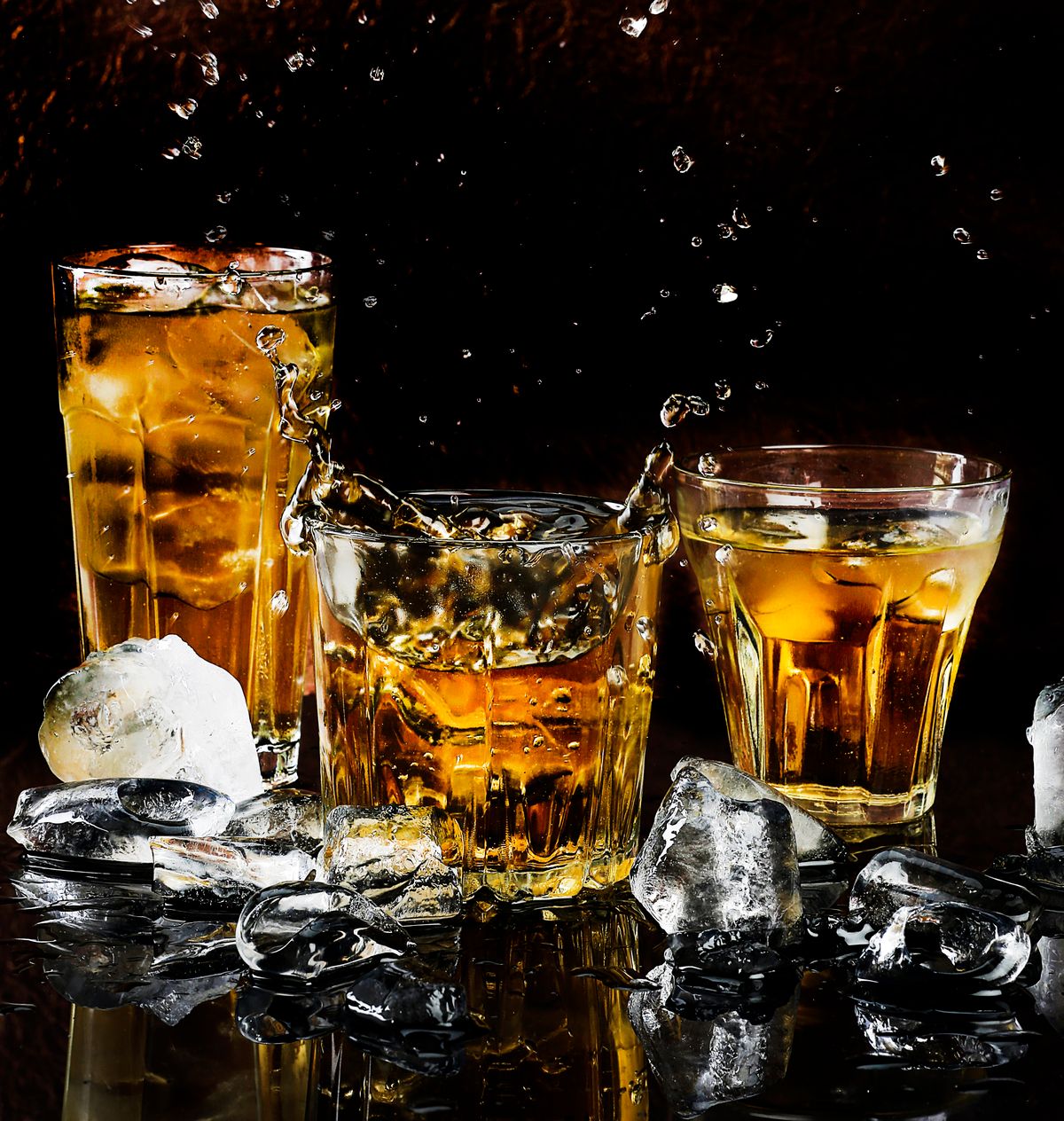
Keep the ratio simple. Equal parts is the classic. Measure carefully anyway — "eyeballing" three spirits is how sweetness creeps up on you.
Classic Angel Face cocktail ingredients:
- 1 oz (30 ml) London dry gin — Beefeater, Tanqueray, or a clean craft dry gin around 40–47% ABV
- 1 oz (30 ml) Calvados or apple brandy — Prefer real Calvados if budget allows; solid American applejack works in a pinch
- 1 oz (30 ml) apricot brandy or apricot liqueur — Choose based on how sweet you want the finish
- Ice — Fresh, hard cubes for shaking or stirring
- Optional garnish — Lemon twist, thin apple slice, or dehydrated apple crisps
Total volume before dilution: 3 oz / 90 ml. After proper chilling you land near a 4 oz / 120 ml serve in a coupe — substantial without becoming a punch bowl.
Budget shopping list for US readers: gin \$15–25, entry Calvados or Laird's apple brandy \$25–40, apricot liqueur \$20–30. UK readers often find supermarket London dry and a VS Calvados for a similar total outlay around £45–70 for the trio.
Authority note on labelling: spirit categories and standards of identity are regulated differently by market. In the US, the Alcohol and Tobacco Tax and Trade Bureau (TTB) sets spirits labelling rules — useful context when a bottle says "brandy" versus "liqueur." See ttb.gov for official guidance.
How to Make an Angel Face Cocktail Step by Step
Craddock said shake. Modern spirit-forward logic often says stir. Both can work. I teach both so you can taste the difference on the same night.
Method A — Classic shake (closest to Savoy):
- Chill a coupe or Nick & Nora for at least 5 minutes.
- Add 1 oz (30 ml) gin, 1 oz (30 ml) Calvados, and 1 oz (30 ml) apricot brandy to a shaker.
- Fill with ice. Shake hard for 12–15 seconds until the tin frosts.
- Fine-strain into the chilled glass.
- Express a lemon peel over the surface if you want brightness, or serve bare.
Method B — Modern stir (clearer look, softer texture):
- Add the same three equal parts to a mixing glass with ice.
- Stir 30–40 revolutions until well chilled (about 20–25 seconds).
- Optional: Difford-style splash of chilled water (about 1/3 oz / 10 ml) if your ice is dry and dilution feels tight.
- Strain into a chilled coupe.
- Garnish with a thin apple slice or lemon twist.
Let's be honest: if your apricot product is a thick liqueur, the shake often tastes more integrated. If you are using a drier apricot brandy and good Calvados, stirring looks prettier and keeps the gin botanicals sharper.
For ice quality tips that actually change dilution, see our guide to best ice for cocktails.
Shake or Stir? The Pro Decision Framework
Spirit-only cocktails traditionally get stirred. The Angel Face is the awkward cousin because Craddock explicitly shook it. That extra aeration and dilution softens the fruit spirits.
Use this framework after testing both builds:
- Shake when apricot tastes heavy, Calvados is young/hot, or guests prefer a colder, frothier first sip.
- Stir when bottles are premium, you want visual clarity, or you are serving multiple rounds and want a cleaner palate.
- Hybrid shake for 8 seconds then hard strain if you want mid-dilution without a cloudy glass.
In my bar notes, guests who love Martinis usually prefer the stirred Angel Face. Guests who love Sidecars and fruit-forward classics usually prefer the shaken one. Neither camp is wrong.
Best Bottles for an Angel Face Cocktail (Every Budget)
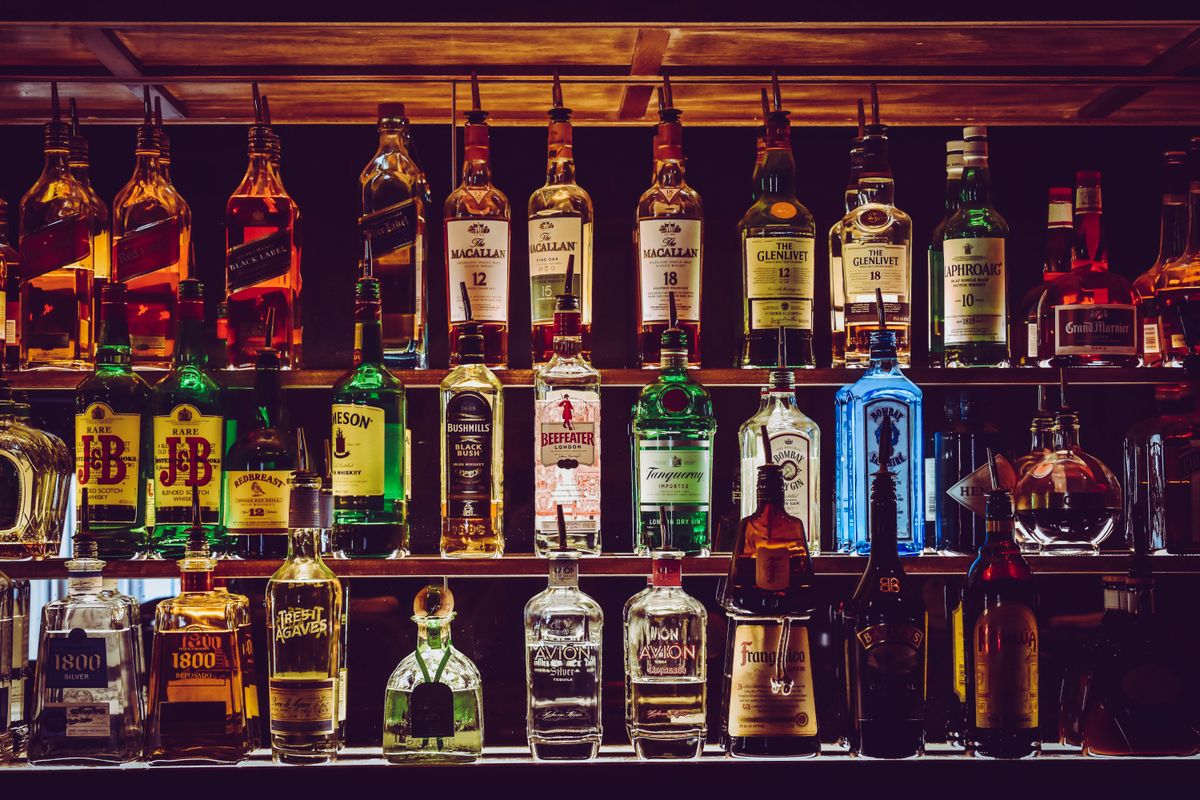
Gin: London dry is the safe classic. Tanqueray's juniper punch stands up to apricot. Beefeater is softer and lets apple show. Avoid heavily sweetened pink gin here — save that for a pink gin cocktail night.
Calvados / apple brandy: A VS Calvados from Normandy is ideal. Applejack (especially bottled-in-bond styles) is a strong US-friendly swap and ties neatly into American speakeasy history. Read more in our apple brandy and applejack guide.
Apricot: Luxardo Apricot, Giffard Abricot du Roussillon, or Marie Brizard apricot liqueur for sweetness. If you can find a drier apricot eau-de-vie or true apricot brandy, drop the sweetness and consider a tiny 1:1:1.25 gin bump.
Price reality check: you do not need a £80 Calvados to nail this. You do need bottles that taste like apple and apricot, not generic caramel syrup.
Angel Face Cocktail Variations Worth Mixing
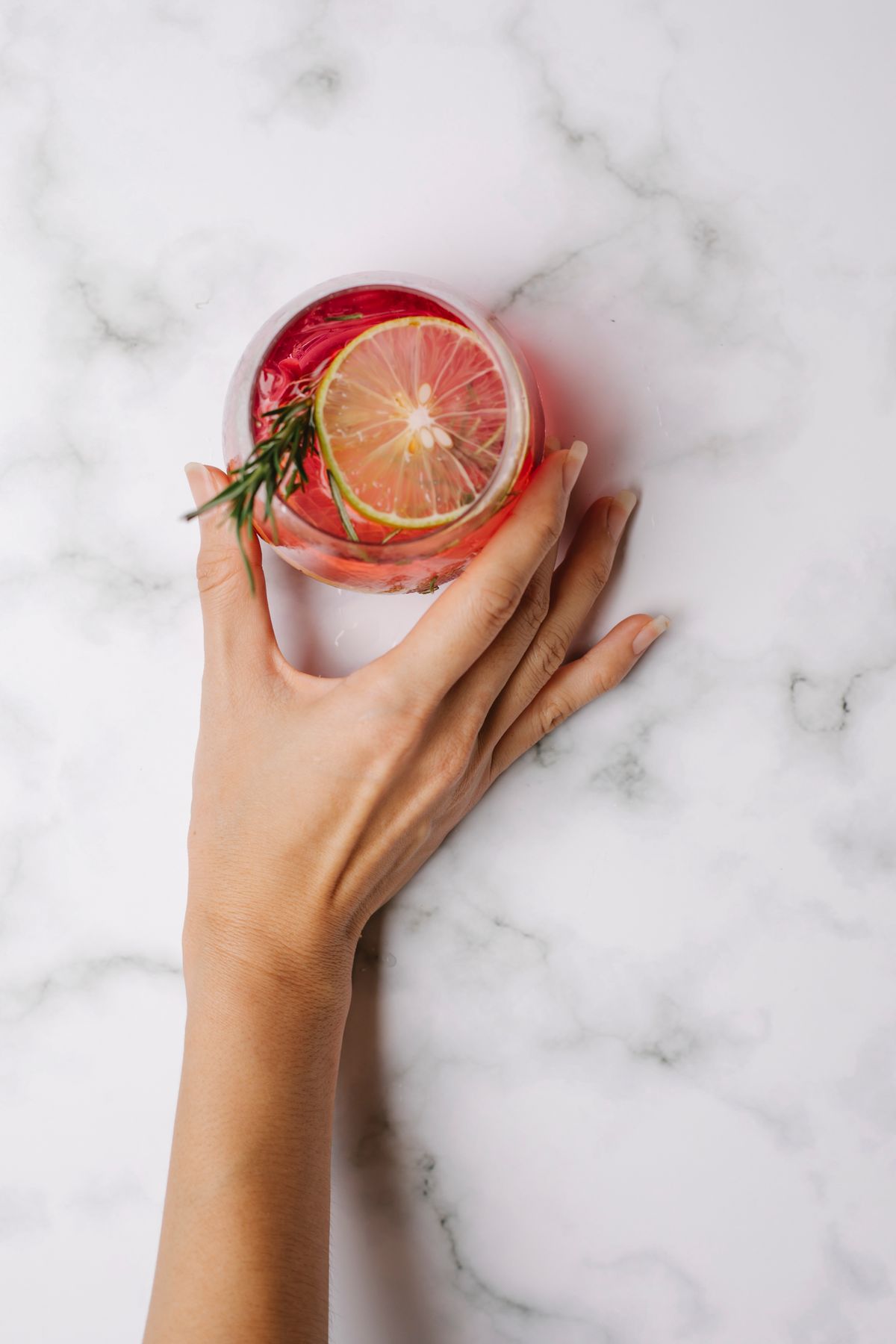
Once the classic clicks, these riffs stay true to the structure without becoming a different drink.
- Applejack Angel Face — Swap Calvados for Laird's or another applejack. Slightly earthier, very US.
- Cognac Angel Face — Replace gin with Cognac for a warmer, Sidecar-adjacent cousin. Keep apricot and Calvados.
- Dry Angel Face — 1.25 oz (37 ml) gin, 0.75 oz (22 ml) apricot, 1 oz (30 ml) Calvados.
- Honey Angel Face — Tiny barspoon of orange blossom honey syrup if apricot brandy is too austere.
- Sparkling Angel Face — Build equal parts short, then top with 1 oz (30 ml) dry sparkling wine for brunch service.
- Batch Angel Face — Scale to 10 oz (300 ml) of each spirit, chill bottle overnight, pour 3 oz (90 ml) over ice briefly or serve up from a cold bottle with 0.5 oz (15 ml) water per serve.
If you enjoy equal-parts classics, you will also like exploring other three-ingredient templates in our list of 15 classic cocktails every home bartender should know.
Common Mistakes That Ruin an Angel Face
Most bad Angel Face cocktails fail for boring reasons. Fix these first.
- Warm glassware — All-spirit drinks show temperature. Freeze the coupe.
- Cheap "apricot flavour" syrup bottles — If it tastes like candy, the drink tastes like candy.
- Skipping dilution — Stirring five seconds is not enough. Taste for cold and softness.
- Using barrel-aged gin that fights apple — Save funky aged gins for other serves.
- Over-garnishing — A heavy apple fan can perfume the drink into dessert territory.
- Confusing it with a sour — Adding lemon juice makes a different cocktail. Do that on purpose, not by accident.
Responsible drinking note: this cocktail is roughly a standard large spirit serve. Pace yourself, hydrate, and never drink and drive. For harm-reduction context, the NIAAA resources at niaaa.nih.gov are a solid starting point.
Food Pairings and When to Serve It
The Angel Face cocktail shines as a pre-dinner drink when the menu includes roast pork, duck, hard cheeses, or apple-forward desserts. The apricot note also loves salty almonds and aged cheddar.
Serve it in autumn and winter when Calvados feels seasonal, or in late spring when stone fruit vibes fit the weather without needing a frozen blender drink.
For a party flight, put it beside a Martini and a Sidecar so guests can taste how gin, brandy, and citrus change the same glass shape. That flight teaches more than another round of vodka sodas — and if vodka is more your lane, our best vodka cocktails for beginners list still belongs on the night's menu.
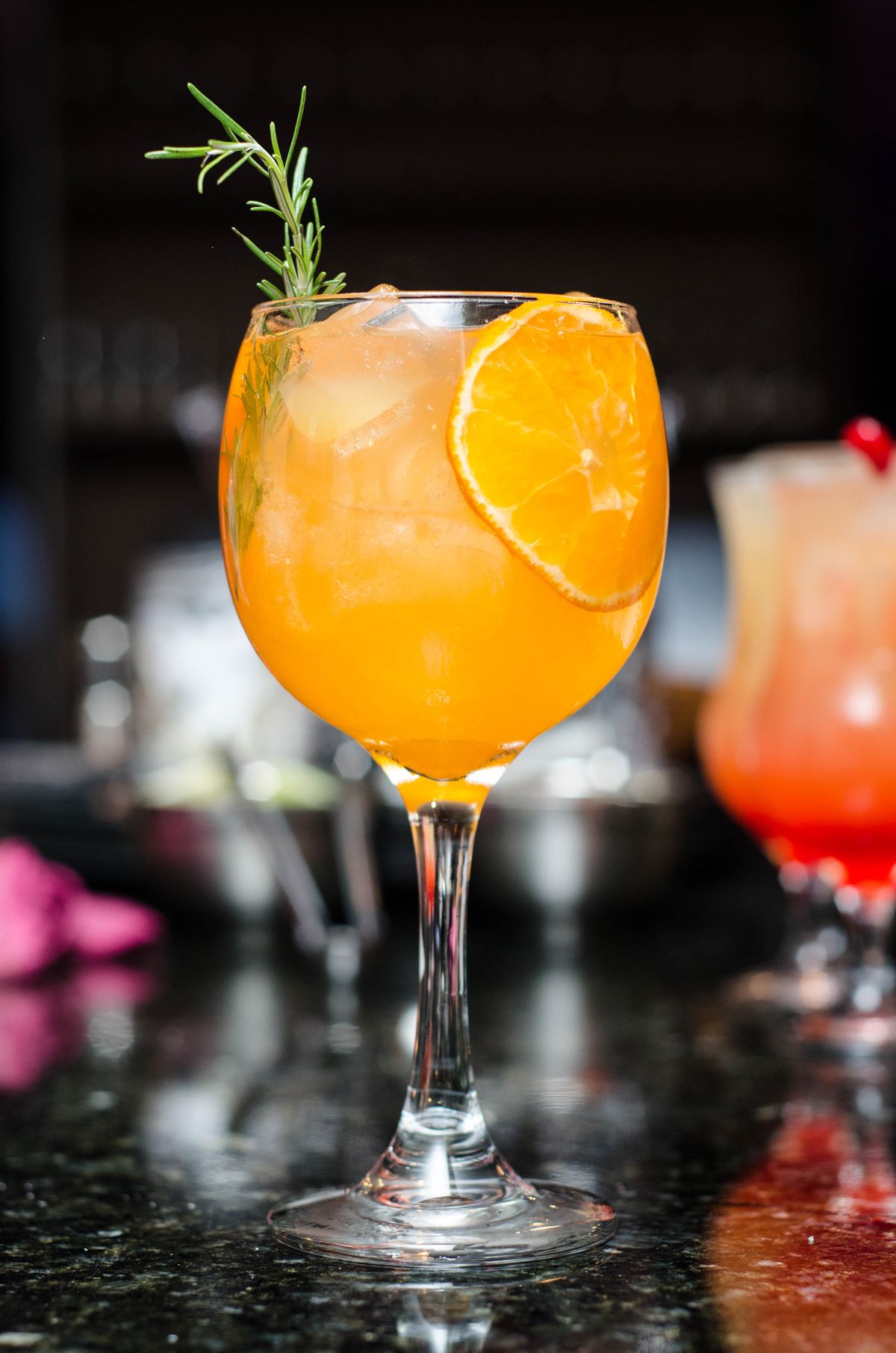
Angel Face Cocktail Cheat Sheet
| Detail | Spec |
|---|---|
| Base spirits | Gin + Calvados + apricot brandy/liqueur |
| Classic ratio | 1:1:1 (1 oz / 30 ml each) |
| Glass | Chilled coupe or cocktail glass |
| Method | Shake (Savoy) or stir (modern) |
| Garnish | Optional lemon twist or apple slice |
| ABV feel | Spirit-forward, roughly similar to a Martini |
| Best season | Autumn through early spring |
| Skill level | Beginner technique, intermediate bottle choice |
Print this table, tape it inside a cupboard, and you will never forget the Angel Face cocktail recipe when guests ask for "something classic but not a Martini."
Shopping List and Next Steps
Buy gin you already trust, one honest apple brandy, and one apricot bottle you would sip neat. That trio unlocks the Angel Face plus several other brandy-forward classics.
Next, audit your tools: mixing glass or shaker, jigger with oz/ml markings, fine strainer, and coupe glasses that actually fit in your freezer. Our home bar on a budget guide and the free home bar checklist make the shopping trip faster.
Then mix two versions side by side — shaken and stirred — and decide which Angel Face cocktail belongs in your permanent rotation. In my experience, once that decision sticks, this drink shows up every time Calvados season hits the calendar.
When I first mixed the Angel Face cocktail at home, I treated it like a fruit Martini and used a dusty apricot "schnapps" from the back of a cupboard. That version tasted like perfume and regret. The fix was boring and expensive only in the sense that good bottles cost real money: replace the candy apricot, buy a modest Calvados, and stop serving it in a room-temperature glass.
US readers often ask whether they should hunt Calvados or just use Laird's. UK and EU readers usually find Calvados easier and applejack harder. Both markets can make an excellent Angel Face cocktail recipe if the apple spirit tastes like apples rather than oak syrup. Taste your Calvados neat at room temperature for five seconds. If you only get wood and heat, step down to a younger expression or a different brand.
Gin choice is the quiet variable. A high-juniper London dry pushes the drink toward pine and citrus peel. A softer dry gin lets apricot bloom earlier on the palate. Neither is "correct," but consistency matters when you are training your own palate. Make three Angel Face cocktails across three nights with the same apricot and apple bottles, changing only the gin. Write one sentence each night. That notebook becomes more useful than any influencer ranking list.
Technique details worth repeating: ice quality, shake length, and strain type. Wet, soft ice over-dilutes and mutes Calvados. Bone-dry freezer ice can under-dilute a stirred build, which is why a measured splash of cold water sometimes helps. A fine strainer catches ice chips after a hard shake and keeps the coupe presentation clean.
From a content and competition angle, Liquor.com-style recipe cards, Difford's deep bottle notes, and the IBA's short official specs all cover this drink. What home bartenders still need is practical decision-making: which apricot product, when to shake, how to batch, and how to pair. That is the job of this Angel Face cocktail guide.
If you are stocking a first serious trolley, put the Angel Face beside other equal-parts or near-equal classics rather than beside a dozen syrup-heavy drinks. Your palate learns structure faster that way. Then branch into infusions like our pineapple and celery gin once the classics feel automatic.
Finally, remember the social job of the cocktail. The Angel Face is a conversation piece because the name is soft and the ABV is not. Tell guests the Savoy story in two sentences, offer the shake-or-stir choice, and let them pick. That small bit of theatre turns a three-ingredient pour into a memorable host move without needing molecular gadgets or rare amari.
Let's push the practical details one layer deeper, because this is where most Angel Face cocktail recipe pages stop too early.
Temperature targets matter. Aim for a finished drink around 32–36°F (0–2°C). If your freezer coupe is not truly cold, the first sip tastes hot and alcoholic even when the recipe is balanced. I keep two coupes in the freezer whenever Calvados season starts so I can pour back-to-back without waiting.
Jigger discipline also matters more than people admit. A heavy 1.25 oz apricot pour against true 1 oz gin and Calvados is enough to tip the Angel Face into dessert territory. Use a jigger with clear ounce and millilitre markings. If you only have tablespoons, remember that 1 oz is about 2 tablespoons (30 ml).
For parties of six, pre-batch 6 oz (180 ml) of each spirit in a clean bottle, refrigerate for two hours, then pour 3 oz (90 ml) per guest into a mixing glass with ice for a short ten-second stir. That keeps service fast without sacrificing chill. Label the bottle clearly so nobody mistakes it for a ready-to-drink soft mixer.
Storage tips: gin is stable for years if sealed. Calvados and apricot liqueur last a long time too, but apricot liqueur can dull after months of heat and light. Keep it upright in a cool cupboard. Our shelf-life thinking for spirits is similar to the guidance in broader liquor storage articles across the site.
If a guest asks how the Angel Face compares to other classics, keep the answer short. Martini equals botanical and dry. Sidecar equals citrus and brandy. Angel Face equals orchard fruit and gin without lemon. That three-line comparison sells the drink better than a long history lecture.
One last host move: offer a water back and a small snack. All-spirit cocktails punish empty stomachs. A few olives, almonds, or sharp cheddar makes the second round safer and more enjoyable. Drink responsibly, know your limits, and plan a sober ride home before the first pour.
Ask AI about this article
Pick a prompt, copy it, or open ChatGPT with this article preloaded.
Frequently Asked Questions
What is in an Angel Face cocktail?
Equal parts gin, apricot brandy or apricot liqueur, and Calvados (or apple brandy). The classic is 1 oz / 30 ml of each, served up in a chilled cocktail glass.
Should you shake or stir an Angel Face?
Harry Craddock’s 1930 Savoy recipe shakes it. Many modern bartenders stir because it is all spirits. Shake for more dilution and a colder froth; stir for clarity and sharper botanicals.
What glass should I use for an Angel Face cocktail?
A chilled coupe, Nick & Nora, or classic cocktail glass. Serving it on the rocks changes dilution and temperature too much for the equal-parts balance.
How strong is an Angel Face cocktail?
It is spirit-forward, comparable to a Martini in overall strength. Three ounces of spirits before dilution means pace yourself and treat it as a proper cocktail, not a session highball.
What garnish works best?
Optional lemon twist for brightness, or a thin fresh/dehydrated apple slice to nod at the Calvados. The original Savoy listing does not require a garnish.
Comments 0
Login to Post comments