
Absinthe Cocktail: Classic Frappé Recipe & 5 Variations
Master the absinthe cocktail at home — the classic New Orleans Absinthe Frappé recipe, plus Death in the Afternoon, Sazerac and more Green Fairy classics. The absinthe cocktail mig.
The absinthe cocktail might be the most misunderstood drink you can mix at home. Banned for nearly a century in the US, wrapped in myths about hallucinations and bohemian poets, absinthe scares off plenty of home bartenders before they've even pulled the cork.
That's a shame. Because here's the thing — a well-made Absinthe Frappé is one of the most refreshing drinks on earth, and it takes three minutes to build.
In this guide, you'll learn what absinthe actually is, which bottles to buy in the US and UK, and how to make the classic frappé plus five variations that belong next to the 15 classic cocktails every home bartender should know. No fire rituals. No sugar-cube theatrics. Just proper technique.
What Is an Absinthe Cocktail? The Green Fairy's Story
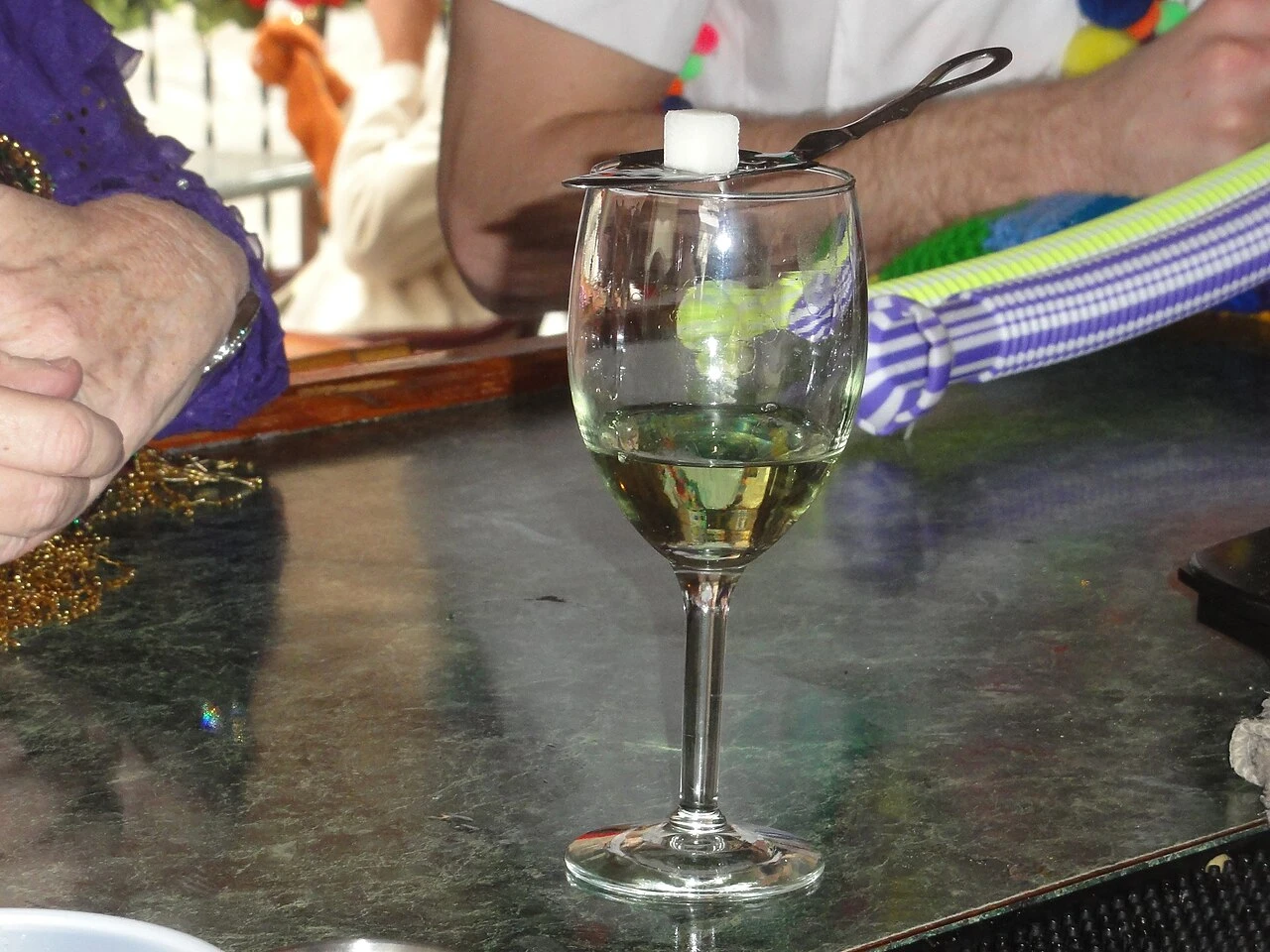
Absinthe is a high-proof spirit — typically 45–74% ABV (90–148 proof) — distilled with grand wormwood, green anise and fennel. It was the drink of Belle Époque Paris, sipped by Van Gogh, Toulouse-Lautrec and Oscar Wilde during the nightly ritual the French called l'heure verte: the green hour.
The absinthe cocktail as we know it, though, is largely a New Orleans invention. The Absinthe Frappé is credited to Cayetano Ferrer, who began serving it around 1874 at what became the Old Absinthe House on Bourbon Street. Crushed ice, a little sugar, a splash of soda — a genius answer to Louisiana heat.
Then came the panic. Blamed (unfairly, as it turns out) for madness and social decay, absinthe was banned across much of Europe and effectively banned in the US in 1912. The hallucination stories centered on thujone, a compound in wormwood — but modern testing shows vintage absinthe contained nowhere near dangerous levels. The real culprit was simple: it was extremely strong, extremely cheap, and everywhere.
The UK, interestingly, never banned it at all. That loophole fueled the 1990s British absinthe revival — a genuinely chaotic era of drinking culture we covered in our look at 90s drinks and where they are now. The US followed in 2007, when the TTB approved absinthe meeting its thujone limits for sale in America.
Today you can buy world-class absinthe legally on both sides of the Atlantic. The Green Fairy is back, and she mixes beautifully.
Absinthe Cocktail Ingredients You Need
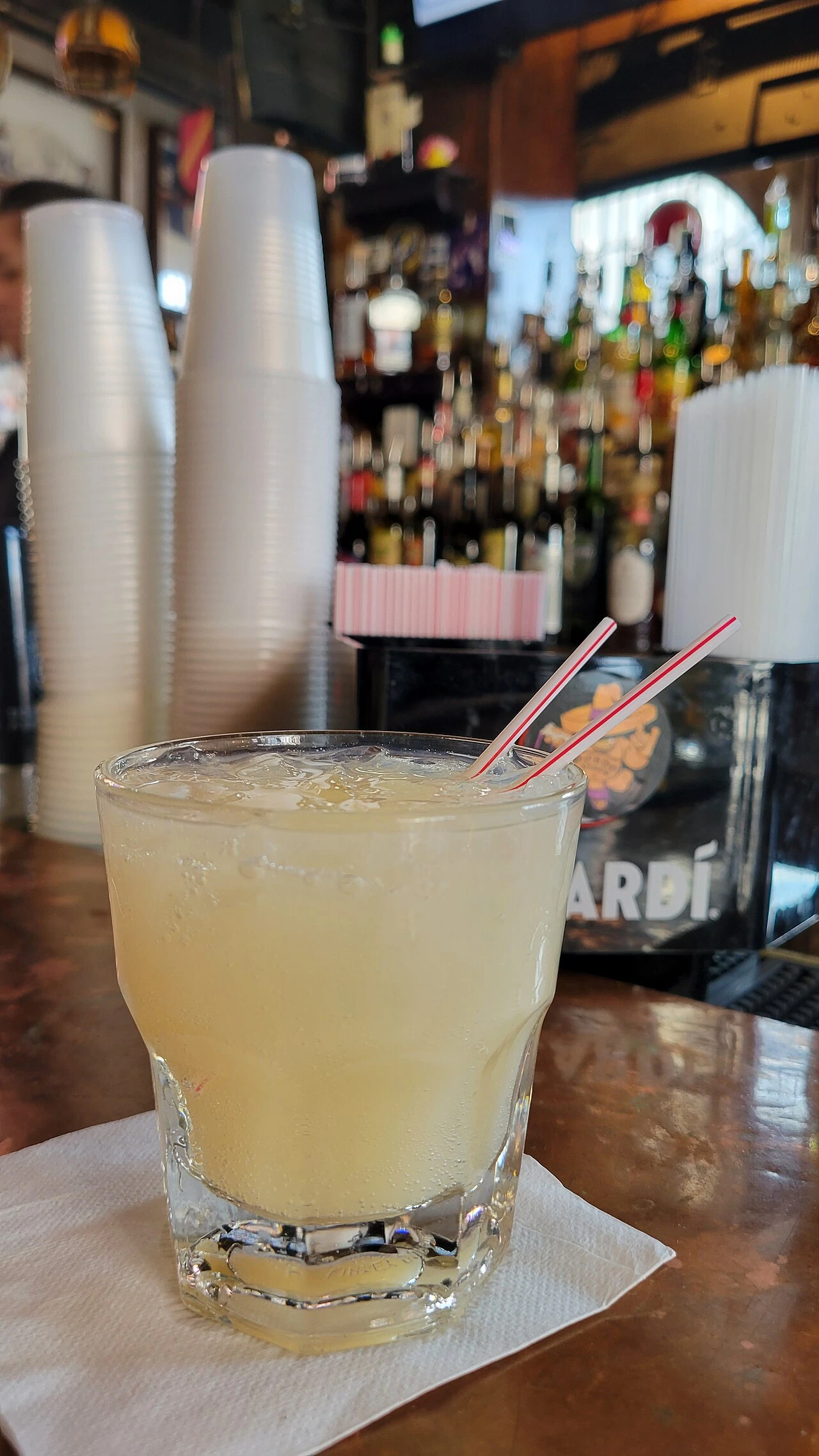
For the classic Absinthe Frappé — the recipe every absinthe cocktail journey should start with — you need just four things:
- 1.5 oz (45 ml) absinthe verte — the green, naturally colored style
- 0.5 oz (15 ml) simple syrup — 1:1 sugar and water
- 2 oz (60 ml) chilled soda water — straight from the fridge
- 8–10 fresh mint leaves plus a mint bouquet for garnish
- Crushed ice — and plenty of it
The bottle matters more than anything else here. In my experience, cheap Eastern European 'absinth' (note the missing e) with neon artificial coloring tastes like mouthwash and won't louche properly. Spend the extra money once — a bottle lasts ages because you use so little per drink.
US picks: St. George Absinthe Verte (60% ABV, around $60) is herbaceous and complex. Lucid (62% ABV, about $60) was the first genuine absinthe back on US shelves after 2007 and remains a reliable mixer. Pernod Absinthe (68% ABV, roughly $70) is the historic name, rebuilt from the original recipe.
UK picks: La Fée Parisienne (68% ABV, around £40) is easy to find and built for cocktails. Adnams and Devil's Botany distill solid English absinthes if you want to buy local.
One honest note: you don't need a 74% ABV monster for mixing. A 60–68% bottle gives you all the flavor with slightly less fire. Save the barrel-strength stuff for traditional drip service.
How to Make an Absinthe Frappé: Step by Step
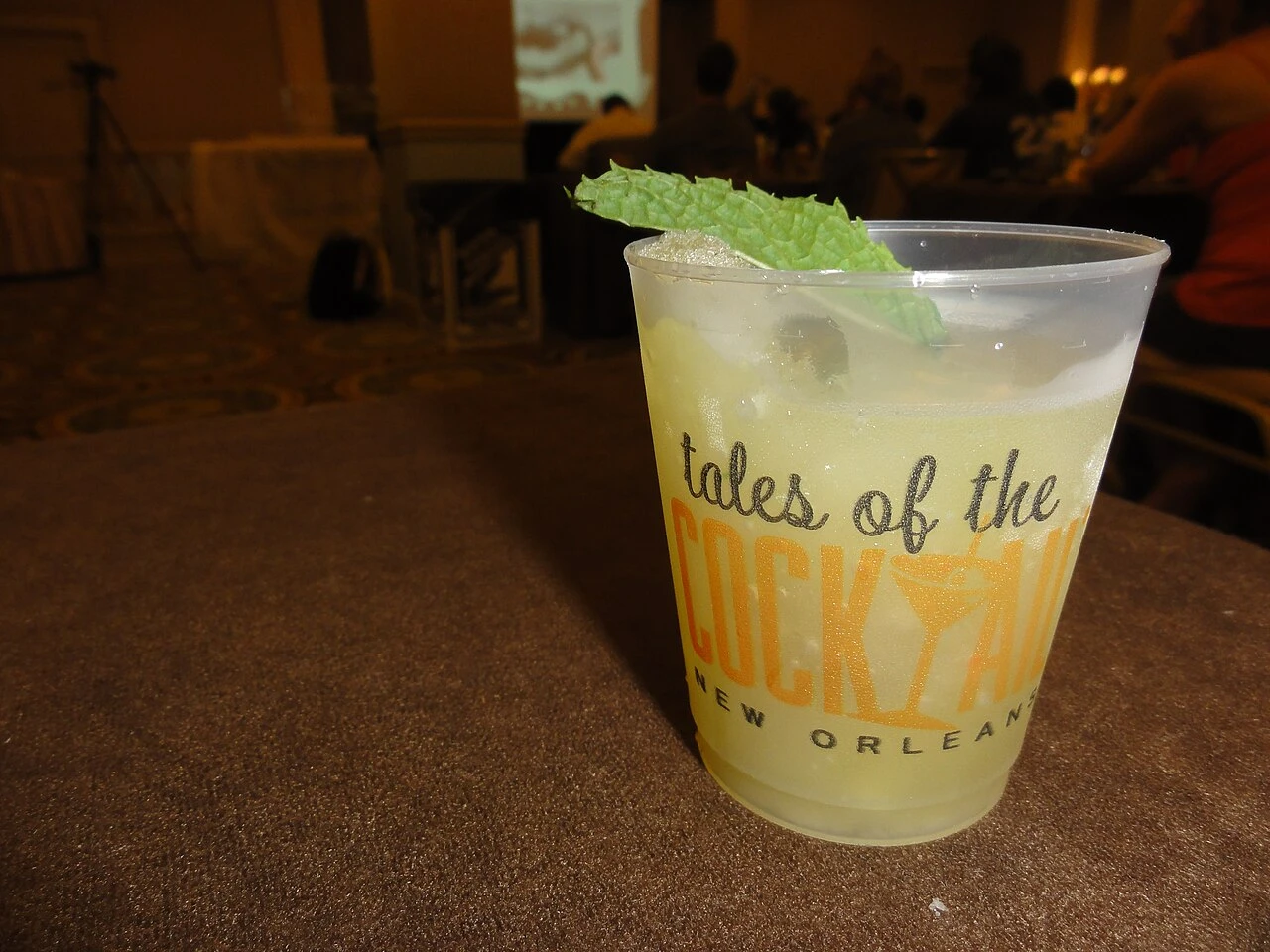
No shaker required. This is a built drink, and the crushed ice does most of the work for you.
- Chill your glass. A highball or double rocks glass, five minutes in the freezer. This drink lives and dies by temperature.
- Slap the mint. Give 8–10 mint leaves a firm clap between your palms and drop them in the glass. Don't muddle — bruised mint turns bitter and grassy.
- Pack with crushed ice. Fill the glass completely. No crusher? Wrap cubes in a clean tea towel and whack them with a rolling pin. Genuinely satisfying.
- Add absinthe and syrup. Pour in 1.5 oz (45 ml) absinthe and 0.5 oz (15 ml) simple syrup.
- Churn. Work a barspoon up and down through the ice for 15–20 seconds until the outside of the glass frosts over. Watch the drink turn cloudy and opalescent — that's the louche, and it means you're doing it right.
- Top and cap. Add 2 oz (60 ml) chilled soda water, then mound more crushed ice on top like a snow cone.
- Garnish. A fat mint bouquet, slapped once more, planted right where your nose lands. Add a short straw and serve immediately.
Total time? About three minutes. The finished drink should sit somewhere near 28°F (-2°C) — properly, painfully cold. If you can comfortably wrap your hand around the glass, it's not cold enough.
Taste before serving. Absinthes vary in sweetness, so adjust syrup by a quarter ounce (7 ml) either way to suit your bottle.
Pro Tips From My Home Bar
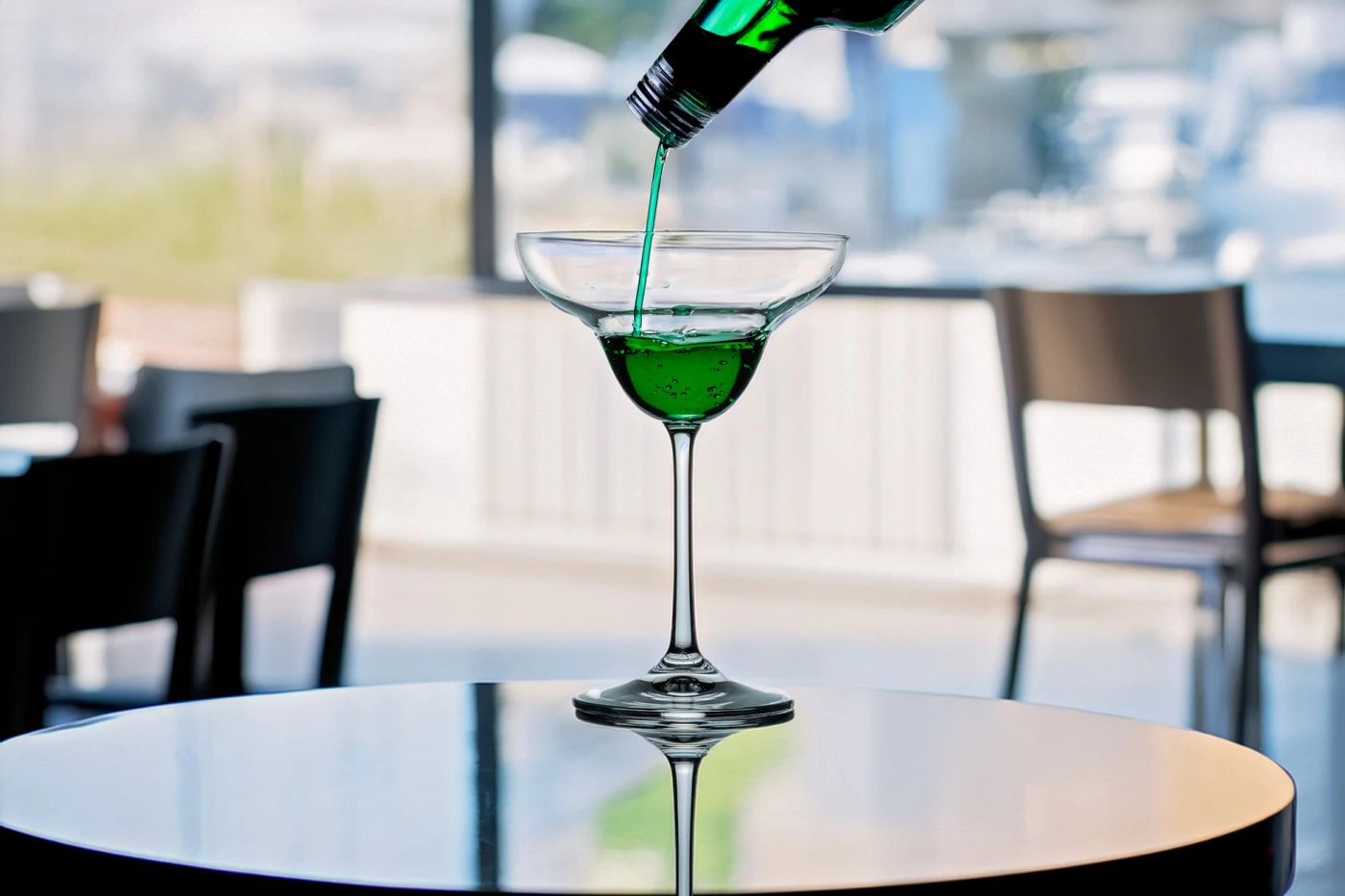
After testing more absinthe cocktails than I care to admit, a few lessons keep proving themselves.
Cold water is non-negotiable. The louche — that milky bloom when water hits absinthe — only develops properly with genuinely cold water, as close to 32°F (0°C) as you can get. Warm water gives you a flat, oily drink. I keep a small bottle of water in the fridge purely for absinthe duty.
Respect the ratio. Traditional drip service runs 3:1 to 5:1 water to absinthe. In cocktails, the same principle applies: absinthe wants dilution. Fight the urge to make it 'stronger' — you'll just make it worse.
Use it as a seasoning, too. Beyond frappés, absinthe is the best savory-anise seasoning in your bar. A quarter ounce (7 ml) transforms drinks the way a dash of fish sauce transforms a stew. Here's the thing: once you own a bottle, you'll find excuses to rinse glasses with it constantly.
Slap, never muddle, the mint. I mentioned it above and I'm repeating it because it's the single most common frappé crime. You want aroma, not chlorophyll soup.
Skip the fire ritual entirely. The flaming sugar cube is a 1990s Czech marketing invention, not tradition. It caramelizes nothing useful, scorches the delicate herbal aromatics, and occasionally sets tablecloths alight. The French method — cold water dripped over a sugar cube on a slotted spoon — is the only ritual worth learning.
And a small opinion: absinthe cocktails are at their best in warm weather. A frappé on a 90°F (32°C) July afternoon is easily one of the great porch drinks of all time.
5 Absinthe Cocktail Variations Worth Trying
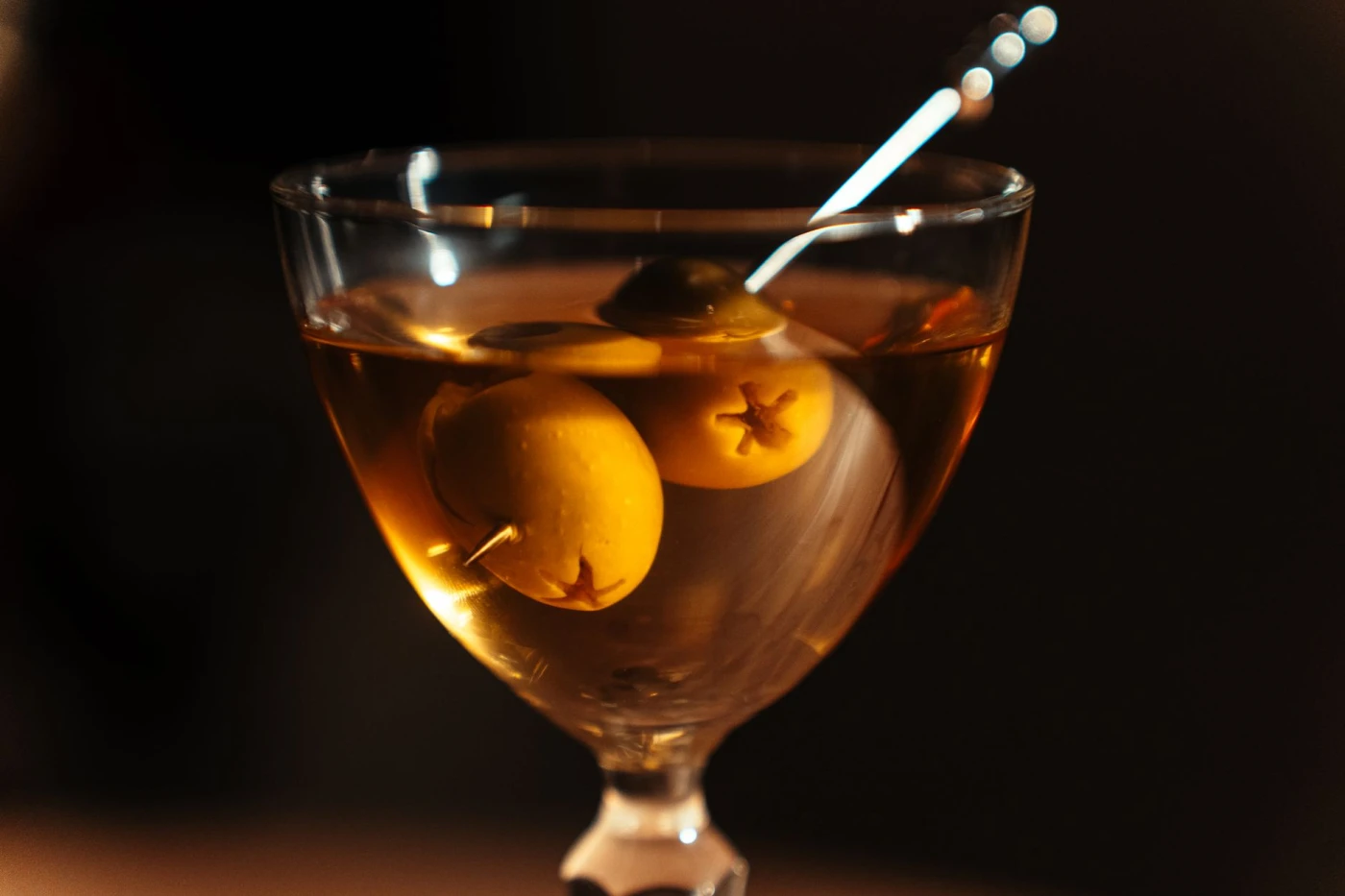
Once the frappé is in your muscle memory, work through these classics.
1. Death in the Afternoon — Hemingway's infamous two-ingredient stunner.
- 1 oz (30 ml) absinthe
- 4 oz (120 ml) chilled Champagne or dry sparkling wine
Pour absinthe into a flute, top slowly with bubbles. It louches into a pale, opalescent green. One is elegant; two is a decision.
2. Sazerac — New Orleans' official cocktail, where absinthe plays the supporting role.
- 2 oz (60 ml) rye whiskey
- 0.25 oz (7 ml) absinthe (as a glass rinse)
- 1 sugar cube, 3 dashes Peychaud's bitters, lemon peel
If you're new to rye, our guide to the best whiskey cocktails for beginners will get you comfortable first.
3. Corpse Reviver No. 2 — the famous hangover 'cure' from the 1930 Savoy Cocktail Book.
- 0.75 oz (22 ml) each: gin, Cointreau, Lillet Blanc, lemon juice
- Absinthe rinse in the glass
Shake, strain, marvel. The rinse is what makes it.
4. Absinthe Suissesse — the creamy New Orleans brunch classic.
- 1.5 oz (45 ml) absinthe
- 0.5 oz (15 ml) orgeat
- 1 oz (30 ml) half-and-half (single cream in the UK)
- 1 egg white
Dry shake, then shake with ice. Silky, frothy, dangerously easy.
5. Chrysanthemum — the gentle one.
- 2 oz (60 ml) dry vermouth
- 1 oz (30 ml) Bénédictine
- 3 dashes absinthe
Stirred and low-ish in strength — a good bridge from our low alcohol cocktail recipes into absinthe territory.
Common Absinthe Cocktail Mistakes
Let's be honest — most bad absinthe experiences come down to the same handful of errors.
Treating it like a shot. Absinthe neat, at room temperature, at 68% ABV? That's not drinking; that's hazing. Absinthe was always designed to be diluted. Undiluted, you taste nothing but burn.
Buying the wrong bottle. If the label says 'absinth', glows radioactive green, and boasts about thujone content, put it back. Real absinthe gets its color from a secondary maceration of herbs, and reputable producers don't market thujone like it's a feature.
Using too much. New absinthe owners over-pour constantly. In a rinse, 0.25 oz (7 ml) is plenty — swirl it around the glass and dump the excess. In a frappé, 1.5 oz (45 ml) is the ceiling, not the floor. Absinthe bullies every other flavor in the glass if you let it.
Warm dilution. Room-temperature soda water produces a sad, greasy louche. Everything touching this drink should be refrigerator-cold or colder.
Skipping the sugar entirely. Some purists mix absinthe bone-dry. In my experience, even a quarter ounce (7 ml) of syrup rounds the bitter wormwood edge and lets the fennel and anise open up. Balance isn't weakness.
The fire thing. Again. Yes, it looks dramatic on TikTok. It also ruins the drink and voids exactly zero fire-insurance claims. If you want theater, do the slow water drip over a sugar cube — the louche developing in real time is genuinely more beautiful than a flame.
The Traditional Absinthe Drip: Ritual, Glassware and Storage
Cocktails are only half the Green Fairy's story. Before you mix your second frappé, it's worth learning the traditional French drip service — the method every Parisian café used during l'heure verte, and still the best way to taste what a new bottle is really about.
Here's the classic method. Pour 1 oz (30 ml) of absinthe into a stemmed glass. Rest a slotted absinthe spoon across the rim and balance a single sugar cube on it. Then drip ice-cold water — from a carafe, an absinthe fountain, or just a small jug and a careful hand — over the cube, one slow drop at a time. Aim for 3 to 5 parts water per part absinthe. Over three or four minutes the sugar dissolves, the louche blooms from the bottom of the glass upward, and the fennel, anise and alpine-herb aromas open up layer by layer. The patience is the point.
Gear worth owning: a proper Pontarlier glass has a bulbed reservoir that measures your dose for you, but any small wine glass works fine. A slotted absinthe spoon costs about $12 in the US or £10 in the UK and doubles as a great conversation piece. Fountains are lovely for parties yet completely optional — I dripped happily from a fridge-cold water bottle for years before buying one.
A note on sugar: whether you sweeten the drip at all divides absinthe drinkers the way milk-first divides tea drinkers. Drier, well-made bottles like St. George often need no sugar at all; sharper ones benefit from half a cube. Try both with the same bottle on the same evening and trust your own palate over anyone's rulebook — mine included.
Storing your bottle: absinthe's high proof preserves it almost indefinitely, but light is its enemy. Keep the bottle upright, tightly corked, in a cool dark cupboard — UV slowly fades a natural verte from emerald to amber, a shade the French call feuille morte, or 'dead leaf'. Don't refrigerate the bottle itself; long-term chilling can push the botanical oils out of solution permanently. Treated well, one bottle will happily cover a year of frappés, rinses and Sazeracs.
My rule of thumb: drip first, mix second. Run every new bottle through one traditional drip service so you understand its character diluted and unadorned, then turn it loose on the cocktails above.
Pairings and Occasions for the Green Fairy
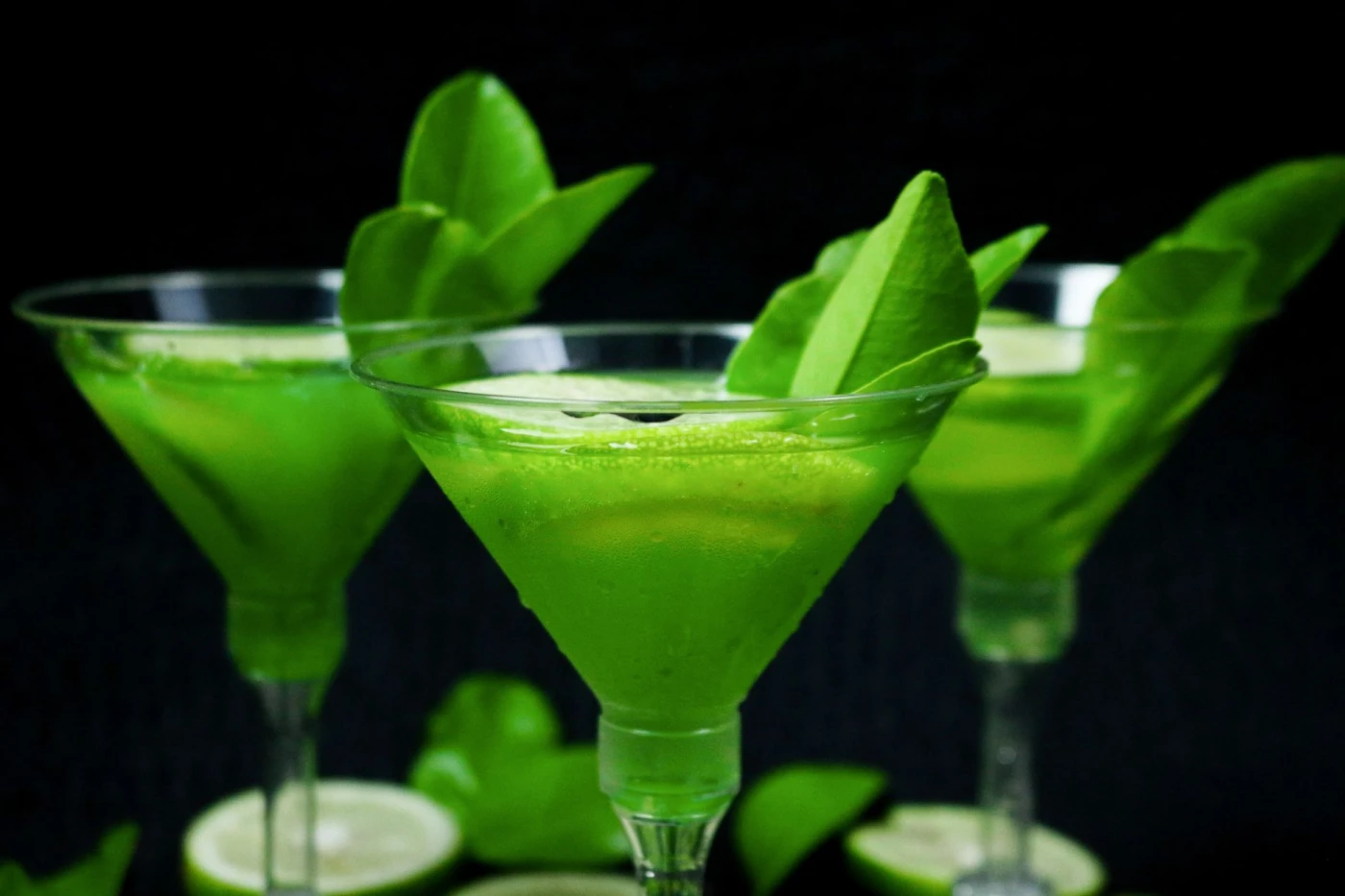
Absinthe's anise-fennel profile is a surprisingly versatile food partner — the French and the Swiss have known this for 150 years.
Oysters. The classic. An Absinthe Frappé alongside a dozen raw oysters is peak New Orleans, and it works just as well with Whitstable natives in the UK. The herbal bite cuts brine like a squeeze of lemon.
Rich, fatty food. Duck rillettes, pâté, triple-cream brie. High-proof anise scrubs the palate clean between bites.
Dark chocolate. A Chrysanthemum with 70% dark chocolate is an unexpectedly elegant dessert course. Try it once and you'll repeat it.
As for occasions? The frappé is a hot-weather drink first — think Fourth of July, a UK bank holiday scorcher, or lazy garden afternoons. It's less portable than the make-ahead options in our best portable picnic drinks roundup (crushed ice doesn't travel), but on home turf it's unbeatable.
Come autumn, absinthe shifts character. The Corpse Reviver No. 2 is a Halloween natural — the name does half the work — and Death in the Afternoon was practically built for New Year's Eve toasts. The Suissesse owns weekend brunch, sitting happily beside juice-forward crowd-pleasers like the Madras cocktail.
Hosting a mixed crowd? Not everyone loves anise — it's a genuinely polarizing flavor. Keep a backup plan from our 10 vodka cocktails you can make in under 5 minutes so nobody's left holding an empty glass while you evangelize about wormwood.
Absinthe Cocktail Cheat Sheet
Screenshot this table and stick it inside your liquor cabinet — every measurement in US ounces and UK millilitres.
| Cocktail | Absinthe | Other Ingredients | Method | Glass |
|---|---|---|---|---|
| Absinthe Frappé | 1.5 oz (45 ml) | 0.5 oz (15 ml) simple syrup, 2 oz (60 ml) soda, mint | Build & churn over crushed ice | Highball |
| Death in the Afternoon | 1 oz (30 ml) | 4 oz (120 ml) chilled Champagne | Pour & top slowly | Flute |
| Sazerac | 0.25 oz (7 ml) rinse | 2 oz (60 ml) rye, sugar cube, Peychaud's, lemon peel | Stir, strain into rinsed glass | Rocks |
| Corpse Reviver No. 2 | Rinse | 0.75 oz (22 ml) each: gin, Cointreau, Lillet, lemon | Shake & strain | Coupe |
| Absinthe Suissesse | 1.5 oz (45 ml) | 0.5 oz (15 ml) orgeat, 1 oz (30 ml) cream, egg white | Dry shake, then shake with ice | Rocks |
| Chrysanthemum | 3 dashes | 2 oz (60 ml) dry vermouth, 1 oz (30 ml) Bénédictine | Stir & strain | Coupe |
Quick temperature and ratio reminders: serve everything as close to 28–32°F (-2 to 0°C) as possible, dilute drip-style absinthe at 3:1 to 5:1 water-to-spirit, and use a 60–68% ABV absinthe verte for all of the above.
How Strong Is an Absinthe Cocktail? Serve It Smart
Time for straight talk. Absinthe is among the strongest spirits sold anywhere — 45–74% ABV, compared with 40% for standard vodka or gin. That 1.5 oz (45 ml) pour of 60% ABV absinthe in your frappé? It carries roughly 1.8 US standard drinks, or about 2.7 UK units. More than a Martini, disguised as a minty cooler.
And that's the trap. The crushed ice, soda and mint make an absinthe cocktail taste far gentler than it is. Dilution softens flavor, not alcohol content — the same total ethanol is still in the glass.
So pace yourself and drink responsibly. One frappé per hour, water in between, food alongside, and never top up a guest's glass without telling them. Responsible drinking is part of good hosting — the NIAAA publishes clear US guidance on standard drinks and moderate intake, and UK readers can run any recipe through the unit calculators at Drinkaware. Two minutes of reading, permanently better hosting.
And forget the hallucination folklore — modern thujone limits make legal absinthe no more 'mind-altering' than any other spirit of equal strength. The danger was never magic. It was always just proof.
Here's my closing pitch: the absinthe cocktail rewards curiosity like almost nothing else behind your bar. Start with one good bottle of absinthe verte, master the frappé, then let the Sazerac and Corpse Reviver pull you deeper into the classics. Before you buy anything, run through our free home bar starter checklist to make sure your setup is ready — then go pour something the Green Fairy would be proud of.
Ask AI about this article
Pick a prompt, copy it, or open ChatGPT with this article preloaded.
Frequently Asked Questions
What is an absinthe cocktail?
An absinthe cocktail is any mixed drink built around absinthe, the high-proof anise-and-wormwood spirit nicknamed the Green Fairy. The most famous is the Absinthe Frappé, created in New Orleans in the 1870s, which combines absinthe, simple syrup, soda water and crushed ice. Because absinthe is intensely flavored and st.
What is the best absinthe for cocktails?
For mixing, choose a genuine absinthe verte around 60–68% ABV. St. George Absinthe Verte (60% ABV, about $60) and Lucid (62%) are excellent US picks, while La Fée Parisienne (68%, around £40) is widely available in the UK. Pernod Absinthe is a reliable middle ground on both sides of the Atlantic. Avoid cheap neon-green.
How do you make an Absinthe Frappé at home?
Fill a highball or rocks glass completely with crushed ice. Add 1.5 oz (45 ml) absinthe verte and 0.5 oz (15 ml) simple syrup, then churn with a barspoon until the glass frosts. Top with about 2 oz (60 ml) chilled soda water, cap with more crushed ice, and garnish with a generous mint bouquet. The whole build takes und.
Why does absinthe turn cloudy when you add water?
That cloudiness is called the louche. Anise, fennel and wormwood release essential oils into the spirit during distillation, and those oils dissolve in high-proof alcohol but not in water. When cold water dilutes the absinthe, the oils come out of solution and form a milky, opalescent emulsion. A slow, even louche is a.
How strong is an absinthe cocktail?
Absinthe itself is one of the strongest spirits you can buy, typically 45–74% ABV (90–148 proof). A finished Absinthe Frappé with 1.5 oz of 60% ABV absinthe contains roughly 1.8 US standard drinks — more than a Martini. Dilution from ice and soda softens the taste, not the alcohol content, so treat one absinthe cocktai.
Does absinthe make you hallucinate?
No. The hallucination myth came from 19th-century panic over thujone, a compound in wormwood. Modern analysis shows vintage absinthe contained far less thujone than feared, and today's legal bottles must meet strict limits in both the US and EU. What absinthe will do is get you drunk quickly if you're careless — it's t.
What can I substitute for absinthe in cocktails?
Pastis (like Pernod or Ricard) is the closest substitute — it shares the anise backbone at a gentler 40–45% ABV, though it's sweeter and lacks wormwood's bitter edge. Herbsaint, created in New Orleans during the ban, is the traditional Sazerac stand-in and costs around $35. For a rinse or a few dashes, either works wel.
Comments 0
Login to Post comments