Absinthe Frappé Recipe: The Icy New Orleans Classic
Master the Absinthe Frappé — the frosty 1874 New Orleans classic — with exact US oz and UK ml measures, the best absinthe brands, pro technique tips, and five refreshing variations.
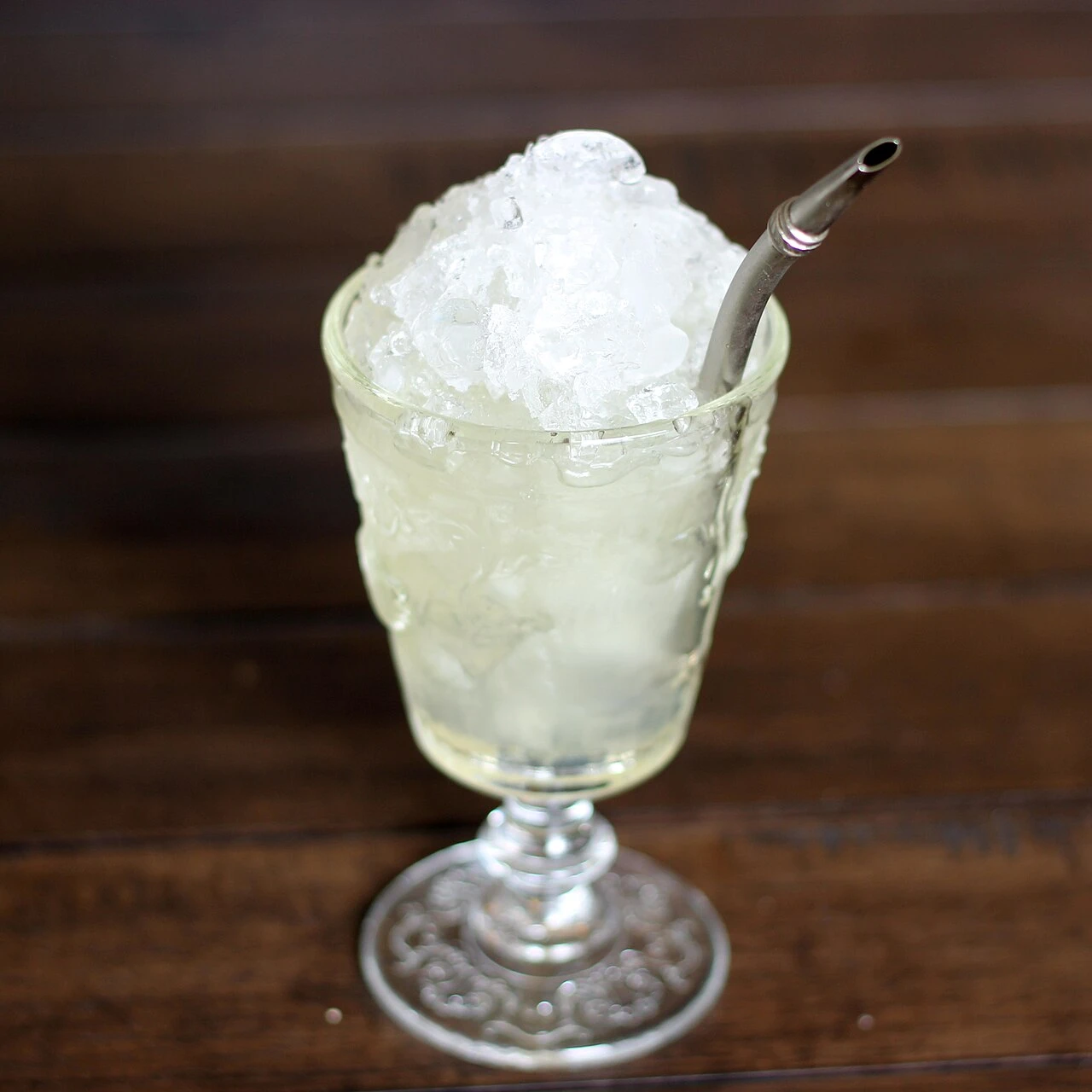
The Absinthe Frappé might be the most refreshing way ever invented to drink the most feared spirit in history. Born in New Orleans around 1874, it takes fiery, 120-plus-proof absinthe and tames it with a mountain of crushed ice, a whisper of sugar, and a splash of soda until the glass frosts over.
Here's the thing: absinthe intimidates people. The rituals, the myths, the strength. But this drink strips all that away. Five minutes, four ingredients, no slotted spoons or sugar cube ceremonies required.
I've made this for guests who swore they hated licorice — and watched them ask for a second. If you already know your classic cocktails, this is the natural next step into absinthe. Let's build one properly.
What Is an Absinthe Frappé? A New Orleans Original
An Absinthe Frappé is absinthe, simple syrup, and soda water swizzled over crushed ice until the drink is achingly cold and the outside of the glass turns white with frost. Most accounts credit Cayetano Ferrer, a Catalan bartender, with creating it around 1874 at the Aleix Coffee House on Bourbon Street — the bar he later renamed the Absinthe Room, known today as the Old Absinthe House.
It became a genuine phenomenon. New Orleans professionals drank it as a morning eye-opener, and by 1904 the drink was famous enough that composer Victor Herbert wrote a Broadway song literally titled 'Absinthe Frappé' for the musical It Happened in Nordland. Not many cocktails get their own show tune.
Then it all stopped. The US banned absinthe in 1912, swept up in a moral panic over wormwood and the compound thujone. For nearly a century, the frappé survived only in substitute form, made with Herbsaint or pastis. Drinks vanish and resurface all the time — just look at what happened to the drinks of the 90s — but few disappeared as dramatically as this one.
The comeback came in 2007, when regulators clarified that absinthe testing thujone-free under TTB standards (below 10 parts per million) could be sold legally in the United States. Real absinthe returned to American shelves, and the frappé reclaimed its spot on New Orleans menus. Today it's the house drink of the Old Absinthe House once again, and honestly? It has never tasted better.
Absinthe Frappé Ingredients (US oz + UK ml)
Four ingredients. That's the whole shopping list. But because absinthe carries the entire drink, quality matters more here than in almost any other cocktail.
- Absinthe verte: 1.5 oz (45 ml) — aim for a genuine wormwood-distilled absinthe at 60-68% ABV
- Simple syrup (1:1): 0.5 oz (15 ml) — plain white sugar syrup; skip flavored syrups
- Chilled soda water: 1-2 oz (30-60 ml) — the colder the better, straight from the fridge
- Crushed ice: enough to fill the glass generously, plus extra for topping
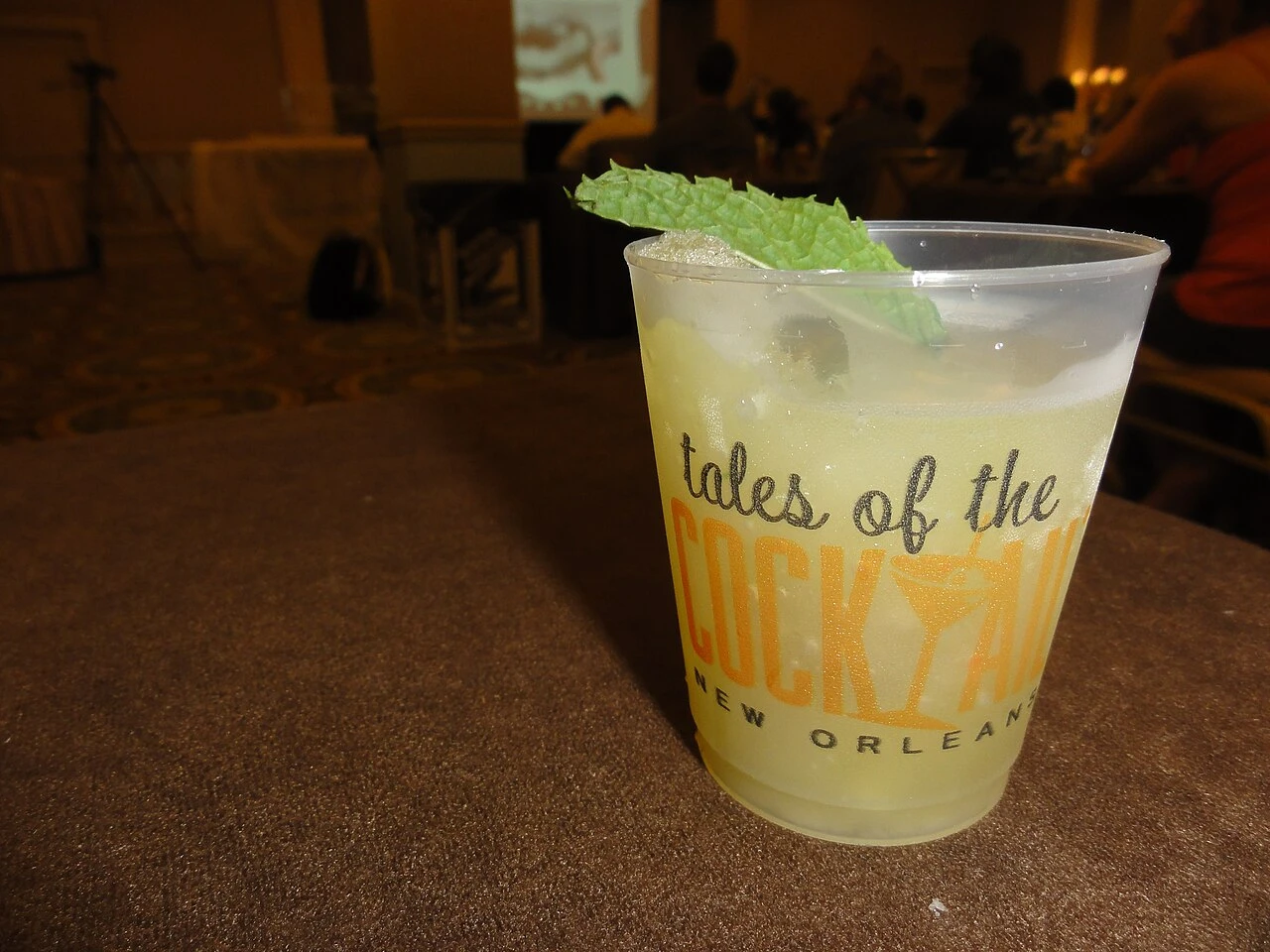
- Fresh mint (optional): 6-8 leaves for the New Orleans-style garnish
Let's be honest about the absinthe: it's an investment. Expect to pay $40-$70 in the US or £40-£65 in the UK for a proper bottle. The good news? At 1.5 oz per drink, one 750 ml bottle makes about 16 frappés, plus months of Sazerac rinses and Corpse Revivers.
The simple syrup replaces the traditional sugar cube ritual, and it dissolves instantly in an ice-cold drink where granulated sugar never would. Make your own by stirring equal parts sugar and hot water — it keeps for two weeks refrigerated and costs pennies.
For the soda, any neutral sparkling water works. I keep small 150 ml cans in the fridge so every bottle is fresh and aggressively fizzy. Flat soda is the quiet killer of tall drinks, and this recipe uses so little that a half-open litre bottle just won't cut it.
The Best Absinthe for an Absinthe Frappé
Which bottle should you buy? After testing this drink with a handful of widely available absinthes, here's how I'd rank them for the frappé specifically.
Lucid Absinthe Supérieure (62% ABV, ~$40 US / £45 UK). The first genuine absinthe legally sold in the US after the 2007 rule change, and still the smart starter bottle. Clean anise, gentle wormwood bitterness, beautiful louche. This is easily one of the best value-for-money options for mixing.
St. George Absinthe Verte (60% ABV, ~$60). The California original — America's first legal absinthe post-ban. It's wilder and more herbaceous, with basil and tarragon notes that make a fascinating frappé. My personal favorite when I want the drink to taste like a garden.
Pernod Absinthe (68% ABV, ~$70 / £65). The historic French house, recreated from 19th-century protocols. Powerful, classic, and authoritative. Use the full soda measure to open it up.
La Fée Parisienne (68% ABV, ~£40). Often the easiest true absinthe to find in UK supermarkets and online. Bold anise, reliable quality, and typically the best UK price per ml of the genuine options.
What should you avoid? Bright artificial-green 'absinth' (note the missing 'e') bottlings sold mainly as shot fuel. They're usually macerated rather than distilled, won't louche, and taste like mouthwash over crushed ice. If a bottle brags about thujone content instead of ingredients, put it back on the shelf.
One more tip: a blanche (clear) absinthe like Kübler (53% ABV) makes a softer, silkier frappé that's brilliant in summer.
How to Make an Absinthe Frappé, Step by Step
Total time: about four minutes. The technique is closer to a Mint Julep than a Martini — you're building and swizzling, not shaking and straining.
- Chill your glass. Stick a highball or footed frappé glass in the freezer for 10 minutes, or fill it with ice water while you prep. A warm glass murders this drink.
- Crush your ice. Wrap cubes in a clean tea towel and smash with a muddler or rolling pin until you have fine, snowy pieces. You want roughly 2 cups per drink.
- Add the liquids. Pour 1.5 oz (45 ml) absinthe and 0.5 oz (15 ml) simple syrup into the empty chilled glass. If you're using mint, gently slap 5-6 leaves between your palms and drop them in now.
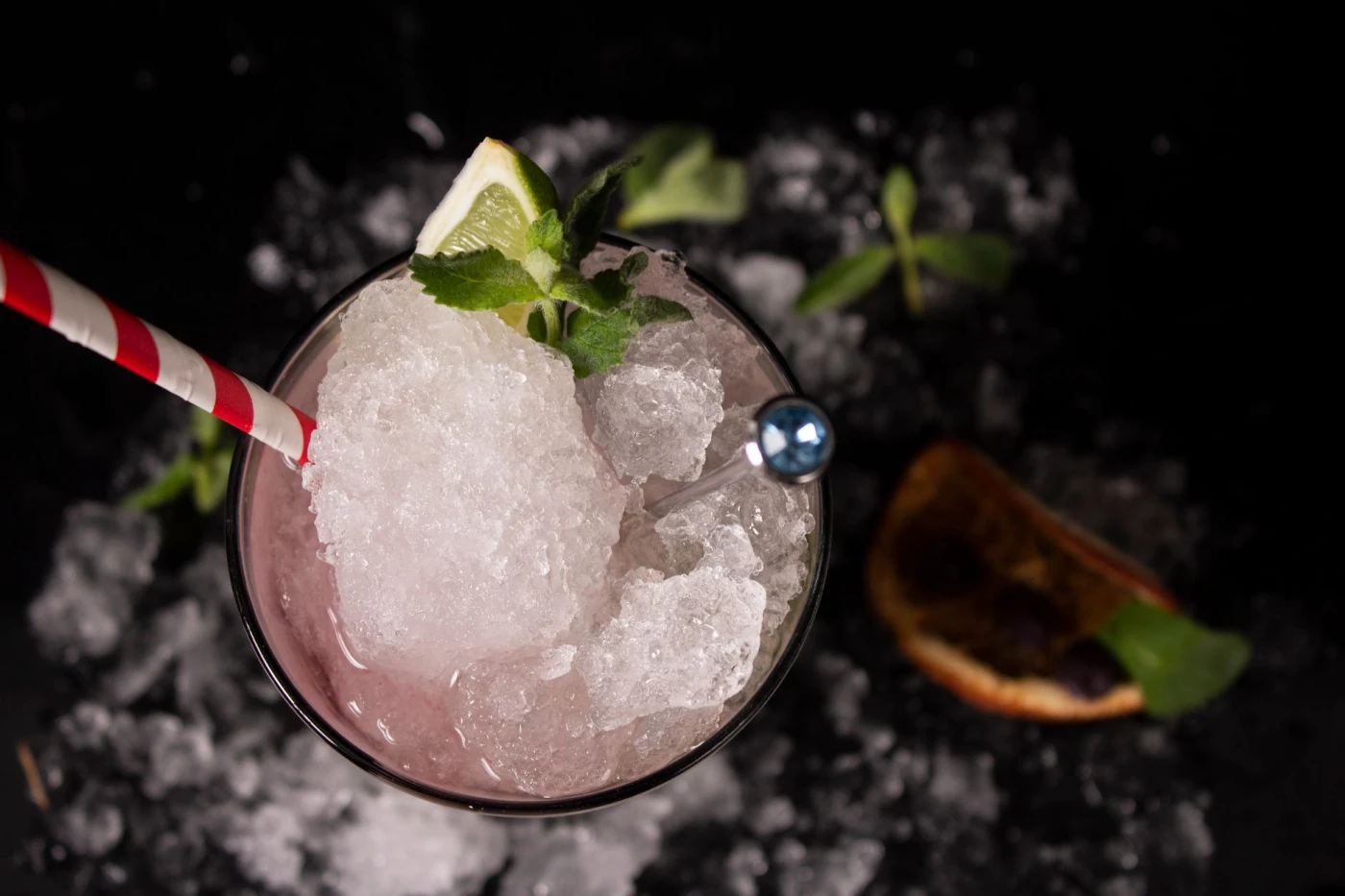
- Pack with crushed ice. Fill the glass to the top and mound it slightly.
- Swizzle hard. Spin a barspoon or swizzle stick between your palms for 20-30 seconds, working it up and down. Stop when a frost forms on the outside of the glass — that's your visual cue that the drink has hit roughly -2°C (28°F).
- Top and crown. Add 1-2 oz (30-60 ml) chilled soda water, cap with a fresh snowcone of crushed ice, and garnish with a mint sprig.
Watch the louche as the ice melts — the drink shifts from clear green to a milky, opalescent cloud. That transformation is the anise and fennel oils coming out of solution, and it's the sign of a real absinthe doing its job. Serve immediately with a straw. This drink waits for no one.
Pro Tips From Behind the Bar
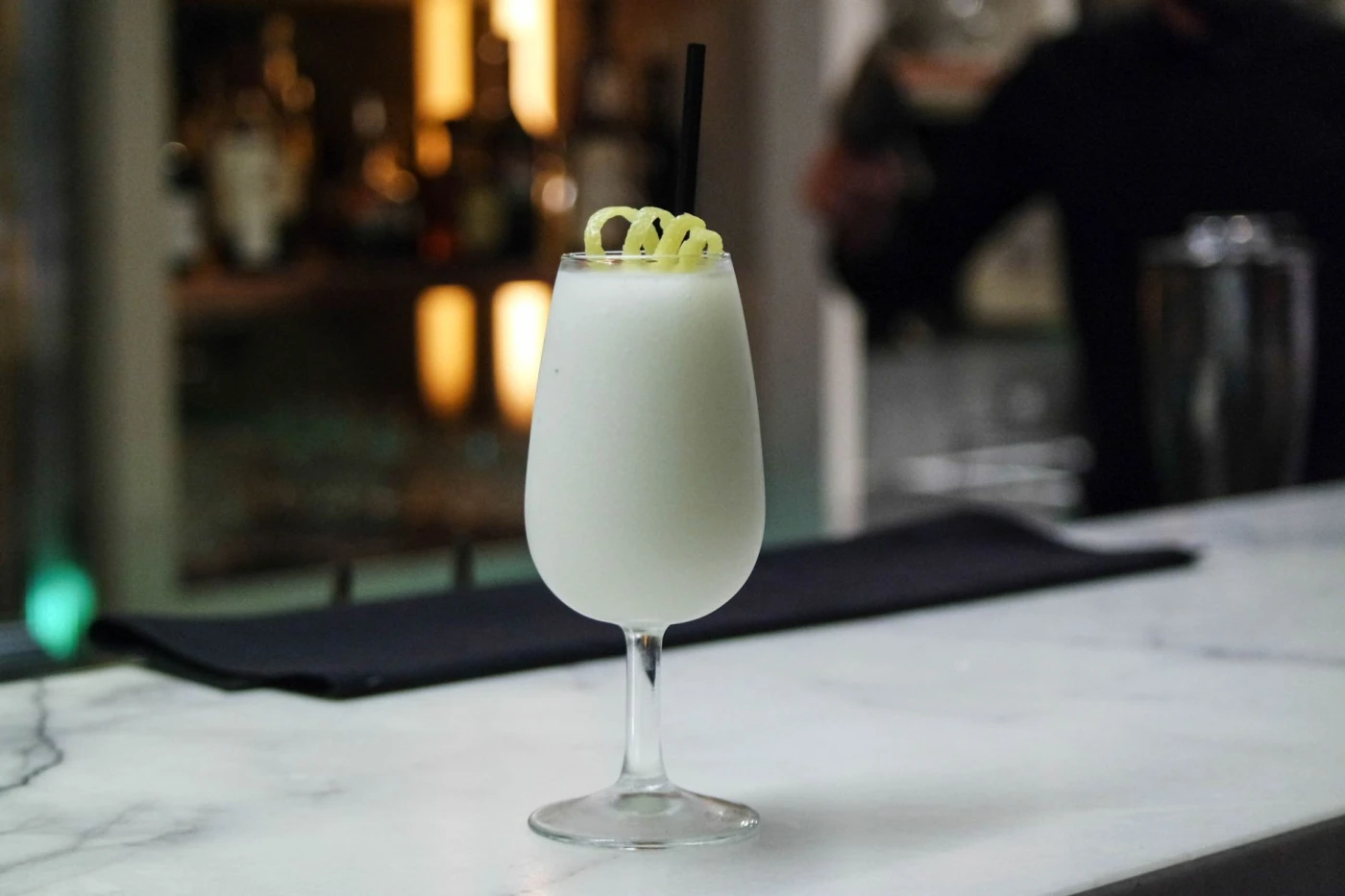
In my experience, the gap between a decent frappé and a transcendent one comes down to temperature and dilution control. Here's what actually moves the needle.
Freeze everything except the absinthe. Glass, soda, even your barspoon. The one thing you shouldn't freeze is the absinthe itself — at room temperature it releases more aromatics during the swizzle, and the ice handles the chilling.
Slap your mint, never muddle it. Muddled mint releases bitter chlorophyll that fights the wormwood. A firm clap between your palms wakes up the oils without the bitterness. Same rule as a julep.
Taste before you top. Absinthes vary wildly in sweetness and proof. After swizzling, take a quick straw taste. Too fierce? More soda. Too dilute? Add a barspoon of absinthe on top of the ice crown so the first sip lands strong.
Adjust syrup to your bottle. With Lucid I use the full 0.5 oz (15 ml). With the sweeter-edged Pernod, I pull back to a scant teaspoon. After testing both extremes, I promise the difference is dramatic.
Mind the meltwater math. Fine crushed ice dilutes about three times faster than cubes. That's the point — but it also means a frappé left sitting for ten minutes becomes absinthe-flavored water. Build it last if you're making a round of drinks.
The anisette float. Ferrer's original reportedly leaned on anisette as the sweetener. A quarter-ounce (7 ml) float of Marie Brizard anisette instead of some of the syrup adds a silky, old-school depth I genuinely love. Worth trying on your second one — though maybe not on the same night.
5 Absinthe Frappé Variations Worth Trying
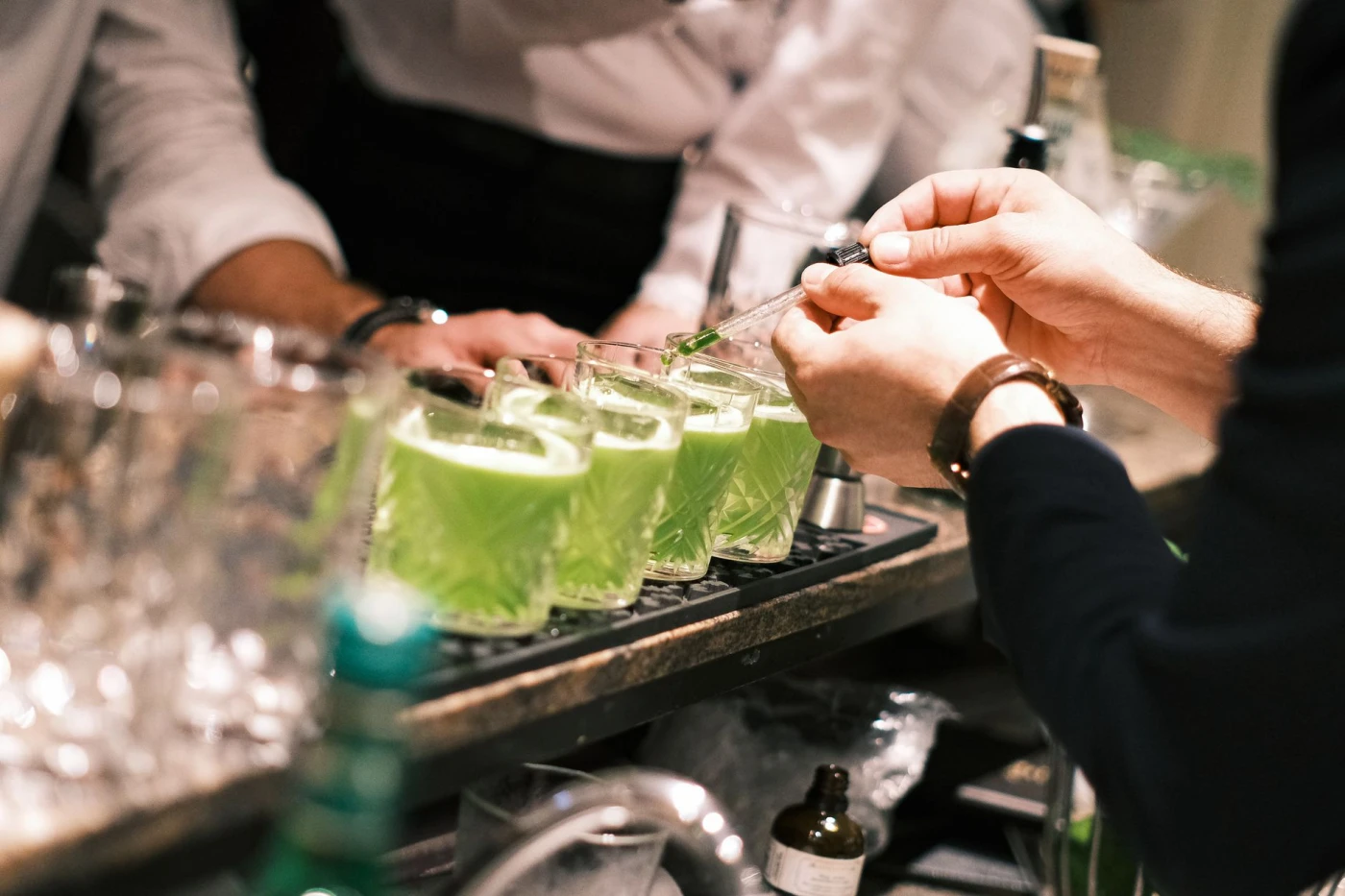
Once you've nailed the classic, these five riffs each show off a different side of the green fairy.
1. Mint Absinthe Frappé — the modern New Orleans standard.
- 1.5 oz (45 ml) absinthe
- 0.5 oz (15 ml) simple syrup
- 8 mint leaves, slapped
- 1 oz (30 ml) soda water
2. Anisette Frappé — closest to Ferrer's 1874 original.
- 1.5 oz (45 ml) absinthe
- 0.5 oz (15 ml) anisette (Marie Brizard)
- 1.5 oz (45 ml) soda water
3. Absinthe Suissesse — the creamy New Orleans brunch icon. Shake with ice, strain over crushed ice. It sits beside the Madras on my brunch rotation.
- 1.5 oz (45 ml) absinthe
- 0.75 oz (22 ml) orgeat
- 1 oz (30 ml) half-and-half (single cream in the UK)
- 1 egg white
4. Pastis Frappé — the gentle, wallet-friendly session version at roughly half the strength. If you like lighter drinks, see our low-alcohol cocktail recipes for more ideas.
- 2 oz (60 ml) Ricard or Pernod pastis
- 1 barspoon simple syrup
- 2 oz (60 ml) soda water
5. Frozen Frappé — blender route for hot August afternoons.
- 1.5 oz (45 ml) absinthe
- 0.75 oz (22 ml) simple syrup
- 0.5 oz (15 ml) fresh lemon juice
- 1 cup (150 g) ice — blitz 10 seconds
My verdict? The Suissesse is the crowd-pleaser, but the anisette version is the one that tastes like history.
Common Absinthe Frappé Mistakes (And How to Fix Them)
I've watched plenty of home bartenders fumble this deceptively simple drink. These are the five errors that come up again and again.
Using cubed ice. The single biggest mistake. Cubes chill too slowly and under-dilute, leaving you with a harsh, hot glass of barely-cooled absinthe. The frappé needs fine crushed ice for rapid chill and generous meltwater. No exceptions.
Pouring like it's vodka. A 2 oz free-pour of 68% ABV absinthe is not the same as 2 oz of 40% vodka — it's nearly double the alcohol. Measure with a jigger. Every single time.
Buying fake 'absinth.' That neon-green Czech-style bottle from the back of the shop? It won't louche, tastes of artificial anise, and will convince you that you hate this drink. Spend the extra $15 on Lucid or La Fée.
Over-sweetening. Absinthe already carries sweet anise and fennel notes. More than 0.5 oz (15 ml) of syrup tips the drink into liquid licorice allsorts. Start lean; you can always add.
Forgetting how strong it is. This one matters. The frappé drinks like lemonade but lands like two cocktails. One frappé contains roughly two US standard drinks as defined by the NIAAA, or around 2.8 UK units. The cold and the sweetness mask the punch, so pace yourself, alternate with water, and eat something. This is a drink to savor slowly — never a drink to race.
Get these five right and you're already making a better frappé than most bars outside Louisiana.
When to Serve an Absinthe Frappé: Pairings and Occasions
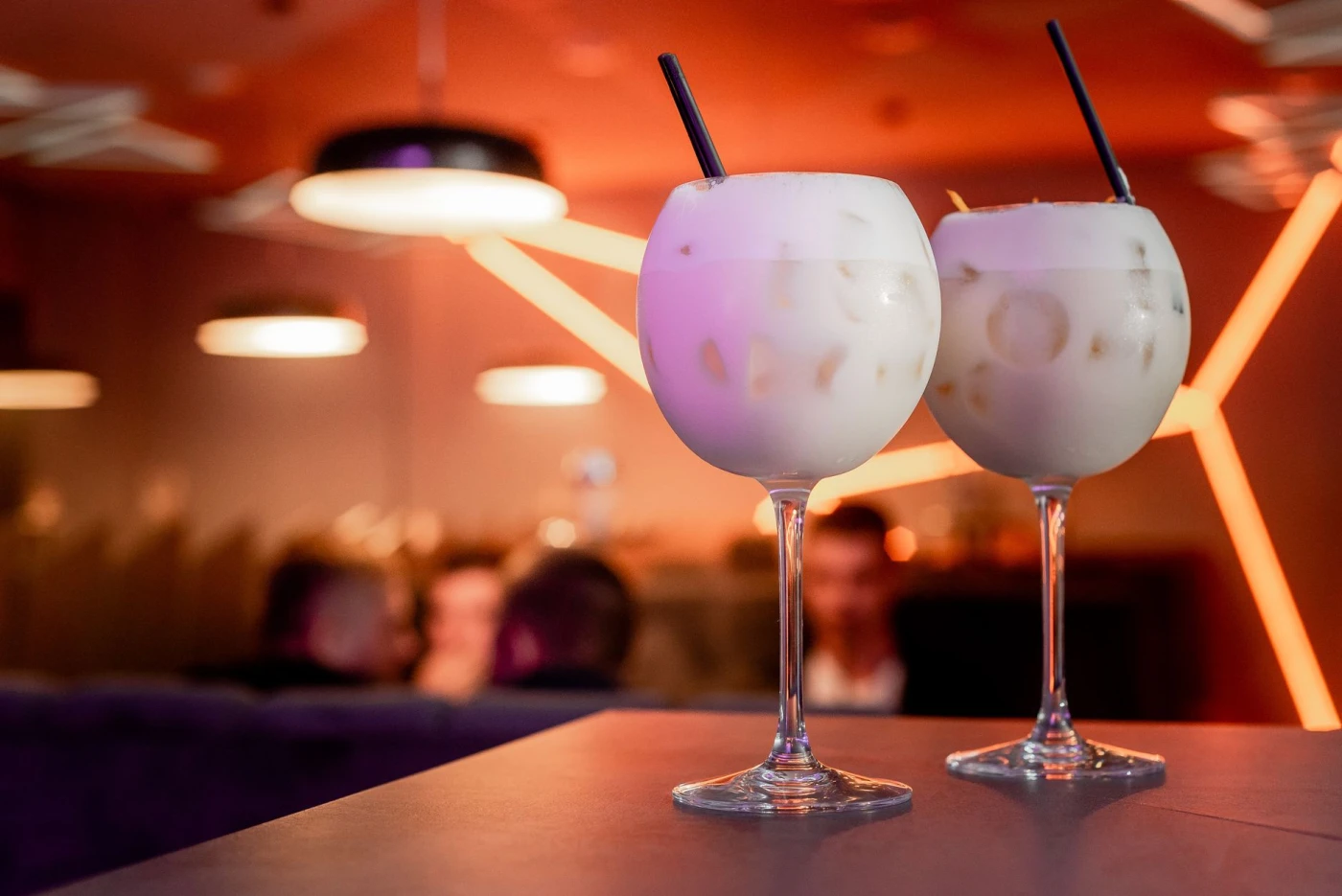
Historically this was a morning drink — New Orleans lawyers and cotton brokers took theirs before work, which tells you a lot about 1890s office culture. Today, it shines in three specific settings.
Hot-weather aperitif. When it's 32°C (90°F) in July, nothing beats a frost-covered frappé before dinner. The anise sharpens your appetite the same way pastis does across the south of France. It's my go-to for garden parties from Memorial Day through the August bank holiday.
Brunch. The Suissesse variation is a legitimate rival to the Mimosa in New Orleans, and it's a stunner beside eggs Sardou or a full English. If your table has anise skeptics, offer a round of beginner-friendly whiskey cocktails alongside so everyone's covered.
Mardi Gras and themed nights. Any New Orleans-inspired menu — gumbo, jambalaya, chargrilled oysters — practically demands one. The herbal bite cuts through rich, buttery Creole food beautifully. Raw oysters with a frappé is a genuinely elite pairing; the anise and brine were made for each other.
Food pairings that work: oysters, boiled shrimp, goat cheese, dark chocolate desserts, and anything fennel-forward. Skip it with delicate white fish, which the wormwood will steamroll.
One honest note: because it's so strong, the frappé is a poor choice for all-day events. For picnics and long afternoons, I'd steer you toward our make-ahead picnic drinks instead. For UK-specific guidance on pacing and units, Drinkaware is the resource I recommend.
How to Enjoy Absinthe Responsibly
Let's talk about responsible drinking for a moment, because absinthe demands the conversation more than any other bottle on your shelf. At 60-74% ABV, genuine absinthe carries roughly double the alcohol of a standard vodka or gin. The 1.5 oz (45 ml) pour in a single frappé works out to about two US standard drinks — or around 2.8 UK units — before the ice even starts to melt. That's a Martini and a half wearing a snow-cone costume, and your body processes it exactly like a Martini and a half.
The frappé's biggest charm is also its biggest trap. Crushed ice, sugar, and soda make a high-proof spirit taste like a soft drink, and the straw encourages fast sipping. On a hot afternoon it's genuinely easy to finish one in ten minutes. The historical record backs this up: absinthe's 19th-century reputation for ruin had far more to do with sheer strength and heavy daily consumption than with any mythical wormwood madness.
My house rules for serving frappés: two per person maximum, with at least an hour between them. Pour a tall glass of iced water alongside every drink. Always serve food — oysters, cheese, anything salty and substantial. And measure with a jigger every single time, because free-pouring a 68% ABV spirit is how good evenings go sideways.
For context, US dietary guidelines define moderate drinking as no more than two standard drinks a day for men and one for women — so a single frappé essentially fills the day's quota. The UK NHS advises staying under 14 units per week spread across several days, and one frappé dents that by a fifth. It should go without saying, but never drive after one of these; arrange a lift or make it a night in.
If you're pregnant, taking medication that interacts with alcohol, or in recovery, skip absinthe entirely — the Suissesse's orgeat and cream make a lovely zero-proof base with a few drops of anise extract standing in for the spirit. The green fairy's magic lives in the ritual and the flavor, never in the quantity.
Absinthe Frappé Cheat Sheet
Everything you need at a glance — screenshot this before your next cocktail night.
| Element | US Measure | UK Measure | Notes |
|---|---|---|---|
| Absinthe verte | 1.5 oz | 45 ml | 60-68% ABV; Lucid, St. George, Pernod, La Fée |
| Simple syrup (1:1) | 0.5 oz | 15 ml | Reduce for sweeter absinthes |
| Soda water | 1-2 oz | 30-60 ml | Fridge-cold, freshly opened |
| Crushed ice | ~2 cups | ~300 g | Fine crush; mound on top |
| Mint (optional) | 6-8 leaves | 6-8 leaves | Slapped, never muddled |
| Glass | Highball / frappé glass | Highball | Frozen 10 minutes |
| Method | Swizzle 20-30 seconds until frosted | Top with soda last | |
| Strength in glass | ~15-18% ABV after dilution | ≈2 standard drinks / 2.8 UK units | |
| Prep time | 4 minutes | Serve immediately | |
Pin the ratio to memory: 3 : 1 : 2-4 — absinthe, syrup, soda — over the finest ice you can crush.
The Absinthe Frappé survived a 95-year ban and came back tasting exactly as good as its legend promised. That's rare. Master it and you've unlocked absinthe itself — the Sazerac, the Corpse Reviver No. 2, and the whole speakeasy canon open up from here. Want quicker wins in the meantime? Our five-minute vodka cocktails have you covered on busy nights.
Before you crush your first scoop of ice, make sure your setup is ready — grab our free home bar starter checklist so you're never missing a jigger, swizzle stick, or fresh soda when the green fairy calls. Drink well, drink slowly, and enjoy responsibly.
Ask AI about this article
Pick a prompt, copy it, or open ChatGPT with this article preloaded.
Frequently Asked Questions
What is an Absinthe Frappé?
An Absinthe Frappé is a classic New Orleans cocktail made by swizzling absinthe and simple syrup with crushed ice, then topping with chilled soda water. Most accounts credit bartender Cayetano Ferrer with creating it around 1874 at what became the Old Absinthe House on Bourbon Street. The crushed ice dilutes and chills.
What does an Absinthe Frappé taste like?
Expect bold anise and licorice up front, followed by cooling herbal notes — fennel, wormwood, and often hyssop or mint depending on the brand. The crushed ice and soda water soften absinthe's fiery edge, so the finished drink tastes bright, sweet-herbal, and surprisingly refreshing. If you enjoy black licorice, ouzo, o.
What is the best absinthe for an Absinthe Frappé?
A traditional verte (green) absinthe between 60% and 68% ABV works best. Lucid Absinthe Supérieure (62% ABV, around $40/£45) is a reliable starter bottle. St. George Absinthe Verte (60% ABV) brings a wilder herbal profile, while Pernod Absinthe (68% ABV) and La Fée Parisienne (68% ABV) deliver classic French character.
Will absinthe make me hallucinate?
No. That's a 19th-century myth. Modern research attributes historical 'absinthe madness' largely to extreme alcohol strength and adulterated cheap bottlings, not thujone. Absinthe sold legally in the US must test thujone-free under TTB rules (below 10 parts per million), and EU limits are similarly strict. What absinth.
How strong is an Absinthe Frappé?
Stronger than it tastes. With 1.5 oz (45 ml) of 62% ABV absinthe, one frappé contains roughly two US standard drinks' worth of alcohol — before it's diluted by ice and soda to a sippable 15-18% ABV in the glass. The cold, sweet profile hides that strength, which is exactly why you should treat it as a slow sipper and s.
Why does my Absinthe Frappé turn cloudy?
That cloudiness is called the louche, and it's a sign you're doing everything right. Absinthe's anise and fennel oils dissolve in high-proof alcohol but not in water, so when melting ice and soda dilute the spirit, those oils come out of solution and create a milky, opalescent swirl. A good louche indicates a properly.
Comments 0
Login to Post comments