French 75 Cocktail Recipe With Cognac
A crisp, celebratory French 75 made with Cognac, lemon, sugar, and chilled Champagne-style bubbles. A French 75 cocktail recipe with Cognac is what you make when you want Champagne.
A French 75 cocktail recipe with Cognac is what you make when you want Champagne energy with deeper, warmer backbone. It is bright, dry, lightly sweet, and sharper than most brunch drinks, but Cognac gives it a rounded edge that gin cannot quite copy.
Here’s the thing: the French 75 looks delicate, yet it drinks like a proper classic. Lemon cuts through the oak. Bubbles lift the Cognac. Simple syrup keeps the whole glass from becoming a sour, expensive mistake.
If you already enjoy classics from our classic cocktails every home bartender should know guide, this is an easy next drink to master. You need four ingredients, cold glassware, and about four minutes. That is it.
What Is a French 75 Cocktail Recipe With Cognac?
A French 75 cocktail recipe with Cognac is a sparkling sour made with Cognac, fresh lemon juice, simple syrup, and Champagne or another dry sparkling wine. Think of it as a Sidecar that put on evening clothes. Same citrus-brandy logic, but taller, colder, and brighter.
The drink is usually connected with World War I-era cocktail culture and later Paris and London hotel bars, though cocktail history is rarely as neat as a menu blurb makes it sound. The name is generally linked to the French 75mm field gun, a reputation nod to the drink’s kick. The earliest versions were not always standardized, and gin became the best-known modern build. Cognac, however, feels historically plausible and tastes beautifully coherent.
In my experience, Cognac makes this cocktail more forgiving for home bartenders. Gin can turn sharp if the lemon is aggressive or the sparkling wine is lean. Cognac brings fruit, oak, vanilla, and a little honeyed texture, especially at 40% ABV or 80 proof. That matters when you are using affordable supermarket fizz rather than prestige Champagne.
Use this drink when you want something celebratory but not sugary. It fits New Year’s Eve, Christmas Eve, birthdays, late-summer garden drinks, Thanksgiving aperitifs, and Friday nights when opening a full bottle of bubbles feels reasonable. If you like spirit-forward classics, browse our beginner whiskey cocktail guide too; the same balance instincts apply here.
Ingredients You Need for a Cognac French 75
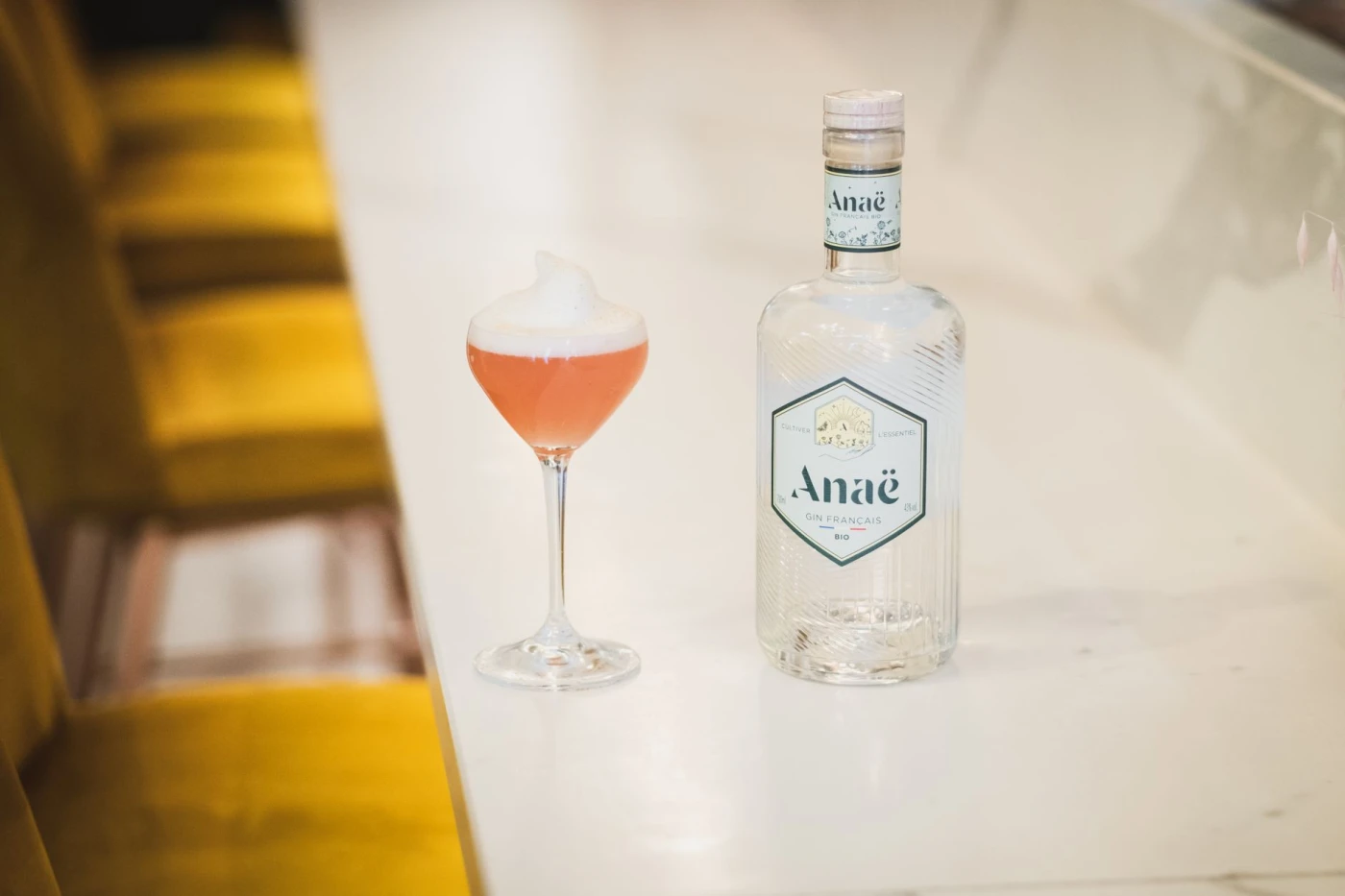
The ingredient list is short, so each bottle has nowhere to hide. You do not need luxury Cognac, but you do need fresh lemon and properly chilled sparkling wine. Serve the drink around 38 to 42°F, or 3 to 6°C, and it will taste crisp rather than heavy.
- 1 oz (30 ml) Cognac — VS or VSOP, 40% ABV / 80 proof. Try Hennessy VS, Courvoisier VSOP, Martell VS, Remy Martin VSOP, or Pierre Ferrand 1840.
- 1/2 oz (15 ml) fresh lemon juice — strained. One medium lemon usually yields about 1 oz (30 ml).
- 1/2 oz (15 ml) simple syrup — equal parts sugar and water by volume. Use 2:1 rich syrup only if you reduce the pour to about 1/4 oz (7.5 ml).
- 2 to 3 oz (60 to 90 ml) dry sparkling wine — Brut Champagne, Cremant, Cava, dry Prosecco, or English sparkling wine.
- 1 lemon twist — expressed over the glass, then dropped in or clipped to the rim.
- Ice for shaking — large, hard cubes are better than wet freezer chips.
What is the best Cognac? For cocktails, I like Pierre Ferrand 1840 when you can find it, usually about $35 to $45 in the US or £35 to £45 in the UK. Hennessy VS is easy to find around $35 or £30 and works reliably. I would skip XO. Delicious, yes. Necessary here? No.
For labeling and spirit category basics, the US Alcohol and Tobacco Tax and Trade Bureau is the reference point: TTB.gov.
How to Make a French 75 Cocktail Recipe With Cognac
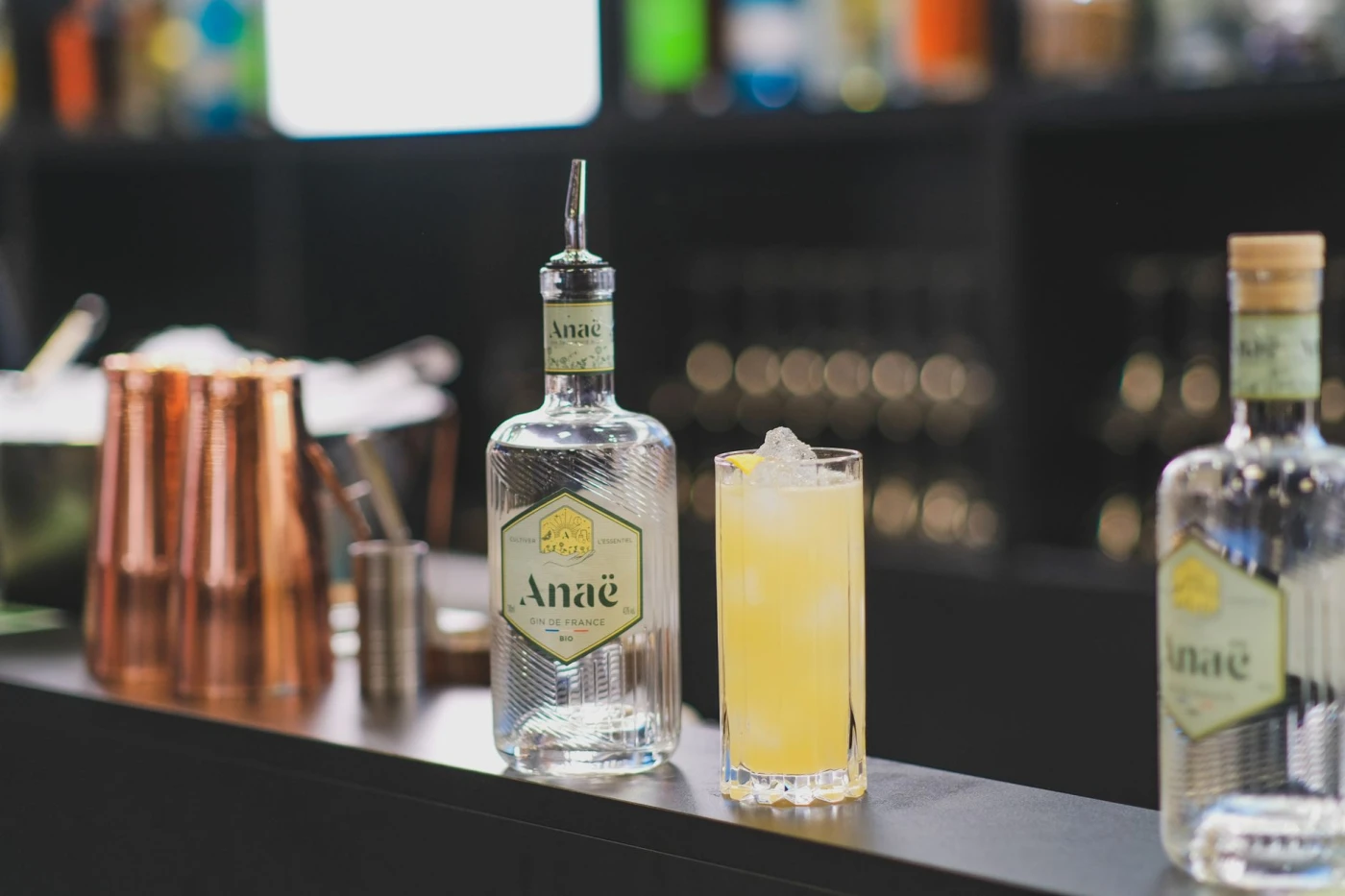
This is a shake-and-top cocktail, not a build-in-glass drink. Why? Lemon juice and syrup need force, cold, and dilution before the sparkling wine arrives. If you stir everything together in the flute, the first sip can taste sweet and the last sip can taste sour.
- Chill the glass. Put a flute or small coupe in the freezer for 10 minutes, or fill it with ice water while you prep.
- Add the base. Pour 1 oz (30 ml) Cognac, 1/2 oz (15 ml) fresh lemon juice, and 1/2 oz (15 ml) simple syrup into a shaker.
- Add ice. Fill the shaker about two-thirds full with hard ice.
- Shake hard. Shake for 10 to 12 seconds, until the tin feels very cold. You want brightness, not watery thinness.
- Strain. Fine strain into your chilled flute or coupe to remove ice shards and lemon pulp.
- Top gently. Add 2 to 3 oz (60 to 90 ml) cold Brut sparkling wine. Pour slowly down the side of the glass if your fizz is lively.
- Garnish. Express a lemon twist over the top, then place it neatly in the glass.
After testing this with Champagne, Cremant, Cava, and Prosecco, I prefer Brut Cremant for everyday mixing. It gives acidity, texture, and value. Save true Champagne for guests who will notice. For more fast, low-stress home drinks, our quick vodka cocktails list is useful when you are hosting people with different tastes.
Pro Tips for Better Balance
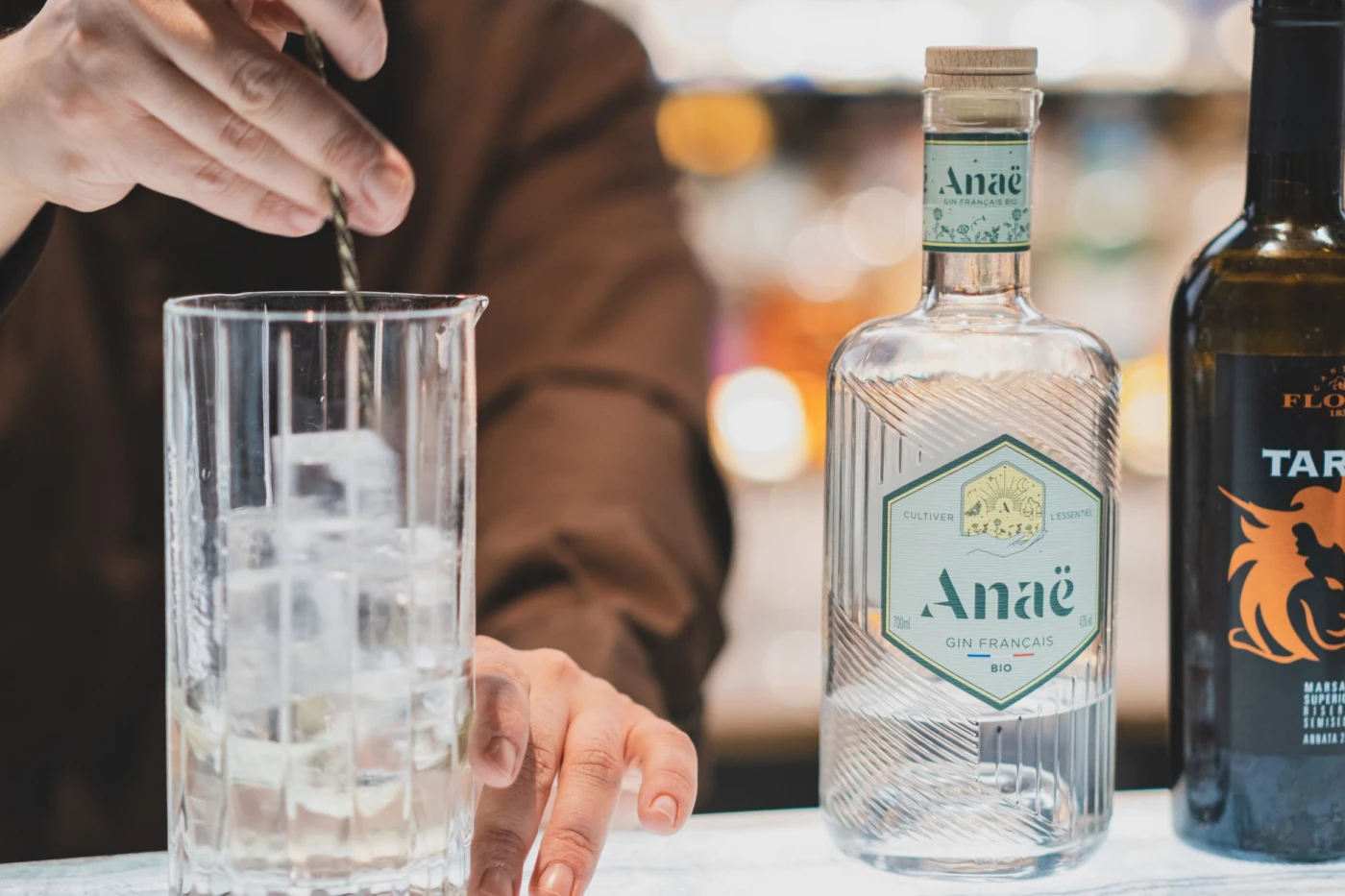
In my experience, the biggest upgrade is temperature. Chill the Cognac if your kitchen is warm, chill the glass, and keep the sparkling wine in an ice bucket. A French 75 served at 50°F or 10°C tastes dull within minutes. At 38°F or 3°C, it snaps.
Measure the lemon. Do not squeeze half a lemon directly into the shaker and hope for balance. Lemons vary wildly. One juicy lemon can throw 1 1/2 oz (45 ml), which turns this cocktail into a sharp lemonade with expensive bubbles. Use a jigger.
Simple syrup should be clean and neutral. White sugar is best for the classic version. Demerara syrup can be good with richer Cognacs, but it darkens the drink and pushes it toward caramel. That is a variation, not the default.
The sparkling wine should be dry. Look for Brut, not Demi-Sec. Champagne is usually 12% ABV; many Proseccos sit around 11% ABV; Cognac is commonly 40% ABV. Once shaken and topped, your finished drink often lands around 14% to 17% ABV. It feels lighter because of bubbles, but it is not weak.
Use the garnish properly. Twist a strip of lemon peel over the glass so the oils hit the surface. That tiny spray changes the first sip. This is easily one of the best low-effort bar tricks you can learn, right up there with using fresh citrus in a Madras cocktail.
How to Choose the Sparkling Wine
The sparkling wine does not need to be famous, but it does need acidity. A soft, fruity bottle can make the cocktail taste pleasant for one sip and tiring by the third. Look for labels marked Brut, Extra Brut, Cremant, Cava, or traditional-method sparkling wine. Those styles usually bring the crisp finish that lemon and Cognac need.
Champagne is the classic answer, and it is excellent if the bottle is already open for a celebration. For regular home mixing, Cremant de Loire, Cremant de Bourgogne, and good Cava are often smarter buys. They give fine bubbles and a dry finish without making you feel wasteful when you pour 2 or 3 oz into a cocktail. Dry Prosecco can work too, especially if you want a softer, pear-like finish, but avoid bottles that taste sweet on their own.
Open the sparkling wine just before serving if possible. Once the bottle has been open for an hour, the cocktail loses the lift that makes a French 75 special. If you are serving several rounds, use a sparkling wine stopper between pours and keep the bottle buried in ice water, not just standing near a bucket. Cold liquid holds carbonation better, and the drink will taste cleaner from the first glass to the last.
French 75 Cocktail Recipe With Cognac Variations
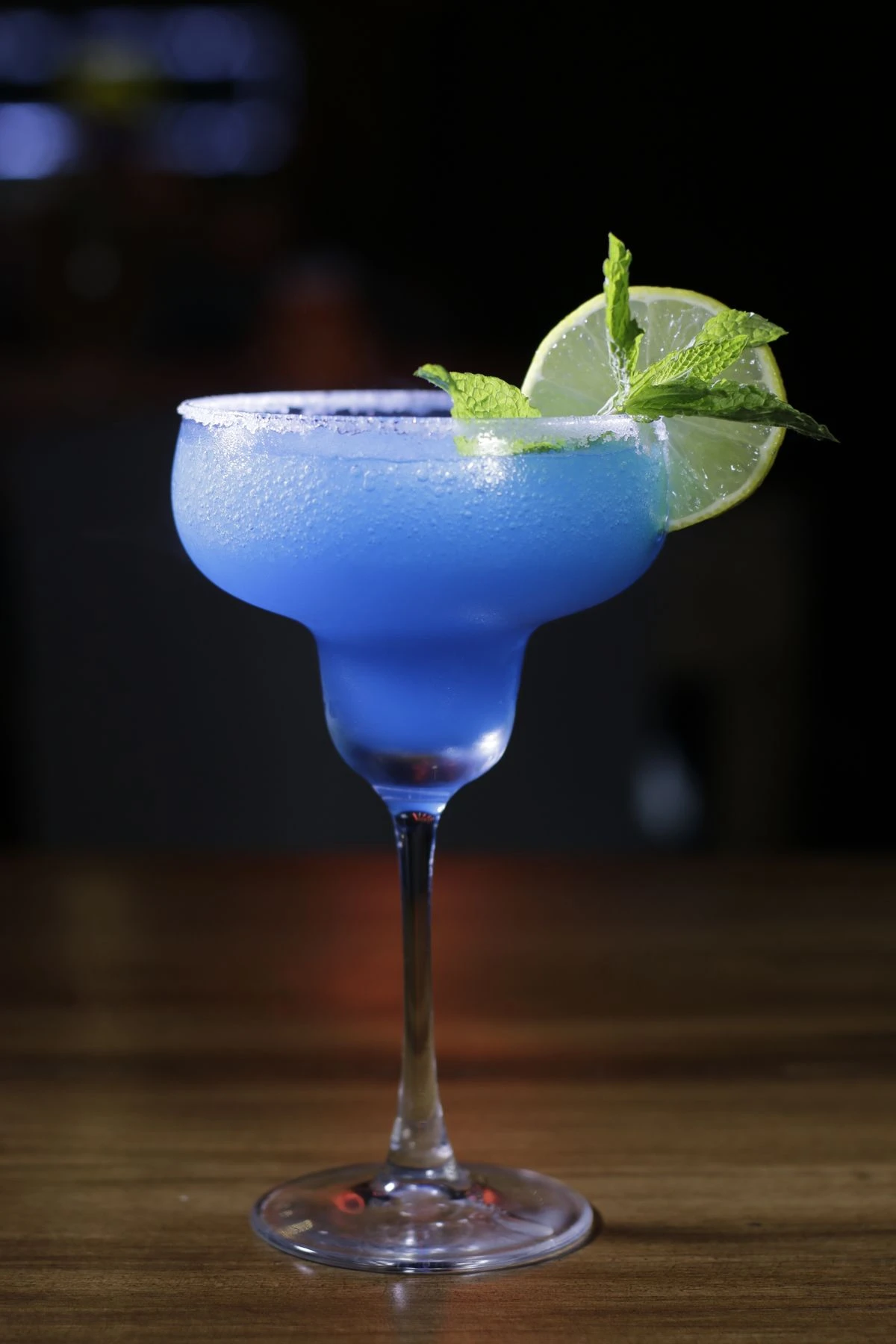
Once you understand the core French 75 cocktail recipe with Cognac, variations become simple. Keep the structure: spirit, citrus, sweetener, bubbles. Change one part at a time. Change everything, and you are just guessing.
Honey Cognac French 75
- 1 oz (30 ml) Cognac
- 1/2 oz (15 ml) lemon juice
- 1/2 oz (15 ml) honey syrup, made 1:1 with warm water
- 2 to 3 oz (60 to 90 ml) Brut sparkling wine
This version feels excellent in autumn. Honey softens the lemon and works with VSOP oak.
Winter Orange French 75
- 1 oz (30 ml) Cognac
- 1/2 oz (15 ml) lemon juice
- 1/4 oz (7.5 ml) simple syrup
- 1/4 oz (7.5 ml) orange liqueur
- 2 oz (60 ml) dry Champagne or Cremant
This is close to Sidecar territory, which is not a bad thing. Use it for Christmas parties or Boxing Day drinks.
Lower-Alcohol Cognac 75
- 1/2 oz (15 ml) Cognac
- 1/2 oz (15 ml) lemon juice
- 1/2 oz (15 ml) simple syrup
- 3 oz (90 ml) low-alcohol sparkling wine
It is lighter but still grown-up. Our low-alcohol cocktail recipes guide has more ideas for that style.
Apple French 75
- 3/4 oz (22 ml) Cognac
- 1/4 oz (7.5 ml) Calvados
- 1/2 oz (15 ml) lemon juice
- 1/2 oz (15 ml) syrup
- 2 oz (60 ml) Brut sparkling wine
After testing this in colder weather, I like it with roast pork, cheddar, and apple tart.
Common Mistakes With a Cognac French 75
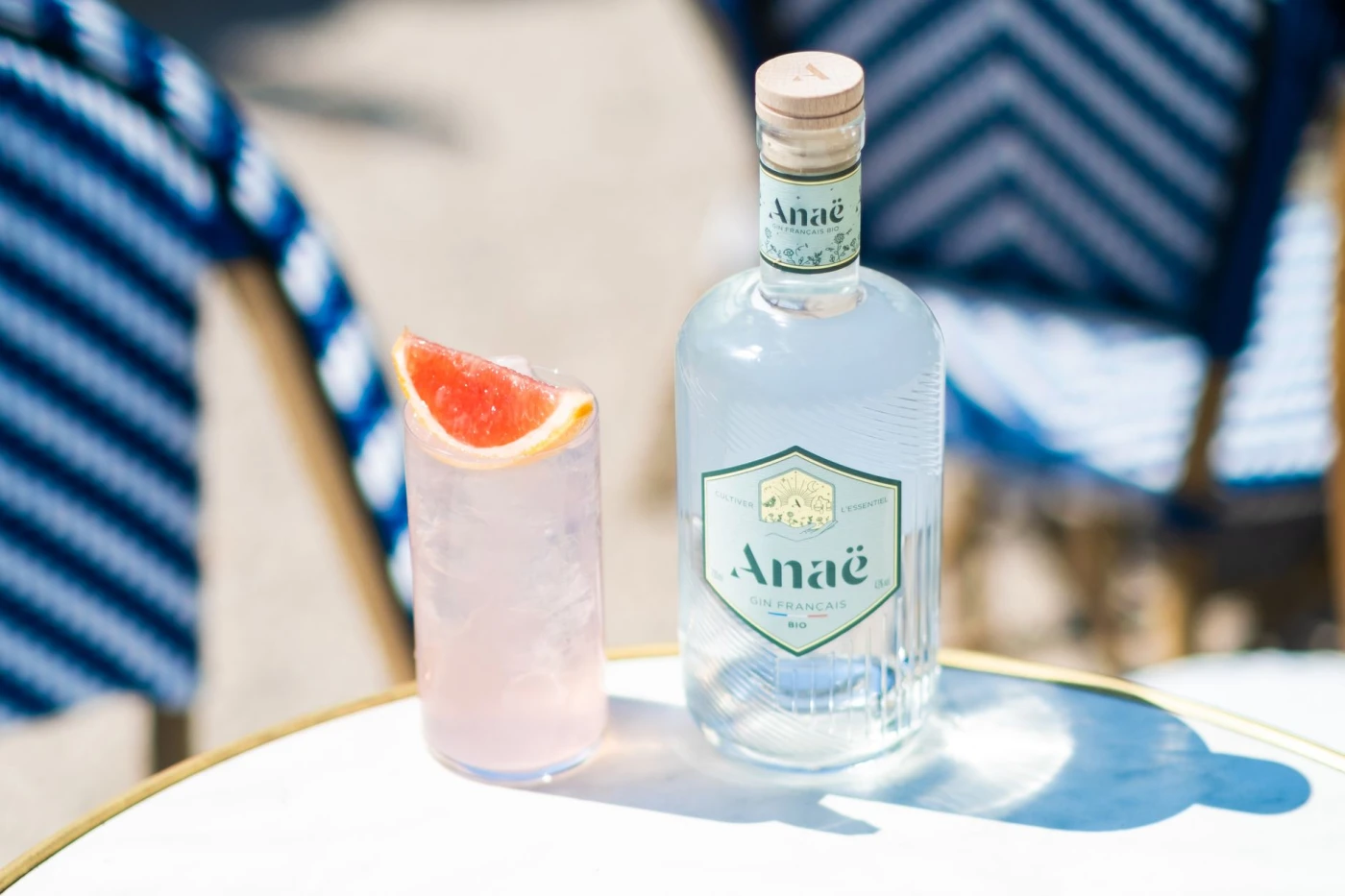
The first mistake is using warm sparkling wine. Warm bubbles foam aggressively, fade quickly, and make the Cognac feel flat. Chill the bottle for at least three hours in the fridge, or 25 minutes in an ice-water bath. Ice plus water works faster than ice alone.
The second mistake is overpouring Cognac. A French 75 is not meant to be a brandy highball with lemon. At 1 1/2 oz (45 ml), Cognac can dominate the glass, especially with delicate Champagne. Start with 1 oz (30 ml). If you want a stronger drink, choose a richer Cognac rather than simply adding more.
The third mistake is using sweet sparkling wine without adjusting the syrup. Demi-Sec Champagne, sweeter Prosecco, and some party fizz can make the cocktail taste candied. If your bubbles are sweet, cut the syrup to 1/4 oz (7.5 ml), then taste.
The fourth mistake is skipping the fine strain. Lemon pulp and shattered ice make the drink look cloudy and rough. Not catastrophic. Still avoidable.
Another quiet mistake is pouring the sparkling wine too fast. If the wine surges up the flute, you lose bubbles before the drink reaches the guest. Tilt the glass slightly or pour down the inside wall, then give the drink one very gentle lift with a bar spoon if the base sits at the bottom. Do not stir aggressively. You are combining the drink, not flattening it.
Finally, do not confuse elegant with weak. Bubbles can make alcohol absorb quickly for some drinkers, and the drink is easy to finish fast. For health and harm-reduction information, see the National Institute on Alcohol Abuse and Alcoholism and Drinkaware. Serve water, food, and smaller pours when needed.
Batching for Parties
You can make a Cognac French 75 feel effortless for guests if you batch only the still ingredients. For eight drinks, combine 8 oz (240 ml) Cognac, 4 oz (120 ml) fresh lemon juice, and 4 oz (120 ml) simple syrup in a clean bottle. Seal it, label it, and refrigerate it for up to four hours. That bottle is your base; the sparkling wine remains separate until the moment you serve.
When guests arrive, shake 2 oz (60 ml) of the base with ice for each drink, strain into a chilled flute, and top with 2 to 3 oz (60 to 90 ml) sparkling wine. This keeps the texture fresh and lets you adjust each glass if needed. If your first drink tastes too sharp, add a bar spoon of syrup to the batch. If it tastes soft, add a small squeeze of lemon and test again before serving the next round.
For a self-serve version, place the chilled base in a small pitcher beside measured sparkling wine and lemon twists, but write the pour size clearly for the host or bartender. Guests tend to free-pour generously, and this cocktail can become stronger than intended. Smaller flutes help. So does serving snacks early, especially salty foods that make the drink taste brighter without encouraging people to rush.
Pairings and Occasions
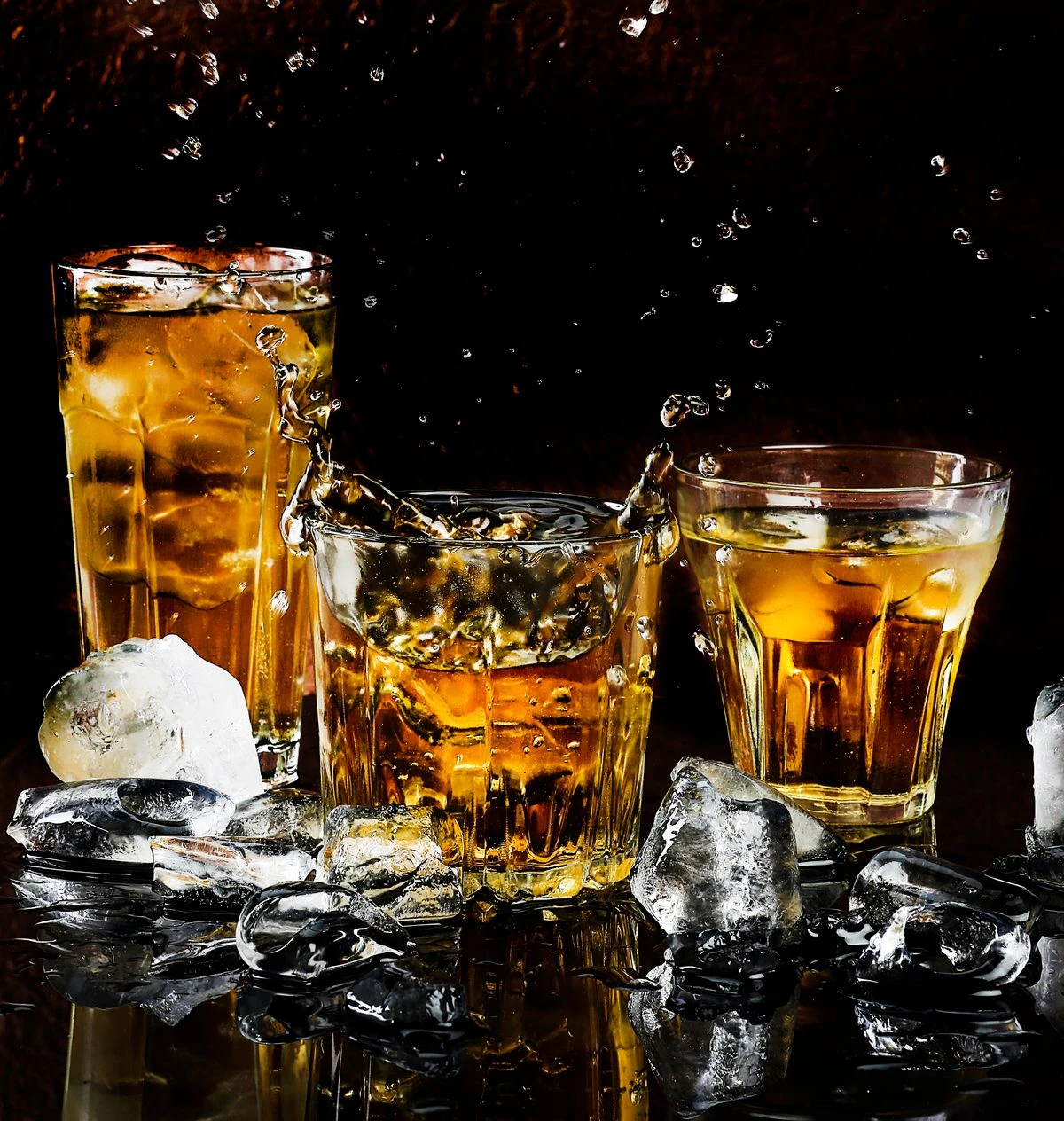
A Cognac French 75 is an aperitif first. It wakes up your palate before dinner, which makes it better with salty, bright, and lightly rich food than with heavy desserts. Think smoked salmon blinis, gougeres, salted almonds, oysters, fried chicken bites, mushroom tartlets, baked Brie, or mature cheddar.
For US home entertaining, I like it before Thanksgiving dinner because the lemon and bubbles cut through buttery starters. For UK readers, it works beautifully before a Sunday roast, especially if the first course involves smoked fish or pastry. It also makes a polished wedding reception drink because it feels special without requiring obscure ingredients.
Let’s be honest: this is not the drink I would batch fully for a picnic. Sparkling wine hates being pre-mixed. If you are heading outdoors, batch only the Cognac, lemon, and syrup, then carry chilled fizz separately. Our portable picnic drinks guide has better no-fuss options for travel.
Seasonally, Cognac pushes the French 75 beyond summer. In spring, garnish with a long lemon twist. In summer, serve it icy in a flute before grilled seafood. In autumn, use honey syrup. In winter, add a tiny orange twist and pour it before a roast, a cheese board, or a midnight toast.
If your guests lean nostalgic, this cocktail also scratches the retro itch without tasting dated. For a fun comparison, look at our 90s drinks retrospective and notice how much cleaner this classic feels.
Quick Reference Cheat Sheet
Use this table when you are mid-party and do not want to scroll through the whole method. It is written for one drink, but it scales cleanly. For four drinks, multiply the Cognac, lemon, and syrup by four, shake in two batches, then top each glass individually.
| Element | US Measure | UK / Metric Measure | Notes |
|---|---|---|---|
| Cognac | 1 oz | 30 ml | VS or VSOP, usually 40% ABV / 80 proof |
| Fresh lemon juice | 1/2 oz | 15 ml | Strain before shaking for a clean texture |
| Simple syrup | 1/2 oz | 15 ml | Use 1:1 syrup; reduce if wine is sweet |
| Dry sparkling wine | 2 to 3 oz | 60 to 90 ml | Brut Champagne, Cremant, Cava, or English sparkling |
| Shake time | 10 to 12 seconds | 10 to 12 seconds | Shake only the Cognac, lemon, and syrup |
| Serving temperature | 38 to 42°F | 3 to 6°C | Cold glass and cold bubbles matter |
| Glass | Flute or coupe | Flute or coupe | Flute keeps fizz longer; coupe smells more open |
| Garnish | 1 lemon twist | 1 lemon twist | Express oils over the drink before serving |
My default ratio is 1:1/2:1/2 plus 2 1/2 oz of bubbles. That means 1 oz (30 ml) Cognac, 1/2 oz (15 ml) lemon, 1/2 oz (15 ml) syrup, and about 75 ml sparkling wine. It tastes lively without losing the Cognac.
If you enjoy comparing drink families, this sits between sparkling wine cocktails, sour cocktails, and brandy classics. It is more refined than most party punches and less demanding than stirred whiskey drinks.
Final Thoughts on the French 75 Cocktail Recipe With Cognac
A French 75 cocktail recipe with Cognac proves that a four-ingredient drink can still feel layered. You get lemon brightness, sugar balance, grape-based warmth, and Champagne-style lift in one glass. It is elegant, but it is not fussy.
In my experience, the winning version is simple: affordable VSOP Cognac, fresh lemon, 1:1 syrup, and dry sparkling wine straight from the fridge. Do not chase the most expensive bottle. Chase balance. Taste the sparkling wine first, measure the citrus, and use the garnish like you mean it.
This is also a smart home-bar lesson. Once you can make this well, you understand sours, sparkling builds, dilution, glass temperature, and aroma. Those skills transfer to dozens of drinks across Cognac, gin, vodka, whiskey, and wine cocktails. For a broader setup, use the free home bar starter checklist before you buy tools you will barely touch.
Serve the drink with food, offer water, and keep pours moderate. Responsible drinking is not a slogan; it is what lets good cocktails stay enjoyable. When made cold, measured, and fresh, this is one of the best celebration drinks you can put in someone’s hand.
Ask AI about this article
Pick a prompt, copy it, or open ChatGPT with this article preloaded.
Frequently Asked Questions
What Cognac should I use in a French 75?
Use a solid VS or VSOP Cognac in the $30 to $50 US range or roughly £25 to £45 in the UK. Hennessy VS, Courvoisier VSOP, Martell VS, and Pierre Ferrand 1840 all work well. I would skip XO because its subtle age character gets covered by lemon, sugar, ice dilution, and sparkling wine.
How strong is a Cognac French 75?
A single Cognac French 75 usually lands around 14% to 17% ABV after shaking and topping, depending on the Cognac proof, the amount of sparkling wine, and dilution. It tastes light because it is cold, citrusy, and bubbly, but it is still a real cocktail. Serve it slowly, especially at brunch or parties.
What sparkling wine is best for this cocktail?
Choose a dry sparkling wine with firm acidity. Brut Champagne is classic, but Cremant de Loire, Cremant de Bourgogne, Cava, and dry English sparkling wine are excellent value options. In the US, expect good cocktail bottles around $15 to $35. In the UK, plenty of dependable bottles sit near £12 to £25.
Should a French 75 be served in a flute or coupe?
A flute keeps bubbles lively for longer and makes the drink feel elegant. A coupe opens the aroma faster and feels more vintage, but it loses fizz quickly. For parties, I use flutes because the drink stays colder and sharper. For a slower speakeasy-style serve, a small chilled coupe is lovely.
Why is my French 75 too sour or too sweet?
The usual problem is uneven lemon size, warm sparkling wine, or an imprecise syrup pour. Start with 1/2 oz (15 ml) lemon and 1/2 oz (15 ml) simple syrup, then adjust by taste. If your wine is extra dry, add a bar spoon of syrup. If your Cognac is soft and sweet, reduce the syrup slightly.
Comments 0
Login to Post comments