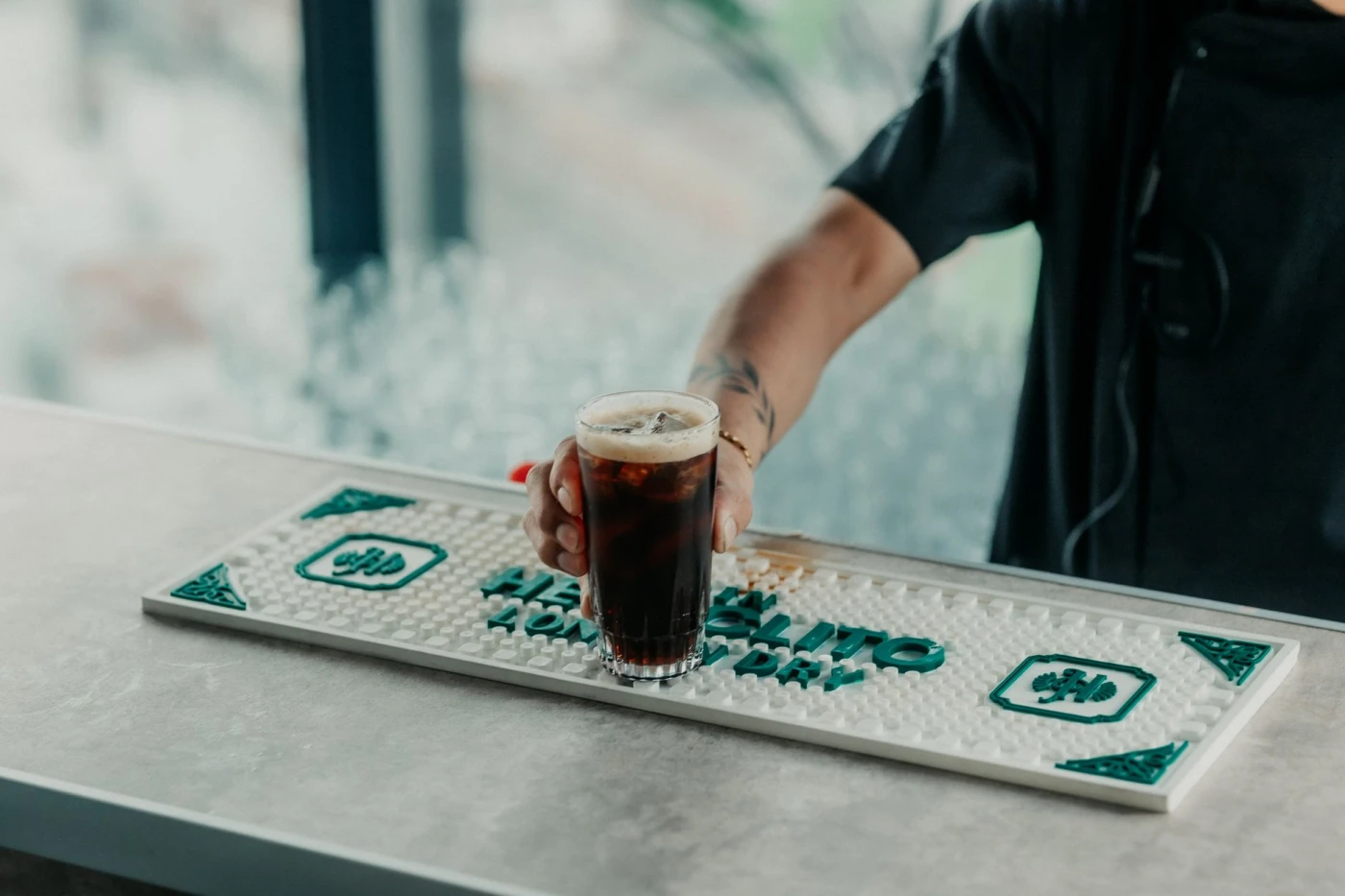

Amaro and Fernet Cocktail Guide for Beginners
A beginner-friendly guide to bitter, herbal amaro and Fernet cocktails, with a balanced starter recipe, variations, serving tips, and a quick cheat sheet. Amaro and Fernet cocktail.
Amaro and Fernet cocktail guide for beginners sounds niche until you taste the first properly balanced drink: bitter, citrusy, cold, a little mysterious, and far easier to make than it looks. If you already like Negronis, whiskey highballs, espresso, dark chocolate, or grapefruit soda, you are closer than you think.
Here’s the thing. Fernet can bully a cocktail if you pour it like bourbon, but it becomes brilliant when you treat it like seasoning. This guide gives you a starter recipe, bottle choices, mistakes to avoid, and practical variations for US and UK home bars. If you are building confidence beyond classics, pair this with 15 classic cocktails every home bartender should know.
What Is Amaro, Fernet, and This Cocktail Style?
Amaro means “bitter” in Italian, but the category is wider than that single word suggests. It covers bittersweet herbal liqueurs made with roots, bark, citrus peel, spices, flowers, and other botanicals. Many sit between 11% and 40% ABV, so an Aperol spritz and a hard-hitting Fernet pour are relatives, not twins.
Fernet is a sharper, drier sub-style of amaro. Fernet-Branca, usually around 39-40% ABV and often $30-$38 in the US or £24-£32 in the UK, is the bottle most people meet first. It tastes like mint, bitter herbs, dark spice, and unsweetened cola had a serious conversation.
The history is messy in the way old drinks often are. Italian producers developed amari as medicinal-style digestivi in the 1800s, then bartenders pulled them into cocktails because bitter flavors add depth fast. In Argentina, Fernet and cola became a cultural staple. In craft cocktail bars from London to Chicago, tiny Fernet measures now appear in sours, Manhattans, spritzes, and nightcaps.
This is easily one of the best routes into bitter cocktails because you can scale intensity. Start gentle. Add more later. The US Alcohol and Tobacco Tax and Trade Bureau is useful for understanding labeling rules, while flavor is best learned by tasting measured pours side by side.
Ingredients for an Amaro and Fernet Cocktail Guide for Beginners
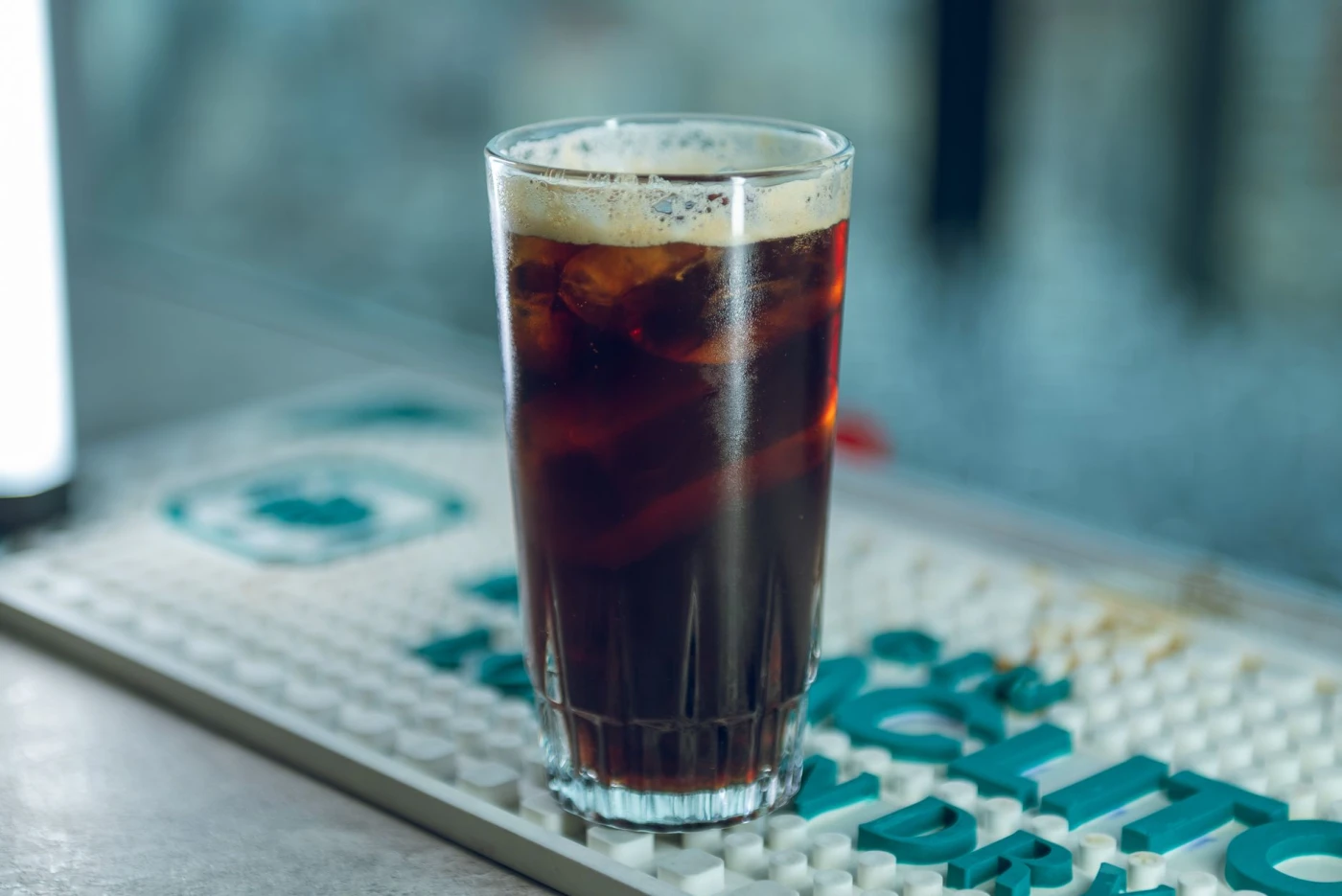
For a first drink, do not build the most bitter cocktail possible. Build the one you will actually finish. After testing a dozen beginner ratios, I like a sour-highball hybrid: enough citrus to lift the herbs, enough sweetness to soften Fernet, and enough soda to make it relaxed.
Beginner Amaro-Fernet Highball ingredients:
- 1 oz (30 ml) sweet amaro, such as Averna, Montenegro, or Ramazzotti
- 0.25 oz (7.5 ml) Fernet-Branca, Branca Menta, or Fernet-Vallet
- 0.75 oz (22 ml) fresh lemon juice, chilled if possible
- 0.5 oz (15 ml) simple syrup, made 1:1 with sugar and water
- 2 oz (60 ml) cold soda water, tonic, or quality cola
- 1 dash Angostura bitters, optional but helpful
- 1 large ice spear or 5-6 solid cubes
- Orange peel, lemon wheel, or mint sprig for garnish
Use fresh lemon. Bottled juice makes the drink taste flat and metallic. Simple syrup should be cold, too; room-temperature syrup melts ice faster and muddies the finish.
For brands, Averna is round and cola-like at about $32 or £25. Montenegro is orange-floral and lighter, often $35 or £28. Cynar, built around artichoke among other botanicals, is earthier and excellent with grapefruit. I’d skip ultra-rare bottles at first. You are learning balance, not collecting trophies.
If vodka is your comfort zone, read 10 vodka cocktails you can make in under 5 minutes and notice how the same rules apply: cold glass, measured pours, fresh citrus, clean dilution.
Choosing Your First Bottle
The easiest way to buy amaro is to choose by job, not by reputation. For spritzes and bright afternoon drinks, start with Aperol, Select, or Montenegro. For darker highballs, whiskey cocktails, and after-dinner pours, Averna, Ramazzotti, Meletti, or CioCiaro are better first buys. For earthy drinks, Cynar is flexible, especially with grapefruit, lemon, rye, and soda. For the Fernet slot, Fernet-Branca is the benchmark, but Branca Menta is friendlier if you like mint and Fernet-Vallet leans drier and spicier.
If you are buying only two bottles, make them one round amaro and one Fernet. Averna plus Fernet-Branca gives you the most classic beginner toolkit. Montenegro plus Branca Menta is softer and more aromatic. Cynar plus Fernet-Vallet is excellent for people who already like black coffee, bitter greens, and rye whiskey. Avoid buying four intense bottles at once because you will not know which ingredient is causing the problem when a cocktail tastes harsh.
Read the label for ABV and sweetness clues. Lower-ABV aperitivi usually want bubbles, citrus, and daytime serving. Higher-ABV amari can replace part of a base spirit in stirred cocktails. Very sweet bottles may need extra acid or soda; very dry bottles may need syrup, cola, or vermouth. None of this is about finding the “correct” amaro. It is about making the bottle on your shelf behave in the glass.
Step-by-Step Amaro and Fernet Cocktail Guide for Beginners
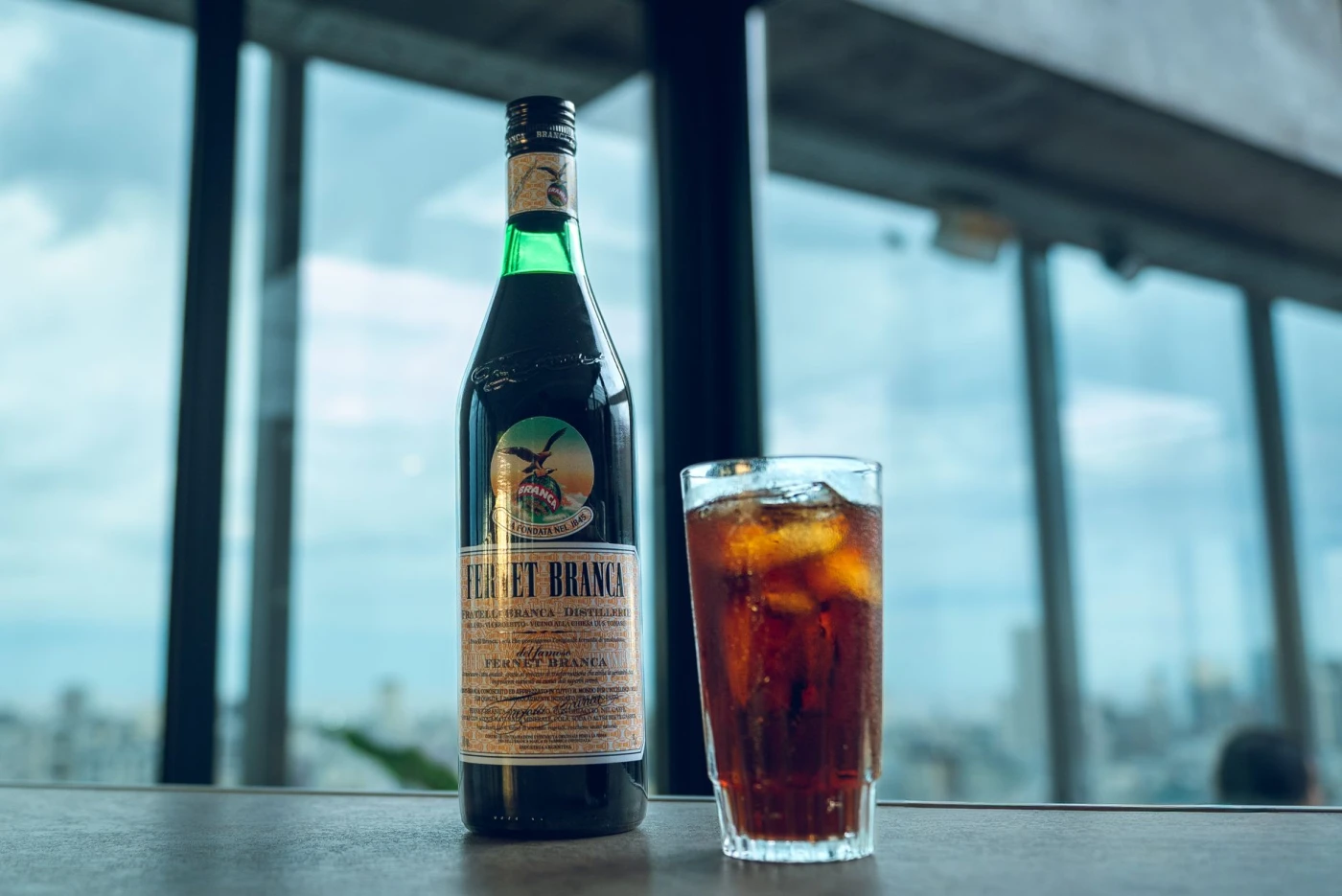
This drink is forgiving, but the order matters. You are balancing sugar, acid, bitterness, carbonation, and temperature. That sounds technical. It is mostly measuring and tasting.
- Chill a highball glass in the freezer for 10 minutes, or fill it with ice water while you prep.
- Add 1 oz (30 ml) sweet amaro to a shaker or mixing tin.
- Add 0.25 oz (7.5 ml) Fernet. Measure it; free-pouring Fernet is how beginners wreck drinks.
- Add 0.75 oz (22 ml) fresh lemon juice and 0.5 oz (15 ml) simple syrup.
- Add ice and shake for 8-10 seconds, just until the tin feels cold.
- Dump the ice water from your glass and fill it with fresh hard ice.
- Strain the shaken mixture into the glass.
- Top with 2 oz (60 ml) cold soda water, tonic, or cola.
- Stir gently twice from the bottom. Do not beat the bubbles out.
- Express orange peel over the top, then garnish.
Serve at about 34-40°F (1-4°C). Warm amaro tastes heavier and more syrupy; cold amaro tastes cleaner and more controlled.
Want a darker route? Replace soda with cola and lemon with lime. Want a brighter aperitif? Use tonic, grapefruit peel, and Montenegro. For a whiskey drinker, this technique sits near the logic in best whiskey cocktails for beginners: structure first, personality second.
In my experience, the first sip should taste a little sweet, the second pleasantly bitter, and the finish cooling. If the first sip shouts menthol, reduce Fernet to a barspoon next time.
How to Taste and Adjust the Drink
A beginner-friendly amaro cocktail is not finished when the recipe is finished. It is finished when it tastes balanced in your glass. Take one small sip before adding the garnish and ask one simple question: what is too loud? If it is too bitter, add 0.25 oz (7.5 ml) more syrup or a longer splash of soda. If it is too sweet, add a squeeze of lemon or lime. If it feels thin, use less soda next time or add a dash of bitters. If it tastes hot, it needs more chilling, more dilution, or a smaller Fernet pour.
Make one change at a time. Beginners often panic and add syrup, citrus, soda, and extra amaro all at once. That hides the lesson. A measured correction teaches you how the bottle behaves. For example, Averna usually wants acid. Montenegro usually wants a light touch. Cynar often improves with grapefruit, salt, or rye. Fernet usually needs restraint unless it is the central flavor of the drink.
When serving friends, offer the first version slightly gentler than you would drink yourself. You can always add a barspoon of Fernet to someone’s glass, but you cannot easily remove it. Keep cola, soda water, lemon wedges, and simple syrup nearby. Those four fixes rescue most beginner bitter cocktails without making the drink look improvised.
Pro Tips I Use Behind the Home Bar
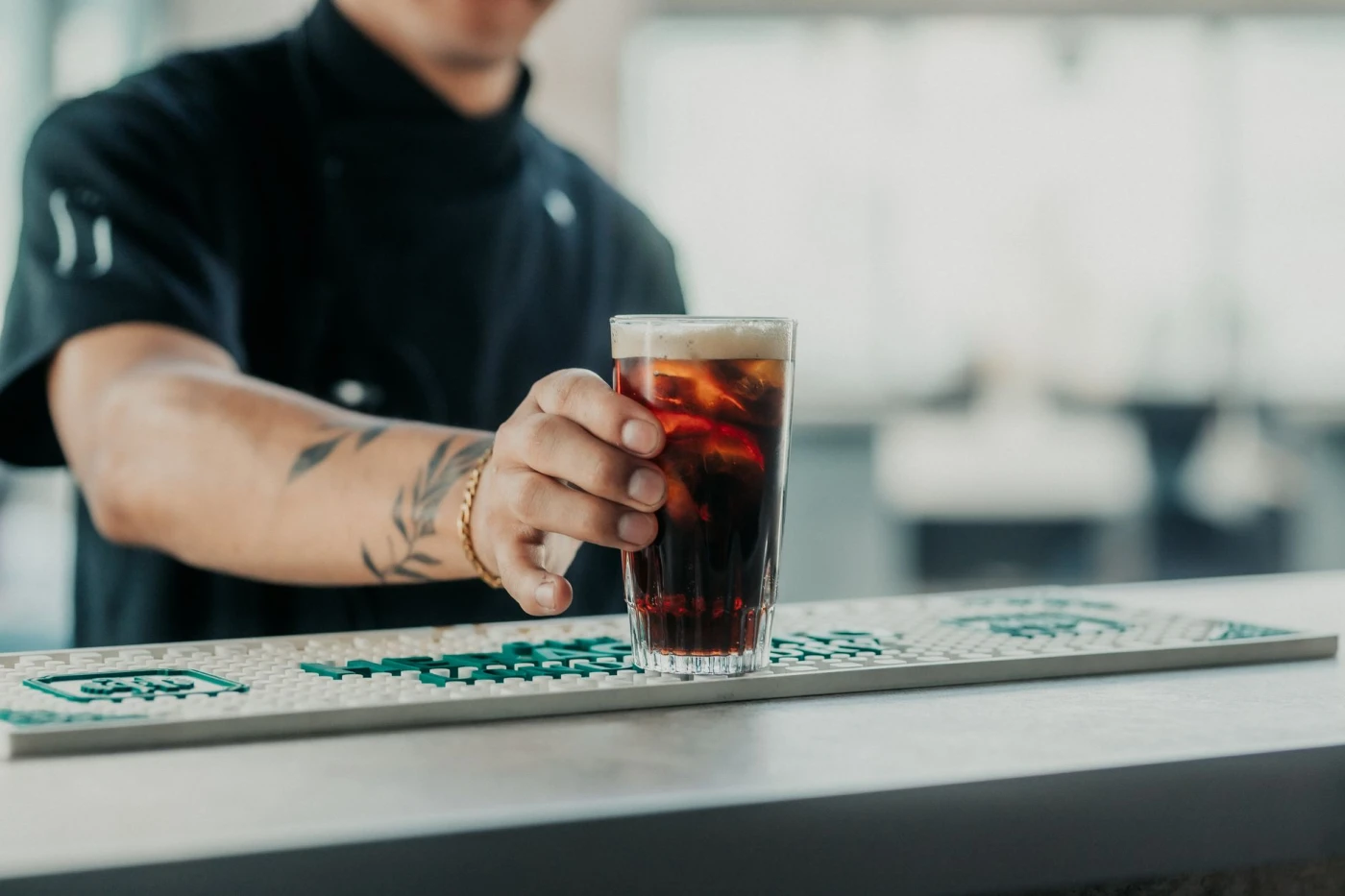
In my experience, bitter cocktails improve when you stop thinking in full ounces and start thinking in accents. Fernet is not just another liqueur. It is a bass note. A quarter ounce (7.5 ml) can reshape a drink; half an ounce (15 ml) can dominate it.
First trick: taste the amaro neat at room temperature, then chilled, then with one ice cube. You will learn more in three sips than from any bottle description. Averna becomes softer over ice. Fernet becomes sharper when warm. Campari, around 24% ABV in many markets, throws orange and quinine-like bitterness that needs sugar or dilution.
Second trick: use salt carefully. One tiny pinch in the shaker can round bitterness, especially with lemon and soda. Too much, and the drink tastes like a bad sports drink. Be precise.
Third trick: match garnish to the bottle. Orange peel loves Averna and Montenegro. Lemon works with Cynar. Mint is excellent with Branca Menta but can make classic Fernet feel toothpaste-heavy if you overdo it.
After testing cola, tonic, ginger ale, and soda versions, cola is the easiest crowd-pleaser, tonic is the driest, and soda is the most honest. Let’s be honest: if your guest says they hate bitter drinks, start with cola. You can graduate later.
For lower-ABV hosting, study 11 low alcohol cocktail recipes. Amaro is perfect for that space because you can build flavor without always leaning on 80-proof spirits.
Beginner Variations: From Spritz to Nightcap
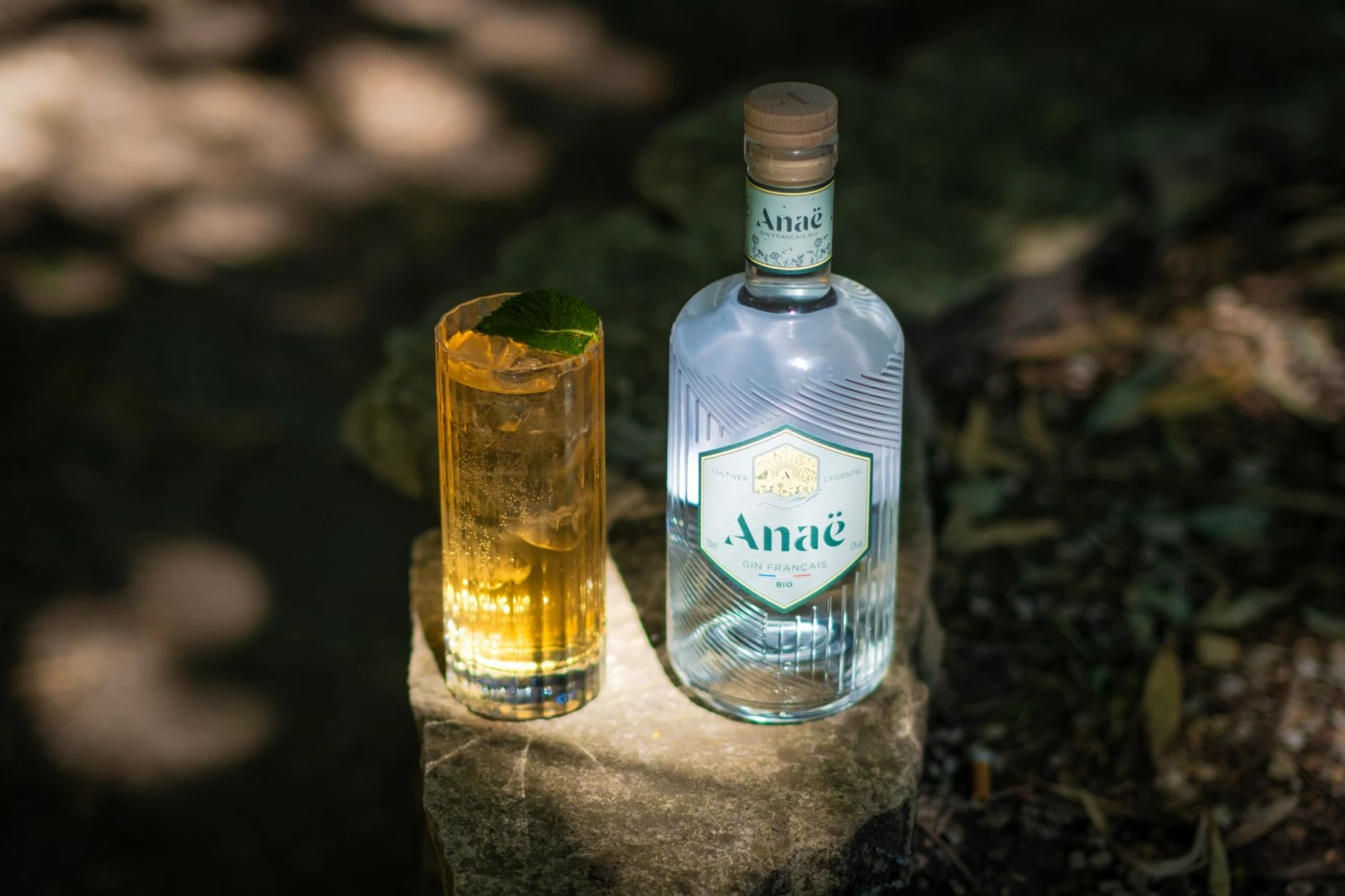
Once you understand the base ratio, variations become easy. Keep Fernet small, choose one direction, and do not stack every bitter bottle you own into one glass. That is not complexity. That is noise.
Fernet Cola Highball
- 1.5 oz (45 ml) Fernet
- 4 oz (120 ml) cold cola
- 0.25 oz (7.5 ml) fresh lime juice
- Lime wedge and lots of ice
This is bold, simple, and very Argentine in spirit. For beginners, reduce Fernet to 1 oz (30 ml).
Amaro Whiskey Cooler
- 1 oz (30 ml) bourbon or rye, 45% ABV if possible
- 0.75 oz (22 ml) Averna
- 0.25 oz (7.5 ml) Fernet
- 2 oz (60 ml) ginger ale
- Orange peel
This tastes like a lighter Manhattan walked into a summer barbecue.
Italian Bitter Spritz
- 1.5 oz (45 ml) Montenegro or Aperol
- 0.25 oz (7.5 ml) Fernet
- 3 oz (90 ml) prosecco
- 1 oz (30 ml) soda water
- Orange wheel
Use prosecco around 11% ABV and keep everything very cold.
Coffee Fernet Flip
- 1 oz (30 ml) cold brew concentrate
- 0.75 oz (22 ml) sweet amaro
- 0.25 oz (7.5 ml) Fernet
- 0.5 oz (15 ml) demerara syrup
- 1 oz (30 ml) cream or oat cream
Shake hard. Serve after dinner. This pairs beautifully with dark chocolate, and it has the retro fun you might enjoy in 90s drinks where are they now.
Common Mistakes With Bitter Herbal Cocktails
The biggest mistake is pouring Fernet like it is sweet vermouth. It is not. A 1 oz (30 ml) Fernet pour in a short drink can be thrilling for bartenders and punishing for everyone else. Start with 0.25 oz (7.5 ml), then climb.
The second mistake is using tired citrus. Lemon and lime juice lose brightness quickly, especially once squeezed. If your juice has been sitting for more than a day, it will not rescue bitterness; it will make the drink taste dull. Fresh citrus is cheap insurance.
The third mistake is under-dilution. Beginners often fear water, but cocktails need it. Shaking for 8-10 seconds or stirring a spirit-forward drink for 20-30 seconds does more than chill. It opens the botanicals and stops the drink from tasting sticky.
Another common problem? Too many intense bottles. Campari plus Cynar plus Fernet plus Angostura can work in expert hands, but it is a rough first build. Pick one main amaro and one accent.
Temperature matters, too. Serve highballs over dense ice, not tiny freezer shards. For picnics or garden parties, pre-chill the amaro and pack the soda separately, the same logic used in portable picnic drinks you can make ahead.
Finally, do not assume darker means better. Some deep brown amari are sweet and gentle; some red aperitivi are aggressively bitter. Taste, measure, adjust. That is the craft.
Make-Ahead Prep and Storage
Amaro and Fernet are useful party bottles because most of the work can happen before anyone arrives. Make simple syrup the day before, juice citrus shortly before serving, and chill every bottle that will go into a highball. Cold ingredients keep the drink lively and reduce the amount of ice melt needed to reach a clean texture.
For a small gathering, pre-batch the amaro, Fernet, syrup, and optional bitters in a swing-top bottle. Do not add lemon juice until the day of serving, and do not add soda, tonic, prosecco, ginger ale, or cola until the drink is in the glass. Carbonation is part of the flavor, not just the texture. Flat soda makes bitter drinks taste heavier and more syrupy.
A practical six-drink batch is 6 oz (180 ml) sweet amaro, 1.5 oz (45 ml) Fernet, 3 oz (90 ml) simple syrup, and 6 dashes bitters. Chill that mixture thoroughly. When serving, pour 1.75 oz (52 ml) of the batch into each iced highball, add 0.75 oz (22 ml) fresh lemon, then top with 2 oz (60 ml) soda or cola. Stir gently and garnish. This keeps the party version consistent without forcing you to shake drinks all night.
Opened bottles should stay tightly capped and away from heat and sunlight. High-proof Fernet is durable, but lower-ABV aperitivi and wine-based bitter bottles lose brightness faster. If a bottle smells dusty or tastes flat, it may still be fine for sauces, marinades, or desserts, but it will not make your best cocktail.
Pairings, Seasons, and When to Serve Them
Amaro and Fernet cocktails love food with fat, salt, smoke, citrus, and char. Think pizza with fennel sausage, roast chicken, blue cheese, salted almonds, grilled mushrooms, lamb skewers, or fish and chips with extra lemon. Bitter drinks reset your palate between bites.
For spring, use lighter amari with soda, cucumber, mint, or grapefruit. For summer, Fernet and cola over hard ice is almost too easy. In autumn, bring in rye whiskey, apple cider, ginger, and orange peel. Winter is when a small Fernet nightcap with coffee or cream makes sense after a heavy meal.
Hosting in the US? A Super Bowl spread with wings and bitter highballs works better than sugary pitchers. Hosting in the UK? Try an amaro spritz before Sunday roast or alongside Boxing Day leftovers. The bitterness cuts through gravy, pastry, and cheese without making the drink feel like dessert.
I like these cocktails for speakeasy-style nights because they feel grown-up without requiring ten obscure ingredients. Put out one bottle of Averna, one bottle of Fernet, lemons, syrup, soda, cola, and orange peels. Guests can choose gentle, bright, or bold.
If your crowd prefers lighter fruit drinks, bridge the gap with cranberry-orange or citrus builds from the Madras cocktail. If they lean classic, point them toward a Boulevardier or Toronto next. Serve water alongside cocktails and drink responsibly; bitter flavor does not reduce alcohol impact. The NIAAA and Drinkaware both offer practical alcohol guidance.
Quick Reference Cheat Sheet
Use this table when you are standing at the counter with bottles open and ice melting. It is built for speed: what to pour, what it does, and how to fix the drink if it swings too bitter or too sweet.
| Build | US Measure | UK Measure | Best For | Quick Fix |
|---|---|---|---|---|
| Beginner highball | 1 oz amaro, 0.25 oz Fernet, 0.75 oz lemon, 0.5 oz syrup, 2 oz soda | 30 ml amaro, 7.5 ml Fernet, 22 ml lemon, 15 ml syrup, 60 ml soda | First bitter cocktail | Add soda if too intense |
| Fernet cola | 1-1.5 oz Fernet, 4 oz cola, 0.25 oz lime | 30-45 ml Fernet, 120 ml cola, 7.5 ml lime | Parties and barbecues | Add more lime if sweet |
| Whiskey amaro cooler | 1 oz whiskey, 0.75 oz amaro, 0.25 oz Fernet, 2 oz ginger ale | 30 ml whiskey, 22 ml amaro, 7.5 ml Fernet, 60 ml ginger ale | Whiskey fans | Add orange peel |
| Spritz | 1.5 oz amaro, 0.25 oz Fernet, 3 oz prosecco, 1 oz soda | 45 ml amaro, 7.5 ml Fernet, 90 ml prosecco, 30 ml soda | Aperitif hour | Add ice and orange |
Here’s the thing: ratios beat recipes. Once you know that 0.25 oz (7.5 ml) Fernet is an accent, 0.5 oz (15 ml) is a statement, and 1 oz (30 ml) is the headline, you can build confidently.
Keep a small notebook or phone note with your preferred bottle combinations. After testing, my house pick is Averna plus a barspoon of Fernet, lemon, and soda for weeknights; rye plus Cynar and Fernet for colder nights.
Final Pour: Amaro and Fernet Cocktail Guide for Beginners
An Amaro and Fernet cocktail guide for beginners should leave you with freedom, not fear. Start with sweet amaro, use Fernet like bitters, keep your citrus fresh, and chill everything harder than you think. The drink will tell you what it needs.
For your next home bar upgrade, save the free home bar starter checklist. Then stock one friendly amaro, one Fernet, lemons, syrup, soda, and good ice. That tiny setup can make weeknight highballs, dinner-party spritzes, whiskey coolers, and after-dinner drinks without turning your kitchen into a bottle museum.
Ask AI about this article
Pick a prompt, copy it, or open ChatGPT with this article preloaded.
Frequently Asked Questions
What is the best amaro for beginners?
For beginners, I would start with Aperol, Averna, Montenegro, or Cynar before going straight to Fernet-Branca. Aperol is light and orange-led at about 11% ABV, while Averna and Montenegro are richer but still friendly. Fernet is more mentholated, bitter, and intense, so use it in small measures until your palate adjust.
How strong is an amaro and Fernet cocktail?
A beginner amaro and Fernet cocktail usually lands around 12-22% ABV after dilution, depending on whether it includes gin, whiskey, soda, cola, or vermouth. A spirit-forward stirred version will feel stronger than a highball. Measure carefully, serve cold, and avoid treating bitter cocktails as low-impact just because.
Why does Fernet taste medicinal?
Fernet often tastes medicinal because it uses intense bittering botanicals, minty notes, roots, spices, and high alcohol. That profile is intentional. The trick is balance: add acid, sweetness, bubbles, cola, coffee, or creamy texture. In my experience, most people who dislike neat Fernet enjoy it when the measure drop.
Should amaro be refrigerated?
Most amari are shelf-stable before opening because they contain alcohol and sugar, but refrigeration helps preserve freshness once opened, especially for lower-ABV aperitivi and wine-based bottles. Keep them tightly capped and away from heat. If a bottle tastes flat, dusty, or oxidized after months open, use it for coo.
What glass should I use for a Fernet cocktail?
Use a rocks glass for stirred drinks over one large cube, a highball for soda or cola builds, and a chilled coupe for shaken sour-style versions. The glass changes the experience. Tall glasses lengthen the drink and soften bitterness; short glasses concentrate aroma. For beginners, highballs are the most forgiving.
Comments 0
Login to Post comments