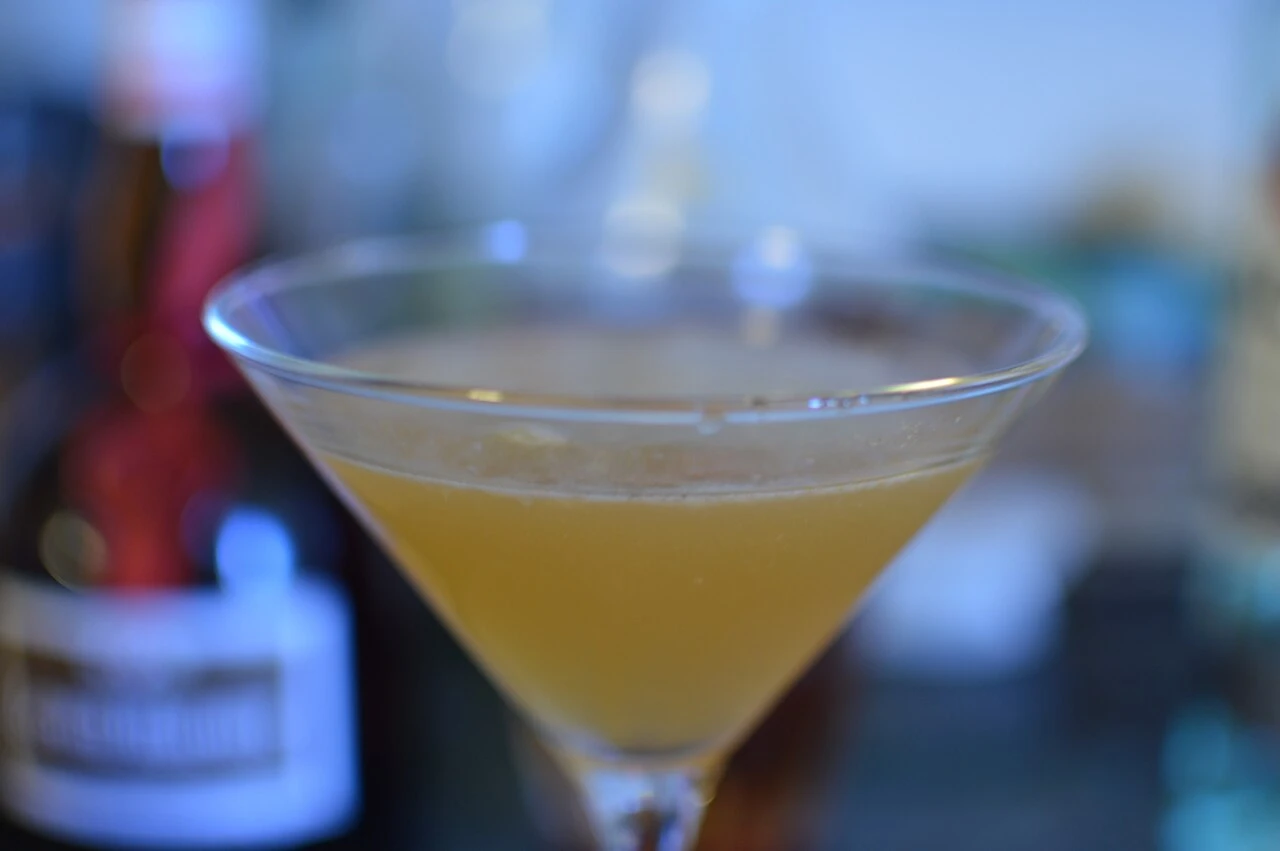

Between the Sheets: A Brandy-Rum Classic
Learn how to make a crisp, citrusy Between the Sheets cocktail with brandy, light rum, orange liqueur, and lemon. Between the Sheets is the kind of classic cocktail that looks poli.
Between the Sheets is the kind of classic cocktail that looks polite, then lands with real force. Brandy, light rum, orange liqueur, and lemon make it bright, dry, and more complex than the simple ingredient list suggests.
Here’s the thing: if you already like a Sidecar, Daiquiri, or crisp sour, this drink belongs in your rotation. It is fast, elegant, and very unforgiving of lazy citrus. For a wider classic-cocktail foundation, start with 15 Classic Cocktails Every Home Bartender Should Know, then come back and shake this one properly.
Let’s be honest. This is not a low-effort long drink. It is a short, sharp, grown-up cocktail for a chilled coupe, a clean garnish, and a quiet second sip.
What Is Between the Sheets?
Between the Sheets is a classic shaken cocktail built from brandy, light rum, orange liqueur, and fresh lemon juice. Most bartenders describe it as a Sidecar relative, and that is the cleanest way to understand it. The brandy gives warmth, the rum adds lift, the orange liqueur rounds the edges, and the lemon keeps everything awake.
The history is a little hazy. You will see claims connecting the drink to Harry’s New York Bar in Paris, the Savoy era, and Prohibition-adjacent hotel bars, but the exact origin is disputed. That is normal with early twentieth-century cocktails. Recipes traveled, bartenders adapted, and names changed faster than anyone documented them.
What matters in your glass is balance. A good version tastes brisk and polished, not sugary. A bad one tastes like warm lemon perfume. In my experience, the best Between the Sheets has the structure of a sour, the snap of a Daiquiri, and the old-school confidence of a brandy cocktail.
Expect a drink around 25-30% ABV after shaking dilution, depending on your bottles and ice. That is stronger than most highballs and many party drinks. If you want something gentler for a longer evening, compare it with 11 Low Alcohol Cocktail Recipes.
Use a coupe or Nick and Nora glass. Serve it cold. No straw. No crushed ice. This cocktail is easily one of the best small-format classics when you want something citrusy but serious.
Between the Sheets Ingredients You Need

The ingredient list is short, so every bottle has to work. You do not need luxury spirits, but you do need clean ones. I would skip bargain orange liqueurs that smell like boiled sweets; they turn the drink flat and sticky.
For brandy, use a VS Cognac such as Courvoisier VS, Hennessy VS, or Martell VS if you want a familiar profile. In the US, expect roughly $28-$45 for a 750 ml bottle. In the UK, supermarket Cognac or decent French brandy often sits around £20-£35. E&J VS can work in a pinch, but it tastes broader and sweeter.
For rum, choose light rum at about 40% ABV, or 80 proof. Bacardi Superior, Don Q Cristal, Havana Club 3 Year in the UK, and Plantation 3 Stars are sensible. If you want a vodka-based detour later, the quick-drink ideas in 10 Vodka Cocktails You Can Make In Under 5 Minutes are a better fit than forcing vodka into every classic.
- 3/4 oz (22.5 ml) VS Cognac or brandy
- 3/4 oz (22.5 ml) light rum
- 3/4 oz (22.5 ml) Cointreau or quality triple sec
- 1/2 oz (15 ml) fresh lemon juice
- 1 lemon twist or small orange twist
- Ice for shaking
Cointreau is 40% ABV and usually costs about $35-$45 or £22-£30. Fresh lemon juice should be cold, bright, and used within a few hours. Bottled lemon is the fastest way to make this drink taste tired.
How to Make Between the Sheets
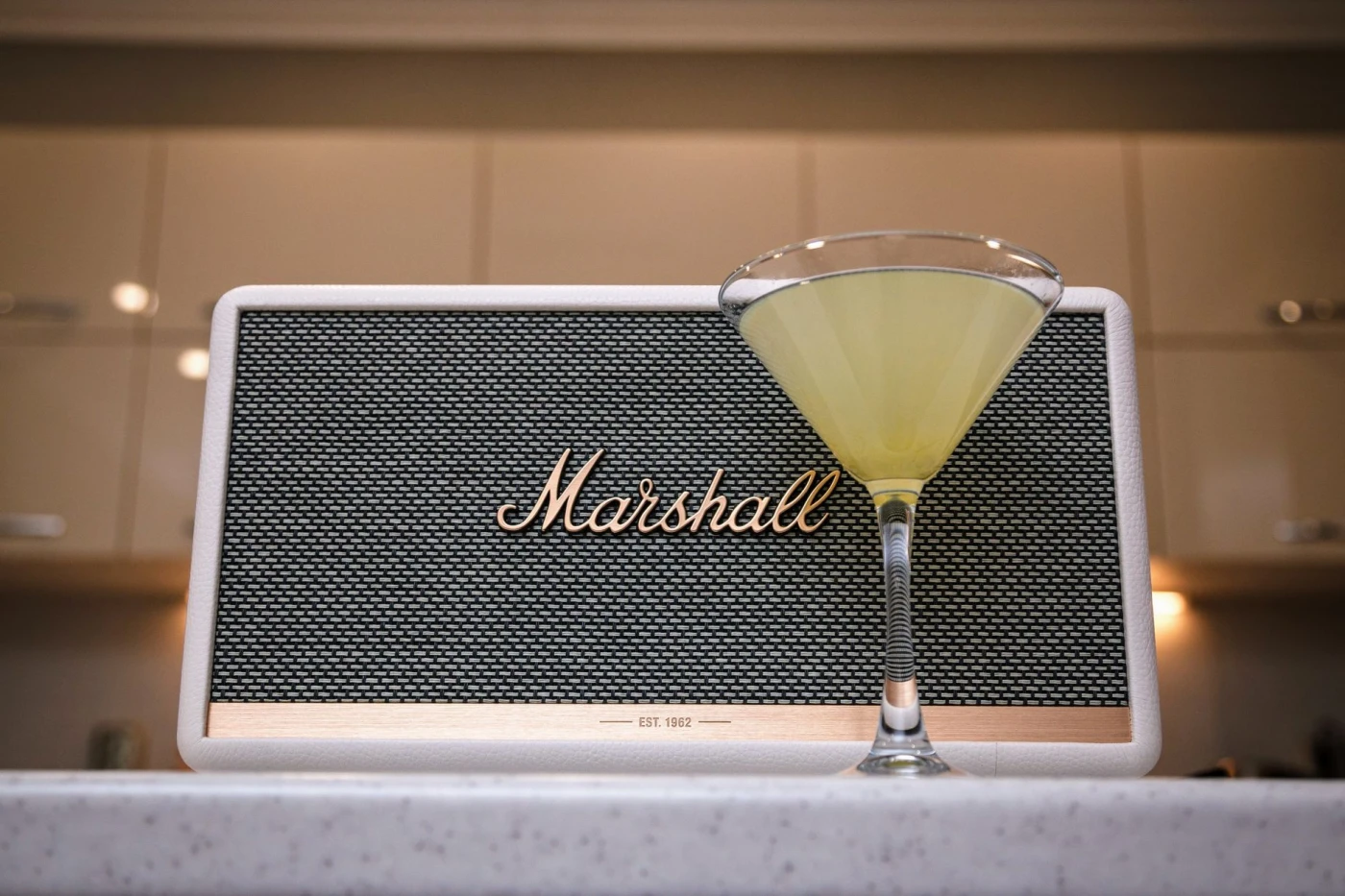
The method is simple, but precision matters. You are building a cold, aerated sour without egg white, syrup, or juice to hide mistakes. Measure everything. Then shake harder than you think.
Start by chilling your coupe. Put it in the freezer for 10 minutes, or fill it with ice water while you build the drink. A chilled glass near 0-5°C or 32-41°F keeps the cocktail tight and bright for the first few minutes, which is when it tastes best.
- Add 3/4 oz (22.5 ml) brandy to a shaker.
- Add 3/4 oz (22.5 ml) light rum.
- Add 3/4 oz (22.5 ml) Cointreau.
- Add 1/2 oz (15 ml) fresh lemon juice.
- Fill the shaker two-thirds full with solid ice cubes.
- Shake hard for 10-12 seconds, until the tin feels frosty.
- Double strain into the chilled coupe.
- Express a lemon twist over the surface, then garnish lightly.
After testing this with both 1/2 oz and 3/4 oz lemon, I prefer 1/2 oz for most home bartenders. It keeps the drink elegant. If your Cointreau tastes very sweet or your brandy is soft, move to 5/8 oz or 20 ml lemon.
Do you need simple syrup? Usually no. If you are used to sweeter modern sours, add only 1 bar spoon, about 1/8 oz or 4 ml. Any more and the Between the Sheets loses its bite.
If whiskey is more your comfort zone, the shaking discipline here also helps with citrus whiskey drinks from Best Whiskey Cocktails For Beginners.
Pro Tips for a Better Between the Sheets
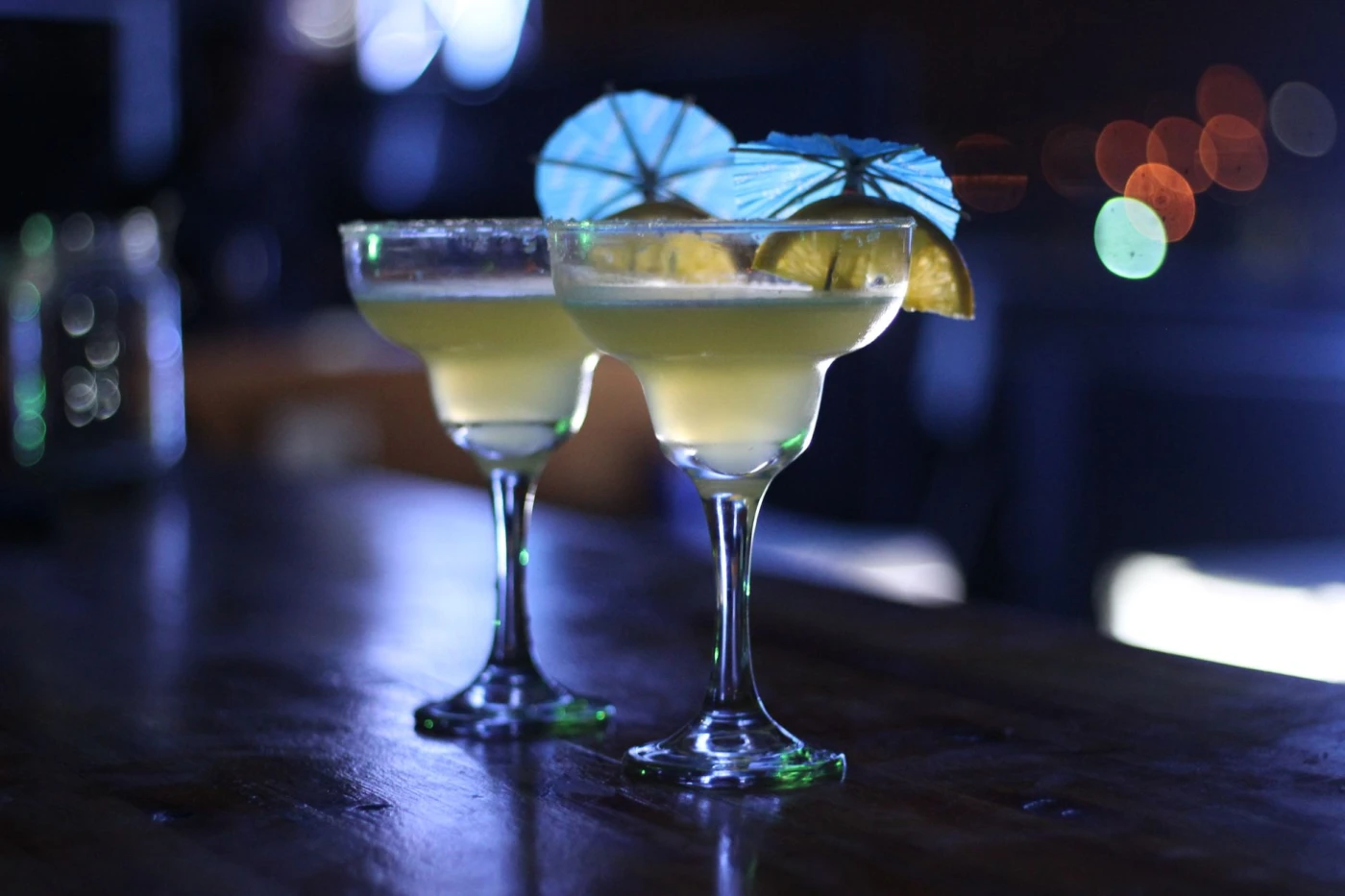
In my experience, this drink rises or falls on three things: lemon, dilution, and orange liqueur. The spirits matter, but the sour structure matters more. A $90 Cognac cannot rescue dead citrus.
Use lemons that feel heavy for their size. Room-temperature lemons yield more juice, but cold juice tastes tighter once shaken, so I usually juice at room temperature and chill the juice for 15 minutes. Is that fussy? A little. It helps.
Shake with dense freezer ice, not wet half-melted cubes from a party bucket. Wet ice over-dilutes quickly and gives you a thin drink before the citrus has properly integrated. Ten to twelve seconds is enough with standard home ice. With big hard cubes, go closer to 15 seconds.
Pick your orange liqueur deliberately. Cointreau gives a dry, clean orange note. Grand Marnier adds Cognac richness but can make the drink heavier. Pierre Ferrand Dry Curacao is excellent if you want a slightly spiced, old-fashioned feel. I would not use blue curacao unless you are making a deliberate novelty version.
Garnish quietly. Express the citrus oil over the drink, rub the stem or rim lightly, and drop in a small twist if you like. A big orange wheel looks pretty for photos but can dominate the aroma.
For alcohol definitions and labeling context, the US Alcohol and Tobacco Tax and Trade Bureau is a useful reference at ttb.gov. For the glass in front of you, trust your palate: bright, cold, citrus-led, and dry.
Between the Sheets Variations to Try

Once you understand the classic, variations become useful instead of random. Keep the sour template intact: spirit, supporting spirit, orange sweetness, fresh acid. Then change one thing at a time.
Cognac-Forward Version
- 1 oz (30 ml) VS Cognac
- 1/2 oz (15 ml) light rum
- 3/4 oz (22.5 ml) Cointreau
- 1/2 oz (15 ml) lemon juice
This version is rounder and warmer. It suits autumn dinners, Christmas drinks, and anyone who wants the cocktail closer to a Sidecar.
Dry Rum Version
- 1 oz (30 ml) light rum
- 1/2 oz (15 ml) brandy
- 3/4 oz (22.5 ml) dry curacao
- 1/2 oz (15 ml) lemon juice
This is brisk, lean, and excellent before seafood. Plantation 3 Stars or Havana Club 3 Year gives it more personality than a neutral white rum.
Winter Spice Version
- 3/4 oz (22.5 ml) brandy
- 3/4 oz (22.5 ml) lightly aged rum
- 3/4 oz (22.5 ml) Grand Marnier
- 1/2 oz (15 ml) lemon juice
Use a small orange twist and no cinnamon dust. Let the bottles do the work.
Vodka-Crisp Version
- 3/4 oz (22.5 ml) vodka
- 3/4 oz (22.5 ml) brandy
- 3/4 oz (22.5 ml) Cointreau
- 1/2 oz (15 ml) lemon juice
It is not traditional, but it is sharp and clean. Tito’s, Ketel One, or Absolut work. For more bright fruit-led ideas, see the Madras Cocktail and 90S Drinks Where Are They Now.
How to Adjust the Balance
The standard Between the Sheets ratio is easy to remember, but the best version still depends on your bottles. Brandy can be soft and raisiny, sharp and young, or rounded with vanilla. Light rum can be almost neutral, lightly grassy, or faintly tropical. Orange liqueur can be dry and bitter-edged or plush and syrupy. That is why two people can follow the same recipe and end up with drinks that feel slightly different.
If your first sip tastes too hot, do not immediately add sugar. First check the temperature and dilution. A drink that was shaken too briefly can taste fiery because the spirits have not opened up. Shake the next one for two or three seconds longer with fresh, solid ice. If it still feels aggressive, add a single bar spoon of simple syrup or reduce the brandy slightly.
If it tastes too sweet, the usual culprit is orange liqueur. Move from Grand Marnier to Cointreau, or from a syrupy triple sec to a dry curacao. You can also raise the lemon juice from 1/2 oz to 5/8 oz. I would avoid going straight to 3/4 oz lemon unless you actively want a sharper sour. Too much acid can flatten the brandy and make the rum disappear.
If it tastes thin, look at your ice and glassware. Small, wet ice adds water before the shake has enough force to aerate the drink. A warm glass speeds up the collapse. The fix is boring but effective: harder ice, a colder coupe, and a confident shake.
For a cleaner finish, double strain through a fine mesh strainer. This removes small ice shards and citrus pulp, giving the surface that polished, almost silky texture you expect from a classic coupe cocktail. It is a small detail, but in a drink this compact, small details are the drink.
Common Between the Sheets Mistakes
The first mistake is treating Between the Sheets like a sweet orange cocktail. It is not. It should be tart, dry, and spirit-led, with enough orange to connect the brandy and rum. If it tastes like orange squash with alcohol, the ratio is wrong.
The second mistake is using bottled lemon juice. I know it is convenient. I would still skip it. Bottled lemon often tastes cooked, dull, or metallic, and those flaws are obvious in a four-ingredient drink. Fresh lemon costs about $0.50-$1.00 in many US shops and 30p-60p in UK supermarkets. It is worth it.
The third mistake is overshaking with weak ice. You want dilution, but not a watery drink. If the shaker is filled with small wet cubes, reduce the shake to 8-10 seconds. If you use dense ice, 12 seconds is fine.
The fourth mistake is pouring it into a warm glass. A warm coupe makes the first sip loose and the last sip flabby. Chill the glass. It costs nothing.
The fifth mistake is buying the wrong rum. Spiced rum can be fun, but vanilla-heavy bottles such as Captain Morgan Spiced push the drink into dessert territory. Dark Jamaican rum can overpower the brandy. Start with light rum, then experiment.
Finally, do not make this huge. A double Between the Sheets in a large martini glass is a shortcut to a rough night. For evidence-based alcohol health information, use NIAAA in the US and Drinkaware in the UK, and serve responsibly.
Pairings and Occasions for Between the Sheets
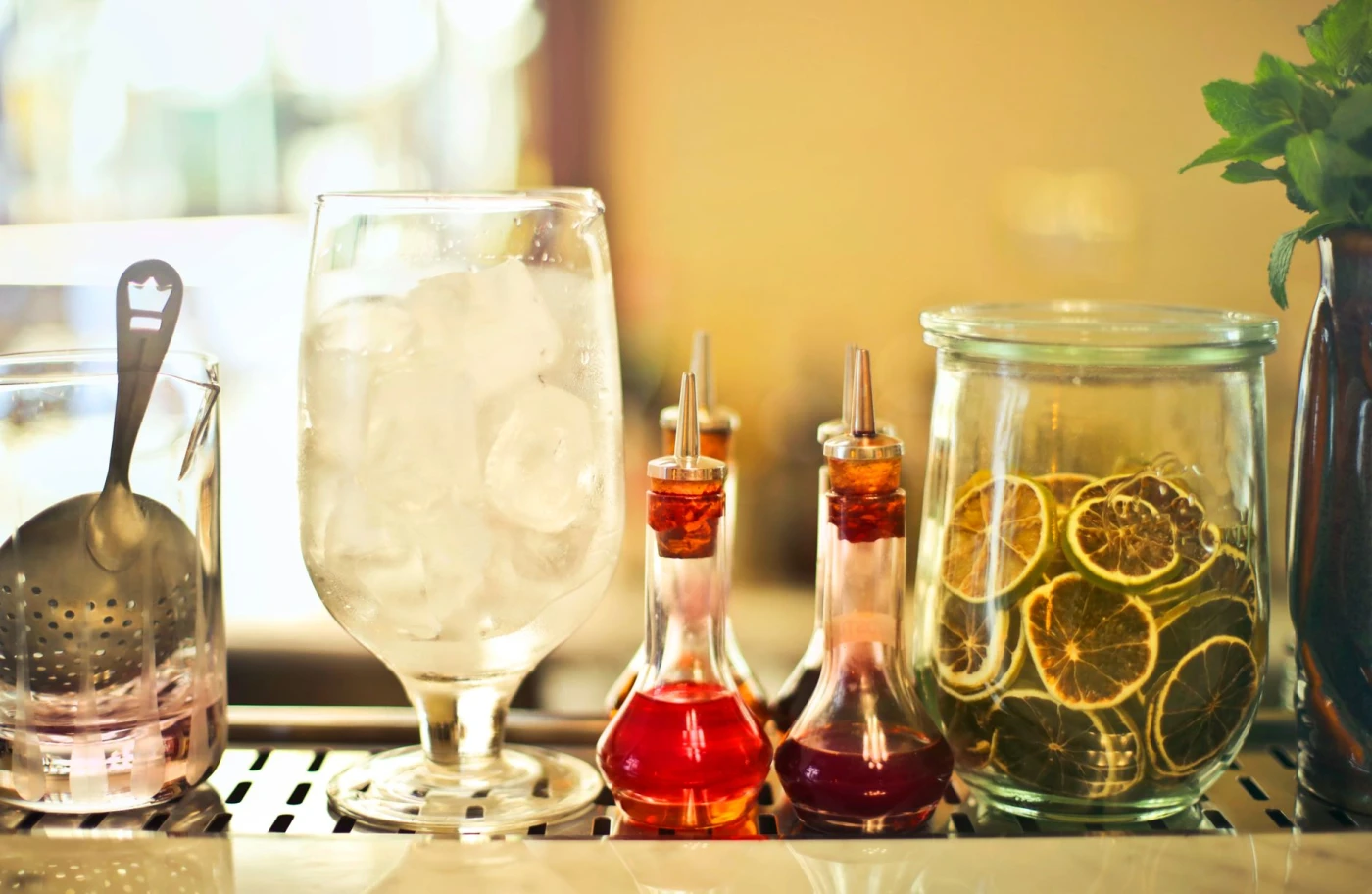
Between the Sheets works best before food, not after a heavy dessert. The lemon and orange wake up your palate, while the brandy and rum give enough weight to feel like a proper occasion drink. Serve it before roast chicken, grilled prawns, crab cakes, salty crisps, olives, or a sharp cheddar board.
For UK readers, it is lovely before a Sunday lunch when you want something more elegant than a gin and tonic. For US home bartenders, it fits Thanksgiving appetizers, New Year’s Eve, steakhouse-style dinners, or a Friday night when you are making one excellent drink instead of three average ones.
It is not ideal for hot outdoor parties. Too strong, too short, too temperature-sensitive. If you need picnic drinks or batchable warm-weather options, use 10 Best Portable Picnic Drinks That You Can Make Ahead Or In Minutes instead.
Food-wise, avoid very sweet pairings. Sticky barbecue sauce, milk chocolate, and caramel desserts can make the lemon taste harsh. Better choices are citrusy salads, smoked salmon, fried calamari, baked brie, or lemon-herb chicken. Salt is your friend here.
After testing it with snacks, my favorite match is simple: salted almonds and thin-cut crisps. The fat softens the alcohol, the salt sharpens the citrus, and you do not have to cook anything. Sometimes the best pairing is the one you can actually serve when friends arrive at 7:15 p.m. and the first bottle is already open.
Batching, Prep, and Responsible Serving
If you are making Between the Sheets for more than two people, a little preparation helps. Chill the glasses, cut the twists, juice the lemons, and put the brandy, rum, and orange liqueur in the fridge before guests arrive. The goal is to make each drink quickly without turning the counter into a sticky measuring project.
For a four-drink bottle batch, combine 3 oz brandy, 3 oz light rum, and 3 oz Cointreau in a clean bottle or jar. Keep it cold for up to a day. Do not add lemon until close to serving because citrus dulls as it sits. When you are ready, shake 2 1/4 oz of the chilled spirit mix with 1/2 oz fresh lemon juice and ice for each serving.
You can also add water to a pre-batch if you plan to serve from the freezer, but I prefer shaking this cocktail to order. Shaking gives the lemon better texture and adds the tiny lift that makes the drink feel bright instead of dense. If you do pre-dilute, start with about 1/2 oz water per serving, chill thoroughly, then taste before serving.
Responsible drinking matters with this recipe because the glass looks modest while the alcohol content is high. Keep servings small, offer water alongside each round, and avoid topping people up without asking. If someone wants another drink but is pacing themselves, make a half-size version or switch to a lower-alcohol option with soda, citrus, and bitters.
Hosts should also think practically: serve food, know how guests are getting home, and avoid presenting strong cocktails as casual refills. Between the Sheets is best treated as one carefully made drink, not a bottomless party pour. That approach makes the cocktail taste better and keeps the evening more comfortable for everyone.
Between the Sheets Quick Reference Cheat Sheet
If you only remember one thing, remember the rhythm: equal brandy, rum, and orange liqueur, then slightly less lemon. That gives you structure without turning the cocktail sour for the sake of being sour.
This cheat sheet is designed for home bartenders who measure in ounces, millilitres, or both. I strongly recommend using a jigger with 1/4 oz markings or a Japanese-style measure with 15 ml and 30 ml sides. Guessing is where this drink goes sideways.
| Component | US Measure | UK / Metric Measure | Best Choice |
|---|---|---|---|
| Brandy or Cognac | 3/4 oz | 22.5 ml | VS Cognac, 40% ABV |
| Light rum | 3/4 oz | 22.5 ml | Clean white rum, 37.5-40% ABV |
| Orange liqueur | 3/4 oz | 22.5 ml | Cointreau or dry curacao |
| Fresh lemon juice | 1/2 oz | 15 ml | Fresh squeezed, strained |
| Shake time | 10-12 seconds | 10-12 seconds | Hard shake with solid ice |
| Serving temperature | 32-41°F | 0-5°C | Chilled coupe |
Want it sweeter? Add 1 bar spoon, about 1/8 oz or 4 ml, of simple syrup. Want it sharper? Raise lemon to 5/8 oz or 20 ml. Want it smoother? Use Grand Marnier, but expect a richer finish.
For your broader home setup, this drink asks for a shaker, jigger, strainer, citrus press, coupe glasses, and decent ice. Those are core tools, not luxury props. If you are building from scratch, use the free home bar starter checklist near the end of your planning so you buy useful gear first.
Between the Sheets earns its place because it is fast, classic, and brutally honest about technique. Use fresh lemon, clean bottles, cold glassware, and measured pours. Do that, and you get a cocktail that feels speakeasy-sharp without needing smoke, foam, or theatre.
Most importantly, treat it like the strong short cocktail it is. Serve one well-made glass, enjoy it slowly, and keep responsible drinking at the centre of the occasion.
Ask AI about this article
Pick a prompt, copy it, or open ChatGPT with this article preloaded.
Frequently Asked Questions
What is a Between the Sheets cocktail?
A Between the Sheets cocktail is a classic shaken drink made with brandy, light rum, orange liqueur, and fresh lemon juice. It sits close to the Sidecar family, but the rum adds a lighter, drier edge. The result is citrusy, spirit-forward, and crisp rather than sweet or creamy.
How strong is Between the Sheets?
Between the Sheets is a strong short cocktail because most of the recipe is spirits. With 80 proof brandy, 80 proof rum, and 40% ABV Cointreau, the finished drink often lands around 25-30% ABV after shaking dilution. Serve it in a small coupe and sip it slowly.
What rum is best for Between the Sheets?
A clean light rum works best if you want the classic profile. Bacardi Superior, Havana Club 3 Year in the UK, Plantation 3 Stars, and Don Q Cristal are all practical choices, usually around $15-$25 or £18-£28. Avoid heavily spiced rum unless you are intentionally making a variation.
Should Between the Sheets have a sugared rim?
A sugared rim is optional. I usually skip it because Cointreau already brings sweetness, and a full sugar rim can make the drink taste heavy. If your lemon juice is very sharp, try a half rim so each sip can be sweetened or kept dry depending on where you drink from.
What glass should I use for Between the Sheets?
Use a chilled coupe, Nick and Nora, or small cocktail glass. A 5-6 oz coupe gives enough room without making the drink look lost. This cocktail is served up, not over ice, so chilling the glass at 0-5°C or 32-41°F helps preserve its clean texture.
Comments 0
Login to Post comments