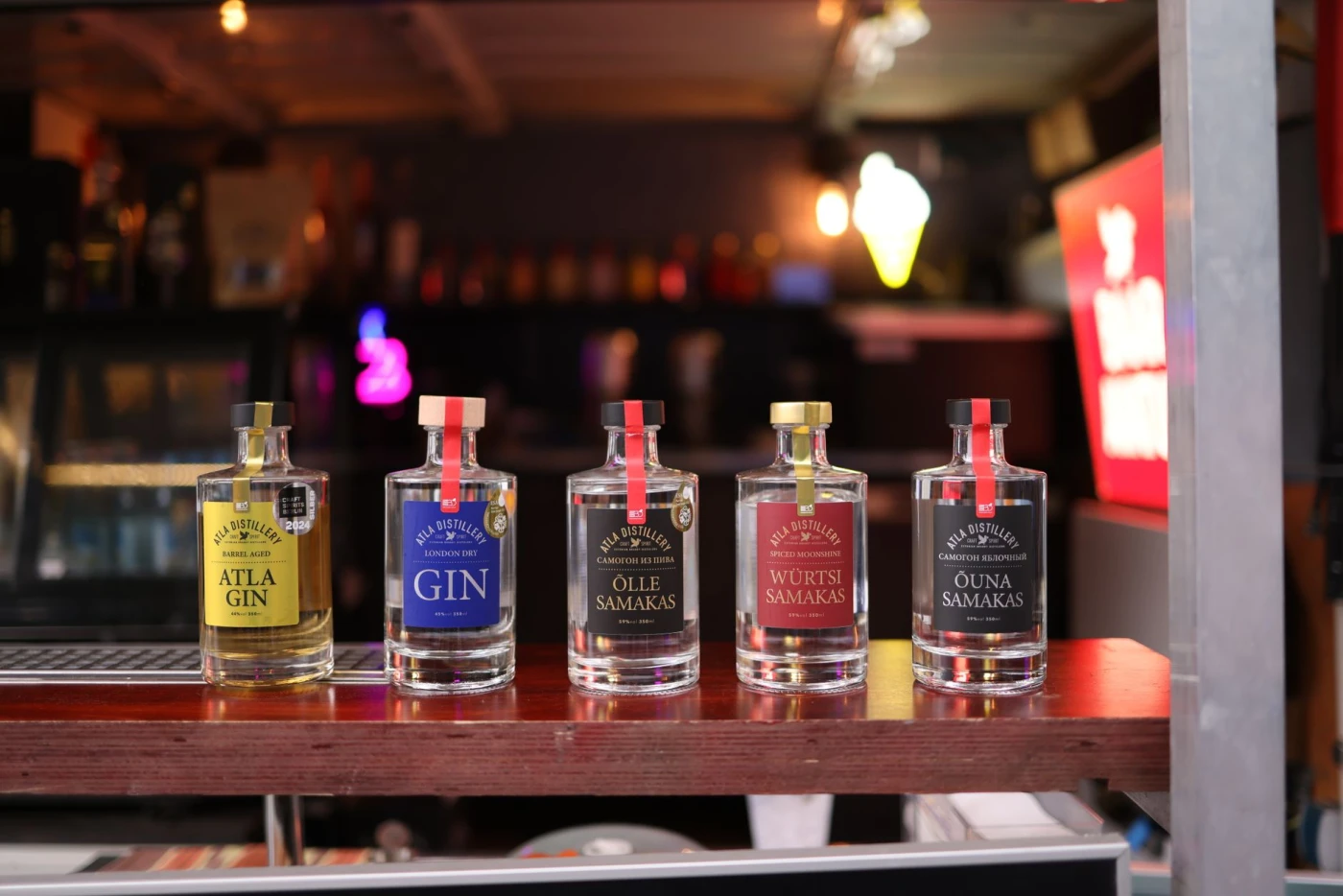

The History of Gin: Chaos, Craft, and Cocktails
Gin began as medicine, exploded through Britain’s Gin Craze, and became one of the world’s most adaptable cocktail spirits. The History of Gin is really the story of a spirit that.
The History of Gin is really the story of a spirit that went from medicine cabinet to street scandal to polished cocktail hour. That is a wild arc for something now poured into £9 pub G&Ts, $16 hotel Martinis, and simple Friday-night highballs at home.
Here’s the thing: gin is not just “vodka with pine.” Good gin carries juniper, citrus peel, coriander, roots, spice, flowers, and sometimes tea, seaweed, berries, or pepper. If you already know drinks like the Martini, Negroni, and Tom Collins from 15 Classic Cocktails Every Home Bartender Should Know, understanding gin’s past makes those glasses taste more interesting. Chaos made gin infamous. Craft made it last.
That is why gin rewards a little context. A bottle on the shelf can represent Dutch malt wine, London street drinking, colonial trade routes, naval strength claims, Victorian retail theater, Prohibition-era mixing, or today’s botanical lab approach. You do not need to memorize every date to make a better drink, but you do need to understand what gin is built to do: carry aroma. The best gin cocktails are not just strong or cold. They are fragrant, structured, and alive before you even take the first sip.
The History of Gin: From Medicine to British Obsession
Gin begins before Britain claims it. The older ancestor is Dutch jenever, a juniper-flavored spirit that often had a malty body because it was built from grain spirit rather than the clean neutral alcohol used in most modern gin. British soldiers and merchants encountered it, liked it, and brought the idea home.
Then Britain did what Britain often does with alcohol: it taxed, fought, moralized, commercialized, and eventually refined it. In the late 1600s and early 1700s, cheap grain distilling met London poverty and loose licensing. The result was the Gin Craze, a period remembered through brutal images, political panic, and a lot of exaggeration mixed with real harm.
Let’s be honest. The story was not simply “people drank gin and behaved badly.” It was about urban crowding, wages, poor food security, weak regulation, and spirits that could be dangerously rough. Later Gin Acts tightened control. Distillers improved quality. By the 1800s, gin palaces turned the drink from backstreet fuel into bright, theatrical retail culture.
Those gin palaces mattered because they changed the setting. Earlier gin had been associated with alleys, small shops, and desperate drinking. The new palaces used glass, gaslight, mirrors, polished fittings, and elaborate counters to make gin feel modern. Some were still hard-drinking places, but the message had shifted. Gin was no longer only a warning in a moral pamphlet. It was becoming a branded, styled, commercially confident drink.
At the same time, distillation technology improved. The development and adoption of more efficient stills made cleaner spirit possible, which meant distillers could make drier, brighter gin without relying on heavy sweetness to cover rough alcohol. This technical shift is one reason London Dry became such a powerful reference point. It tasted disciplined. Juniper stepped forward, citrus sharpened the edges, and the spirit became easier to use in precise cocktails.
Today, US rules and labeling sit under bodies such as the Alcohol and Tobacco Tax and Trade Bureau, while drinkers use the word gin for everything from stern London Dry to floral modern bottles. The History of Gin is not tidy. That is why it is useful.
How Gin Became a Cocktail Essential
Gin’s cocktail career took off because it behaves differently from brown spirits and vodka. Whiskey brings grain, oak, vanilla, smoke, or spice. Vodka brings neutrality. Gin brings a built-in seasoning kit. That makes it unusually responsive to small changes: one strip of lemon peel, one dash of orange bitters, one ounce of dry vermouth, or a different tonic can move the whole drink.
By the late 1800s and early 1900s, gin fit perfectly into the growing culture of measured mixed drinks. The Martini showed how gin could become severe and elegant with vermouth. The Tom Collins proved it could become tall, fizzy, and refreshing with lemon, sugar, and soda. The Gimlet leaned into citrus and naval associations. The Negroni, built with gin, Campari, and sweet vermouth, turned gin into a bitter, red, aperitif-driven classic.
Gin also traveled well across drinking cultures because it could be adapted without losing its identity. In Britain, the gin and tonic became linked with tonic water and quinine. In the United States, bartenders used gin in pre-Prohibition recipes and then revived those drinks decades later. In modern craft bars, gin became a playground for local botanicals: lavender in one bottle, coastal herbs in another, tea or citrus in a third.
For home bartenders, this means The History of Gin is not just trivia. It tells you how to choose a bottle. Want a dry Martini? Pick something juniper-forward and firm. Want a patio highball? Try a citrus-led gin with bright tonic. Want a softer old-fashioned style of gin drink? Look at Old Tom or genever. The past gives you a practical map.
Ingredients You Need for a History-Inspired Gin Serve
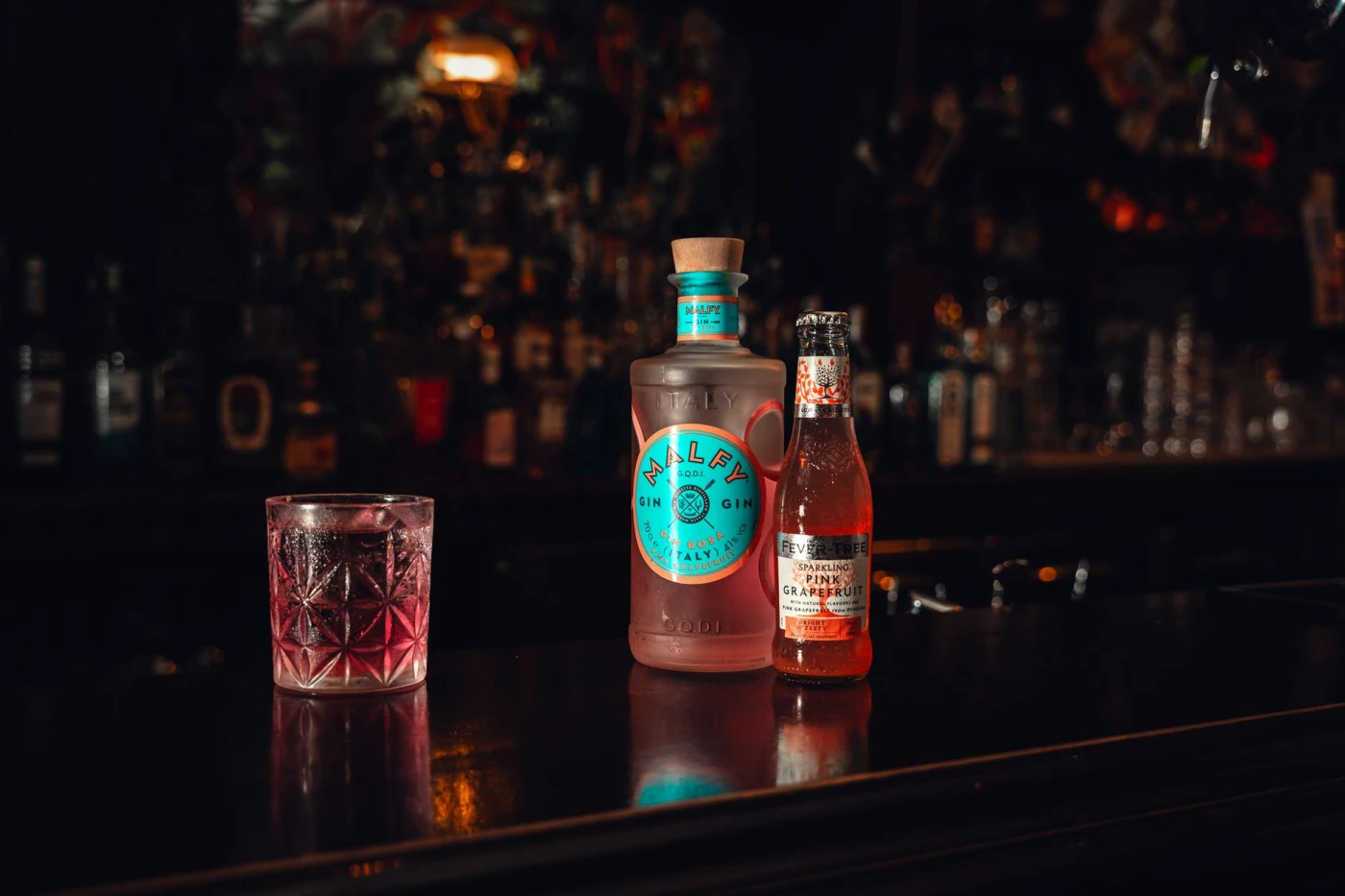
For this article, the recipe is a crisp historical bridge: part gin and tonic, part improved highball, with bitters and citrus to nod at pharmacy roots. It is easy enough for a Tuesday, but it still teaches you what gin does in a glass.
Use a juniper-forward gin at 40-47% ABV. Beefeater is usually $20-25 or £18-22 and works beautifully. Tanqueray, Plymouth, Sipsmith, Broker’s, and Bombay Sapphire are also sensible. In my experience, ultra-sweet flavored gins blur the lesson.
If you are buying one bottle specifically for learning, choose a classic London Dry first. It gives you the clearest baseline for juniper, citrus, spice, and dryness. A softer modern gin can be your second bottle, especially if you drink mostly long serves. Genever and Old Tom are worth exploring later because they explain the family tree, but they are not always the easiest starting point for a clean gin and tonic.
- 2 oz (60 ml) London Dry gin, chilled if possible
- 4 oz (120 ml) premium tonic water, cold from the fridge
- 0.25 oz (7.5 ml) fresh lemon juice
- 0.25 oz (7.5 ml) simple syrup, optional for a softer finish
- 2 dashes aromatic bitters
- 1 lemon wheel or strip of lemon peel
- 1 small sprig rosemary or thyme, optional
- Large ice cubes, enough to fill a highball glass
Fresh lemon matters. Bottled lemon often tastes dull and metallic, especially next to quinine. If you prefer lower alcohol cocktails, reduce the gin to 1.5 oz (45 ml) and increase tonic to 5 oz (150 ml), much like the practical approach in 11 Low Alcohol Cocktail Recipes.
Step-by-Step Recipe: Make the Chaos and Craft Gin
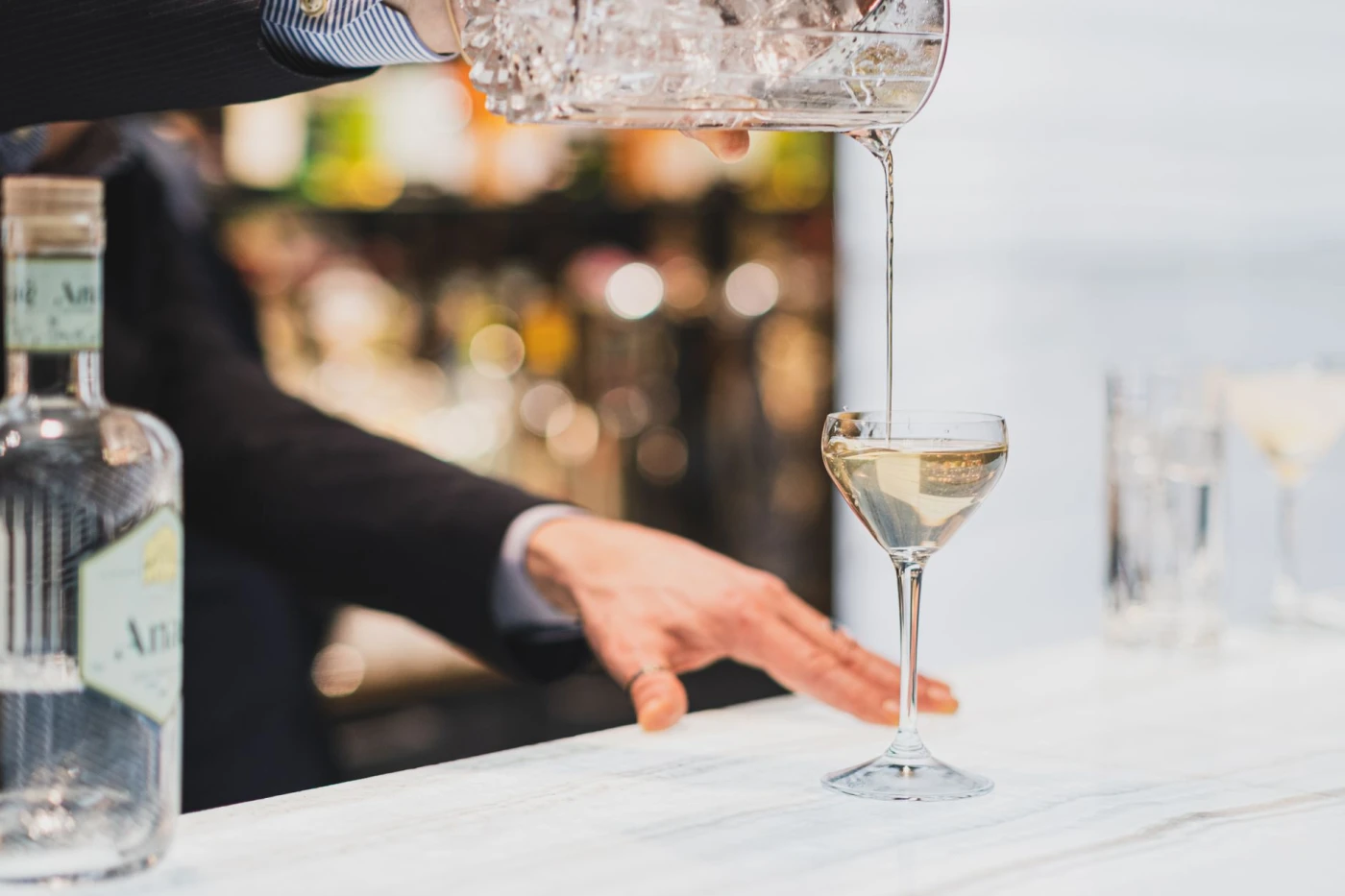
This drink is built, not shaken. That matters because tonic water carries carbonation, and shaking carbonated ingredients is a fast route to a sticky counter. Keep everything cold. A highball glass chilled to 32-40°F (0-4°C) gives you a cleaner first sip.
- Chill your gin, tonic, and glass for at least 20 minutes.
- Fill a highball glass completely with large ice cubes.
- Add 2 oz (60 ml) gin over the ice.
- Add 0.25 oz (7.5 ml) fresh lemon juice.
- Add 0.25 oz (7.5 ml) simple syrup if your tonic is very dry.
- Add 2 dashes aromatic bitters.
- Pour in 4 oz (120 ml) cold tonic slowly down the side of the glass.
- Lift gently with a bar spoon once or twice. Do not churn it.
- Garnish with lemon peel and rosemary or thyme.
- Serve immediately while the bubbles are tight and bright.
After testing this with budget ice, freezer-bag ice, and clear directional-frozen cubes, the difference was obvious. Bigger ice melts slower, so the gin stays aromatic instead of watery. If you want faster builds for parties, batch only the gin, lemon, syrup, and bitters. Add tonic to each glass at the last second, the same logic behind good make-ahead drinks in 10 Best Portable Picnic Drinks.
Do not overwork the garnish. A lemon peel should be expressed over the top, rubbed once around the rim if you like a stronger citrus nose, and then dropped in or clipped to the glass. Herbs should be gently tapped between your palms, not crushed into green pulp. The goal is aroma, not a salad floating in the drink.
Pro Tips from Testing Gin at Home
In my experience, the best gin drinkers are not snobs. They are precise. They measure, chill, smell the bottle, taste the tonic alone, and adjust. That small discipline does more than buying a $55 bottle when a $24 bottle would have worked.
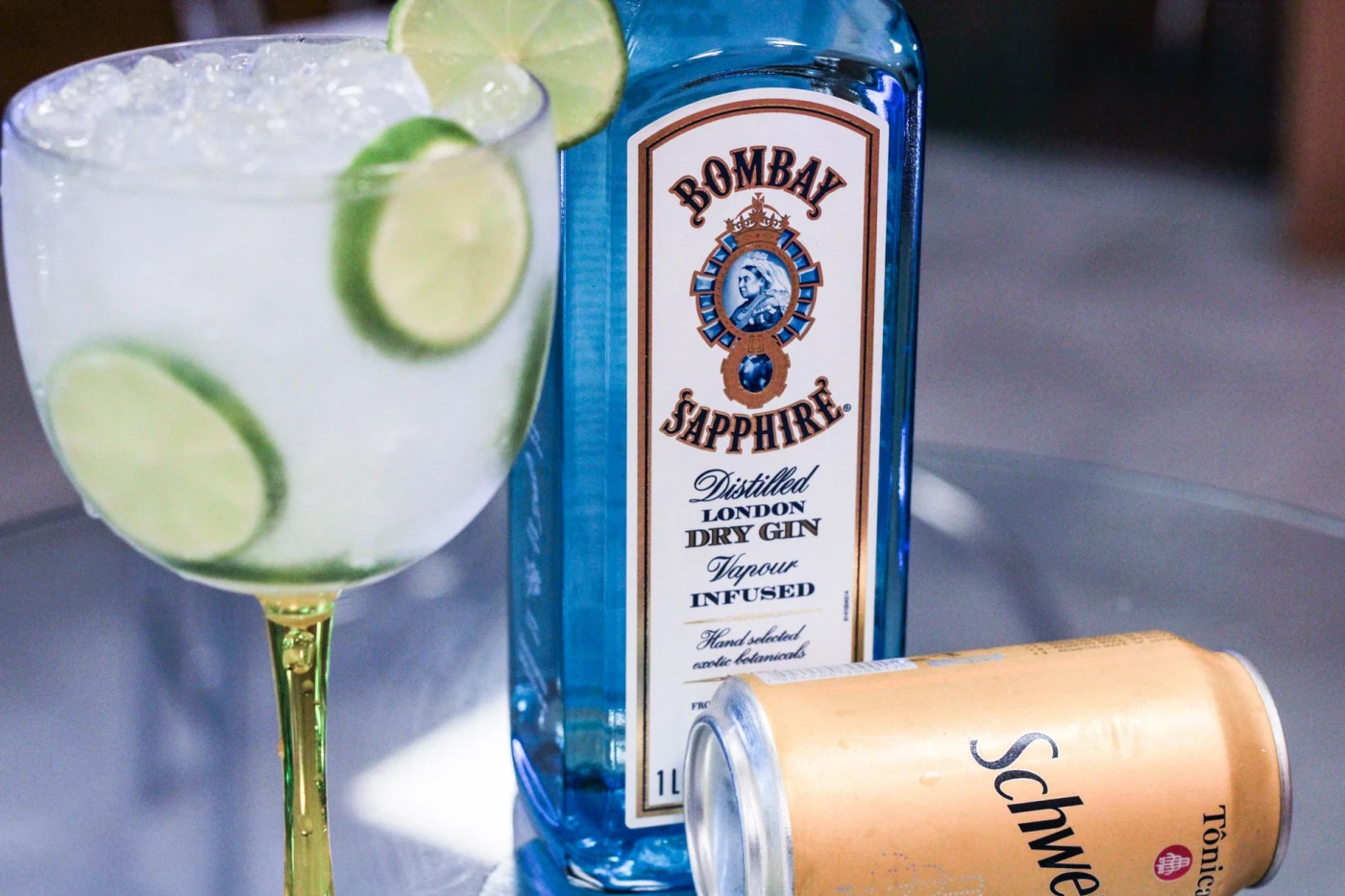
First, match gin to mixer. Fever-Tree Indian Tonic is crisp and bitter. Schweppes is sweeter and familiar. London Essence is elegant but can feel delicate beside a heavy 47% ABV gin. If your gin is bold, your tonic needs backbone.
Second, smell the garnish before using it. Lemon peel gives bright oils. Lime sharpens. Orange softens. Cucumber cools down peppery gins, especially brands like Hendrick’s. Rosemary adds a wintery, almost roast-dinner aroma, which sounds odd until it works.
Third, know when to skip syrup. I’d skip it with sweeter tonics and use it only with very dry tonic or a gin that tastes aggressively bitter. This is easily one of the best ways to keep the drink balanced without making it taste like lemonade.
Fourth, use enough ice. A half-filled glass melts faster because the drink has more warm liquid moving around less cold surface. A full glass of large cubes keeps the temperature steady and protects the bubbles. It also looks better, which matters more than people admit when serving simple cocktails.
Fifth, taste the first sip before changing anything. Gin drinks often open up after thirty seconds, once citrus oils, tonic, bitters, and botanical aroma settle together. If it tastes too sharp, add a small splash of tonic. If it tastes flat, add a fresh peel or one extra dash of bitters. If it tastes sweet, use more ice and a squeeze of lemon rather than more gin.
For comparison practice, make the same recipe beside a vodka highball from 10 Vodka Cocktails You Can Make In Under 5 Minutes. Vodka disappears. Gin argues back. That argument is the point.
Variations That Show The History of Gin in a Glass
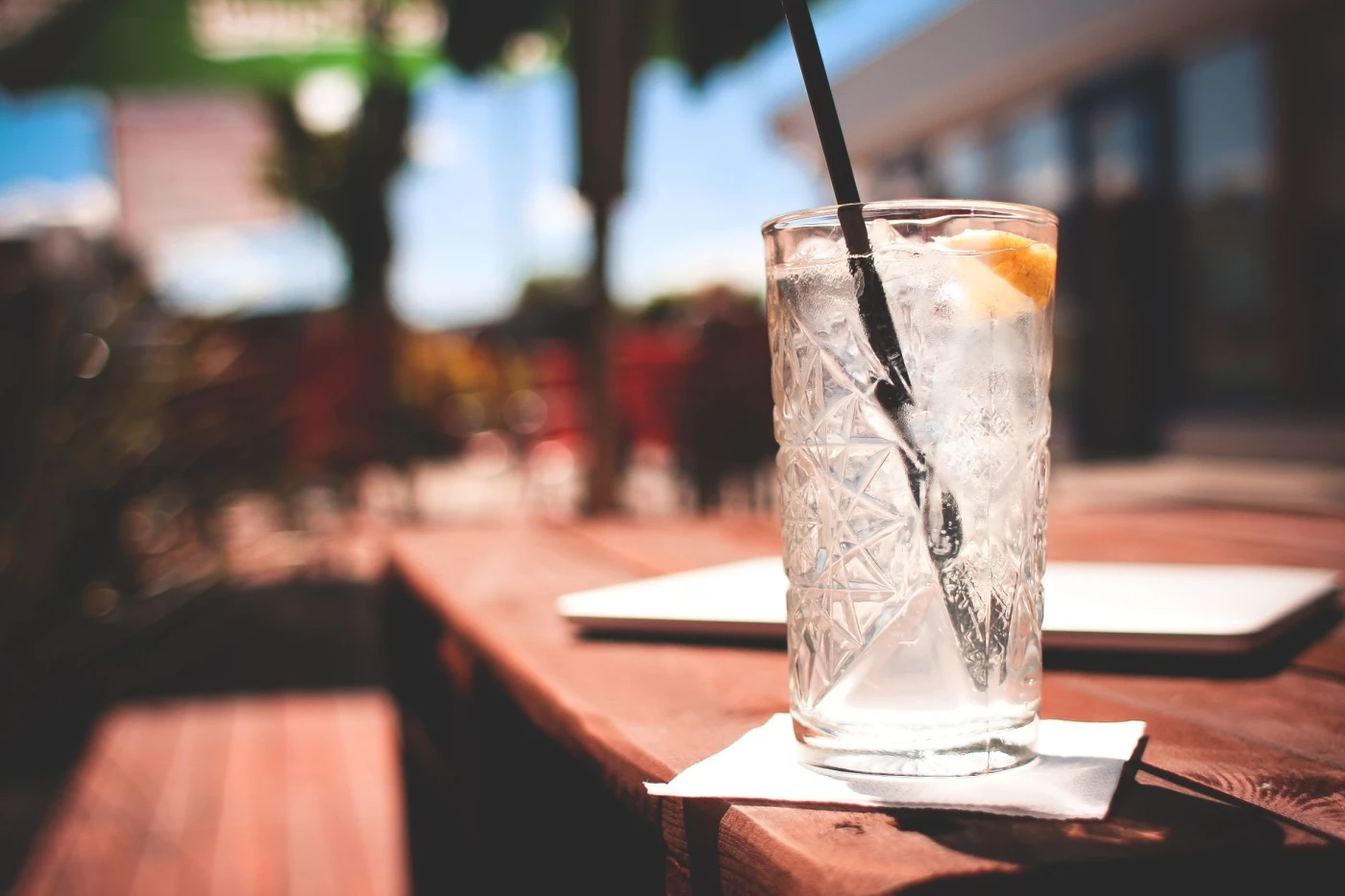
Gin’s history becomes clearer when you taste styles side by side. Start with the base recipe, then change only one major variable. That way your palate learns instead of guessing.
1. Dutch-Style Malted Highball
- 1.5 oz (45 ml) oude jenever or genever
- 3 oz (90 ml) soda water
- 0.25 oz (7.5 ml) lemon juice
- 1 lemon peel
This tastes rounder and grainier. It is closer to whiskey territory than many people expect, so fans of beginner whiskey cocktails may like it.
2. Victorian Gin Palace Serve
- 2 oz (60 ml) Old Tom gin
- 4 oz (120 ml) tonic water
- 1 dash orange bitters
- 1 orange slice
Old Tom is lightly sweeter. It feels plush, sociable, and very good before roast chicken.
3. Modern Garden Gin
- 2 oz (60 ml) cucumber-forward gin
- 4 oz (120 ml) elderflower tonic
- 1 cucumber ribbon
- 1 mint sprig
Great for spring weddings and summer patios.
4. Speakeasy Dry Serve
- 2 oz (60 ml) navy-strength gin
- 5 oz (150 ml) tonic
- 2 dashes bitters
- 1 grapefruit peel
Navy-strength gin can sit around 57% ABV. Respect it. Use more mixer and slower sipping.
5. Martini Lesson Serve
- 2 oz (60 ml) London Dry gin
- 1 oz (30 ml) dry vermouth
- 1 dash orange bitters
- 1 lemon twist
Stir with ice until very cold, then strain into a chilled coupe. This variation strips away tonic and carbonation, so the gin has nowhere to hide. It is the best test of whether you truly enjoy a particular bottle.
How to Choose a Gin Bottle
Choosing gin is easier when you ignore the prettiest label for a minute and think in use cases. If you mostly make gin and tonics, buy a bottle with enough juniper and citrus to survive dilution. If you mostly make Martinis, look for structure, dryness, and a clean finish. If you mostly make spritzes or fruit drinks, a floral or cucumber-led gin can work well, but it may not be the bottle you want in a Negroni.
Classic London Dry is the most useful first purchase because it teaches the core grammar of gin. Beefeater is affordable and honest. Tanqueray is punchy and focused. Bombay Sapphire is softer and more perfumed. Plymouth has a rounder profile and can feel less sharp in stirred drinks. Sipsmith is a strong modern benchmark for people who want traditional flavor with a polished finish.
After that, add one contrast bottle. Old Tom gives you sweetness and a bridge to 19th-century recipes. Genever gives you malt and historical depth. Navy-strength gin gives power and intensity, although it demands careful measuring. Contemporary botanical gin gives you local character, but read the label closely. If juniper is barely visible and the bottle tastes like candy, it may be pleasant, but it will not behave like classic gin.
Price helps only up to a point. A $20-30 bottle can make excellent drinks. A $45 bottle can disappoint if it is paired with the wrong tonic or served warm. Spend first on fresh citrus, cold tonic, a decent jigger, and large ice. Those upgrades touch every glass you make.
Common Mistakes with Gin Drinks
The first mistake is warm tonic. Warm tonic tastes flat before it even hits the glass, and no amount of garnish fixes that. Keep tonic at fridge temperature, ideally below 40°F (4°C), and open a fresh small bottle or can when you can.
The second mistake is assuming every gin works the same way. London Dry, Old Tom, Plymouth, genever, navy-strength, pink gin, and botanical modern gin are different tools. A floral gin can shine in a spritz and fall apart in a Negroni. A muscular London Dry can taste brilliant in a Martini and too stern with elderflower.
The third mistake is using too much citrus. A quarter ounce (7.5 ml) is enough here. More can turn the drink into sour soda and bury the juniper. The same restraint applies to bitters. Two dashes are seasoning, not a dare.
Fourth, people buy premium gin and pour bargain tonic over it. Sometimes that works. Usually it does not. Spend $2-3 or £1.50-2.50 on a decent tonic and you will taste the difference immediately.
Fifth, avoid giant balloon glasses unless you have enough ice to fill them properly. Oversized glasses look dramatic, but they can warm the drink quickly if they are only half packed. A slim highball is often better for a practical home serve because it keeps the drink colder and directs aroma toward your nose.
Finally, do not treat origin stories as gospel. Cocktail history is full of confident myths. If a story names one bartender, one night, and one perfect invention moment, be cautious. The History of Gin is documented in broad strokes, but many drink legends remain uncertain.
Pairings, Seasons, and Occasions for Gin
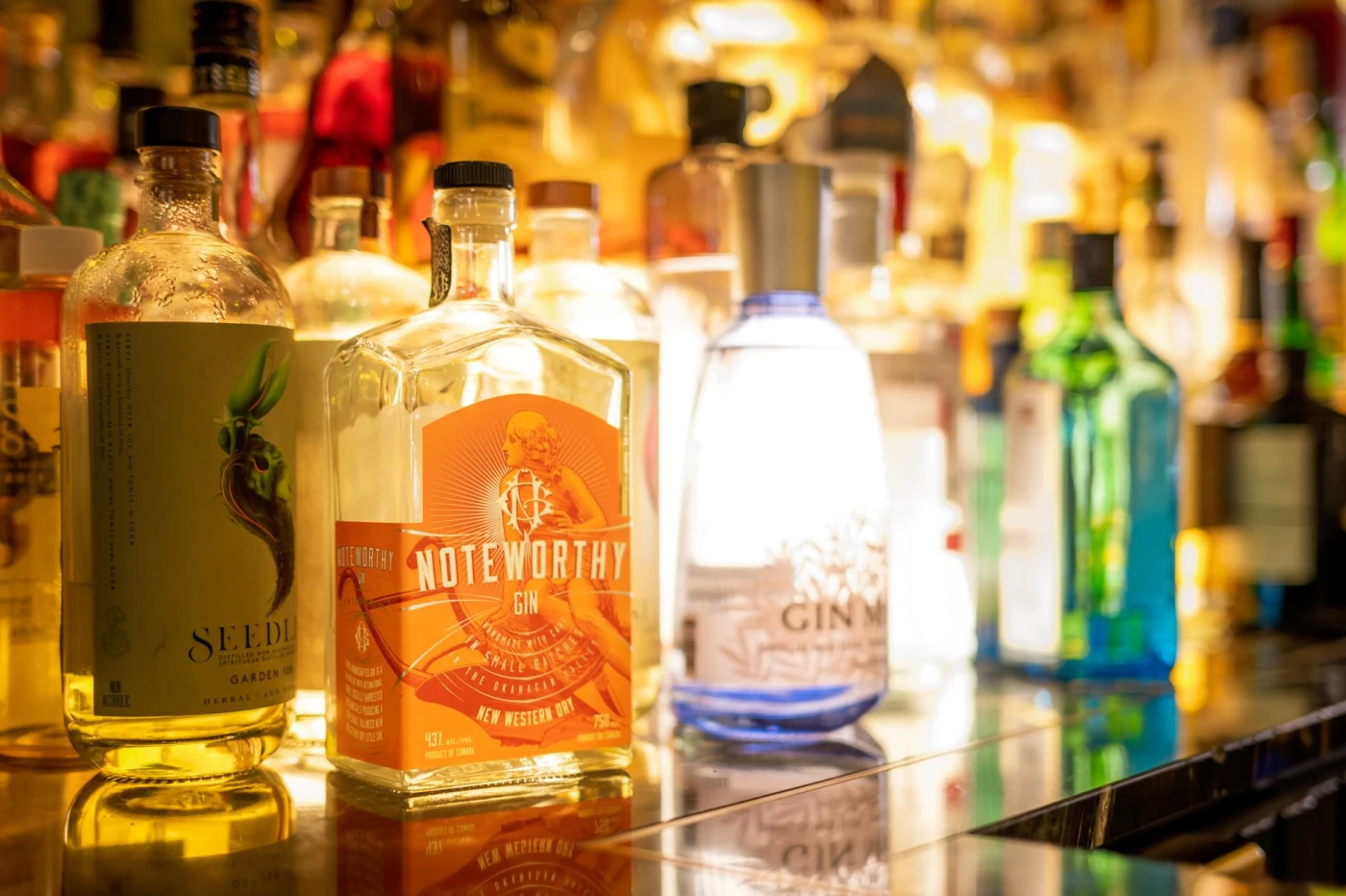
Gin is a seasonal chameleon. In spring, pair a lemony gin highball with asparagus tart, pea risotto, or goat cheese. In summer, go cold and salty: oysters, grilled shrimp, olives, crisps, chips, smoked almonds, and cucumber sandwiches. What grows together often drinks together.
Autumn gin needs more structure. Try orange peel, rosemary, thyme, apple, pear, or ginger. For winter, I like navy-strength gin with grapefruit peel and a bitter tonic beside roast poultry or strong cheddar. It feels festive without becoming syrupy.
For occasions, gin is flexible. A simple G&T works for garden parties, Burns Night side tables, Super Bowl snacks, weddings, Boxing Day leftovers, and Friday dinner with friends. A Martini is sharper and more formal. A Tom Collins is better when guests want something long, fizzy, and approachable.
If your group includes lighter drinkers, offer a reduced-pour version and a zero-proof tonic build with citrus and bitters-style nonalcoholic drops. The NIAAA and Drinkaware both publish alcohol health information, and responsible drinking matters more than chasing one more round.
For a retro comparison, look at how gin sits beside cranberry-orange drinks like the Madras Cocktail or nostalgic bottles in 90s Drinks Where Are They Now. Gin usually tastes less sweet and more botanical.
Quick Reference Cheat Sheet for The History of Gin
Use this table when you want the drink without rereading the whole article. It keeps US and UK measurements together, which is useful if your jigger is in ounces but your tonic bottle is labeled in millilitres.
| Element | US Measure | UK / Metric Measure | Best Practice |
|---|---|---|---|
| Gin | 2 oz | 60 ml | Choose 40-47% ABV London Dry for classic balance |
| Tonic water | 4 oz | 120 ml | Use cold premium tonic and pour slowly |
| Lemon juice | 0.25 oz | 7.5 ml | Fresh only; bottled lemon tastes flat |
| Simple syrup | 0.25 oz | 7.5 ml | Optional; use with very dry tonic |
| Bitters | 2 dashes | 2 dashes | Aromatic or orange bitters both work |
| Glass | 10-12 oz highball | 300-350 ml highball | Chill before building |
| Serving temperature | 32-40°F | 0-4°C | Cold glass, cold tonic, large ice |
After testing several ratios, 1 part gin to 2 parts tonic gives the clearest botanical flavor without turning harsh. Want it gentler? Use 1.5 oz (45 ml) gin and 5 oz (150 ml) tonic. Want it punchier? Keep the gin at 2 oz (60 ml), but choose a more bitter tonic instead of adding more alcohol.
Why The History of Gin Still Matters
The History of Gin matters because it explains why this spirit can feel both rough-edged and refined. It was born from medicine, trade, poverty, taxation, industrial skill, empire, naval habits, cocktail bars, and modern craft distilling. That is a lot to hold in one clear glass.
It also shows why gin keeps coming back. Every generation finds a way to reinterpret it. One era wants strong juniper and dry vermouth. Another wants pink grapefruit, cucumber, basil, or yuzu. Another returns to genever and Old Tom to understand what older recipes actually tasted like. Gin survives because its identity is firm enough to recognize and flexible enough to remix.
For home bartenders, the practical lesson is simple. Buy one solid London Dry gin, one softer modern gin, good tonic, fresh citrus, and large ice. Learn the base serve before chasing twenty botanicals. Your drinks will improve faster.
If you are building a broader setup, pair gin with whiskey, vodka, citrus, bitters, vermouth, and a few reliable tools. The free home bar starter checklist will help you stock the useful things first. Gin began in chaos, but your home bar does not have to.
Ask AI about this article
Pick a prompt, copy it, or open ChatGPT with this article preloaded.
Frequently Asked Questions
What is the history of gin in simple terms?
The History of Gin starts with Dutch jenever, a malt-based spirit flavored with juniper. British soldiers and traders encountered it, then Britain developed its own cheaper, sharper styles. In the 1700s, gin became linked with poverty and disorder during the Gin Craze. Later regulation, improved distilling, tonic water.
Was gin invented in Britain?
Not exactly. Gin’s closest ancestor was Dutch jenever, and juniper-flavored medicinal spirits existed before Britain made gin famous. Britain’s role was transformation. Cheap grain spirit, politics, taxation, urban drinking, and later better distillation created the style many people now recognize as gin. So gin is not.
What does London Dry gin mean?
London Dry is a production style, not a legal requirement that the gin must be made in London. It usually means the botanicals are distilled with neutral spirit and no strong sweetening is added afterward. Classic examples often show piney juniper, citrus peel, coriander, angelica, and spice. Tanqueray, Beefeater, Bomb.
What is the best gin for a history-inspired gin cocktail?
For a history-inspired serve, choose a juniper-forward London Dry gin around 40-47% ABV. Beefeater is reliable and often $20-25 in the US or around £18-22 in the UK. Tanqueray is sharper and brighter. Plymouth is rounder and softer. I’d skip heavily flavored pink gins here because they hide the old-school gin structure.
How strong is this gin drink?
The recipe below uses 2 oz (60 ml) gin at roughly 40-47% ABV, then lengthens it with tonic and ice. Depending on the tonic volume and melt, the finished drink usually lands around 10-14% ABV. That feels lighter than a Martini but stronger than beer, so measure the pour and pace it like a proper cocktail.
Why did gin cause so much trouble in Britain?
Gin became cheap, available, and politically tangled in early 18th-century Britain. Grain spirit could be produced quickly, and poor urban drinkers had easy access to strong alcohol. Moral panic followed, but the story was also about poverty, weak regulation, and social stress. Later Gin Acts and better licensing gradu.
What food pairs well with gin cocktails?
Gin loves salt, herbs, citrus, and clean fats. Try smoked salmon, oysters, roast chicken, cucumber sandwiches, goat cheese, chips, olives, or lemony seafood. For US backyard drinking, grilled shrimp and herb potato salad work beautifully. For a UK garden party, serve it with crisps, sausage rolls, and sharp cheddar.
Comments 0
Login to Post comments