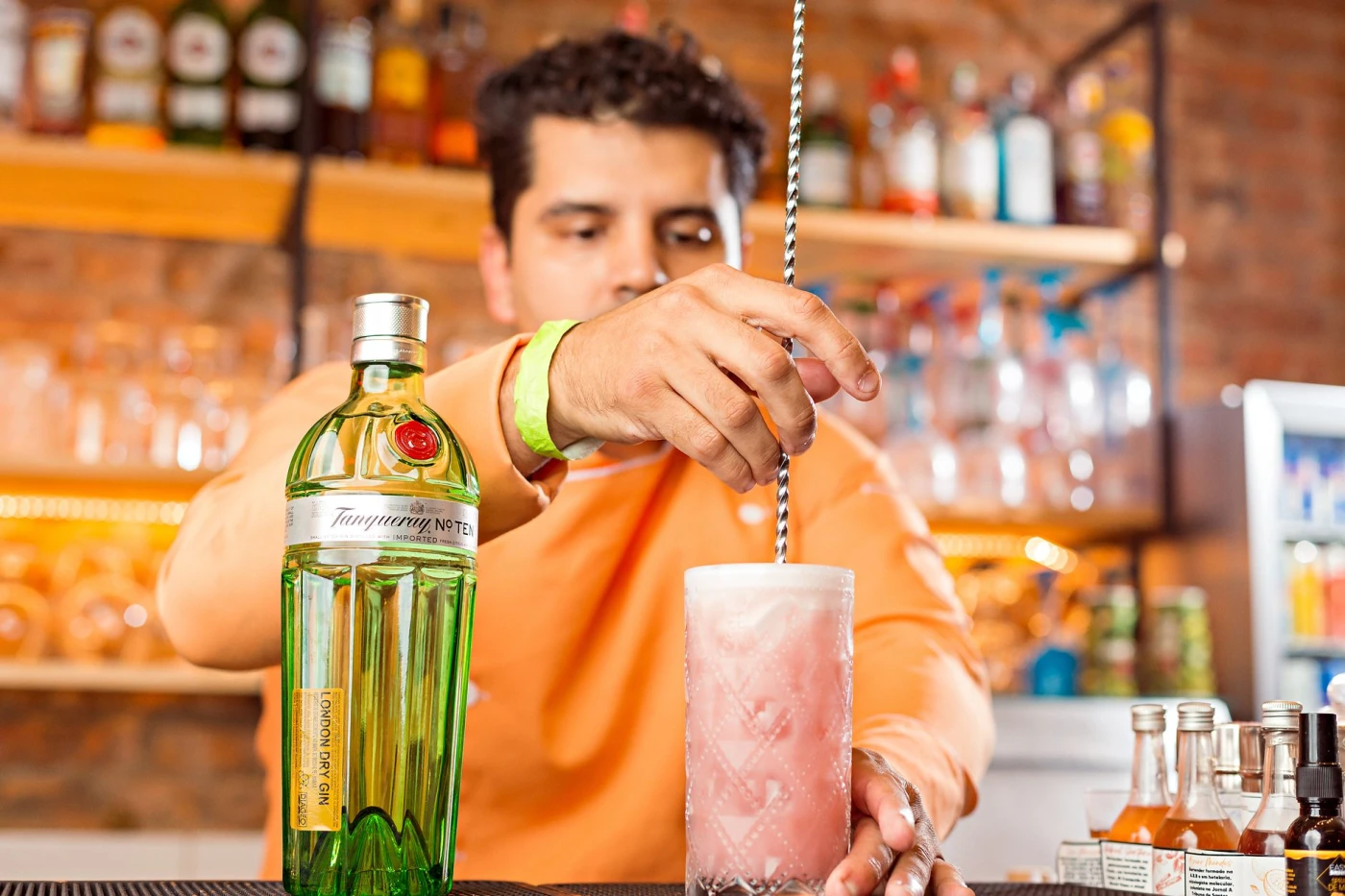

The Rise of Craft Gin in the UK
Explore the modern UK craft gin boom with history, buying logic, practical mixing advice, and a crisp home-bar recipe. The Rise of Craft Gin in the UK changed how many of us think.
The Rise of Craft Gin in the UK changed how many of us think about gin: not just as a tonic mixer, but as a botanical spirit worth tasting, comparing, and building cocktails around. Here is the thing. A great gin drink does not need twelve ingredients or a fog of lavender garnish.
You need a good bottle, fresh citrus, cold glassware, and enough restraint to let the gin speak. If you already make fast classics from our quick vodka cocktail guide, this is the gin equivalent: practical, aromatic, and built for real home bars in New York, Manchester, Austin, and Edinburgh.
The appeal is also easy to understand at the glass level. Modern British gin gives you clear choices. One bottle may be dry and peppery, another soft and floral, another green with herbs, and another built around citrus peel. That variety makes gin feel less like a single product and more like a toolkit for simple, high-quality drinks.
What the UK Craft Gin Boom Really Means
The modern British gin movement is part history, part drinking culture, and part home-bar opportunity. Gin has always had a British identity, but the newer craft wave made it feel personal. Small distilleries started selling bottles that tasted of coastal herbs, garden citrus, heather, tea, cucumber, seaweed, or spice instead of only sharp juniper and alcohol heat.
Let us be honest. Some of the boom was branding. A beautiful label and a local story can push a £38 bottle, or about $48, very quickly. But the better producers also gave drinkers something real: more texture, cleaner distillation, and botanical choices you could actually taste.
Legally, gin is still gin because juniper has to be a defining flavor. For US readers, the Alcohol and Tobacco Tax and Trade Bureau is the key reference point for alcohol labeling and standards; see TTB. In the UK, many bottles begin at 37.5% ABV, while premium craft gins often sit around 40% to 45% ABV.
In my experience, the best way to understand the trend is not to memorize distillery names. Taste three styles side by side: a London Dry, a softer contemporary gin, and a local botanical gin. Suddenly the category opens up. Want another foundational drink before you branch out? Our classic cocktails guide is a useful benchmark.
Context matters here. Before the craft boom, many home drinkers treated gin as a background spirit. It was something to cover with tonic, lime, and plenty of ice. The newer wave encouraged people to notice texture, aroma, distillation quality, and botanical balance. That shift is why tasting notes on gin bottles no longer feel unusual. They are now part of how many shoppers decide what to buy.
Ingredients for a Modern UK Craft Gin Serve
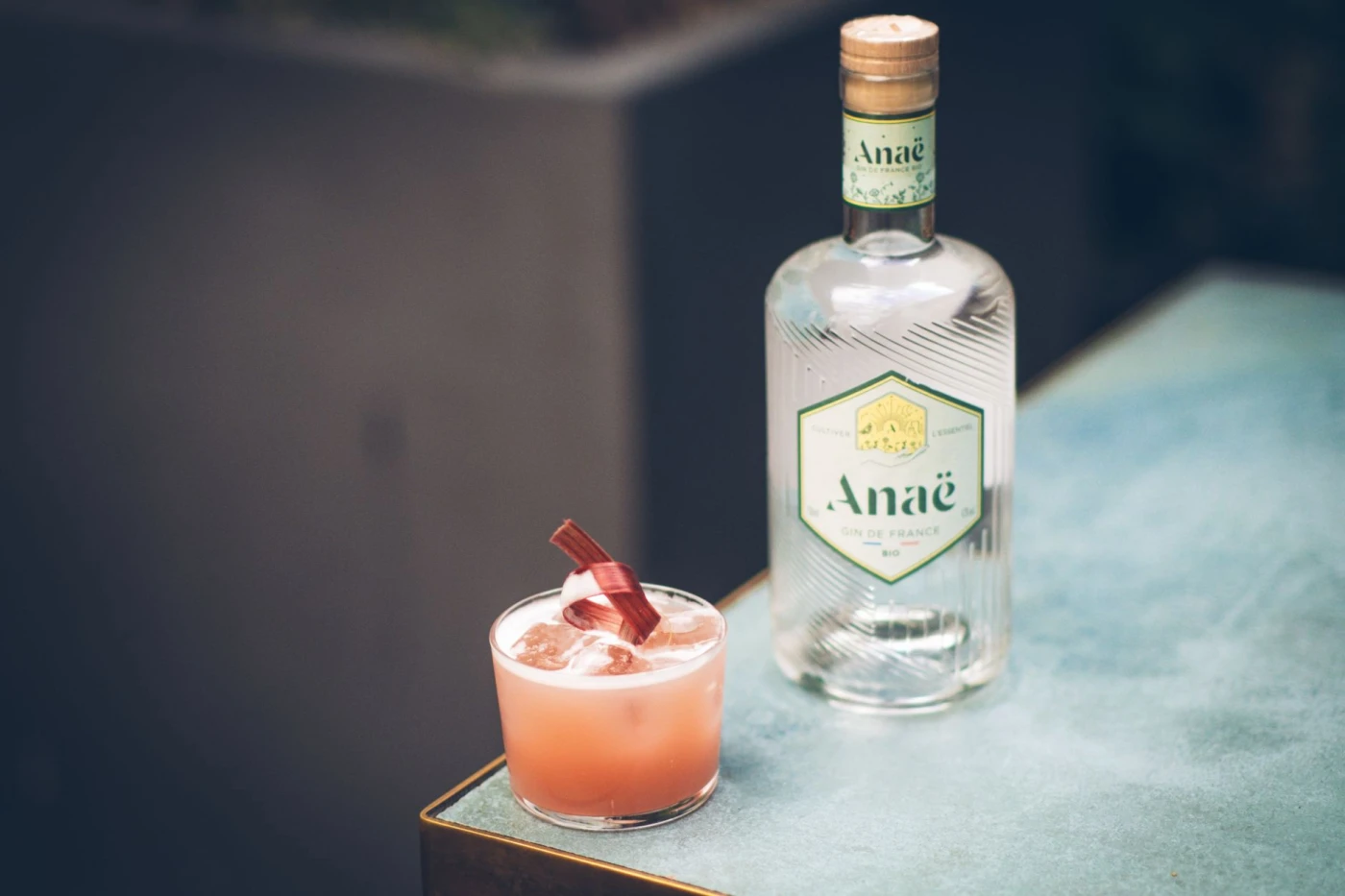
This recipe is a bright, modern gin long drink built to show why British craft gin matters. It is not a strict historical cocktail. Think of it as a house serve: citrusy, lightly floral, dry enough for dinner, and friendly enough for people who normally order a G&T.
Use a highball, Collins glass, or large wine glass. Chill it first if you can. Fifteen minutes in the freezer is enough, and yes, that tiny detail matters.
- 2 oz (60 ml) UK craft gin, ideally 40% to 44% ABV
- 0.75 oz (22 ml) fresh lemon juice
- 0.5 oz (15 ml) elderflower liqueur
- 0.25 oz (7.5 ml) simple syrup, 1:1 sugar to water
- 2 dashes orange bitters
- 2 oz (60 ml) chilled Indian tonic water or soda water
- 1 lemon peel, cucumber ribbon, or rosemary sprig for garnish
- Ice cubes for shaking and fresh ice for serving
For gin, Sipsmith London Dry, Plymouth Gin, Cotswolds Dry Gin, Isle of Harris Gin, and Hepple Gin all work. Prices vary, but expect about £25 to £45 in the UK and $30 to $60 in the US for many craft bottles.
I would skip bargain tonic here. Fever-Tree Indian Tonic, London Essence, or Q Mixers keep the drink cleaner. If you prefer lower sweetness, use soda and add only a splash of tonic. For lighter serves, compare this with our low-alcohol cocktail recipes.
Ingredient quality is more important than ingredient count. Fresh lemon should smell bright before it reaches the shaker. Simple syrup should taste clean, not stale from the back of the fridge. Tonic should be cold enough to protect carbonation. Even the garnish should have a job: lemon adds oil, cucumber adds cooling aroma, rosemary adds a savory edge, and grapefruit peel makes citrus-heavy gins feel more grown-up.
How to Make the Cocktail
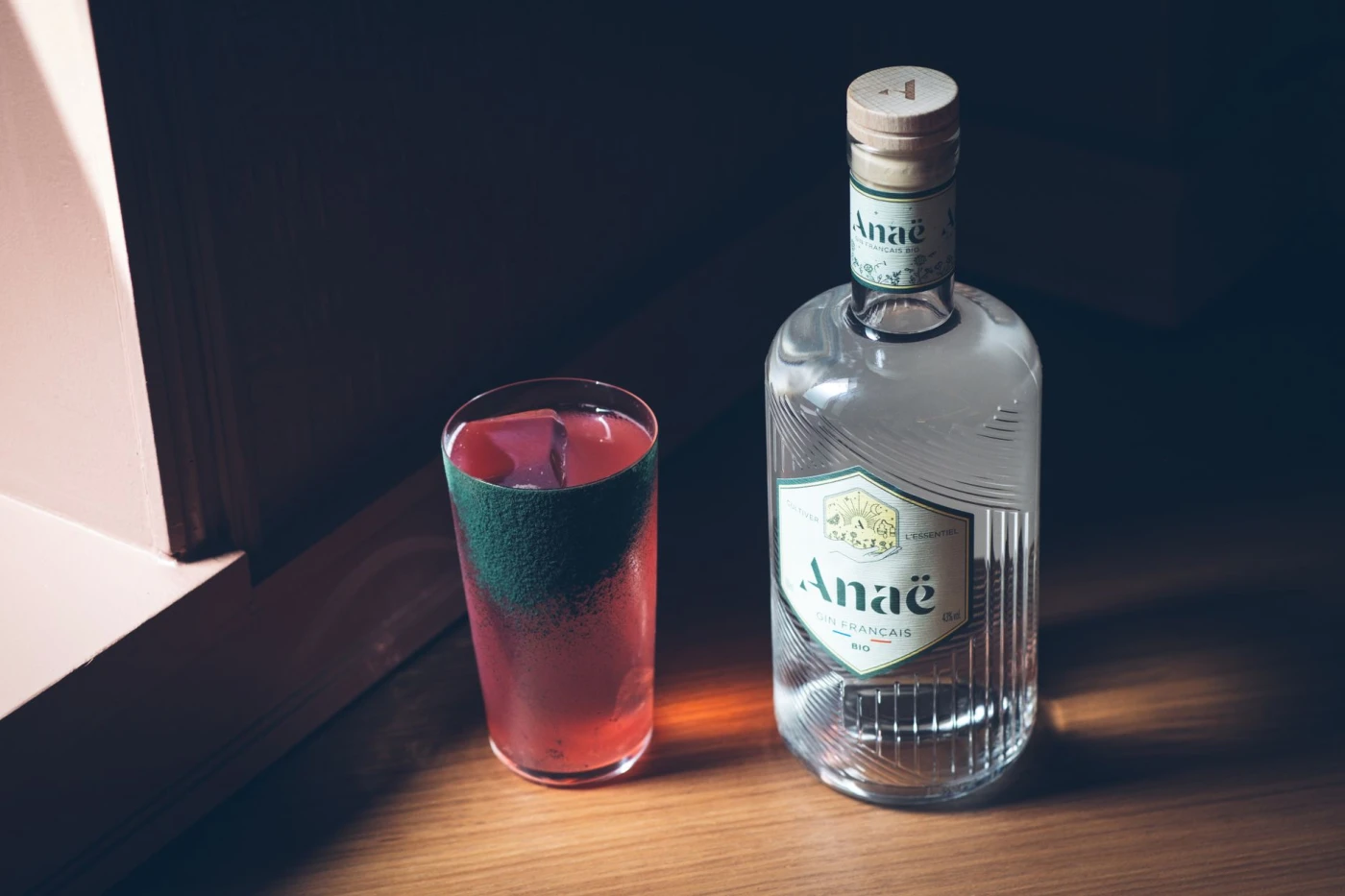
The method is simple, but simple does not mean casual. Gin cocktails punish warm glasses, old citrus, and sloppy measurements. After testing this with both London Dry and floral craft gins, the sweet spot was a short shake followed by a restrained tonic top.
- Chill your glass for 10 to 15 minutes, or fill it with ice water while you prep.
- Add 2 oz (60 ml) gin, 0.75 oz (22 ml) lemon juice, 0.5 oz (15 ml) elderflower liqueur, 0.25 oz (7.5 ml) simple syrup, and bitters to a shaker.
- Fill the shaker two-thirds with hard ice and shake for 8 to 10 seconds. Stop before the drink becomes watery.
- Discard the ice water from your glass and add fresh ice cubes.
- Fine strain the shaken mixture into the glass.
- Top with 2 oz (60 ml) chilled tonic or soda. Pour slowly so the bubbles stay alive.
- Garnish with a lemon peel, cucumber ribbon, or rosemary sprig. Express citrus oil over the rim if using lemon.
Serve at once. The drink should land around 12% to 16% ABV depending on gin strength, dilution, and whether you use tonic or soda. That is lighter than a Martini but stronger than many canned spritzes.
If you enjoy technique-driven beginner drinks, you may also like our beginner whiskey cocktail guide. Different spirit, same lesson: measure first, adjust second.
When adjusting, change only one thing at a time. If the drink tastes too sharp, add a bar spoon of syrup or a little more tonic. If it tastes too sweet, add a small squeeze of lemon or switch from tonic to soda. If the gin disappears, reduce the bubbles before increasing the spirit. That order protects balance and keeps the drink from creeping stronger than intended.
How to Choose a Bottle
A good buying strategy starts with the serve you actually want. For gin and tonic, choose a bottle with enough juniper, citrus peel, or spice to stand up to quinine and bubbles. For sours and Collins-style drinks, look for clean distillation and a clear citrus or herbal line. For sipping flights, you can go more unusual, because the bottle does not need to compete with lemon, sugar, and carbonation.
London Dry remains the safest first bottle because it gives structure. It does not have to be made in London; the term refers to a production style with no sweetening after distillation beyond a tiny permitted amount. Old Tom is rounder and lightly sweet, useful in older cocktail templates. Contemporary dry gin is the broadest family, often where you find cucumber, floral, tea, fruit, seaweed, or spice-led recipes.
Read the back label with a little skepticism. Botanicals listed in a neat row do not guarantee balance in the glass. A gin can mention ten ingredients and still taste mostly of alcohol, or list only a few and feel complete. If a shop offers tasting samples, smell first, taste second, then imagine the drink you would make. A good bottle should suggest a serve almost immediately.
Pro Tips from Testing Craft Gin at Home

In my experience, the biggest upgrade is temperature. Gin tastes sharper when warm and more integrated when cold. Keep the bottle in the fridge for parties, chill the tonic to about 38°F (3°C), and use dense ice from a silicone tray rather than half-melted freezer scraps.
Second, match garnish to the gin. A citrus-forward gin likes lemon or grapefruit. A cucumber and rose style likes cucumber. A coastal gin can handle rosemary, thyme, or even a tiny pinch of sea salt. Do not garnish from habit. Garnish from flavor.
Third, avoid assuming craft means delicate. Some small-batch gins are loud: 45% ABV, high juniper, peppery finish, lots of citrus peel. This is easily one of the best categories for home bartenders because the bottle does real work. But it also means you should taste before mixing.
Here is a practical tasting drill. Pour 0.25 oz (7.5 ml) gin into a glass, smell it, add 0.25 oz (7.5 ml) water, then smell again. The water opens the botanicals. If the gin becomes floral, use elderflower carefully. If it becomes spicy, try grapefruit instead of lemon.
After testing dozens of home versions, I would keep simple syrup low. Too much sugar makes expensive gin taste generic. If you want sweetness and fruit, use a deliberate variation rather than quietly turning this into lemonade. For make-ahead outdoor drinks, our portable picnic drinks offer useful batching ideas.
Variations on the Modern Craft Gin Serve
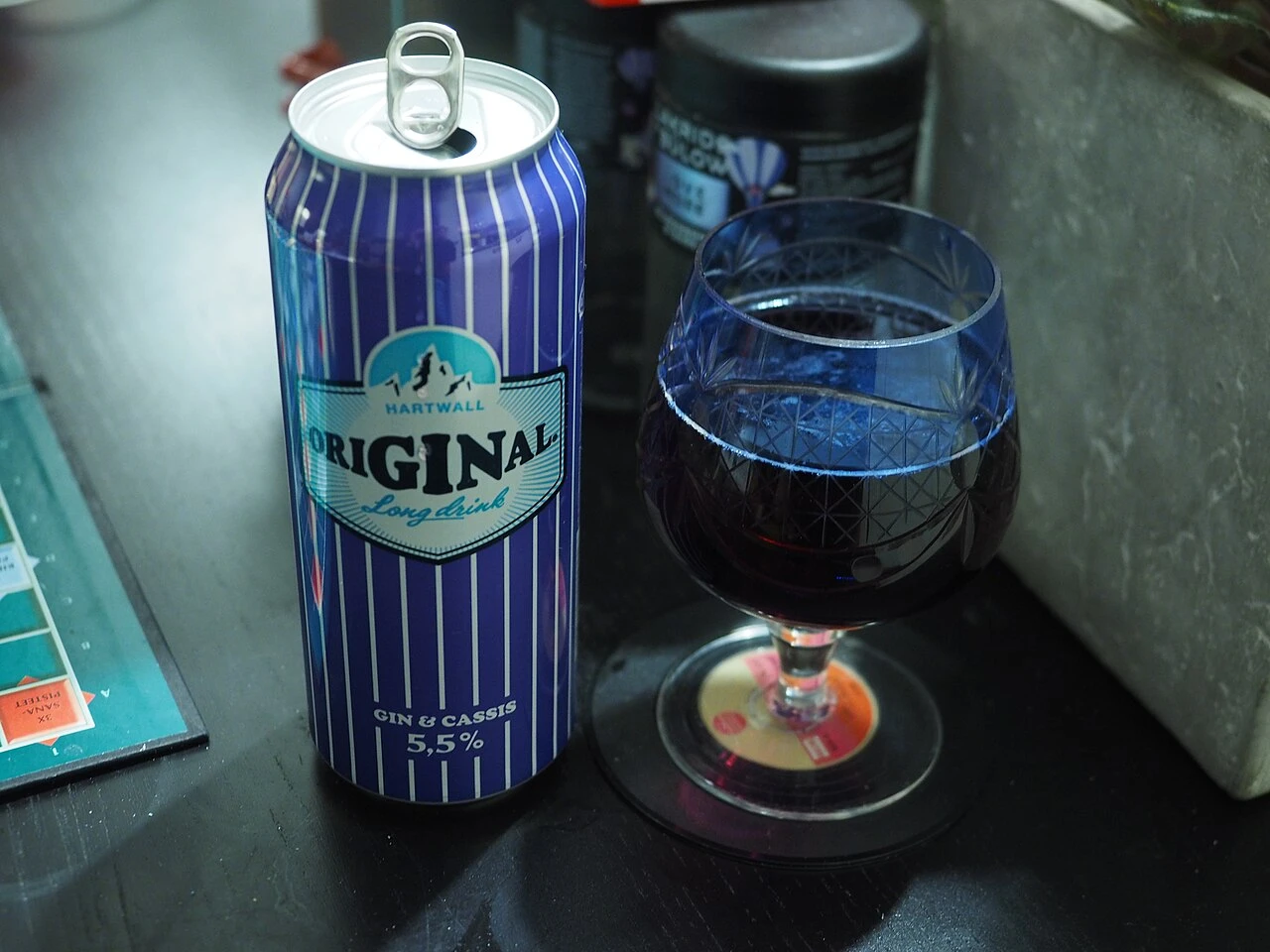
Craft gin works because the base spirit is modular. Juniper gives the spine, then citrus, herbs, berries, tea, spice, or bitter aperitif can move the drink toward spring brunch, summer garden parties, autumn dinners, or December gatherings.
Cassis Garden Highball
- 2 oz (60 ml) craft gin
- 0.5 oz (15 ml) creme de cassis
- 0.5 oz (15 ml) lemon juice
- 3 oz (90 ml) chilled soda water
- Lemon wheel and mint
This is juicy but not childish. Use it when blackcurrants or berries are on the table.
Dry Coastal Spritz
- 1.5 oz (45 ml) coastal-style gin
- 0.5 oz (15 ml) dry vermouth
- 0.25 oz (7.5 ml) lemon juice
- 3 oz (90 ml) soda water
- Rosemary sprig
Brisk, saline, and excellent with oysters or chips.
Pink Grapefruit Collins
- 2 oz (60 ml) London Dry gin
- 1 oz (30 ml) pink grapefruit juice
- 0.5 oz (15 ml) lime juice
- 0.5 oz (15 ml) simple syrup
- 2 oz (60 ml) soda water
Bright enough for summer, sharp enough for cocktail people.
Lower-ABV Elderflower Serve
- 1 oz (30 ml) gin
- 0.5 oz (15 ml) elderflower liqueur
- 0.5 oz (15 ml) lemon juice
- 4 oz (120 ml) soda water
- Cucumber ribbon
This is the version I would serve at a long lunch. It still feels like a cocktail, just gentler.
You can also turn the core recipe into a pitcher, but batch only the still ingredients. Combine gin, lemon, elderflower, syrup, and bitters in a chilled bottle, then pour individual portions over ice and top each glass with fresh tonic or soda. This keeps the bubbles lively and prevents the whole batch from tasting tired halfway through the party.
Common Mistakes with UK Craft Gin Drinks

The first mistake is buying by bottle design alone. I love a beautiful label, but flavor has to win. If a gin costs £42 or $55 and tastes mostly like vague perfume, it will not improve your cocktail. Look for a clear botanical direction: juniper-led, citrus-led, herb-led, floral, spiced, coastal, or fruit-driven.
The second mistake is using dead citrus. Bottled lemon juice makes a craft gin cocktail taste flat and metallic. Fresh lemon sits around pH 2 to 3 and brings aromatic oil as well as acidity. Squeeze it the same day.
The third mistake is over-tonic-ing. Many home bartenders pour 5 oz (150 ml) tonic over 1.5 oz (45 ml) gin, then wonder why the drink tastes thin and sweet. Start closer to 1:1 or 1:1.5 for a cocktail-style serve. You can always lengthen it.
The fourth mistake is ignoring ABV. A 57% navy-strength gin is not just a bigger flavor; it changes the alcohol load quickly. The National Institute on Alcohol Abuse and Alcoholism offers alcohol health information at NIAAA, and UK readers can find practical guidance at Drinkaware. Enjoy the drink, but serve water, food, and low-alcohol options too. Responsible drinking belongs in good hosting.
Last, do not shake tonic. Add bubbles after shaking. Obvious? Maybe. Still common.
Another mistake is treating every craft bottle as a Martini bottle. Some modern gins are beautiful with tonic but awkward when served almost neat with vermouth. Others are excellent in a Martini but too dry or intense for casual highballs. Let the gin tell you where it belongs. A quick taste with a splash of water is usually enough to point you in the right direction.
Pairings and Occasions for Craft Gin

The Rise of Craft Gin in the UK fits more occasions than people expect. A crisp gin drink is brilliant before dinner because it wakes up the palate without coating it in sugar or oak. Serve it with salty snacks, seafood, green herbs, and sharp cheese. Think smoked trout, crab toast, olives, goat cheese, cucumber sandwiches, or lemony roast chicken.
For a spring bank holiday or Memorial Day cookout, I would make the Pink Grapefruit Collins variation in a pitcher and top each glass individually with soda. For a summer picnic, choose the lower-ABV elderflower serve and pack chilled soda separately. For a winter drinks table, move toward rosemary, grapefruit peel, and a spiced gin around 43% ABV.
Want something more nostalgic? Gin also plays nicely with the citrus-cranberry energy of drinks like the Madras cocktail, even though that classic is usually vodka-based. The lesson is transferable: tart fruit, clean spirit, cold glass, no fuss.
If your guests usually drink beer or wine, avoid starting them with a very dry Martini-style serve. Give them bubbles, citrus, and ice. Then offer a small tasting pour of the gin neat, about 0.5 oz (15 ml), so they can smell the botanicals. That moment often converts people. It feels thoughtful, not lecture-like.
For party planning, build around food first. Gin is flexible, but snacks keep the night balanced.
Seasonality helps too. In spring, use elderflower, mint, cucumber, and lemon. In summer, move toward grapefruit, berries, basil, and soda. In autumn, try apple, thyme, pear, and dry vermouth. In winter, use rosemary, orange peel, cranberry, bitter aperitif, or a spice-led gin. These shifts keep the same basic technique useful all year.
Quick Reference Cheat Sheet
Use this table when you want a balanced UK craft gin drink without rereading the whole recipe. It keeps the serve cold, aromatic, and repeatable. Print it mentally: gin, lemon, elderflower, tiny sugar, bitters, bubbles.
| Component | US Measure | UK / Metric Measure | Notes |
|---|---|---|---|
| Craft gin | 2 oz | 60 ml | 40% to 44% ABV is ideal |
| Fresh lemon juice | 0.75 oz | 22 ml | Squeeze same day |
| Elderflower liqueur | 0.5 oz | 15 ml | Use less with floral gins |
| Simple syrup | 0.25 oz | 7.5 ml | 1:1 sugar and water |
| Orange bitters | 2 dashes | 2 dashes | Adds citrus depth |
| Tonic or soda | 2 oz | 60 ml | Chilled to about 38°F / 3°C |
| Shake time | 8-10 seconds | 8-10 seconds | Hard ice, short shake |
| Serving glass | Highball | Collins or wine glass | Use fresh ice |
If you only remember one rule, remember this: do not drown good gin. The craft gin movement made subtle botanical flavor easier to find, but your mixing still decides whether those flavors survive. For another look at drinks culture through changing tastes, our 90s drinks retrospective is a fun companion read.
Why the UK Craft Gin Boom Lasts
The modern UK gin boom lasts because it gives home bartenders choice without making cocktails difficult. You can pour a classic London Dry with tonic on Friday, a coastal gin spritz for seafood on Saturday, and a berry gin long drink for a garden lunch on Sunday. Same category. Different moods.
Here is the thing: the best craft gin is not about novelty for its own sake. It is about clarity. Can you taste the juniper? Do the botanicals make sense? Does the bottle improve a real drink, or does it only look good on Instagram?
In my experience, the winners are the bottles you return to after the tasting excitement fades. Sipsmith is dependable. Plymouth is rounded and bartender-friendly. Cotswolds has texture. Isle of Harris brings a coastal signature. Hepple feels precise and modern. None is automatically best for everyone, and that is the point.
If you are setting up your home bar, keep one reliable gin, one expressive craft bottle, fresh citrus, bitters, tonic, soda, and proper ice. Then build from there. The Rise of Craft Gin in the UK is not just a trend; it is a reminder that a simple drink can still have real character. Near your next bottle shop run, use our free home bar starter checklist so your bar cart supports the cocktails you actually want to make.
The most useful takeaway is practical, not romantic. Buy gin for the drinks you make most often. Keep measurements tight. Chill everything that should be cold. Taste before you garnish. When those habits are in place, even a two-ingredient gin and tonic can feel deliberate, expressive, and worth serving with confidence.
Ask AI about this article
Pick a prompt, copy it, or open ChatGPT with this article preloaded.
Frequently Asked Questions
What is The Rise of Craft Gin in the UK?
The phrase refers to the growth of smaller British distilleries, local botanical recipes, and premium gin serves over the last two decades. It is also a useful theme for home bartenders: choose a distinctive gin, build a balanced drink, and let juniper plus supporting botanicals lead rather than hiding them under sugar.
How do you make this UK craft gin cocktail?
Shake 2 oz (60 ml) craft gin with 0.75 oz (22 ml) fresh lemon juice, 0.5 oz (15 ml) elderflower liqueur, 0.25 oz (7.5 ml) simple syrup, and 2 dashes orange bitters. Strain over fresh ice, top with 2 oz (60 ml) chilled tonic or soda, and garnish with lemon peel or cucumber.
What ingredients do you need for this gin drink?
You need a quality UK-style craft gin, fresh lemon juice, elderflower liqueur, simple syrup, orange bitters, ice, and chilled tonic or soda. For garnish, use lemon peel, cucumber, rosemary, or grapefruit. The gin matters most because the recipe is deliberately lean, so a flat or harsh bottle has nowhere to hide.
What is the best gin for this cocktail?
For a classic profile, try Beefeater, Tanqueray, Sipsmith London Dry, or Plymouth Gin. For modern craft character, look at Cotswolds Dry Gin, Hepple, Isle of Harris, or Silent Pool. I would choose a 40% to 44% ABV gin for this cocktail because it keeps structure after shaking, dilution, and tonic.
Why did gin become so popular in Britain again?
Gin came back because distilling rules, consumer taste, cocktail culture, and premium tonic all moved in the same direction. Drinkers wanted local stories, botanical detail, and fresher long drinks. Bars helped too. A good gin and tonic is fast, aromatic, customizable, and less heavy than many brown-spirit cocktails.
What food pairs well with UK craft gin cocktails?
Gin cocktails pair well with seafood, goat cheese, cucumber sandwiches, citrus salads, roast chicken, fried snacks, and herb-heavy dishes. Juniper likes salt and freshness. For a summer garden party, serve smoked salmon blinis or chips with aioli. For winter, try rosemary nuts or lemony roast potatoes.
Comments 0
Login to Post comments