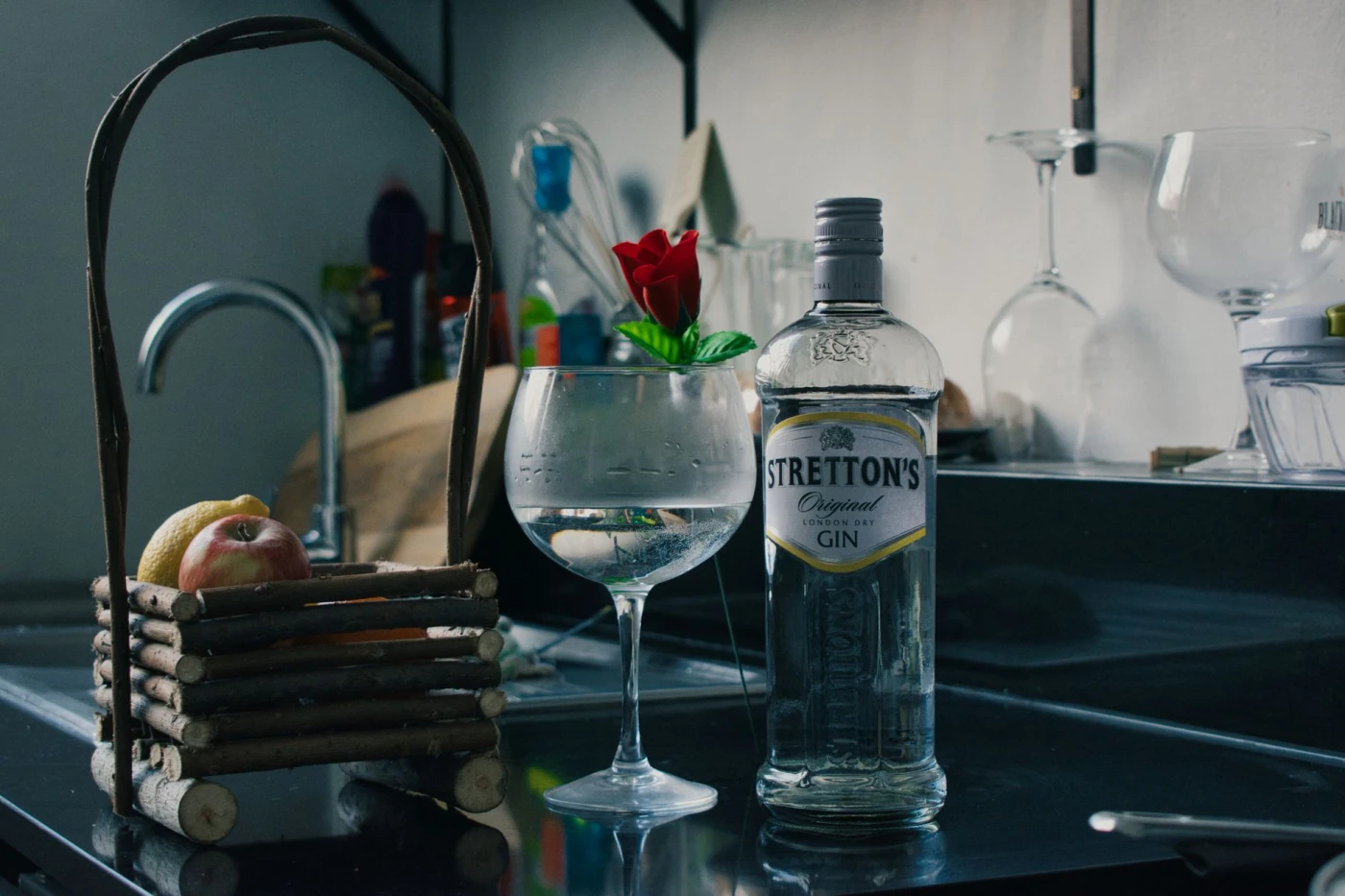

Types of Gin Explained: A Home Bar Guide
A clear guide to gin styles, how they taste, and which bottles work best in cocktails, spritzes, martinis, and simple G&Ts. Types of gin explained sounds simple until you stand in.
Types of gin explained sounds simple until you stand in front of a shelf with London Dry, Plymouth, Old Tom, Navy Strength, pink gin, sloe gin, and bottles promising cucumber, rose, yuzu, seaweed, or black pepper. Which one belongs in your martini? Which one makes the best G&T? And which one should you skip for a Negroni?
Here’s the thing: gin is not one flavor. It is a category built around juniper, then shaped by botanicals, sweetness, strength, distillation choices, and tradition. If you already make drinks from our classic cocktails guide, understanding gin styles will make your home bar far more precise.
Types of Gin Explained: What Gin Is and Where It Came From
Gin is a distilled spirit flavored with juniper berries and other botanicals. Legally and practically, juniper must lead. After that, the producer can layer citrus peel, coriander seed, angelica root, orris, cassia, cardamom, cucumber, tea, flowers, sea herbs, or almost anything that makes sense in a still.
The roots are tangled. Dutch and Belgian Genever came first, with a malty base and juniper character. English gin then evolved through darker periods of cheap spirit and into cleaner, drier styles as distillation improved. By the time cocktails became codified in the 19th and early 20th centuries, gin was central to the martini, Tom Collins, Martinez, Gimlet, and later the Negroni.
In the US, alcohol labeling and category rules sit with the TTB. In the UK, consumers often lean on producer style names, protected terms such as Plymouth, and guidance from responsible-drinking bodies like Drinkaware. Labels still vary, so taste matters.
Let’s be honest: most home bartenders only need three bottles at first. Buy one reliable London Dry around $22-35 or £18-30, one softer or modern gin, and one higher-proof gin if you enjoy stirred cocktails. That gives you range without turning your bar into a museum.
The best way to think about gin is as a bridge between base spirit and seasoning. Vodka gives cocktails neutrality, whiskey gives them grain and barrel, rum gives them molasses or cane, and gin gives them aroma. That aroma is why the same drink can change dramatically when you swap brands. A martini made with a citrusy gin feels bright and clean, while the same ratio made with an earthy gin can feel savory, almost briny. Neither is wrong, but they are different tools.
Ingredients You Need for a Gin Styles Tasting
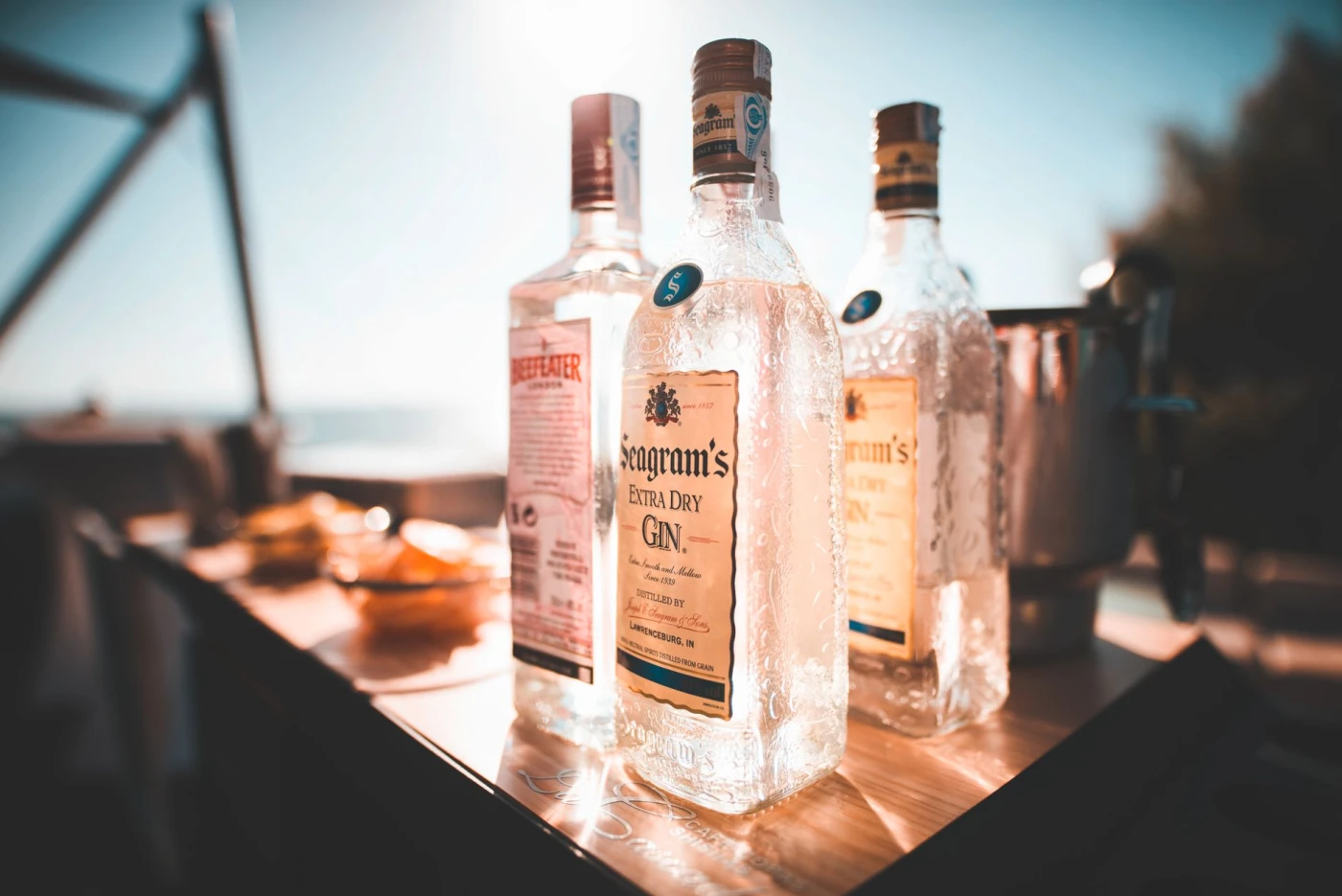
To make types of gin explained useful, do a small tasting flight instead of reading labels for an hour. You are not trying to get tipsy. You are comparing aroma, texture, dryness, and cocktail behavior with measured pours, cold water, and one simple highball.
Use fresh bottles when possible. Gin oxidizes slowly, but a half-empty bottle that sat above a warm oven for two years will taste tired. I keep tasting samples at room temperature around 60-70°F (16-21°C), then mix cocktails with freezer-cold glassware and hard ice.
- 0.5 oz (15 ml) London Dry gin, such as Beefeater 40% ABV, Tanqueray 43.1-47.3% ABV, or Sipsmith 41.6% ABV
- 0.5 oz (15 ml) Plymouth gin, usually 41.2% ABV
- 0.5 oz (15 ml) Old Tom gin, such as Hayman’s Old Tom around 40% ABV
- 0.5 oz (15 ml) contemporary gin, such as Hendrick’s 41.4% ABV, Roku 43% ABV, or The Botanist 46% ABV
- 0.25 oz (7.5 ml) Navy Strength gin, such as Plymouth Navy Strength 57% ABV
- 1 oz (30 ml) chilled tonic water for each gin you want to test as a mini G&T
- 1 oz (30 ml) cold still water for dilution checks
- 1 lemon twist, 1 lime wedge, 1 cucumber ribbon, and 1 grapefruit peel for garnish testing
- Ice cubes, ideally large and clear, about 8-10 oz (240-300 g)
If you also drink vodka, compare this with our fast vodka cocktail list. The contrast makes gin’s botanical structure obvious fast.
For the cleanest comparison, use identical glasses and avoid strongly scented candles, food, or soap residue nearby. Gin is aromatic, so small distractions matter. Rinse each glass with cool water between samples if you only have a few tasting glasses. Keep crackers or plain bread on the table, and take short notes before discussing favorites with anyone else. Your first impression is often the most useful one.
How to Taste and Make the Comparison
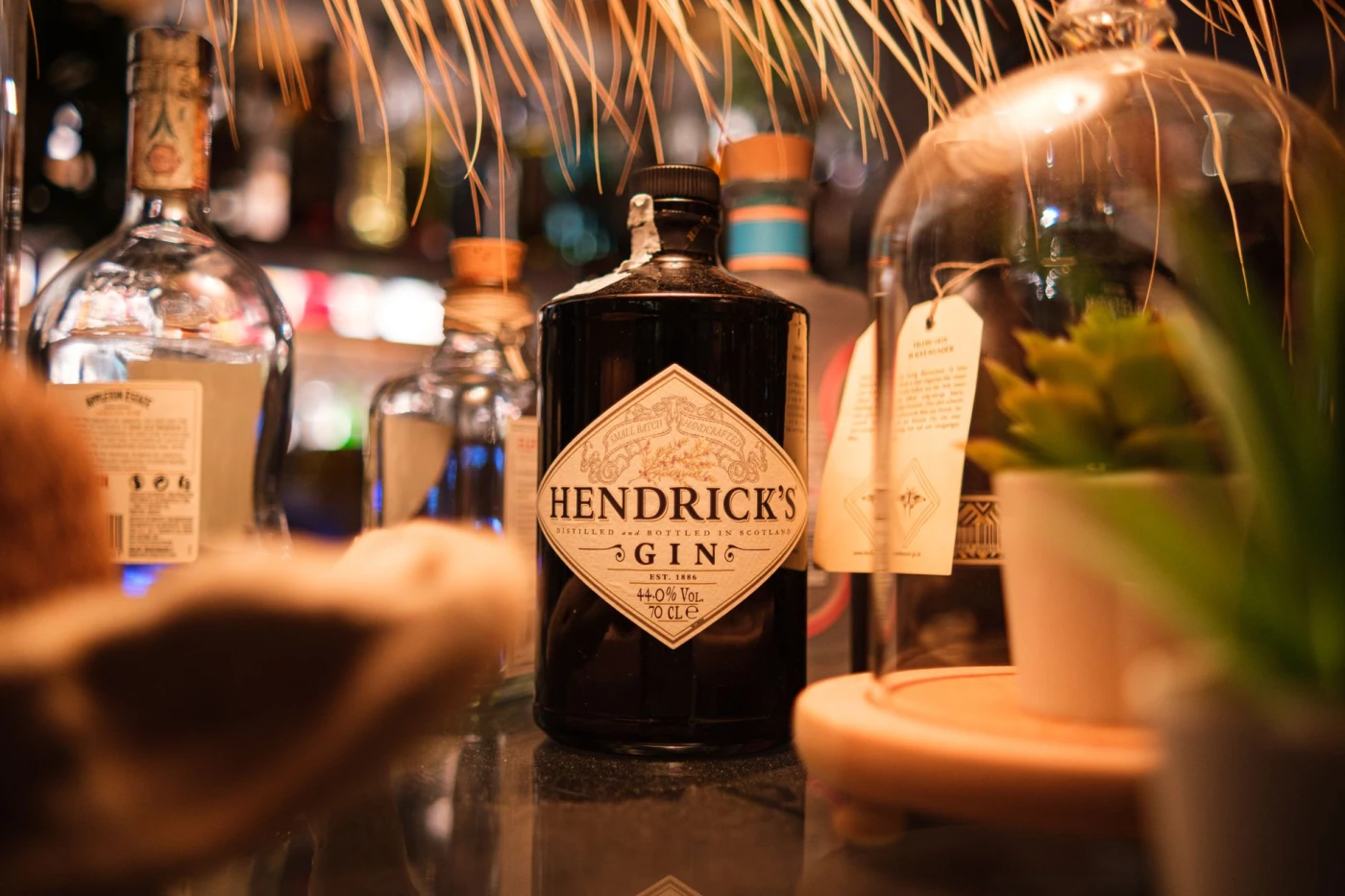
This is a recipe for understanding gin, not a party trick. After testing dozens of home-bar lineups, I find a structured tasting teaches more than one full-sized cocktail. Keep the pours tiny, write three words for each gin, and move from dry to sweet to strong.
- Chill your glasses for 10 minutes, or fill them with ice water while you set up.
- Pour 0.5 oz (15 ml) each of London Dry, Plymouth, Old Tom, and contemporary gin into separate glasses.
- Pour only 0.25 oz (7.5 ml) Navy Strength gin because 57% ABV is intense.
- Smell each glass before tasting. Look for pine, citrus, spice, floral notes, earthiness, malt, heat, and sweetness.
- Taste each gin neat, then add 0.25 oz (7.5 ml) cold water to open the botanicals.
- Make a mini highball by combining 0.5 oz (15 ml) gin with 1 oz (30 ml) chilled tonic over ice.
- Test one garnish at a time. Lemon sharpens London Dry, cucumber flatters Hendrick’s, grapefruit loves modern citrus gins.
- Rank each gin for martini, G&T, Negroni, Collins, and sipping.
In my experience, this method prevents expensive mistakes. A $45 or £38 bottle can be brilliant and still wrong for your favorite drink. If you love tall, refreshing serves, see our picnic drinks guide for batching ideas that translate well to gin spritzes.
Pay attention to finish as much as aroma. A gin that smells beautiful can finish hot, bitter, or soapy once diluted. A quieter gin can surprise you by staying balanced in tonic or vermouth. If you are choosing a house bottle, the winner is not always the most dramatic sample. The best home-bar gin is usually the one that performs in three or four drinks without demanding special treatment.
Pro Tips for Choosing the Best Gin Style
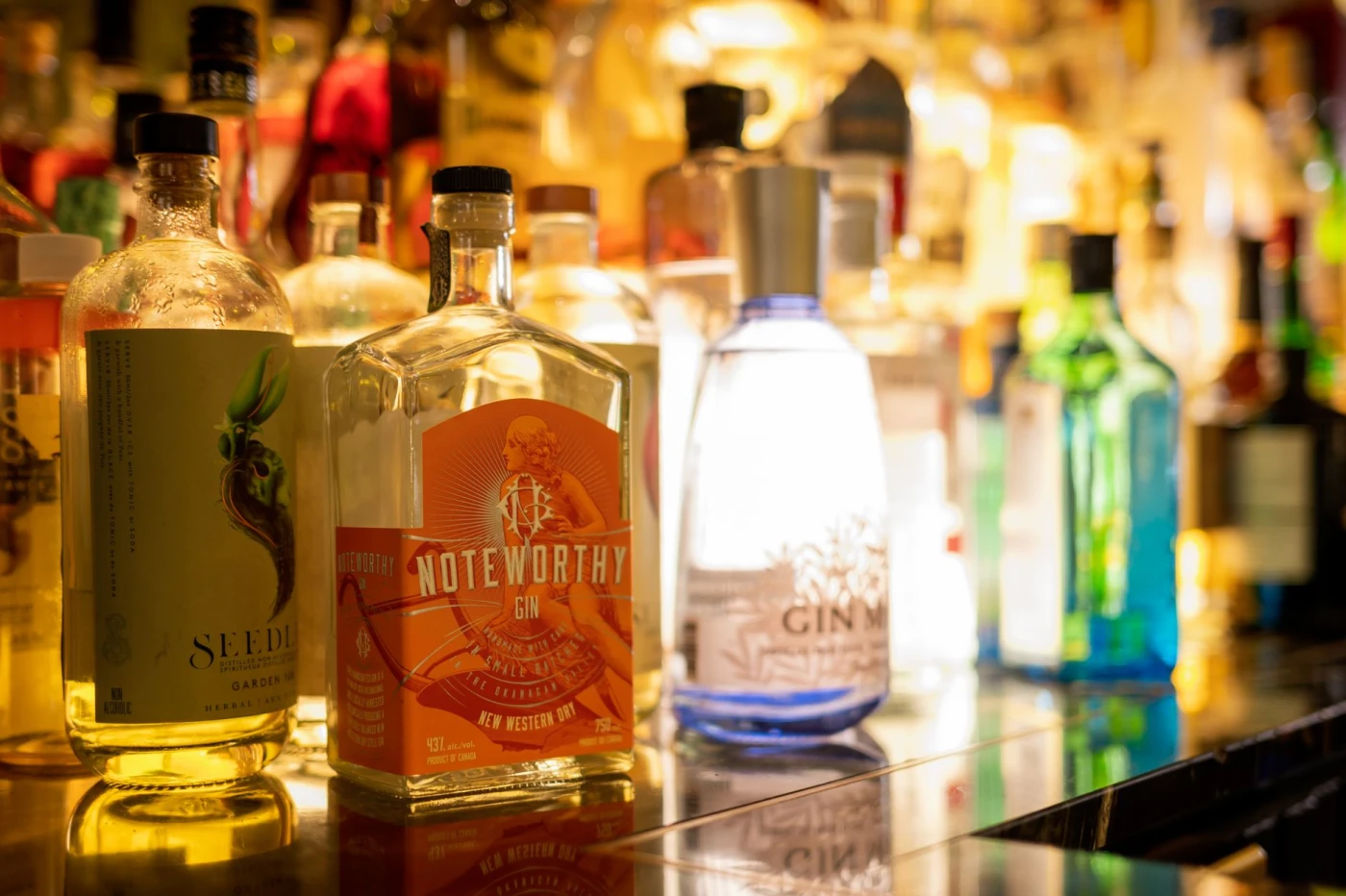
Here’s the thing I wish more bottle shops said plainly: the best gin depends on the drink. London Dry is easily one of the best all-purpose styles because it brings enough juniper to survive citrus, vermouth, tonic, Campari, and sugar. If you only buy one bottle, make it Beefeater, Tanqueray, Ford’s, or Broker’s.
For martinis, I want structure. A gin at 43-47% ABV gives you texture after stirring with ice to about 25-30% dilution. Plymouth is rounder and softer, excellent if you like a wetter martini with 0.75 oz (22 ml) vermouth. Tanqueray No. Ten is brighter and more expensive, often $34-42 or £32-38, but it earns its spot in citrusy drinks.
For Negronis, avoid delicate floral gin. Campari and sweet vermouth flatten fragile aromas. I’d skip very perfumed pink gins here and choose a firm London Dry or Navy Strength split. Try 1 oz (30 ml) gin, 1 oz (30 ml) Campari, and 1 oz (30 ml) sweet vermouth over one big cube.
After testing side by side, I use modern gins for highballs, spritzes, and summer garden-party drinks. Hendrick’s with cucumber is famous for a reason. Roku with grapefruit works beautifully. The Botanist is excellent when you want herbal complexity. Want lower-strength choices? Pair this with our low-alcohol cocktail recipes and pour smaller.
Budget also matters. For shaken sour drinks, Collinses, and party G&Ts, you rarely need the most expensive bottle on the shelf. Citrus juice, sugar, soda, and tonic cover nuance quickly, so a dependable mid-price gin is often smarter than a fragile luxury bottle. Save premium gin for martinis, freezer martinis, tasting flights, or simple serves where the spirit is genuinely visible.
Types of Gin Explained Through Variations
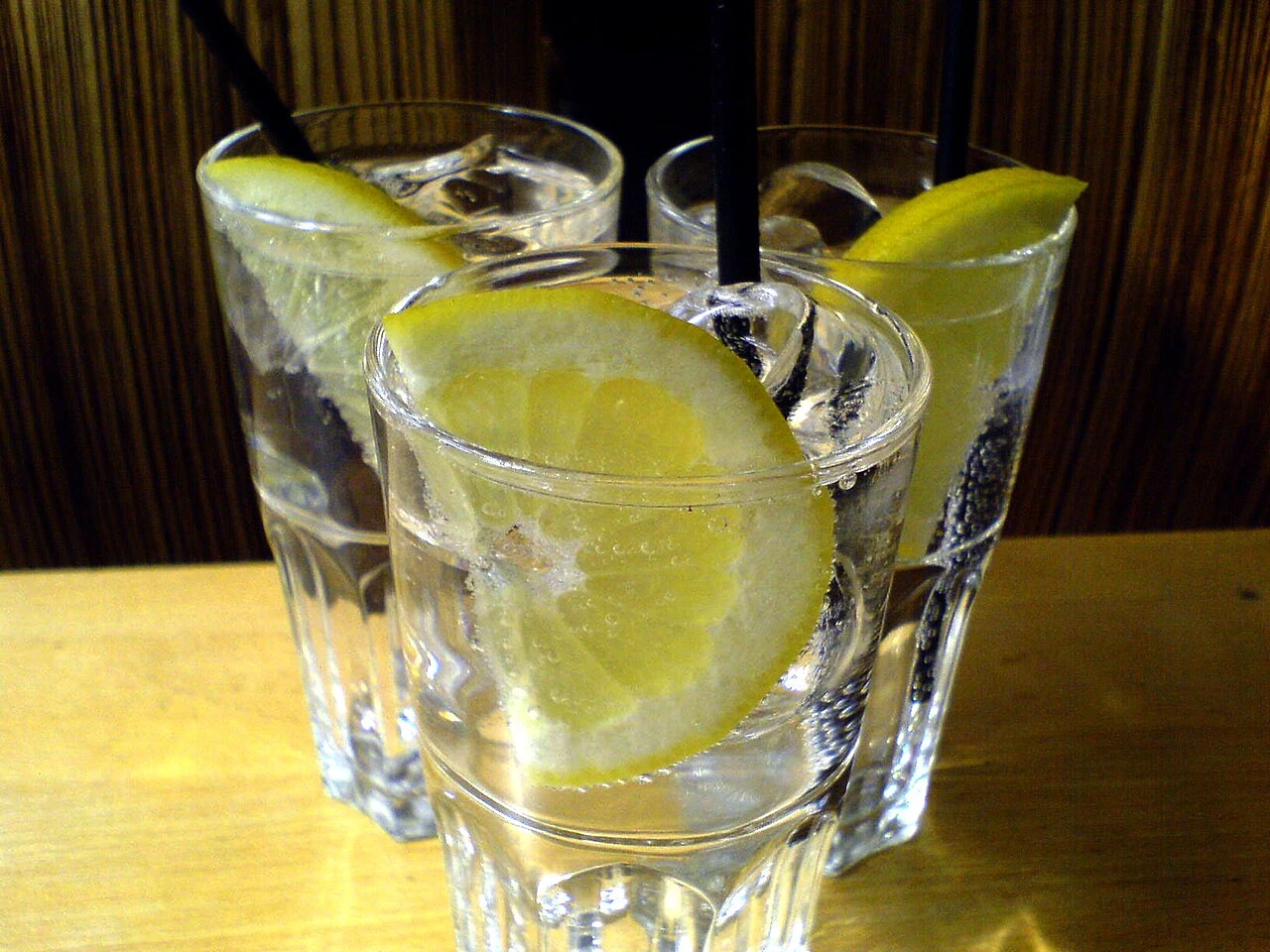
Once you understand the main styles, use variations to see how gin behaves in real drinks. These are small, practical serves with both US and UK measurements. They are not meant to replace full recipes; they are quick diagnostics for your bottle.
London Dry G&T
- 1.5 oz (45 ml) London Dry gin
- 4 oz (120 ml) chilled tonic water
- 1 lime wedge or lemon wheel
Sharp, dry, and clean. This is your control test.
Old Tom Collins
- 2 oz (60 ml) Old Tom gin
- 0.75 oz (22 ml) fresh lemon juice
- 0.5 oz (15 ml) simple syrup
- 3 oz (90 ml) chilled soda water
Softer and rounder than a London Dry Collins. Great for spring brunch.
Plymouth Martini
- 2.5 oz (75 ml) Plymouth gin
- 0.5 oz (15 ml) dry vermouth
- 1 dash orange bitters
- 1 lemon twist
Elegant, saline, and less aggressive. Serve around 28-32°F (-2-0°C).
Navy Strength Gimlet
- 1.5 oz (45 ml) Navy Strength gin
- 0.75 oz (22 ml) fresh lime juice
- 0.5 oz (15 ml) rich simple syrup
Powerful. Shake hard, strain cold, and do not free-pour.
Sloe Gin Fizz
- 1.5 oz (45 ml) sloe gin
- 0.75 oz (22 ml) lemon juice
- 0.25 oz (7.5 ml) simple syrup
- 3 oz (90 ml) soda water
Fruity and bright. It belongs beside retro favorites in our 90s drinks feature.
When you test these variations, change only one thing at a time. Keep the same tonic, vermouth, citrus, and ice, then swap the gin. That gives you a fair comparison. If you change the tonic brand and the garnish at the same time, you will not know whether the gin improved the drink or the mixer did the work.
Common Mistakes When Buying and Mixing Gin
The first mistake is buying by bottle design. Beautiful labels are fun, but they do not tell you whether the gin has enough backbone for a martini or enough citrus lift for tonic. Read the ABV, look for style clues, then taste if the shop offers samples.
The second mistake is treating every gin like vodka. Gin brings flavor, which means it can clash. A cucumber-forward gin may taste great with elderflower and tonic, then turn strange with heavy coffee liqueur or cola. If you want neutral structure, vodka is the better call; our Madras cocktail shows why vodka works so well with fruit juice.
The third mistake is using dead tonic. Tonic should be cold, carbonated, and freshly opened. Warm tonic makes a $40 or £35 gin taste flat in thirty seconds. Use a 1:2.5 or 1:3 gin-to-tonic ratio for most bottles, then adjust.
The fourth mistake is ignoring proof. Navy Strength gin around 57% ABV can make brilliant cocktails, but it is not casual. Measure it. The NIAAA offers research-backed alcohol information, and responsible drinking matters whether you are in New York, Manchester, Austin, or Bristol.
Finally, do not over-garnish. Three garnishes can turn a clean gin into salad water. One good lemon twist beats a crowded glass.
Another common mistake is storing vermouth badly and blaming the gin. Dry and sweet vermouth are wine-based, so they should be refrigerated after opening and used while still fresh. Old vermouth can make a martini taste dusty or sour even when the gin is excellent. If your stirred gin drinks taste dull, replace the vermouth before replacing the bottle of gin.
How Major Gin Styles Taste in Classic Cocktails
A practical way to keep types of gin explained is to match each style to a classic cocktail. London Dry is the reliable backbone for a martini, gin and tonic, Negroni, Gimlet, French 75, and Southside. It brings enough juniper, citrus peel, and dry spice to keep the drink from tasting vague. If you are stocking one bottle for guests, this is the safest category.
Plymouth gin is the softer classic choice. It still tastes like gin, but the edges are rounder and the finish can feel slightly earthy or maritime. That makes it excellent in a wet martini, a Pink Gin with bitters, or a gentle Gimlet where you want lime and spirit to sit together rather than fight.
Old Tom is useful when a recipe has 19th-century roots. It brings a light sweetness and a rounder body, which is why it works so well in a Tom Collins, Martinez, or Ramos Gin Fizz. Do not use it automatically in a dry martini unless you specifically want a softer, sweeter result.
Navy Strength gin is best treated as a seasoning with horsepower. It can rescue a punch, sharpen a Gimlet, and punch through sweet citrus, but it can also overpower a drink quickly. Contemporary gin is the wildcard. Cucumber, rose, grapefruit, tea, lavender, seaweed, or pepper can be wonderful in the right serve and distracting in the wrong one.
Pairings, Seasons, and Occasions
Gin is unusually food-friendly because botanicals can echo herbs, citrus, spice, and savory notes. London Dry with lemon suits oysters, fish and chips, shrimp cocktail, roast chicken, and salty crisps. Plymouth is excellent with smoked salmon, goat cheese, and herb-heavy salads. Old Tom likes richer dishes: pork belly bites, glazed ham, blue cheese, and spiced nuts.
For summer, keep it simple. A tall gin and tonic with 1.5 oz (45 ml) gin and 4-5 oz (120-150 ml) tonic is still one of the best hot-weather drinks. Serve it in a chilled highball or copa glass with hard ice and a fresh citrus wedge. For picnics, pre-chill the gin and carry unopened tonic separately.
For autumn and winter, gin still works. Try a Martinez, a Negroni, or a sloe gin fizz with cranberry garnish. Genever also belongs in colder months because its malty base sits closer to whiskey than most people expect. If you enjoy brown-spirit classics, compare the structure with our beginner whiskey cocktail guide.
For parties, build a mini gin bar. Offer one London Dry, one modern floral or citrus gin, tonic, soda, lemon, lime, grapefruit, cucumber, and rosemary. Keep pours at 1 oz (30 ml) for sampling. Guests learn quickly, and you avoid making the same drink all night.
If you are serving food, set the garnish near the bottle rather than pre-loading every glass. Citrus oils fade, herbs wilt, and cucumber can dominate if it sits too long. A small garnish station also lets guests match the style: lemon for London Dry, grapefruit for citrus-led gin, cucumber for cucumber-forward gin, rosemary for herbal gin, and orange peel for richer Old Tom or Martinez-style drinks.
Quick Reference Cheat Sheet for Gin Styles
Use this cheat sheet when you are shopping, batching, or trying to rescue a drink that tastes slightly off. It keeps types of gin explained in one place: style, flavor, best serve, and a practical starting ratio.
| Gin style | Typical ABV | Flavor profile | Best use | Starter serve |
|---|---|---|---|---|
| London Dry | 40-47% ABV | Juniper, citrus, spice, dry finish | G&T, martini, Negroni | 1.5 oz (45 ml) gin + 4 oz (120 ml) tonic |
| Plymouth | 41.2% ABV | Soft juniper, earth, citrus peel | Martini, Gimlet, Collins | 2.5 oz (75 ml) gin + 0.5 oz (15 ml) vermouth |
| Old Tom | 40-43% ABV | Light sweetness, spice, round body | Tom Collins, Martinez | 2 oz (60 ml) gin + 0.75 oz (22 ml) lemon |
| Navy Strength | 57% ABV | Bold, hot, concentrated botanicals | Gimlet, punch, strong stirred drinks | 1.5 oz (45 ml) gin + 0.75 oz (22 ml) lime |
| Contemporary | 40-46% ABV | Citrus, floral, cucumber, tea, herbs | Highballs, spritzes, lighter cocktails | 1.5 oz (45 ml) gin + 3 oz (90 ml) soda |
| Sloe gin | 20-30% ABV | Berry, tart fruit, sweetness | Fizz, spritz, sparkling serves | 1.5 oz (45 ml) sloe gin + 3 oz (90 ml) soda |
In my experience, the table saves money. If a bottle says rose, violet, strawberry, or tropical fruit, treat it as contemporary or flavored first, then decide whether it belongs in classic drinks.
One more shopping note: flavored gin and contemporary gin are not always the same thing. A contemporary gin may still be dry and carefully balanced, even if juniper shares the stage with citrus, tea, or herbs. A flavored gin may include stronger fruit character, sweetness, color, or liqueur-like cues. Check whether the label says gin, gin liqueur, flavored gin, or sloe gin before using it in a classic recipe.
Final Buying Advice for Home Bartenders
Types of gin explained should end with a shelf decision, not trivia. For a US or UK home bar, start with one dependable London Dry in the $22-35 or £18-30 range. Add Plymouth if you love martinis. Add Old Tom if you make Collinses, Martinez variations, or softer citrus drinks. Add Navy Strength only when you are ready to measure carefully.
What about expensive craft gin? Some bottles at $55 or £50 are genuinely excellent. Others taste like scented water once tonic arrives. I would rather buy a proven mid-price bottle and fresh citrus than overspend on a gin that only works neat.
If your bar already leans vodka, whiskey, beer, or wine, gin fills a useful gap because it gives cocktails aromatic lift without needing many extra ingredients. Build from classics, taste deliberately, and keep notes. For a broader setup, grab the free home bar starter checklist before your next bottle run.
My simplest three-bottle gin shelf is this: a London Dry for dependable cocktails, a softer gin for martinis and guests who find juniper too sharp, and one expressive modern gin for highballs. That setup covers weeknight G&Ts, dinner-party martinis, brunch Collinses, and summer spritzes without wasting space. Once you know which drinks you actually make, upgrade the bottle that gets used most often.
Ask AI about this article
Pick a prompt, copy it, or open ChatGPT with this article preloaded.
Frequently Asked Questions
What are the main types of gin?
The main types of gin are London Dry, distilled gin, Plymouth gin, Old Tom gin, Navy Strength gin, Genever, sloe gin, and contemporary or New Western gin. London Dry is the classic juniper-forward style. Old Tom is slightly sweeter. Plymouth is softer and earthy. Genever tastes maltier, while contemporary gin pushes bo.
What type of gin is best for a gin and tonic?
London Dry is usually the best starting point for a gin and tonic because its juniper, citrus peel, and dry finish stay clear against tonic water. Tanqueray, Beefeater, Bombay Sapphire, and Sipsmith all work well. If you like a softer drink, try Plymouth. If you prefer cucumber and floral notes, Hendrick's is popular.
What type of gin is best for a martini?
For a martini, choose a clean 40-47% ABV gin with structure. London Dry is the classic choice because it stays crisp when chilled and diluted. Beefeater, Tanqueray No. Ten, Plymouth, and Ford's are strong options. Use fresh dry vermouth, keep everything very cold, and start with 2.5 oz (75 ml) gin to 0.5 oz (15 ml) ver.
What is the difference between gin and vodka?
Vodka is usually distilled to be neutral, while gin is defined by botanicals, especially juniper. That is why vodka tastes clean and adaptable, while gin brings pine, citrus, spice, herbs, flowers, or tea-like aromas. If you enjoy vodka drinks but want more flavor, start with a mild modern gin or Plymouth before jumpin.
How strong is gin?
Most gin sits around 40-47% ABV, or 80-94 proof in the US. Navy Strength gin is usually about 57% ABV, which is 114 proof, so it needs careful measuring. In cocktails, strength depends on dilution, mixer volume, and serving size. A classic martini can feel much stronger than a tall gin and tonic, even when both use the.
Should gin be stored in the freezer?
You can store gin in the freezer if you like extra-cold martinis, but it is not required. Freezer storage thickens the texture and softens the aroma, which can be lovely in spirit-forward drinks. For gin and tonics or botanical tasting, I prefer cupboard storage around 60-70°F (16-21°C), then chilling the glass and usi.
Comments 0
Login to Post comments