Absinthe Sour: The Green Cocktail That Bites
A sharp, herbal Absinthe Sour recipe with balanced citrus, measured sweetness, and practical home-bar tips for US and UK drinkers. The Absinthe Sour is what happens when a classic.
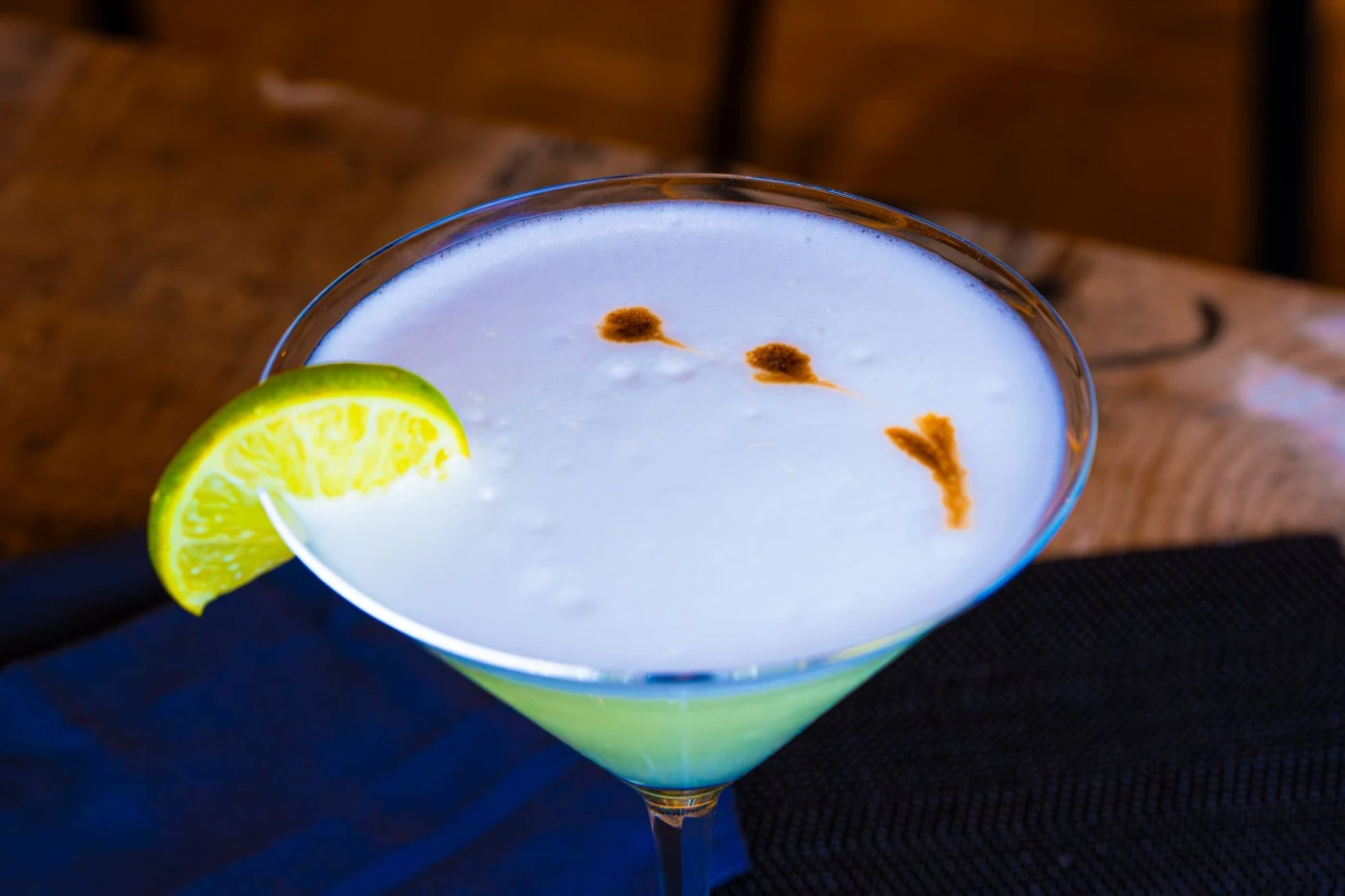
The Absinthe Sour is what happens when a classic sour cocktail walks into a dimly lit speakeasy and refuses to behave. It is tart, silky, herbal, and much more balanced than people expect from a spirit with absinthe's reputation.
Here's the thing: absinthe can be intimidating, but the formula is simple. Spirit, lemon, sugar, chill, texture. If you already make a classic sour cocktail at home, you are halfway there.
This guide gives you the exact US and UK measurements, the best bottle styles to buy, the mistakes that make absinthe taste medicinal, and a few variations worth serving at Halloween, New Year's Eve, or a quiet Friday night.
What Is an Absinthe Sour?
An Absinthe Sour is a sour cocktail made with absinthe as the base spirit, fresh lemon juice for acidity, simple syrup for balance, and often egg white for a smooth foam. It follows the same family logic as a Whiskey Sour, Gin Sour, or Pisco Sour, but the flavor is unmistakably greener and more aromatic.
Absinthe usually carries notes of anise, fennel, wormwood, mint, hyssop, and drying herbs. Depending on the bottle, it can sit around 45-74% ABV, which is 90-148 proof. That is why this drink works best as a small, cold, measured cocktail rather than a casual long drink.
The history is harder to pin down. Absinthe became famous in 19th-century Europe, especially in France and Switzerland, and sour cocktails were already part of the broader mixed-drink canon by the late 1800s. The Absinthe Sour feels like a natural crossing of those two traditions: American sour structure meeting European herbal spirit culture.
Let's be honest. Some absinthe stories are more marketing than fact. Modern bottles sold legally in the US and UK are regulated alcoholic products, not magic potions. For labeling and production context, the US Alcohol and Tobacco Tax and Trade Bureau is a useful reference: ttb.gov.
In taste, expect bright lemon first, then a cool herbal wave, then a clean bittersweet finish. This is easily one of the best drinks for anyone who likes speakeasy cocktails but wants something sharper than a Manhattan and more unusual than a Margarita.
Absinthe Sour Ingredients You Need
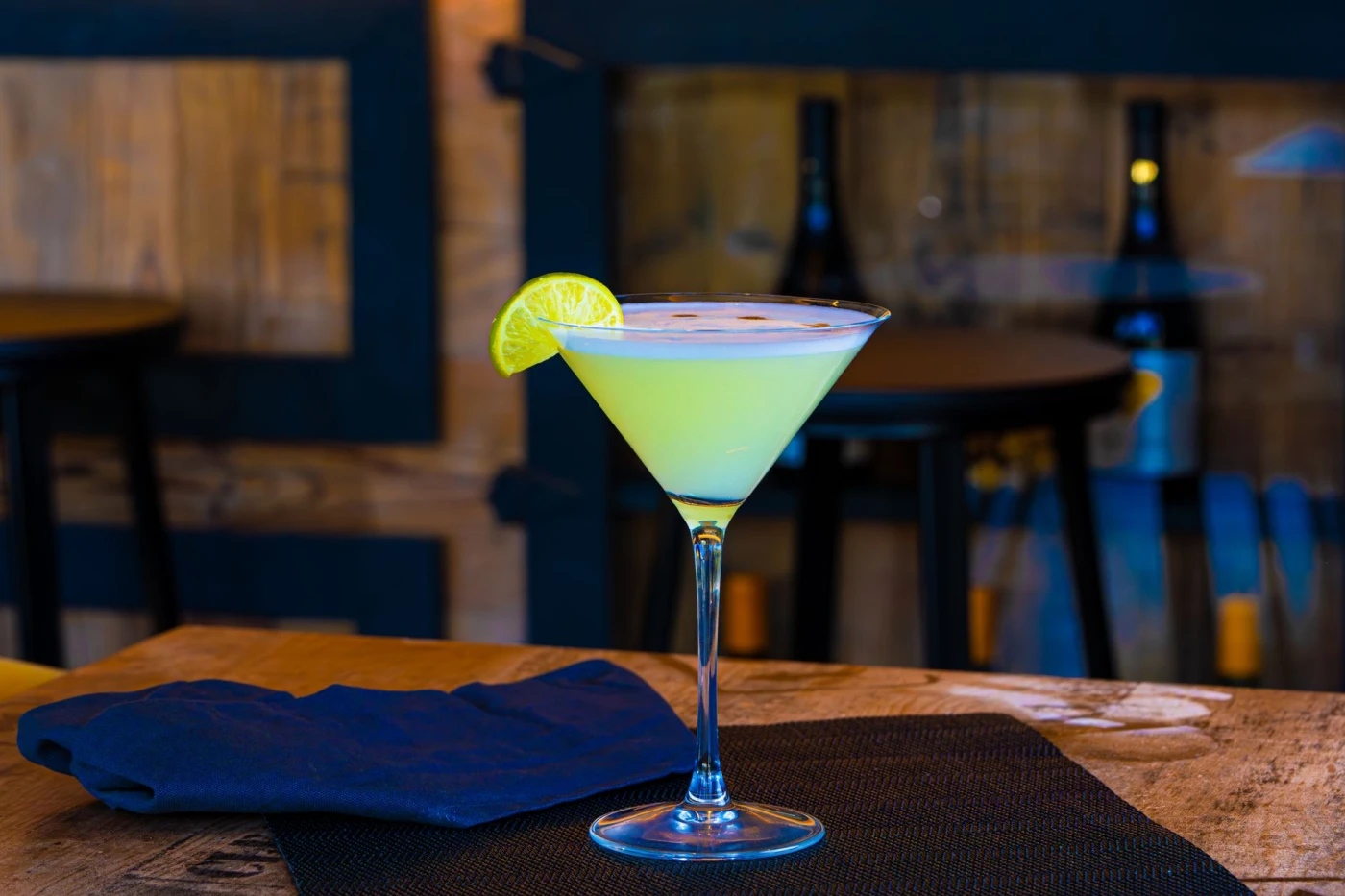
The ingredient list is short, so every choice matters. You do not need a £300 antique absinthe spoon or a marble bar. You do need fresh lemon, a real jigger, and a bottle of absinthe that tastes like herbs rather than boiled sweets.
Ingredients for 1 drink:
- 1 1/2 oz (45 ml) absinthe, preferably 50-60% ABV
- 3/4 oz (22 ml) fresh lemon juice
- 1/2 oz (15 ml) simple syrup, made 1:1 with sugar and water
- 1/2 oz (15 ml) egg white, or 3/4 oz (22 ml) aquafaba for vegan foam
- 2 dashes aromatic bitters, optional but useful
- 1 lemon twist, mint sprig, or brandied cherry for garnish
- Ice, ideally hard freezer ice at about 0°F (-18°C)
For absinthe, start with a balanced verte. In the US, St. George Absinthe Verte often sells around $55-$70, Lucid around $55, and Pernod Absinthe around $65-$80 depending on state taxes. In the UK, La Fee Parisienne, Pernod, and La Clandestine commonly sit around £35-£60.
After testing lighter and stronger builds, I prefer 1 1/2 oz (45 ml) absinthe when using a clean 55% ABV bottle. If your absinthe is closer to 68% ABV, reduce it to 1 oz (30 ml) and add 1/2 oz (15 ml) chilled water or dry gin. The drink stays vivid without turning aggressive.
Fresh lemon is non-negotiable. Bottled juice tastes flat here. If your lemons are very sharp, increase syrup by 1 teaspoon (5 ml). If they are soft and sweet, keep the syrup tight.
How to Make an Absinthe Sour Step by Step
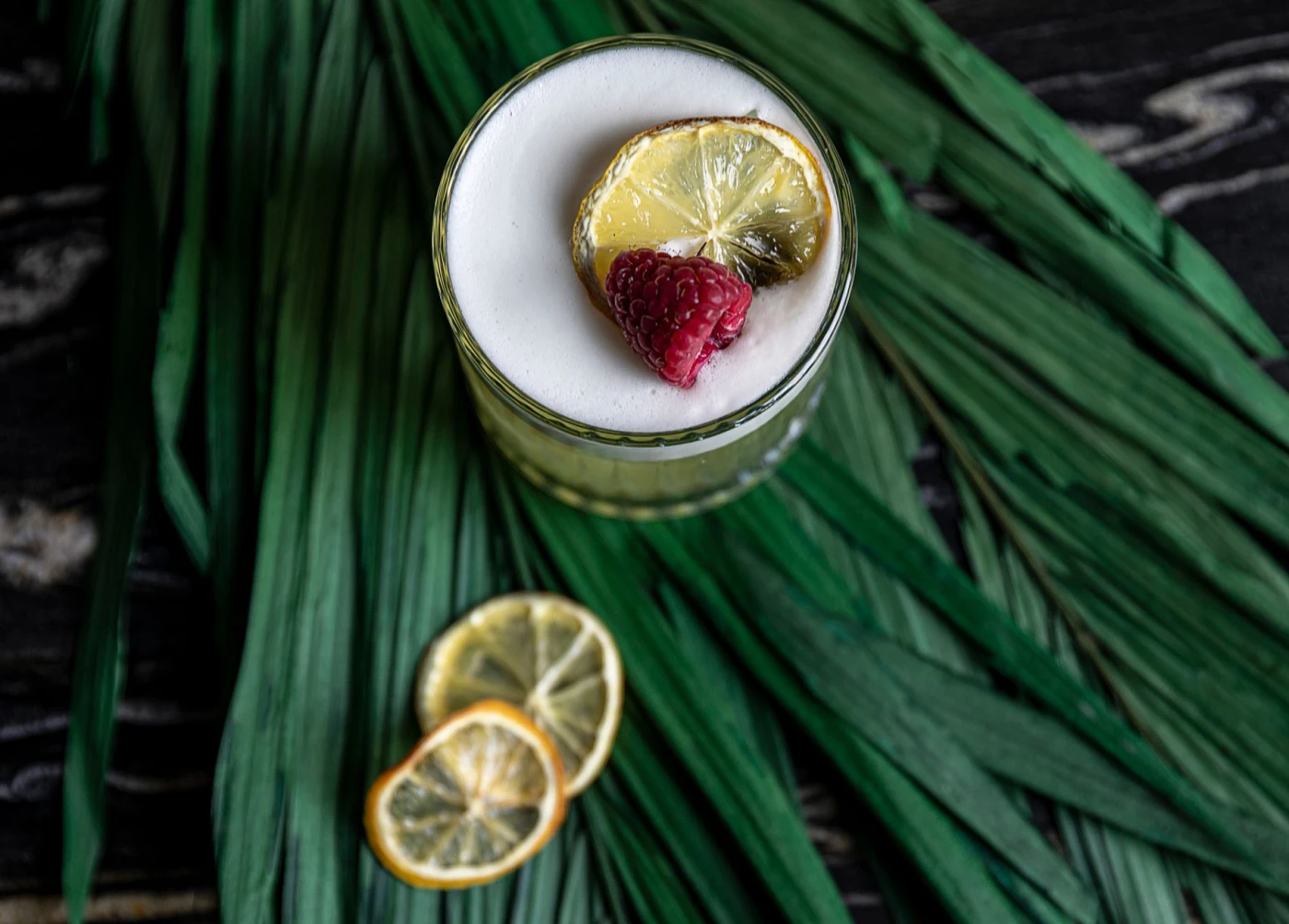
The method matters because absinthe is loud. A lazy shake gives you a warm, thin drink that tastes too sharp at the front and too bitter at the end. A proper shake pulls it together.
- Chill a coupe, Nick and Nora, or small cocktail glass for at least 10 minutes.
- Add 1 1/2 oz (45 ml) absinthe, 3/4 oz (22 ml) fresh lemon juice, 1/2 oz (15 ml) simple syrup, and egg white or aquafaba to a shaker.
- Dry shake without ice for 10-12 seconds to build foam.
- Add a full scoop of hard ice and shake again for 12-15 seconds, until the tin feels very cold.
- Double-strain through a Hawthorne strainer and fine mesh strainer into the chilled glass.
- Garnish with a lemon twist, a mint sprig, or one brandied cherry.
In my experience, the dry shake is worth it. It gives the Absinthe Sour a softer texture and lets the herbal aroma rise through the foam instead of hitting you all at once. If you are skipping egg white, simply shake hard with ice and double-strain.
Temperature is the hidden ingredient. Aim to serve the drink around 28-32°F (-2 to 0°C). That sounds fussy, but it changes everything. Cold absinthe tastes crisp and perfumed; warm absinthe can taste heavy and medicinal.
If you enjoy quick home-bar builds, the logic here also applies to the citrus balance in fast vodka cocktails and the beginner technique in simple whiskey cocktails. Same bones. Very different personality.
Buying and Storing Absinthe for Sours
If you are buying absinthe mostly for cocktails, you do not need the rarest bottle on the shelf. You need a spirit with clear botanical definition, enough proof to hold up against lemon, and no artificial sweetness. Look for producers that mention anise, fennel, grande wormwood, petite wormwood, hyssop, or melissa. Those notes suggest a more traditional profile than bottles sold mainly on color or shock value.
A verte absinthe gives the classic green look and a broader herbal aroma. A blanche or la bleue absinthe is clear, usually cleaner, and often a little softer in cocktails. Either can make a good Absinthe Sour. The verte version feels more dramatic in the glass, while the blanche version can taste more precise and elegant.
Once opened, store absinthe upright, tightly closed, and away from sunlight. A kitchen shelf near the oven is a bad place for it. Heat and light flatten delicate herbs and can make the aroma seem dusty. A cool cabinet is enough; you do not need to refrigerate the bottle.
Because absinthe is strong, one bottle lasts a long time in a home bar. That makes quality worth paying for. A better bottle used in 1 oz to 1 1/2 oz portions will give you dozens of cocktails, plus small rinses for Sazeracs, Corpse Revivers, and Champagne-style drinks.
Before mixing for guests, taste a few drops of the absinthe diluted with cold water. If it blooms into fennel, mint, lemon balm, and dry herbs, it should work beautifully. If it tastes mainly like sugar, dye, and raw alcohol, keep the cocktail smaller, increase lemon slightly, or save that bottle for experiments rather than your main recipe.
Pro Tips for a Better Absinthe Sour
Here's the thing: the Absinthe Sour is not difficult, but it is unforgiving. Small changes show up fast. That is why I treat it more like a Daiquiri or Martini than a casual party punch.
In my experience, the best version uses a slightly restrained syrup pour. Start with 1/2 oz (15 ml), not 3/4 oz (22 ml). Absinthe already brings perceived sweetness through anise and fennel, so too much sugar makes the drink taste like herbal candy. You can always add a barspoon more.
After testing different garnishes, I like a lemon twist expressed over the foam and discarded, then a single mint leaf laid on top. The lemon oil brightens the first sip. The mint echoes the herbs without adding clutter. A cherry works too, especially for winter or Valentine's Day, but choose a proper brandied cherry rather than a fluorescent supermarket one.
Use clean ice. Absinthe magnifies freezer smells. If your ice has picked up onion, fish, or frozen pizza aromas, this cocktail will expose it immediately. Make fresh cubes in covered trays and use them within a week.
I would skip absinthe rinses for this recipe unless you are making a gentler variation. A rinse gives aroma, but not enough structure. The Absinthe Sour should let absinthe lead, then use lemon and sugar to sharpen the edges.
Want a softer first attempt? Use 1 oz (30 ml) absinthe and 1/2 oz (15 ml) London dry gin. You still get the Absinthe Sour character, but the drink becomes easier for guests who usually order a Tom Collins, Bee's Knees, or lower-alcohol cocktail.
Absinthe Sour Variations Worth Making
Once the classic Absinthe Sour is balanced, variations become easy. Keep the same sour framework, then change one variable at a time. Too many changes and the drink loses its spine.
Whiskey-Backed Absinthe Sour
- 1 oz (30 ml) absinthe
- 1/2 oz (15 ml) rye whiskey, around 45% ABV
- 3/4 oz (22 ml) lemon juice
- 1/2 oz (15 ml) simple syrup
- 1/2 oz (15 ml) egg white
This version is deeper and drier. It suits autumn, steak dinners, and anyone who already enjoys beginner whiskey cocktails.
Honey Absinthe Sour
- 1 1/2 oz (45 ml) absinthe
- 3/4 oz (22 ml) lemon juice
- 1/2 oz (15 ml) honey syrup, made 2:1 honey to warm water
- 1/2 oz (15 ml) aquafaba or egg white
Honey makes the finish rounder. Use orange blossom honey if you can find it; supermarket clear honey works in a pinch.
Green Garden Sour
- 1 oz (30 ml) absinthe
- 1/2 oz (15 ml) cucumber vodka
- 3/4 oz (22 ml) lemon juice
- 1/2 oz (15 ml) simple syrup
- 3 mint leaves, shaken gently
This is lighter, cooler, and excellent for spring. It has the easy freshness of a picnic drink without losing the absinthe signature.
Low-Absinthe Sour
- 1/2 oz (15 ml) absinthe
- 1 oz (30 ml) dry vermouth
- 3/4 oz (22 ml) lemon juice
- 1/2 oz (15 ml) syrup
It is not a low-alcohol drink in the strictest sense, but it is gentler. For more lighter serves, see these low-alcohol cocktail recipes.
Common Absinthe Sour Mistakes
The first mistake is using too much absinthe. I get the temptation. The bottle is dramatic, the color is gorgeous, and you want the drink to announce itself. But 2 oz (60 ml) of a 60% ABV absinthe can overwhelm lemon, sugar, and your palate. Measure carefully.
The second mistake is stale citrus. Lemon juice starts losing brightness after a few hours, and by the next day it tastes dull. For a drink this simple, squeeze fresh. One medium lemon usually gives about 1 oz (30 ml), enough for one drink with a little spare.
The third mistake is over-sweetening. If your Absinthe Sour tastes like cough syrup, the fix is usually less syrup and colder shaking. Start lean, then adjust. A barspoon is your friend.
The fourth mistake is ignoring dilution. Shaking is not just chilling; it adds water. That water lowers the intensity and lets the botanicals open. Under-shake the cocktail and it tastes hot. Over-shake it with wet ice and it tastes thin. Twelve to fifteen seconds with hard ice is the sweet spot.
The fifth mistake is buying absinthe only by color. Bright green does not always mean quality. Some excellent absinthes are pale, natural, or even clear. Read ABV, producer notes, and reviews. A decent bottle at $55 or £45 will usually beat a novelty bottle at half the price.
Finally, do not serve it in a pint glass. This is a compact cocktail. A chilled coupe makes it feel intentional, just like the composed classics in essential home bartender cocktails.
Pairings and Occasions for an Absinthe Sour
An Absinthe Sour is a bold aperitif, so serve it before food rather than after a heavy dessert. The lemon wakes up your palate, while the herbs make salty, creamy, and fried foods taste cleaner. It is brilliant with oysters, smoked trout, goat cheese, olives, roast chicken skin, or chips with aioli.
For US home entertaining, I like it before a New Orleans-style dinner, a Halloween cocktail hour, or a small New Year's Eve gathering where people actually care what is in the glass. In the UK, it fits nicely before a seafood supper, a winter dinner party, or a late-summer garden evening when gin and tonics feel too predictable.
Let's be honest: this is not the drink for a huge cooler batch at a beach picnic. It is too aromatic and too strong. If you need transportable drinks, use the make-ahead ideas in portable picnic cocktails instead.
For music, mood, and menu, keep the setting simple. Cold glassware. Small snacks. No syrupy desserts. Dark chocolate can work, but lemon tart often fights the drink. Blue cheese is risky unless your absinthe is especially dry.
If you are serving several cocktails in one night, place the Absinthe Sour early in the lineup. Follow it with a lighter vodka highball, a Madras-style fruit drink, or a beer. The bright cranberry-orange profile of a Madras cocktail is a friendly contrast after absinthe's herbal snap.
How to Scale the Recipe for Guests
The Absinthe Sour can work for a small party, but it needs a little discipline. The easiest method is to pre-measure the absinthe, lemon juice, and syrup into a chilled bottle, then shake each drink to order with egg white or aquafaba. That gives you speed without sacrificing foam, temperature, or dilution.
For four drinks, combine 6 oz (180 ml) absinthe, 3 oz (90 ml) lemon juice, and 2 oz (60 ml) simple syrup. Keep the mix refrigerated for up to 3 hours. When someone orders, pour 2 3/4 oz (82 ml) of the batch into a shaker, add 1/2 oz (15 ml) egg white or 3/4 oz (22 ml) aquafaba, dry shake, then shake again with ice.
For eight drinks, double those numbers: 12 oz (360 ml) absinthe, 6 oz (180 ml) lemon juice, and 4 oz (120 ml) syrup. Label the bottle clearly, because the mixture will be much stronger than lemonade even before it is shaken. Keep water nearby and offer smaller pours if guests are also having wine, beer, or other cocktails.
If you want a faster service style, skip the foam and serve the batched drink over one large cube in chilled rocks glasses. It will be less classic, but still delicious. Stir the batch before pouring, because citrus and syrup can settle, then garnish each glass with a fresh lemon twist so the aroma stays bright.
Absinthe Sour Quick Reference Cheat Sheet
Need the fast version? Use this table when you are standing at the counter with a jigger in one hand and a lemon in the other. It covers the standard Absinthe Sour, a lighter build, and a party-prep note.
| Use | US measure | UK metric | Notes |
|---|---|---|---|
| Absinthe | 1 1/2 oz | 45 ml | Use 50-60% ABV for best balance |
| Fresh lemon juice | 3/4 oz | 22 ml | Squeeze within 2 hours |
| Simple syrup | 1/2 oz | 15 ml | Use 1:1 white sugar syrup |
| Egg white | 1/2 oz | 15 ml | Optional; dry shake first |
| Aquafaba | 3/4 oz | 22 ml | Vegan foam option |
| Lighter build | 1 oz absinthe + 1/2 oz gin | 30 ml absinthe + 15 ml gin | Better for absinthe newcomers |
| Serving temperature | 28-32°F | -2 to 0°C | Chill glass before shaking |
| Glass | 5-6 oz coupe | 150-180 ml coupe | Serve up, no ice |
How strong is it? With 1 1/2 oz (45 ml) of 55% ABV absinthe, lemon, syrup, egg white, and normal shake dilution, the finished cocktail usually sits around 20-24% ABV. That is stronger than wine and close to many stirred drinks, even though it tastes bright.
For alcohol health information, see NIAAA. UK readers can also check Drinkaware. Enjoy the drink slowly, serve water alongside it, and drink responsibly.
Final Thoughts on the Absinthe Sour
The Absinthe Sour is not a gimmick drink. Made well, it is sharp, polished, and surprisingly elegant. The trick is restraint: fresh lemon, measured syrup, cold shaking, and an absinthe that tastes botanical rather than artificial.
In my experience, this is the cocktail that converts cautious drinkers faster than a straight absinthe serve ever will. It keeps the mystery, but gives it structure. That matters.
Build it once with the classic recipe, then try the honey or rye variation. If you are still stocking your bar tools, glassware, bitters, and base bottles, use the free home bar starter checklist before your next round.
Ask AI about this article
Pick a prompt, copy it, or open ChatGPT with this article preloaded.
Frequently Asked Questions
What is an Absinthe Sour?
An Absinthe Sour is a classic sour-style cocktail built around absinthe, fresh lemon juice, sugar syrup, and often egg white or aquafaba for foam. It tastes tart, herbal, lightly sweet, and anise-forward. Think of it as a Whiskey Sour structure with a greener, sharper, more aromatic spirit at the center.
How strong is an Absinthe Sour?
Most absinthe is around 45-74% ABV, or 90-148 proof, so an Absinthe Sour can be stronger than it tastes. With 1 1/2 oz of 55% ABV absinthe, the finished drink usually lands near 20-24% ABV after shaking and dilution. Serve it small, cold, and slowly.
What absinthe is best for an Absinthe Sour?
For home bartenders, a balanced verte absinthe around 50-60% ABV is the easiest choice. Pernod Absinthe, La Clandestine, St. George Absinthe Verte, and Lucid are common options in the US and UK. I would skip very cheap neon-green bottles because they often taste harsh, sweet, or artificial.
Does an Absinthe Sour taste like licorice?
It can, but good absinthe is more complex than plain licorice. You should taste anise, fennel, wormwood bitterness, lemon, and sugar working together. If the drink tastes only like black jelly sweets, the absinthe may be too dominant or the lemon and syrup may be under-measured.
What glass should I use for an Absinthe Sour?
A chilled coupe, Nick and Nora, or small cocktail glass works best. The drink is aromatic and fairly strong, so a tall glass full of ice is usually not ideal. A 5-6 oz coupe gives the foam room, keeps the serving elegant, and lets the lemon and absinthe aromas reach you.
Comments 0
Login to Post comments