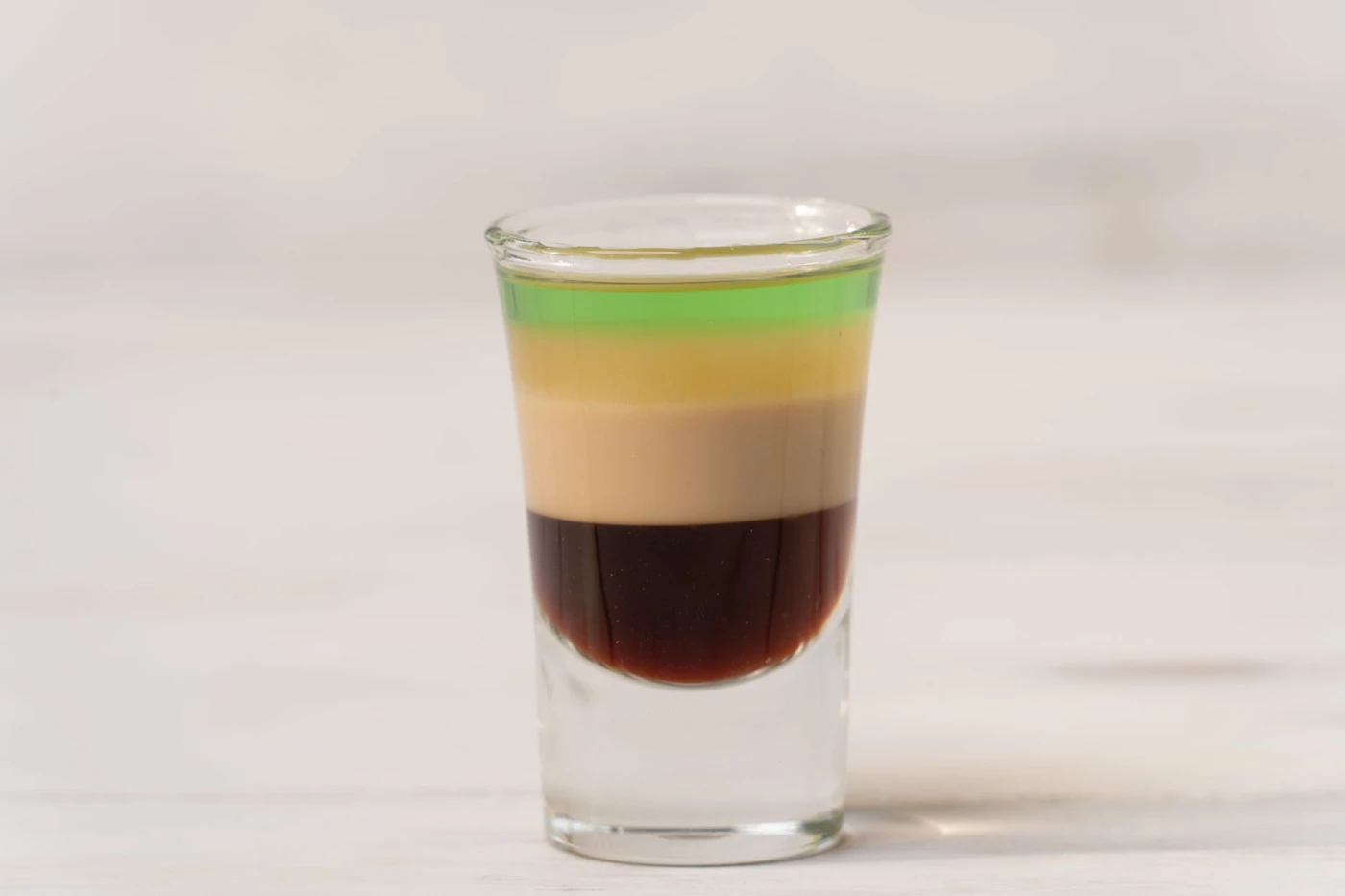
After Six Shot: The Striking Three-Layer Recipe
The After Six Shot layers coffee, cool mint and Irish cream into one rich after-dinner drink. Learn the exact recipe, pouring technique and best variations.
The After Six Shot turns coffee, mint and Irish cream into three striking layers you can build without specialist equipment. It tastes like a liquid after-dinner chocolate: roasty at the base, cool in the middle and softly creamy on top.
Here’s the thing: the ingredients are simple, but pouring order and temperature matter. Move too quickly and you get a perfectly drinkable beige mixture rather than clean bands. Slow down, chill the bottles and let density do the work.
This is easily one of the best small-format drinks for dinner parties, Christmas gatherings and nostalgic 1990s-themed nights. If that retro connection appeals, explore our look at where popular 90s drinks are now. First, though, let’s build this one properly.
What Is an After Six Shot?
An After Six Shot is a layered after-dinner shooter made from equal portions of coffee liqueur, white crème de menthe and Irish cream. It is usually built directly in a clear shot glass rather than shaken. Each component remains visible, yet the three flavours meet as you drink.
The experience is closer to a mint-coffee dessert than a dry cocktail. Coffee liqueur supplies roasted sweetness, crème de menthe brings a clean peppermint note, and Irish cream softens both with cocoa, vanilla and dairy richness. If you enjoy learning foundational drinks before their playful descendants, our guide to 15 classic cocktails every home bartender should know provides useful context.
The drink’s precise origin is not reliably documented. Published recipes also differ: the best-known modern version uses three equal layers, while some older references describe a four-part drink containing vodka or arrange the liqueurs differently. Treat claims about a single inventor or exact creation date cautiously. The three-ingredient formula presented here is the clearest contemporary interpretation and the easiest to reproduce consistently at home.
The name probably plays on the idea of a sweet drink enjoyed after work or dinner, but that is an interpretation rather than verified history. It is also distinct from the similarly named After Eight-style shot. The latter often includes vodka or white crème de cacao, depending on the recipe.
Expect a finished strength of approximately 20–24% ABV when it is built without ice. That is about 40–48 proof in US terminology. It may taste gentle, but it is still a concentrated alcoholic serving rather than a miniature milkshake.
After Six Shot Ingredients and Best Bottles
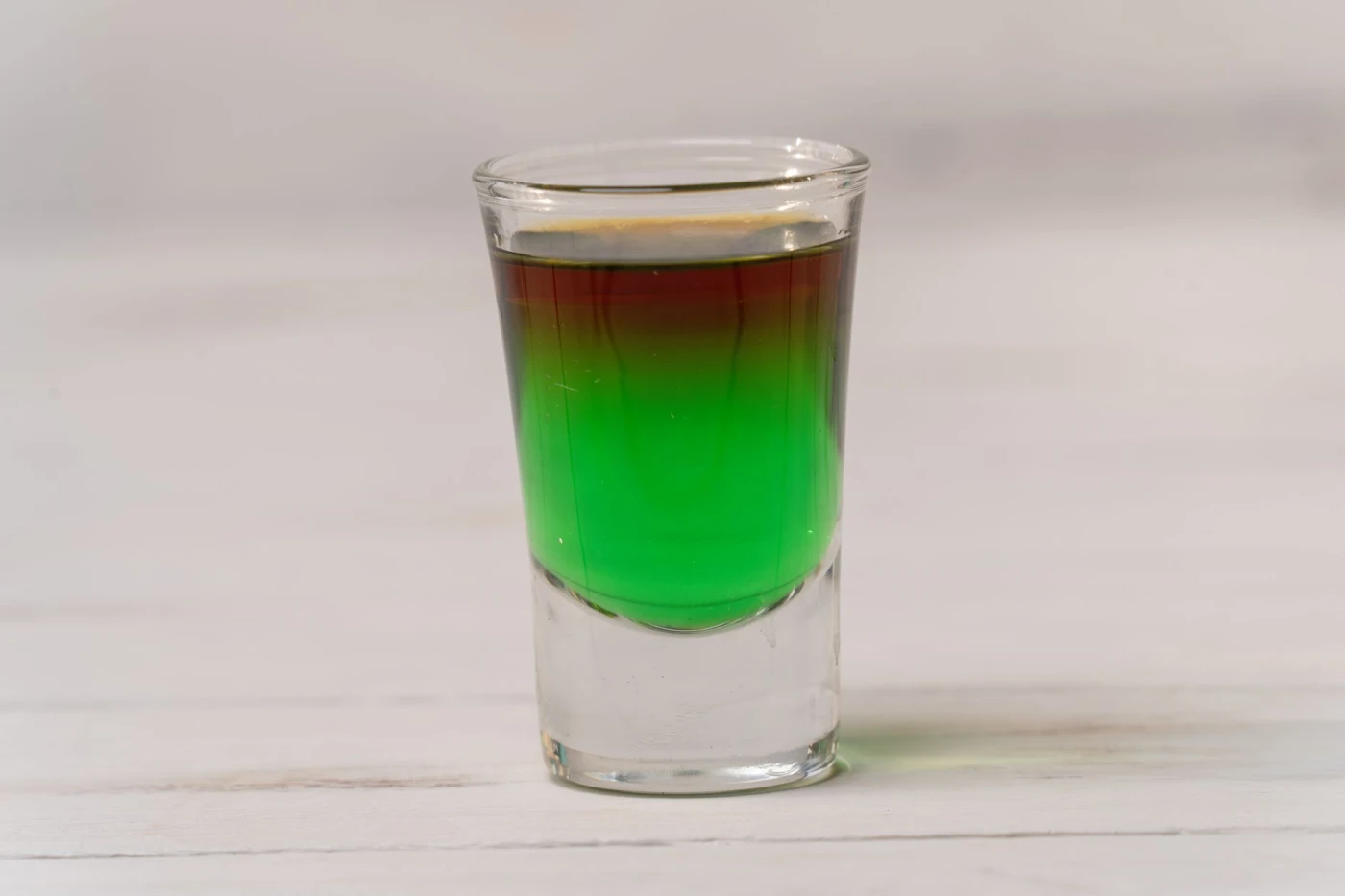
You need only three bottles for the standard After Six Shot. The recipe fills one 1.5 oz (45 ml) shooter:
- 0.5 oz (15 ml) coffee liqueur
- 0.5 oz (15 ml) white crème de menthe
- 0.5 oz (15 ml) Irish cream liqueur
Kahlúa, typically 20% ABV, makes a rounded and forgiving base. A 750 ml bottle often sits near $24–$30 in the US, while a 700 ml bottle may be around £17–£22 in the UK. Galliano Espresso, at roughly 30% ABV, tastes drier and raises the finished strength. Mr Black, commonly 23% ABV, is my pick when you want coffee to lead rather than sugar.
For the middle, Giffard Menthe Pastille at 24% ABV has a focused peppermint character and no green colouring. Expect approximately $30–$38 or £20–£25, depending on market and bottle size. Bols Peppermint White is a useful alternative. Green crème de menthe is not wrong, but the visual result is louder and may resemble a party shot rather than an understated nightcap.
Baileys Original, at 17% ABV, is the accessible top layer and generally costs about $25–$35 or £15–£22. Carolans is often less expensive and slightly toffee-forward. Prices are illustrative shelf ranges, not guarantees; taxes, promotions and bottle sizes vary considerably.
In my experience, brand compatibility matters more than prestige. A bold, drier coffee liqueur needs a round cream liqueur, while very sweet coffee and mint bottles can become cloying together. Buy standard bottles first. I’d skip rare limited editions until you know which flavour you want to emphasise.
Irish cream contains dairy, and other products may include allergens. Check each label. The US Alcohol and Tobacco Tax and Trade Bureau is a useful starting point for US alcohol labelling information.
How to Make an After Six Shot Step by Step
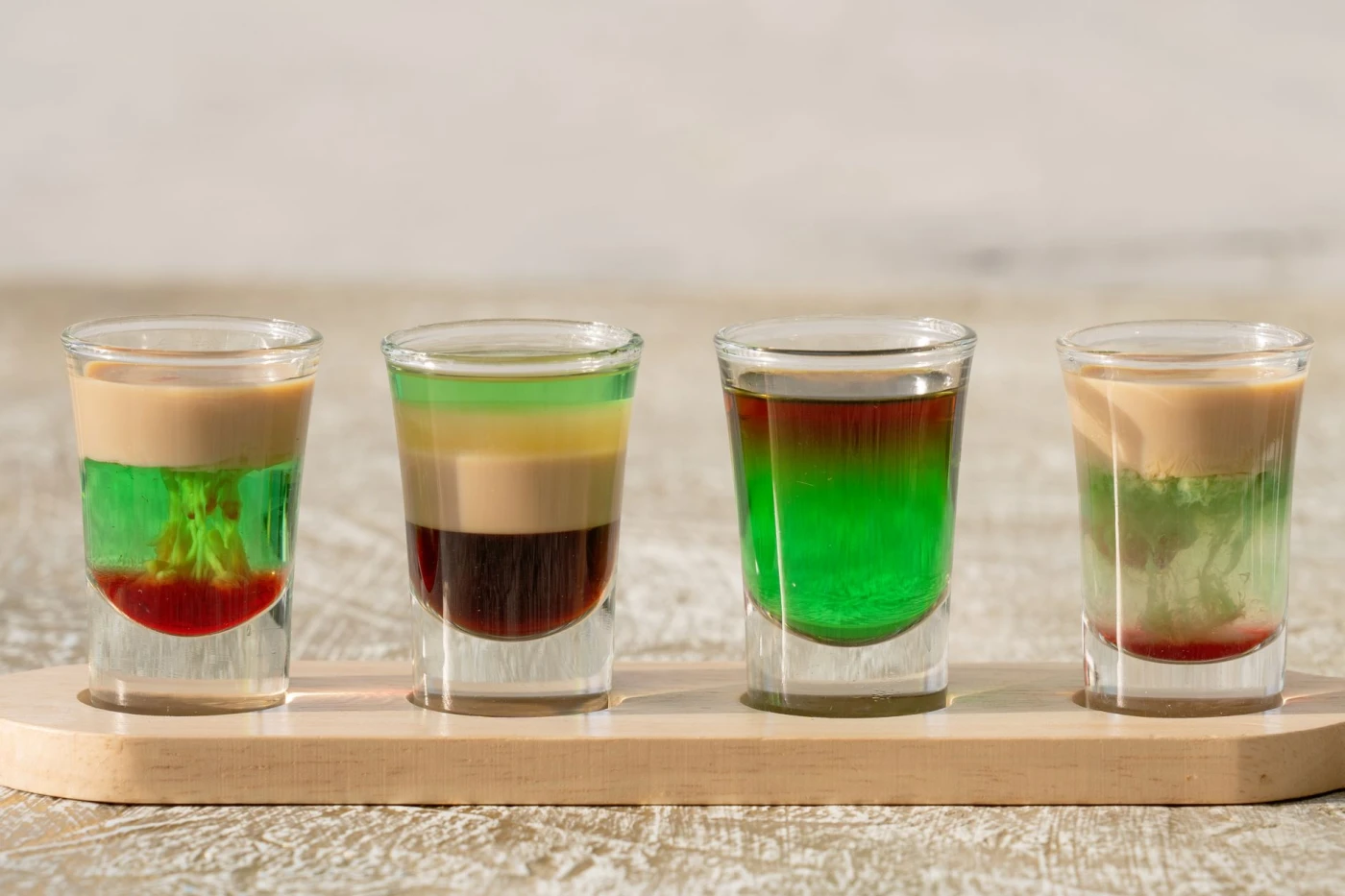
Layering looks theatrical, but the technique is controlled rather than complicated. Allow ten minutes for chilling and about one minute for assembly. You need a 1.5–2 oz clear shot glass, a jigger and a bar spoon or clean teaspoon.
- Chill the components. Refrigerate all three bottles until they reach roughly 38–42°F (3–6°C). Put the glass in the freezer for 10 minutes, ensuring it is dry and free from cracks.
- Measure the base. Pour 0.5 oz (15 ml) coffee liqueur directly into the glass. Avoid splashing the sides because streaks make the finished layers look untidy.
- Add the mint layer. Turn a bar spoon so its curved back faces upward. Hold the spoon tip just above the coffee liqueur and slowly trickle 0.5 oz (15 ml) white crème de menthe over it.
- Clean the spoon. Wipe or rinse it. Coffee residue on the metal can mark the pale top layer.
- Float the cream. Lower the spoon close to the mint layer. Pour 0.5 oz (15 ml) Irish cream in a thin, patient stream. Raise the spoon gradually as the liquid level rises.
- Inspect and serve. Let the After Six Shot settle for 20–30 seconds. Serve it immediately, without stirring or adding ice.
After testing several pour heights, I found that keeping the spoon within about 0.25 inch (6 mm) of the surface made the biggest difference. Less falling distance means less force and less mixing.
Making four? Measure each ingredient into a small pouring vessel, but complete the same layer across every glass before moving to the next bottle. For other fast drinks that reward an efficient setup, see these quick vodka cocktails.
Why the Three Layers Stay Separate
The layers form because the liqueurs have different densities. In general, a sweeter liquid containing more dissolved sugar is heavier than a less sugary or higher-proof one. The dense coffee liqueur therefore makes a dependable base, while the creamy component can rest above the clearer mint layer when it is poured gently.
Temperature also influences the result. Chilled liqueurs are slightly more viscous, so they move and mingle more slowly than warm ones. The spoon reduces the momentum of each pour by spreading the liquid across a wider surface. It does not create the density difference; it simply helps the incoming layer settle without punching through the one below.
These boundaries are temporary rather than permanent. Diffusion begins as soon as the liquids touch, and vibration, heat or an uneven tray accelerates visible mixing. That is why a freshly assembled After Six Shot looks sharper than one left on a busy bar for an hour.
If an unfamiliar brand refuses to follow the expected order, pour a teaspoon of each liqueur into a narrow test glass and watch where it settles. You can then adjust the sequence while keeping the same measured quantities. This quick test is particularly useful with lower-sugar coffee liqueurs, high-proof mint products and plant-based cream liqueurs.
Pro Tips for Crisp, Even Layers
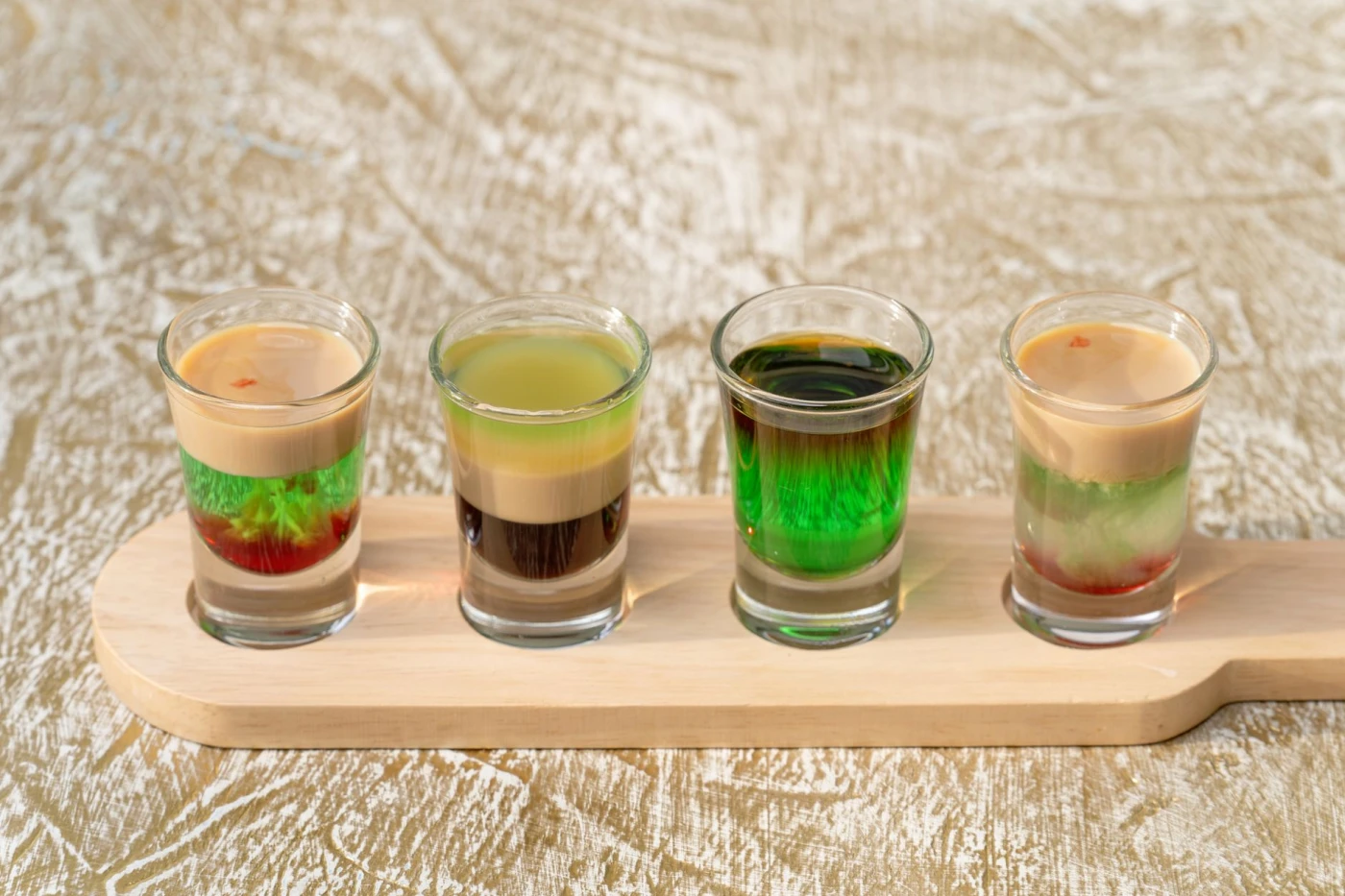
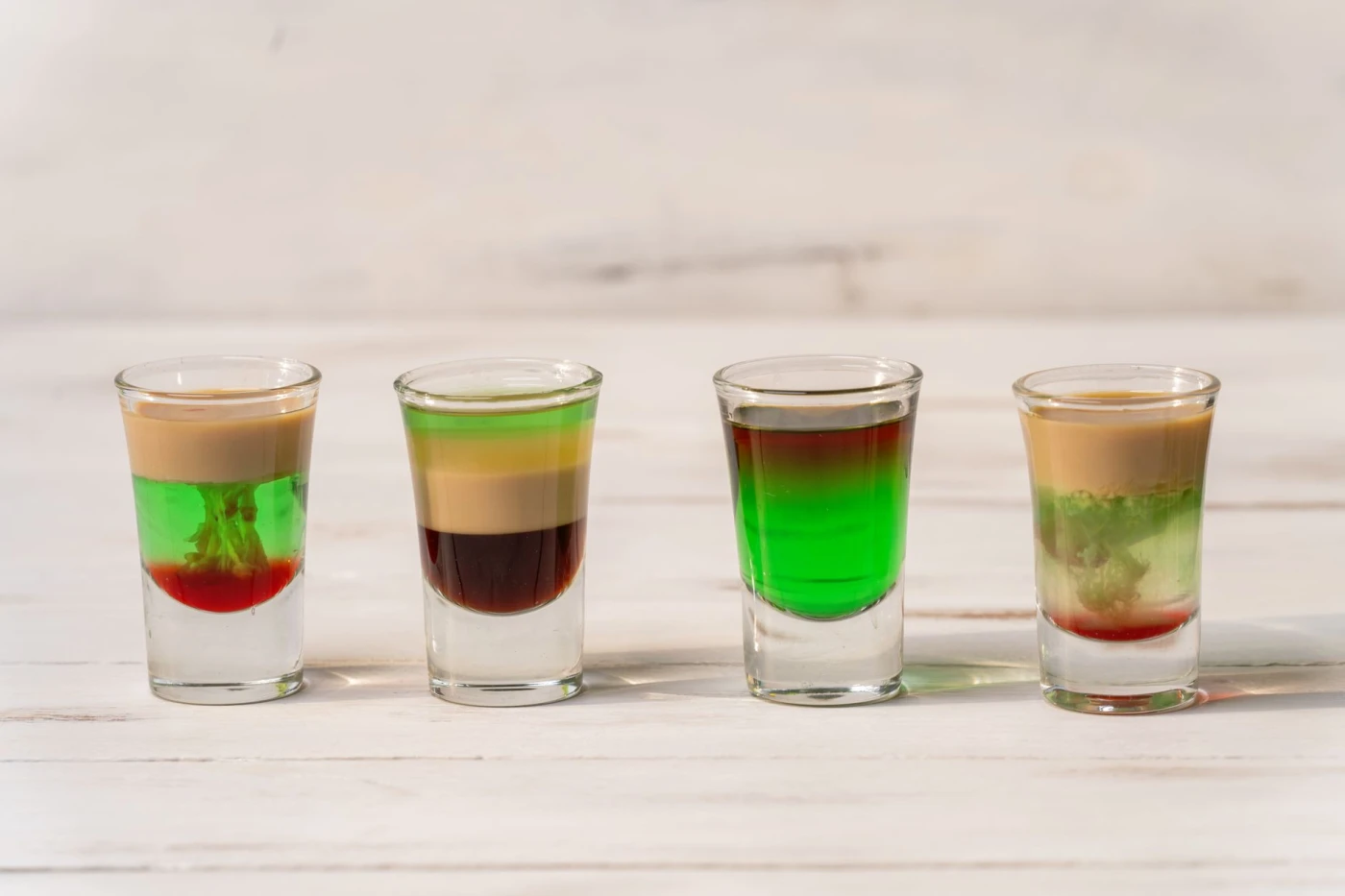
Here’s the thing about layered shots: a published pouring order is a reliable starting point, not an unbreakable physical law. Sugar, alcohol and cream content affect density, and formulations differ by brand and country. If you substitute two or three bottles, make one test shot before your guests arrive.
In my experience, cold ingredients are easier to control. They flow more slowly, and the Irish cream holds a tidier cap. Refrigerate the bottles rather than shaking them with ice; shaking adds water and air, changing both density and appearance.
Use a glass with straight, transparent sides. Frosted, coloured or heavily tapered shooters hide the bands. A 2 oz glass gives you a little safety margin, whereas an exact 1.5 oz glass must be filled almost to the rim. Place it on a level counter at eye height so you can monitor each boundary.
Your bar spoon should nearly touch the preceding layer. Pouring from three inches above it defeats the spoon’s purpose. No bar spoon? A clean teaspoon works, although its shorter handle is awkward in tall glassware. A speed pourer gives excellent control, but it is optional.
Should you garnish an After Six Shot? Traditionally, no. A light dusting of cocoa or one tiny mint leaf can signal the flavours, but both interfere with the clean surface. I prefer serving it naked. If you do garnish, use barely a pinch and add it at the last second.
After testing room-temperature and refrigerator-cold versions side by side, the chilled drink also tasted less syrupy. Aim for 38–42°F (3–6°C), not frozen. Deep-freezing cream liqueur can damage its texture, and an icy glass may develop condensation that spoils the presentation.
Finally, taste your bottles separately. This small habit teaches you more than brand rankings do, just as comparing base spirits helps when exploring beginner-friendly whiskey cocktails.
After Six Shot Variations Worth Trying
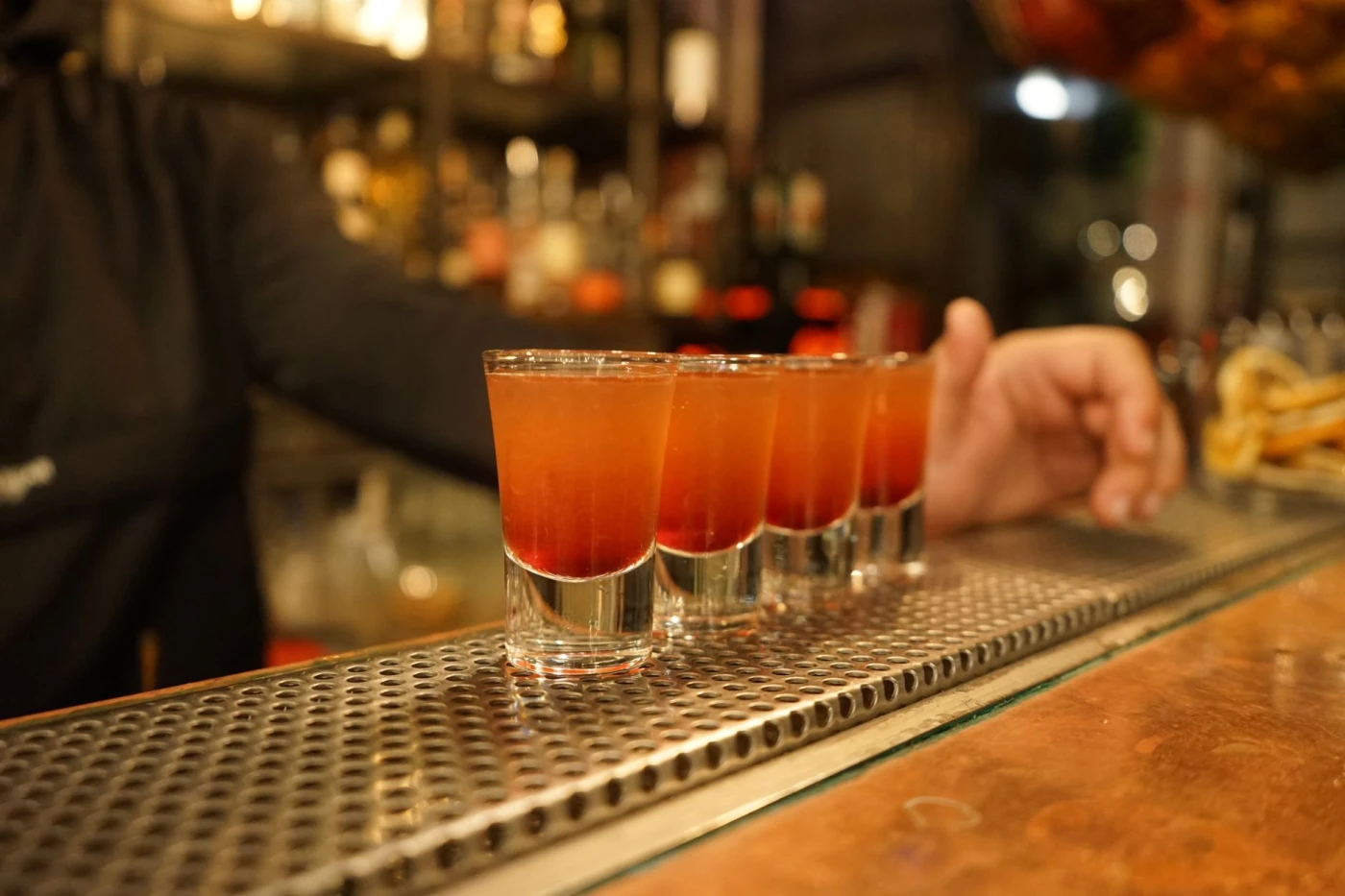
Once you can build the original cleanly, adjust one variable at a time. These variations keep the total serving at 1.5 oz (45 ml), so the same glass and layering method still work.
Dark Coffee After Six
- 0.5 oz (15 ml) Mr Black coffee liqueur
- 0.5 oz (15 ml) white crème de menthe
- 0.5 oz (15 ml) Baileys Original
This is drier and more coffee-forward than the Kahlúa build. It is easily one of the best versions for espresso drinkers.
Emerald After Six
- 0.5 oz (15 ml) coffee liqueur
- 0.5 oz (15 ml) green crème de menthe
- 0.5 oz (15 ml) Irish cream
The flavour remains familiar, but the bright middle stripe suits St Patrick’s Day or a playful holiday party.
Chocolate-Mint Six
- 0.5 oz (15 ml) coffee liqueur
- 0.25 oz (7.5 ml) white crème de menthe
- 0.25 oz (7.5 ml) white crème de cacao
- 0.5 oz (15 ml) Irish cream
Combine the two clear liqueurs before floating them. The result tastes like a mint-chocolate truffle without becoming overwhelmingly minty.
Dairy-Free After Six
- 0.5 oz (15 ml) coffee liqueur
- 0.5 oz (15 ml) white crème de menthe
- 0.5 oz (15 ml) dairy-free cream liqueur
Baileys Almande or another almond- or oat-based cream can work, but allergen profiles and availability vary. The top layer may be thinner, so pour slowly.
Long After Six
- 0.5 oz (15 ml) coffee liqueur
- 0.25 oz (7.5 ml) white crème de menthe
- 0.5 oz (15 ml) Irish cream
- 2 oz (60 ml) cold brew coffee
Shake with ice and strain into a chilled 4 oz glass. It is no longer layered, but it becomes a longer, less concentrated drink. For more deliberately lighter options, browse our low-alcohol cocktail recipes.
Common After Six Shot Mistakes
Pouring too quickly is the most common failure. A bar spoon spreads the liquid, but it cannot rescue a heavy stream. Think trickle, not splash. Each upper layer should take roughly 8–12 seconds to add.
Using warm bottles creates another problem. Warm liqueurs move quickly and feel excessively sweet. Chill all three, yet avoid freezing the Irish cream. About 38–42°F (3–6°C) is a practical target.
Assuming every brand has identical density can produce mysterious mixing. A high-proof, less sugary coffee liqueur may behave differently from Kahlúa. Likewise, vegan cream liqueur may not float as readily as a dairy formula. Run a small test and, if necessary, reverse two layers based on how your chosen products settle.
Using green mint liqueur by accident does not ruin the taste, but it changes the look dramatically. Check for white, clear or blanc on the label when you want the restrained version. Crème de menthe is a sweet mint liqueur; it is not the same as unsweetened mint extract, which would be painfully intense.
Shaking the recipe sacrifices the defining visual structure. Shaking is valid only when you intentionally want a uniformly creamy variation. For the classic After Six Shot, build in the serving glass.
Preparing it hours ahead invites blurred layers, condensation and possible cream separation. Chill the components in advance, then assemble the drinks within 15–20 minutes of service. Keep the tray flat.
Let’s be honest: an imperfect shot still tastes good. Do not discard it. Call it a mixed version, serve it chilled and adjust your technique on the next glass. Learning this calmly is more useful than chasing social-media perfection, whether you are making this shooter or a fruitier drink such as the Madras cocktail.
Food Pairings, Parties and Serving Ideas
The After Six Shot belongs at the end of a meal. Its coffee, mint and cream flavours pair naturally with chocolate brownies, flourless chocolate cake, tiramisu and vanilla cheesecake. Keep portions small: a rich 1.5 oz (45 ml) shooter beside two or three bites of dessert feels complete.
Dark chocolate around 65–75% cocoa is especially good because its bitterness checks the liqueurs’ sugar. Salted caramel truffles work for the same reason. With a cheese board, choose nutty aged Gouda or mature Cheddar rather than delicate fresh cheese. Strong savoury flavours create contrast, while mild cheese can simply disappear.
For winter holidays, place chilled glasses on a dark tray so the pale top layer stands out. At Halloween, green crème de menthe creates a more theatrical stripe. The classic white-mint build feels smarter for anniversaries, small dinner parties and speakeasy-themed evenings.
Would I serve it at a summer picnic? Probably not. Irish cream needs sensible temperature control, and layered glasses travel badly. A sealed, make-ahead drink is more practical; our guide to portable picnic drinks offers safer options for that setting.
For a party, calculate one 750 ml bottle of each liqueur as enough for about 50 servings at 0.5 oz (15 ml) per ingredient, allowing a little for spillage. Few gatherings need that many. One 375 ml bottle of each produces roughly 25 shots, and guests should never feel pushed to take one.
Serve water and alcohol-free options alongside the tray. Mentioning sweetness does not make this a low-strength drink: depending on the brands, it lands near 20–24% ABV. Enjoy it slowly and practise responsible drinking once alcohol is on the menu. For evidence-based US information, consult the National Institute on Alcohol Abuse and Alcoholism; UK readers can also use Drinkaware.
After Six Shot Quick Reference Cheat Sheet
Use this table when you want the recipe without rereading the full technique. US ounces are presented beside practical UK millilitre measures; 0.5 US fl oz converts to approximately 14.8 ml, rounded here to the bartender-friendly 15 ml.
| Item | US measure | UK metric measure | Purpose |
|---|---|---|---|
| Coffee liqueur | 0.5 oz | 15 ml | Dark, roasted base |
| White crème de menthe | 0.5 oz | 15 ml | Cool mint middle |
| Irish cream liqueur | 0.5 oz | 15 ml | Creamy top layer |
| Total volume | 1.5 oz | 45 ml | One serving |
| Glass capacity | 1.5–2 oz | 45–60 ml | Clear shot glass |
| Serving temperature | 38–42°F | 3–6°C | Cold, not frozen |
| Estimated strength | 40–48 proof | 20–24% ABV | Varies by brand |
Fast method: chill, measure and layer in that order. Pour the coffee liqueur directly into the glass, then float the mint and Irish cream separately over the back of a spoon. Allow 20–30 seconds for the bands to settle.
For six servings, use 3 oz (90 ml) of each liqueur, producing 9 oz (270 ml) in total. Do not combine the bottles in advance; you would lose the layers. Instead, complete one ingredient across all six glasses before starting the next.
The calculated strength is an estimate. Equal amounts of 20% Kahlúa, 24% Giffard Menthe Pastille and 17% Baileys average about 20.3% ABV before any dilution. Substituting 30% ABV espresso liqueur pushes the result higher. Labels take priority over generic figures.
The After Six Shot succeeds because it is small, deliberate and visually clear. Once your bottles are cold, the spoon stays low and your pour slows down, the layers become remarkably repeatable.
Ready to organise the rest of your setup? Download the free home bar starter checklist and keep your essential bottles, tools and glassware within easy reach.
Ask AI about this article
Pick a prompt, copy it, or open ChatGPT with this article preloaded.
Frequently Asked Questions
What is an After Six Shot?
An After Six Shot is a sweet, layered shooter combining coffee liqueur, white crème de menthe and Irish cream in equal measures. The flavour moves from roasted coffee through cooling mint to a creamy finish. It is normally served chilled in a clear 1.5–2 oz shot glass, which lets you see the three contrasting layers.
How do you make an After Six Shot?
Chill the bottles and shot glass, then add 0.5 oz (15 ml) coffee liqueur. Hold a bar spoon just above that layer and slowly pour 0.5 oz (15 ml) white crème de menthe over its back. Clean the spoon before floating 0.5 oz (15 ml) Irish cream on top. Serve immediately without stirring.
What ingredients do you need for an After Six Shot?
You need coffee liqueur, white crème de menthe and Irish cream liqueur. Kahlúa, Giffard Menthe Pastille and Baileys form a dependable combination, but comparable brands work. White crème de menthe is preferable when you want restrained colouring; green crème de menthe tastes similar but creates a much brighter middle b.
What is the best coffee liqueur for an After Six Shot?
Kahlúa is the easiest all-round choice because its sweetness and coffee flavour sit comfortably beneath the mint. Galliano Espresso produces a drier, stronger result, while Mr Black makes the shot distinctly coffee-led. There is no ingredient literally called After; if a recipe asks for the best After, it probably mean.
Why are the layers in my After Six Shot mixing?
Warm ingredients, fast pouring and dropping liquid from too high are the usual causes. Chill everything to about 38–42°F (3–6°C), position the spoon close to the existing layer and pour in a thin stream. Density can vary between brands, so test unfamiliar bottles in one glass before preparing a full party batch.
How strong is an After Six Shot?
With Kahlúa at 20% ABV, Giffard Menthe Pastille at 24% and Baileys at 17%, equal undiluted portions average about 20% ABV. Brand substitutions can move the finished drink closer to 18–24% ABV, or approximately 36–48 proof. A 1.5 oz (45 ml) serving contains roughly half a US standard drink.
Comments 0
Login to Post comments