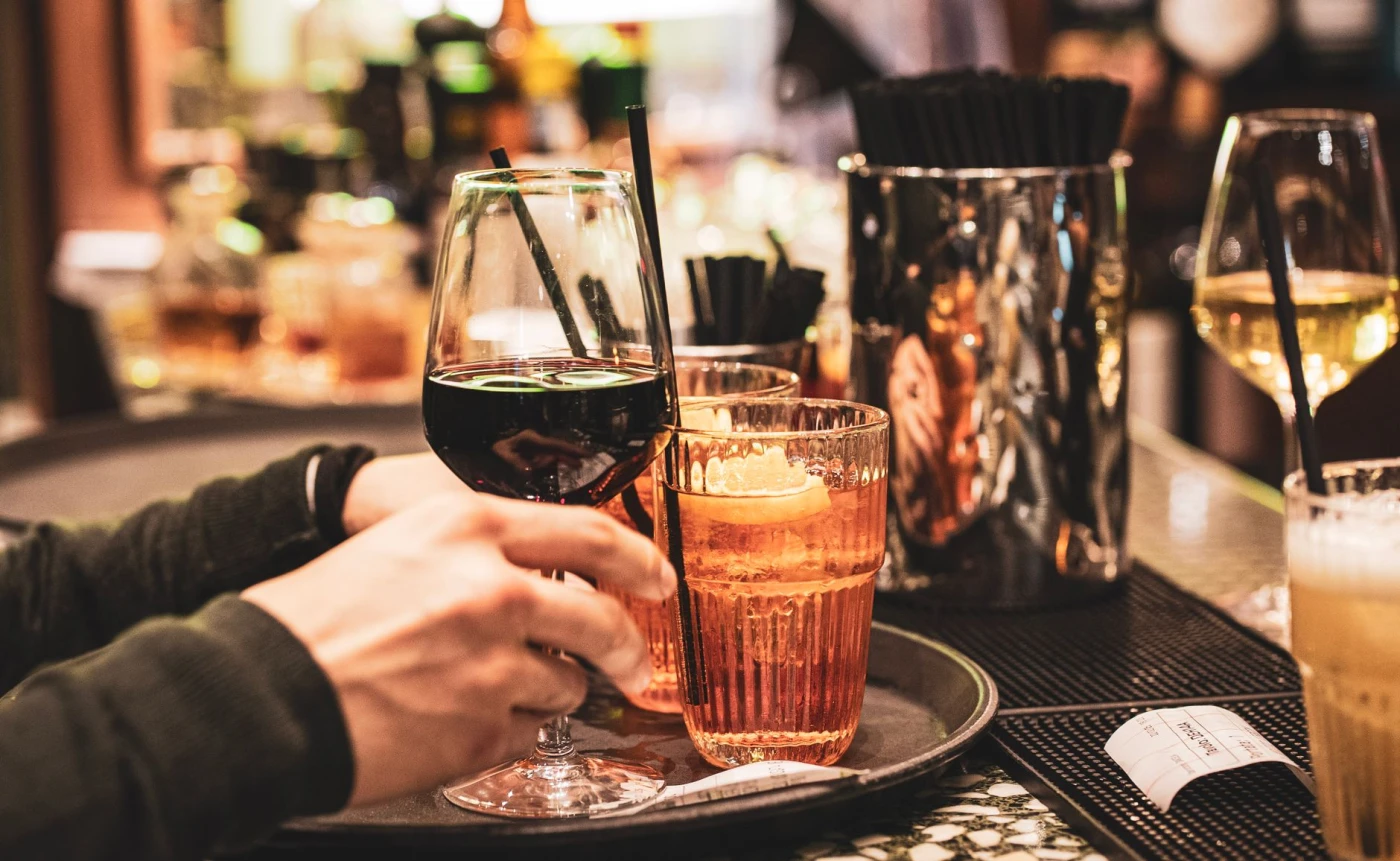

Campari Spritz: Bitter, Bright, Better
A crisp Campari Spritz recipe with exact US and UK measurements, expert tips, variations, food pairings, and common mistakes to avoid. Campari Spritz is the drink you make when you.
Campari Spritz is the drink you make when you want the easy sparkle of a spritz but with a sharper, grown-up bitter edge. It is red, fizzy, citrusy, and built for the golden hour before dinner.
Here's the thing: this is not just an Aperol Spritz with a darker jacket. Campari brings more bitterness, more structure, and usually more alcohol, so the balance matters. Too much soda and it tastes thin. Too much Campari and it can feel punishing.
If you already know classics from 15 classic cocktails every home bartender should know, this one belongs in your rotation. It is simple, but it rewards care. Cold glass. Cold prosecco. Fresh orange. Big ice. That is the whole game.
The best way to think about this drink is as a small act of editing. You are not trying to hide Campari. You are trying to give it enough sparkle, citrus, chill, and dilution that its bitterness feels appetising rather than stern. When that balance lands, the drink tastes vivid and clean from the first sip to the last.
What Is a Campari Spritz?
A Campari Spritz is an Italian-style aperitivo cocktail made with Campari, sparkling wine, soda water, ice, and orange. The usual build is close to 3 parts prosecco, 2 parts Campari, and 1 part soda, though many bartenders adjust it by taste. It lands bitter, bright, lightly sweet, and very refreshing.
Campari itself is a red bitter aperitif from Italy, commonly bottled around 24% ABV, though the exact strength can vary by market. For US readers, alcohol labeling and category rules sit under federal oversight from the TTB. For UK readers, the practical point is simpler: check your bottle label, because ABV tells you more than tradition does.
The spritz family became famous through northern Italian aperitivo culture, especially the easy rhythm of a low-to-moderate drink before food. A Campari version is more assertive than the orange Aperol style. Less candy. More grip.
In my experience, this is easily one of the best drinks for people who think sweet sparkling cocktails are boring. It still feels festive, but the bitterness gives it backbone. That makes it useful before pasta, pizza, grilled fish, olives, or a late-summer garden dinner.
Think of it as the bridge between wine cocktails and proper bitter classics. If your taste leans toward sharper drinks, you may also like the spirit-led ideas in best whiskey cocktails for beginners, because those recipes teach balance rather than sugar.
That bitter profile also explains why the Campari Spritz works best as an aperitif rather than a dessert drink. It is designed to sharpen appetite. The finish should make you want a salty snack, a bowl of olives, or a plate of pasta, not another spoonful of sugar. If the drink tastes sticky, sweet, or heavy, the problem is usually the prosecco choice, the serving temperature, or the ratio.
Campari Spritz Ingredients You Need

You need only five things, so each one has to pull its weight. Campari gives the drink its bitter red core. Prosecco adds fruit, bubbles, and lift. Soda water stretches the drink and keeps it crisp.
For one Campari Spritz:
- 2 oz (60 ml) Campari, chilled if possible
- 3 oz (90 ml) dry prosecco, well chilled to 38-45°F (3-7°C)
- 1 oz (30 ml) cold soda water or sparkling mineral water
- 1 large orange slice or orange wheel
- Plenty of ice, ideally large cubes
Use standard Campari. I'd skip bargain red bitter substitutes for your first drink because you need to learn the target flavor before riffing. In the US, a 750 ml bottle of Campari often sits around $28-$38. In the UK, expect roughly £16-£24 for 70 cl, depending on the shop.
For prosecco, choose dry or brut. La Marca, Mionetto, Zonin, Tesco Finest Prosecco, and Sainsbury's Taste the Difference Prosecco can all work. You do not need Champagne. Actually, I would not use a £45 bottle here. The bitterness of Campari will flatten some of the nuance you paid for.
Soda matters more than people admit. Fever-Tree soda, Schweppes, Topo Chico, or a crisp supermarket sparkling water all work if they are cold and freshly opened. Flat soda makes a dull drink. So does wet, half-melted freezer ice.
If you enjoy lighter drinks, compare this with 11 low alcohol cocktail recipes. A spritz is not alcohol-free, but it is more relaxed than many shaken cocktails when poured with care.
Ingredient quality here is less about luxury and more about freshness. A newly opened bottle of ordinary brut prosecco will beat a half-flat premium bottle every time. The same goes for garnish. A fresh orange slice with fragrant oils does more for the drink than an expensive soda poured warm from the cupboard.
How to Make a Campari Spritz Step by Step
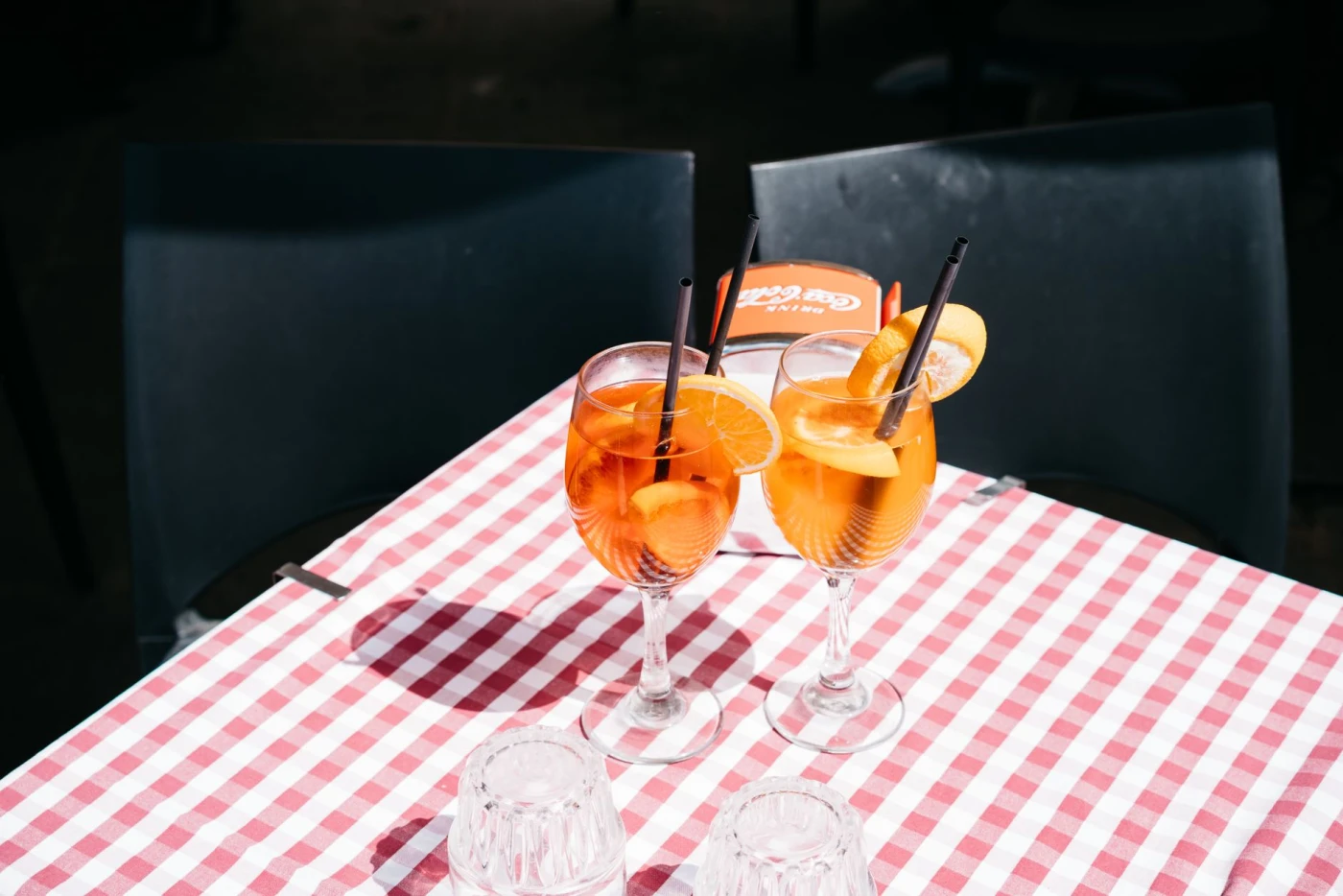
The method is simple, but the order changes the texture. Build the drink in the glass. Do not shake it. Do not batch it hours ahead with bubbles already added unless you enjoy expensive red disappointment.
- Chill your prosecco and soda to about 38-45°F (3-7°C).
- Fill a large wine glass or highball with fresh ice.
- Add 2 oz (60 ml) Campari over the ice.
- Pour in 3 oz (90 ml) dry prosecco slowly so the bubbles stay lively.
- Top with 1 oz (30 ml) cold soda water.
- Stir gently once or twice with a bar spoon.
- Add a fresh orange wheel, then serve immediately.
After testing this with both wine glasses and highballs, I prefer a large wine glass for relaxed drinking and a highball for garden parties where people are standing. The wine glass gives the orange more aroma. The highball keeps the drink tidy.
The finished drink is usually around 9-12% ABV depending on your prosecco and exact pour. That is lighter than a Martini but stronger than many people expect from something this refreshing. Pace it like wine, not lemonade.
Let's be honest: this is a perfect five-minute drink. If speed is your goal, it sits naturally beside vodka cocktails you can make in under 5 minutes, even though the flavor profile is completely different.
One practical hosting move: pre-slice oranges, chill glasses for 10 minutes, and keep prosecco in an ice bucket. Then each drink takes about 45 seconds.
If you are making several, line the glasses up with ice and measured Campari first. Wait until guests are ready before adding prosecco and soda. This keeps the bubbles alive and prevents the first drink from sitting while you build the last one. For responsible drinking, measure each serve rather than free-pouring into a busy tray of glasses.
Pro Tips for a Better Campari Spritz
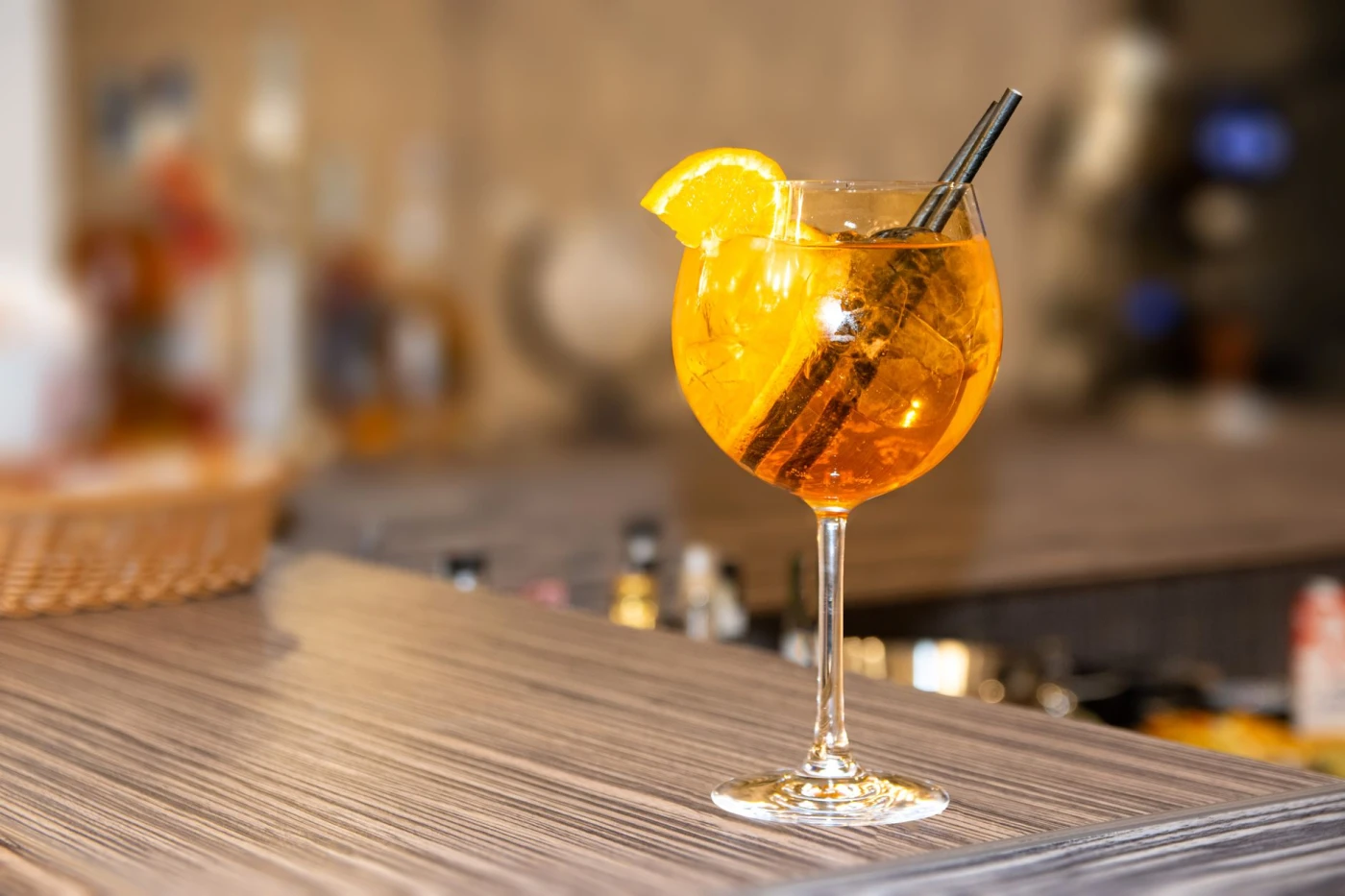
In my experience, the best Campari Spritz tastes colder and drier than most home versions. People often blame Campari when the real problem is warm prosecco, tiny ice, or sweet sparkling wine.
Start with temperature. Keep Campari in the fridge if you make spritzes often. It will not freeze in a normal home freezer, but the fridge is enough. Your prosecco should be properly cold, around 38°F (3°C) if possible. Cold ingredients protect carbonation and slow dilution.
Use large ice. A fully packed glass chills faster and dilutes more slowly than two lonely cubes floating at the top. It looks more generous too. This matters when you are serving drinks outside in July, at a barbecue, or during a UK bank holiday afternoon where the sun appears for exactly 23 minutes.
Choose your orange carefully. A thick orange wheel adds aroma, color, and a little sweetness. Blood orange is excellent in winter. A strip of orange peel works if the fruit is not juicy, but I like the slice because it gives the drink a softer edge.
After testing several ratios, I land on 3:2:1 for most people. If you are new to bitter drinks, try 3 oz (90 ml) prosecco, 1.5 oz (45 ml) Campari, and 1 oz (30 ml) soda. If you love Negronis, keep the full 2 oz (60 ml).
Want a sharper home bar overall? The habits here carry into the Madras cocktail too: cold ingredients, fresh garnish, and honest proportions beat complicated tricks.
One more detail: pour the prosecco down the inside of the glass rather than splashing it straight into the center. You do not need bar-school precision, but a calmer pour keeps the texture finer. Then add soda last so the top of the drink feels brisk and aromatic. If you garnish first, the orange can block the pour and make the glass messy.
Campari Spritz Variations Worth Making
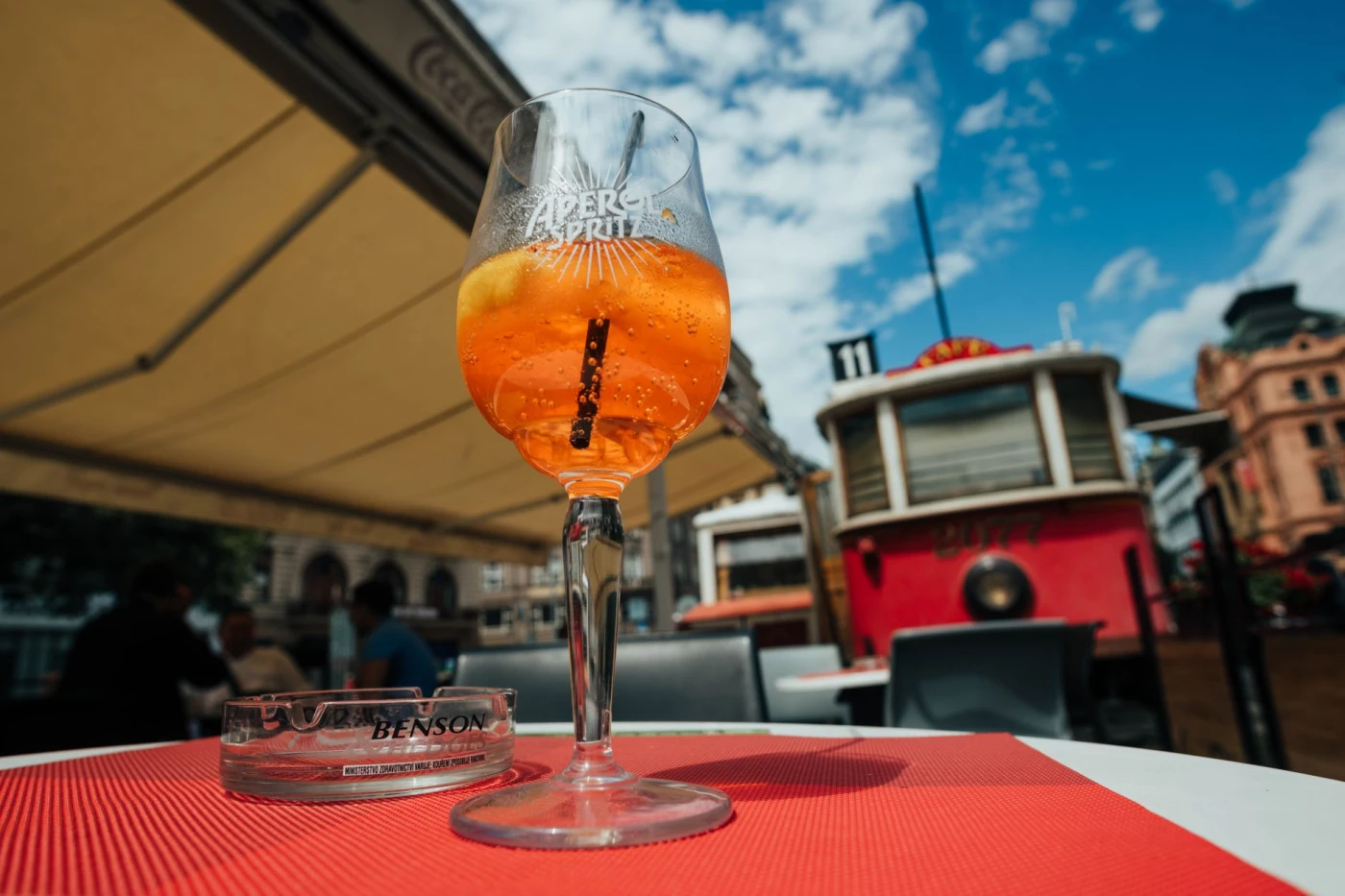
Once you understand the classic Campari Spritz, variations become useful rather than random. Keep the bitter-sparkling-soda structure, then change one thing at a time. That is how you learn what each ingredient actually does.
Grapefruit Campari Spritz
- 2 oz (60 ml) Campari
- 2.5 oz (75 ml) dry prosecco
- 1 oz (30 ml) fresh pink grapefruit juice
- 0.5 oz (15 ml) soda water
- Grapefruit wedge
This is brighter and more tart. It works beautifully for brunch, especially with smoked salmon, avocado toast, or salty crisps.
Low-Bitter Starter Spritz
- 1.5 oz (45 ml) Campari
- 3.5 oz (105 ml) prosecco
- 1 oz (30 ml) soda water
- Orange slice
This is the version I make for Campari beginners. It still tastes like Campari, but it does not shout.
Rosé Campari Spritz
- 2 oz (60 ml) Campari
- 3 oz (90 ml) dry sparkling rosé
- 1 oz (30 ml) soda water
- Strawberry slice or orange wheel
Use dry sparkling rosé, not sweet pink fizz. The berry note is fun, but the drink should still finish clean.
Picnic Bottle Spritz Base
- 8 oz (240 ml) Campari
- 4 orange slices
- Add 12 oz (360 ml) prosecco and 4 oz (120 ml) soda only when serving
For parks, beaches, and train-friendly planning, prep only the still base. For more portable ideas, see portable picnic drinks you can make ahead or in minutes.
You can also make a lighter zero-proof-inspired serve by replacing prosecco with non-alcoholic sparkling wine and reducing Campari to 1 oz (30 ml), though it will still contain alcohol unless you also replace Campari with a non-alcoholic red bitter. Taste before serving, because alcohol-free sparkling wines vary wildly in sweetness, acidity, and bubble quality.
Common Campari Spritz Mistakes
The first mistake is using warm prosecco. Warm sparkling wine foams aggressively, then goes flat fast. The drink ends up tasting bitter, sweet, and tired instead of crisp. Keep the bottle cold, and if you are serving outside, use an ice bucket with water and ice rather than dry ice alone. Water transfers cold faster.
The second mistake is over-stirring. A Campari Spritz needs only one or two gentle turns. If you stir like you are making an Old Fashioned, you knock out bubbles and accelerate dilution. Small thing. Big difference.
The third mistake is treating all sparkling wine as equal. Sweet prosecco can make the drink cloying, while very austere sparkling wine can make the bitterness feel severe. A dry supermarket prosecco around 10.5-11.5% ABV is usually the sweet spot.
The fourth mistake is skipping garnish. Is garnish decorative? Sometimes. Here, no. Orange aroma changes how your brain reads Campari's bitterness. Without it, the drink can feel medicinal to new drinkers.
The fifth mistake is pouring too strong for the setting. A 2 oz (60 ml) Campari pour plus prosecco is still alcohol, even when it tastes refreshing. The NIAAA publishes alcohol health information, and UK readers can find practical guidance from Drinkaware. Responsible drinking means measuring pours, serving water, offering food, and not treating a spritz like a soft drink, especially in hot weather.
Finally, do not confuse bitter with bad. Some palates need two or three tries. If you grew up on sweeter drinks from the 90s drinks era, Campari may feel intense at first.
Another common mistake is topping up glasses casually. It feels hospitable, but it makes it difficult for guests to know how much they have had. For parties, mix fresh drinks from measured ingredients, clear old glasses, and keep non-alcoholic options visible. That is better hosting and better balance.
Food Pairings and Best Occasions
A Campari Spritz loves salt, fat, citrus, and char. That is why it fits aperitivo hour so naturally. The bitterness cuts through rich snacks, while the bubbles reset your palate between bites.
For a US cookout, serve it with grilled sausages, charred peppers, potato chips, grilled shrimp, or a white pizza with ricotta and lemon. It also works with burgers if you keep the toppings sharp: pickles, mustard, onions, and a little heat. Sweet barbecue sauce is less ideal because it fights the bitter finish.
For a UK spread, try it with fish and chips, olives, salted nuts, cheddar, smoked mackerel pâté, or sausage rolls. The drink is especially good when the food is crunchy or oily. That is not an insult. It is the point.
In my experience, this is a top-tier late spring through early autumn cocktail. May garden drinks, Wimbledon afternoons, Fourth of July gatherings, August dinners, September weddings, and Christmas aperitif hours all make sense. The red color looks festive in December, while the citrus keeps it from feeling heavy.
If you are planning a menu, think in courses. Start with Campari Spritzes and snacks. Move to wine with dinner. Finish with coffee or a stronger classic only if the night calls for it. That pacing feels better than serving high-proof cocktails from the first minute.
For guests who prefer spirits over wine cocktails, keep a simple alternative ready from beginner-friendly whiskey cocktails. For guests who want something fruitier, a Madras is bright, easy, and far less bitter.
The best occasions are social but unhurried. A Campari Spritz is not a drink to hide in a paper cup or rush through before dinner. It suits conversation, snacks, sunlight, and the first hour of a gathering. Serve it when people can notice the aroma, the cold glass, and the way the orange changes the bitterness.
Make-Ahead and Party Serving
A Campari Spritz is best built fresh, but you can still make party service easy. The key is separating still ingredients from sparkling ingredients. Campari and sliced orange can sit together in a sealed bottle or jug in the fridge for a few hours. Prosecco and soda should stay unopened and cold until the moment you serve.
For four drinks, chill 8 oz (240 ml) Campari with four orange wheels. When guests arrive, fill four glasses with ice, divide the Campari, then add 12 oz (360 ml) prosecco and 4 oz (120 ml) soda across the glasses. Stir each one gently and serve right away. For eight drinks, double those numbers, but keep the same method.
Avoid making one large carbonated jug unless it will be poured immediately. It may look convenient, but the first glasses get foam and the last glasses get flat bitterness. Individual glasses take a little more attention and taste much better.
If you are hosting outdoors, build a small station: glasses, ice, measured jigger, Campari, chilled prosecco, chilled soda, orange slices, water, and snacks. That setup lets you serve quickly while keeping each drink consistent. It also supports responsible drinking because guests can see the pour size and alternate with water.
Quick Reference Campari Spritz Cheat Sheet
Need the fast version? Use this table when you are mixing at home, batching for friends, or converting between US and UK measures. The classic Campari Spritz is forgiving, but only within reason. Keep the wine cold, keep the bubbles fresh, and do not let the drink sit around.
| Element | US Measure | UK Metric | Best Practice |
|---|---|---|---|
| Campari | 2 oz | 60 ml | Use standard Campari, chilled if possible |
| Dry prosecco | 3 oz | 90 ml | Serve at 38-45°F / 3-7°C |
| Soda water | 1 oz | 30 ml | Use cold, freshly opened soda |
| Glass | 12-16 oz capacity | 350-475 ml capacity | Large wine glass or highball |
| Garnish | 1 orange wheel | 1 orange wheel | Use fresh orange, not dried garnish |
| Approximate strength | About 9-12% ABV | About 9-12% ABV | Depends on prosecco ABV and pour size |
For a softer drink, reduce Campari to 1.5 oz (45 ml). For a bolder drink, keep the full pour and use a drier prosecco. I would not push beyond 2.5 oz (75 ml) Campari unless you are intentionally making a bitter aperitif for serious Campari fans.
The Campari Spritz belongs in a home bar because it is quick, attractive, and useful across seasons. It also teaches balance: bitter, sweet, cold, sparkling, citrus. If you are building your setup from scratch, grab the free home bar starter checklist and keep the basics tight before buying specialist bottles.
The final test is simple: the drink should look bright red, smell like orange and bitter herbs, taste cold and lively, and finish dry enough that you want another bite of food. If it does all of that, you have made a proper Campari Spritz.
Ask AI about this article
Pick a prompt, copy it, or open ChatGPT with this article preloaded.
Frequently Asked Questions
What is a Campari Spritz?
A Campari Spritz is a sparkling Italian aperitif cocktail made with Campari, prosecco, soda water, ice, and orange. It tastes bittersweet, citrusy, lightly herbal, and more assertive than an Aperol Spritz. It is usually served before dinner, especially in warm weather, because the bubbles and bitterness wake up your pa.
How do you make a Campari Spritz?
Fill a large wine glass or highball with ice, add 2 oz (60 ml) Campari, pour in 3 oz (90 ml) chilled prosecco, then top with 1 oz (30 ml) cold soda water. Stir once or twice, gently. Garnish with a fresh orange slice or orange wheel. The drink should be cold, fizzy, and vivid red.
What is the best Campari for a Campari Spritz?
Use standard Campari, the classic red Italian bitter aperitif at about 24% ABV in many markets, though bottling strength can vary by country. You do not need a special expression or premium substitute. The real upgrade is using fresh ice, properly chilled prosecco, and a juicy orange garnish instead of changing the Cam.
What glass should I use for Campari Spritz?
A large wine glass is the classic choice because it gives the ice, bubbles, and orange garnish enough room. A highball also works well if you prefer a slimmer serve. Use a glass with at least 12 oz (350 ml) capacity so the drink does not crowd the ice or lose carbonation too quickly.
Why does my Campari Spritz taste too bitter?
The most common reasons are too much Campari, not enough sparkling wine, warm ingredients, or no orange garnish. Try reducing Campari to 1.5 oz (45 ml), using a fruitier prosecco, and adding a thick orange slice. Do not shake the drink. You want dilution from ice and soda, not bruised bubbles.
What food goes with a Campari Spritz?
A Campari Spritz works beautifully with salty, fatty, and citrus-friendly foods. Try olives, crisps, salted almonds, prosciutto, smoked salmon, fried calamari, margherita pizza, or sharp cheeses. In the UK, it is excellent with fish and chips. In the US, it is a strong cookout drink with grilled sausages or charred veg.
How can I serve Campari Spritz responsibly?
For responsible drinking, measure each pour, serve food and water alongside the cocktails, and avoid topping up half-finished glasses because it makes alcohol intake harder to track. A Campari Spritz tastes bright and refreshing, but it still contains alcohol from both Campari and prosecco.
Comments 0
Login to Post comments